
2026 Guide to Keeping Marine Clownfish: Your Complete Care Manual
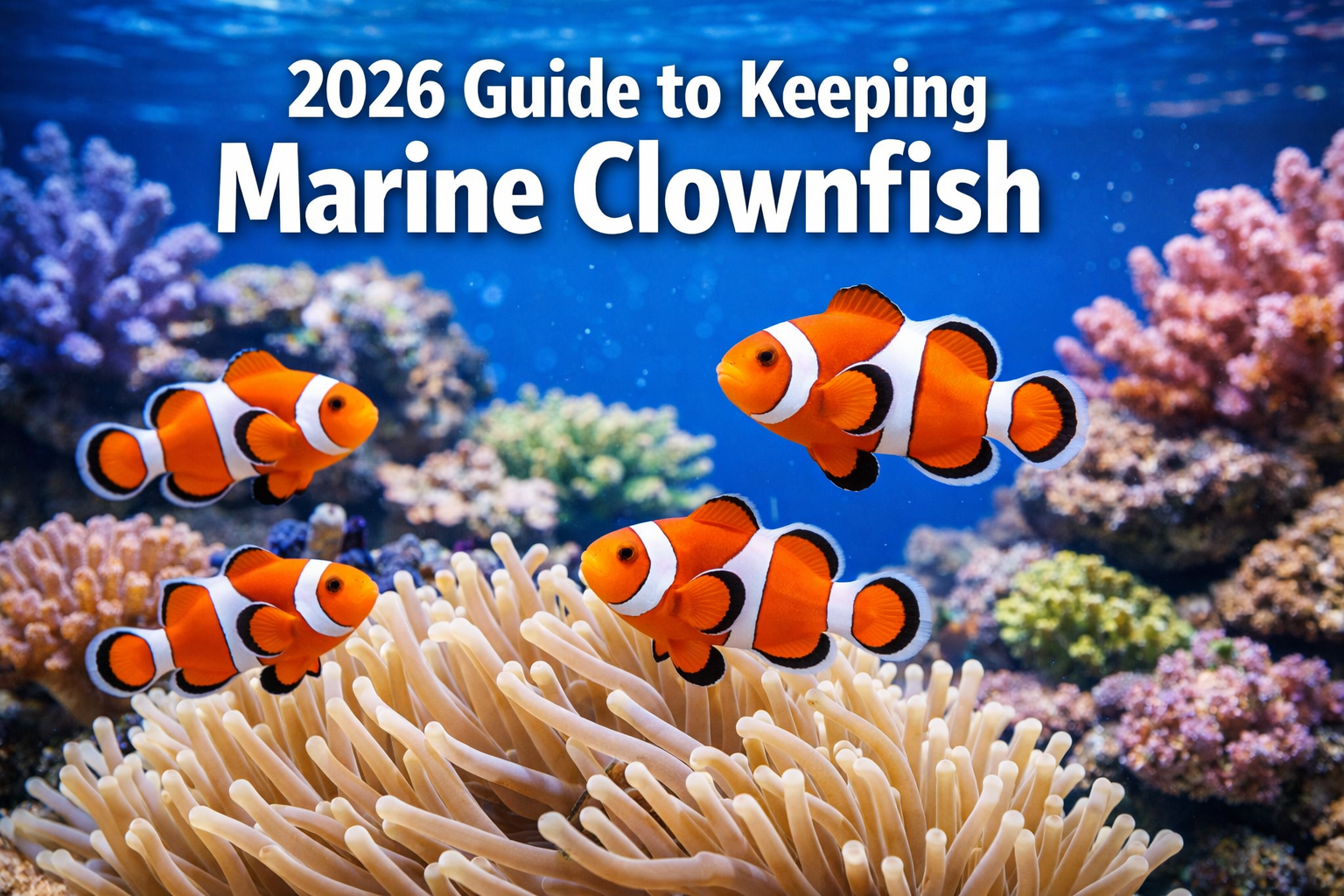
Picture this: you’re gazing into a vibrant saltwater aquarium where a pair of bright orange clownfish dance playfully among swaying anemone tentacles, their movements creating ripples of pure joy across the crystal-clear water. This magical scene, once only witnessed in nature documentaries, can become a daily reality in your own home. Welcome to my comprehensive 2026 guide to keeping marine clownfish – your roadmap to successfully caring for these beloved marine gems that have captured hearts worldwide since a certain animated fish named Nemo swam into our lives.
As someone who has spent over a decade working with marine aquariums and helping countless hobbyists achieve clownfish success, I can tell you that these remarkable fish are both rewarding and surprisingly manageable for dedicated aquarists. Whether you’re a complete beginner dreaming of your first saltwater tank or an experienced hobbyist looking to expand your knowledge, this 2026 guide to keeping marine clownfish will provide you with everything you need to create a thriving underwater paradise.
- Display 21 Products per page

Key Takeaways
• Tank Requirements: Clownfish need a minimum 20-gallon tank with stable water parameters (72-78°F, pH 8.1-8.4, salinity 1.020-1.025)
• Species Diversity: Over 30 clownfish species exist, with ocellaris and percula being the most beginner-friendly options
• Feeding Success: A varied diet of high-quality pellets, frozen foods, and occasional live foods ensures optimal health and coloration
• Breeding Potential: Clownfish are among the easiest marine fish to breed in captivity, making them perfect for hobbyist breeding projects
• Disease Prevention: Proper quarantine procedures and maintaining excellent water quality prevents 90% of common clownfish health issues
Essential Tank Setup for Marine Clownfish Success
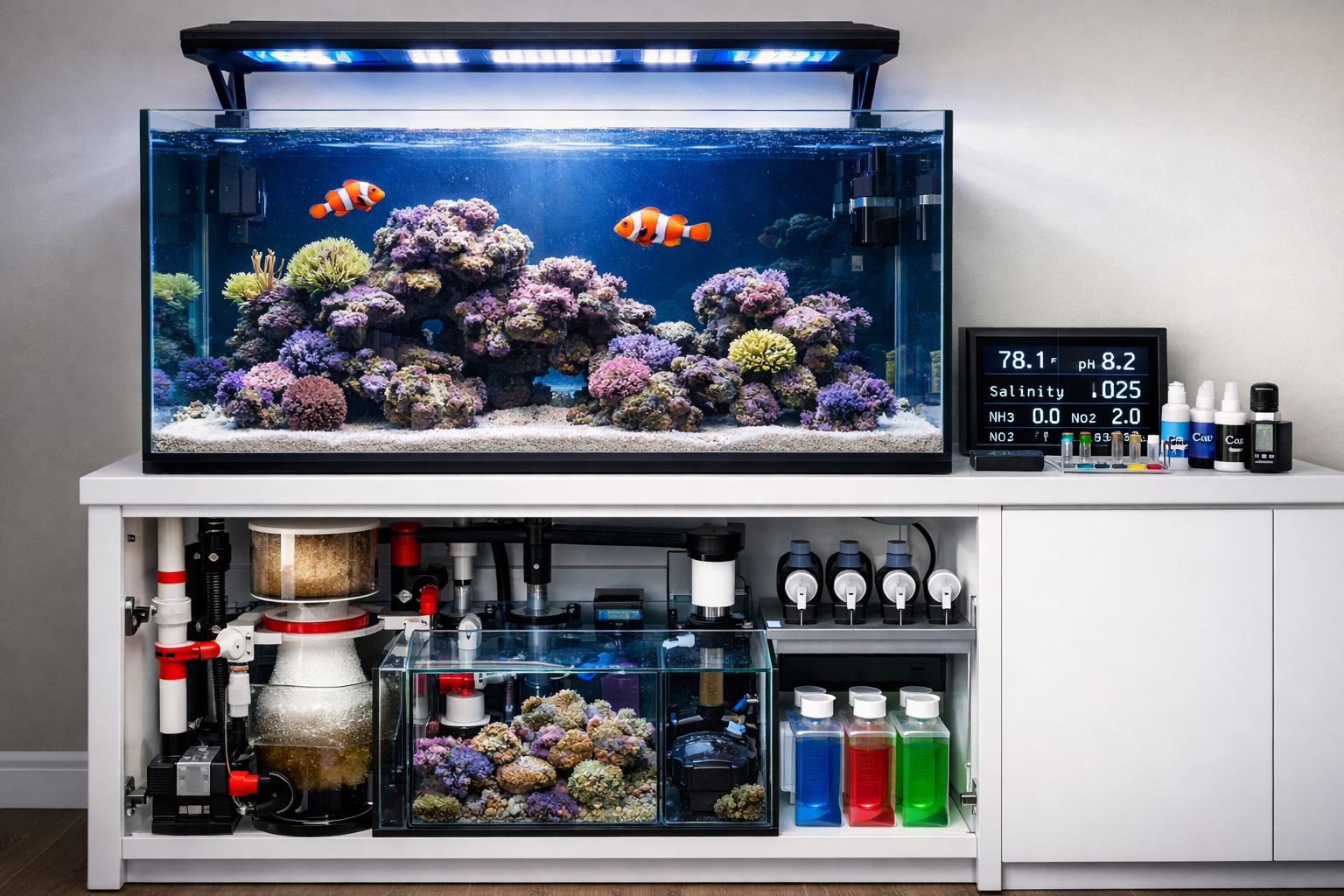
Creating the perfect environment for your clownfish starts with understanding their natural habitat needs. In the wild, these fish inhabit coral reefs with stable water conditions, plenty of hiding spots, and symbiotic relationships with sea anemones. Replicating these conditions in your home aquarium is the foundation of successful clownfish keeping.
Tank Size and Equipment Requirements
The minimum tank size for a pair of clownfish is 20 gallons, though I strongly recommend starting with at least 30 gallons for better water stability. Larger tanks are more forgiving of beginner mistakes and provide more swimming space for your fish to exhibit natural behaviors.
Essential Equipment Checklist:
- Protein Skimmer: Removes organic waste before it breaks down
- Live Rock: 1-2 pounds per gallon for biological filtration
- LED Lighting: Full spectrum lights if you plan to keep corals
- Powerheads: Create water movement mimicking ocean currents
- Heater: Maintain consistent temperature (72-78°F)
- Refractometer: Accurate salinity measurements
- Test Kits: Monitor ammonia, nitrite, nitrate, pH, and alkalinity
When shopping for equipment, consider visiting a reputable saltwater fish store that can provide quality equipment and expert advice. The initial investment in proper equipment pays dividends in long-term success and reduces maintenance headaches down the road.
Water Parameters and Chemistry
Maintaining stable water parameters is crucial for clownfish health. These fish are relatively hardy, but sudden changes in water chemistry can stress them and lead to disease outbreaks.
Optimal Water Parameters:
| Parameter | Ideal Range | Critical Notes |
|---|---|---|
| Temperature | 72-78°F (22-26°C) | Use a reliable heater with controller |
| Salinity | 1.020-1.025 SG | Maintain consistency over exact numbers |
| pH | 8.1-8.4 | Natural seawater pH range |
| Ammonia | 0 ppm | Toxic at any detectable level |
| Nitrite | 0 ppm | Equally toxic as ammonia |
| Nitrate | <20 ppm | Keep as low as possible |
| Alkalinity | 8-12 dKH | Buffers pH fluctuations |
Cycling Your Aquarium
Before adding any clownfish, your tank must complete the nitrogen cycle – a process where beneficial bacteria establish themselves to process fish waste. This typically takes 4-6 weeks for a new tank.
Cycling Process Steps:
- Setup Phase (Week 1): Install all equipment and add live rock
- Ammonia Spike (Week 2-3): Add ammonia source (fish food or pure ammonia)
- Nitrite Phase (Week 3-4): Ammonia converts to nitrite
- Completion (Week 4-6): Nitrite converts to nitrate, both ammonia and nitrite read zero
During this waiting period, research different clownfish species and plan your stocking list. Many online retailers offer live fish shipping services, allowing you to source healthy, quarantined fish from reputable suppliers nationwide.
Complete Species Guide: Clownfish Varieties and Morphs
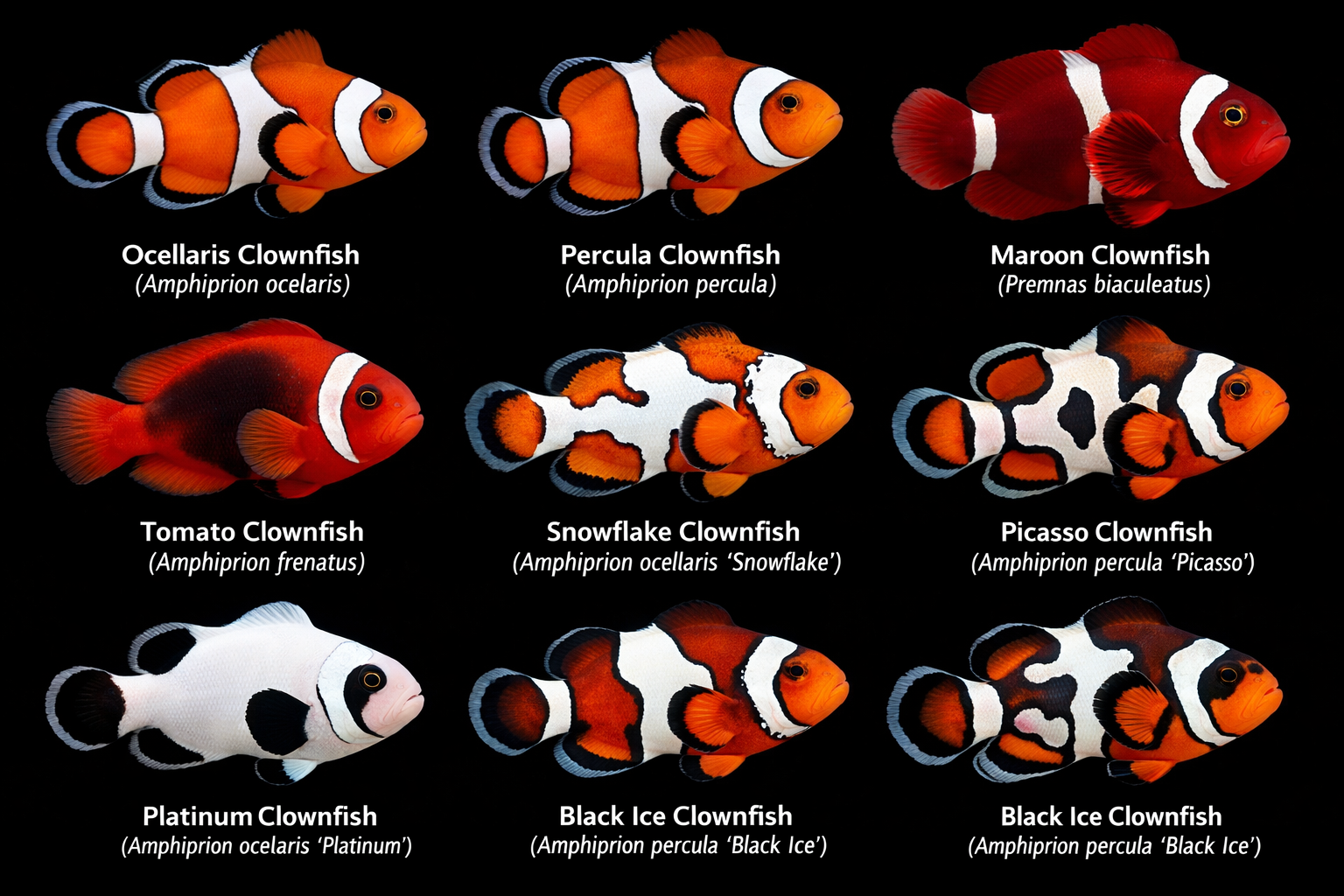
The world of clownfish offers incredible diversity, with over 30 recognized species and countless designer morphs created through selective breeding. Understanding the differences between species helps you choose the right fish for your tank and goals.
Beginner-Friendly Species
Ocellaris Clownfish (Amphiprion ocellaris)
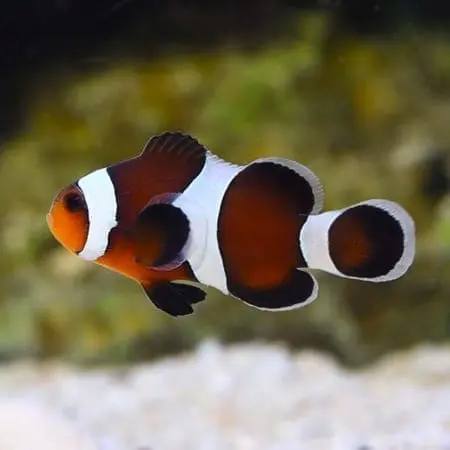
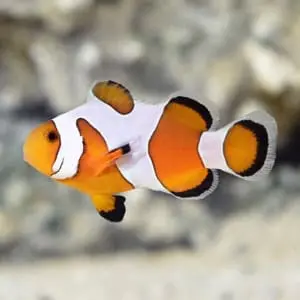
The classic “Nemo” fish remains the most popular choice for good reason. Hardy, peaceful, and readily available as captive-bred specimens, ocellaris clownfish adapt well to aquarium life and rarely show aggression toward tank mates.
- Size: 3-4 inches
- Temperament: Peaceful
- Tank Requirements: Minimum 20 gallons
- Anemone Hosts: Bubble tip, magnificent, carpet anemones
- Breeding Difficulty: Easy
Percula Clownfish (Amphiprion percula)
Often confused with ocellaris, percula clownfish have slightly more vibrant colors and thicker black borders around their white stripes. They’re equally hardy and make excellent beginner fish.
- Size: 2.5-3 inches
- Temperament: Peaceful
- Tank Requirements: Minimum 20 gallons
- Notable Difference: More rounded body shape than ocellaris
- Breeding Difficulty: Easy
Intermediate Species
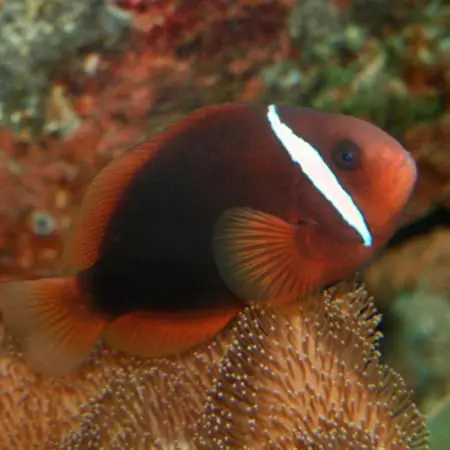
Tomato Clownfish (Amphiprion frenatus)
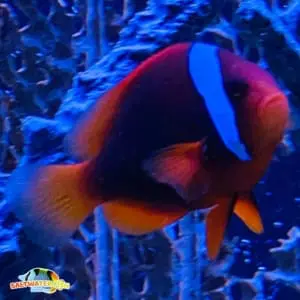
Larger and more robust than ocellaris, tomato clownfish display beautiful red-orange coloration that intensifies with age. They can be slightly more territorial, especially when paired.
Maroon Clownfish (Premnas biaculeatus)
The largest clownfish species, maroons are stunning but require more space and careful tank mate selection due to their potential aggression.
- Size: Up to 6 inches
- Tank Requirements: Minimum 50 gallons
- Special Note: Females can become quite territorial
- Anemone Preference: Bubble tip anemones
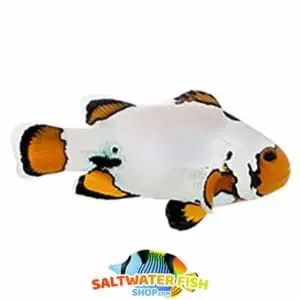
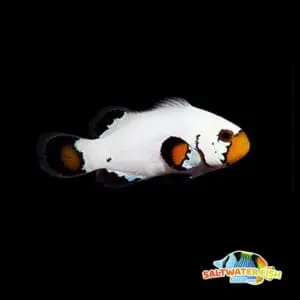
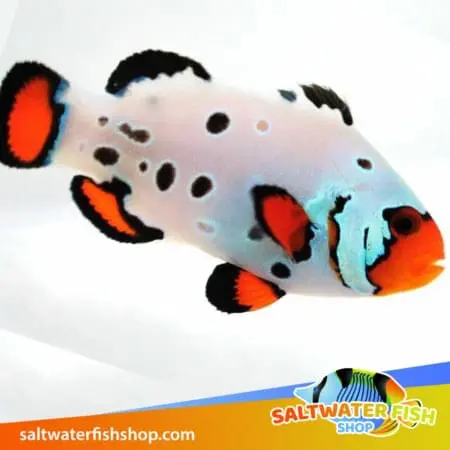
Designer Morphs and Color Variations
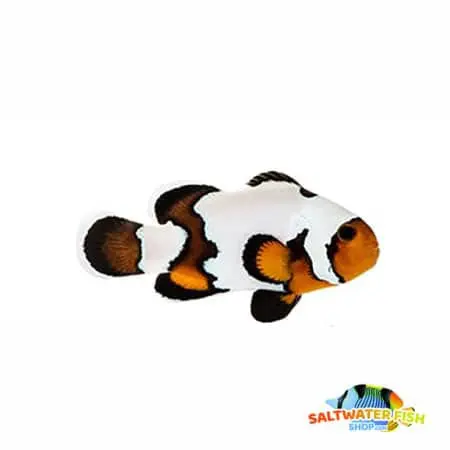
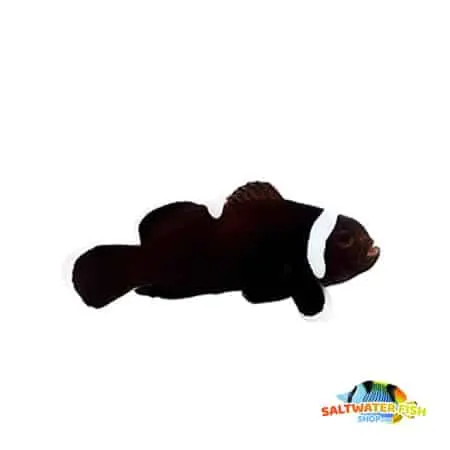
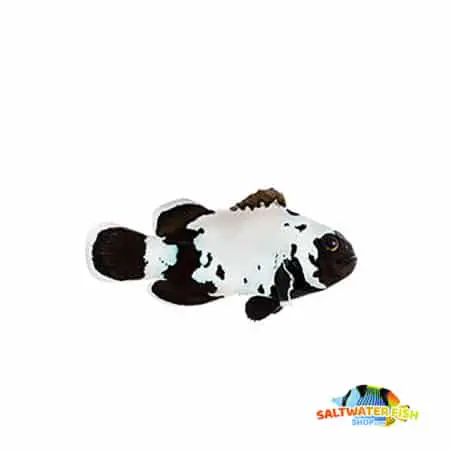
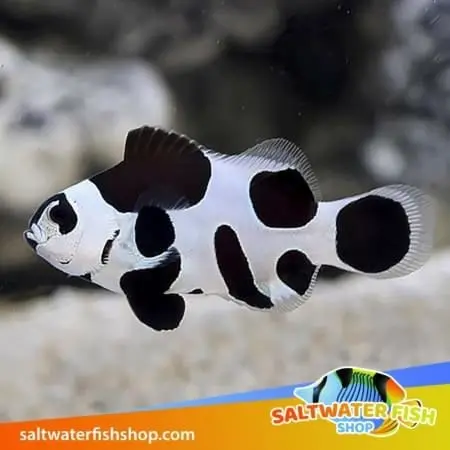
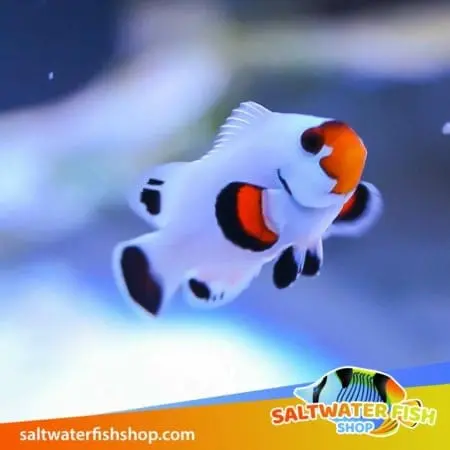
The aquaculture industry has produced incredible clownfish morphs through selective breeding, creating fish with unique patterns and colors that command premium prices.
Popular Ocellaris Morphs:
- Snowflake: White patches replace orange coloration
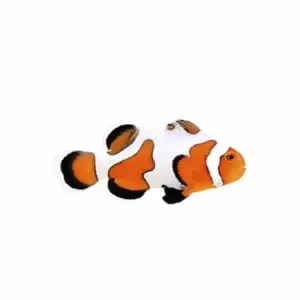
- Picasso: Irregular white patterns create artistic designs
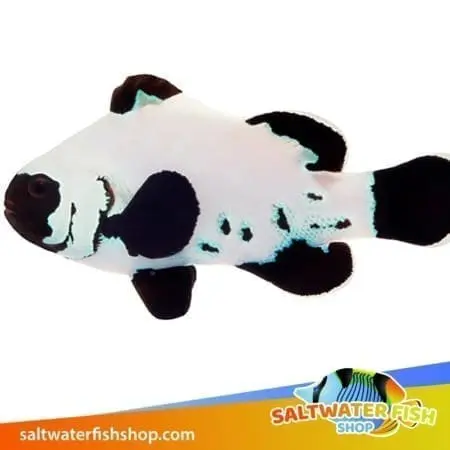
- Platinum: Solid white or cream coloration
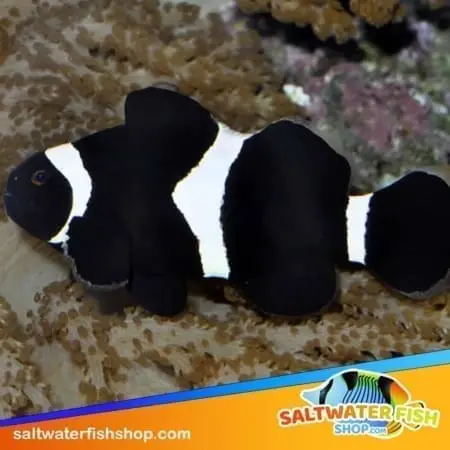
- Black Ice: Dark body with white markings
- Lightning: Extreme white striping patterns
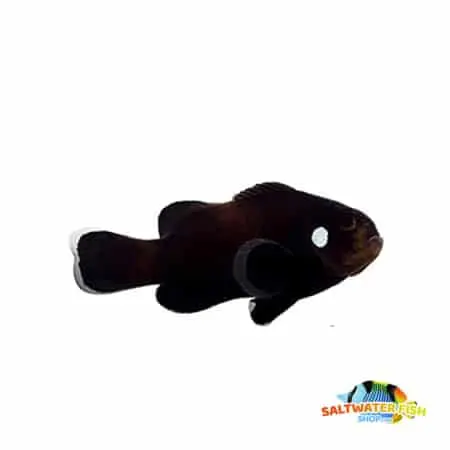
- Mocha: Brown and orange coloration
- Blood Orange: Intensely red-orange coloration
Pricing and Availability:
Common morphs like snowflake and picasso typically cost $40-80, while rare morphs like platinum or lightning can reach $200-500 per fish. When purchasing designer morphs, ensure you’re buying from reputable sources that guarantee genetic authenticity.
For the widest selection of clownfish species and morphs, consider shopping at established online retailers specializing in saltwater fish for sale. These businesses often maintain relationships with top breeders and can source specific morphs upon request.
Choosing Compatible Tank Mates
Clownfish generally play well with other peaceful marine fish, but some combinations work better than others. Consider these excellent tank mates:
Ideal Companions:
- Cardinalfish: Peaceful schooling fish that occupy different tank areas
- Gobies: Bottom-dwelling fish that won’t compete for territory
- Wrasses: Active swimmers that add movement and color
- Tangs: Herbivorous fish that help control algae (in larger tanks)
Fish to Avoid:
- Aggressive angelfish: May nip at clownfish
- Large predators: Groupers, lionfish, or large eels
- Highly territorial species: Some dottybacks or pseudochromis
Feeding and Nutrition: The 2026 Guide to Keeping Marine Clownfish Healthy
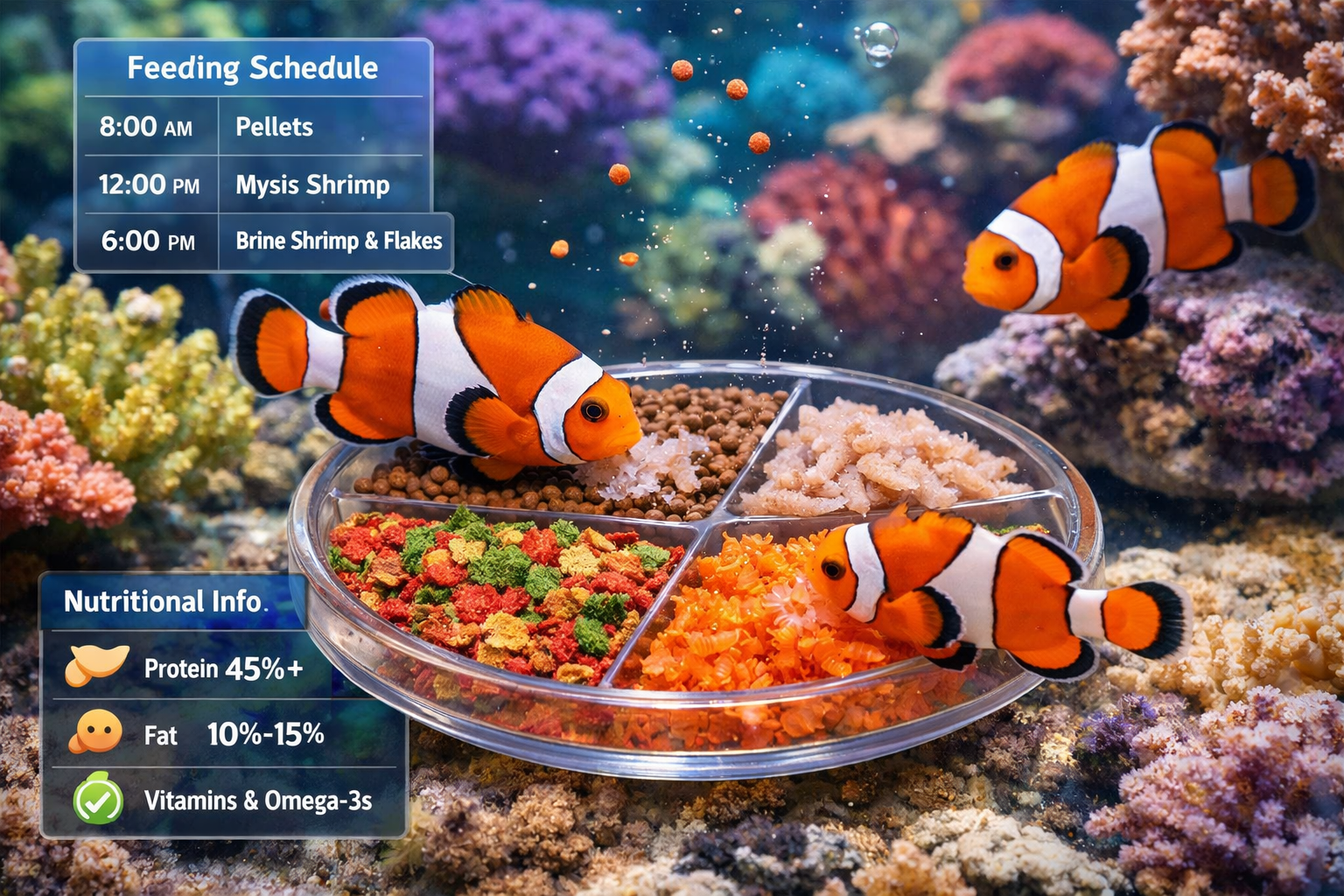
Proper nutrition forms the cornerstone of successful clownfish keeping. These omnivorous fish require a varied diet that provides both plant and animal proteins to maintain vibrant colors, strong immune systems, and breeding condition.
Understanding Clownfish Dietary Needs
In the wild, clownfish consume a diverse array of foods including algae, small crustaceans, fish eggs, and plankton. They’re opportunistic feeders that graze throughout the day rather than consuming large meals. Replicating this natural feeding pattern in captivity promotes better health and more natural behaviors.
Nutritional Requirements:
- Protein: 35-45% for growth and maintenance
- Fat: 8-12% for energy and color enhancement
- Fiber: 3-5% for digestive health
- Vitamins: A, C, and E for immune function
- Carotenoids: For vibrant orange and red coloration
High-Quality Commercial Foods
Modern aquaculture has produced excellent commercial foods specifically formulated for clownfish nutritional needs. These should form the backbone of your feeding program.
Recommended Pellet Foods:
- Hikari Marine A: Excellent color enhancement
- New Life Spectrum Marine: Complete nutrition profile
- Omega One Marine Pellets: High omega-3 content
- Rod’s Food Blend: Frozen food convenience in pellet form
Feeding Schedule:
- Juveniles (under 1 inch): 3-4 small meals daily
- Adults: 2 meals daily
- Breeding pairs: 3 meals daily with extra protein
Feed only what your fish can consume in 2-3 minutes to prevent water quality issues. Remove any uneaten food promptly to maintain pristine tank conditions.
Frozen and Live Foods
Supplementing pellets with frozen and live foods provides enrichment and ensures complete nutrition. These foods often trigger natural feeding responses and can help condition fish for breeding.
Excellent Frozen Options:
- Mysis shrimp: High protein, excellent for growth
- Brine shrimp: Good for smaller fish and fry
- Cyclops: Natural zooplankton food
- Marine cuisine blends: Convenient mixed foods
Live Food Benefits:
- Copepods: Continuous grazing opportunity
- Rotifers: Essential for raising clownfish larvae
- Baby brine shrimp: Fresh hatched nutrition
Many aquarists maintain refugiums or purchase live foods from suppliers offering standard food supplies shipping to ensure fresh, nutritious options are always available.
Feeding Techniques and Best Practices
Target Feeding: Use feeding tongs or turkey basters to deliver food directly to your clownfish. This ensures they receive adequate nutrition and prevents aggressive tank mates from stealing their meals.
Variety Rotation: Rotate between different food types throughout the week to provide complete nutrition and prevent dietary boredom.
Observation: Watch your fish during feeding times to monitor appetite, behavior, and overall health. Changes in feeding behavior often indicate health issues before other symptoms appear.
Supplement Schedule:
- Monday/Wednesday/Friday: High-quality pellets
- Tuesday/Thursday: Frozen foods (mysis, brine shrimp)
- Saturday: Live foods or special treats
- Sunday: Fasting day (optional for adults)
Nutritional Supplements
Consider adding targeted supplements to enhance your clownfish health and coloration:
Garlic Extract: Boosts immune system and increases appetite
Vitamin C: Supports immune function and stress resistance
Spirulina: Enhances natural coloration
Omega-3 Fatty Acids: Promotes overall health and breeding condition
Soak dry foods in these supplements before feeding to maximize absorption and effectiveness.
Breeding Marine Clownfish: From Eggs to Juveniles
Clownfish breeding represents one of the most rewarding aspects of marine aquarium keeping. These fish are among the easiest marine species to breed in captivity, and successful breeding projects can provide both personal satisfaction and potential income opportunities.
Understanding Clownfish Reproduction
Clownfish exhibit fascinating reproductive behaviors that make them ideal for home breeding projects. They’re sequential hermaphrodites, meaning all clownfish are born male and the largest individual in a group transforms into a female when needed.
Breeding Biology Basics:
- Pair Formation: Dominant male becomes female, second-largest remains male
- Spawning Cycle: Every 14-20 days during breeding season
- Egg Development: 6-11 days depending on temperature
- Larval Stage: 8-12 days before metamorphosis
- Juvenile Stage: 60-90 days to reach sellable size
Setting Up a Breeding System
Successful clownfish breeding requires dedicated equipment and careful planning. While some hobbyists achieve spawning in display tanks, a separate breeding system provides better control over conditions and higher survival rates.
Breeding Tank Requirements:
- Size: 20-40 gallons for breeding pair
- Filtration: Gentle sponge filters to avoid sucking up larvae
- Lighting: Moderate intensity to encourage spawning
- Substrate: Ceramic tiles or PVC pipe for spawning sites
- Water Flow: Minimal to prevent egg damage
- Anemone: Optional but can encourage natural behaviors
Larval Rearing Setup:
- Kreisel Tank: Specialized round tank for larval development
- Green Water: Phytoplankton culture for first feeding
- Rotifer Culture: Primary food source for larvae
- Artemia Hatchery: Baby brine shrimp for older larvae
- Microscope: Monitor larval development stages
Conditioning Breeding Pairs
Preparing clownfish for breeding requires several weeks of conditioning with high-quality foods and optimal water conditions.
Conditioning Protocol:
- Pair Selection: Choose healthy, mature fish (8+ months old)
- High-Protein Diet: Feed mysis shrimp, marine pellets, and live foods
- Stable Conditions: Maintain consistent temperature and salinity
- Spawning Site: Provide clean, flat surfaces near anemone or shelter
- Patience: Allow 4-8 weeks for pair bonding and conditioning
Signs of Breeding Readiness:
- Nest Preparation: Male cleans spawning site repeatedly
- Courtship Behavior: Swimming displays and chasing
- Color Changes: Intensified coloration, especially in females
- Territorial Behavior: Increased aggression around spawning site
Spawning and Egg Care
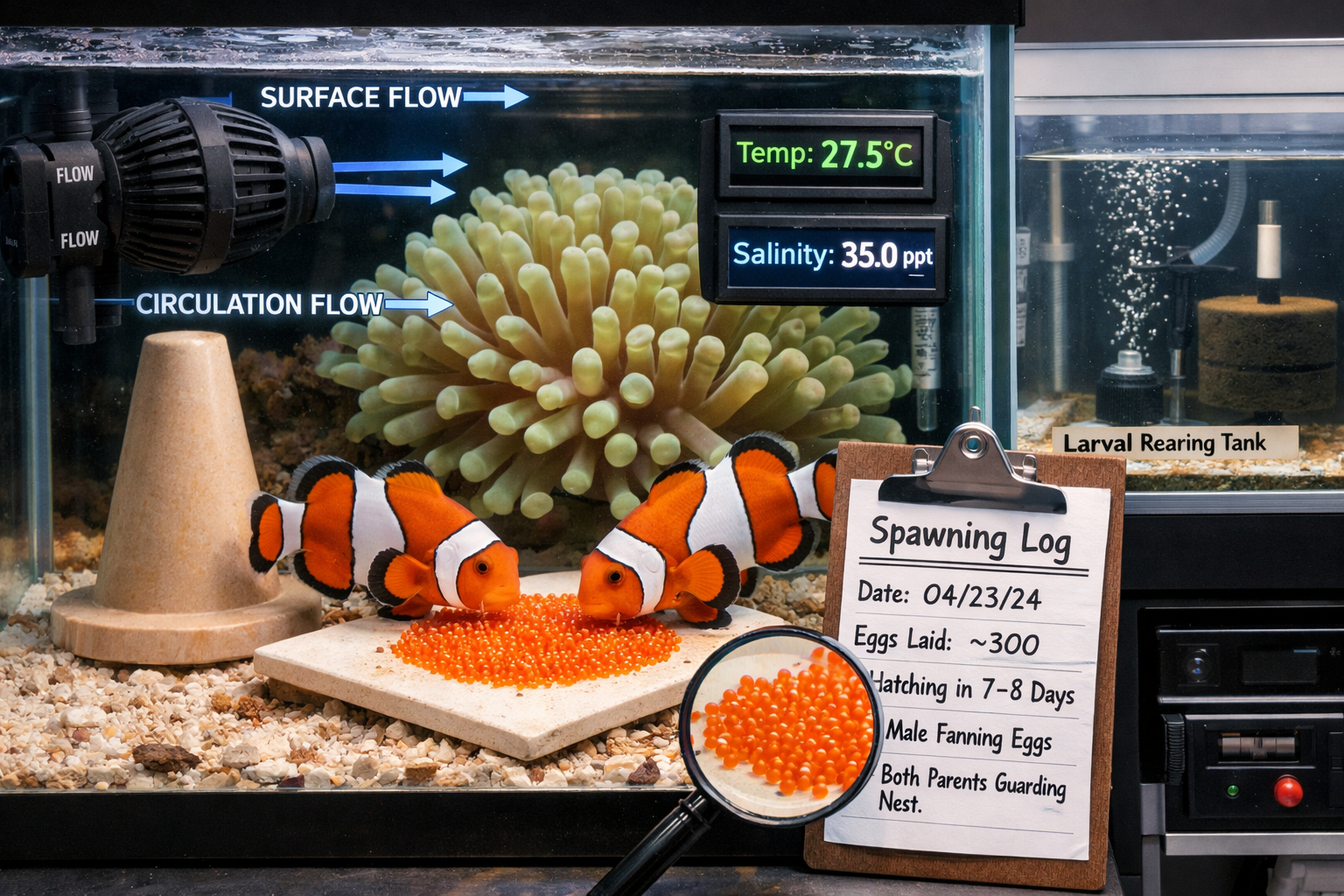
Clownfish spawning typically occurs in late afternoon or early evening. The female deposits 100-1000 orange eggs on the prepared surface while the male follows behind to fertilize them.
Spawning Process:
- Pre-Spawning: Intense cleaning and courtship behavior
- Egg Laying: Female deposits eggs in organized rows
- Fertilization: Male immediately fertilizes each batch
- Duration: Complete spawning takes 1-2 hours
- Post-Spawning: Male assumes primary egg care duties
Egg Development Stages:
- Day 1-2: Bright orange eggs with visible eyes
- Day 3-5: Silver coloration develops
- Day 6-8: Eyes become prominent and dark
- Day 8-11: Hatching occurs at night
The male clownfish provides exceptional parental care, fanning the eggs with his fins, removing dead eggs, and protecting the nest from threats. Avoid disturbing the breeding pair during this critical period.
Raising Clownfish Larvae
The larval stage presents the greatest challenge in clownfish breeding. These tiny, translucent creatures require specialized foods and pristine water conditions to survive their first few weeks of life.
First Feeding (Days 1-5):
- Rotifers: 5-10 per ml concentration
- Phytoplankton: Maintains water quality and rotifer nutrition
- Feeding Frequency: Continuous or 4-6 times daily
- Water Changes: 10-20% daily with aged saltwater
Metamorphosis (Days 8-12):
- Settlement Behavior: Larvae seek bottom surfaces
- Color Development: Orange pigmentation begins
- Feeding Transition: Introduce baby brine shrimp
- Mortality: Expect 50-80% loss during this critical period
Juvenile Stage (Days 12+):
- Rapid Growth: Double in size weekly
- Diet Expansion: Add crushed pellets and frozen foods
- Tank Upgrades: Move to larger grow-out systems
- Grading: Separate by size to prevent competition
Commercial Breeding Opportunities
Successful clownfish breeders often develop small businesses selling their offspring to local fish stores or online marketplaces. Designer morphs command premium prices and can generate significant income for dedicated breeders.
Market Considerations:
- Common Morphs: $15-30 wholesale pricing
- Rare Morphs: $50-200+ depending on rarity
- Local Markets: Fish stores, aquarium societies, online sales
- Shipping: Learn proper packing and shipping techniques
- Regulations: Understand local business licensing requirements
For those interested in breeding as a business venture, connecting with established saltwater fish stores can provide valuable market insights and potential sales outlets.
Advanced Care and Disease Prevention
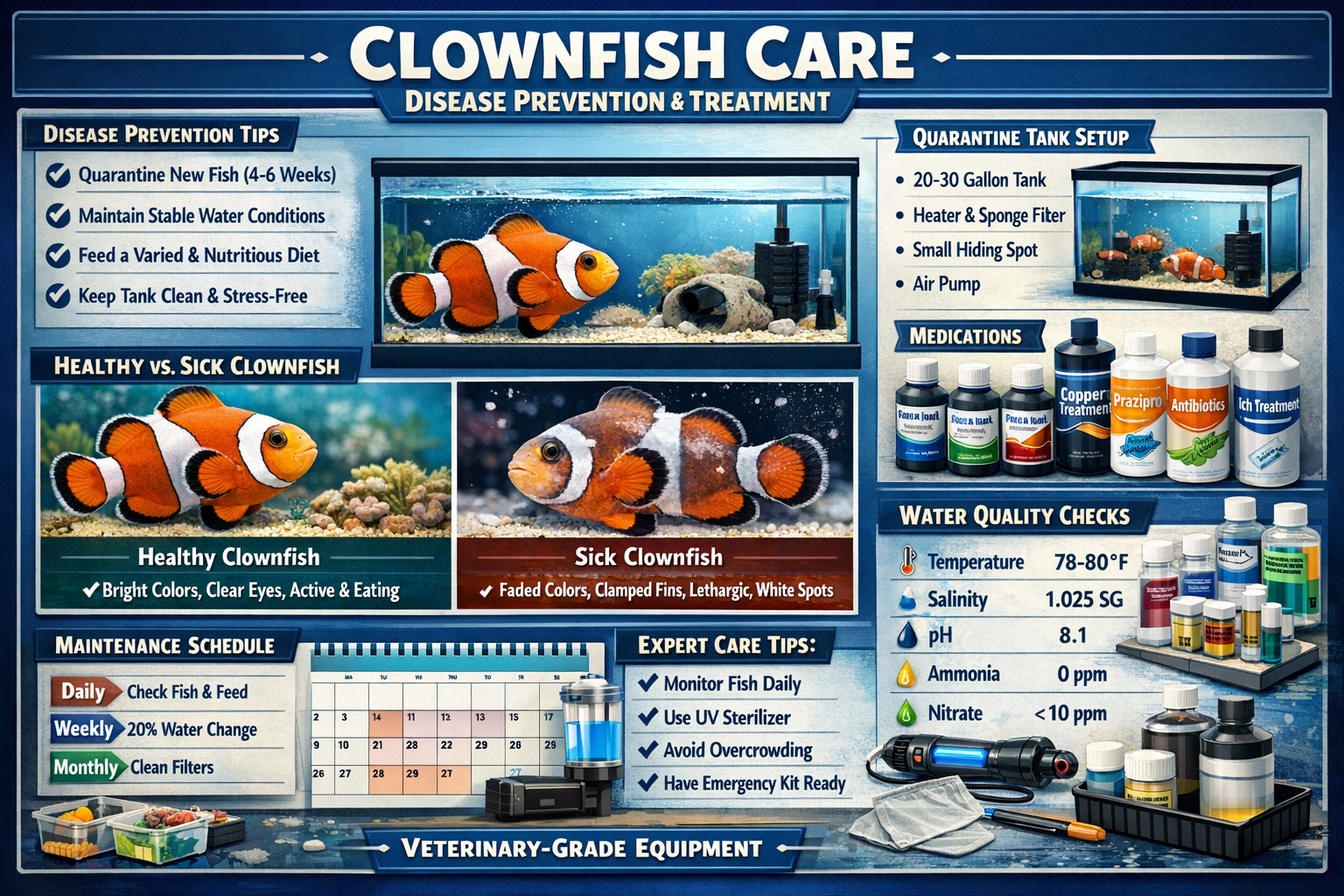
Maintaining healthy clownfish requires proactive care and understanding of common health issues. Prevention through proper husbandry practices proves far more effective than treating diseases after they occur.
Quarantine Protocols
Every new fish should undergo quarantine before introduction to your main display tank. This practice prevents disease introduction and allows you to observe new arrivals for signs of illness.
Quarantine Tank Setup:
- Size: 10-20 gallons depending on fish size
- Filtration: Sponge filter or hang-on-back filter
- Decoration: Minimal – PVC pipe or ceramic cave for hiding
- Lighting: Basic LED or fluorescent fixture
- Heater: Maintain display tank temperature
- Medications: Copper-safe treatment if needed
Quarantine Timeline:
- Week 1: Observation period, monitor eating and behavior
- Week 2: Prophylactic treatment if desired (copper or formalin)
- Week 3: Continue observation, watch for delayed symptoms
- Week 4: Final health check before main tank introduction
Common Diseases and Treatments
Despite their hardiness, clownfish can succumb to several common marine fish diseases. Early recognition and prompt treatment significantly improve survival rates.
Marine Ich (Cryptocaryon irritans):
- Symptoms: White spots, rapid breathing, scratching on rocks
- Treatment: Copper sulfate or chloroquine phosphate
- Duration: 14-21 days in quarantine tank
- Prevention: Proper quarantine of new fish
Marine Velvet (Amyloodinium ocellatum):
- Symptoms: Gold dust appearance, lethargy, rapid breathing
- Treatment: Copper sulfate (more effective than for ich)
- Urgency: Highly contagious, treat immediately
- Prevention: UV sterilization and quarantine
Bacterial Infections:
- Symptoms: Fin rot, ulcers, cloudy eyes, lethargy
- Treatment: Antibiotics (kanamycin, erythromycin)
- Causes: Poor water quality, stress, injuries
- Prevention: Maintain excellent water conditions
Brooklynella (Clownfish Disease):
- Symptoms: Thick mucus coating, rapid breathing, lethargy
- Treatment: Formalin baths or malachite green
- Species Specific: Primarily affects clownfish
- Prognosis: Often fatal if not caught early
Water Quality Management
Maintaining pristine water conditions prevents most health issues and supports optimal clownfish growth and coloration.
Weekly Maintenance Schedule:
- Monday: Test alkalinity and calcium
- Wednesday: 10-15% water change
- Friday: Clean protein skimmer cup
- Saturday: Test ammonia, nitrite, nitrate
- Sunday: Inspect equipment and clean glass
Monthly Tasks:
- Replace filter media (if using mechanical filtration)
- Deep clean protein skimmer components
- Inspect and clean powerheads
- Test and calibrate refractometer
- Document fish behavior and growth
Quarterly Maintenance:
- Replace UV bulbs (if using UV sterilization)
- Service return pumps and check seals
- Test backup equipment (heaters, air pumps)
- Review and update feeding protocols
- Plan equipment upgrades or replacements
Stress Reduction Strategies
Chronic stress weakens clownfish immune systems and predisposes them to disease outbreaks. Creating a stable, predictable environment minimizes stress and promotes long-term health.
Environmental Stability:
- Consistent Lighting: Use timers for regular photoperiods
- Stable Temperature: Quality heaters with controllers
- Minimal Disturbance: Avoid frequent tank rearrangements
- Adequate Hiding: Provide caves, overhangs, and visual barriers
- Proper Stocking: Avoid overcrowding and incompatible species
Behavioral Enrichment:
- Feeding Variety: Rotate food types and feeding methods
- Natural Behaviors: Provide anemones or anemone substitutes
- Social Structure: Maintain appropriate group sizes
- Territory: Ensure adequate space for pair territories
- Exercise: Create water flow patterns encouraging swimming
Emergency Preparedness
Successful clownfish keepers prepare for equipment failures and emergency situations before they occur.
Essential Emergency Supplies:
- Battery-powered air pump: Maintains oxygenation during power outages
- Backup heater: Prevents temperature crashes
- Emergency medications: Copper, antibiotics, anti-parasitic treatments
- Spare equipment: Pumps, powerheads, thermometers
- Test kits: Fresh reagents for water parameter testing
- Generator or UPS: Extended power backup for critical equipment
Emergency Action Plans:
- Power Outage: Battery backup, manual water circulation
- Heater Failure: Backup heating, room temperature management
- Disease Outbreak: Quarantine protocols, treatment procedures
- Equipment Failure: Spare parts inventory, repair contacts
- Water Contamination: Emergency water sources, rapid water changes
Understanding these advanced care principles and implementing proactive management strategies ensures your clownfish thrive for their full 10-15 year lifespan while providing you with years of aquatic enjoyment.
🐠 Interactive Clownfish Species Comparison Tool
Compare different clownfish species, sizes, difficulty levels, and available morphs to find the perfect fish for your aquarium
Conclusion
This comprehensive 2026 guide to keeping marine clownfish has equipped you with the knowledge and confidence to successfully maintain these captivating marine fish. From setting up the perfect tank environment to understanding the intricacies of breeding and raising clownfish larvae, you now possess the tools needed to create a thriving underwater ecosystem.
Remember that successful clownfish keeping is a journey, not a destination. Each fish has its own personality, and every tank develops its unique characteristics over time. The key to long-term success lies in maintaining consistent water quality, providing varied nutrition, and observing your fish closely for signs of health or behavioral changes.
Whether you’re planning to keep a simple pair of ocellaris clownfish or embarking on an ambitious breeding project with rare designer morphs, the principles outlined in this guide will serve as your roadmap to success. The marine aquarium hobby continues to evolve with new technologies, improved foods, and better understanding of fish behavior, so stay curious and keep learning.
Your Next Steps
- Plan Your Setup: Use the tank requirements and equipment lists to design your ideal clownfish aquarium
- Choose Your Species: Consider the interactive comparison tool to select clownfish that match your experience level and tank size
- Source Quality Fish: Connect with reputable suppliers who offer healthy, quarantined specimens
- Join the Community: Engage with local aquarium societies and online forums to continue learning and sharing experiences
- Document Your Journey: Keep detailed records of water parameters, feeding schedules, and fish behaviors to track your progress
The world of marine clownfish offers endless opportunities for learning, breeding, and enjoyment. Whether you’re attracted to the classic beauty of standard ocellaris clownfish or the stunning patterns of designer morphs, these remarkable fish will provide years of fascination and reward your dedication with their vibrant colors, engaging personalities, and potential breeding success.
Start your clownfish journey today, and discover why these charismatic marine fish have captured the hearts of aquarists worldwide. With proper preparation, quality equipment, and the knowledge gained from this guide, you’re well-prepared to create an aquatic paradise that both you and your clownfish will enjoy for years to come.
References
[1] Fautin, D.G. & Allen, G.R. (1992). Field Guide to Anemonefishes and their Host Sea Anemones. Western Australian Museum.
[2] Wilkerson, J.D. (2001). Clownfishes: A Guide to Their Captive Care, Breeding & Natural History. Microcosm Ltd.
[3] Olivotto, I., Planas, M., Simões, N., Holt, G.J., Avella, M.A., & Calado, R. (2011). Advances in Breeding and Rearing Marine Ornamentals. Journal of the World Aquaculture Society, 42(2), 135-166.
[4] Moorhead, J.A. & Zeng, C. (2010). Development of Captive Breeding Techniques for Marine Ornamental Fish: A Review. Reviews in Fisheries Science, 18(4), 315-343.
[5] Hoff, F.H. (1996). Conditioning, Spawning and Rearing of Fish with Emphasis on Marine Clownfish. Aquaculture Consultants Inc.