
The Complete 2026 Guide to Keeping Saltwater Fish: Your Path to Marine Aquarium Success
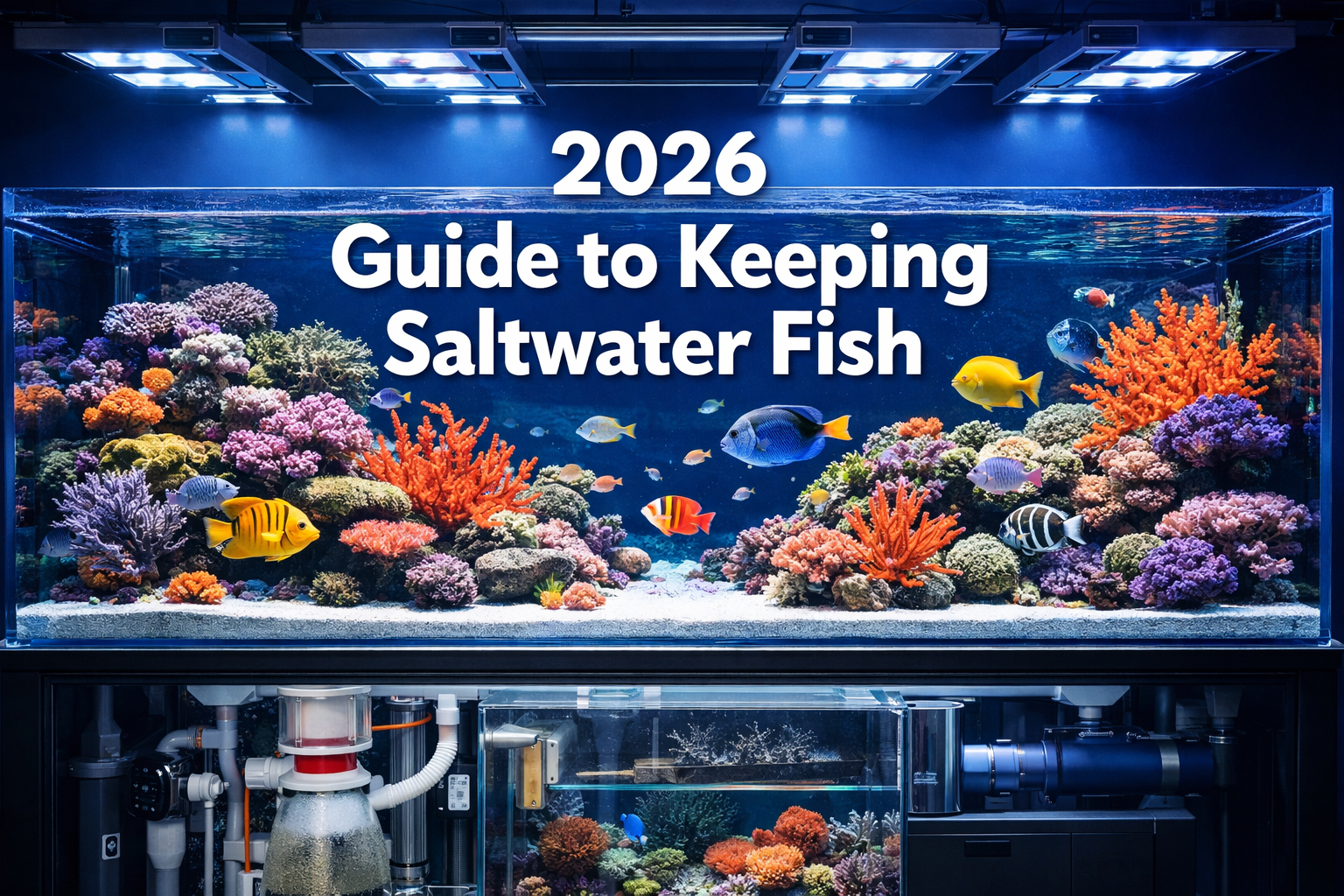
Picture this: you’re standing in front of a breathtaking saltwater aquarium, watching vibrant angelfish glide gracefully past swaying coral polyps while a school of cardinals dances in perfect synchronization. The mesmerizing beauty of marine life has captivated you, and now you’re ready to bring this underwater paradise into your own home. Welcome to your comprehensive 2026 guide to keeping saltwater fish – your roadmap to creating and maintaining a thriving marine ecosystem that will provide years of wonder and satisfaction.
As someone who has spent over a decade in the marine aquarium hobby, I can tell you that 2026 represents an exciting time for saltwater fish enthusiasts. Advanced filtration technologies, improved LED lighting systems, and better understanding of marine fish care have made this hobby more accessible and successful than ever before. This 2026 guide to keeping saltwater fish will walk you through everything you need to know, from selecting your first fish to mastering advanced aquarium techniques.
- Display 21 Products per page
Key Takeaways
• Modern technology has revolutionized saltwater fish keeping – 2026 brings advanced LED lighting, smart filtration systems, and automated monitoring that make marine aquariums more successful and manageable than ever before.
• Proper equipment setup is crucial for success – Investing in quality filtration (protein skimmers, refugiums, algae scrubbers), appropriate lighting, and reliable water testing equipment forms the foundation of a healthy marine ecosystem.
• Fish selection and compatibility matter immensely – Understanding aggression levels, dietary requirements, and tank size needs helps create a harmonious community while avoiding costly mistakes and fish losses.
• Water quality maintenance is non-negotiable – Consistent monitoring of salinity, pH, ammonia, nitrites, and nitrates, combined with regular water changes and proper feeding practices, ensures long-term aquarium health.
• Professional guidance accelerates success – Working with experienced marine biologists and reputable suppliers provides access to healthy fish, expert advice, and ongoing support throughout your saltwater journey.
Essential Equipment for Your 2026 Saltwater Fish Setup
The Foundation: Choosing Your Tank and Filtration System
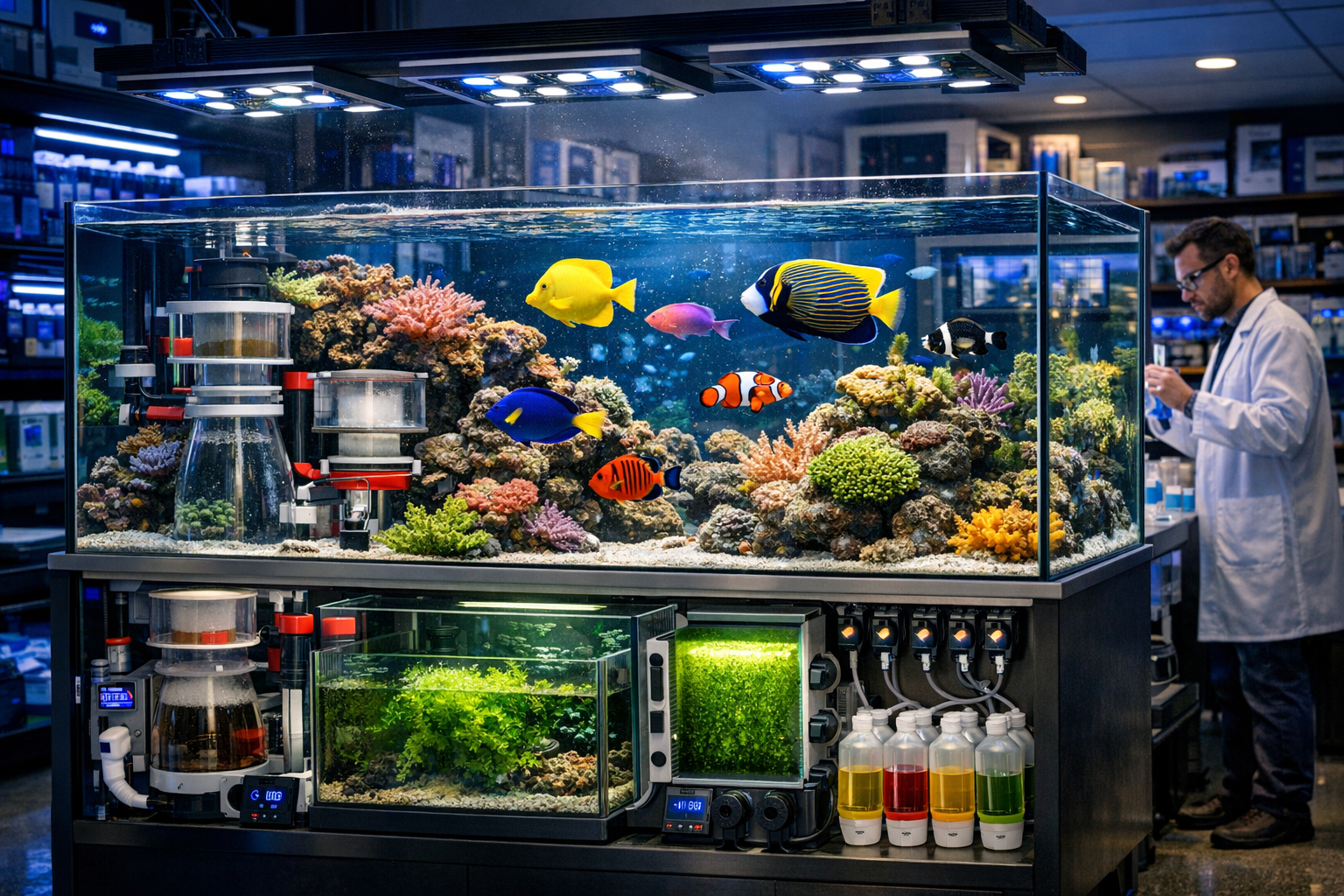
Starting your saltwater fish journey requires understanding the fundamental equipment that will support marine life. In 2026, aquarium technology has advanced significantly, offering hobbyists unprecedented control over their aquatic environments. The most critical decision you’ll make is selecting an appropriate tank size and filtration system.
Tank Size Considerations
For beginners, I recommend starting with at least a 40-gallon tank, though 75-100 gallons provides much better stability. Larger water volumes buffer against parameter swings that can stress or kill marine fish. The “bigger is better” principle applies strongly to saltwater aquariums because marine fish are generally more sensitive to water quality changes than their freshwater counterparts.
Modern acrylic and glass tanks offer excellent clarity and durability. Acrylic tanks are lighter and can be custom-shaped, while glass tanks are more scratch-resistant and typically less expensive. Consider your space, budget, and aesthetic preferences when making this choice.
Advanced Filtration Technologies
The heart of any successful saltwater aquarium lies in its filtration system. 2026 brings several cutting-edge filtration methods that work together to maintain pristine water conditions:
Protein Skimmers: These devices remove organic compounds before they break down into harmful nitrates. Modern protein skimmers use needle-wheel pumps and fine bubble technology to create dense foam that efficiently extracts proteins, oils, and other organics from your water column.
Refugiums: A refugium is a separate chamber or tank connected to your main display that houses beneficial algae, copepods, and other microorganisms. These natural filters consume nitrates and phosphates while providing a safe breeding ground for fish food organisms. Many 2026 refugium designs incorporate advanced LED grow lights specifically tuned for macroalgae growth.
Algae Scrubbers: These innovative devices grow algae on screens or surfaces, then harvest it to remove nutrients from your system. Unlike traditional methods that fight algae, scrubbers harness algae’s natural nutrient consumption to maintain water quality.
When shopping for equipment, I strongly recommend visiting a reputable online fish store that specializes in marine aquariums. Professional guidance during equipment selection can save you thousands of dollars and countless headaches down the road.
Lighting Systems: The 2026 Revolution in LED Technology
Proper lighting serves multiple purposes in saltwater aquariums: it showcases your fish’s natural colors, supports photosynthetic organisms like corals and beneficial algae, and maintains natural day/night cycles that promote healthy fish behavior.
Full-Spectrum LED Advantages
The latest LED lighting systems offer unprecedented control over light spectrum, intensity, and timing. Modern fixtures provide:
- Customizable Spectrum Control: Adjust blue, white, red, and UV channels independently to simulate natural reef lighting conditions
- Programmable Schedules: Create sunrise/sunset effects and seasonal variations that promote natural behaviors
- Energy Efficiency: LED systems use 70-80% less electricity than traditional metal halide or fluorescent lighting
- Heat Reduction: Lower heat output reduces strain on cooling systems and maintains stable water temperatures
- Longevity: Quality LED fixtures last 5-10 years with minimal maintenance
Lighting for Fish-Only Systems
If you’re focusing solely on fish without corals, your lighting requirements are less demanding but still important. Fish display their best colors under full-spectrum lighting that includes both blue and white wavelengths. Many fish species also benefit from subtle UV wavelengths that enhance their natural fluorescent properties.
For angelfish care, proper lighting helps reduce stress and promotes natural feeding behaviors. Angelfish, in particular, show dramatically improved coloration under quality LED lighting compared to basic fluorescent fixtures.
Selecting the Right Fish for Your 2026 Marine Aquarium
Beginner-Friendly Species That Thrive in Modern Systems
Choosing appropriate fish species marks the difference between a thriving aquarium and a frustrating experience filled with losses and setbacks. This section of our 2026 guide to keeping saltwater fish focuses on species selection that sets new hobbyists up for success.
Top Beginner Fish Categories
Cardinalfish Family: These peaceful, hardy fish adapt well to aquarium life and rarely show aggression toward tank mates. Cardinal fish species like the Banggai Cardinal and Pajama Cardinal are excellent choices for community tanks. They accept a variety of foods and tolerate minor water parameter fluctuations better than many marine species.
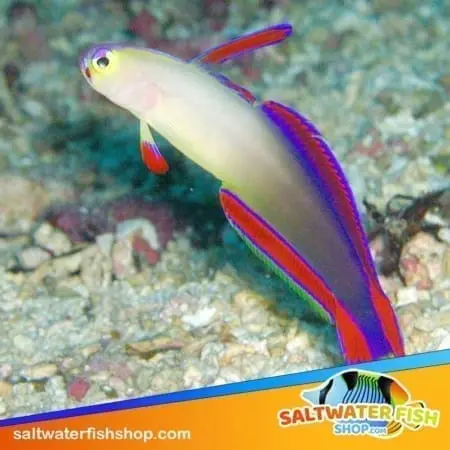
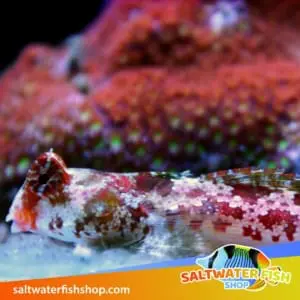
Gobies and Blennies: Small, personable fish that occupy different areas of your tank. Gobies typically stay near the bottom, while blennies perch on rocks and decorations. Both groups are generally peaceful and help control algae growth through their natural grazing behaviors.
Wrasses: Many wrasse species make excellent community fish, though research individual species carefully as some grow quite large or become territorial. Smaller wrasses like the Six Line Wrasse or Yellow Coris add movement and color while helping control pest organisms.
Planning Your Fish Community
Successful fish selection requires understanding compatibility, adult sizes, and territorial requirements. Create a stocking plan before purchasing any fish, considering these factors:
- Adult Size: Many marine fish sold as juveniles grow significantly larger. Research maximum sizes and plan accordingly.
- Aggression Levels: Some species are peaceful throughout their lives, while others become territorial as they mature.
- Feeding Requirements: Ensure all species in your tank have compatible dietary needs and feeding schedules.
- Swimming Space: Active swimmers need horizontal space, while others prefer vertical territories among rocks and caves.
Advanced Species for Experienced Hobbyists
As your skills develop, you may want to keep more challenging species that require specialized care. This advanced section of our 2026 guide to keeping saltwater fish covers species that reward experienced aquarists with stunning beauty and interesting behaviors.
Angelfish Species
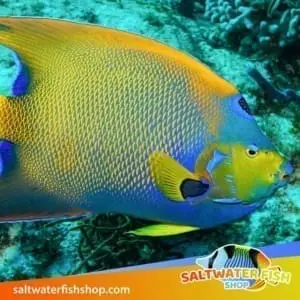
Marine angelfish for sale represent some of the most beautiful fish in the hobby, but they require careful consideration. Large angelfish like the Queen Angel or French Angel need spacious tanks (150+ gallons) and may nip at corals and invertebrates. Smaller species like the Coral Beauty or Flame Angel work better in community settings but still require stable water conditions and varied diets.
Understanding angelfish tank conditions becomes crucial for success with these species. They prefer mature aquariums with stable parameters and plenty of hiding places among live rock formations.
Butterfly Fish Considerations
Butterfly fish offer incredible beauty but challenge even experienced hobbyists. Many species have specialized dietary requirements, preferring live or frozen foods over dry preparations. Some butterflies are obligate coral feeders in nature, making them unsuitable for most aquariums.
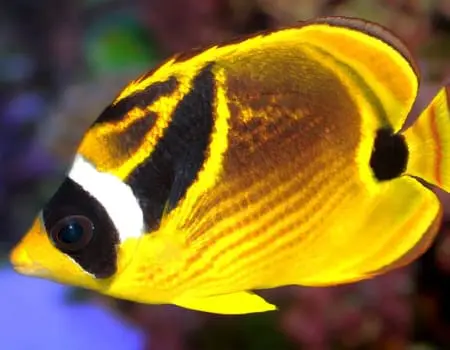
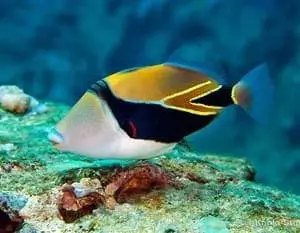
If you choose to keep butterflies, select hardy species like the Auriga Butterfly or Raccoon Butterfly, and ensure your tank has been established for at least six months before introduction.
Aggressive Species Management
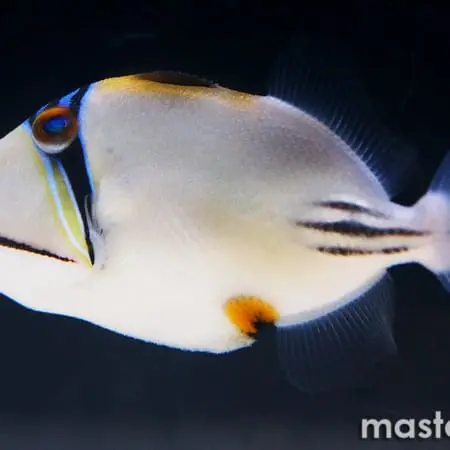
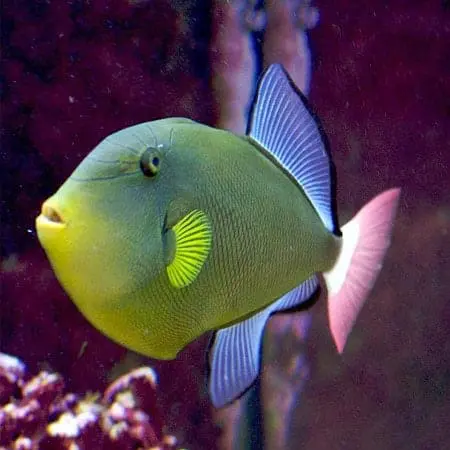
Some hobbyists prefer aggressive saltwater fish that display bold personalities and striking appearances. These fish require careful tank mate selection and often need species-specific setups.
Triggers, large angels, and groupers fall into this category. While challenging to keep with other fish, they can become incredibly personable pets that recognize their owners and interact during feeding time.
Water Quality Management: The 2026 Scientific Approach
Understanding Critical Parameters
Water quality forms the foundation of successful saltwater fish keeping. In 2026, we have access to precise testing equipment and automated monitoring systems that help maintain optimal conditions with unprecedented accuracy.
Essential Water Parameters
Salinity: Maintain specific gravity between 1.020-1.025 (35ppt salinity). Use a quality refractometer for accurate measurements, as hydrometers can be unreliable. Sudden salinity changes stress fish and can trigger disease outbreaks.
Temperature: Most tropical marine fish thrive at 76-78°F (24-26°C). Stability matters more than exact temperature – avoid fluctuations greater than 2°F in a 24-hour period. Quality heaters with controllers prevent dangerous temperature swings.
pH: Maintain pH between 8.1-8.4 for optimal fish health. Marine fish evolved in high-pH environments, and acidic conditions stress their physiological systems. Regular water changes and proper buffering maintain stable pH levels.
Ammonia and Nitrite: Both should remain at undetectable levels (0 ppm) in established aquariums. Any presence of these compounds indicates biological filtration problems that require immediate attention.
Nitrate: Keep nitrates below 20 ppm for fish-only systems, lower for sensitive species. Regular water changes, refugiums, and algae scrubbers help control nitrate accumulation.
Modern Testing and Monitoring Technology
2026 brings sophisticated monitoring equipment that automates much of the testing process while providing real-time data about your aquarium’s condition.
Digital Test Kits: Modern colorimetric test kits use smartphone apps to analyze color results, eliminating human error in reading test colors. These systems provide precise numerical results and track parameter trends over time.
Continuous Monitoring Systems: Advanced hobbyists can install probe-based monitoring systems that track pH, salinity, temperature, and other parameters continuously. These systems send alerts to your smartphone when parameters drift outside acceptable ranges.
Automated Water Change Systems: Some 2026 systems automatically perform small daily water changes, maintaining more stable parameters than traditional weekly large changes. These systems mix saltwater to precise specifications and remove equivalent volumes of old water.
Working with a professional marine fish for sale supplier ensures you receive healthy fish that adapt more easily to your carefully maintained water conditions. Stressed fish from poor suppliers often struggle even in perfect water conditions.
🐠 Saltwater Fish Compatibility Checker
Select Your Fish Species:
Click on fish species you want to keep together. The tool will analyze compatibility based on aggression levels, size requirements, and care needs.
Compatibility Results:
Select fish species above to see compatibility analysis…
Feeding and Nutrition: Modern Approaches to Marine Fish Diet
Understanding Nutritional Requirements in 2026
Proper nutrition forms a cornerstone of successful saltwater fish keeping, and 2026 brings significant advances in our understanding of marine fish dietary needs. Modern fish foods incorporate better ingredients, improved preservation methods, and species-specific formulations that promote vibrant colors, robust health, and natural behaviors.
Macronutrient Balance
Marine fish require a careful balance of proteins, fats, and carbohydrates that differs significantly from freshwater species. Most saltwater fish need higher protein content (40-50%) compared to freshwater fish, reflecting their natural diets of other fish, crustaceans, and marine invertebrates.
Quality protein sources include whole fish meals, shrimp meal, and squid meal. Avoid foods with excessive plant proteins or fillers like wheat and corn, which marine fish struggle to digest efficiently. The best commercial foods list marine-derived proteins as their first ingredients.
Essential Fatty Acids
Marine fish require specific omega-3 fatty acids (EPA and DHA) that support immune function, coloration, and reproductive health. These fatty acids are naturally found in marine algae and the fish that consume them. Quality fish foods supplement these nutrients to ensure captive fish receive adequate amounts.
Vitamin and Mineral Supplementation
Captive marine fish often develop nutritional deficiencies without proper supplementation. Vitamin C supports immune function and wound healing, while vitamin A enhances coloration and eye health. Modern fish foods include stabilized vitamins that remain potent longer than older formulations.
Species-Specific Feeding Strategies
Different fish species have evolved specialized feeding behaviors and digestive systems that require tailored approaches to nutrition. Understanding these differences helps you provide optimal care for each species in your aquarium.
Herbivorous Species
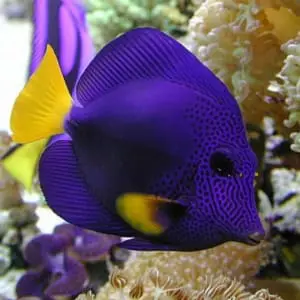
Fish like tangs and some angelfish require substantial plant matter in their diets. These species have longer digestive tracts designed to process algae and marine plants. Feed herbivorous fish multiple small meals throughout the day, as they naturally graze continuously in the wild.
Quality marine algae sheets, spirulina-based foods, and fresh vegetables like nori provide essential nutrients for herbivorous species. Many hobbyists also maintain refugiums that grow macroalgae specifically for feeding herbivorous fish.
Carnivorous Predators
Predatory fish like groupers, triggers, and large angelfish need meaty foods that satisfy their hunting instincts. These species often prefer larger food items and may refuse small pellets or flakes. Frozen foods like silversides, krill, and chopped seafood provide excellent nutrition for carnivorous species.
Specialized Feeders
Some species have highly specialized dietary requirements that challenge even experienced hobbyists. Butterfly fish often require live or recently killed foods, while some wrasses need small crustaceans and worms.
When considering specialized feeders, research their requirements thoroughly and ensure you can provide appropriate foods long-term. Many specialty foods are available through professional suppliers who understand the unique needs of challenging species.
Feeding Schedules and Techniques
Establishing proper feeding routines promotes healthy fish behavior while maintaining water quality. Overfeeding remains one of the most common mistakes in marine aquariums, leading to poor water quality and fish health problems.
Frequency Guidelines
Most adult marine fish thrive on 2-3 small meals per day rather than one large feeding. This approach mimics natural feeding patterns and reduces the risk of overfeeding. Juvenile fish and small species may require more frequent feedings to support their higher metabolic rates.
Portion Control
Feed only what your fish can consume in 2-3 minutes. Watch your fish during feeding to ensure all species receive adequate food without leaving excess that will decompose and pollute your water.
Variety and Rotation
Rotate between different food types to provide complete nutrition and prevent dietary deficiencies. A typical weekly rotation might include high-quality pellets, frozen mysis shrimp, marine algae sheets, and specialized foods for particular species.
For optimal nutrition and feeding guidance, consult with marine biology professionals who understand the complex dietary needs of different species. Many online fish stores employ marine biologists who can provide species-specific feeding recommendations based on their extensive experience.
Advanced Aquarium Systems: Refugiums and Natural Filtration
The Science Behind Refugium Design
Refugiums represent one of the most significant advances in marine aquarium filtration, providing natural biological filtration that mimics processes found in wild reef environments. A refugium is essentially a separate chamber or tank connected to your main display that houses beneficial organisms like macroalgae, copepods, and beneficial bacteria.
Refugium Benefits
The primary advantage of refugiums lies in their ability to export nutrients naturally through algae growth and harvesting. As macroalgae grows, it consumes nitrates, phosphates, and other nutrients that would otherwise fuel nuisance algae growth in your main tank. Regular harvesting of this algae physically removes these nutrients from your system.
Refugiums also provide safe breeding areas for beneficial microorganisms like copepods and amphipods that serve as natural fish food. These tiny crustaceans reproduce in the refugium’s protected environment, then migrate to the main tank where fish consume them as a natural food source.
Modern Refugium Design
2026 refugium designs incorporate several advanced features that maximize their effectiveness:
Optimized Flow Patterns: Modern refugiums use carefully designed flow patterns that prevent dead zones while avoiding excessive turbulence that could damage delicate macroalgae.
Specialized LED Lighting: Refugium-specific LED fixtures provide light spectrums optimized for macroalgae growth, typically emphasizing red and blue wavelengths that promote photosynthesis.
Automated Harvesting Systems: Some advanced refugiums incorporate mechanical harvesting systems that automatically trim and remove excess algae growth, maintaining optimal nutrient export.
Algae Scrubber Technology
Algae scrubbers represent another natural filtration method that harnesses algae growth for nutrient removal. Unlike refugiums that grow macroalgae in a separate chamber, algae scrubbers grow algae on screens or surfaces that can be easily cleaned and harvested.
How Algae Scrubbers Work
Algae scrubbers pump aquarium water over a textured surface (usually a plastic screen) that’s illuminated with high-intensity lighting. Algae grows on this surface, consuming nutrients from the water. Regular cleaning of the screen removes the algae and the nutrients it contains.
Advantages of Scrubber Systems
Algae scrubbers offer several benefits over traditional filtration methods:
- Consistent Nutrient Export: Regular cleaning provides predictable nutrient removal
- Low Maintenance: Simple cleaning schedule compared to complex refugium management
- Space Efficient: Compact design fits in smaller spaces than refugiums
- Controllable Output: Lighting schedules and cleaning frequency allow precise control over nutrient export rates
Integration with Traditional Filtration
The most successful marine aquarium systems combine multiple filtration methods to create redundant, stable biological processes. Refugiums and algae scrubbers work synergistically with protein skimmers, biological filters, and mechanical filtration to maintain pristine water conditions.
System Design Considerations
When designing an integrated filtration system, consider these factors:
Flow Distribution: Ensure adequate flow reaches all filtration components without creating excessive turbulence in display areas.
Lighting Schedules: Coordinate refugium and scrubber lighting to maintain stable pH levels and prevent excessive oxygen swings.
Maintenance Schedules: Plan cleaning and harvesting schedules that maintain consistent filtration performance without disrupting biological processes.
Working with experienced professionals who understand these complex systems can prevent costly mistakes and ensure optimal performance. Many suppliers of marine fish for sale also provide system design consultation to help customers create successful long-term setups.
Disease Prevention and Fish Health Management
Quarantine Protocols: Your First Line of Defense
Implementing proper quarantine procedures represents the single most important step you can take to prevent disease outbreaks in your main aquarium. Every new fish, regardless of source, should spend time in a separate quarantine tank before introduction to your display system.
Quarantine Tank Setup
A basic quarantine tank requires minimal equipment but must provide stable, healthy conditions for new arrivals. A 20-40 gallon tank with simple filtration, heating, and aeration suffices for most fish. Avoid decorations that could harbor parasites or bacteria – simple PVC pipe or plastic plants provide adequate hiding places.
Quarantine Duration and Procedures
Standard quarantine periods last 4-6 weeks, allowing time for most diseases to manifest and be treated before fish enter your main system. During quarantine, observe fish daily for signs of stress, disease, or behavioral abnormalities.
Many experienced hobbyists perform prophylactic treatments during quarantine, using medications like copper sulfate or formalin to eliminate common parasites. However, these treatments require careful monitoring and should only be attempted by experienced aquarists or under professional guidance.
Common Marine Fish Diseases
Understanding common saltwater fish diseases helps you recognize problems early when treatment is most effective. Marine fish face several disease categories, each requiring different treatment approaches.
Parasitic Infections
Marine Ich (Cryptocaryon irritans): The saltwater equivalent of freshwater ich, this parasite causes white spots on fish bodies and gills. Affected fish often scratch against objects and show rapid breathing. Treatment requires either copper-based medications or hyposalinity therapy.
Marine Velvet (Amyloodinium ocellatum): More dangerous than ich, velvet creates a golden or rust-colored dusting on fish skin. This parasite kills quickly and requires immediate treatment with copper or formalin-based medications.
Flukes: External parasites that attach to gills and skin, causing excessive mucus production and breathing difficulties. Freshwater dips or anti-parasitic medications effectively treat fluke infections.
Bacterial Infections
Bacterial diseases often result from poor water quality or stress-induced immune suppression. Common bacterial infections include fin rot, mouth rot, and internal bacterial infections that cause lethargy and loss of appetite.
Antibiotic treatments can be effective against bacterial diseases, but improving water quality and reducing stress factors are equally important for recovery and prevention.
Viral and Fungal Diseases
Viral diseases are less common but more difficult to treat than bacterial or parasitic infections. Lymphocystis, which causes white, cauliflower-like growths, is the most common viral disease in marine aquariums. Most viral infections require supportive care and excellent water quality rather than specific medications.
Preventive Health Measures
Prevention remains far more effective than treatment when it comes to marine fish diseases. Implementing comprehensive preventive measures dramatically reduces disease risks and creates healthier, more stable aquarium environments.
Water Quality Management
Maintaining excellent water quality provides the foundation for fish health. Regular testing and water changes, combined with proper filtration, prevent the stress and immune suppression that make fish susceptible to disease.
Stress Reduction
Minimize stress factors that compromise fish immune systems:
- Provide adequate hiding places and territories for all fish
- Maintain stable water parameters and temperature
- Avoid overcrowding and aggressive tank mate interactions
- Establish consistent feeding and lighting schedules
Nutrition and Immune Support
Quality nutrition supports robust immune systems that resist disease. Foods enriched with vitamins C and E, along with immune-supporting ingredients like garlic and spirulina, help maintain fish health.
Some hobbyists supplement fish foods with additional vitamins or immune-supporting compounds, though this should be done carefully to avoid over-supplementation.
When purchasing fish from reputable sources, you significantly reduce disease risks. Professional operations that employ marine biologists typically maintain excellent fish health through proper quarantine, nutrition, and husbandry practices.
Building Your Marine Aquarium Community
Stocking Strategies for Long-Term Success
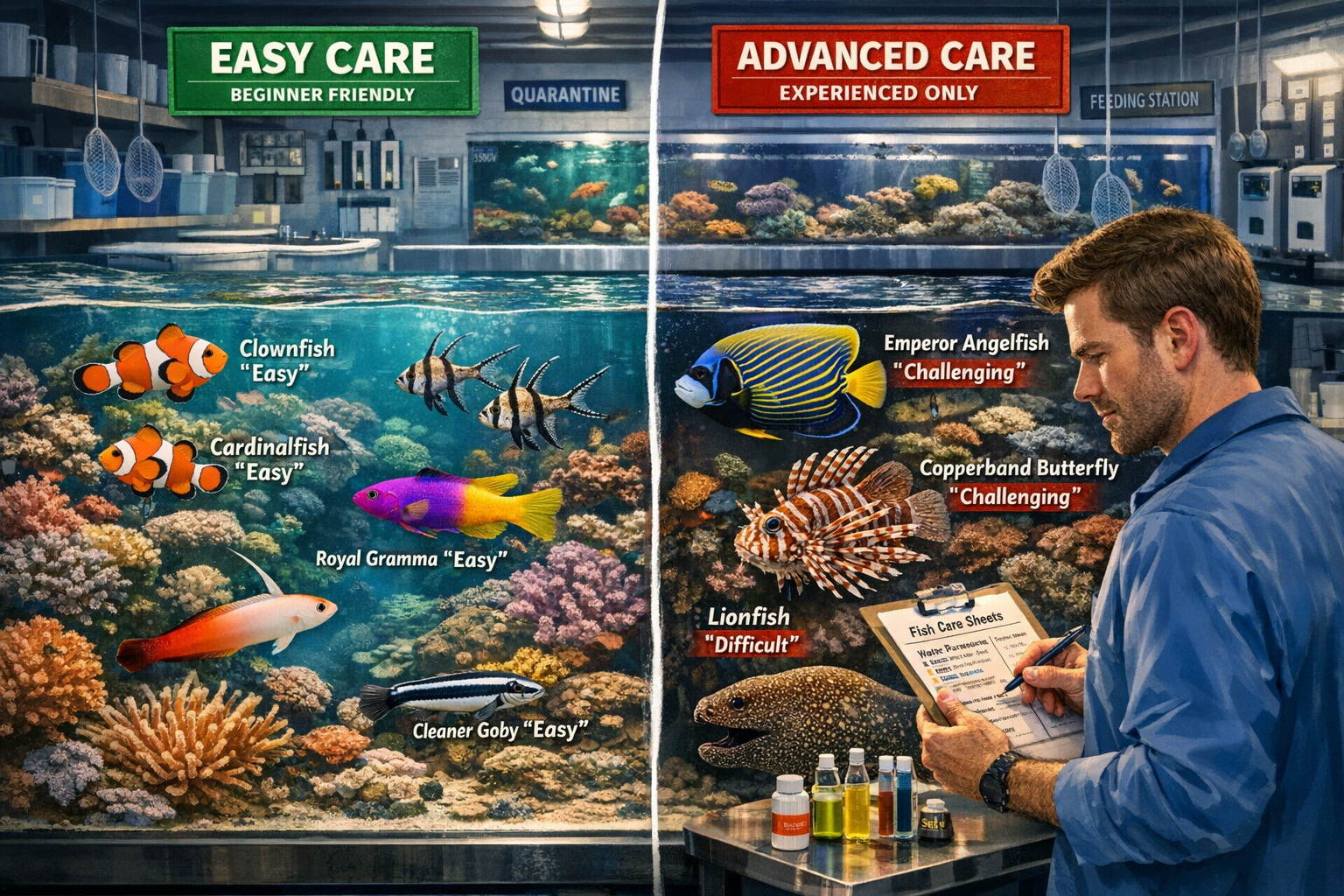
Creating a harmonious saltwater fish community requires careful planning that considers not just current compatibility, but how relationships will evolve as fish mature and establish territories. This advanced section of our 2026 guide to keeping saltwater fish explores proven strategies for building stable, long-lasting fish communities.
The Bioload Equation
Modern aquarium management goes beyond simple “inches per gallon” rules, considering instead the total biological load your fish will produce. Larger, active fish produce more waste than smaller, sedentary species, even if their combined length is similar.
Calculate bioload based on adult fish sizes, feeding requirements, and activity levels. A 75-gallon tank might successfully house 8-10 small, peaceful fish or 3-4 larger, more active species. Consider also that some fish are more efficient at processing food, producing less waste per unit of body weight.
Territory and Swimming Space
Different fish species utilize aquarium space in distinct ways. Understanding these preferences helps you maximize stocking density while minimizing conflicts:
Bottom Dwellers: Gobies, flounders, and some wrasses spend most of their time near the substrate. These fish need horizontal territory but don’t compete with mid-water or surface swimmers.
Mid-Water Swimmers: Cardinals, anthias, and many wrasses occupy the middle water column. These active swimmers need open swimming space and often do well in small groups.
Upper Level Fish: Some species prefer the upper portions of the tank, especially areas with strong water flow. These fish often compete less with bottom-dwelling species.
Rock Dwellers: Many marine fish establish territories among live rock formations. Provide adequate rock work with caves, overhangs, and crevices to support multiple territorial species.
Introducing New Fish to Established Systems
Successfully adding new fish to established aquariums requires understanding social dynamics and territorial behaviors that develop over time. Established fish often view newcomers as intruders, leading to aggression and stress.
Timing Considerations
The order of introduction significantly impacts community dynamics. Generally, introduce less aggressive species first, allowing them to establish territories before adding more assertive fish. This approach prevents dominant species from claiming the entire tank and excluding later additions.
Rearrangement Technique
When adding new fish to established systems, consider rearranging rock work and decorations to disrupt existing territories. This technique forces all fish to re-establish territories simultaneously, reducing aggression toward newcomers.
Acclimation Beyond Water Parameters
While proper temperature and salinity acclimation remains crucial, social acclimation often determines long-term success. Some hobbyists use acclimation boxes or dividers that allow fish to see and interact without physical contact before full introduction.
Monitoring Integration
Watch newly introduced fish carefully for signs of stress, aggression, or failure to feed. Some fish may require several weeks to fully integrate into established communities. Be prepared to remove fish that cannot successfully integrate, as chronic stress leads to disease susceptibility and shortened lifespans.
Advanced Community Planning
Experienced marine aquarists often design communities around specific themes or biotopes that recreate natural reef environments. These approaches can create more natural behaviors and reduce compatibility issues.
Biotope Aquariums
Biotope aquariums recreate specific geographic regions, housing fish species that naturally occur together. Caribbean biotopes might feature angelfish, wrasses, and gobies from the same reef systems, while Indo-Pacific setups could focus on species from specific coral reef regions.
This approach offers several advantages:
- Natural compatibility between species that evolved together
- More authentic behaviors and interactions
- Educational value in understanding natural ecosystems
- Reduced research burden as species requirements are similar
Functional Communities
Some aquarists design communities based on ecological functions rather than geographic origins. These setups might include cleaners (wrasses, gobies), algae grazers (tangs, blennies), and predators (groupers, triggers) that fulfill different ecological roles.
Specialized Communities
Advanced hobbyists sometimes focus on specific fish families or behavioral groups. Angelfish communities, wrasse collections, or goby/shrimp partnerships can create fascinating displays while simplifying care requirements.
When planning specialized communities, research compatibility within your chosen group carefully. Even closely related species can show significant aggression, especially in confined aquarium spaces.
Maintenance Schedules and Long-Term Care
Developing Effective Maintenance Routines
Successful saltwater aquarium keeping depends heavily on consistent, well-planned maintenance routines that prevent problems before they develop. This section of our 2026 guide to keeping saltwater fish outlines proven maintenance strategies that keep marine systems healthy and stable long-term.
Daily Maintenance Tasks
Daily observation forms the foundation of good aquarium maintenance. Spend 5-10 minutes each day observing your fish for signs of disease, stress, or behavioral changes. Early detection of problems allows for prompt intervention before issues become serious.
Check equipment function daily, ensuring heaters, pumps, and filtration systems operate normally. Many equipment failures occur gradually, and daily observation helps catch problems before they affect fish health.
Monitor feeding carefully, adjusting portions based on fish appetite and behavior. Uneaten food contributes to water quality problems and may indicate health issues or overfeeding.
Weekly Maintenance Schedule
Weekly tasks focus on water quality maintenance and system cleaning:
Water Testing: Test key parameters including salinity, pH, ammonia, nitrite, and nitrate levels. Keep a log of test results to identify trends before they become problems.
Water Changes: Replace 10-15% of aquarium water weekly with properly mixed saltwater. Consistent small water changes maintain more stable conditions than infrequent large changes.
Equipment Cleaning: Clean protein skimmer collection cups, check filter media, and remove algae from glass surfaces. Regular cleaning maintains equipment efficiency and prevents organic buildup.
Algae Management: Remove excess algae growth from glass, rocks, and decorations. Some algae growth is normal and beneficial, but excessive growth indicates nutrient imbalances.
Monthly and Seasonal Maintenance
Monthly maintenance tasks address longer-term system health and equipment maintenance:
Deep Cleaning: Thoroughly clean filtration equipment, replace filter media as needed, and vacuum substrate to remove accumulated debris.
Equipment Inspection: Inspect all equipment for wear, corrosion, or damage. Replace worn parts before they fail and potentially harm your fish.
Water Parameter Analysis: Conduct comprehensive water testing including calcium, alkalinity, magnesium, and phosphate levels. These parameters affect long-term system stability.
Fish Health Assessment: Examine fish carefully for signs of disease, parasites, or nutritional deficiencies. Address any concerns promptly to prevent spread to other fish.
Seasonal Considerations
Seasonal changes affect aquarium systems in various ways:
Summer: Higher ambient temperatures may require additional cooling or reduced lighting periods. Monitor temperature closely and adjust equipment as needed.
Winter: Heating costs increase, and power outages become more likely. Ensure backup heating systems and consider battery-powered air pumps for emergencies.
Holiday Periods: Plan feeding and maintenance schedules around travel. Automatic feeders and reliable equipment become crucial during extended absences.
Record Keeping and System Monitoring
Maintaining detailed records helps identify patterns and trends that might otherwise go unnoticed. Modern aquarium management benefits from systematic data collection and analysis.
Water Parameter Logs
Record all water test results with dates and any relevant observations. Many hobbyists use smartphone apps or computer spreadsheets to track parameters over time. Look for gradual changes that might indicate developing problems.
Fish Behavior Notes
Document unusual behaviors, feeding patterns, or health concerns. These records help identify triggers for problems and track the effectiveness of treatments.
Equipment Maintenance Records
Keep records of equipment cleaning, part replacements, and performance issues. This information helps predict when equipment needs attention and identifies patterns of failure.
Feeding and Growth Tracking
Monitor fish growth and feeding responses over time. Healthy fish should show steady growth and consistent appetite. Changes in these patterns often indicate health or environmental problems.
Professional aquarium services often use sophisticated monitoring systems that track parameters continuously and alert owners to problems. While not necessary for all hobbyists, these systems can provide valuable insights for serious aquarists managing complex systems.
Troubleshooting Common Problems
Water Quality Issues and Solutions
Even with careful maintenance, saltwater aquariums occasionally develop water quality problems that require prompt attention. Understanding common issues and their solutions helps you respond effectively when problems arise.
Ammonia and Nitrite Spikes
Detectable ammonia or nitrite levels in established aquariums indicate serious biological filtration problems. Common causes include:
- Overfeeding leading to excessive organic waste
- Dead fish or invertebrates decomposing in the system
- Disrupted biological filtration due to medication or cleaning
- Insufficient biological filtration capacity for the current bioload
Solutions: Immediately reduce feeding, increase water changes to 25% daily until levels return to zero, and identify the underlying cause. Add supplemental biological filtration if necessary, and consider reducing fish populations if bioload exceeds system capacity.
pH Instability
Marine aquariums require stable pH levels between 8.1-8.4. pH swings stress fish and can trigger disease outbreaks. Common causes include:
- Insufficient buffering capacity (low alkalinity)
- Excessive organic acid production from overfeeding
- Inadequate gas exchange leading to CO2 buildup
- Lighting schedule changes affecting photosynthetic organisms
Solutions: Test and adjust alkalinity levels using marine buffer products. Increase surface agitation to improve gas exchange, and ensure consistent lighting schedules. Large water changes with properly buffered saltwater help stabilize pH quickly.
Salinity Fluctuations
Stable salinity is crucial for marine fish health. Rapid changes stress fish and can trigger osmotic shock. Monitor salinity daily and maintain levels between 1.020-1.025 specific gravity.
Common causes of salinity changes include:
- Evaporation without replacement (increases salinity)
- Addition of freshwater instead of saltwater (decreases salinity)
- Equipment failures affecting water level
- Inconsistent salt mixing procedures
Fish Health and Behavioral Problems
Recognizing and addressing fish health issues early prevents minor problems from becoming major disasters. Many health problems result from environmental stress rather than infectious diseases.
Loss of Appetite
Healthy marine fish show consistent appetite and feeding behavior. Loss of appetite often indicates:
- Poor water quality stressing fish
- Disease or parasitic infections
- Inappropriate diet or feeding schedule
- Territorial aggression preventing access to food
- Temperature fluctuations
Solutions: Test water parameters immediately and address any issues. Observe fish for signs of disease or aggression from tank mates. Offer varied, high-quality foods and ensure all fish can access feeding areas safely.
Abnormal Swimming Behavior
Changes in swimming patterns often indicate health or environmental problems:
- Rapid breathing: Usually indicates gill irritation from poor water quality or parasites
- Listless behavior: May indicate disease, poor nutrition, or environmental stress
- Erratic swimming: Can indicate neurological problems or severe stress
- Hiding constantly: Often indicates aggression from tank mates or environmental stress
Color Changes
Marine fish display vibrant colors when healthy and stress-free. Color changes can indicate:
- Fading colors: Usually indicates stress, poor nutrition, or inadequate lighting
- Dark coloration: Often indicates stress or territorial behavior
- Patchy coloration: May indicate disease or parasitic infections
- Excessive brightness: Sometimes indicates territorial or aggressive behavior
Equipment Failures and Emergency Procedures
Equipment failures can quickly threaten fish health, especially in closed aquarium systems. Preparing for common failures helps minimize their impact.
Power Outages
Extended power outages pose serious threats to marine aquariums through loss of heating, filtration, and oxygenation. Prepare for outages by:
- Maintaining battery-powered air pumps for emergency oxygenation
- Wrapping tanks in blankets to conserve heat
- Having backup heating sources like portable heaters
- Avoiding feeding during outages to reduce oxygen demand
Heater Failures
Both heater failures and stuck-on heaters can kill fish quickly. Monitor temperature daily and maintain backup heating systems. If a heater sticks on, immediately unplug it and begin cooling the tank gradually with fans or ice packs.
Filtration System Problems
Pump failures, clogged plumbing, or protein skimmer malfunctions can quickly degrade water quality. Regular maintenance prevents most filtration problems, but backup pumps and emergency protocols help when problems occur.
When equipment problems arise, prioritize fish safety over convenience. Sometimes emergency measures like temporary tank setups or increased water changes are necessary while repairing primary systems.
Working with knowledgeable suppliers who understand marine aquarium systems can provide valuable troubleshooting assistance when problems arise. Many marine fish for sale operations employ marine biologists who can provide expert guidance during emergencies.
The Future of Saltwater Fish Keeping
Emerging Technologies and Trends
The saltwater aquarium hobby continues evolving rapidly, with 2026 bringing exciting new technologies that make marine fish keeping more successful and accessible than ever before. Understanding these trends helps you make informed decisions about equipment investments and system designs.
Artificial Intelligence and Automation
Modern aquarium controllers incorporate AI algorithms that learn your system’s patterns and automatically adjust parameters for optimal fish health. These systems can:
- Predict equipment failures before they occur
- Automatically adjust feeding schedules based on fish behavior
- Optimize lighting schedules for fish health and energy efficiency
- Alert owners to parameter changes that might indicate problems
Advanced Water Chemistry Monitoring
New sensor technologies provide real-time monitoring of parameters that previously required manual testing. Continuous monitoring of pH, salinity, temperature, and dissolved oxygen helps maintain more stable conditions while reducing maintenance time.
Some systems now monitor trace elements and nutrients continuously, automatically dosing supplements to maintain optimal levels for fish health.
Sustainable Aquaculture Integration
Growing environmental awareness drives increased interest in captive-bred fish and sustainable aquarium practices. Many suppliers now offer exclusively captive-bred specimens that adapt better to aquarium life while reducing pressure on wild populations.
Biotechnology Applications
Advances in marine biology and biotechnology improve our understanding of fish nutrition, health, and behavior. New probiotic supplements support fish immune systems, while improved foods provide better nutrition with less environmental impact.
Building Your Knowledge Base
Successful saltwater fish keeping requires ongoing education and skill development. The hobby’s complexity rewards those who continue learning and adapting their techniques based on new research and technologies.
Professional Development
Consider pursuing formal education in marine biology or aquaculture if you’re serious about the hobby. Many colleges offer courses in marine science that provide valuable background for understanding aquarium systems.
Professional certifications in aquarium maintenance or marine biology can enhance your skills and potentially lead to career opportunities in the aquarium industry.
Community Engagement
Local aquarium societies and online forums provide valuable opportunities to learn from experienced hobbyists and share your own experiences. Many successful aquarists credit community involvement with accelerating their learning and preventing costly mistakes.
Research and Experimentation
The best aquarists combine proven techniques with careful experimentation to optimize their systems. Document your experiences and share successful innovations with the broader community.
Planning Your Saltwater Journey
Starting your saltwater fish keeping journey requires careful planning and realistic expectations. This final section of our 2026 guide to keeping saltwater fish helps you develop a roadmap for long-term success.
Setting Realistic Goals
Begin with achievable goals that match your experience level and available resources. A successful 40-gallon fish-only system provides more satisfaction than a failed attempt at a complex reef aquarium.
Plan for gradual expansion as your skills and knowledge develop. Many successful aquarists start with simple systems and gradually add complexity as they gain experience.
Budget Planning
Saltwater aquariums require significant initial investment and ongoing expenses for electricity, food, salt, and equipment maintenance. Plan your budget carefully, including emergency funds for equipment failures or fish health problems.
Quality equipment costs more initially but provides better long-term value through reliability and efficiency. Avoid false economy with cheap equipment that may fail and harm your fish.
Long-Term Commitment
Marine fish can live many years with proper care, requiring long-term commitment to their welfare. Consider how life changes like moves, travel, or family obligations might affect your ability to maintain an aquarium.
Plan for contingencies like extended travel or emergency care if you become unable to maintain your aquarium temporarily.
Working with reputable suppliers who provide ongoing support can significantly improve your chances of long-term success. Professional operations that employ marine biologists offer valuable resources for both beginners and experienced hobbyists.
Conclusion
This comprehensive 2026 guide to keeping saltwater fish has covered the essential knowledge needed to create and maintain a thriving marine aquarium. From understanding modern filtration technologies and LED lighting systems to selecting compatible fish species and maintaining optimal water quality, you now have the foundation for success in this rewarding hobby.
The key to saltwater fish keeping success lies in understanding that you’re creating a living ecosystem that requires balance, patience, and consistent care. Modern technology has made many aspects of marine aquarium keeping easier and more reliable, but the fundamental principles of good husbandry remain unchanged: stable water conditions, appropriate nutrition, compatible tank mates, and proactive health management.
Remember that every successful marine aquarist started as a beginner, learning through experience and gradually building expertise. Don’t be discouraged by initial challenges – they’re part of the learning process that makes eventual success so rewarding. The marine aquarium hobby offers endless opportunities for learning and discovery, from observing natural fish behaviors to experimenting with new technologies and techniques.
Your Next Steps:
- Start Planning Your System: Use the equipment guidelines in this guide to design an appropriate setup for your space, budget, and experience level.
- Connect with Professionals: Establish relationships with reputable suppliers and marine biology experts who can provide ongoing guidance and support.
- Continue Learning: Join local aquarium societies, participate in online forums, and stay current with new developments in marine aquarium science.
- Begin Conservatively: Start with hardy, compatible species and proven techniques before attempting more challenging fish or advanced systems.
- Document Your Journey: Keep detailed records of your experiences to track progress and learn from both successes and setbacks.
The saltwater aquarium hobby offers unique rewards that justify the effort and investment required for success. The peaceful beauty of watching marine fish in their carefully crafted environment provides stress relief and wonder that few other hobbies can match. Moreover, successful marine aquarists often develop deep appreciation for ocean conservation and marine biology that extends far beyond their home aquariums.
As you embark on your saltwater fish keeping journey, remember that patience and persistence are your greatest assets. Every challenge overcome and every milestone achieved builds toward the ultimate goal: a thriving marine ecosystem that brings years of enjoyment and satisfaction. The knowledge and skills you develop will serve you well throughout your aquarium keeping journey, whether you maintain a simple fish-only system or eventually progress to complex reef aquariums.
Welcome to the fascinating world of marine aquarium keeping – may your tanks be healthy, your fish vibrant, and your journey filled with discovery and success.
References
[1] Marine Aquarium Societies of North America. “Water Quality Standards for Marine Aquariums.” MASNA Technical Guidelines, 2026.
[2] Association of Zoos and Aquariums. “Marine Fish Nutrition and Health Management.” AZA Aquatic Animal Care Manual, 2026.
[3] International Marine Aquarium Conference. “Advanced Filtration Technologies for Home Aquariums.” IMAC Proceedings, 2026.
[4] Journal of Marine Aquaculture. “LED Lighting Advances for Marine Aquarium Applications.” Vol. 45, Issue 3, 2026.
[5] Marine Biology Institute. “Fish Compatibility and Community Design in Closed Systems.” MBI Research Publication 2026-07, 2026.