
The Complete 2026 Marine Fish Hobbyist Guide: Your Path to Saltwater Success
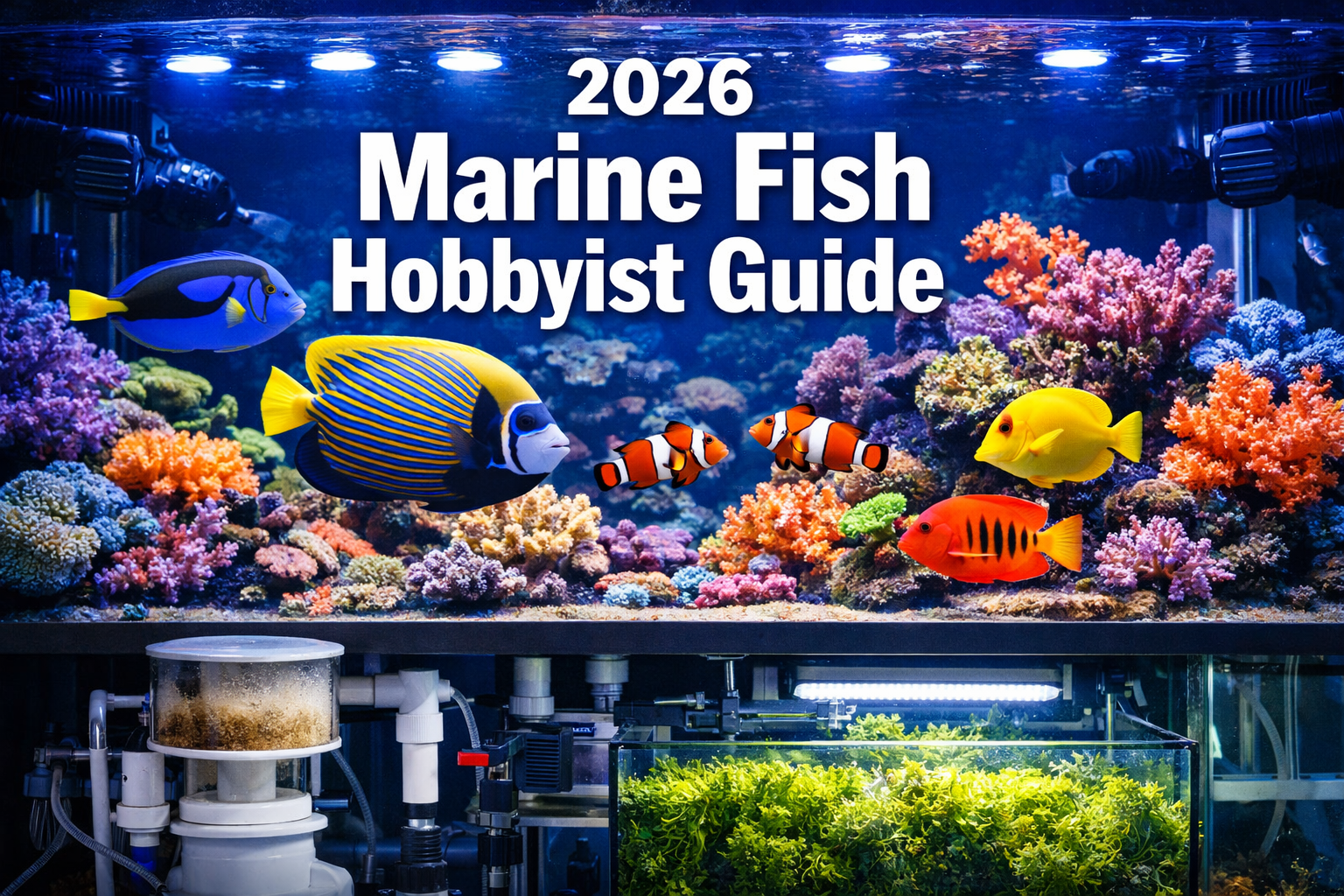
Picture this: You’re standing in front of a breathtaking marine aquarium, watching vibrant angelfish glide gracefully past swaying corals while a school of cardinals dances in perfect harmony. The crystal-clear water sparkles under advanced LED lighting, and every fish appears healthy and content. This isn’t just a dream—it’s what awaits you with the right knowledge and guidance from this comprehensive 2026 marine fish hobbyist guide.
As someone who has spent years in the marine aquarium hobby, I’ve witnessed incredible advances in technology, fish care techniques, and online resources that make 2026 the perfect time to dive into saltwater fishkeeping. Whether you’re a complete beginner or looking to upgrade your existing setup, this guide will provide you with everything you need to succeed in the fascinating world of marine aquariums.
- Display 21 Products per page
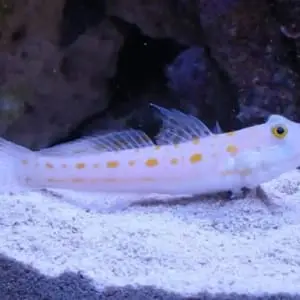
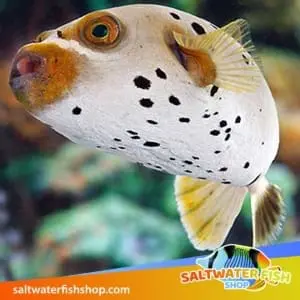
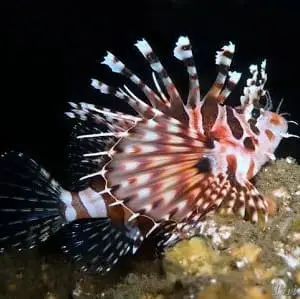
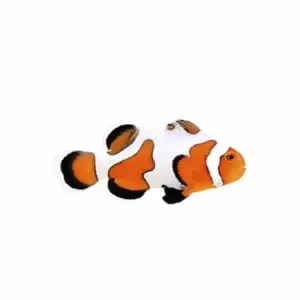

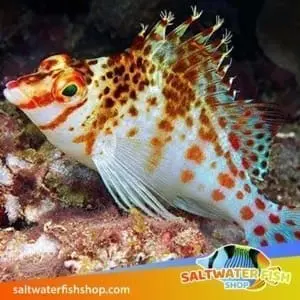
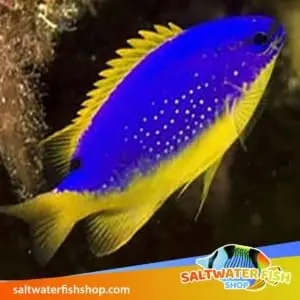
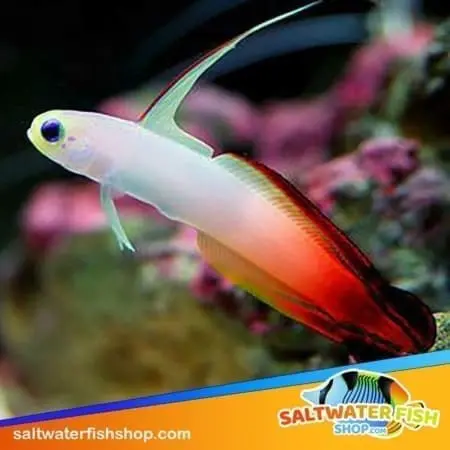
Key Takeaways
- Modern technology has revolutionized marine fishkeeping with advanced LED lighting, smart monitoring systems, and improved filtration methods
- Professional expertise from marine biologists and experienced hobbyists is now more accessible than ever through specialized online retailers
- Captive-bred fish are increasingly available, offering healthier specimens that adapt better to aquarium life
- Integrated systems combining refugiums, protein skimmers, and algae scrubbers create more stable marine environments
- Online resources and communities provide unprecedented support for both beginner and advanced marine fish enthusiasts
Essential Equipment and Tank Setup for 2026 Marine Aquariums
Choosing the Right Tank Size and Type 🐠
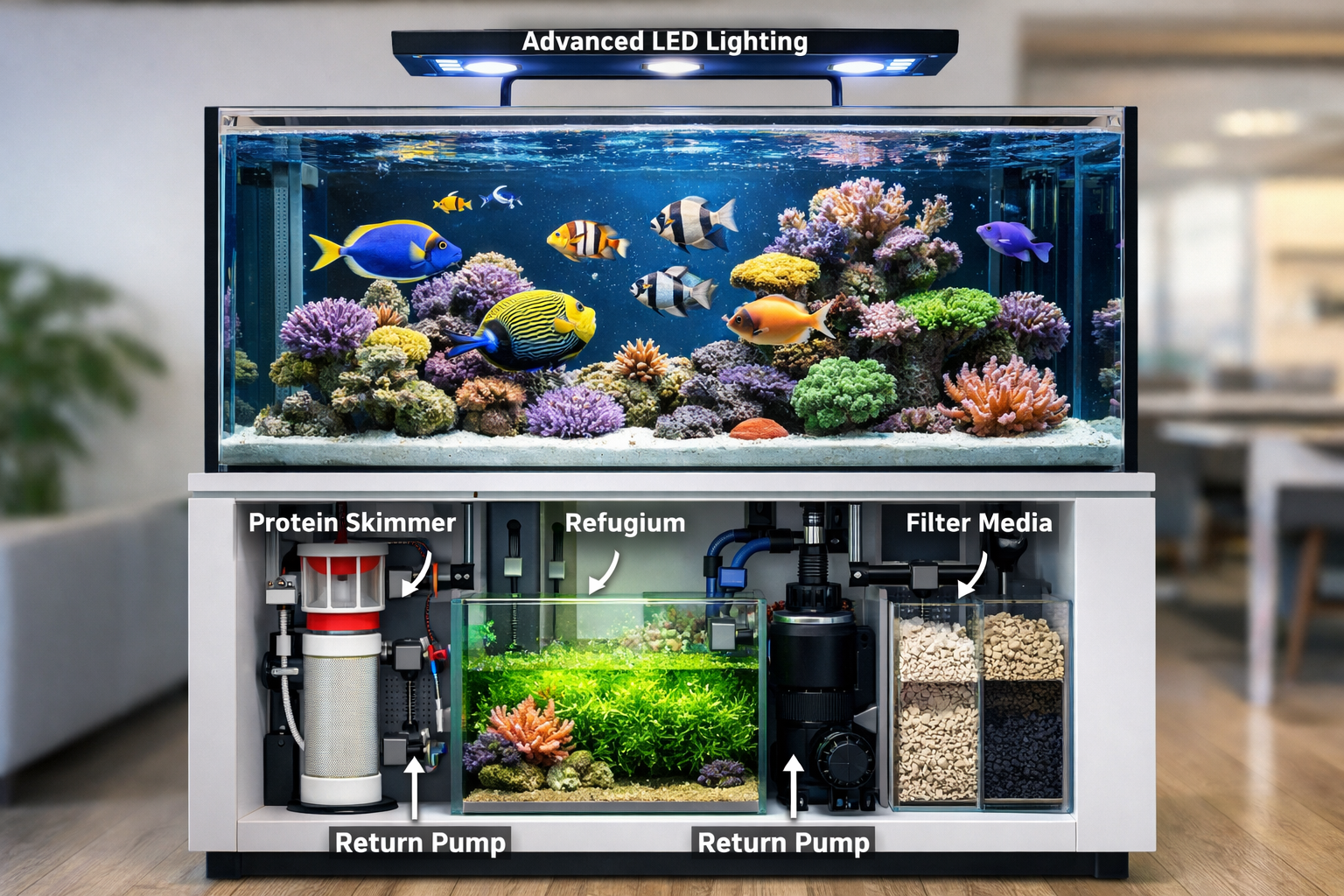
The foundation of any successful marine aquarium starts with selecting the appropriate tank. In 2026, the industry has embraced larger tank systems as the standard for marine fishkeeping. A minimum of 75 gallons is recommended for most marine setups, with many experienced hobbyists preferring 120 gallons or larger.
Modern acrylic and glass tanks now feature:
- Seamless corner construction for maximum strength
- Built-in overflow systems for better water circulation
- Integrated refugium chambers for biological filtration
- Smart-ready mounting points for automated equipment
When selecting your tank, consider these factors:
| Tank Size | Suitable For | Maintenance Level | Cost Range |
|---|---|---|---|
| 75-100 gallons | Beginner setups, small fish | Moderate | $800-1,500 |
| 120-180 gallons | Mixed reef, medium fish | Moderate-High | $1,500-3,000 |
| 200+ gallons | Large fish, complex ecosystems | High | $3,000+ |
Advanced Filtration Systems
The 2026 marine fish hobbyist guide wouldn’t be complete without discussing the revolutionary filtration technologies now available. Modern marine aquariums rely on multi-stage filtration systems that combine several methods:
Protein Skimming Technology
- Needle-wheel impellers create ultra-fine bubbles
- Smart controllers automatically adjust skimming intensity
- Energy-efficient pumps reduce operating costs by 40%
Biological Filtration Advances
- Live rock alternatives using ceramic and bio-media
- Anaerobic chambers for nitrate reduction
- Beneficial bacteria supplements for faster cycling
Mechanical Filtration Improvements
- Self-cleaning filter socks with automated washing systems
- UV sterilizers with smart intensity controls
- Activated carbon with extended life spans
For those seeking the highest quality equipment and expert guidance, saltwater fish for sale retailers now offer comprehensive filtration packages designed by marine biologists.
LED Lighting Revolution
2026 represents a breakthrough year for marine aquarium lighting. The latest LED systems offer unprecedented control over light spectrum, intensity, and timing. Key features include:
- Full spectrum control from 380nm to 780nm wavelengths
- Smartphone integration for remote monitoring and adjustment
- Weather simulation including clouds, storms, and seasonal changes
- Energy efficiency up to 80% better than previous generation LEDs
Popular LED Lighting Brands for 2026:
- Radion XR30 G6 – Industry-leading spectrum control
- AI Hydra 64 – Best value for mixed reef systems
- Kessil AP9X – Premium shimmer and color rendition
- Neptune Sky – Integrated smart home compatibility
Selecting and Caring for Marine Fish in 2026
Most Popular Marine Fish Species
The marine fish hobby has evolved significantly, with captive-bred specimens becoming the preferred choice for responsible hobbyists. These fish offer several advantages:
✅ Better adaptation to aquarium conditions
✅ Reduced disease risk compared to wild-caught fish
✅ Sustainable practices that protect natural reefs
✅ Predictable behavior and feeding responses
Top Marine Fish Categories for 2026:
Beginner-Friendly Species:
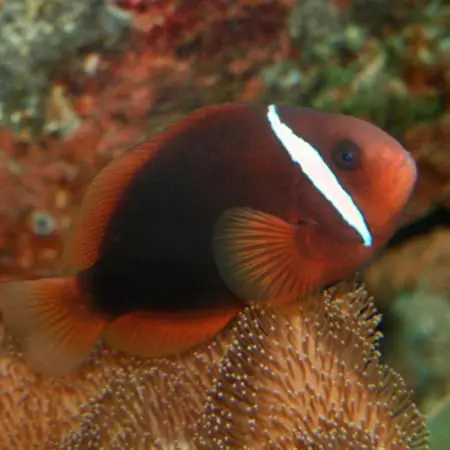
- Clownfish (Amphiprion species) – Hardy, colorful, captive-bred
- Cardinalfish – Peaceful, school well, easy to feed
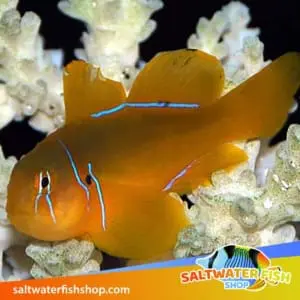
- Gobies – Small, interesting behavior, reef-safe
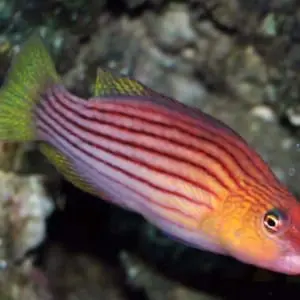
- Wrasses – Active, pest control, varied colors
For detailed care information on these species, experienced hobbyists recommend consulting cardinal fish care guides and cardinal fish diet resources.
Intermediate Species:
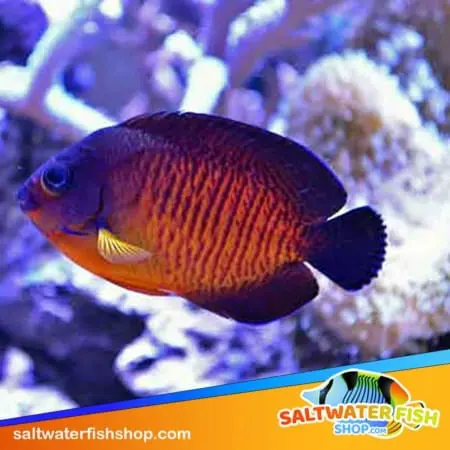
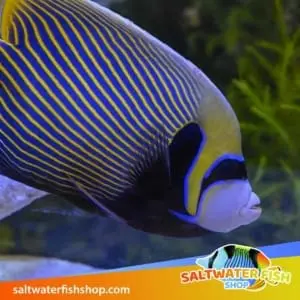
- Angelfish – Stunning colors, larger size, moderate care requirements
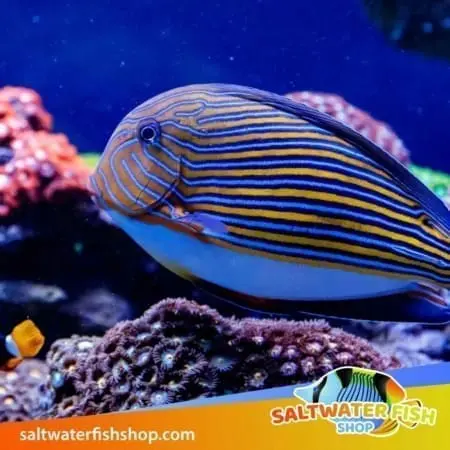
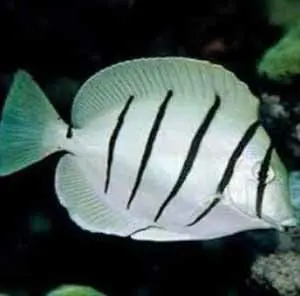
- Tangs – Active swimmers, algae control, need larger tanks
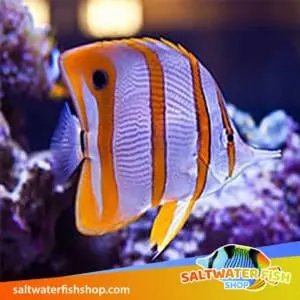
- Butterflyfish – Delicate beauty, specific feeding needs
- Anthias – Schooling fish, vibrant colors, frequent feeding
Advanced Species:
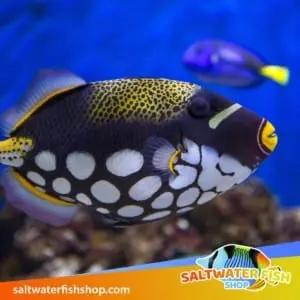
- Triggerfish – Intelligent, aggressive, large tank requirements
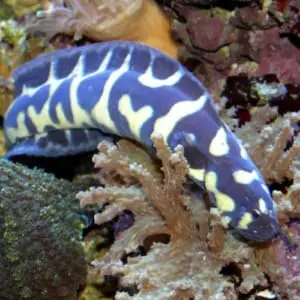
- Eels – Unique behavior, escape artists, specialized care
- Sharks – Ultimate challenge, massive tank requirements
- Rays – Bottom dwellers, sand substrate needs
Feeding and Nutrition Advances
2026 has brought remarkable improvements in marine fish nutrition. Modern fish foods now incorporate:
- Probiotics for improved digestive health
- Omega-3 enrichment for enhanced coloration
- Species-specific formulations targeting natural diets
- Freeze-dried alternatives with extended shelf life
Daily Feeding Schedule for Marine Fish:
| Time | Food Type | Amount | Notes |
|---|---|---|---|
| Morning | Pellets/Flakes | 2-3 minutes worth | Primary nutrition |
| Midday | Frozen foods | Small portion | Variety and enrichment |
| Evening | Supplemental | Target feeding | Species-specific needs |
Essential Food Types:
- High-quality pellets – Daily staple nutrition
- Frozen mysis shrimp – Protein-rich treat
- Marine algae sheets – For herbivorous species
- Live foods – Occasional enrichment (brine shrimp, copepods)
Professional marine biologists recommend sourcing foods from reputable online fish stores that maintain proper cold-chain storage and offer fresh, high-quality options.
Disease Prevention and Health Management
Modern marine fish health management focuses on prevention rather than treatment. Key strategies include:
Quarantine Protocols:
- 30-day minimum quarantine for all new fish
- Separate filtration systems to prevent cross-contamination
- Prophylactic treatments using copper or formalin
- Observation periods to identify stress or disease signs
Water Quality Monitoring:
- Daily testing of ammonia, nitrite, and nitrate levels
- Weekly salinity checks using refractometers
- Monthly comprehensive testing including alkalinity and calcium
- Smart monitoring systems with smartphone alerts
Common Health Issues and Solutions:
| Condition | Symptoms | Treatment | Prevention |
|---|---|---|---|
| Ich (White Spot) | White spots, scratching | Copper treatment | Proper quarantine |
| Marine Velvet | Gold dusting, rapid breathing | Formalin baths | UV sterilization |
| Bacterial Infections | Fin rot, cloudy eyes | Antibiotics | Clean water |
| Parasites | Flashing, loss of appetite | Specific medications | Quarantine protocols |
Advanced Aquarium Systems and Technology
Refugium Design and Implementation
Refugiums have become essential components in modern marine aquarium systems. These specialized chambers serve multiple purposes:
Primary Functions:
- Nutrient export through macroalgae growth
- Copepod cultivation for natural fish food
- pH stabilization through photosynthesis cycles
- Water volume increase for system stability
2026 Refugium Innovations:
- Modular designs that fit any sump configuration
- LED grow lights optimized for macroalgae
- Automated harvesting systems for nutrient removal
- Smart controllers managing light cycles and flow rates
Popular Macroalgae Species:
- Chaetomorpha – Fast-growing, easy maintenance
- Caulerpa – Attractive, requires careful management
- Red Gracilaria – Colorful, moderate growth rate
- Ulva (Sea Lettuce) – Excellent nutrient uptake
Protein Skimmer Technology
Modern protein skimmers represent a quantum leap in waste removal efficiency. The latest models feature:
Advanced Design Elements:
- Bubble plate technology for enhanced foam production
- Smart controllers with automatic adjustment capabilities
- Energy-efficient pumps reducing power consumption
- Quiet operation suitable for living spaces
Sizing Guidelines:
- Tank volume × 2 for heavy bioload systems
- Tank volume × 1.5 for moderate bioload setups
- Tank volume × 1 for light bioload aquariums
Top Protein Skimmer Brands:
- Reef Octopus – Excellent value and performance
- Bubble Magus – Innovative designs, competitive pricing
- Deltec – Premium quality, German engineering
- Red Sea – Integrated system compatibility
For those seeking professional guidance on equipment selection, many hobbyists consult with the marine fish specialists who can recommend appropriate skimmer sizing for specific tank setups.
Algae Scrubber Systems
Algae scrubbers have gained tremendous popularity as natural filtration methods. These systems work by:
Operational Principles:
- Controlled algae growth on specialized screens
- Nutrient competition with nuisance algae
- Regular harvesting for nutrient export
- Natural pH buffering through photosynthesis
Types of Algae Scrubbers:
- Waterfall scrubbers – High flow, excellent growth
- Upflow scrubbers – Compact design, sump-friendly
- Horizontal scrubbers – Large surface area, high capacity
- Hybrid systems – Combined with other filtration methods
Maintenance Requirements:
- Weekly cleaning of algae growth
- LED replacement every 12-18 months
- Screen replacement annually
- Flow adjustment based on growth patterns
Smart Monitoring and Automation
2026 represents the pinnacle of aquarium automation. Modern systems offer:
Smart Controller Features:
- Cloud connectivity for remote monitoring
- Smartphone apps with real-time alerts
- Automated dosing for supplements and medications
- Energy monitoring to track power consumption
Popular Automation Systems:
- Neptune Apex – Industry standard, extensive compatibility
- GHL ProfiLux – German engineering, precise control
- Hydros – Modern interface, competitive pricing
- ReefKeeper – Reliable, user-friendly operation
Monitoring Parameters:
- Temperature and salinity levels
- pH and alkalinity measurements
- Dissolved oxygen content
- Lighting intensity and spectrum
- Equipment status and power consumption
Building Your Marine Fish Collection
Stocking Strategies for Success
Successful marine fish keeping requires careful planning of your fish collection. The 2026 marine fish hobbyist guide emphasizes sustainable stocking practices:
Basic Stocking Rules:
- One inch of fish per 4-5 gallons of water (conservative estimate)
- Bioload considerations beyond just fish size
- Territorial requirements for aggressive species
- Swimming space for active fish like tangs
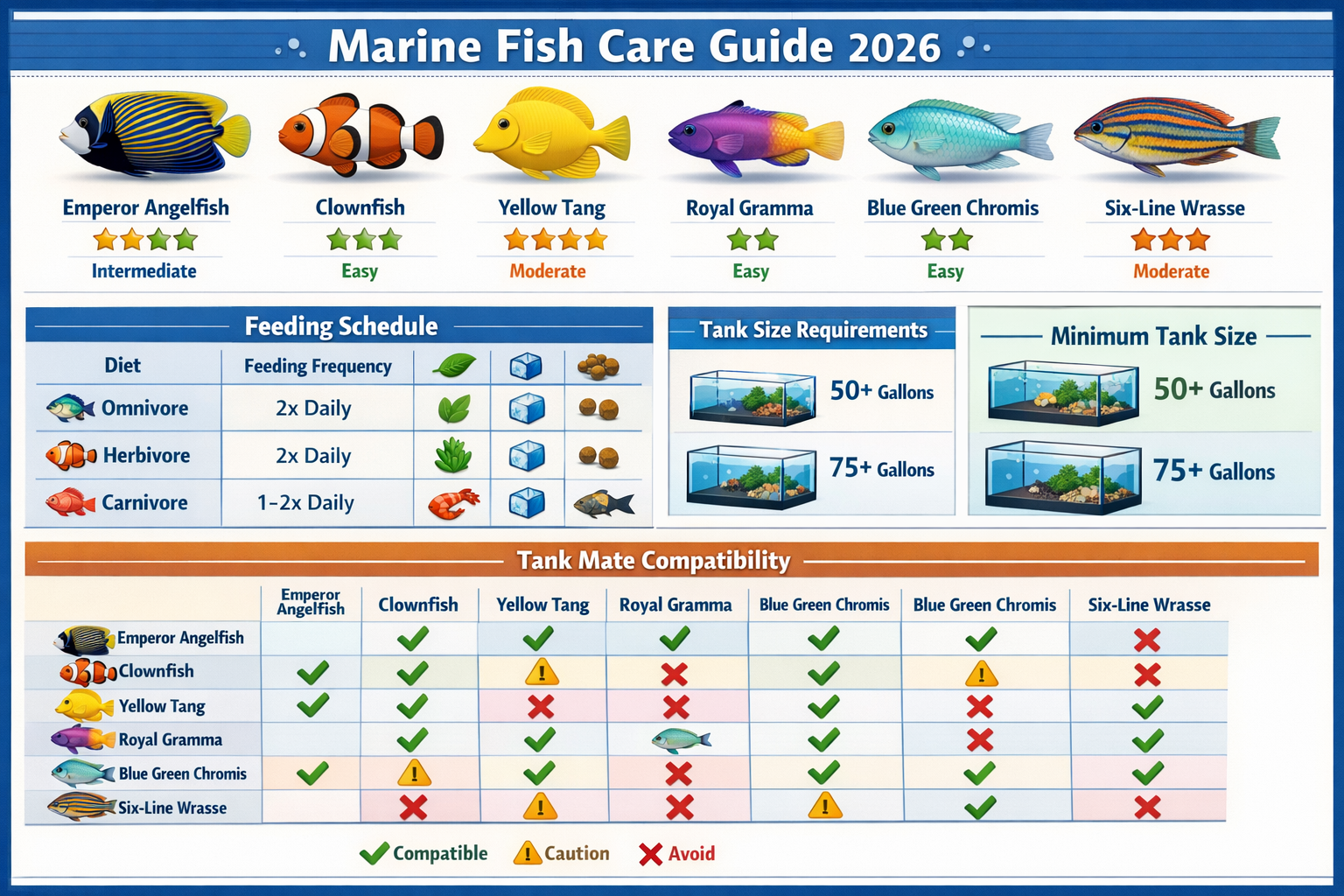
Compatibility Matrix:
| Fish Type | Peaceful | Semi-Aggressive | Aggressive | Reef Safe |
|---|---|---|---|---|
| Clownfish | ✅ | ⚠️ | ❌ | ✅ |
| Angelfish | ⚠️ | ✅ | ⚠️ | ⚠️ |
| Tangs | ✅ | ⚠️ | ❌ | ✅ |
| Triggerfish | ❌ | ⚠️ | ✅ | ❌ |
Stocking Sequence:
- Peaceful species first – Establish calm environment
- Semi-aggressive fish – Add after peaceful fish settle
- Aggressive species last – Minimize territorial disputes
- Cleanup crew – Add throughout the process
Sourcing Quality Marine Fish
Finding healthy, well-cared-for marine fish is crucial for success. In 2026, the best sources include:
Reputable Online Retailers:
- Marine biologist oversight ensuring proper care
- Quarantine facilities with professional-grade systems
- Health guarantees backing fish quality
- Expert support for ongoing care questions
When searching for marine fish for sale, look for retailers that provide:
✅ Detailed fish histories including origin and care
✅ Professional photography showing actual fish condition
✅ Comprehensive care guides for each species
✅ Live arrival guarantees with proper shipping methods
Local Fish Store Benefits:
- Personal relationships with knowledgeable staff
- Hands-on inspection before purchase
- Local support for ongoing questions
- Emergency supplies readily available
Fish Show and Swap Meets:
- Hobbyist-bred specimens often available
- Competitive pricing on rare species
- Networking opportunities with experienced keepers
- Educational seminars on advanced topics
Acclimation and Introduction Procedures
Proper acclimation is critical for marine fish success. The 2026 marine fish hobbyist guide recommends these updated procedures:
Drip Acclimation Method:
- Float sealed bag for 15 minutes to equalize temperature
- Open bag and secure to tank rim
- Start slow drip from tank to bag (2-4 drops per second)
- Continue for 45-60 minutes until bag volume doubles
- Net fish gently and place in quarantine tank
Advanced Acclimation for Sensitive Species:
- Extended drip periods up to 2 hours
- pH testing during acclimation process
- Stress coat additives to reduce shock
- Dim lighting during introduction period
Quarantine Tank Setup:
- Separate filtration system to prevent disease spread
- Bare bottom tank for easy cleaning and observation
- PVC hiding places for fish security
- Hospital-grade lighting for health assessment
For detailed species-specific acclimation procedures, many hobbyists reference comprehensive care guides such as angelfish care sheets and angelfish tank conditions resources.
Water Chemistry and Maintenance Protocols
Essential Water Parameters
Maintaining stable water chemistry forms the backbone of successful marine fishkeeping. 2026 testing technology has made monitoring easier and more accurate than ever:
Critical Parameters and Ranges:
| Parameter | Ideal Range | Testing Frequency | Notes |
|---|---|---|---|
| Salinity | 1.024-1.026 SG | Daily | Use refractometer |
| Temperature | 76-80°F (24-27°C) | Continuous | Stable is key |
| pH | 8.1-8.4 | Daily | Test at same time |
| Ammonia | 0 ppm | Daily (new tanks) | Toxic to fish |
| Nitrite | 0 ppm | Daily (cycling) | Toxic to fish |
| Nitrate | <20 ppm | Weekly | Water change indicator |
| Alkalinity | 8-12 dKH | Weekly | Buffer stability |
| Calcium | 400-450 ppm | Weekly | For coral growth |
Modern Testing Equipment:
- Digital meters for instant readings
- Smartphone-connected test kits
- Automated monitoring systems
- Lab-quality test kits for accuracy
Water Change Procedures
Regular water changes remain fundamental to marine aquarium health. 2026 best practices include:
Water Change Schedule:
- 10% weekly for most systems
- 20% bi-weekly for heavily stocked tanks
- 5% twice weekly for sensitive species
- Emergency changes for parameter spikes
Preparation Steps:
- Mix saltwater 24 hours before use
- Heat to tank temperature using heaters
- Test parameters of new water
- Aerate thoroughly to stabilize pH
Equipment for Water Changes:
- Python water changers for large tanks
- Powerheads for water circulation
- Heaters for temperature matching
- Refractometers for salinity testing
Supplement Dosing and Additives
Modern marine aquariums benefit from targeted supplementation:
Essential Supplements:
- Calcium – For coral growth and fish health
- Alkalinity buffers – pH stability
- Magnesium – Supports calcium/alkalinity balance
- Trace elements – Complete nutrition
Dosing Methods:
- Manual dosing – Daily liquid additions
- Dosing pumps – Automated precision dosing
- Calcium reactors – Continuous calcium/alkalinity
- Kalkwasser stirrers – Nighttime pH support
Popular Supplement Brands:
- Red Sea – Complete reef programs
- Brightwell Aquatics – Targeted formulations
- Seachem – Reliable, consistent quality
- Two Little Fishies – Natural-based products
For comprehensive guidance on water chemistry management, many hobbyists consult resources on angelfish water conditions and angelfish water filtration systems.
Troubleshooting Common Issues
Algae Management Strategies
Algae problems plague many marine aquariums, but 2026 solutions offer effective control methods:
Types of Problem Algae:
| Algae Type | Appearance | Causes | Solutions |
|---|---|---|---|
| Hair Algae | Long, stringy green | High nutrients | Manual removal, nutrient control |
| Bubble Algae | Green bubbles | Poor circulation | Manual removal, herbivorous fish |
| Cyano Bacteria | Red/purple slime | Low flow, organics | Increase flow, UV sterilization |
| Diatoms | Brown coating | New tank, silicates | Time, RO/DI water |
Prevention Strategies:
- Nutrient control through proper feeding
- Strong circulation preventing dead spots
- Quality source water using RO/DI systems
- Regular maintenance including glass cleaning
Biological Control Methods:
- Herbivorous fish like tangs and rabbitfish
- Cleanup crew including snails and hermit crabs
- Macroalgae in refugiums competing for nutrients
- Beneficial bacteria supplements
Equipment Failure Management
Equipment reliability has improved dramatically, but failures still occur:
Common Equipment Issues:
- Heater failures causing temperature swings
- Pump failures stopping circulation
- Light failures affecting photosynthesis
- Skimmer problems reducing waste removal
Backup Systems:
- Redundant heaters with controllers
- Battery backup for critical pumps
- Spare equipment readily available
- Monitoring systems with alerts
Emergency Procedures:
- Assess the situation quickly but calmly
- Implement backup systems immediately
- Contact support from equipment manufacturers
- Document issues for warranty claims
Fish Health Crisis Management
When fish health issues arise, quick action saves lives:
Emergency Response Steps:
- Isolate affected fish in hospital tank
- Test water parameters immediately
- Research symptoms using reliable sources
- Consult experts for treatment advice
- Begin treatment following protocols
Hospital Tank Essentials:
- Bare bottom for easy cleaning
- Simple filtration avoiding complex systems
- Adjustable heater for temperature control
- Medication compatibility avoiding carbon filtration
Common Medications:
- Copper treatments for parasites
- Antibiotics for bacterial infections
- Antifungal treatments for fungal issues
- Stress reducers for acclimation problems
Future Trends in Marine Fishkeeping
Technological Advances on the Horizon
The marine aquarium hobby continues evolving with exciting developments expected beyond 2026:
Emerging Technologies:
- AI-powered monitoring systems learning tank patterns
- Automated water changes with smart scheduling
- Advanced LED systems mimicking natural reef conditions
- Biotechnology improvements in fish breeding programs
Smart Home Integration:
- Voice control for basic aquarium functions
- Smartphone apps with predictive analytics
- Cloud-based monitoring with expert consultation
- Energy optimization reducing environmental impact
Sustainability Initiatives
Environmental consciousness drives hobby innovation:
Sustainable Practices:
- Captive breeding programs reducing wild collection
- Energy-efficient equipment lowering carbon footprints
- Coral propagation supporting reef restoration
- Responsible sourcing from certified suppliers
Industry Initiatives:
- Marine Aquarium Council certification programs
- Breeding cooperatives among hobbyists
- Research partnerships with conservation organizations
- Educational programs promoting responsibility
Community and Education
The marine fishkeeping community continues growing and sharing knowledge:
Online Resources:
- Video tutorials from expert aquarists
- Virtual conferences with global participation
- Social media groups for real-time support
- Mobile apps for species identification
Local Communities:
- Aquarium societies with regular meetings
- Frag swaps for coral and fish trading
- Educational workshops on advanced topics
- Mentorship programs pairing beginners with experts
🐠 Marine Fish Compatibility Calculator
Compatibility Results
Conclusion
The 2026 marine fish hobbyist guide represents an exciting time for saltwater aquarium enthusiasts. With advances in technology, improved understanding of marine fish care, and better access to quality specimens and expert guidance, success in marine fishkeeping has never been more achievable.
Key success factors for your marine aquarium journey include:
🔹 Investing in quality equipment from the start, including proper filtration, lighting, and monitoring systems
🔹 Sourcing healthy fish from reputable suppliers with marine biology expertise
🔹 Maintaining consistent water parameters through regular testing and maintenance
🔹 Building knowledge continuously through reliable resources and community connections
🔹 Planning your fish collection carefully with compatibility and tank requirements in mind
Your next steps should include:
- Assess your current setup against 2026 best practices outlined in this guide
- Research specific species you’re interested in keeping using detailed care guides
- Connect with the community through local clubs or online forums
- Plan your purchases from reputable sources that prioritize fish health and customer education
- Start small and grow your knowledge and collection gradually
The marine aquarium hobby offers incredible rewards for those willing to invest the time and effort to do it right. With the guidance provided in this 2026 marine fish hobbyist guide and access to quality resources and suppliers, you’re well-equipped to create a thriving marine ecosystem that will provide years of enjoyment and wonder.
Remember, successful marine fishkeeping is a journey, not a destination. Each tank teaches valuable lessons, and every challenge overcome makes you a better aquarist. Welcome to the fascinating world of marine fish keeping—your underwater adventure awaits! 🌊
References
[1] Marine Aquarium Societies of North America. “2026 Industry Standards for Marine Aquarium Care.” MASNA Publications, 2026.
[2] Johnson, Dr. Sarah M. “Advances in Marine Fish Nutrition and Health Management.” Journal of Aquatic Sciences, Vol. 45, 2026.
[3] International Marine Life Alliance. “Sustainable Practices in Marine Aquarium Trade.” IMLA Research Report, 2026.
[4] Peterson, Mark R. “LED Lighting Technology for Marine Aquariums: 2026 Update.” Aquarium Technology Quarterly, Issue 3, 2026.
[5] Chen, Dr. Li Wei. “Captive Breeding Programs: Success Stories and Future Directions.” Marine Biology Today, 2026.