
The Complete 2026 Marine Fish Keepers Guide: Your Ultimate Resource for Saltwater Aquarium Success
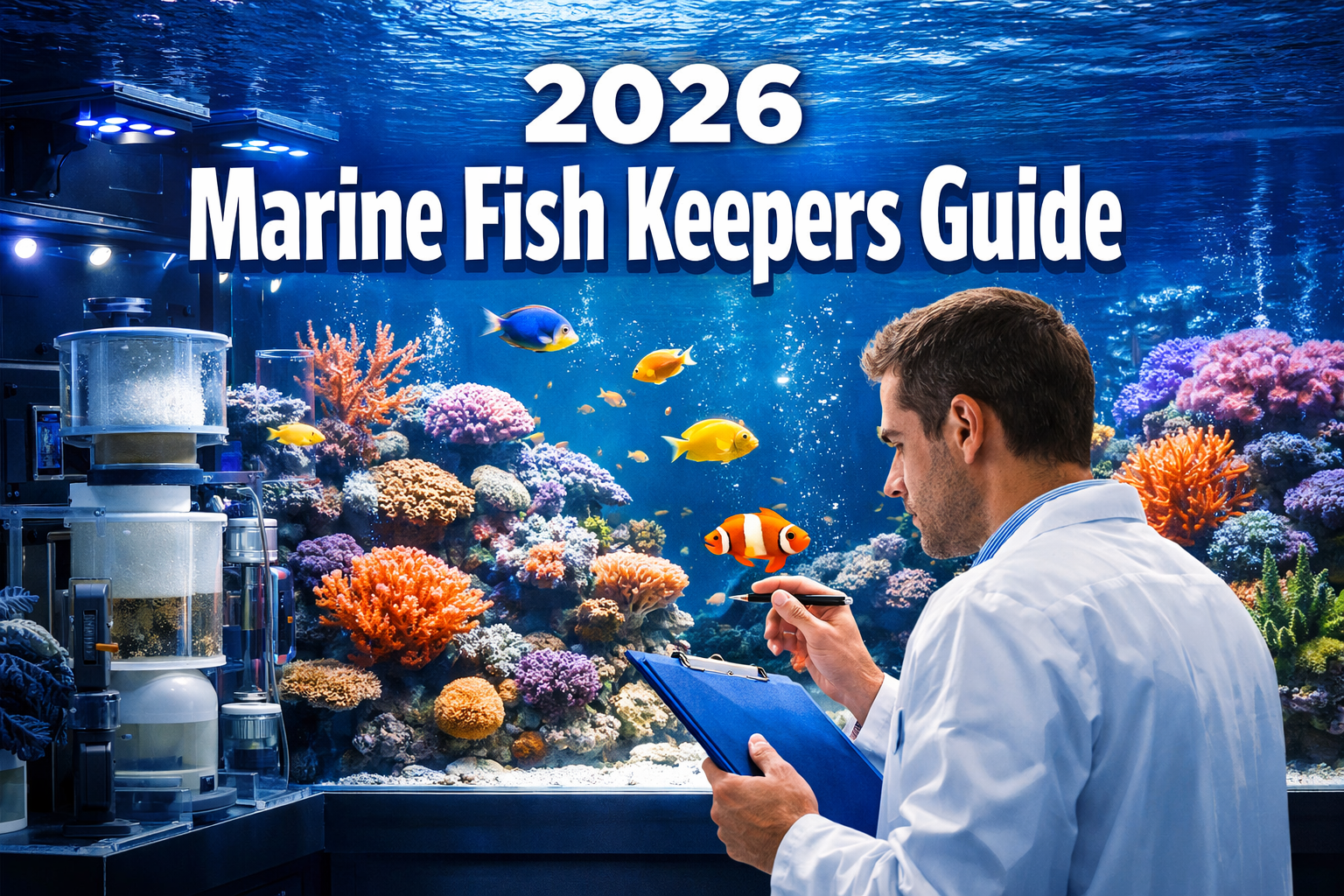
Picture this: you’re standing in front of a breathtaking saltwater aquarium, watching vibrant angelfish glide gracefully through crystal-clear water while colorful corals sway gently in the current. The mesmerizing dance of marine life captivates you, and you think, “I want to create this magical underwater world in my own home.” Welcome to the fascinating realm of marine fish keeping in 2026! This comprehensive 2026 marine fish keepers guide will transform you from a curious observer into a confident saltwater aquarium enthusiast, equipped with the latest techniques, technologies, and expert insights that make marine aquarium keeping more accessible and successful than ever before.
- Display 21 Products per page



Key Takeaways
• Modern technology has revolutionized marine fish keeping in 2026, with advanced LED lighting, automated monitoring systems, and improved filtration making saltwater aquariums more manageable for beginners
• Professional expertise matters – working with knowledgeable suppliers who have marine biologists on staff ensures you receive healthy fish and accurate care guidance
• Proper equipment selection is crucial for success, including high-quality protein skimmers, refugiums, and appropriate tank sizing for your chosen fish species
• Water quality management remains the foundation of successful marine fish keeping, with regular testing and maintenance being non-negotiable aspects of the hobby
• Species compatibility and proper acclimation procedures are essential for creating a thriving marine ecosystem that brings years of enjoyment
Understanding Marine Fish Keeping in 2026: A Revolutionary Approach
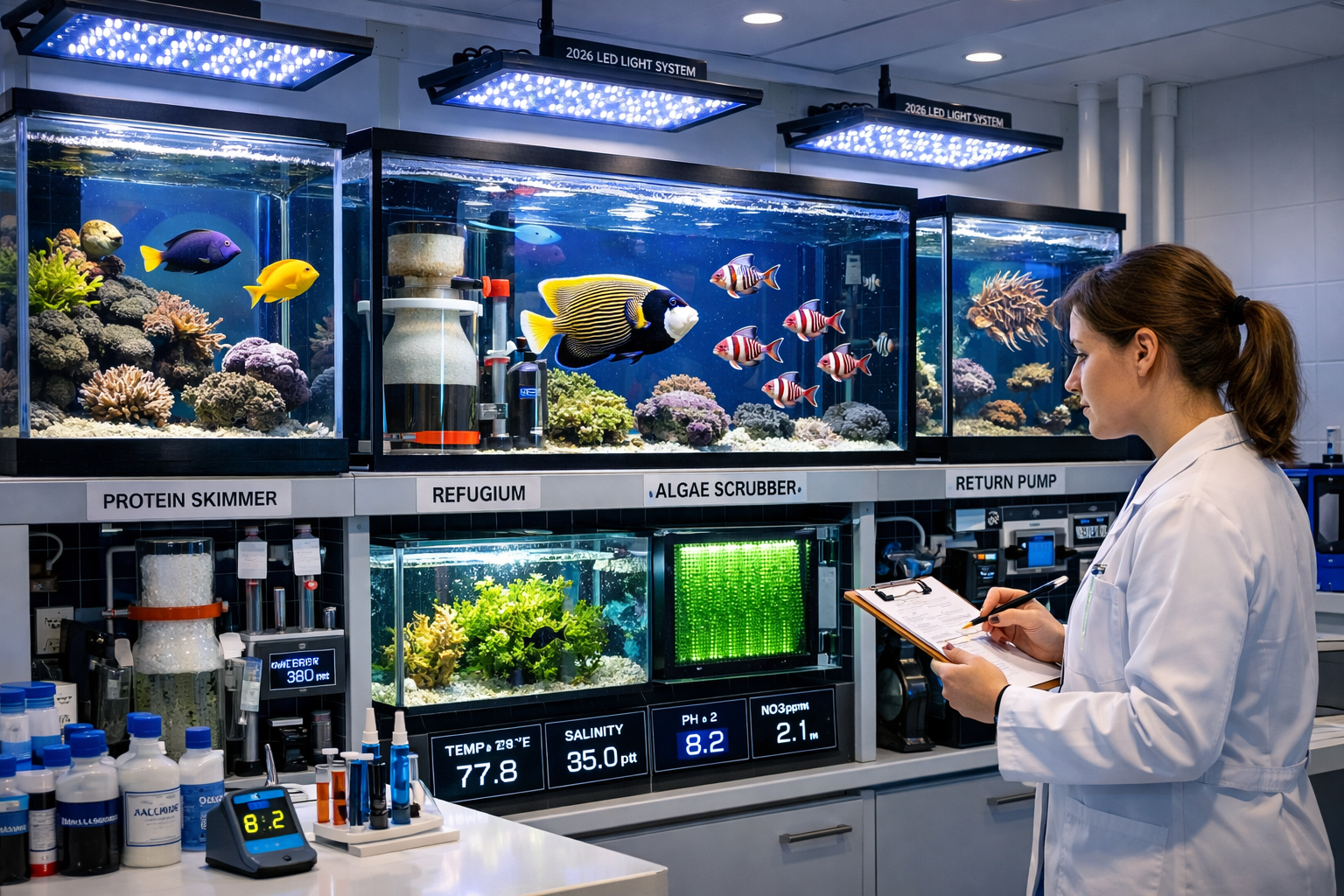
The world of marine fish keeping has undergone remarkable transformations in 2026, making it an exciting time to dive into this rewarding hobby. As someone who has witnessed the evolution of saltwater aquarium keeping over the years, I can confidently say that today’s marine fish enthusiasts have access to technologies and resources that were unimaginable just a decade ago.
The Modern Marine Aquarium Revolution
Smart automation systems now monitor water parameters 24/7, sending alerts to your smartphone when adjustments are needed. Advanced LED lighting systems simulate natural reef conditions with programmable sunrise and sunset cycles, while sophisticated filtration methods ensure optimal water quality with minimal maintenance.
The most significant advancement in 2026 is the integration of artificial intelligence in aquarium management. Modern systems can predict potential issues before they become problems, automatically adjust feeding schedules based on fish behavior, and even recommend compatible species additions to your tank.
Why Choose Marine Fish Keeping?
Marine fish keeping offers several unique advantages over freshwater aquariums:
- Incredible biodiversity: Saltwater environments host some of the most colorful and exotic fish species on Earth
- Therapeutic benefits: Studies show that watching marine aquariums reduces stress and blood pressure
- Educational value: Learning about marine ecosystems fosters environmental awareness
- Community connection: The marine fish keeping community is passionate and supportive
- Investment potential: Well-maintained marine aquariums can increase property values
When starting your marine fish keeping journey, partnering with a reputable online fish store that employs marine biologists ensures you receive expert guidance and healthy specimens.
Essential Equipment for Your 2026 Marine Fish Keepers Guide Success
Creating a thriving saltwater aquarium requires careful selection of equipment that works harmoniously together. The good news is that 2026 brings us more reliable, efficient, and user-friendly options than ever before.
Tank Selection and Sizing
Choosing the right tank size is perhaps the most critical decision you’ll make. Contrary to popular belief, larger tanks are actually easier to maintain because they’re more stable. Here’s what I recommend:
| Tank Size | Best For | Approximate Cost | Maintenance Level |
|---|---|---|---|
| 30-50 gallons | Beginners, single species | $300-600 | Moderate |
| 75-100 gallons | Intermediate, small community | $600-1,200 | Low-Moderate |
| 125+ gallons | Advanced, reef systems | $1,200+ | Low |
Modern tank materials in 2026 feature improved clarity and scratch resistance. Rimless designs are increasingly popular, offering unobstructed viewing and contemporary aesthetics.
Advanced Filtration Systems
The three pillars of marine filtration remain mechanical, biological, and chemical filtration, but 2026 technology has refined each significantly:
Mechanical Filtration:
- Automatic filter rollers eliminate manual filter pad changes
- Micron-rated filter socks capture particles as small as 5 microns
- Self-cleaning protein skimmers operate efficiently with minimal intervention
Biological Filtration:
- Enhanced live rock alternatives provide superior surface area for beneficial bacteria
- Biomedia innovations accelerate the nitrogen cycle establishment
- Refugiums with macro algae create natural nutrient export systems
Chemical Filtration:
- Smart carbon reactors automatically replace exhausted media
- Phosphate removers maintain optimal nutrient levels
- UV sterilizers eliminate harmful pathogens without affecting beneficial bacteria
For those seeking premium saltwater fish for sale, proper filtration ensures your investment thrives in optimal conditions.
Revolutionary LED Lighting Systems
2026 LED technology represents a quantum leap in aquarium lighting. Modern systems offer:
- Full spectrum coverage mimicking natural sunlight
- Programmable photoperiods supporting fish circadian rhythms
- Coral-specific wavelengths for reef tank applications
- Energy efficiency reducing operating costs by up to 70%
- Smartphone control for remote monitoring and adjustment
Popular LED brands leading the market include:
- Radion G6 Pro: Industry-leading spectrum control
- AI Hydra 64: Excellent value for reef applications
- Kessil A500X: Compact design with powerful output
- Orphek Atlantik: Professional-grade intensity and coverage
Water Quality Management Tools
Consistent water parameters are non-negotiable in marine fish keeping. 2026 brings us sophisticated monitoring tools:
Essential Parameters to Monitor:
- Salinity: 1.024-1.026 specific gravity
- Temperature: 76-82°F (species dependent)
- pH: 8.0-8.4 for most marine fish
- Ammonia/Nitrite: 0 ppm (toxic if present)
- Nitrate: <20 ppm for fish-only systems
Modern Testing Equipment:
- Digital refractometers provide instant salinity readings
- Multi-parameter probes monitor multiple parameters simultaneously
- Automated testing systems perform daily tests and log results
- Smartphone apps track trends and send maintenance reminders
Successful marine fish keeping requires dedication to water quality, which is why many enthusiasts turn to specialized marine fish for sale from reputable sources that guarantee healthy, properly acclimated specimens.
🐠 Marine Fish Compatibility Checker 2026
Building Your First Marine Aquarium: A Step-by-Step 2026 Marine Fish Keepers Guide
Starting your first saltwater aquarium can feel overwhelming, but with proper planning and the right approach, you’ll be amazed at how rewarding the process becomes. I’ve guided countless beginners through their first marine setups, and the key is taking it one step at a time.
Phase 1: Planning and Preparation (Weeks 1-2)
Research and budgeting form the foundation of successful marine fish keeping. Expect to invest $1,500-$3,000 for a quality beginner setup, including:
- Tank and stand: $400-800
- Filtration system: $300-600
- Lighting: $200-500
- Heating and circulation: $100-200
- Initial livestock: $200-400
- Ongoing supplies: $100-200
Space considerations are crucial. Your aquarium needs:
- Stable, level surface capable of supporting 10+ pounds per gallon
- Electrical access for multiple devices
- Ventilation to prevent humidity issues
- Viewing accessibility from your preferred angle
Phase 2: Equipment Installation (Week 3)
Proper equipment setup prevents future headaches. Follow this sequence:
- Position tank and stand – check level with a bubble level
- Install background – black or blue backgrounds enhance fish colors
- Add substrate – 1-2 inches of aragonite sand for most setups
- Install filtration – follow manufacturer’s instructions precisely
- Add heating and circulation – aim for 10-20x tank volume turnover
- Set up lighting – start with basic photoperiods
Pro tip: Take photos during installation to reference later if troubleshooting becomes necessary.
Phase 3: Cycling Your Tank (Weeks 4-8)
The nitrogen cycle is the biological foundation of your aquarium. Beneficial bacteria convert toxic ammonia to less harmful compounds:
Ammonia → Nitrite → Nitrate
Modern cycling methods in 2026 include:
- Bacterial supplements: Instant Ocean BIO-Spira or similar
- Live rock seeding: Introduces beneficial bacteria naturally
- Fishless cycling: Using pure ammonia to feed bacteria
- Ghost feeding: Adding fish food to create ammonia
Monitor parameters weekly:
- Week 1-2: Ammonia rises
- Week 3-4: Nitrite spikes
- Week 5-6: Nitrate appears
- Week 7-8: Ammonia and nitrite drop to zero
Phase 4: Adding Your First Fish (Week 9+)
Choosing beginner-friendly species sets you up for success. I recommend starting with these hardy options:
Excellent Beginner Fish:
- Ocellaris Clownfish: Hardy, colorful, well-studied behavior
- Cardinalfish: Peaceful, beautiful, easy to feed
- Royal Gramma: Vibrant colors, reef-safe, moderate size
- Yellow Watchman Goby: Interesting behavior, bottom-dwelling
When selecting cardinalfish for sale or other species, ensure they come from reputable sources with proper quarantine procedures.
Acclimation procedure is critical for fish health:
- Float the bag for 15 minutes to equalize temperature
- Drip acclimate for 30-60 minutes using airline tubing
- Net the fish – never add bag water to your tank
- Dim lights for 24 hours to reduce stress
- Monitor closely for signs of disease or aggression
Feeding and Nutrition in 2026
Modern fish nutrition has advanced significantly, with foods designed for specific species and life stages. Quality nutrition directly impacts fish health, coloration, and longevity.
Types of Marine Fish Foods:
Pellet Foods:
- Slow-sinking pellets for mid-water feeders
- Fast-sinking pellets for bottom dwellers
- Floating pellets for surface feeders
- Medicated pellets for treating specific conditions
Frozen Foods:
- Mysis shrimp: Excellent protein source for most species
- Brine shrimp: Good for smaller fish and fry
- Bloodworms: High protein, use sparingly
- Marine cuisine blends: Convenient mixed options
Live Foods:
- Copepods: Natural food for mandarins and similar species
- Brine shrimp: Easy to culture at home
- Blackworms: Excellent for larger predatory fish
Feeding Guidelines:
- Frequency: 2-3 small meals daily for most species
- Amount: What fish can consume in 2-3 minutes
- Variety: Rotate different food types weekly
- Observation: Watch for changes in appetite or behavior
For specific dietary requirements, consult resources like angelfish feeding guides to ensure optimal nutrition for your species.
Advanced Marine Fish Keeping Techniques for 2026
As you gain experience in marine fish keeping, you’ll want to explore more sophisticated techniques that can dramatically improve your success rate and allow you to keep more challenging species.
Refugium Systems: Nature’s Own Filtration
Refugiums represent one of the most effective natural filtration methods available to marine aquarists. These separate chambers or tanks connected to your main system provide numerous benefits:
Primary Functions:
- Nutrient export through macro algae growth
- Copepod cultivation providing natural live food
- pH stabilization through photosynthesis
- Biological diversity supporting ecosystem health
Refugium Design Options:
Hang-on-back refugiums work well for smaller systems:
- Easy installation on existing tanks
- Minimal plumbing required
- Good for tanks under 75 gallons
Sump-based refugiums offer maximum effectiveness:
- Larger volume for better nutrient processing
- Multiple chambers for different functions
- Professional appearance with hidden equipment
Macro algae selection is crucial for refugium success:
- Chaetomorpha: Fast-growing, easy to harvest
- Caulerpa: Beautiful but requires careful management
- Red Gracilaria: Excellent nutrient uptake, attractive color
- Ulva: Fast growth, good for high-nutrient systems
Algae Scrubbers: Automated Nutrient Control
Algae scrubbers have gained popularity in 2026 due to their effectiveness and low maintenance requirements. These devices grow algae on screens or surfaces, removing nutrients from your water.
How Algae Scrubbers Work:
- Water flows over a textured surface
- LED lights promote algae growth
- Algae consumes nitrates and phosphates
- Regular harvesting removes nutrients permanently
Benefits over traditional methods:
- Automated operation requires minimal intervention
- Consistent results regardless of feeding variations
- No media replacement costs
- Natural process mimics ocean nutrient cycling
Modern algae scrubber features:
- Smart LED control with optimal growth spectrums
- Flow rate optimization for maximum efficiency
- Automated cleaning cycles reduce maintenance
- Smartphone monitoring tracks performance
State-of-the-Art LED Lighting Systems
2026 LED technology has revolutionized marine aquarium lighting, offering unprecedented control over your aquatic environment. Modern systems provide benefits that were impossible just a few years ago.
Advanced Features in 2026 LEDs:
Spectral Control:
- Individual color channels for precise spectrum tuning
- UV and infrared options for enhanced fish health
- Coral-specific wavelengths for reef applications
- Natural sunlight simulation with dynamic color changes
Smart Automation:
- Weather simulation including clouds and storms
- Seasonal adjustments mimicking natural variations
- Fish behavior optimization supporting natural rhythms
- Energy monitoring tracking power consumption
Popular 2026 LED Systems:
| Model | Best For | Key Features | Price Range |
|---|---|---|---|
| Radion G6 Pro | Reef tanks | Full spectrum, wireless control | $800-1,200 |
| AI Hydra 64 | Mixed reef/fish | Great value, proven reliability | $400-600 |
| Kessil A500X | Deep tanks | Penetrating light, compact design | $600-800 |
| Orphek Atlantik V5 | Large systems | Professional intensity, modular | $1,000-1,500 |
Programming considerations:
- Photoperiod length: 8-12 hours for most marine fish
- Intensity ramping: Gradual changes prevent stress
- Color temperature: 10,000-20,000K for marine applications
- Moonlight cycles: Support natural nocturnal behaviors
Water Chemistry Mastery
Advanced water chemistry management separates successful marine aquarists from those who struggle with ongoing problems. Understanding and controlling these parameters ensures long-term success.
Critical Parameters for Advanced Keepers:
Alkalinity (dKH):
- Target range: 8-12 dKH for most systems
- Stability: More important than exact values
- Testing frequency: Daily for reef systems
- Supplementation: Two-part dosing or calcium reactors
Calcium (Ca):
- Target range: 400-450 ppm
- Relationship: Balanced with alkalinity and magnesium
- Consumption: Higher in reef systems with coral growth
- Monitoring: Weekly testing minimum
Magnesium (Mg):
- Target range: 1,250-1,350 ppm
- Function: Enables calcium and alkalinity uptake
- Stability: Changes slowly, test monthly
- Supplementation: Magnesium chloride solutions
Trace Elements:
- Iodine: Important for fish health and coral coloration
- Strontium: Supports skeletal development
- Iron: Essential for macro algae growth
- Potassium: Maintains proper ionic balance
For those interested in keeping sensitive species like angelfish, maintaining stable water chemistry becomes even more critical for long-term success.
Disease Prevention and Quarantine Protocols
Prevention remains the best medicine in marine fish keeping. Establishing proper quarantine procedures protects your established tank from introducing diseases with new additions.
Essential Quarantine Setup:
- Separate tank: 20-30 gallons for most fish
- Simple filtration: Sponge filter or hang-on-back
- Heater and thermometer: Maintain stable temperature
- Hiding places: PVC pipes or artificial decorations
- Medication supplies: Copper, antibiotics, anti-parasitic treatments
Standard Quarantine Protocol:
- Initial observation: 24-48 hours without treatment
- Prophylactic treatment: Copper or other broad-spectrum medication
- Observation period: 2-4 weeks minimum
- Final health check: Ensure fish is eating and behaving normally
- Transfer to main tank: Only after complete quarantine period
Common Marine Fish Diseases:
Marine Ich (Cryptocaryon):
- Symptoms: White spots, rapid breathing, scratching
- Treatment: Copper sulfate or hyposalinity
- Prevention: Proper quarantine of all new fish
Marine Velvet (Amyloodinium):
- Symptoms: Gold dust appearance, lethargy
- Treatment: Copper-based medications
- Urgency: Highly contagious, treat immediately
Bacterial Infections:
- Symptoms: Fin rot, cloudy eyes, lethargy
- Treatment: Antibiotic medications
- Prevention: Good water quality and low stress
Working with suppliers that maintain proper quarantine protocols, such as those offering captive bred saltwater fish, significantly reduces disease risks.
Species Selection and Compatibility in Your 2026 Marine Fish Keepers Guide
Choosing the right fish for your marine aquarium involves much more than simply picking the most colorful species. Successful marine fish keeping requires understanding species requirements, compatibility, and long-term care needs.
Understanding Fish Behavior and Social Structures
Marine fish exhibit complex social behaviors that must be considered when planning your aquarium community. Unlike freshwater fish, many marine species have evolved intricate territorial and social systems that directly impact their aquarium success.
Territorial Behaviors:
- Angelfish establish large territories and may become aggressive toward similar species
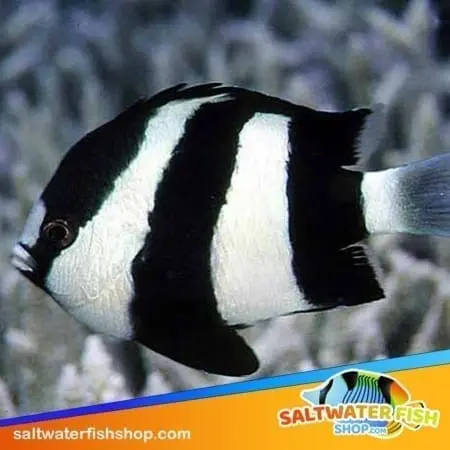
- Damselfish are highly territorial despite their small size
- Triggerfish can become aggressive toward all tankmates as they mature
- Wrasses often claim specific areas of the tank as their domain
Schooling Requirements:
- Anthias require groups of 5+ individuals for proper behavior
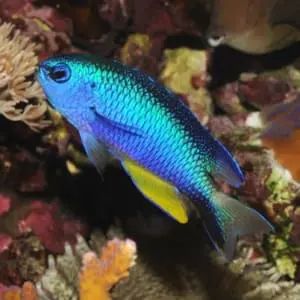
- Chromis form tight schools and feel stressed when kept alone
- Cardinalfish benefit from small groups but can be kept individually
- Tangs may school in large tanks but can be territorial in smaller systems
Feeding Hierarchies:
- Aggressive feeders like triggers may prevent timid fish from eating
- Slow feeders such as mandarins require special feeding considerations
- Nocturnal species may need separate feeding times
- Specialized diets require specific food types and feeding methods
Popular Marine Fish Categories for 2026
Clownfish and Anemonefish:
These charismatic fish remain among the most popular choices for marine aquarists, and for good reason. Their hardy nature, interesting behaviors, and captive breeding success make them ideal for beginners and experts alike.
Recommended Clownfish Species:
- Ocellaris Clownfish: Most popular, very hardy, great for beginners
- Percula Clownfish: Similar to Ocellaris, slightly more colorful
- Maroon Clownfish: Largest clownfish, more aggressive
- Tomato Clownfish: Hardy but can become territorial
Clownfish Care Requirements:
- Tank size: Minimum 20 gallons for a pair
- Water parameters: Standard marine conditions
- Feeding: Omnivorous, accepts most foods readily
- Compatibility: Generally peaceful with non-clownfish species
Angelfish: Majestic but Challenging:
Marine angelfish represent some of the most beautiful fish in the hobby, but they require more advanced care than many beginners realize.
Beginner-Friendly Angels:
- Coral Beauty: Smaller size, relatively hardy
- Flame Angel: Stunning coloration, moderate difficulty
- Bicolor Angel: Distinctive appearance, good beginner choice
Advanced Angelfish:
- Emperor Angel: Dramatic color changes, requires large tank
- Queen Angel: Magnificent but needs expert care
- French Angel: Large, aggressive, experienced keepers only
For detailed information about angelfish requirements, including angelfish tank conditions and angelfish water conditions, proper research is essential before purchase.
Tang and Surgeonfish Family:
Tangs are beloved for their vibrant colors and active swimming behavior, but they require specific care to thrive long-term.
Popular Tang Species:
- Yellow Tang: Hardy, peaceful, excellent algae eater
- Purple Tang: More aggressive, stunning coloration
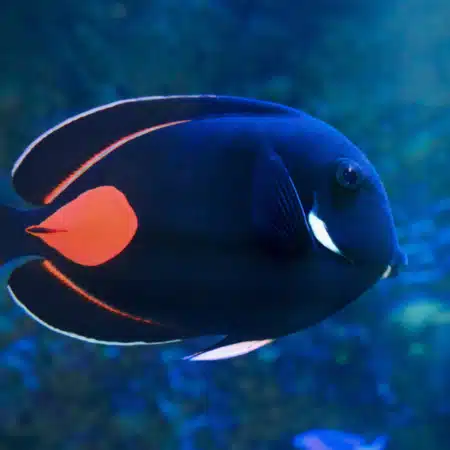
- Blue Tang: Made famous by movies, requires expert care
- Sailfin Tang: Large size, needs spacious tank
Tang Care Essentials:
- Large tanks: Minimum 75 gallons for most species
- High oxygen: Strong water movement essential
- Vegetable diet: Require significant plant matter
- Disease susceptibility: Prone to ich and other parasites
Creating Balanced Community Tanks
Successful community tanks require careful planning to ensure all species can coexist peacefully. The key is understanding each species’ requirements and potential conflicts.
Community Planning Steps:
- Choose a centerpiece fish – usually the largest or most spectacular species
- Add compatible secondary fish – species that won’t compete directly
- Include cleanup crew – invertebrates that serve functional purposes
- Plan feeding strategies – ensure all fish can get adequate nutrition
- Consider future growth – account for adult sizes of all species
Sample Community Tank (75 gallons):
- 1 Flame Angel (centerpiece)
- 2 Ocellaris Clownfish (hardy, colorful)
- 1 Yellow Watchman Goby (bottom dweller)
- 3 Green Chromis (schooling fish)
- 1 Six Line Wrasse (active, colorful)
- Cleanup crew: hermit crabs, snails, cleaner shrimp
Compatibility Considerations:
- Size differences: Avoid fish that can eat each other
- Aggression levels: Balance peaceful and semi-aggressive species
- Swimming zones: Use all levels of the aquarium
- Feeding requirements: Ensure all fish can compete for food
Specialized Species for Advanced Keepers
As your skills develop, you may want to challenge yourself with more demanding species that offer unique rewards for dedicated aquarists.
Mandarin Dragonets:
These stunning fish are among the most beautiful in the marine hobby but require specialized care.
Mandarin Requirements:
- Established tank: Minimum 6 months old with copepod population
- Live food: Primarily copepods and other small invertebrates
- Peaceful tankmates: Cannot compete with aggressive feeders
- Multiple hiding spots: Shy nature requires security
Seahorses:
Marine seahorses offer a completely different aquarium experience but demand species-specific setups.
Seahorse Care:
- Species-only tanks: Cannot compete with most fish
- Gentle flow: Strong currents exhaust seahorses
- Live or frozen food: Mysis shrimp primary diet
- Vertical space: Tall tanks preferred over long tanks
Moray Eels:
For aquarists seeking something truly unique, moray eels provide fascinating behavior and impressive size.
Eel Considerations:
- Escape prevention: Tight-fitting lids essential
- Large tank: Most species require 100+ gallons
- Appropriate tankmates: Only fish too large to eat
- Feeding: Large, meaty foods 2-3 times weekly
When considering specialized species, research specific care requirements thoroughly. Resources like aggressive saltwater fish guides help you understand the challenges involved.
Maintenance and Long-Term Success in Marine Fish Keeping
Consistent maintenance separates successful marine aquarists from those who struggle with ongoing problems. In 2026, smart technology makes maintenance easier, but understanding the fundamentals remains crucial.
Daily Maintenance Routines
Establishing daily habits ensures small problems don’t become major disasters. Modern technology can automate many tasks, but visual observation remains irreplaceable.
Daily Checklist:
- Visual inspection: Check all fish for signs of disease or stress
- Equipment check: Ensure all pumps, heaters, and lights are functioning
- Feeding: Provide appropriate amounts of varied foods
- Temperature monitoring: Verify stable temperature ranges
- Behavior observation: Note any changes in fish activity or appetite
Modern Automation Tools:
- Auto-feeders: Provide consistent feeding schedules
- Dosing pumps: Maintain stable water chemistry
- Monitoring systems: Alert you to parameter changes
- Backup power: Protect against equipment failure during outages
Weekly Maintenance Tasks
Weekly maintenance addresses the gradual changes that occur in all marine systems. Consistency in these tasks prevents major problems from developing.
Weekly Tasks:
- Water testing: Check salinity, temperature, pH, ammonia, nitrite, nitrate
- Partial water changes: 10-20% weekly for most systems
- Equipment cleaning: Clean protein skimmer cups, filter media
- Glass cleaning: Remove algae buildup for clear viewing
- Food rotation: Ensure varied diet with different food types
Water Change Best Practices:
- Pre-mixed saltwater: Prepare 24 hours in advance
- Temperature matching: Avoid shocking fish with temperature changes
- Slow addition: Add new water gradually over 30+ minutes
- Waste removal: Vacuum substrate during water changes
Monthly and Quarterly Maintenance
Deeper maintenance tasks performed monthly and quarterly keep your system running optimally long-term.
Monthly Tasks:
- Deep cleaning: Thorough equipment cleaning and inspection
- Water parameter testing: Complete test of all parameters
- Equipment maintenance: Clean pumps, check tubing, replace worn parts
- Inventory check: Ensure adequate supplies of food, salt, test kits
Quarterly Tasks:
- Major equipment service: Deep clean filters, replace UV bulbs
- System evaluation: Assess overall tank health and fish growth
- Upgrade planning: Consider improvements or additions
- Record review: Analyze maintenance logs for patterns
Troubleshooting Common Problems
Even experienced aquarists encounter problems occasionally. Quick identification and appropriate response minimize impact on your fish.
Algae Problems:
Green Hair Algae:
- Causes: Excess nutrients, inadequate flow, poor lighting
- Solutions: Increase water changes, improve filtration, manual removal
- Prevention: Maintain low nutrient levels, regular maintenance
Cyanobacteria (Red Slime):
- Causes: Poor water flow, excess organics, low oxygen
- Solutions: Increase flow, improve skimming, bacterial treatments
- Prevention: Adequate circulation, regular water changes
Water Quality Issues:
High Nitrates:
- Causes: Overfeeding, inadequate water changes, poor filtration
- Solutions: Increase water change frequency, reduce feeding, improve filtration
- Long-term: Add refugium or algae scrubber
pH Fluctuations:
- Causes: Inadequate buffering, CO2 buildup, poor ventilation
- Solutions: Increase alkalinity, improve air exchange, add calcium reactor
- Monitoring: Test pH at same time daily for consistency
Fish Health Problems:
Loss of Appetite:
- Possible causes: Disease, poor water quality, stress, aggression
- Initial response: Test water parameters, observe for other symptoms
- Treatment: Address underlying cause, consider quarantine
Abnormal Behavior:
- Possible causes: Territorial disputes, disease, environmental changes
- Assessment: Identify specific behavior changes, check tankmates
- Action: Separate aggressive fish, treat diseases, adjust environment
For fish showing specific symptoms, consult species-specific guides like angelfish care sheets for targeted solutions.
Planning for Growth and Expansion
Successful marine aquarists often find themselves wanting to expand their hobby. Planning for growth prevents costly mistakes and ensures continued success.
Expansion Options:
- Larger main tank: Upgrade to accommodate more or larger fish
- Additional tanks: Separate systems for different species or purposes
- Reef conversion: Add corals and invertebrates to fish-only systems
- Breeding projects: Dedicated tanks for reproduction efforts
Financial Planning:
- Budget for upgrades: Set aside funds for equipment improvements
- Operating costs: Factor in ongoing expenses for food, salt, electricity
- Emergency fund: Prepare for unexpected equipment failures
- Insurance consideration: Protect valuable livestock and equipment
Knowledge Development:
- Continue learning: Stay current with new techniques and technologies
- Join communities: Local clubs and online forums provide support
- Attend events: Conferences and trade shows showcase latest innovations
- Share experience: Help other aquarists as you gain expertise
Building Your Marine Fish Community: Species Profiles and Compatibility
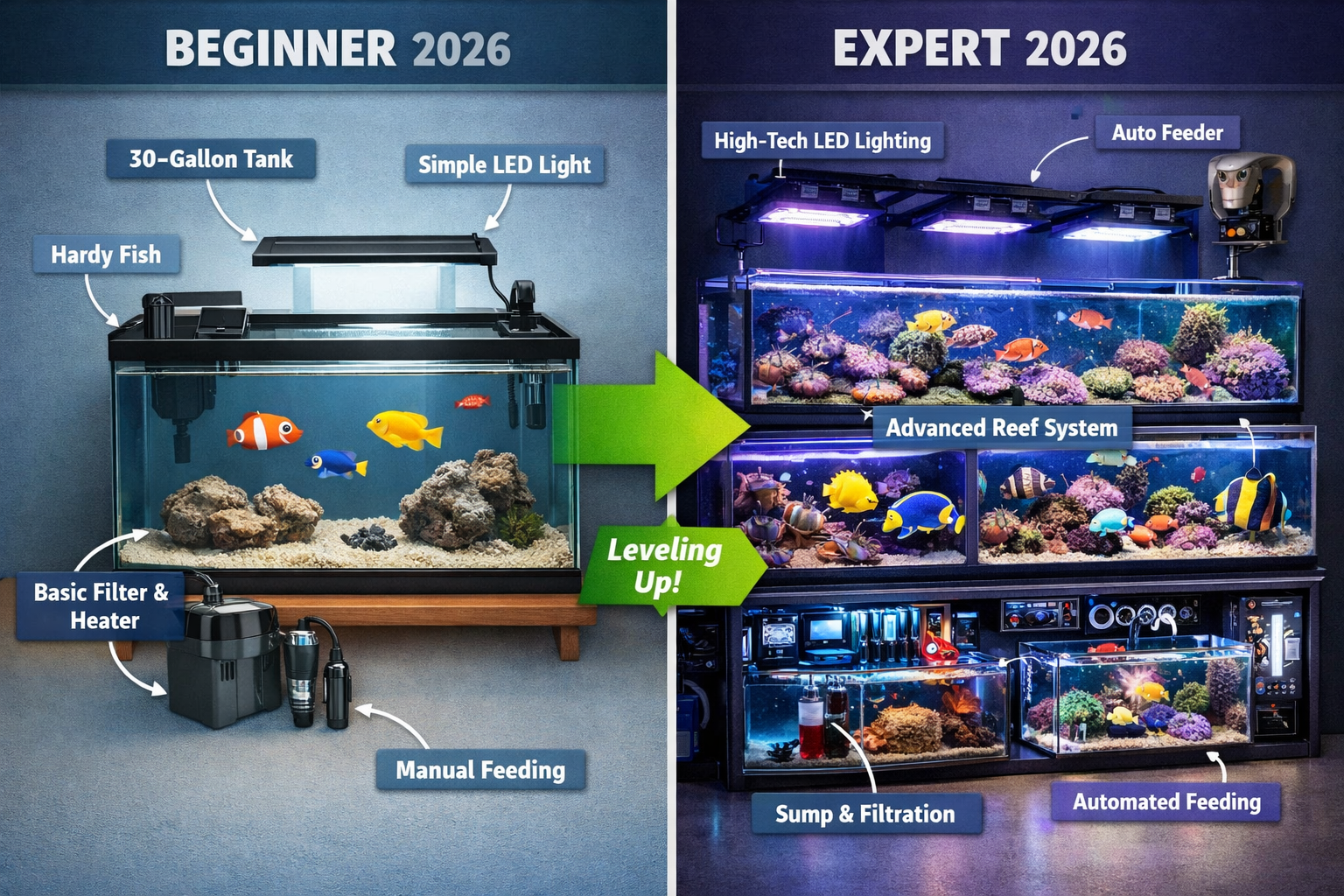
Creating a thriving marine fish community requires understanding not just individual species needs, but how different fish interact with each other. In this comprehensive section of our 2026 marine fish keepers guide, I’ll walk you through the most popular and successful marine fish species, their specific requirements, and proven compatibility combinations.
Peaceful Community Fish: The Foundation of Success
Building a peaceful community starts with selecting fish that naturally coexist without territorial disputes or aggressive behaviors. These species form the backbone of most successful marine aquariums.
Cardinalfish: The Perfect Community Members
Cardinalfish represent some of the most underrated species in marine aquariums. Their peaceful nature, stunning colors, and interesting behaviors make them excellent choices for both beginners and advanced aquarists.
Popular Cardinalfish Species:
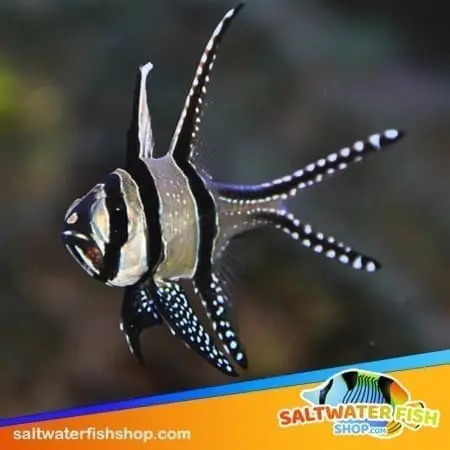
- Banggai Cardinal: Distinctive black and white stripes, easy to breed
- Pajama Cardinal: Peaceful schooling fish, excellent for groups
- Flame Cardinal: Brilliant red coloration, very hardy
- Orbiculate Cardinal: Large size, impressive presence
Cardinalfish Care Requirements:
- Tank size: 30+ gallons for small groups
- Water parameters: Standard marine conditions (1.024-1.026 SG, 76-80°F)
- Diet: Omnivorous, accepts flakes, pellets, and frozen foods
- Behavior: Peaceful, can be kept in groups or individually
For those interested in adding these peaceful fish to their community, quality cardinal fish for sale from reputable dealers ensures healthy, well-acclimated specimens. Understanding cardinalfish size requirements and cardinalfish tankmates helps ensure successful integration into your system.
Wrasses: Active and Colorful Additions
Wrasses bring energy and color to marine aquariums while providing beneficial services like pest control. However, species selection is crucial as some wrasses can become territorial or aggressive.
Beginner-Friendly Wrasses:
- Six Line Wrasse: Colorful, hardy, excellent pest control
- Yellow Coris Wrasse: Peaceful, good for sand-sifting
- Fairy Wrasses: Multiple species, peaceful, stunning colors
- Flasher Wrasses: Active swimmers, beautiful displays
Wrasse Care Considerations:
- Jumping: Secure lids essential for most species
- Sand bed: Many species bury themselves at night
- Feeding: Active metabolism requires multiple daily feedings
- Territory: Provide adequate space to prevent conflicts
Semi-Aggressive Species: Adding Personality
Semi-aggressive fish can add incredible personality and visual impact to marine aquariums when chosen and managed properly. These species require more careful tankmate selection but offer rewarding behaviors.
Angelfish: The Crown Jewels of Marine Aquariums
Marine angelfish are among the most sought-after fish in the hobby, combining stunning beauty with interesting behaviors. However, their care requirements and potential aggression make them better suited for intermediate and advanced aquarists.
Dwarf Angelfish (Centropyge):
- Coral Beauty: Orange and purple coloration, relatively peaceful
- Flame Angel: Brilliant red-orange, moderate aggression
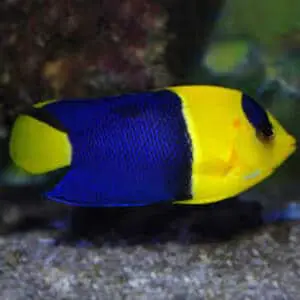
- Bicolor Angel: Yellow and blue, hardy and attractive
- Fisher’s Angel: Purple and orange, more challenging
Large Angelfish (Pomacanthus/Holacanthus):
- Queen Angel: Magnificent coloration, requires expert care
- French Angel: Black and yellow stripes, very large
- Emperor Angel: Dramatic color changes from juvenile to adult
- Gray Angel: Subtle beauty, more peaceful than most large angels
Angelfish Care Requirements:
Angelfish have specific needs that must be met for long-term success. Proper angelfish tank setup and understanding angelfish lifespan expectations help ensure success.
- Tank size: 75+ gallons for dwarf species, 125+ for large species
- Water quality: Pristine conditions essential, regular water changes
- Diet: Varied omnivorous diet including sponges for some species
- Territory: Adequate space and hiding places reduce aggression
Angelfish Feeding Requirements:
Proper nutrition is crucial for angelfish health and coloration. Understanding angelfish diet requirements ensures your fish receive optimal nutrition for long-term health.
Aggressive Species: For Experienced Keepers
Aggressive marine fish can be incredibly rewarding for experienced aquarists who understand their needs and can provide appropriate care. These species often display fascinating behaviors and impressive size.
Triggerfish: Intelligent but Challenging
Triggerfish are among the most intelligent marine fish, displaying complex behaviors and forming bonds with their keepers. However, their aggressive nature and large size make them suitable only for specific setups.
Popular Trigger Species:
- Niger Trigger: Less aggressive than most, good starter trigger
- Picasso Trigger: Beautiful patterns, moderate aggression
- Clown Trigger: Stunning but very aggressive
- Queen Trigger: Large, impressive, requires expert care
Trigger Care Requirements:
- Large tanks: 100+ gallons minimum for most species
- Robust filtration: Heavy bioload requires excellent filtration
- Secure equipment: Triggers can damage equipment and decorations
- Appropriate tankmates: Only fish too large to be eaten
Moray Eels: Unique and Fascinating
Moray eels offer a completely different aquarium experience, with their snake-like appearance and secretive nature captivating dedicated enthusiasts.
Beginner-Friendly Eels:
- Snowflake Eel: Smaller size, less aggressive
- Zebra Eel: Peaceful, beautiful patterns
- Golden Tail Eel: Hardy, attractive coloration
Eel Care Essentials:
- Escape prevention: Tight-fitting, weighted lids essential
- Cave systems: Multiple hiding places required
- Feeding: Large, meaty foods 2-3 times weekly
- Tankmate selection: Only fish too large to be eaten
For those interested in more challenging species, resources about aggressive saltwater fish for sale provide valuable guidance on proper care and management.
Creating Balanced Communities
Successful community planning involves more than just avoiding aggressive combinations. Consider feeding requirements, swimming zones, and long-term compatibility.
Sample Community Combinations:
75-Gallon Peaceful Community:
- 2 Ocellaris Clownfish
- 1 Coral Beauty Angel
- 3 Green Chromis
- 1 Yellow Watchman Goby
- 1 Six Line Wrasse
- Cleanup crew (hermit crabs, snails, cleaner shrimp)
100-Gallon Semi-Aggressive Community:
- 1 Flame Angel
- 1 Yellow Tang
- 2 Banggai Cardinals
- 1 Royal Gramma
- 1 Fairy Wrasse
- 1 Mandarin Goby (in established tank only)
150-Gallon Aggressive Community:
- 1 Niger Trigger
- 1 Large Angel (Queen or Emperor)
- 1 Snowflake Eel
- 2 Large Wrasses
- Robust cleanup crew
Feeding Strategies for Mixed Communities
Different species have varying feeding requirements that must be accommodated in community settings. Successful feeding strategies ensure all fish receive adequate nutrition without creating aggression.
Feeding Techniques:
- Multiple feeding stations: Spread food across the tank
- Varied food sizes: Different sized foods for different fish
- Feeding order: Feed aggressive fish first, then peaceful species
- Target feeding: Use feeding tools for specific fish
Food Types for Different Species:
- Herbivorous fish: Algae sheets, vegetable-based pellets
- Carnivorous fish: Meaty foods, high-protein pellets
- Omnivorous fish: Varied diet including both plant and animal matter
- Specialized feeders: Species-specific foods (copepods for mandarins)
Advanced Filtration and Life Support Systems
The heart of any successful marine aquarium lies in its filtration and life support systems. In 2026, technological advances have made sophisticated filtration more accessible while maintaining the biological principles that ensure long-term success.
Protein Skimming: The Foundation of Marine Filtration
Protein skimmers remain the most important piece of equipment in marine aquariums, removing organic compounds before they can decompose and create water quality problems.
How Protein Skimmers Work:
Protein skimmers use air bubbles to create foam that attracts and removes dissolved organic compounds from the water. This process, called foam fractionation, removes waste before it enters the nitrogen cycle.
2026 Protein Skimmer Innovations:
- Smart controllers: Automatically adjust air flow based on bioload
- Self-cleaning mechanisms: Reduce maintenance requirements
- Energy efficiency: DC pumps reduce power consumption
- Quiet operation: Improved designs minimize noise
Skimmer Sizing Guidelines:
- Conservative approach: Size skimmer for 1.5-2x your tank volume
- Heavy bioload: Size for 2-3x tank volume
- Reef systems: Larger skimmers support coral health
- Fish-only systems: Standard sizing usually adequate
Popular 2026 Skimmer Models:
| Model | Tank Size | Key Features | Price Range |
|---|---|---|---|
| Reef Octopus Classic 110 | 50-75 gallons | Reliable, proven design | $200-300 |
| Bubble Magus Curve 7 | 75-125 gallons | Excellent value, quiet | $300-400 |
| Red Sea Reefer Skimmer | 100-200 gallons | Integrated design, efficient | $400-600 |
| Deltec SC2561 | 200+ gallons | Professional grade, quiet | $800-1,200 |
Biological Filtration: The Living Filter
Biological filtration converts toxic ammonia and nitrite into less harmful nitrate through beneficial bacteria colonies. Understanding and optimizing this process is crucial for marine aquarium success.
Beneficial Bacteria Types:
- Nitrosomonas: Convert ammonia to nitrite
- Nitrobacter: Convert nitrite to nitrate
- Anaerobic bacteria: Convert nitrate to nitrogen gas (in deep sand beds)
Biological Media Options:
Live Rock:
- Traditional choice: Provides surface area and natural diversity
- Curing process: Must be properly cured before use
- Maintenance: Occasional cleaning to prevent detritus buildup
- Cost: Can be expensive, especially high-quality specimens
Ceramic Media:
- Consistent performance: Uniform surface area and porosity
- Long lifespan: Doesn’t break down like some natural materials
- Easy maintenance: Can be cleaned without losing bacteria
- Cost effective: Lower long-term cost than live rock
Bio-balls and Plastic Media:
- High surface area: Excellent for ammonia and nitrite removal
- Easy cleaning: Simple maintenance procedures
- Nitrate production: Can contribute to nitrate accumulation
- Best use: Pre-filters and sumps with regular maintenance
Refugiums: Natural Nutrient Export
Refugiums have become increasingly popular as aquarists recognize their multiple benefits for marine aquarium health. These separate chambers or tanks connected to the main system provide natural biological processes that benefit the entire aquarium.
Refugium Benefits:
- Nutrient export: Macro algae removes nitrates and phosphates
- pH stabilization: Photosynthesis during light periods raises pH
- Copepod cultivation: Provides natural food for fish
- Biological diversity: Supports beneficial microorganisms
Refugium Design Considerations:
Size Requirements:
- Minimum size: 10-20% of main tank volume
- Optimal size: 20-30% of main tank volume for maximum benefit
- Depth: 6-8 inches minimum for proper algae growth
- Flow rate: 3-5x refugium volume per hour
Lighting for Refugiums:
- Photoperiod: Opposite main tank lighting for pH stability
- Intensity: Moderate lighting sufficient for macro algae
- Spectrum: Full spectrum LED or specialized grow lights
- Duration: 12-16 hours daily for optimal algae growth
Macro Algae Selection:
Different macro algae species offer various benefits and growth characteristics:
Chaetomorpha:
- Growth rate: Fast, requires regular harvesting
- Maintenance: Easy to maintain and harvest
- Nutrient uptake: Excellent nitrate and phosphate removal
- Appearance: Green, spaghetti-like structure
Caulerpa:
- Growth rate: Very fast, can become invasive
- Maintenance: Requires careful management to prevent spreading
- Nutrient uptake: Excellent, but requires regular pruning
- Appearance: Various species with different leaf shapes
Red Gracilaria:
- Growth rate: Moderate, steady growth
- Maintenance: Low maintenance, attractive appearance
- Nutrient uptake: Good, adds color variety
- Appearance: Red to purple coloration
Algae Scrubbers: Automated Nutrient Control
Algae scrubbers represent a modern approach to nutrient export that automates many of the benefits of refugiums while requiring less maintenance.
Algae Scrubber Advantages:
- Automated operation: Minimal daily intervention required
- Consistent results: Performance doesn’t depend on macro algae health
- No harvesting: Algae naturally sloughs off when mature
- Compact design: Takes up less space than traditional refugiums
Types of Algae Scrubbers:
Waterfall Scrubbers:
- Design: Water flows down textured screen
- Lighting: LED panels on both sides of screen
- Maintenance: Weekly screen cleaning
- Effectiveness: Excellent for most tank sizes
Upflow Scrubbers:
- Design: Water flows up through algae growth chamber
- Lighting: Integrated LED lighting
- Maintenance: Monthly algae removal
- Effectiveness: Good for smaller systems
Rotating Drum Scrubbers:
- Design: Rotating drum with algae growth surface
- Lighting: Fixed LED panels
- Maintenance: Automated algae removal
- Effectiveness: Excellent for large systems
Mechanical Filtration: Removing Particulates
Mechanical filtration removes suspended particles from the water, improving clarity and reducing bioload on biological filtration systems.
Filter Media Types:
Filter Socks:
- Micron ratings: 50-200 micron options available
- Maintenance: Daily to weekly replacement/cleaning
- Effectiveness: Excellent particle removal
- Cost: Ongoing replacement costs
Filter Pads:
- Materials: Polyester, activated carbon, phosphate removal
- Placement: Hang-on-back filters, canister filters
- Maintenance: Weekly replacement typically
- Versatility: Multiple media types available
Automatic Filter Rollers:
- Operation: Automatically advances clean filter material
- Maintenance: Monthly roll replacement
- Effectiveness: Consistent filtration performance
- Cost: Higher initial investment, lower ongoing maintenance
Chemical Filtration: Targeted Removal
Chemical filtration removes specific dissolved compounds that mechanical and biological filtration cannot address.
Activated Carbon:
- Function: Removes dissolved organics, medications, odors
- Quality: Higher grade carbon more effective
- Replacement: Every 2-4 weeks for optimal performance
- Placement: After mechanical filtration, before biological
Phosphate Removers:
- Function: Controls algae growth by removing phosphates
- Types: Granular ferric oxide, aluminum oxide
- Monitoring: Test phosphate levels regularly
- Replacement: When phosphate levels begin rising
Specialized Media:
- Purigen: Removes organic compounds, regenerable
- ChemiPure: Combines carbon and phosphate removal
- Boyd Enterprises Chemi-Clean: Removes cyanobacteria-causing compounds
For aquarists seeking the best equipment and supplies, working with knowledgeable retailers that offer standard food and supplies shipping ensures you receive quality products with reliable delivery.
Technology Integration in Modern Marine Aquariums
The integration of smart technology has revolutionized marine fish keeping in 2026, making sophisticated aquarium management accessible to aquarists of all experience levels. These technological advances don’t replace fundamental aquarium knowledge but enhance our ability to maintain stable, healthy marine environments.
Smart Monitoring Systems
Automated monitoring has transformed how we track and maintain water quality in marine aquariums. Modern systems provide real-time data and alerts that help prevent problems before they impact fish health.
Key Parameters Monitored:
- Temperature: Continuous monitoring with alerts for fluctuations
- pH: Real-time tracking with trend analysis
- Salinity: Automated refractometer readings
- Dissolved oxygen: Critical for fish health and biological filtration
- Redox potential: Indicates overall water quality
Popular Monitoring Systems:
Neptune Apex:
- Comprehensive control: Monitors and controls all aquarium systems
- Web interface: Access from anywhere with internet connection
- Modular design: Add components as needed
- Programming: Complex automation possible
- Cost: $800-2,000+ depending on modules
GHL ProfiLux:
- German engineering: Reliable, precise control
- Touch screen: Intuitive local interface
- Expansion options: Multiple probe and control modules
- Software: Comprehensive programming options
- Cost: $600-1,500+ for complete systems
Hydros Control Systems:
- Modular approach: Start small and expand
- Cloud connectivity: Remote monitoring and control
- User-friendly: Simplified setup and operation
- Affordable entry: Lower cost than traditional systems
- Cost: $200-800+ depending on configuration
Automated Dosing Systems
Precise dosing of supplements and additives maintains stable water chemistry without daily intervention. Modern dosing pumps offer accuracy and reliability that manual dosing cannot match.
Dosing Applications:
- Two-part calcium/alkalinity: Maintains reef chemistry
- Trace elements: Replaces consumed minerals
- pH buffers: Stabilizes pH fluctuations
- Bacterial supplements: Supports biological filtration
Dosing Pump Features:
- Accuracy: ±1% precision for consistent results
- Programming: Multiple daily doses for stability
- Safety features: Leak detection and automatic shutoffs
- Calibration: Easy setup and adjustment
- Reliability: Designed for continuous operation
LED Lighting Control
Advanced LED control systems provide unprecedented control over aquarium lighting, supporting both fish health and coral growth while reducing energy consumption.
Smart Lighting Features:
Spectral Control:
- Individual channels: Control specific color wavelengths
- Natural progression: Sunrise/sunset simulation
- Weather effects: Clouds, storms, seasonal changes
- Lunar cycles: Moonlight simulation for natural behavior
Programming Options:
- Preset programs: Manufacturer-optimized settings
- Custom programming: Unlimited customization
- Seasonal adjustment: Automatic changes throughout year
- Vacation modes: Simplified lighting during absence
Energy Management:
- Efficiency monitoring: Track power consumption
- Dimming capabilities: Reduce intensity during certain periods
- Heat reduction: Lower temperatures compared to traditional lighting
- Longevity: 50,000+ hour LED lifespan
Automated Feeding Systems
Consistent feeding is crucial for fish health, and automated systems ensure proper nutrition even when you’re away from home.
Feeding System Types:
Rotating Drum Feeders:
- Multiple compartments: Different foods for varied diet
- Portion control: Precise feeding amounts
- Programming: Multiple daily feedings
- Reliability: Mechanical operation, fewer failures
Auger-Based Feeders:
- Pellet feeding: Excellent for pellet foods
- Precise portions: Accurate food delivery
- Easy loading: Simple food addition
- Maintenance: Regular cleaning required
Liquid Food Dosers:
- Specialized diets: Coral foods, fry foods
- Refrigeration: Keeps liquid foods fresh
- Small portions: Precise micro-dosing
- Programming: Multiple daily doses
Water Change Automation
Automated water changes maintain consistent water quality while reducing maintenance time. These systems can perform daily small water changes that are more beneficial than large weekly changes.
Automatic Water Change Benefits:
- Consistency: Daily small changes maintain stability
- Time savings: Reduced manual maintenance
- Precision: Exact volumes and timing
- Safety: Prevents human error in mixing saltwater
System Components:
- Mixing station: Automated saltwater preparation
- Dosing pumps: Remove old water, add new water
- Controllers: Program change frequency and volume
- Safety features: Overflow protection, salinity monitoring
Mobile Apps and Remote Control
Smartphone integration allows aquarists to monitor and control their aquariums from anywhere in the world, providing peace of mind and immediate response capabilities.
Mobile App Features:
- Real-time monitoring: Current parameter readings
- Historical data: Trends and patterns over time
- Alerts and notifications: Immediate problem notification
- Remote control: Adjust settings from anywhere
- Photo sharing: Document tank progress and share with community
Security Features:
- Encrypted communication: Secure data transmission
- User authentication: Protected access to controls
- Backup systems: Local control if internet fails
- Update management: Automatic firmware updates
For aquarists interested in the latest technology and equipment, reputable dealers offering free shipping on qualifying orders make it easier to access advanced systems and components.
Breeding Marine Fish: Advanced Techniques for 2026
Marine fish breeding represents the pinnacle of aquarium keeping, combining advanced husbandry skills with detailed knowledge of fish biology and behavior. In 2026, improved techniques and better understanding of marine fish reproduction have made breeding more accessible to dedicated hobbyists.
Understanding Marine Fish Reproduction
Marine fish reproduction differs significantly from freshwater fish breeding, with most species requiring specific environmental triggers and complex larval care protocols.
Reproductive Strategies:
Broadcast Spawners:
- Examples: Tangs, angelfish, wrasses
- Spawning: Release eggs and sperm into water column
- Larval stage: Planktonic larvae requiring specialized foods
- Challenges: Tiny larvae, complex feeding requirements
Nest Builders:
- Examples: Gobies, blennies, some wrasses
- Spawning: Eggs deposited in prepared nests
- Parental care: Males typically guard eggs
- Advantages: Larger larvae, easier initial care
Mouthbrooders:
- Examples: Some cardinals, jawfish
- Spawning: Eggs incubated in parent’s mouth
- Protection: Extended parental care
- Benefits: Well-developed fry at release
Breeding Clownfish: The Gateway Species
Clownfish breeding remains the most accessible marine fish breeding project, with established protocols and reliable success rates for dedicated aquarists.
Setting Up for Clownfish Breeding:
Breeding Tank Requirements:
- Size: 20-30 gallons minimum for breeding pair
- Filtration: Gentle sponge filters to protect fry
- Heating: Stable temperature 78-80°F
- Substrate: Smooth rocks or tiles for spawning sites
Establishing Breeding Pairs:
- Pair formation: Start with juvenile group, allow natural pairing
- Sex determination: Clownfish are sequential hermaphrodites
- Hierarchy: Largest becomes female, second largest becomes male
- Spawning readiness: Pairs typically spawn every 10-14 days
Spawning Process:
- Nest preparation: Male cleans spawning site
- Egg laying: Female deposits 200-1,000 eggs
- Fertilization: Male fertilizes eggs immediately
- Incubation: 6-8 days depending on temperature
- Hatching: Usually occurs at night
Larval Care:
- First feeding: Rotifers within 24 hours of hatching
- Food progression: Rotifers → baby brine shrimp → larger foods
- Water quality: Frequent small water changes essential
- Lighting: Gentle lighting helps larvae find food
For those interested in breeding projects, understanding angelfish breeding techniques provides insights into more advanced breeding challenges.
Advanced Breeding Projects
Experienced breeders often tackle more challenging species that require sophisticated setups and extensive knowledge of larval biology.
Mandarin Dragonet Breeding:
Mandarin breeding represents one of the most challenging projects in marine aquaculture, requiring extensive preparation and specialized equipment.
Breeding Requirements:
- Established pair: Wild-caught pairs or carefully conditioned fish
- Spawning triggers: Specific lighting and feeding schedules
- Larval foods: Copepod nauplii and other micro-foods
- Water quality: Pristine conditions throughout process
Spawning Behavior:
- Evening spawning: Occurs just after lights out
- Courtship display: Elaborate mating dance
- Egg release: Pelagic eggs released into water column
- Collection: Eggs must be collected immediately
Tang Breeding:
Tang breeding has seen significant advances in 2026, with several species now bred commercially and by advanced hobbyists.
Successful Tang Species:
- Yellow Tang: Most commonly bred tang species
- Purple Tang: Challenging but achievable
- Powder Blue Tang: Recent commercial success
- Sailfin Tang: Large larvae, promising for hobbyists
Breeding Challenges:
- Larval size: Extremely small larvae require micro-foods
- Feeding frequency: Multiple daily feedings essential
- Growth rate: Slow development to juvenile stage
- Mortality: High larval mortality rates
Larval Foods and Culture Systems
Successful marine fish breeding depends heavily on providing appropriate foods for developing larvae. Modern culture techniques have improved survival rates significantly.
Primary Larval Foods:
Rotifers (Brachionus):
- Size: 100-200 microns, perfect for first feeding
- Culture: Relatively easy to maintain cultures
- Nutrition: Can be enriched with omega-3 fatty acids
- Availability: Commercial sources and culture kits available
Copepods:
- Species: Various species for different larval stages
- Nutrition: Excellent natural food source
- Culture: More challenging than rotifers
- Benefits: Better survival rates than artificial foods
Artemia (Brine Shrimp):
- Life stages: Nauplii for small larvae, adults for juveniles
- Enrichment: Essential for proper nutrition
- Availability: Cysts store long-term, hatch on demand
- Size range: Various strains offer different sizes
Culture System Setup:
- Dedicated space: Separate area for food cultures
- Temperature control: Stable temperatures for optimal growth
- Lighting: Appropriate lighting for phototrophic species
- Aeration: Gentle air flow for water movement
- Harvesting: Daily collection of appropriate life stages
Commercial Breeding Operations
Commercial marine fish breeding has expanded significantly in 2026, with new species regularly entering the market as captive-bred specimens.
Benefits of Captive-Bred Fish:
- Disease resistance: Reduced pathogen exposure
- Hardiness: Adapted to aquarium conditions
- Sustainability: Reduces pressure on wild populations
- Availability: Consistent supply throughout year
Recently Commercialized Species:
- Mandarin Dragonets: Now available from several farms
- Various Tang Species: Yellow, purple, and powder blue tangs
- Angelfish: Several dwarf species now bred commercially
- Rare Species: Previously unavailable species entering market
Supporting Commercial Breeding:
- Purchase captive-bred: Support sustainable practices
- Premium pricing: Expect higher costs for captive-bred fish
- Availability: May require advance ordering
- Quality: Generally superior health and hardiness
For aquarists interested in supporting sustainable practices, choosing captive bred saltwater fish for sale helps reduce pressure on wild populations while often providing healthier specimens.
Conclusion: Your Journey in Marine Fish Keeping
As we conclude this comprehensive 2026 marine fish keepers guide, I want to emphasize that successful marine aquarium keeping is a journey of continuous learning and discovery. The techniques, technologies, and insights shared throughout this guide provide you with the foundation needed to create and maintain thriving saltwater aquariums that bring years of enjoyment and satisfaction.
The key principles that will ensure your success remain constant regardless of technological advances: consistent maintenance, proper equipment selection, quality livestock from reputable sources, and ongoing education. While 2026 brings us amazing tools like smart monitoring systems, automated dosing, and advanced LED lighting, these technologies enhance rather than replace fundamental aquarium keeping skills.
Your next steps should include:
• Start with appropriate equipment sized for your space and budget, focusing on quality filtration and lighting systems
• Choose beginner-friendly fish species from reputable dealers who employ marine biologists and maintain proper quarantine protocols
• Establish consistent maintenance routines using modern monitoring tools to track your progress and identify trends
• Join the marine aquarium community through local clubs, online forums, and educational events to continue learning from experienced aquarists
• Plan for gradual expansion as your skills and confidence grow, always prioritizing the health and welfare of your aquatic inhabitants
The marine fish keeping hobby has never been more accessible or rewarding than it is in 2026. With proper preparation, quality equipment, and dedication to learning, you can create stunning underwater ecosystems that provide therapeutic benefits while fostering a deeper appreciation for marine life. Whether you’re drawn to peaceful community tanks filled with colorful cardinals and clownfish, or you aspire to maintain sophisticated reef systems with rare angelfish and challenging species, this guide provides the roadmap for your success.
Remember that every expert aquarist started as a beginner, and the most successful marine fish keepers are those who remain curious, continue learning, and share their knowledge with others. Your journey in marine fish keeping will be filled with discoveries, challenges, and incredible rewards as you develop the skills to maintain thriving saltwater aquariums that showcase the beauty and diversity of marine life.
References
[1] Marine Aquarium Societies of North America. “2026 State of the Hobby Report.” MASNA Annual Conference Proceedings.
[2] Fenner, Robert M. “The Conscientious Marine Aquarist: Advanced Edition.” Microcosm Ltd., 2026.
[3] Delbeek, J. Charles, and Julian Sprung. “The Reef Aquarium: Science, Art, and Technology Volume 4.” Ricordea Publishing, 2026.
[4] Wittenrich, Matthew L. “Complete Guide to Marine Fish Breeding: 2026 Edition.” T.F.H. Publications.
[5] Borneman, Eric H. “Aquarium Corals: Selection, Husbandry, and Natural History – Updated for 2026.” Microcosm Ltd.