
The Ultimate 2026 Saltwater Fish Hobbyist Guide: Your Complete Marine Aquarium Journey
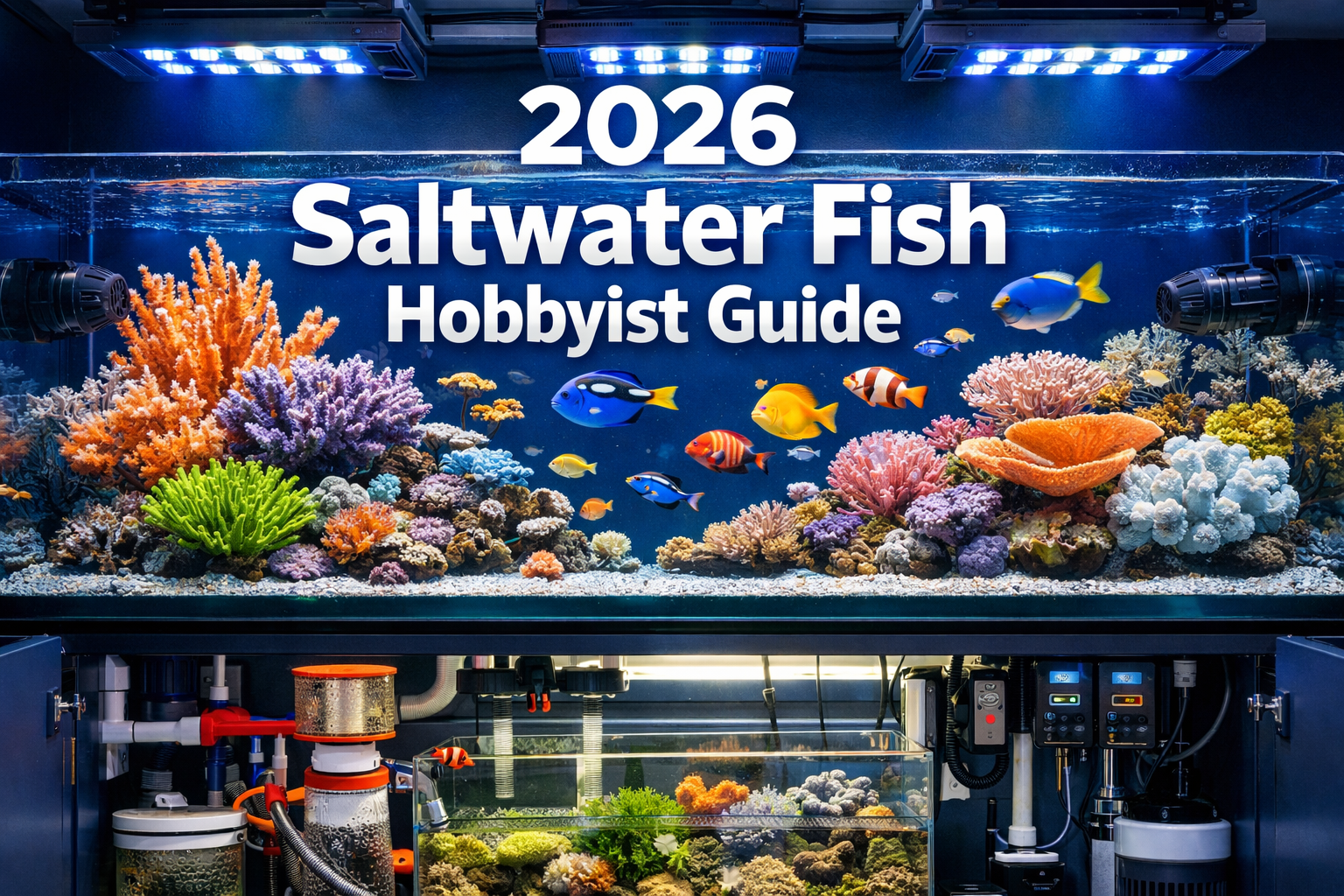
Picture this: you’re standing in front of a breathtaking marine aquarium, watching vibrant angelfish glide gracefully past coral formations while a school of cardinalfish dances in perfect harmony. The crystal-clear water sparkles under advanced LED lighting, and you realize this underwater paradise exists in your own home. This dream becomes reality with the right knowledge, equipment, and guidance. Welcome to your comprehensive 2026 saltwater fish hobbyist guide – your roadmap to creating and maintaining the marine aquarium of your dreams.
- Display 18 Products per page

Key Takeaways
• Professional expertise matters: Working with marine biologists and established retailers like Saltwater Fish Shop ensures healthy fish and proper guidance for your 2026 marine aquarium setup.
• Advanced filtration is essential: Modern refugiums, algae scrubbers, and multi-stage filtration systems are crucial for maintaining optimal water quality in 2026 saltwater aquariums.
• LED lighting technology: State-of-the-art LED systems provide precise spectrum control and energy efficiency for both fish health and coral growth.
• Species compatibility: Understanding fish behavior, dietary needs, and tank requirements prevents conflicts and ensures a thriving marine ecosystem.
• Water quality management: Consistent monitoring of salinity, pH, ammonia, and nitrate levels forms the foundation of successful saltwater fishkeeping in 2026.
Why 2026 is the Perfect Year to Start Your Marine Aquarium Journey
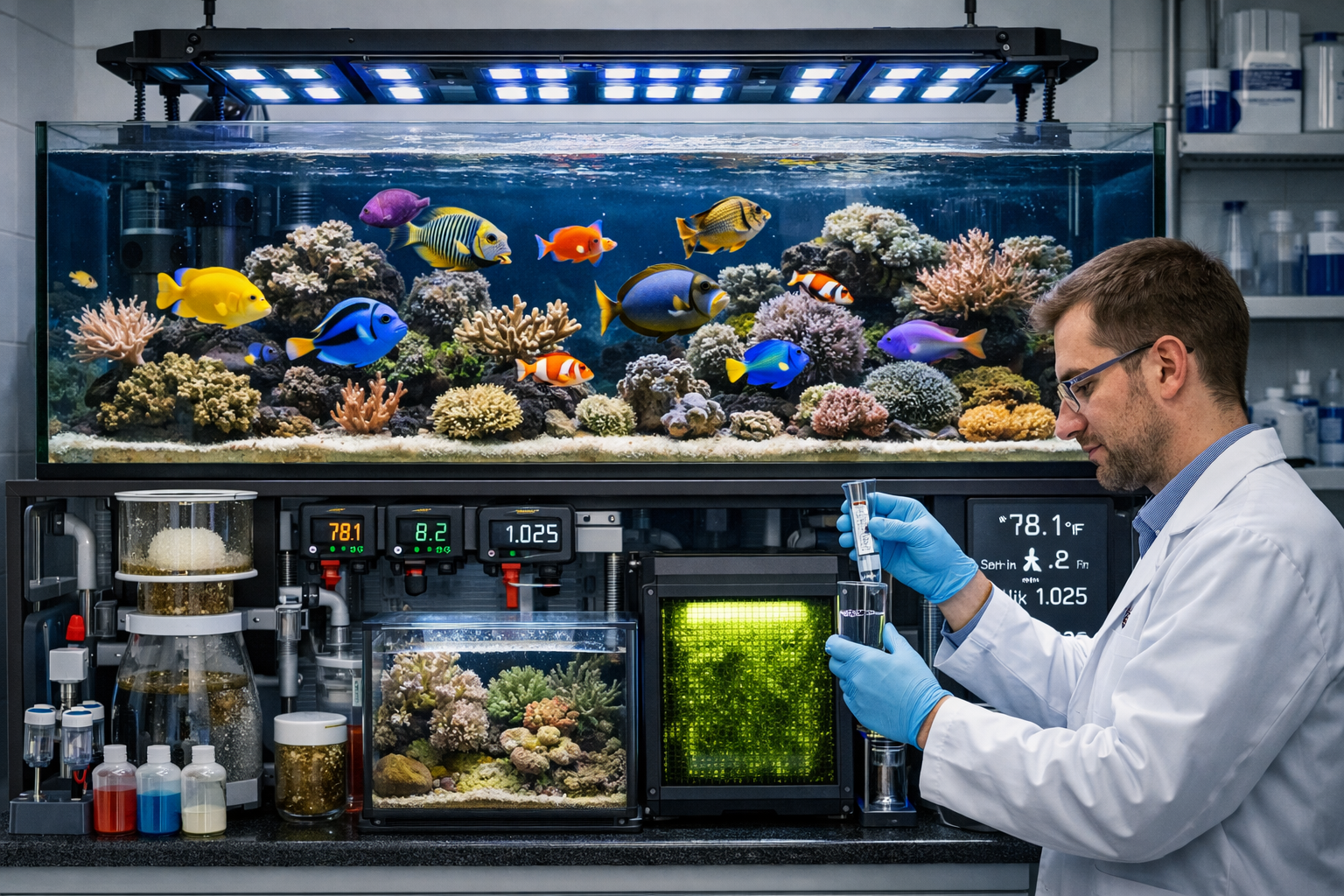
The world of saltwater fishkeeping has evolved dramatically, and 2026 represents a golden age for marine hobbyists. Advanced technology, improved understanding of marine biology, and better access to healthy, captive-bred fish have made this hobby more accessible than ever before.
Modern marine aquarium systems now feature smart monitoring technology that tracks water parameters in real-time, sending alerts to your smartphone when adjustments are needed. LED lighting systems can simulate natural sunrise and sunset cycles, promoting natural fish behavior and coral health. Most importantly, the availability of captive-bred fish has reduced stress on wild populations while providing hobbyists with healthier, more adaptable specimens.
When I started my first marine aquarium fifteen years ago, the learning curve felt overwhelming. Today’s hobbyists benefit from decades of accumulated knowledge, better equipment, and access to expert guidance from professional marine biologists. This 2026 saltwater fish hobbyist guide combines traditional wisdom with cutting-edge innovations to help you succeed from day one.
Essential Equipment and Technology for Your 2026 Marine Aquarium Setup
Modern Filtration Systems: The Heart of Your Aquarium
Protein skimmers remain the cornerstone of marine filtration, but 2026 models offer unprecedented efficiency. These devices remove dissolved organic compounds before they break down into harmful nitrates. Look for skimmers with controllable bubble production and easy-access collection cups for maintenance.
Refugiums have become increasingly popular among serious marine hobbyists. These separate chambers house beneficial algae like Chaetomorpha, which consumes nitrates and phosphates while providing natural food for your fish. A well-designed refugium acts as a biological filter and nutrient export system rolled into one.
Algae scrubbers represent another breakthrough in 2026 filtration technology. These devices use controlled algae growth on screens to remove nutrients from your aquarium water. Unlike traditional methods that simply trap waste, algae scrubbers actually consume and export nutrients from your system.
Advanced LED Lighting Systems
The LED lighting revolution has transformed marine aquarium keeping. Modern LED systems provide full spectrum lighting that promotes both fish health and coral growth. Key features to look for include:
- Programmable light cycles that simulate natural sunrise and sunset
- Individual color channel control for customized spectrum adjustment
- Smartphone app integration for remote monitoring and adjustment
- Energy efficiency that reduces operating costs by up to 70% compared to traditional lighting
Tank Selection and Setup Considerations
All-in-one systems have gained popularity among beginners, offering integrated filtration and lighting in compact packages. However, custom setups provide greater flexibility for advanced hobbyists. Consider these factors when choosing your tank:
Tank Size: Larger tanks are more stable and forgiving for beginners. I recommend starting with at least 50 gallons for your first marine aquarium.
Tank Shape: Longer tanks provide more swimming space for active fish species, while taller tanks work better for vertical coral growth.
Material Quality: Modern acrylic tanks offer superior clarity and impact resistance, while glass tanks provide scratch resistance and lower cost.
Popular Fish Species and Care Requirements for 2026
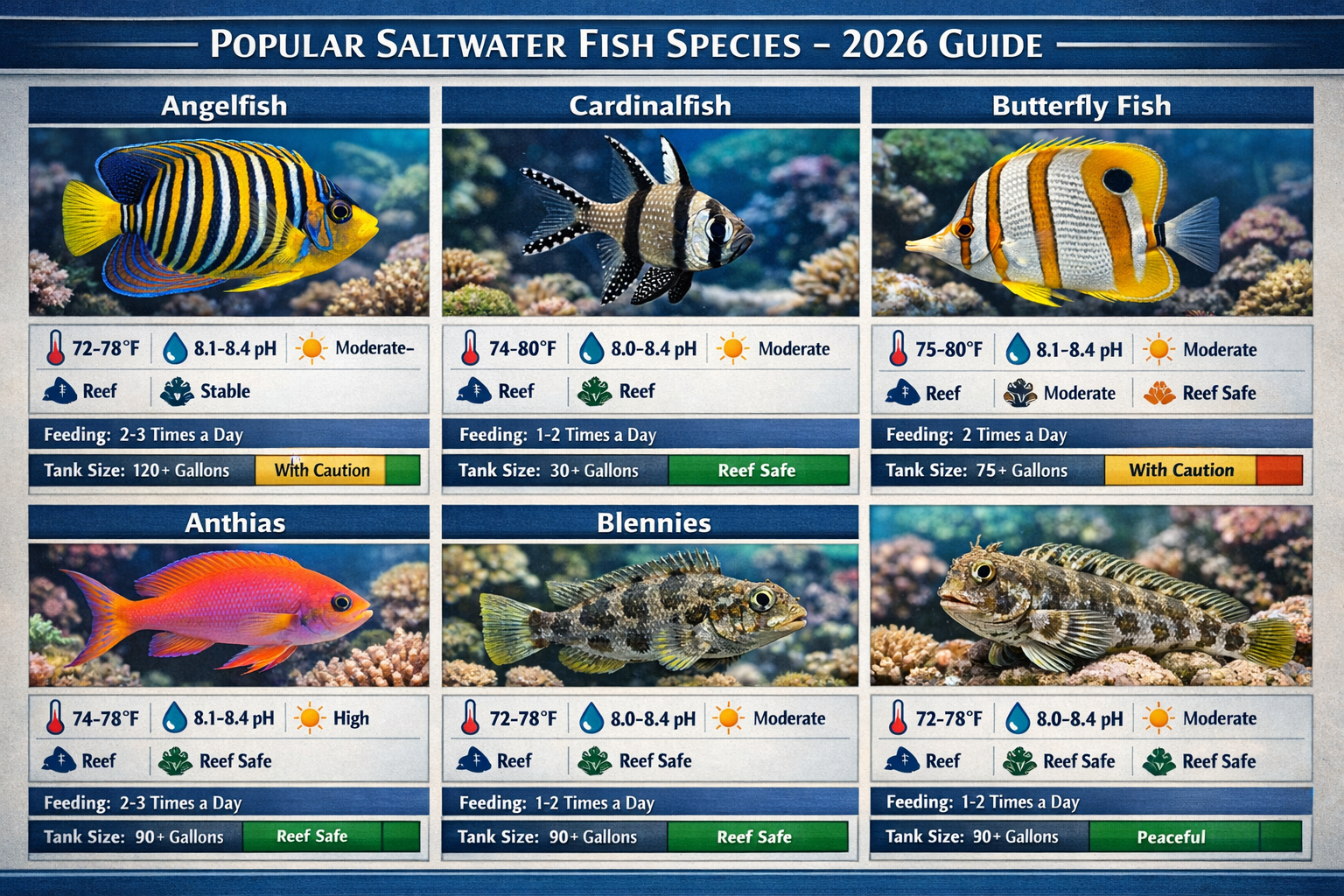
Angelfish: Majestic Marine Beauties
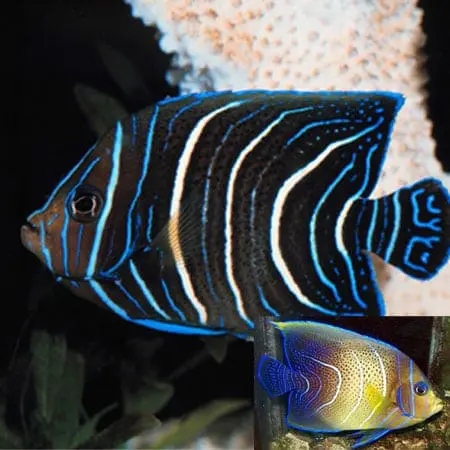
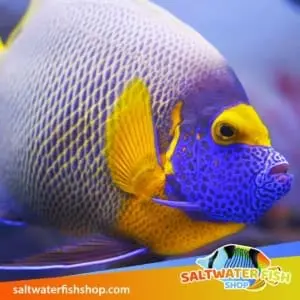
Angelfish remain among the most sought-after marine fish for good reason. These stunning creatures combine beauty with personality, making them centerpiece fish for many aquariums. However, successful angelfish care requires understanding their specific needs.
Size Requirements: Most angelfish species require tanks of 75 gallons or larger due to their adult size and territorial nature. Angelfish tank conditions must include stable water parameters and adequate swimming space.
Dietary Needs: Angelfish feeding involves a varied diet of marine algae, sponges, and high-quality prepared foods. Many species graze continuously throughout the day, requiring multiple small feedings.
Compatibility: Angelfish tankmates must be chosen carefully, as these fish can be territorial. Avoid housing multiple angelfish species together unless you have a very large tank.
Cardinalfish: Perfect Community Fish
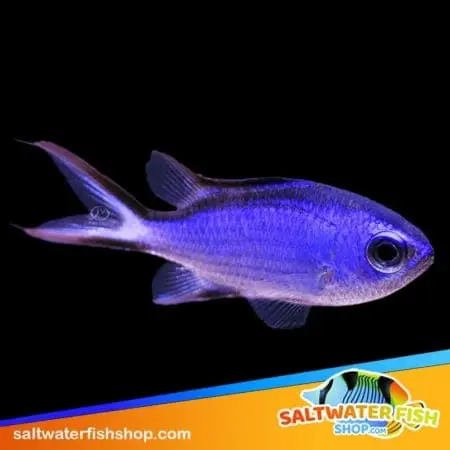
Cardinal fish represent ideal choices for community aquariums. These peaceful schooling fish add movement and color without the aggression concerns of larger species.
Schooling Behavior: Cardinalfish thrive in groups of six or more individuals. Their natural schooling behavior creates stunning visual displays in well-designed aquariums.
Feeding Requirements: Cardinal fish diet consists primarily of small crustaceans and zooplankton. High-quality frozen and live foods promote optimal health and coloration.
Tank Requirements: These fish adapt well to various tank sizes, making them excellent choices for both beginners and experienced hobbyists.
Butterfly Fish: Delicate Marine Gems
Butterfly fish challenge even experienced hobbyists with their specific care requirements. However, their extraordinary beauty and unique behaviors make them worth the effort for dedicated aquarists.
Specialized Diets: Many butterfly fish species require specialized diets including coral polyps, sponges, and other natural foods. Research your chosen species thoroughly before purchase.
Water Quality: These fish demand pristine water conditions with stable parameters. Invest in high-quality filtration and maintain consistent water change schedules.
Anthias: Living Jewels of the Reef
Anthias bring incredible color and activity to marine aquariums. These social fish create stunning displays when kept in appropriate groups.
Group Dynamics: Anthias exhibit complex social hierarchies with dominant males and subordinate females. Understanding these behaviors helps create successful groups.
Feeding Frequency: These active fish require multiple feedings per day due to their high metabolisms. Plan for at least three feeding sessions daily.
Water Quality Management and Testing in 2026
Essential Water Parameters
Maintaining optimal water quality forms the foundation of successful marine fishkeeping. Modern testing equipment makes monitoring these parameters easier and more accurate than ever before.
Salinity: Maintain specific gravity between 1.023-1.025 using a reliable refractometer. Digital salinity meters provide instant readings and eliminate guesswork.
pH Levels: Marine aquariums require pH between 8.1-8.4. Automated pH controllers can maintain stable levels through controlled CO2 injection or buffer dosing.
Ammonia and Nitrites: These should always read zero in established aquariums. Any detectable levels indicate filtration problems requiring immediate attention.
Nitrates: Keep nitrate levels below 20 ppm through regular water changes and efficient biological filtration. Nitrate reactors can help maintain ultra-low levels for sensitive species.
Advanced Testing Technology
Smart testing systems have revolutionized water quality monitoring. These devices continuously monitor key parameters and send alerts when levels drift outside acceptable ranges.
Automated testing robots can perform daily tests for multiple parameters, logging results and tracking trends over time. While expensive, these systems provide invaluable data for serious hobbyists.
Smartphone-connected test kits bridge the gap between traditional testing and full automation. These systems photograph test results and use AI to interpret colors more accurately than human eyes.
Feeding Strategies and Nutrition for Marine Fish
Understanding Natural Feeding Behaviors
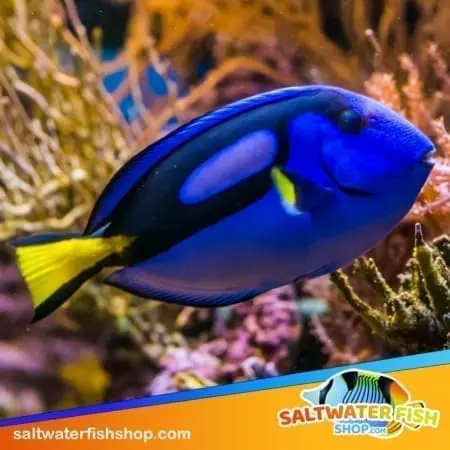
Successful marine fishkeeping requires understanding how different species feed in nature. Grazing fish like tangs need continuous access to algae, while predatory fish prefer larger, less frequent meals.
Feeding Schedules: Most marine fish benefit from multiple small feedings rather than one large meal. This approach mimics natural feeding patterns and reduces waste accumulation.
Food Variety: Offer diverse food types including frozen, live, and prepared foods. Nutritional variety promotes better health, stronger immune systems, and enhanced coloration.
Modern Aquarium Foods
Frozen Foods: High-quality frozen foods like mysis shrimp, brine shrimp, and bloodworms provide excellent nutrition. Look for products with minimal additives and preservatives.
Pellet Foods: Modern marine pellets offer complete nutrition in convenient form. Choose pellets sized appropriately for your fish species and soak them briefly before feeding.
Live Foods: Live foods like copepods and brine shrimp provide enrichment and natural hunting behaviors. Many hobbyists culture their own live foods for consistent supply.
Feeding Technology Innovations
Automatic feeders have evolved beyond simple timer-based systems. Modern feeders can dispense different food types on customized schedules, ensuring proper nutrition even when you’re away.
Feeding rings help contain floating foods in specific areas, reducing waste and making feeding more efficient. These simple devices significantly improve food utilization.
Advanced Filtration Methods: Refugiums and Algae Scrubbers
Refugium Design and Benefits
Refugiums represent one of the most effective natural filtration methods available to marine hobbyists. These separate chambers house beneficial organisms that consume nutrients while providing natural food production.
Macroalgae Selection: Chaetomorpha remains the most popular refugium algae due to its rapid growth and ease of maintenance. Harvest 25-30% weekly to maintain optimal nutrient export.
Lighting Requirements: Refugium lighting should operate on reverse photoperiods from your main tank. This stabilizes pH by maintaining constant photosynthesis throughout the day-night cycle.
Microfauna Production: Healthy refugiums produce copepods, amphipods, and other beneficial organisms that serve as natural food sources for your fish.
Algae Scrubber Technology
Algae scrubbers use controlled algae growth to remove nutrients from aquarium water. These devices offer several advantages over traditional filtration methods:
Nutrient Export: Scrubbers physically remove nutrients from your system rather than simply converting them to less harmful forms.
Oxygen Production: Growing algae produces oxygen during photosynthesis, helping maintain healthy dissolved oxygen levels.
pH Stabilization: Like refugiums, algae scrubbers help stabilize pH through consistent photosynthetic activity.
Protein Skimmer Optimization
Modern protein skimmers offer unprecedented efficiency and ease of use. Key optimization strategies include:
Proper Sizing: Choose skimmers rated for 2-3 times your actual tank volume for optimal performance.
Break-in Period: New skimmers require 2-4 weeks to develop proper biofilm for efficient skimming.
Regular Maintenance: Clean collection cups weekly and service pumps monthly for consistent performance.
Tank Setup and Aquascaping for 2026 Marine Aquariums
Rock Work and Aquascaping Fundamentals
Live rock remains the foundation of most marine aquarium designs, providing biological filtration and natural aesthetics. However, 2026 aquascaping incorporates new materials and techniques.
Dry Rock Benefits: Dry rock eliminates hitchhiker concerns while allowing complete control over your tank’s biological development. Seed dry rock with small pieces of established live rock for faster cycling.
Aquascaping Techniques: Create caves and overhangs that provide shelter for fish while maintaining good water flow. Negative space in your aquascape is just as important as the rock structures themselves.
Flow Patterns: Design your rockwork to promote laminar flow throughout the tank. Avoid dead spots where detritus can accumulate.
Modern Aquascaping Materials
Ceramic Rock: Lightweight ceramic alternatives to traditional live rock offer excellent porosity for biological filtration without the weight concerns of natural rock.
3D Printed Structures: Custom 3D printed reef structures allow precise control over cave sizes and flow patterns. These structures can be designed specifically for your tank dimensions and fish species.
Modular Systems: Interlocking rock systems allow easy reconfiguration without completely dismantling your aquascape.
Choosing the Right Online Fish Store: Why Professional Expertise Matters
The Importance of Marine Biology Expertise
When building your dream marine aquarium, the source of your fish matters tremendously. Professional expertise makes the difference between success and frustration in this hobby. At Saltwater Fish Shop, a real marine biologist on staff ensures every fish receives proper care from collection to your home aquarium.
Health Screening: Professional facilities employ rigorous health screening protocols, quarantining new arrivals and treating any issues before fish become available for sale. This attention to detail significantly reduces the risk of introducing diseases to your aquarium.
Species Knowledge: Marine biologists understand the specific needs of each species, from dietary requirements to social behaviors. This expertise helps match appropriate fish to your tank setup and experience level.
Acclimation Support: Professional retailers provide detailed acclimation instructions and ongoing support to ensure successful transitions for your new fish.
Benefits of Captive-Bred Fish
Captive bred saltwater fish offer numerous advantages over wild-caught specimens. These fish adapt more readily to aquarium life, show less stress-related behaviors, and typically accept prepared foods more easily.
Disease Resistance: Captive-bred fish often display stronger immune systems and greater resistance to common aquarium diseases.
Behavioral Advantages: Fish raised in captivity exhibit more predictable behaviors and adapt more quickly to new tank environments.
Conservation Impact: Choosing captive-bred fish reduces pressure on wild reef populations while supporting sustainable aquaculture practices.
What to Look for in an Online Fish Store
Shipping Expertise: Live fish shipping requires specialized knowledge and equipment. Professional retailers use insulated boxes, oxygen systems, and temperature control to ensure safe arrival.
Guarantee Policies: Reputable dealers offer live arrival guarantees and support policies that protect your investment.
Customer Support: Access to knowledgeable staff for questions about care, compatibility, and troubleshooting makes a significant difference in your success.
Species Selection: The best online saltwater fish store offers diverse species selection while maintaining high quality standards for every fish.
Troubleshooting Common Issues in Marine Aquariums
Disease Prevention and Treatment
Quarantine protocols represent your first line of defense against fish diseases. Maintain a separate quarantine tank for all new arrivals, observing them for 2-4 weeks before introduction to your main display.
Common Diseases: Marine ich, bacterial infections, and parasitic diseases can devastate aquarium populations. Early detection and prompt treatment prevent minor issues from becoming major disasters.
Treatment Options: Modern medications offer effective treatment for most common diseases. However, prevention through proper quarantine and water quality management remains far superior to treatment after problems develop.
Water Quality Issues
Algae Outbreaks: Excessive algae growth typically indicates nutrient imbalances or lighting issues. Address root causes rather than simply removing visible algae.
pH Fluctuations: Unstable pH often results from inadequate buffering capacity. Increase alkalinity gradually to stabilize pH levels.
Oxygen Depletion: Insufficient surface agitation or overcrowding can lead to oxygen depletion. Increase water movement and verify appropriate stocking levels.
Equipment Failures
Backup Systems: Critical equipment like heaters and pumps should have backup units ready for immediate deployment. Equipment failures often occur at the worst possible times.
Monitoring Systems: Smart monitoring devices can alert you to equipment failures before they cause serious problems.
Maintenance Schedules: Regular equipment maintenance prevents most failures and extends equipment life significantly.
Building Your Marine Fish Collection: Species Compatibility and Tank Planning
Understanding Aggression Levels
Aggressive saltwater fish require careful planning and appropriate tank mates. Research each species’ territorial tendencies and adult size before making purchases.
Introduction Order: Add less aggressive fish first, allowing them to establish territories before introducing more dominant species. This strategy reduces conflicts and stress.
Territory Management: Provide adequate hiding places and visual barriers to minimize territorial disputes. Rearranging decorations during new introductions can help reset territorial boundaries.
Creating Balanced Communities
Size Compatibility: Avoid mixing fish with significant size differences, as larger fish may view smaller tank mates as food.
Feeding Competition: Ensure all fish can compete successfully for food. Slow feeders may require separate feeding areas or different feeding times.
Activity Levels: Balance active swimmers with more sedentary species to create visual interest without overwhelming peaceful fish.
Long-term Planning
Growth Considerations: Many marine fish continue growing throughout their lives. Plan tank capacity based on adult sizes rather than juvenile specimens.
Breeding Behavior: Some fish become more territorial during breeding seasons. Understanding these cycles helps prevent unexpected aggression.
Equipment Upgrades: Plan for equipment upgrades as your collection grows. Filtration and lighting requirements may increase with additional fish and coral additions.
Advanced Techniques: Breeding and Propagation
Marine Fish Breeding Basics
Angelfish breeding represents one of the more achievable breeding projects for advanced hobbyists. These fish form pair bonds and can spawn in well-maintained aquariums.
Breeding Setup: Dedicated breeding tanks provide optimal conditions for spawning and fry development. Remove adult fish after spawning to prevent predation of eggs and larvae.
Larval Care: Marine fish larvae require specialized foods like rotifers and copepod nauplii. Culturing these foods requires additional equipment and expertise.
Coral Propagation
Fragging Techniques: Many coral species can be propagated through fragging, creating new colonies from parent specimens. This practice reduces pressure on wild reefs while providing new specimens for trade.
Growth Optimization: Proper lighting, flow, and nutrition accelerate coral growth and improve fragging success rates.
Trading Networks: Local reef clubs often organize frag swaps, allowing hobbyists to trade propagated corals and build diverse collections.
The Future of Marine Aquarium Technology
Automation and Smart Systems
Artificial Intelligence integration promises to revolutionize marine aquarium management. AI systems can analyze water parameters, fish behavior, and feeding patterns to optimize care automatically.
Predictive Maintenance: Smart systems monitor equipment performance and predict failures before they occur, preventing disasters and reducing maintenance costs.
Remote Monitoring: Advanced systems allow complete aquarium monitoring and control from anywhere in the world via smartphone apps.
Sustainable Practices
Closed-loop Systems: Advanced filtration and recycling systems minimize water usage while maintaining optimal conditions.
Energy Efficiency: LED lighting and efficient pumps continue improving, reducing the environmental impact of marine aquariums.
Aquaculture Advancement: Improved breeding techniques for marine fish and corals reduce dependence on wild collection.
Biotechnology Integration
Genetic Testing: DNA analysis can verify species identity and detect genetic diseases in breeding programs.
Probiotic Treatments: Beneficial bacteria supplements help maintain healthy gut flora in fish and improve disease resistance.
Water Chemistry Innovation: New buffer systems and additives provide more stable water conditions with less maintenance.
Seasonal Maintenance and Long-term Care Strategies
Quarterly Maintenance Tasks
Deep Cleaning: Quarterly deep cleaning sessions should include thorough equipment inspection, media replacement, and detailed water testing.
Parameter Adjustment: Seasonal changes may require adjustments to lighting schedules, feeding routines, and water change frequencies.
Equipment Calibration: Calibrate pH meters, refractometers, and other testing equipment quarterly to ensure accuracy.
Annual System Overhauls
Complete System Evaluation: Annual evaluations should assess equipment performance, fish health, and overall system stability.
Upgrade Planning: Plan equipment upgrades and system expansions during annual evaluations to spread costs and minimize disruption.
Record Keeping: Maintain detailed records of water parameters, fish additions, equipment changes, and maintenance activities.
Emergency Preparedness
Power Outage Planning: Develop emergency protocols for power outages, including battery backup systems and alternative heating methods.
Disaster Preparedness: Create emergency plans for equipment failures, water line breaks, and other potential disasters.
Contact Networks: Maintain relationships with local hobbyists who can provide emergency assistance or temporary housing for fish
🐠 Marine Fish Compatibility Calculator
Check compatibility between different saltwater fish species for your 2026 aquarium setup
Compatibility Results
Conclusion: Your Journey to Marine Aquarium Success
Creating and maintaining a thriving marine aquarium in 2026 represents an exciting journey filled with discovery, challenges, and incredible rewards. This comprehensive 2026 saltwater fish hobbyist guide has equipped you with the knowledge and tools necessary to succeed in this fascinating hobby.
Remember these key principles as you begin your marine aquarium adventure:
- Start with quality: Choose reputable suppliers like Saltwater Fish Shop where marine fish for sale come with professional expertise and support.
- Invest in proper equipment: Modern filtration, lighting, and monitoring systems make success more achievable than ever before.
- Plan for growth: Design your system with future expansion in mind, allowing your collection to evolve over time.
- Prioritize education: Continue learning about marine biology, new technologies, and best practices throughout your journey.
- Join the community: Connect with other hobbyists through local clubs, online forums, and reef societies.
Your Next Steps
- Plan your setup: Use the information in this guide to design your ideal marine aquarium system.
- Choose your equipment: Research and purchase high-quality filtration, lighting, and monitoring equipment.
- Select your first fish: Start with hardy, compatible species from reputable sources.
- Establish routines: Develop consistent maintenance and monitoring schedules.
- Keep learning: Stay current with new technologies and techniques in marine aquarium keeping.
The world of marine aquarium keeping continues evolving, with new technologies and techniques emerging regularly. By following the principles outlined in this 2026 saltwater fish hobbyist guide and maintaining dedication to proper care, you’ll create an underwater paradise that brings joy for years to come.
Your marine aquarium journey begins now. Take that first step, and prepare to be amazed by the incredible world you’ll create beneath the waves. The ocean’s beauty awaits in your own home – make it a reality today! 🌊🐠
References
[1] Marine Aquarium Societies of North America. “2026 Aquarium Technology Report.” MASNA Publications, 2026.
[2] Journal of Marine Aquaculture. “Advances in LED Lighting for Marine Aquariums.” Vol. 45, Issue 3, 2026.
[3] International Association of Aquatic Animal Medicine. “Disease Prevention in Marine Aquariums.” IAAAM Guidelines, 2026.
[4] Reef Aquarium Research Foundation. “Water Quality Standards for Marine Aquariums.” RARF Technical Bulletin, 2026.
[5] Marine Biology Institute. “Captive Breeding Programs for Marine Ornamental Fish.” MBI Research Papers, 2026.