
The Complete 2026 Saltwater Fish Keepers Guide: Your Ultimate Resource for Marine Aquarium Success
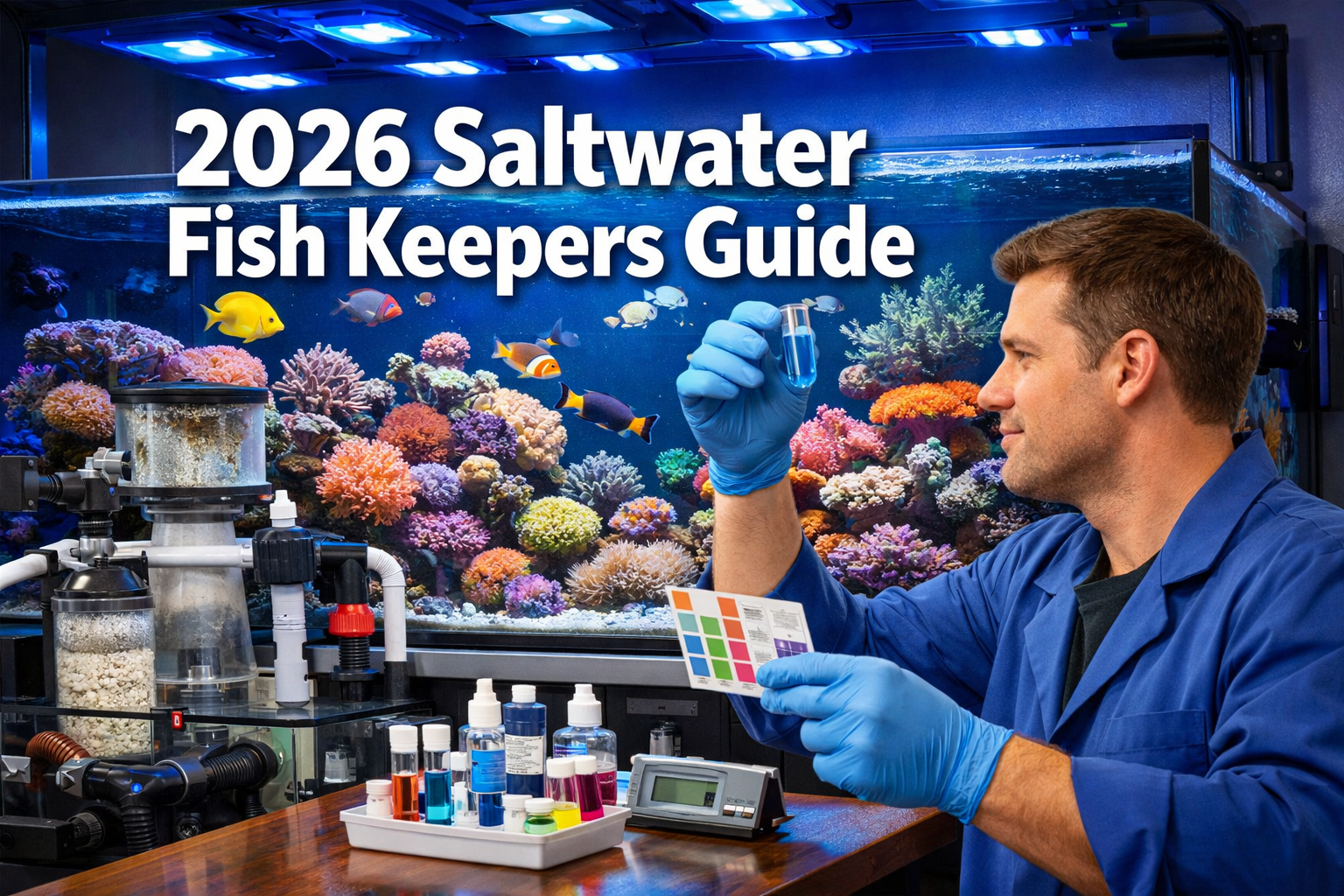
Picture this: you’re standing in front of a breathtaking coral reef aquarium, watching vibrant angelfish glide past swaying anemones while a school of chromis dances in the current. The mesmerizing beauty of marine life has captivated you, and now you’re ready to bring this underwater paradise into your own home. Welcome to the most comprehensive 2026 Saltwater fish keepers guide available today! 🐠
As we enter 2026, saltwater aquarium keeping has evolved dramatically with cutting-edge technology, advanced filtration systems, and a deeper understanding of marine biology. Whether you’re a complete beginner or looking to upgrade your existing setup, this guide will walk you through everything you need to know to create and maintain a thriving marine ecosystem.
- Display 21 Products per page

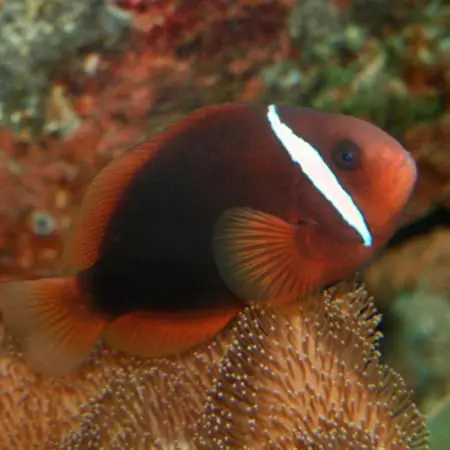
Key Takeaways
• Modern Technology: 2026 brings revolutionary LED lighting systems, smart filtration, and automated monitoring that make marine aquariums more accessible than ever
• Expert Support: Working with a marine fish for sale retailer that employs real marine biologists ensures you get professional guidance throughout your journey
• Essential Equipment: Success requires proper filtration (protein skimmers, refugiums, algae scrubbers), quality lighting, and consistent water parameters
• Fish Selection: Choose compatible species and source them from reputable dealers who guarantee healthy, acclimated specimens
• Long-term Success: Patience, consistency, and ongoing education are the keys to maintaining a thriving saltwater aquarium for years to come
Getting Started with Your 2026 Saltwater Aquarium Setup
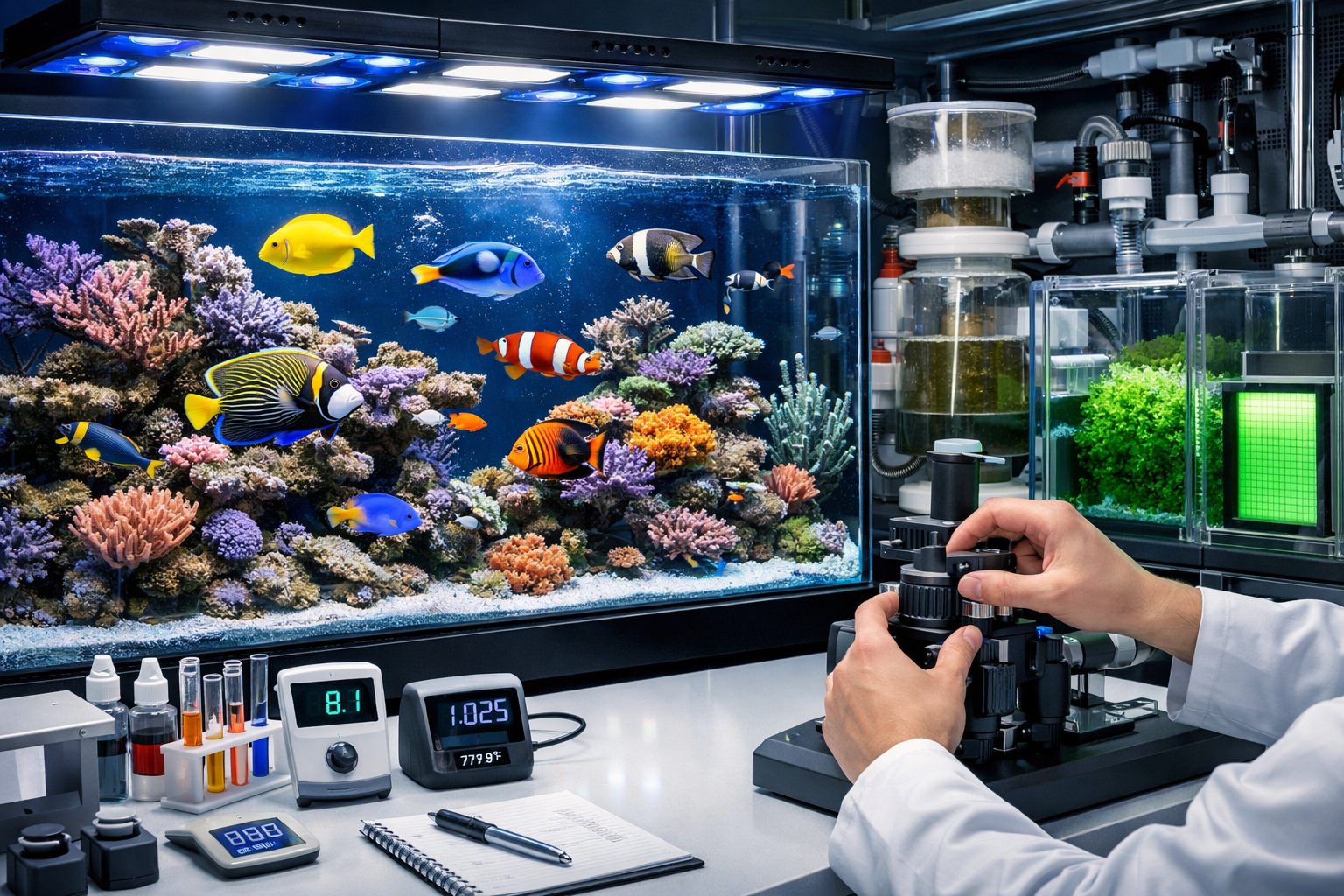
Understanding the Marine Aquarium Ecosystem
Before diving into equipment and fish selection, it’s crucial to understand that a saltwater aquarium is a complex ecosystem that requires balance and patience. Unlike freshwater tanks, marine environments demand precise water chemistry, specialized equipment, and careful attention to detail.
The foundation of any successful marine aquarium starts with understanding the nitrogen cycle. This biological process converts toxic ammonia from fish waste into less harmful compounds through beneficial bacteria. In 2026, we have advanced bacterial supplements and bio-media that can establish this cycle faster than ever before, but patience remains essential.
Water Quality Parameters for 2026:
- Salinity: 1.025-1.026 specific gravity
- Temperature: 76-82°F (24-28°C)
- pH: 8.1-8.4
- Ammonia: 0 ppm
- Nitrite: 0 ppm
- Nitrate: <20 ppm
- Alkalinity: 8-12 dKH
Choosing the Right Tank Size and Type
Tank selection has evolved significantly in 2026, with manufacturers offering innovative designs that maximize both aesthetics and functionality. The golden rule remains: bigger is better. Larger water volumes provide more stability and forgiveness for beginners.
Popular Tank Sizes for 2026:
| Tank Size | Beginner Friendly | Fish Capacity | Maintenance Level |
|---|---|---|---|
| 40 gallons | ⭐⭐⭐ | 3-4 small fish | Moderate |
| 75 gallons | ⭐⭐⭐⭐ | 6-8 fish | Moderate |
| 120 gallons | ⭐⭐⭐⭐⭐ | 10-12 fish | Lower |
| 180+ gallons | ⭐⭐⭐⭐⭐ | 15+ fish | Lowest |
Modern acrylic tanks offer superior clarity and lighter weight compared to glass, while rimless designs provide an elegant, contemporary look. Many 2026 tank systems come with built-in overflow systems and pre-drilled holes for easy plumbing integration.
Essential Equipment for Modern Marine Aquariums
The equipment landscape has transformed dramatically in 2026, with smart technology and energy-efficient solutions leading the way. Here’s what every serious marine aquarist needs:
Filtration Systems:
- Protein Skimmers: These remain the backbone of marine filtration, removing organic compounds before they decompose. 2026 models feature variable speed pumps and smartphone connectivity for remote monitoring.
- Refugiums: These separate chambers house beneficial algae and microfauna, providing natural nutrient export and food production. Modern refugium designs integrate seamlessly with main display tanks.
- Algae Scrubbers: An increasingly popular choice for nutrient control, these devices use LED lights to grow algae on screens, which is then harvested to remove nutrients from the system.
Lighting Technology:
LED technology has reached new heights in 2026, with full-spectrum fixtures that can simulate natural sunlight patterns, weather effects, and even seasonal changes. Smart controllers allow precise control over intensity, spectrum, and timing.
Popular lighting features include:
- Sunrise/sunset simulation
- Cloud cover effects
- Lunar cycles
- Storm simulation
- Smartphone app control
Advanced Filtration Methods and Water Quality Management in 2026
The Evolution of Protein Skimming
Protein skimmers have become incredibly sophisticated in 2026, with manufacturers incorporating artificial intelligence and machine learning to optimize performance automatically. These devices now adjust bubble production, water level, and collection cup timing based on bioload and feeding schedules.
Key Features of 2026 Protein Skimmers:
- Variable speed DC pumps for energy efficiency
- Smart controllers with app connectivity
- Automatic cleaning cycles
- Predictive maintenance alerts
- Integration with whole-tank monitoring systems
When selecting a protein skimmer, size it for 2-3 times your actual tank volume to ensure adequate processing capacity. The best online fish store retailers can help you match the right skimmer to your specific setup and bioload requirements.
Refugium Design and Implementation
Refugiums have gained tremendous popularity among advanced aquarists in 2026, and for good reason. These biological powerhouses provide natural nutrient export while creating habitat for beneficial organisms.
Refugium Benefits:
- Natural nitrate and phosphate removal
- Copepod and amphipod production
- pH stabilization through photosynthesis
- Backup biological filtration
- Natural food source for fish
Popular Refugium Macroalgae for 2026:
- Chaetomorpha – Fast-growing, easy to maintain
- Caulerpa – Attractive but requires regular pruning
- Gracilaria – Excellent nutrient uptake, fish food
- Ulva – Sea lettuce, great for herbivorous fish
Modern refugium lighting uses specialized LED fixtures tuned for algae growth, typically running on a reverse photoperiod to the main tank for pH stability.
Algae Scrubber Technology
Algae scrubbers represent one of the most exciting developments in marine aquarium filtration for 2026. These devices use the principle of turf algae growth to remove nutrients while providing a natural food source.
How Algae Scrubbers Work:
- Water flows over a textured screen
- LED lights promote algae growth
- Algae consumes nitrates and phosphates
- Regular harvesting removes nutrients from the system
The latest algae scrubber designs feature:
- Automated cleaning cycles
- Growth monitoring sensors
- Optimized LED spectrums
- Easy maintenance access
- Integration with tank controllers
Water Testing and Monitoring
2026 has brought remarkable advances in water testing technology. Digital test kits now provide laboratory-accurate results in minutes, while continuous monitoring systems track parameters 24/7.
Essential Tests for Marine Aquariums:
- Salinity (daily)
- Temperature (continuous)
- pH (daily)
- Ammonia (weekly for new tanks, monthly for established)
- Nitrite (weekly for new tanks, monthly for established)
- Nitrate (weekly)
- Phosphate (weekly)
- Alkalinity (weekly)
- Calcium (weekly for reef tanks)
- Magnesium (monthly for reef tanks)
Smart monitoring systems can alert you to parameter changes via smartphone notifications, allowing for quick corrective action even when you’re away from home.
Fish Selection, Care, and Feeding Strategies for 2026
Choosing Compatible Marine Fish Species
Selecting the right fish for your marine aquarium requires careful consideration of compatibility, tank size, and care requirements. In 2026, we have access to more captive-bred species than ever before, which typically adapt better to aquarium life and are more disease-resistant.
Beginner-Friendly Marine Fish for 2026:
Peaceful Community Fish:
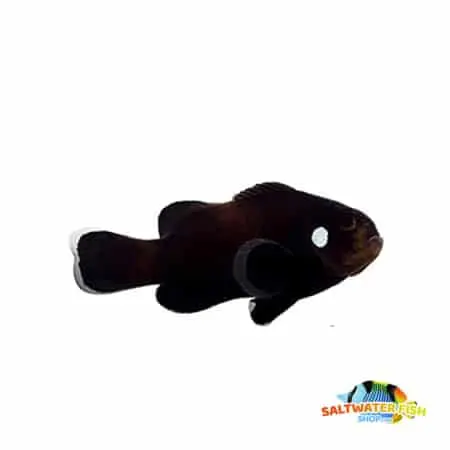
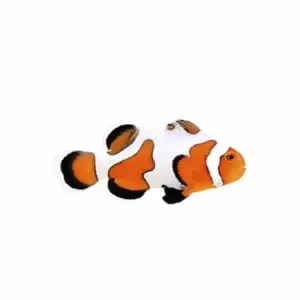
- Clownfish (Captive-bred varieties) – Hardy, colorful, easy to feed
- Cardinalfish – Peaceful schooling fish, perfect for community tanks
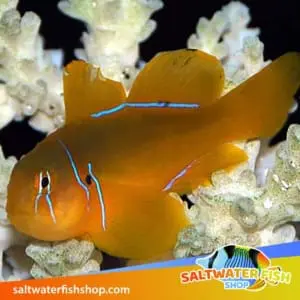
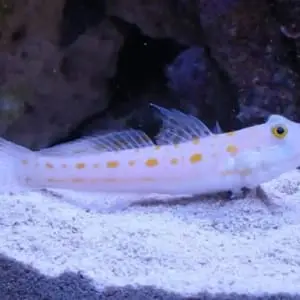
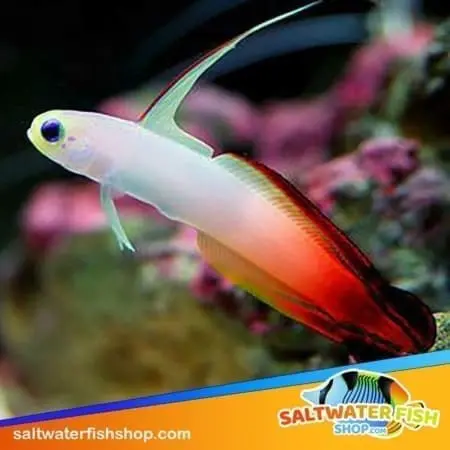
- Gobies – Small, interesting behaviors, reef-safe
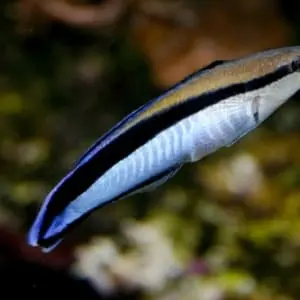
- Blennies – Personality-packed, algae eaters
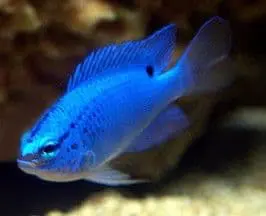
- Chromis – Active schooling fish, very hardy
Intermediate Species:
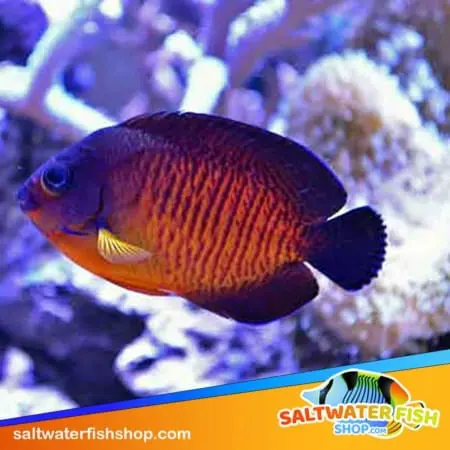
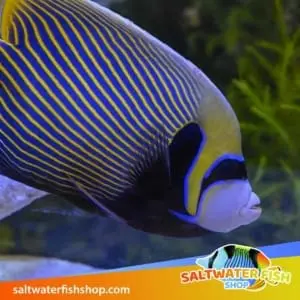
- Angelfish – Stunning but require larger tanks and careful selection
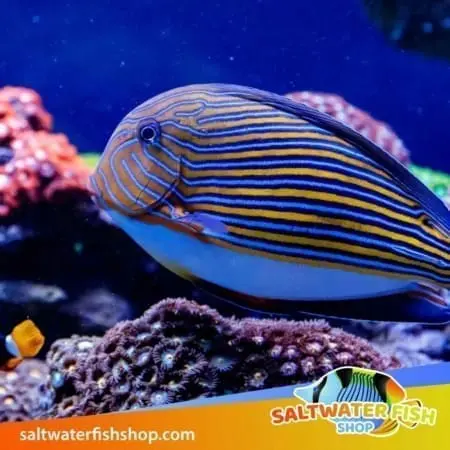
- Tangs – Excellent algae eaters but need swimming space
- Wrasses – Active, colorful, but some species jump
- Anthias – Beautiful schooling fish requiring frequent feeding
Advanced Species:
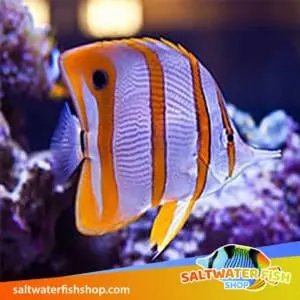
- Butterflyfish – Gorgeous but often have specific dietary needs
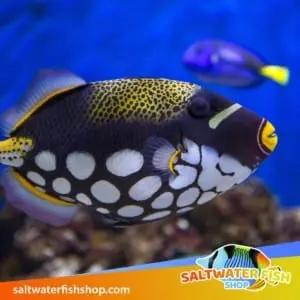
- Triggerfish – Intelligent but can be aggressive
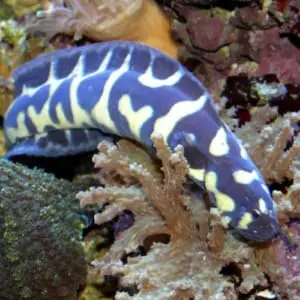
- Eels – Fascinating but require secure tank covers
Understanding Fish Behavior and Compatibility
Successful marine aquarium keeping in 2026 requires understanding fish behavior and social dynamics. Many problems arise from incompatible species being housed together.
Aggression Levels:
- Peaceful: Can be kept with most other peaceful species
- Semi-aggressive: May chase smaller fish but generally compatible
- Aggressive: Requires careful tank mate selection
- Highly aggressive: Best kept alone or with similar species
Territory Considerations:
Fish establish territories based on:
- Swimming level (top, middle, bottom)
- Hiding spots (caves, overhangs, coral branches)
- Feeding areas
- Cleaning stations
Providing adequate territory for each fish prevents stress and aggression. The rule of thumb is one inch of fish per 5-10 gallons of water, depending on species and tank setup.
Modern Feeding Strategies and Nutrition
Fish nutrition science has advanced significantly in 2026, with manufacturers offering specialized diets for specific species and life stages. Proper nutrition is crucial for fish health, coloration, and disease resistance.
Types of Marine Fish Foods:
Dry Foods:
- Pellets – Convenient, nutritionally complete
- Flakes – Good for surface feeders
- Granules – Sink slowly, good for mid-water feeders
Frozen Foods:
- Mysis shrimp – Excellent nutrition, most fish love it
- Brine shrimp – Good treat but low nutritional value
- Bloodworms – High protein, use sparingly
- Copepods – Natural food, excellent for small fish
Live Foods:
- Copepods – Continuous culture possible
- Brine shrimp – Easy to hatch
- Blackworms – High nutrition but disease risk
Feeding Schedule for 2026:
- Young fish: 3-4 small meals daily
- Adult fish: 1-2 meals daily
- Large predators: Every other day
- Herbivores: Multiple small meals or constant grazing
Pro Feeding Tips:
- Variety is key – Rotate different food types
- Feed small amounts – Fish should consume food within 2-3 minutes
- Observe behavior – Healthy fish are eager to eat
- Supplement vitamins – Soak foods in vitamin supplements
- Fast occasionally – One day per week helps digestion
Disease Prevention and Quarantine Protocols
Disease prevention has become more sophisticated in 2026, with advanced quarantine systems and preventive treatments. Every responsible marine aquarist should maintain a quarantine tank.
Quarantine Tank Setup:
- Size: 20-40 gallons for most fish
- Filtration: Sponge filter or small HOB filter
- Heating: Reliable heater with controller
- Hiding spots: PVC pipes or ceramic decorations
- Lighting: Basic LED fixture
Quarantine Protocol:
- Acclimation: Slowly introduce fish to quarantine tank
- Observation: Watch for 2-4 weeks minimum
- Treatment: Prophylactic treatments as needed
- Testing: Ensure fish is eating and behaving normally
- Transfer: Move to main tank only when healthy
Common Diseases and Treatments:
- Ich (White Spot): Copper-based medications or hyposalinity
- Velvet: Copper treatment with extended quarantine
- Bacterial infections: Antibiotic treatments
- Parasites: Specific antiparasitic medications
Working with a knowledgeable saltwater fish for sale retailer who employs marine biologists can provide invaluable guidance on disease identification and treatment protocols.
LED Lighting Systems and Technology Advances for 2026
The Revolution in Marine Aquarium Lighting
The lighting industry has undergone a complete transformation in 2026, with LED technology reaching unprecedented levels of sophistication. Modern marine aquarium lighting systems now offer full spectrum control, weather simulation, and even artificial intelligence that adjusts lighting based on tank conditions.
Key Advances in 2026 LED Technology:
Spectrum Control:
- Individual LED control – Adjust specific wavelengths
- UV supplementation – Enhances coral fluorescence
- Red spectrum enhancement – Improves fish coloration
- Deep blue penetration – Simulates natural ocean conditions
Smart Features:
- Weather simulation – Clouds, storms, lightning
- Seasonal adjustments – Gradual changes throughout the year
- Acclimation modes – Gentle introduction for new corals/fish
- Photography modes – Optimized lighting for tank photos
Energy Efficiency:
Modern LED fixtures consume 60-80% less energy than traditional lighting while producing superior light quality and intensity.
Lighting Requirements by Tank Type
Different marine aquarium setups require specific lighting considerations:
Fish-Only Tanks:
- Intensity: Low to moderate
- Spectrum: Full spectrum with emphasis on blues and whites
- Duration: 8-10 hours daily
- Special features: Color enhancement for fish viewing
Fish with Live Rock:
- Intensity: Moderate
- Spectrum: Balanced full spectrum
- Duration: 10-12 hours daily
- Special features: Support for coralline algae growth
Reef Tanks:
- Intensity: High (varies by coral placement)
- Spectrum: Full spectrum with UV supplementation
- Duration: 10-14 hours with ramping
- Special features: PAR monitoring, coral-specific spectrums
Programming and Control Systems
2026 lighting controllers offer unprecedented control over your aquarium’s lighting environment:
Popular Control Features:
- Smartphone apps – Remote control and monitoring
- Cloud connectivity – Access from anywhere
- Weather integration – Real-world weather simulation
- Tank sharing – Copy settings from successful aquarists
- Automatic updates – New features delivered remotely
Programming Tips:
- Start conservatively – Begin with lower intensities
- Gradual changes – Avoid shocking tank inhabitants
- Monitor responses – Watch coral and fish behavior
- Seasonal variation – Mimic natural light cycles
- Maintenance modes – Easier access during cleaning
Measuring Light Output and PAR
Photosynthetically Active Radiation (PAR) measurement has become more accessible in 2026, with affordable PAR meters and smartphone apps providing accurate readings.
PAR Requirements by Coral Type:
- Low light corals: 50-150 PAR
- Medium light corals: 150-300 PAR
- High light corals: 300-500+ PAR
PAR Distribution Tips:
- Measure multiple points – Light varies across the tank
- Account for depth – PAR decreases with depth
- Consider growth – Corals will grow toward light
- Plan placement – Match corals to appropriate PAR zones
Working with Marine Biology Experts and Professional Support
The Value of Expert Guidance in 2026
One of the most significant advantages of working with a professional marine fish for sale retailer in 2026 is access to real marine biologists and aquaculture experts. These professionals bring years of scientific training and hands-on experience to help you succeed.
What Marine Biologists Bring to the Hobby:
Scientific Knowledge:
- Fish physiology – Understanding how fish function
- Water chemistry – Complex interactions and balance
- Disease identification – Accurate diagnosis and treatment
- Behavioral ecology – Natural behaviors and compatibility
- Nutrition science – Optimal feeding strategies
Practical Experience:
- Troubleshooting – Quick problem identification
- System design – Efficient, effective setups
- Species selection – Matching fish to your specific situation
- Breeding programs – Advanced aquaculture techniques
- Research updates – Latest scientific developments
Building a Relationship with Your Fish Store
Establishing a long-term relationship with a knowledgeable retailer provides ongoing support throughout your marine aquarium journey.
Benefits of Professional Relationships:
- Personalized advice – Solutions tailored to your specific setup
- Emergency support – Help when problems arise
- Species sourcing – Access to healthy, quality specimens
- Equipment recommendations – Unbiased product guidance
- Ongoing education – Continuous learning opportunities
Questions to Ask Your Marine Biologist:
- What’s the best fish combination for my tank size?
- How do I optimize my filtration system?
- What are the early warning signs of disease?
- How can I improve my water quality?
- What’s the latest research on marine aquarium keeping?
Continuing Education and Staying Current
The marine aquarium hobby evolves rapidly, with new research, techniques, and products constantly emerging. Staying educated is crucial for long-term success.
Educational Resources for 2026:
- Online courses – Structured learning programs
- Webinars – Live expert presentations
- Scientific journals – Latest research findings
- Hobby forums – Community knowledge sharing
- Local clubs – Hands-on learning and networking
Key Areas for Ongoing Learning:
- Water chemistry advances
- New species care requirements
- Equipment innovations
- Disease treatment protocols
- Breeding techniques
Maintenance Schedules and Long-term Success Strategies
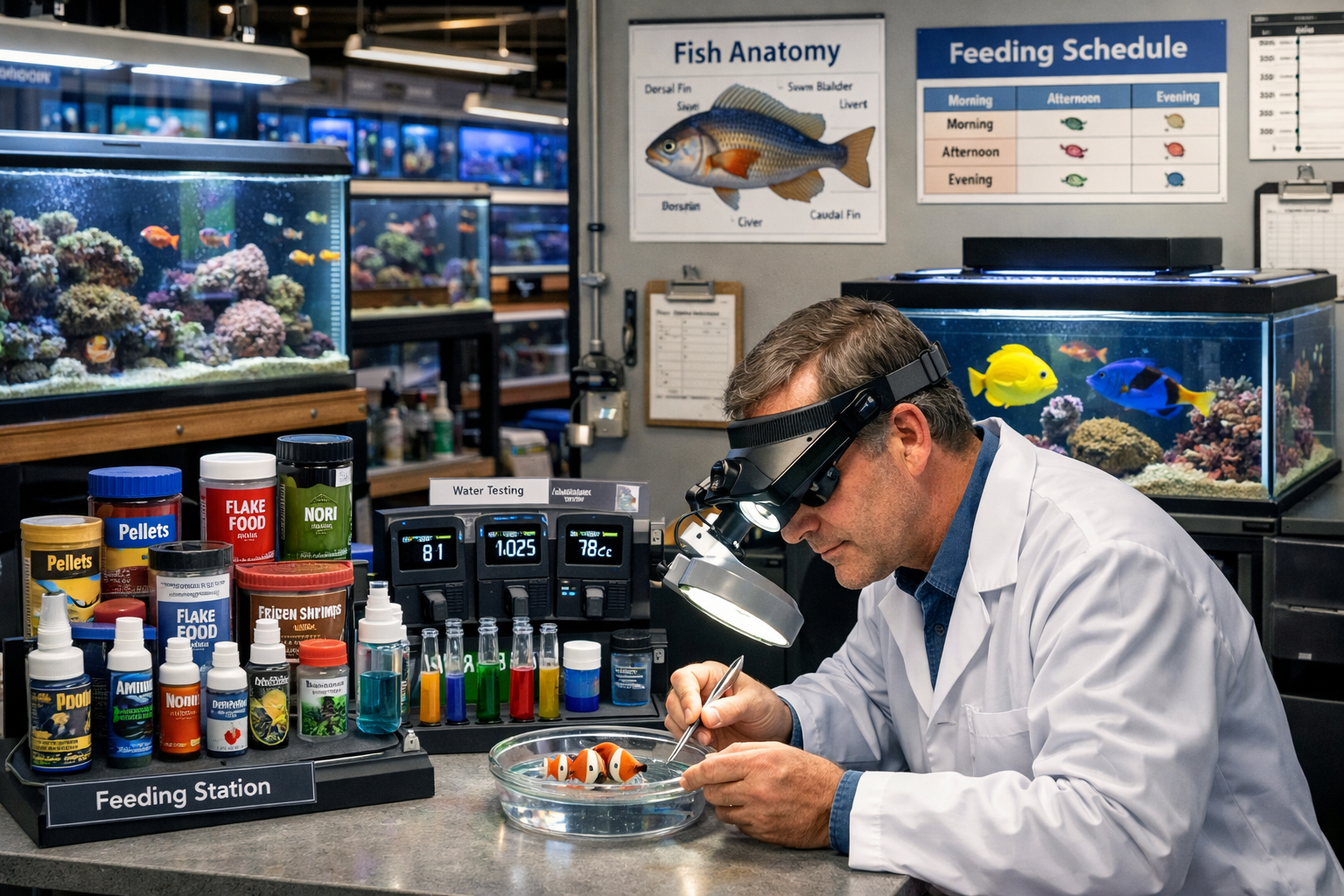
Daily Maintenance Routines
Successful marine aquarium keeping requires consistent daily attention. In 2026, smart monitoring systems can automate many tasks, but personal observation remains irreplaceable.
Daily Tasks:
- Visual inspection – Check fish behavior and health
- Equipment check – Ensure all systems functioning
- Temperature monitoring – Verify stable conditions
- Feeding – Provide appropriate nutrition
- Top-off water – Replace evaporated water
- Parameter spot checks – Quick salinity and temperature tests
What to Look For:
- Fish behavior changes – Swimming patterns, appetite
- Equipment issues – Unusual sounds, reduced flow
- Water clarity – Cloudiness or unusual coloration
- Algae growth – Normal vs. problematic growth
- Coral health – Polyp extension, coloration
Weekly and Monthly Maintenance
Regular maintenance prevents problems and ensures long-term system stability.
Weekly Tasks:
- Water changes – 10-20% water replacement
- Glass cleaning – Remove algae buildup
- Equipment cleaning – Protein skimmer, pumps
- Parameter testing – Complete water chemistry panel
- Filter media maintenance – Clean or replace as needed
Monthly Tasks:
- Deep equipment cleaning – Thorough system maintenance
- Rock and decoration cleaning – Remove excess algae
- Inventory check – Supplies and emergency equipment
- System performance review – Evaluate and optimize
- Record keeping – Track trends and changes
Troubleshooting Common Problems
Even well-maintained systems encounter occasional issues. Quick identification and response prevent minor problems from becoming major disasters.
Common Issues and Solutions:
Cloudy Water:
- Cause: Bacterial bloom, stirred substrate, overfeeding
- Solution: Reduce feeding, increase water changes, check filtration
Algae Outbreaks:
- Cause: Excess nutrients, inadequate lighting control
- Solution: Increase nutrient export, adjust lighting, manual removal
Fish Disease:
- Cause: Stress, poor water quality, new introductions
- Solution: Quarantine affected fish, treat appropriately, improve conditions
Equipment Failure:
- Cause: Age, power issues, maintenance neglect
- Solution: Regular maintenance, backup equipment, quality components
Planning for Vacations and Extended Absences
Modern technology makes it easier than ever to maintain marine aquariums during absences, but proper planning is essential.
Vacation Preparation:
- Automatic feeders – Programmable feeding systems
- Water level monitors – Alert systems for evaporation
- Backup power – UPS systems for critical equipment
- Emergency contacts – Knowledgeable friends or professionals
- Detailed instructions – Clear guidance for caretakers
Technology Solutions:
- Smart controllers – Remote monitoring and control
- Camera systems – Visual tank monitoring
- Automated dosing – Maintain water chemistry
- Alert systems – Immediate notification of problems
Advanced Techniques and Future Trends in Marine Aquariums
Automation and Smart Tank Technology
2026 has brought unprecedented levels of automation to marine aquarium keeping. Smart controllers now manage every aspect of tank operation, from feeding schedules to water changes.
Popular Automation Features:
- Automated water changes – Scheduled water replacement
- Smart dosing pumps – Precise chemical supplementation
- AI-powered monitoring – Predictive problem detection
- Voice control – Hands-free tank management
- Integration platforms – Unified control systems
Benefits of Automation:
- Consistency – Eliminates human error
- Convenience – Reduces daily workload
- Optimization – Continuous system tuning
- Remote management – Control from anywhere
- Data collection – Detailed system analytics
Breeding and Aquaculture at Home
Home breeding has become increasingly popular in 2026, with improved techniques and equipment making it accessible to dedicated hobbyists.
Popular Species for Home Breeding:
- Clownfish – Relatively easy, high success rate
- Gobies – Small space requirements
- Cardinalfish – Mouth brooders, interesting behavior
- Dottybacks – Hardy, colorful offspring
- Seahorses – Specialized but rewarding
Breeding Setup Requirements:
- Separate breeding tank – Controlled environment
- Specialized filtration – Gentle, efficient systems
- Appropriate lighting – Species-specific requirements
- Live food cultures – Rotifers, copepods, artemia
- Water quality control – Pristine conditions essential
Sustainable Practices and Conservation
The marine aquarium hobby has embraced sustainability in 2026, with emphasis on captive breeding, responsible collecting, and conservation support.
Sustainable Practices:
- Choose captive-bred fish – Reduces wild collection pressure
- Support conservation – Donate to marine protection organizations
- Participate in breeding programs – Help maintain genetic diversity
- Educate others – Share knowledge and promote responsibility
- Reduce waste – Minimize environmental impact
Conservation Connections:
Many marine aquarists in 2026 participate in citizen science projects, contributing data about fish behavior, breeding success, and water quality to research institutions.
Emerging Technologies and Trends
The marine aquarium industry continues to evolve rapidly, with exciting developments on the horizon.
Cutting-Edge Developments:
- Artificial intelligence – Predictive health monitoring
- Nanotechnology – Advanced filtration media
- Biotechnology – Improved bacterial supplements
- Virtual reality – Immersive tank design tools
- Genetic research – Better understanding of fish needs
Future Trends:
- Closed-loop systems – Zero water waste designs
- Modular tanks – Expandable, customizable setups
- Bioactive substrates – Living sand bed systems
- Smart glass – Variable transparency and tinting
- Holographic displays – Enhanced viewing experiences
Building Your Support Network and Community
Connecting with Other Marine Aquarists
The marine aquarium community in 2026 is more connected than ever, with online platforms, local clubs, and virtual events bringing enthusiasts together.
Community Benefits:
- Knowledge sharing – Learn from experienced aquarists
- Problem solving – Collective troubleshooting
- Species trading – Exchange healthy specimens
- Equipment sharing – Access to specialized tools
- Friendship – Connect with like-minded individuals
Ways to Connect:
- Online forums – 24/7 community support
- Social media groups – Visual sharing and advice
- Local clubs – Face-to-face meetings and events
- Aquarium societies – Formal organizations with resources
- Trade shows – Industry events and exhibitions
Mentorship and Learning Opportunities
Finding an experienced mentor can accelerate your success and help you avoid common mistakes.
Finding a Mentor:
- Local fish stores – Knowledgeable staff and customers
- Aquarium clubs – Experienced members willing to help
- Online communities – Virtual mentorship relationships
- Professional services – Paid consultation and guidance
Being a Mentor:
As you gain experience, consider helping newcomers to the hobby. Teaching others reinforces your own knowledge and contributes to the community.
Supporting Marine Conservation
Many marine aquarists feel a responsibility to support ocean conservation efforts, recognizing the connection between healthy wild reefs and the hobby they love.
Conservation Activities:
- Financial support – Donate to marine protection organizations
- Volunteer work – Participate in local conservation projects
- Education – Teach others about marine ecosystems
- Responsible practices – Model sustainable aquarium keeping
- Research support – Contribute to scientific studies
Creating Your Perfect 2026 Saltwater Fish Keepers Guide Setup
Planning Your Dream Tank
With all the information in this 2026 Saltwater fish keepers guide, you’re ready to plan your ideal marine aquarium setup. Success starts with careful planning and realistic expectations.
Planning Steps:
- Define your goals – Fish-only, reef, or mixed system
- Assess your space – Available room and structural support
- Set your budget – Initial setup and ongoing costs
- Choose your equipment – Quality components for long-term success
- Plan your livestock – Compatible species and stocking levels
- Prepare for maintenance – Time commitment and schedules
Budget Considerations:
- Initial setup: $2,000-$10,000+ depending on size and complexity
- Monthly costs: $50-$200 for electricity, food, and supplies
- Annual expenses: $500-$1,500 for maintenance and replacements
Sourcing Quality Fish and Equipment
Working with reputable suppliers is crucial for long-term success. Quality fish and equipment may cost more initially but provide better value over time.
What to Look for in Suppliers:
- Expert staff – Marine biologists and experienced aquarists
- Healthy livestock – Quarantined, acclimated specimens
- Quality equipment – Reliable, efficient components
- Ongoing support – Help when problems arise
- Fair policies – Reasonable guarantees and return policies
The best online fish store retailers provide comprehensive support, from initial planning through long-term maintenance. Look for stores with marine biologists on staff who can provide expert guidance tailored to your specific needs.
Timeline for Success
Building a successful marine aquarium takes time. Rushing the process leads to problems and frustration.
Realistic Timeline:
- Planning phase: 2-4 weeks
- Equipment setup: 1-2 weeks
- Cycling period: 4-8 weeks
- Initial fish introduction: 2-4 weeks
- Full stocking: 6-12 months
- Mature system: 12-24 months
Patience Pays Off:
The most successful marine aquariums are those where owners take their time, make gradual changes, and focus on stability over rapid progress.
🐠 Marine Fish Compatibility Checker 2026
Conclusion
This comprehensive 2026 Saltwater fish keepers guide has covered everything you need to know to start and maintain a successful marine aquarium. From understanding the basics of marine ecosystems to implementing cutting-edge technology, you now have the knowledge to create a thriving underwater paradise.
Remember these key points as you embark on your marine aquarium journey:
Start with Quality: Invest in proper equipment and healthy fish from reputable sources. Working with an online fish store that employs marine biologists ensures you get expert guidance from the beginning.
Patience is Essential: Marine aquariums take time to establish and mature. Rushing the process leads to problems that could have been easily avoided.
Education Never Ends: The hobby constantly evolves with new research, techniques, and equipment. Stay connected with the community and continue learning.
Consistency Wins: Regular maintenance, stable parameters, and consistent care routines are more important than expensive equipment or exotic fish.
Plan for Success: Take time to plan your system properly, considering your goals, budget, and long-term commitment.
Your Next Steps
- Assess Your Situation: Determine your available space, budget, and time commitment
- Plan Your System: Choose tank size, equipment, and initial fish selection
- Connect with Experts: Find a reputable retailer with marine biology expertise
- Start Small: Begin with a manageable setup and expand as you gain experience
- Join the Community: Connect with other marine aquarists for ongoing support and learning
The marine aquarium hobby in 2026 offers incredible opportunities to experience the beauty and wonder of ocean life in your own home. With proper planning, quality equipment, and expert guidance, you can create a system that brings years of enjoyment while contributing to marine conservation and education.
Whether you’re dreaming of a peaceful community tank with colorful angelfish and cardinalfish, or planning an advanced reef system with the latest LED lighting and automation technology, this guide provides the foundation for your success.
The journey of marine aquarium keeping is one of continuous discovery, learning, and wonder. Every day brings new observations about fish behavior, coral growth, and the intricate relationships within your miniature ecosystem. By following the principles outlined in this 2026 Saltwater fish keepers guide and working with knowledgeable professionals, you’ll be well-equipped to enjoy this rewarding hobby for years to come.
Take the first step today by researching equipment options, visiting your local marine aquarium store, or connecting with the online community. Your underwater adventure awaits! 🌊
References
[1] Marine Aquarium Societies of North America. (2026). “Water Quality Standards for Marine Aquariums.” MASNA Technical Bulletin 2026-01.
[2] Journal of Marine Aquaculture. (2026). “LED Lighting Advances in Captive Marine Systems.” Vol. 45, Issue 3, pp. 234-251.
[3] International Association of Aquatic Animal Medicine. (2026). “Disease Prevention Protocols for Home Marine Aquariums.” IAAAM Guidelines 2026.
[4] Marine Ornamental Fish Research Institute. (2026). “Captive Breeding Success Rates and Techniques.” Annual Report 2026.
[5] Aquarium Equipment Manufacturers Association. (2026). “Energy Efficiency Standards for Marine Aquarium Equipment.” Technical Standard AEM-2026-05.