
The Ultimate Guide to Tangs for Sale: Your Complete Resource for Premium Marine Fish in 2025
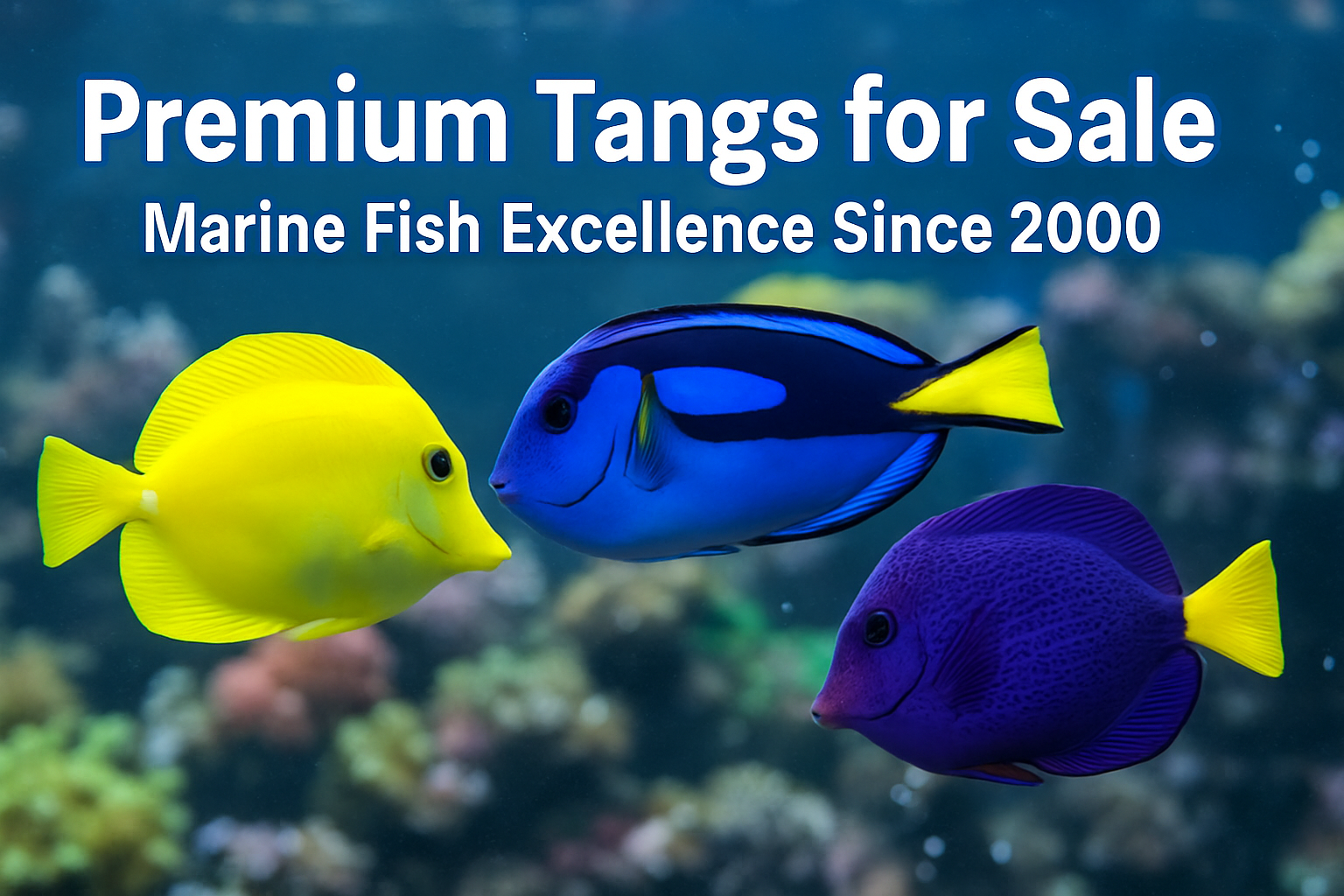
Picture this: you're standing in front of your pristine saltwater aquarium, watching as vibrant yellow tangs gracefully glide through crystal-clear water, their brilliant colors creating a living masterpiece that transforms your entire room. For marine aquarium enthusiasts searching for tangs for sale, finding the perfect specimens to complete their underwater ecosystem has never been more accessible—or more exciting.
Whether you're a seasoned aquarist or just beginning your saltwater journey, selecting the right tangs can make or break your marine aquarium experience. These stunning fish not only serve as the crown jewels of reef tanks but also play crucial roles in maintaining aquarium health through their natural algae-eating behaviors.
Key Takeaways
• Tang species variety: Over 80 different tang species are available, each with unique care requirements, temperaments, and tank size needs
• Quality sourcing matters: Purchasing from reputable dealers ensures healthy, properly quarantined fish with lower disease risk and better long-term survival rates
• Tank size is critical: Most tangs require minimum 75-125 gallon tanks, with some species needing 180+ gallons for optimal health and behavior
• Proper acclimation saves lives: Following correct acclimation procedures reduces stress and dramatically improves tang survival rates in new environments
• Diet diversity ensures health: Tangs thrive on varied diets including marine algae, quality pellets, and fresh vegetables like nori seaweed
Understanding Tang Fish: The Jewels of Marine Aquariums
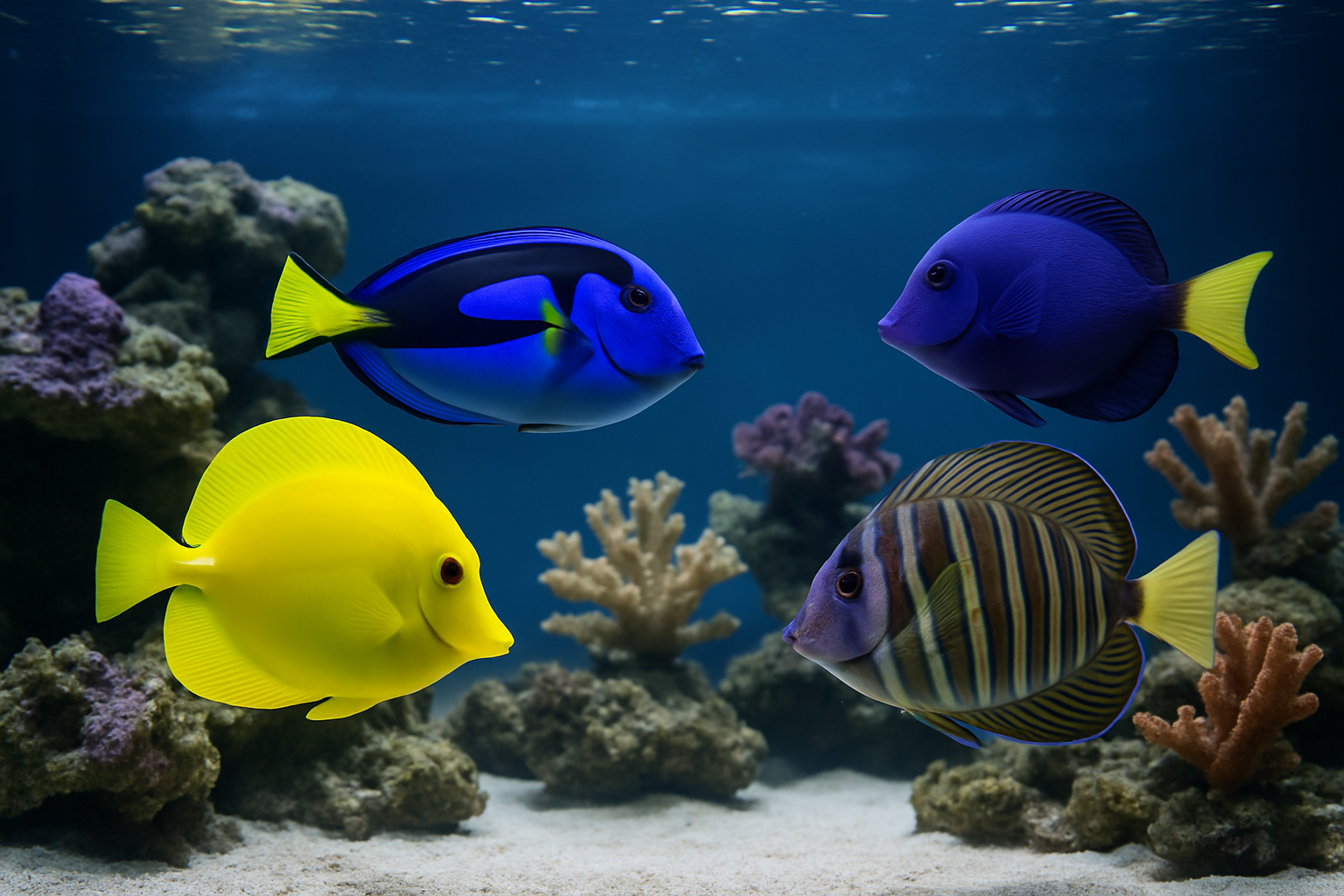
Tang fish, scientifically known as Acanthuridae, represent one of the most sought-after families in the marine aquarium trade. These magnificent creatures, also called surgeonfish, have captivated aquarists for decades with their vibrant colors, active swimming patterns, and beneficial algae-eating habits.
What Makes Tangs Special?
Tangs possess several unique characteristics that set them apart from other marine fish. Their laterally compressed bodies and distinctive tail fins create an elegant swimming motion that mesmerizes viewers. Most importantly, tangs serve as natural aquarium cleaners, constantly grazing on algae growth that can otherwise overwhelm reef systems.
Physical Characteristics:
- Oval-shaped, laterally compressed bodies
- Sharp spines near the tail (hence "surgeonfish")
- Specialized teeth for scraping algae
- Vibrant coloration patterns
- Active, constant swimming behavior
The Role of Tangs in Marine Ecosystems
In their natural habitat, tangs play vital ecological roles. They control algae populations on coral reefs, preventing overgrowth that could smother coral polyps. This same behavior makes them invaluable in home aquariums, where they help maintain the delicate balance between coral growth and algae control.
When you're looking for saltwater fish for sale, tangs should be high on your priority list for their dual benefits of beauty and functionality.
Popular Tang Species Available for Purchase
The diversity of tangs for sale in today's market offers something for every aquarist's preferences and tank requirements. Let's explore the most popular species and their unique characteristics.
Yellow Tang (Zebrasoma flavescens)
The Yellow Tang remains the most recognizable and popular tang species among aquarists. Native to Hawaiian waters, these bright yellow beauties adapt well to captivity and display relatively peaceful temperaments.
Key Specifications:
- Size: 6-8 inches
- Minimum Tank: 75 gallons
- Temperament: Semi-aggressive
- Diet: Herbivore
- Price Range: $40-80
Blue Tang (Paracanthurus hepatus)
Made famous by the movie "Finding Dory," the Blue Tang (also called Regal Tang or Powder Blue Tang) showcases stunning blue coloration with black patterns and bright yellow accents.
Care Requirements:
- Size: 10-12 inches
- Minimum Tank: 125 gallons
- Temperament: Peaceful to semi-aggressive
- Special Needs: Excellent water quality
- Price Range: $50-120
Purple Tang (Zebrasoma xanthurum)
The Purple Tang displays rich purple coloration with yellow fins, creating a striking contrast that makes it a centerpiece fish in any aquarium.
Important Details:
- Size: 8-10 inches
- Minimum Tank: 125 gallons
- Temperament: Aggressive toward other tangs
- Origin: Red Sea
- Price Range: $80-150
Sailfin Tang (Zebrasoma veliferum)
The Sailfin Tang features dramatic fin extensions and beautiful banding patterns that create an impressive display when fully extended.
Specifications:
- Size: 12-15 inches
- Minimum Tank: 180 gallons
- Temperament: Semi-aggressive
- Special Feature: Large dorsal fin
- Price Range: $60-100
Where to Find Quality Tangs for Sale Online
Finding reputable sources for tangs for sale requires careful research and attention to dealer credentials. The online marine fish market has expanded significantly, but not all sellers maintain the same quality standards.
Evaluating Online Fish Dealers
When searching for premium marine fish, several factors distinguish quality dealers from mediocre ones:
Quality Indicators:
- ✅ Live arrival guarantees
- ✅ Detailed fish descriptions and photos
- ✅ Quarantine protocols
- ✅ Customer service responsiveness
- ✅ Shipping expertise
- ✅ Return/refund policies
SaltWaterFishShop.com: Industry Leader Since 2000
As the premier destination for marine aquarium enthusiasts, SaltWaterFishShop.com has established itself as the most trusted source for quality saltwater fish. With over two decades of experience, they've perfected the art of safely shipping healthy marine life across the country.
Why Choose Professional Dealers:
- Proper quarantine procedures reduce disease risk
- Expert packaging ensures safe arrival
- Knowledgeable staff provides ongoing support
- Quality guarantees protect your investment
For those seeking clownfish for sale or other marine species, established dealers offer the reliability and expertise that ensure successful aquarium additions.
Red Flags to Avoid
Certain warning signs indicate dealers you should avoid:
❌ Avoid dealers who:
- Lack live arrival guarantees
- Provide poor-quality photos
- Have numerous negative reviews
- Don't offer quarantine services
- Use inadequate shipping methods
- Provide limited contact information
Tank Requirements and Setup for Tangs
Successful tang keeping begins with proper tank setup and maintenance. These active fish require specific conditions to thrive in captivity.
Minimum Tank Size Requirements
Tank Size Guidelines by Species:
| Tang Species | Minimum Tank Size | Recommended Size |
|---|---|---|
| Yellow Tang | 75 gallons | 100+ gallons |
| Blue Tang | 125 gallons | 150+ gallons |
| Purple Tang | 125 gallons | 150+ gallons |
| Sailfin Tang | 180 gallons | 220+ gallons |
| Powder Brown Tang | 125 gallons | 150+ gallons |
| Achilles Tang | 180 gallons | 250+ gallons |
Water Parameters and Quality
Tangs require pristine water conditions to prevent disease and stress. Maintaining stable parameters is crucial for long-term success.
Optimal Water Parameters:
- Temperature: 76-82°F (24-28°C)
- Salinity: 1.020-1.025 specific gravity
- pH: 8.1-8.4
- Ammonia: 0 ppm
- Nitrite: 0 ppm
- Nitrate: <20 ppm
- Phosphate: <0.03 ppm
Filtration and Equipment
Proper filtration systems ensure water quality meets tang requirements. These fish produce significant bioload and require robust filtration.
Essential Equipment:
- Protein Skimmer: Removes organic compounds
- Mechanical Filtration: Captures debris
- Biological Filtration: Processes waste
- UV Sterilizer: Reduces pathogens
- Powerheads: Provide water circulation
Many aquarists find success with aquarium filters for sale specifically designed for marine systems.
Tank Decoration and Layout
Tangs appreciate aquascapes that mimic their natural reef environments. Proper decoration provides hiding spots and grazing surfaces.
Recommended Decorations:
- Live rock formations
- Coral decorations (real or artificial)
- Open swimming spaces
- Multiple hiding caves
- Varied surface textures for grazing
Tang Care and Feeding Guidelines
Proper nutrition and care protocols ensure your tangs remain healthy and vibrant throughout their lives. Understanding their dietary needs and behavioral patterns is essential for success.
Nutritional Requirements
Tangs are primarily herbivorous, requiring plant-based diets supplemented with high-quality marine foods. Their constant grazing behavior means they need frequent feeding opportunities.
Primary Diet Components:
- Marine algae (nori, wakame, sea lettuce)
- High-quality pellets designed for herbivorous fish
- Frozen preparations containing spirulina and marine vegetables
- Live rock grazing for natural algae consumption
Feeding Schedule and Techniques
Establishing consistent feeding routines helps maintain tang health and reduces aggression between tank mates.
Recommended Feeding Schedule:
- 2-3 times daily for adult tangs
- Small, frequent meals rather than large portions
- Variety rotation to ensure nutritional completeness
- Supplemental feeding with clip-attached seaweed
Health Monitoring and Disease Prevention
Tangs are susceptible to several common marine fish diseases. Early detection and prevention strategies significantly improve treatment success rates.
Common Health Issues:
- Marine Ich (Cryptocaryon)
- Marine Velvet (Amyloodinium)
- Head and Lateral Line Erosion (HLLE)
- Nutritional deficiencies
- Bacterial infections
Prevention Strategies:
- Maintain excellent water quality
- Provide varied, nutritious diet
- Quarantine new additions
- Monitor behavior changes
- Regular water testing
For comprehensive care information, many aquarists reference detailed guides about saltwater angelfish care, as many principles apply across marine fish species.
Compatibility and Tank Mates
Selecting appropriate tank mates for tangs requires understanding their territorial behaviors and aggression patterns. While generally peaceful with non-tang species, they can be aggressive toward their own kind.
Ideal Tank Mate Categories
Excellent Companions:
- Clownfish – Peaceful, occupy different water columns
- Gobies – Bottom-dwellers, non-competitive
- Cardinalfish – Peaceful schooling fish
- Wrasses – Active but non-aggressive
- Marine angelfish – Similar size, compatible temperament
Species to Avoid
Incompatible Tank Mates:
- Aggressive predators (groupers, large eels)
- Fin nippers (some damselfish species)
- Competing grazers (some parrotfish)
- Territorial bottom-dwellers (some triggerfish)
Multiple Tang Considerations
Keeping multiple tangs requires careful planning and adequate space. Success depends on tank size, introduction methods, and species selection.
Multi-Tang Guidelines:
- Minimum 150 gallons for two tangs
- Different species reduce aggression
- Simultaneous introduction prevents territory establishment
- Adequate hiding spots for each fish
- Monitor for aggression and separate if necessary
Many successful marine aquarists also keep anthias for sale alongside tangs, as these colorful fish occupy different niches and rarely conflict.
Acclimation Process for New Tangs
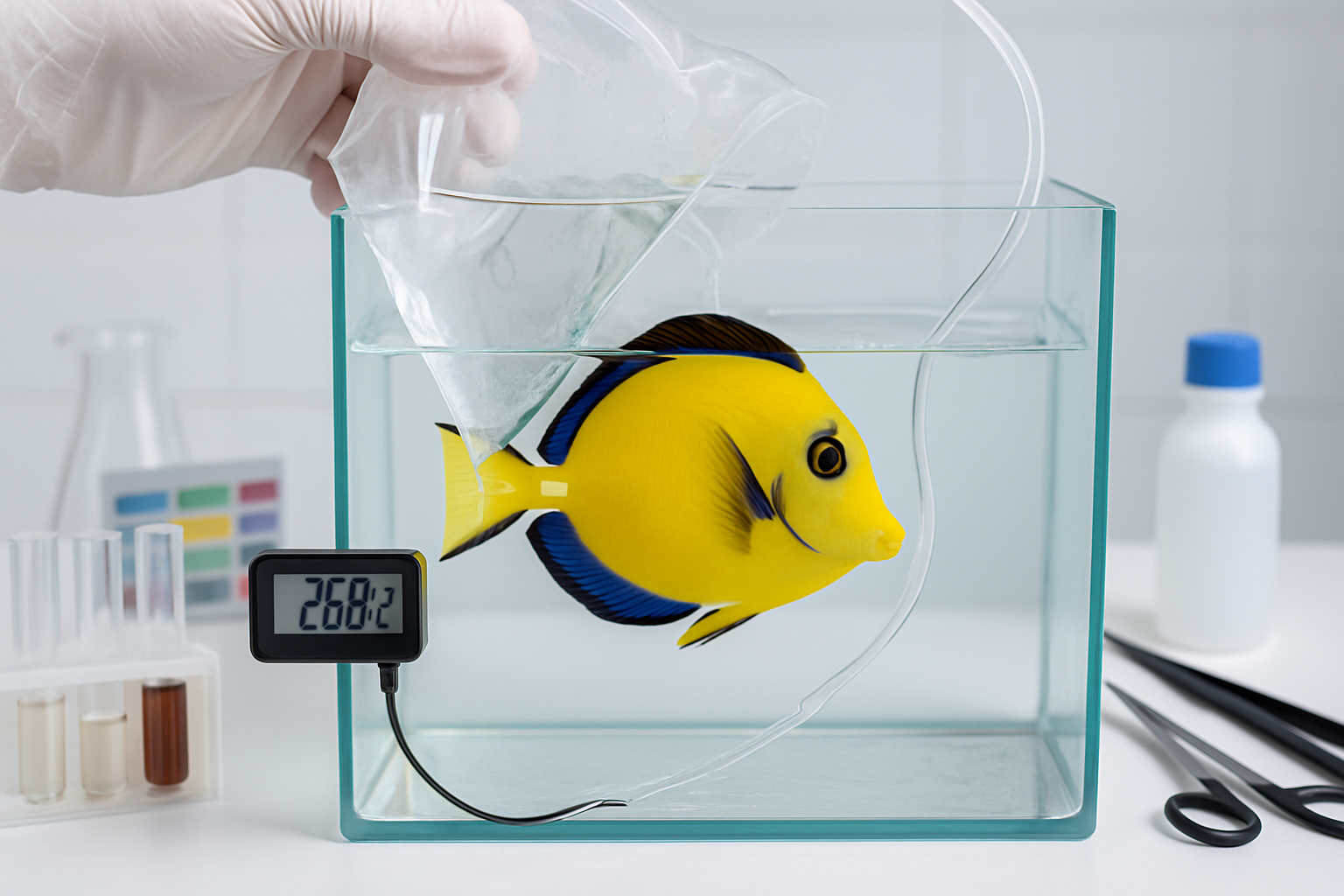
Proper acclimation procedures are critical for tang survival when transitioning from shipping containers to your aquarium. Rushing this process often results in shock, stress, and potential death.
Step-by-Step Acclimation Protocol
Phase 1: Temperature Equalization (30 minutes)
- Float sealed shipping bag in aquarium
- Allow water temperatures to equalize
- Dim aquarium lighting to reduce stress
- Prepare acclimation container
Phase 2: Drip Acclimation (60-90 minutes)
- Transfer fish and shipping water to container
- Start slow drip from aquarium (2-3 drops per second)
- Monitor fish behavior for stress signs
- Continue until container volume doubles
Phase 3: Final Transfer
- Net fish from acclimation container
- Discard all shipping water
- Gently release fish into aquarium
- Monitor closely for first 24 hours
Quarantine Protocols
Experienced aquarists always quarantine new fish before introducing them to display tanks. This practice prevents disease transmission and allows health monitoring.
Quarantine Setup:
- Separate tank (20-40 gallons)
- Basic filtration and heating
- Simple decorations for hiding
- 2-4 week quarantine period
- Daily health monitoring
Professional dealers often provide pre-quarantined fish, reducing risk for home aquarists. When purchasing from reputable sources, you can often find information about their live fish shipping protocols and quarantine procedures.
Pricing and Value Considerations
Understanding tang pricing helps budget for your marine aquarium investment. Prices vary significantly based on species, size, source location, and market availability.
Price Range Analysis
Budget-Friendly Options ($30-60):
- Yellow Tang (small specimens)
- Powder Brown Tang
- Convict Tang
- Bristletooth Tangs
Mid-Range Selections ($60-120):
- Blue Tang
- Purple Tang
- Sailfin Tang
- Blonde Naso Tang
Premium Specimens ($120-300+):
- Achilles Tang
- Gem Tang
- Powder Blue Tang
- Large, mature specimens
Factors Affecting Price
Price Influencing Factors:
- Species rarity and collection difficulty
- Size and maturity of specimens
- Source location and shipping costs
- Seasonal availability fluctuations
- Dealer reputation and service quality
- Health guarantees and support services
Value vs. Cost Analysis
While initial purchase price is important, consider long-term value factors:
Long-term Value Considerations:
- Health guarantee duration and coverage
- Dealer support for ongoing questions
- Shipping quality and arrival condition
- Quarantine services provided
- Return policies for problems
Many aquarists find that investing in quality specimens from reputable dealers like those offering captive bred saltwater fish for sale provides better long-term value despite higher initial costs.
Breeding and Reproduction
Tang breeding in home aquariums remains challenging, with most success occurring in large, specialized systems or commercial facilities. Understanding their reproductive biology helps appreciate these remarkable fish.
Natural Breeding Behavior
In the wild, tangs exhibit fascinating spawning behaviors that typically occur during specific lunar cycles and seasonal patterns.
Wild Spawning Characteristics:
- Group spawning events at reef edges
- Lunar cycle timing coordination
- Pelagic larvae development
- Complex metamorphosis process
- High mortality rates in nature
Captive Breeding Challenges
Home aquarium breeding success remains rare due to several biological and logistical challenges.
Breeding Obstacles:
- Large tank requirements for spawning
- Complex larval nutrition needs
- Extended development periods
- Specialized equipment requirements
- High technical expertise needed
Commercial Breeding Programs
Some commercial facilities have achieved limited success with certain tang species, though most aquarium specimens remain wild-caught.
Captive Breeding Progress:
- Yellow Tang – Limited commercial success
- Blue Tang – Experimental programs ongoing
- Research facilities – University partnerships
- Future potential – Technology improvements
Seasonal Considerations and Availability
Tang availability fluctuates throughout the year due to collection seasons, weather patterns, and shipping logistics. Understanding these cycles helps plan purchases and budget accordingly.
Collection Seasons
Different regions have optimal collection periods that affect market availability and pricing.
Regional Collection Patterns:
- Hawaii – Year-round with weather interruptions
- Philippines – Monsoon season impacts
- Red Sea – Political and weather factors
- Caribbean – Hurricane season considerations
- Indo-Pacific – Seasonal weather patterns
Shipping and Weather Impacts
Weather conditions significantly affect live fish shipping success rates and dealer willingness to ship.
Weather Considerations:
- Temperature extremes delay shipments
- Storm systems interrupt logistics
- Holiday periods affect delivery schedules
- Seasonal demand influences pricing
Planning Your Purchase
Strategic timing can result in better selection, pricing, and shipping conditions for your tang purchases.
Optimal Purchase Timing:
- Spring months – Good weather, stable temperatures
- Fall season – Avoid summer heat extremes
- Avoid holidays – Shipping delays possible
- Plan ahead – Popular species sell quickly
For current availability and seasonal information, many aquarists check with established dealers who maintain updated inventory and shipping schedules.
Advanced Tang Care Topics
Experienced aquarists often encounter advanced care scenarios that require specialized knowledge and techniques. Understanding these topics helps ensure long-term success with tang keeping.
Managing Tang Aggression
Tang aggression can develop over time, especially as fish mature and establish territories. Recognizing and managing these behaviors prevents serious conflicts.
Aggression Management Strategies:
- Rearrange decorations to disrupt territories
- Add new hiding spots to reduce competition
- Increase feeding frequency to reduce food competition
- Consider tank upgrades if space is insufficient
- Separate aggressive individuals when necessary
Disease Treatment Protocols
When tangs develop health issues, prompt and appropriate treatment is essential for recovery.
Common Treatment Approaches:
- Quarantine treatment in separate tank
- Copper-based medications for parasites
- Antibiotic treatments for bacterial infections
- Nutritional therapy for deficiency diseases
- Water quality improvement as primary intervention
Long-term Health Maintenance
Maintaining tang health over years requires consistent attention to environmental factors and nutrition.
Long-term Care Strategies:
- Regular water testing and maintenance
- Dietary variety and supplementation
- Equipment maintenance and upgrades
- Behavior monitoring for early problem detection
- Preventive care protocols
Environmental Impact and Sustainability
Responsible tang keeping includes consideration of environmental impacts and supporting sustainable collection practices.
Wild Collection Impacts
Understanding how tang collection affects natural reef systems helps make informed purchasing decisions.
Collection Considerations:
- Sustainable quotas in regulated areas
- Collection methods and reef impact
- Population monitoring programs
- Local community involvement
- Conservation efforts support
Supporting Sustainable Practices
Aquarists can support sustainability through dealer selection and purchasing choices.
Sustainable Choices:
- Choose certified dealers with sustainable practices
- Support captive breeding programs when available
- Avoid rare species with conservation concerns
- Participate in breeding projects when possible
- Educate others about responsible keeping
Future of Tang Availability
The marine aquarium trade continues evolving toward more sustainable practices and captive breeding programs.
Industry Trends:
- Increased captive breeding research and success
- Better collection practices and regulation
- Technology improvements in breeding and shipping
- Consumer awareness of sustainability issues
- Industry cooperation on conservation goals
Conclusion
Finding quality tangs for sale requires careful consideration of species selection, dealer reputation, and proper care preparation. These magnificent marine fish offer unparalleled beauty and functionality in saltwater aquariums, but success depends on understanding their specific needs and requirements.
The key to tang keeping success lies in three fundamental areas: proper tank setup with adequate space and filtration, quality sourcing from reputable dealers who provide healthy, well-quarantined specimens, and consistent care including appropriate nutrition and water quality maintenance.
As you embark on your tang keeping journey, remember that patience and preparation yield the best results. Take time to research species requirements, prepare your aquarium properly, and establish relationships with trusted dealers who can provide ongoing support and guidance.
Your Next Steps:
- Assess your current tank setup and upgrade if necessary
- Research specific tang species that match your experience level and tank capacity
- Connect with reputable dealers who offer quality guarantees and support
- Prepare quarantine facilities before purchasing new fish
- Join aquarium communities for ongoing learning and support
The world of marine aquarium keeping offers endless rewards for those willing to invest in proper knowledge and care. With quality tangs as the centerpiece of your reef system, you'll enjoy years of beauty, natural behavior, and the satisfaction of successfully maintaining these incredible ocean jewels in your home aquarium.
Whether you're adding your first tang or expanding an existing collection, the principles outlined in this guide will help ensure your success and contribute to the long-term health and happiness of these remarkable marine fish.
SEO Meta Information
Meta Title: Premium Tangs for Sale – Best Marine Fish Store Since 2000
Meta Description: Find quality tangs for sale from trusted dealers. Complete guide to buying, caring for, and maintaining healthy tang fish in your saltwater aquarium.