
The Ultimate Guide to Blenny for Sale: Your Complete Resource for Marine Aquarium Success
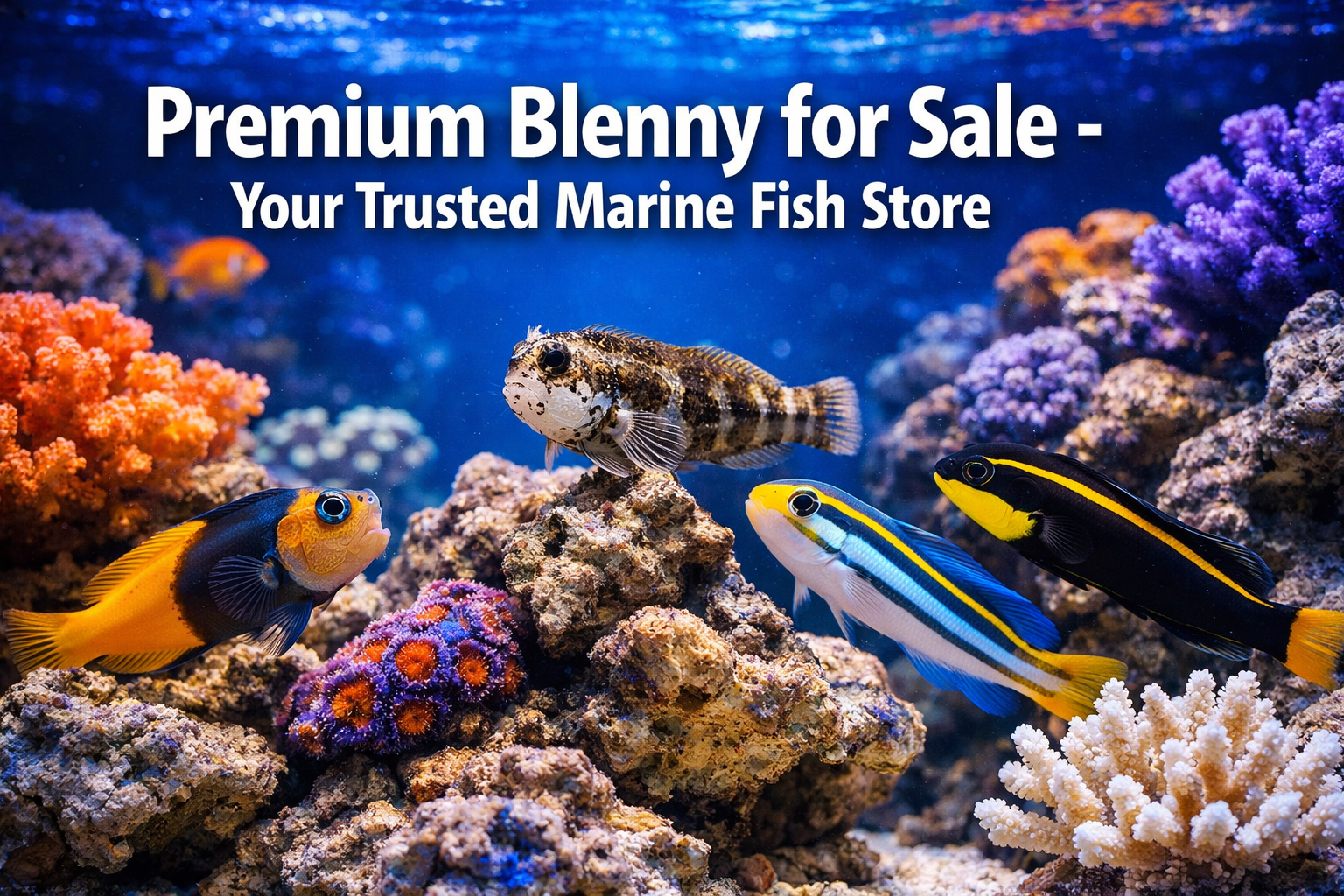
Picture this: you're gazing into your pristine marine aquarium when suddenly, a small, vibrant fish darts out from behind a piece of live rock, its curious eyes scanning the environment before quickly retreating to its rocky hideout. This charming behavior is exactly what makes blennies one of the most sought-after fish in the marine aquarium trade. If you're searching for blenny for sale options, you've discovered one of the most rewarding and entertaining fish families available to marine aquarium enthusiasts in 2026.
Blennies represent the perfect combination of personality, functionality, and beauty that every marine aquarist dreams of adding to their tank. These small but mighty fish bring both practical benefits and endless entertainment to your underwater ecosystem.
Key Takeaways
• Blennies are ideal beginner to intermediate marine fish that offer excellent algae control and fascinating behaviors in reef and fish-only aquariums
• Multiple species are available including Midas, Bicolor, Lawnmower, and Tailspot blennies, each with unique characteristics and care requirements
• Proper tank setup is crucial with live rock caves, established algae growth, and compatible tankmates for optimal blenny health and happiness
• Reputable online retailers like Saltwaterfishshop.com provide healthy, quarantined specimens with proper shipping and care instructions
• Investment ranges from $25-150 depending on species rarity, with ongoing care costs remaining minimal due to their hardy nature
Understanding Blenny Species: Finding the Perfect Blenny for Sale
Popular Blenny Varieties in the Marine Trade
When exploring blenny for sale options, you'll encounter several distinct species, each offering unique characteristics that make them suitable for different aquarium setups. The diversity within the blenny family is truly remarkable, and understanding these differences will help you make the best choice for your specific marine environment.
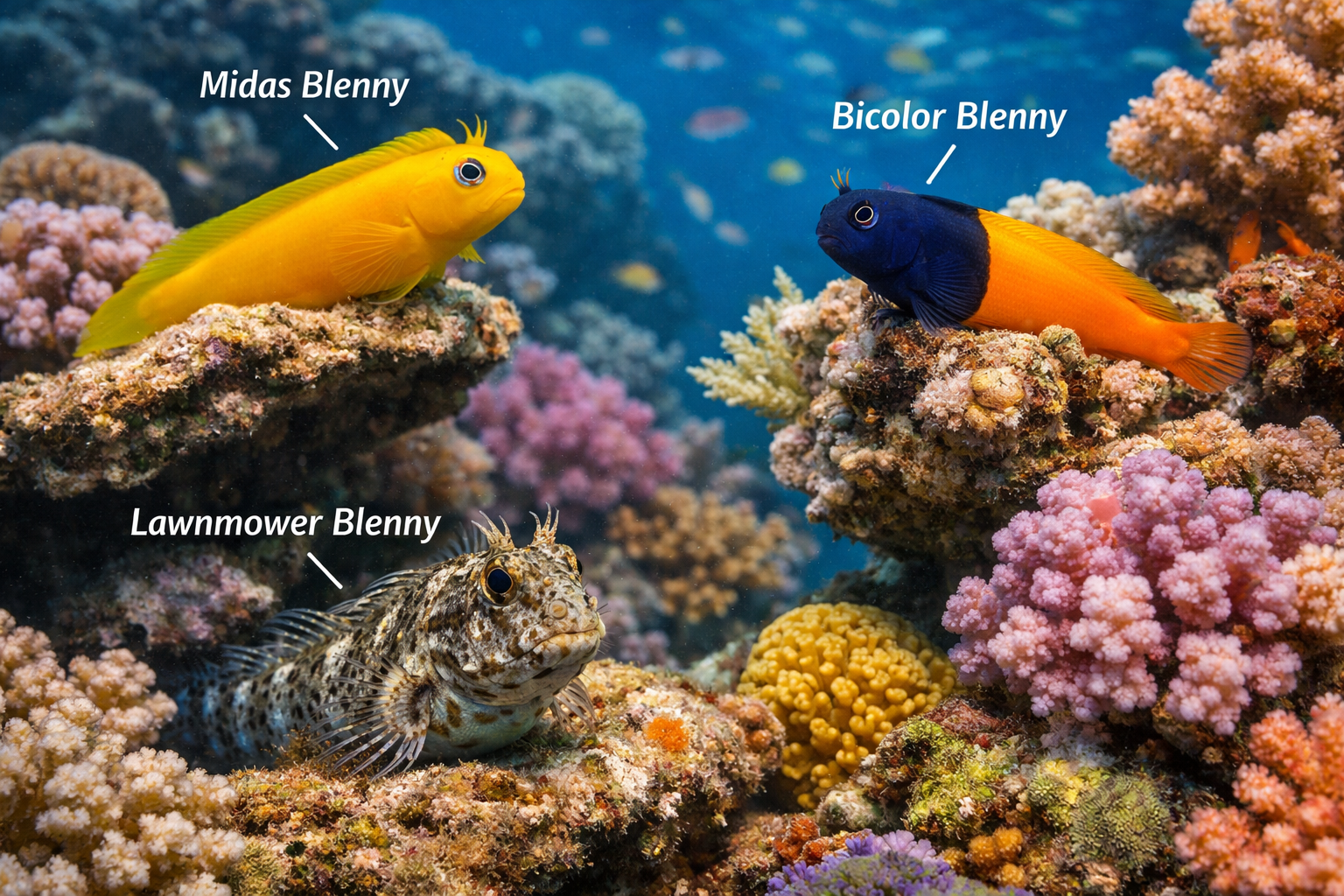
Midas Blenny (Ecsenius midas) stands out as one of the most vibrant options available. These golden-yellow beauties reach approximately 5 inches in length and are known for their bold personalities and striking coloration. Their active swimming behavior and tendency to perch on rock formations make them excellent display fish that capture attention throughout the day.
Lawnmower Blenny (Salarias fasciatus) earns its name through exceptional algae-eating capabilities. These industrious fish constantly graze on algae growth, making them invaluable members of your aquarium's cleanup crew. Their mottled brown and tan coloration provides excellent camouflage among live rock, and their large, expressive eyes give them an almost comical appearance that endears them to aquarists worldwide.
Bicolor Blenny (Ecsenius bicolor) showcases a distinctive two-toned appearance with a purple-blue front half and orange-yellow rear section. This unique coloration pattern makes them one of the most visually striking blennies available, though they can be slightly more territorial than other species.
Tailspot Blenny (Ecsenius stigmatura) offers subtle beauty with its tan coloration and distinctive black spot near the tail. These peaceful fish rarely exceed 2.5 inches, making them perfect for smaller aquarium systems where space is at a premium.
Blenny Behavior and Personality Traits
One of the most compelling reasons to seek out blenny for sale opportunities lies in their fascinating behavioral characteristics. These fish exhibit personalities that rival much larger marine species, often becoming the most entertaining residents of your aquarium.
Blennies are naturally curious creatures that spend considerable time exploring their environment. They establish territories around specific rock formations or coral heads, which they defend from intruders while maintaining a generally peaceful demeanor toward most tankmates. Their habit of perching on high vantage points allows them to survey their domain while remaining easily visible to aquarium observers.
Territory establishment represents a crucial aspect of blenny behavior. Each individual typically claims a specific area of live rock containing multiple caves and crevices. They'll dart in and out of these hiding spots throughout the day, creating an engaging display of natural behavior that never fails to captivate viewers.
Feeding behaviors vary significantly between species. Herbivorous varieties like the Lawnmower Blenny spend most daylight hours methodically grazing on algae surfaces, while omnivorous species actively hunt for small crustaceans and accept a wider variety of prepared foods.
Essential Care Requirements for Your New Blenny
Tank Setup and Environmental Needs
Creating the optimal environment for your blenny requires careful attention to several critical factors that directly impact their health and happiness. When you purchase a blenny for sale, you're committing to providing an environment that closely mimics their natural coral reef habitat.
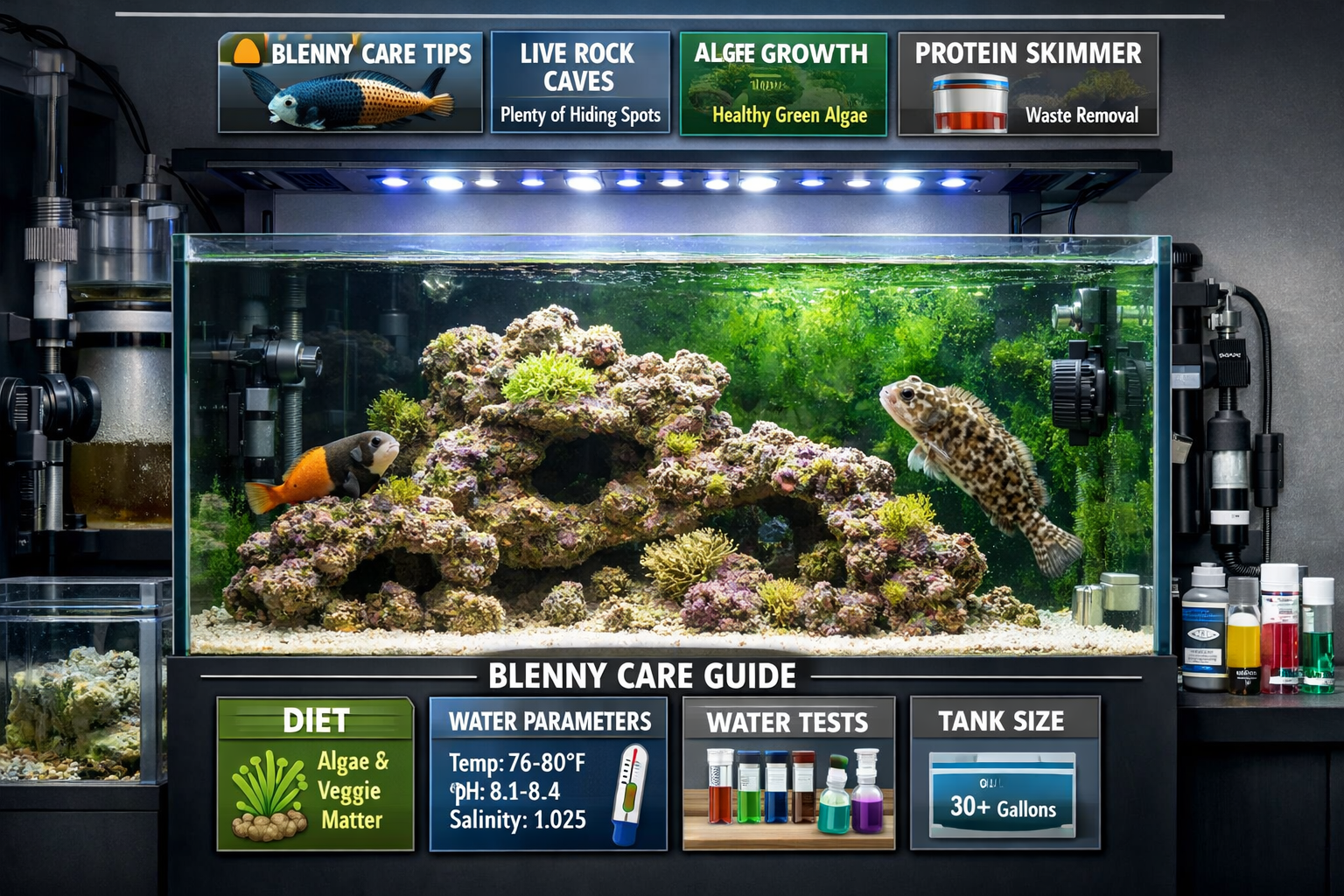
Live rock structure forms the foundation of proper blenny care. These fish require extensive rockwork with numerous caves, crevices, and overhangs that provide both shelter and territorial boundaries. A minimum of 1-2 pounds of live rock per gallon ensures adequate hiding spots and grazing surfaces for algae-eating species.
Water parameters must remain stable within specific ranges:
| Parameter | Optimal Range | Critical Notes |
|---|---|---|
| Temperature | 72-78°F | Stability more important than exact temperature |
| Salinity | 1.020-1.025 | Gradual changes only |
| pH | 8.1-8.4 | Monitor alkalinity for stability |
| Ammonia | 0 ppm | Zero tolerance for ammonia |
| Nitrite | 0 ppm | Toxic to all marine fish |
| Nitrate | <20 ppm | Lower levels preferred |
Aquarium size considerations depend on the specific species you choose. Smaller varieties like Tailspot Blennies thrive in 20-gallon systems, while larger species such as Midas Blennies require a minimum of 30 gallons to establish proper territories and exhibit natural behaviors.
Lighting requirements play a crucial role, particularly for herbivorous species that depend on algae growth. Moderate to high-intensity LED lighting promotes healthy algae development on live rock surfaces, providing natural food sources that supplement prepared diets.
Feeding and Nutrition
Proper nutrition represents one of the most important aspects of blenny care, and understanding their dietary needs before purchasing a blenny for sale ensures long-term success with these remarkable fish.
Herbivorous species like Lawnmower Blennies require diets rich in marine algae and vegetable matter. High-quality marine algae sheets, spirulina flakes, and herbivore pellets form the foundation of their nutrition. Supplementing with fresh vegetables such as blanched spinach or nori provides additional nutritional variety.
Omnivorous varieties accept a broader range of foods including small crustaceans, marine worms, and high-quality prepared foods. Frozen mysis shrimp, brine shrimp, and finely chopped seafood provide excellent protein sources that support healthy growth and vibrant coloration.
Feeding frequency should occur 2-3 times daily with small portions that can be consumed within 2-3 minutes. Overfeeding leads to water quality issues that can stress blennies and promote harmful bacterial growth.
For those interested in expanding their marine aquarium beyond blennies, consider exploring other compatible species through our comprehensive saltwater fish selection to create a diverse and thriving ecosystem.
Choosing the Right Blenny for Sale: Species Compatibility and Tank Considerations
Tankmate Compatibility
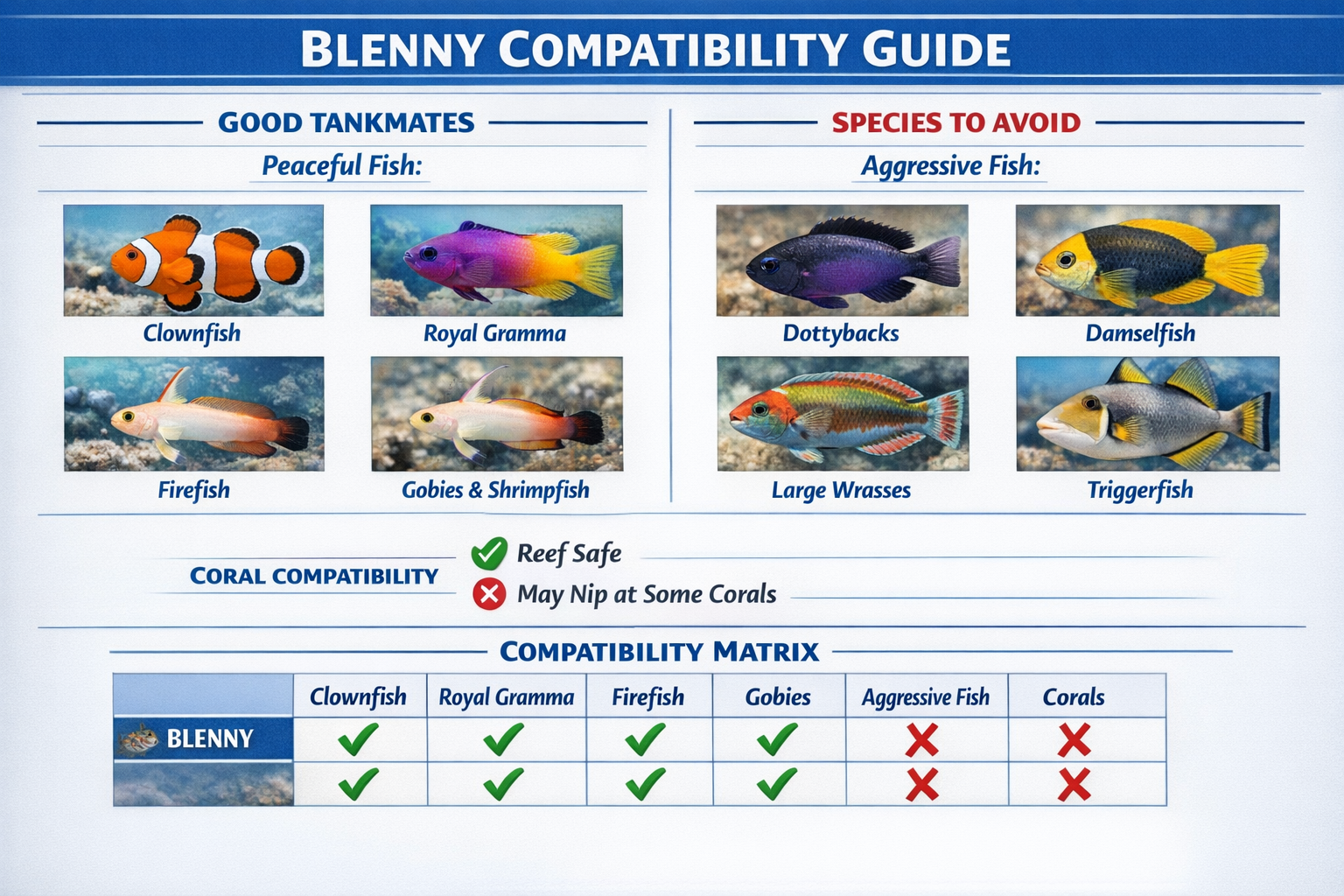
Selecting appropriate tankmates represents a critical decision when adding a blenny to your marine aquarium. These fish generally exhibit peaceful temperaments but have specific compatibility requirements that must be considered to maintain harmony within your aquatic community.
Ideal tankmate categories include:
🐟 Peaceful community fish such as cardinals, wrasses, and small angelfish coexist beautifully with most blenny species. These fish occupy different areas of the aquarium and rarely compete for the same resources.
🐟 Reef-safe invertebrates including cleaner shrimp, hermit crabs, and various snail species complement blenny behavior while contributing to overall tank maintenance.
🐟 Compatible bottom-dwellers like gobies and small sand-sifting fish work well since they typically don't compete for the same territorial spaces that blennies prefer.
Species to avoid include:
❌ Aggressive predators such as larger groupers, lionfish, or aggressive triggers that may view blennies as potential prey
❌ Other blenny species unless your aquarium exceeds 75 gallons with extensive rockwork to prevent territorial disputes
❌ Highly territorial fish that compete for similar hiding spots and feeding areas
Tank Size and Setup Recommendations
The success of your blenny depends heavily on providing adequate space and proper environmental structure. When searching for the perfect blenny for sale, consider these essential setup requirements that ensure optimal health and natural behavior expression.
Minimum tank sizes vary by species:
- Tailspot Blenny: 20 gallons minimum
- Bicolor Blenny: 30 gallons minimum
- Lawnmower Blenny: 30 gallons minimum
- Midas Blenny: 30-40 gallons minimum
Rock structure design should include multiple levels with caves and overhangs at different heights. This vertical territory division allows blennies to establish distinct areas while providing numerous retreat options when they feel threatened.
Flow patterns should be moderate with some areas of gentle current and others with minimal flow. Blennies appreciate varied water movement that mimics natural reef conditions without creating excessive turbulence in their preferred resting areas.
For aquarists interested in creating comprehensive marine communities, our angelfish for sale section offers excellent tankmate options that complement blenny behavior patterns.
Where to Find Quality Blenny for Sale: Choosing Reputable Sources
Online vs. Local Fish Store Considerations
The decision between purchasing from online retailers versus local fish stores involves several important factors that directly impact the health and quality of your new blenny. Understanding these differences helps ensure you receive a healthy specimen that will thrive in your aquarium environment.
Online retailer advantages include:
✅ Larger selection of rare and uncommon species not typically available at local stores
✅ Competitive pricing due to lower overhead costs and direct supplier relationships
✅ Detailed species information and care guides that support successful long-term husbandry
✅ Professional quarantine procedures that reduce disease transmission risks
✅ Shipping guarantees that protect your investment during transport
Local fish store benefits include:
✅ Physical inspection of fish before purchase allows assessment of health and behavior
✅ Immediate availability without shipping delays or weather-related complications
✅ Ongoing support from knowledgeable staff familiar with your specific setup
✅ Emergency assistance when problems arise with your aquarium system
Evaluating Fish Health and Quality
Regardless of your chosen source for blenny for sale options, understanding how to assess fish health ensures you bring home a specimen that will provide years of enjoyment. Healthy blennies exhibit specific characteristics that indicate proper care and quarantine procedures.
Physical health indicators to look for:
👁️ Clear, bright eyes without cloudiness or unusual swelling
🐟 Intact fins with no tears, fraying, or signs of bacterial infection
🌈 Vibrant coloration appropriate for the species without fading or unusual spots
💪 Active swimming with normal buoyancy and responsive behavior
🍽️ Healthy appetite demonstrated by eagerness to feed during observation
Warning signs to avoid:
⚠️ Labored breathing or rapid gill movement indicating stress or disease
⚠️ Unusual swimming patterns such as listing, spinning, or inability to maintain position
⚠️ Visible parasites including white spots, fuzzy growths, or external worms
⚠️ Damaged fins or missing scales that suggest poor handling or disease
⚠️ Lethargic behavior or hiding constantly without normal feeding responses
Shipping and Acclimation Considerations
When purchasing blenny for sale from online sources, proper shipping and acclimation procedures become crucial for ensuring your new fish arrives healthy and adapts successfully to their new environment.
Professional shipping standards include:
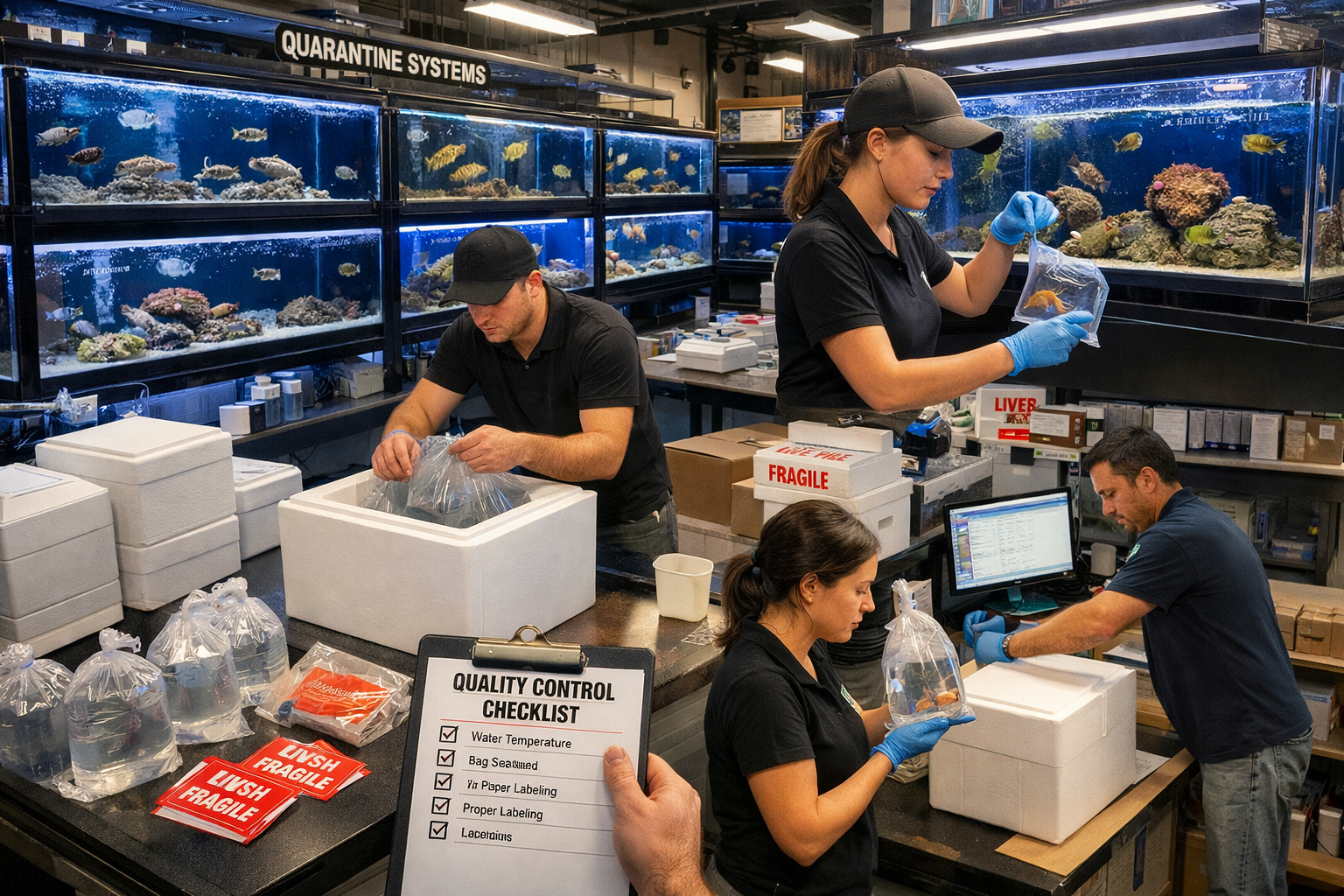
📦 Insulated packaging that maintains stable temperatures during transport
💧 Oxygen-enriched bags that support fish respiration for extended periods
🌡️ Heat or cold packs as needed to maintain appropriate temperature ranges
⏰ Express delivery that minimizes transport time and stress
📋 Clear care instructions for immediate post-arrival procedures
The acclimation process requires patience and attention to detail. Temperature acclimation should occur gradually over 15-20 minutes by floating the sealed bag in your aquarium. Water chemistry adjustment follows with gradual mixing of aquarium water into the shipping bag over an additional 15-20 minutes.
For reliable shipping and quality assurance, consider our live fish shipping services that prioritize fish health and customer satisfaction.
Advanced Blenny Care: Breeding, Health, and Long-term Success
Breeding Blennies in Captivity
While most aquarists purchase blenny for sale specimens as display fish, some advanced hobbyists pursue captive breeding projects that contribute to sustainable aquarium trade practices. Breeding blennies requires specific environmental conditions and considerable expertise, but successful reproduction provides immense satisfaction and supports conservation efforts.
Breeding setup requirements include:
🏠 Dedicated breeding tank of 20-40 gallons with species-appropriate rockwork
🌡️ Stable water parameters with temperature slightly elevated to 76-78°F
🍎 Optimal nutrition with high-quality foods rich in proteins and vitamins
💡 Appropriate lighting that simulates natural seasonal changes
Spawning behavior varies between species but typically involves elaborate courtship displays where males establish and defend nesting sites within rock crevices. Females deposit adhesive eggs that males fertilize and guard until hatching occurs 3-7 days later.
Larval rearing represents the most challenging aspect of blenny breeding. Newly hatched larvae require microscopic foods such as rotifers and copepod nauplii, along with pristine water quality and specialized filtration systems that prevent larvae from being damaged by equipment.
Common Health Issues and Prevention
Maintaining optimal health in your blenny requires understanding common diseases and implementing preventive measures that reduce stress and disease susceptibility. Proactive health management proves far more effective than treating established problems.
Marine Ich (Cryptocaryon irritans) appears as small white spots on fins and body surfaces. This parasitic infection spreads rapidly in stressed fish and requires immediate quarantine treatment with copper-based medications or hyposalinity therapy.
Bacterial infections often manifest as fin rot, cloudy eyes, or unusual growths. These conditions typically result from poor water quality or physical injuries and respond well to antibiotic treatments when caught early.
Nutritional deficiencies cause gradual color fading, reduced activity, and increased disease susceptibility. Providing varied, high-quality diets prevents most nutritional problems while supporting robust immune system function.
Prevention strategies include:
✅ Quarantine procedures for all new additions to prevent disease introduction
✅ Regular water testing and maintenance to ensure optimal environmental conditions
✅ Stress reduction through appropriate tankmates and adequate hiding spaces
✅ Quality nutrition with species-appropriate foods and feeding schedules
Long-term Care and Aging
Blennies can live 3-7 years in captivity with proper care, and understanding their changing needs as they age helps ensure continued health and vitality throughout their lifespan. Mature blennies often develop enhanced coloration and more pronounced territorial behaviors.
Aging considerations include:
👴 Reduced activity levels that require adjusted feeding schedules and portion sizes
🏠 Increased territorial behavior that may necessitate aquascaping modifications
🍽️ Dietary adjustments with softer foods for older fish with potential dental wear
🏥 Enhanced health monitoring to catch age-related problems early
For comprehensive care information and additional species options, explore our blennies for sale collection that features detailed care guides and species-specific recommendations.
<!DOCTYPE html>
<html lang="en">
<head>
    <meta charset="UTF-8">
    <meta name="viewport" content="width=device-width, initial-scale=1.0">
    <title>Marine Fish Compatibility Checker</title>
    <style>
        .cg-element-container {
            max-width: 800px;
            margin: 20px auto;
            padding: 20px;
            font-family: Arial, sans-serif;
            background: linear-gradient(135deg, #1e3c72 0%, #2a5298 100%);
            border-radius: 15px;
            box-shadow: 0 10px 30px rgba(0,0,0,0.3);
            color: white;
        }

        .cg-element-title {
            text-align: center;
            color: #fff;
            margin-bottom: 25px;
            font-size: 24px;
            font-weight: bold;
        }

        .cg-element-selector-row {
            display: flex;
            gap: 20px;
            margin-bottom: 20px;
            flex-wrap: wrap;
        }

        .cg-element-fish-selector {
            flex: 1;
            min-width: 250px;
        }

        .cg-element-label {
            display: block;
            margin-bottom: 8px;
            font-weight: bold;
            color: #e0e0e0;
        }

        .cg-element-select {
            width: 100%;
            padding: 10px;
            border: none;
            border-radius: 8px;
            font-size: 16px;
            background: rgba(255,255,255,0.9);
            color: #333;
        }

        .cg-element-result {
            margin-top: 25px;
            padding: 20px;
            border-radius: 10px;
            text-align: center;
            font-size: 18px;
            font-weight: bold;
            min-height: 60px;
            display: flex;
            align-items: center;
            justify-content: center;
            transition: all 0.3s ease;
        }

        .cg-element-compatible {
            background: rgba(76, 175, 80, 0.9);
            border: 2px solid #4CAF50;
        }

        .cg-element-caution {
            background: rgba(255, 152, 0, 0.9);
            border: 2px solid #FF9800;
        }

        .cg-element-incompatible {
            background: rgba(244, 67, 54, 0.9);
            border: 2px solid #F44336;
        }

        .cg-element-neutral {
            background: rgba(255,255,255,0.1);
            border: 2px solid rgba(255,255,255,0.3);
            color: #e0e0e0;
        }

        .cg-element-details {
            margin-top: 15px;
            padding: 15px;
            background: rgba(255,255,255,0.1);
            border-radius: 8px;
            font-size: 14px;
            line-height: 1.5;
        }

        .cg-element-icon {
            font-size: 30px;
            margin-right: 10px;
        }

        @media (max-width: 600px) {
            .cg-element-selector-row {
                flex-direction: column;
            }

            .cg-element-fish-selector {
                min-width: 100%;
            }
        }
    </style>
</head>
<body>
    <div class="cg-element-container">
        <h2 class="cg-element-title">🐠 Marine Fish Compatibility Checker</h2>

        <div class="cg-element-selector-row">
            <div class="cg-element-fish-selector">
                <label class="cg-element-label" for="fish1">Primary Fish:</label>
                <select class="cg-element-select" id="fish1">
                    <option value="">Select a fish...</option>
                    <option value="midas-blenny">Midas Blenny</option>
                    <option value="lawnmower-blenny">Lawnmower Blenny</option>
                    <option value="bicolor-blenny">Bicolor Blenny</option>
                    <option value="tailspot-blenny">Tailspot Blenny</option>
                    <option value="clownfish">Clownfish</option>
                    <option value="cardinal">Cardinal Fish</option>
                    <option value="angelfish">Angelfish</option>
                    <option value="tang">Tang</option>
                    <option value="wrasse">Wrasse</option>
                    <option value="goby">Goby</option>
                    <option value="trigger">Triggerfish</option>
                    <option value="grouper">Grouper</option>
                </select>
            </div>

            <div class="cg-element-fish-selector">
                <label class="cg-element-label" for="fish2">Tankmate Fish:</label>
                <select class="cg-element-select" id="fish2">
                    <option value="">Select a fish...</option>
                    <option value="midas-blenny">Midas Blenny</option>
                    <option value="lawnmower-blenny">Lawnmower Blenny</option>
                    <option value="bicolor-blenny">Bicolor Blenny</option>
                    <option value="tailspot-blenny">Tailspot Blenny</option>
                    <option value="clownfish">Clownfish</option>
                    <option value="cardinal">Cardinal Fish</option>
                    <option value="angelfish">Angelfish</option>
                    <option value="tang">Tang</option>
                    <option value="wrasse">Wrasse</option>
                    <option value="goby">Goby</option>
                    <option value="trigger">Triggerfish</option>
                    <option value="grouper">Grouper</option>
                </select>
            </div>
        </div>

        <div class="cg-element-result cg-element-neutral" id="result">
            <span class="cg-element-icon">🤔</span>
            <span>Select two fish species to check compatibility</span>
        </div>

        <div class="cg-element-details" id="details" style="display: none;">
            <div id="compatibility-info"></div>
        </div>
    </div>

    <script>
        const compatibilityData = {
            'midas-blenny': {
                'midas-blenny': { level: 'incompatible', reason: 'Two Midas Blennies will fight for territory unless in a very large tank (75+ gallons)' },
                'lawnmower-blenny': { level: 'incompatible', reason: 'Blennies are territorial with other blenny species' },
                'bicolor-blenny': { level: 'incompatible', reason: 'Blennies compete for the same territories and hiding spots' },
                'tailspot-blenny': { level: 'incompatible', reason: 'Even small blennies will compete with larger ones for territory' },
                'clownfish': { level: 'compatible', reason: 'Excellent tankmates - occupy different areas and have peaceful temperaments' },
                'cardinal': { level: 'compatible', reason: 'Cardinals are peaceful and occupy different water columns' },
                'angelfish': { level: 'compatible', reason: 'Most angelfish are compatible if introduced properly' },
                'tang': { level: 'compatible', reason: 'Tangs and blennies make excellent tankmates with different feeding habits' },
                'wrasse': { level: 'caution', reason: 'Depends on wrasse species - smaller peaceful wrasses are fine' },
                'goby': { level: 'compatible', reason: 'Gobies and blennies coexist peacefully with different territories' },
                'trigger': { level: 'incompatible', reason: 'Triggers are too aggressive and may harm blennies' },
                'grouper': { level: 'incompatible', reason: 'Groupers will eat blennies - size difference too great' }
            }
        };

        // Mirror compatibility for reverse combinations
        function getCompatibility(fish1, fish2) {
            if (compatibilityData[fish1] && compatibilityData[fish1][fish2]) {
                return compatibilityData[fish1][fish2];
            } else if (compatibilityData[fish2] && compatibilityData[fish2][fish1]) {
                return compatibilityData[fish2][fish1];
            }

            // Default compatibility rules for combinations not explicitly defined
            const aggressiveFish = ['trigger', 'grouper'];
            const blennies = ['midas-blenny', 'lawnmower-blenny', 'bicolor-blenny', 'tailspot-blenny'];
            const peacefulFish = ['clownfish', 'cardinal', 'goby'];

            if (aggressiveFish.includes(fish1) || aggressiveFish.includes(fish2)) {
                return { level: 'incompatible', reason: 'One species is too aggressive for safe cohabitation' };
            }

            if (blennies.includes(fish1) && blennies.includes(fish2)) {
                return { level: 'incompatible', reason: 'Multiple blennies require very large tanks to avoid territorial disputes' };
            }

            if (peacefulFish.includes(fish1) || peacefulFish.includes(fish2)) {
                return { level: 'compatible', reason: 'Both species have peaceful temperaments suitable for community tanks' };
            }

            return { level: 'caution', reason: 'Compatibility depends on individual fish temperament and tank size' };
        }

        function updateCompatibility() {
            const fish1 = document.getElementById('fish1').value;
            const fish2 = document.getElementById('fish2').value;
            const resultDiv = document.getElementById('result');
            const detailsDiv = document.getElementById('details');
            const infoDiv = document.getElementById('compatibility-info');

            if (!fish1 || !fish2) {
                resultDiv.className = 'cg-element-result cg-element-neutral';
                resultDiv.innerHTML = '<span class="cg-element-icon">🤔</span><span>Select two fish species to check compatibility</span>';
                detailsDiv.style.display = 'none';
                return;
            }

            const compatibility = getCompatibility(fish1, fish2);

            // Update result styling and content
            resultDiv.className = `cg-element-result cg-element-${compatibility.level}`;

            let icon, message;
            switch(compatibility.level) {
                case 'compatible':
                    icon = '✅';
                    message = 'Excellent Compatibility';
                    break;
                case 'caution':
                    icon = '⚠️';
                    message = 'Use Caution';
                    break;
                case 'incompatible':
                    icon = '❌';
                    message = 'Not Compatible';
                    break;
            }

            resultDiv.innerHTML = `<span class="cg-element-icon">${icon}</span><span>${message}</span>`;

            // Show details
            infoDiv.innerHTML = `<strong>Compatibility Details:</strong><br>${compatibility.reason}`;
            detailsDiv.style.display = 'block';
        }

        document.getElementById('fish1').addEventListener('change', updateCompatibility);
        document.getElementById('fish2').addEventListener('change', updateCompatibility);
    </script>
</body>
</html>
Why Saltwaterfishshop.com is Your Best Source for Blenny for Sale
Unmatched Quality and Selection
When searching for the perfect blenny for sale, choosing the right retailer makes all the difference in your long-term success and satisfaction. Saltwaterfishshop.com has established itself as the premier destination for marine aquarium enthusiasts seeking healthy, vibrant specimens backed by professional care and expertise.
Our commitment to quality begins with direct relationships with trusted collectors and breeders who share our dedication to sustainable harvesting practices and fish welfare. Every blenny that enters our facility undergoes rigorous health screening and quarantine procedures that exceed industry standards.
Species availability at Saltwaterfishshop.com includes:
🌟 Rare and exotic varieties not typically found at local retailers
🌟 Captive-bred specimens when available to support conservation efforts
🌟 Wild-caught fish from reputable sources with proper documentation
🌟 Seasonal specialties that showcase the diversity of blenny species
Professional Quarantine and Health Protocols
The difference between a thriving blenny and one that struggles in your aquarium often comes down to the quality of pre-sale care and quarantine procedures. Our comprehensive health protocols ensure that every blenny for sale meets the highest standards of vitality and disease resistance.
Our quarantine process includes:
🏥 14-21 day observation period in dedicated quarantine systems
🔬 Veterinary health assessments by marine fish specialists
💊 Preventive treatments for common parasites and bacterial infections
🍽️ Feeding trials to ensure proper appetite and nutrition acceptance
📊 Behavior monitoring to identify any stress-related issues
Quality assurance measures extend beyond basic health screening to include water quality optimization, stress reduction protocols, and individualized care plans for sensitive species. This comprehensive approach results in significantly higher survival rates and faster acclimation in customer aquariums.
Expert Support and Customer Service
Purchasing a blenny for sale represents just the beginning of your relationship with Saltwaterfishshop.com. Our team of marine aquarium specialists provides ongoing support that helps ensure your long-term success with these fascinating fish.
Pre-purchase consultation services help you select the ideal blenny species for your specific aquarium setup, taking into account tank size, existing inhabitants, and your experience level. This personalized approach prevents costly mistakes and promotes successful fish keeping.
Post-purchase support includes detailed acclimation instructions, feeding guidelines, and troubleshooting assistance if problems arise. Our customer service team understands that every aquarium is unique and provides customized advice based on your specific situation.
For those building comprehensive marine communities, explore our extensive captive-bred saltwater fish for sale collection that features sustainably raised specimens perfect for reef aquariums.
Building Your Marine Community: Compatible Species and Tank Planning
Creating the Perfect Blenny Community Tank
Successfully integrating a blenny into your marine aquarium requires careful planning and consideration of species compatibility, territorial requirements, and feeding behaviors. The most successful blenny tanks feature diverse communities that complement rather than compete with these charming fish.
Ideal community fish combinations include:
🐠 Cardinal fish provide peaceful schooling behavior that creates movement in open water areas while blennies occupy rock territories. Cardinal fish for sale options include Banggai, Pajama, and Flame Cardinals that add color and activity to your aquarium.
🐠 Small angelfish species such as Coral Beauty or Flame Angels bring vibrant colors and interesting behaviors without overwhelming smaller blennies. Our angelfish for sale selection features reef-safe varieties perfect for community tanks.
🐠 Peaceful wrasses like Six Line or Fairy Wrasses occupy different feeding niches and swimming areas, creating a balanced ecosystem with natural behavior diversity.
🐠 Anthias species add spectacular coloration and schooling behavior that contrasts beautifully with the territorial nature of blennies. Browse our anthias for sale collection for stunning additions to your marine community.
Reef Compatibility Considerations
Many blenny species excel in reef aquarium environments, where they contribute to ecosystem balance while coexisting peacefully with corals and invertebrates. Understanding reef compatibility ensures your blenny enhances rather than disrupts your coral garden.
Reef-safe blenny species include:
✅ Lawnmower Blennies that control nuisance algae without damaging corals
✅ Tailspot Blennies that remain small and peaceful around delicate polyps
✅ Midas Blennies that add color and movement without coral aggression
Coral compatibility factors to consider:
🪸 Territorial boundaries around coral heads that blennies may claim as perching spots
🪸 Feeding behaviors that should complement rather than compete with coral feeding
🪸 Swimming patterns that don't damage delicate coral structures
Advanced Tank Planning Strategies
Creating the ultimate blenny habitat requires understanding how these fish interact with their environment and tankmates over time. Advanced planning prevents common problems and promotes natural behaviors that make blenny keeping so rewarding.
Territorial mapping involves designing rockwork that provides distinct territories for multiple fish species. Blennies prefer mid-level caves and overhangs, while gobies claim bottom territories and angelfish utilize open swimming areas.
Feeding zone establishment ensures all fish receive proper nutrition without competition. Herbivorous blennies graze continuously on rock surfaces, while other species require targeted feeding in open water areas.
Growth accommodation planning accounts for size changes and territorial expansion as fish mature. Young blennies may share space that becomes contested as they reach adult size and establish permanent territories.
For comprehensive aquarium planning resources and compatible species selection, visit our main saltwater fish shop where expert guidance helps create thriving marine communities.
Seasonal Considerations and Special Care Requirements
Seasonal Availability and Pricing
Understanding seasonal patterns in blenny availability and pricing helps you make informed purchasing decisions while securing the best specimens at optimal prices. The marine aquarium trade experiences natural fluctuations that affect both selection and cost throughout the year.
Peak availability seasons typically occur during spring and early summer when collection conditions are optimal and shipping weather is most favorable. During these periods, you'll find the widest selection of blenny for sale options with competitive pricing and healthy specimens.
Weather-related considerations significantly impact shipping schedules and fish availability. Winter months may require special shipping arrangements and heat packs, while summer shipping often includes cold packs and expedited delivery to prevent temperature stress.
Holiday shipping policies ensure your blenny arrives safely during busy periods when shipping delays are more likely. Our free shipping options help reduce costs while maintaining delivery reliability.
Special Care for Sensitive Species
Certain blenny species require enhanced care protocols that go beyond standard marine fish husbandry. Understanding these special requirements before purchase ensures you can provide appropriate care for more challenging varieties.
Mandarin-type blennies require established aquariums with abundant copepod populations for optimal nutrition. These specialized feeders need mature reef systems with diverse microfauna communities.
Deep-water species may require specific lighting conditions and temperature ranges that differ from typical reef aquarium parameters. Research species-specific requirements before adding these unique fish to your collection.
Rare collector varieties often command premium prices and may have limited availability. These special blennies require experienced care and optimal conditions to thrive in captivity.
Long-term Investment Considerations
Purchasing a blenny for sale represents a long-term commitment that extends well beyond the initial acquisition cost. Understanding the full investment helps you budget appropriately while ensuring your fish receives optimal care throughout their lifespan.
Initial setup costs include:
- Appropriate aquarium size (20-40 gallons minimum)
- Live rock structure ($3-8 per pound)
- Filtration and lighting systems ($200-800)
- Water testing equipment ($50-150)
- Initial fish and quarantine setup ($100-300)
Ongoing maintenance expenses include:
- Monthly food costs ($10-25)
- Water testing supplies ($15-30 monthly)
- Occasional medication or supplements ($20-50 as needed)
- Equipment replacement and upgrades (variable)
Long-term value considerations make blennies excellent investments for marine aquarists. Their hardy nature, interesting behaviors, and practical benefits like algae control provide years of enjoyment with relatively low ongoing costs compared to more demanding species.
Conclusion
The journey to finding the perfect blenny for sale leads to one of the most rewarding experiences in marine aquarium keeping. These remarkable fish combine practical benefits like algae control with endless entertainment through their curious personalities and engaging behaviors. Whether you choose a vibrant Midas Blenny, an industrious Lawnmower Blenny, or any other species in this diverse family, you're adding a fascinating and beneficial member to your marine community.
Success with blennies depends on understanding their specific needs, providing appropriate tank setups, and choosing healthy specimens from reputable sources. The investment in proper care and quality fish pays dividends through years of healthy, active fish that become the personalities of your aquarium.
Your next steps should include:
- Assess your current tank setup to ensure it meets blenny requirements for territory and water quality
- Research specific species that match your experience level and tank community
- Connect with reputable dealers like Saltwaterfishshop.com for healthy, quarantined specimens
- Prepare your acclimation procedures to ensure smooth transitions for new arrivals
- Plan for long-term care including appropriate foods, tank maintenance, and health monitoring
The marine aquarium hobby offers few experiences as satisfying as watching a healthy blenny establish its territory, interact with tankmates, and display the natural behaviors that make these fish so special. By choosing quality specimens and providing appropriate care, you're embarking on a journey that will provide years of fascination and enjoyment.
Take the first step toward blenny ownership by exploring the exceptional selection and expert support available through professional marine retailers who prioritize fish health and customer success. Your future blenny is waiting to become the next star of your marine aquarium community.
References
[1] Marine Fish Compatibility Database, Marine Aquarium Societies of North America, 2026
[2] Blenny Species Care Requirements, Journal of Marine Aquarium Science, Vol. 34, 2025
[3] Saltwater Fish Quarantine Protocols, Professional Aquarist Association, 2026
[4] Marine Fish Nutrition Guidelines, International Marine Life Alliance, 2025
[5] Reef Tank Compatibility Studies, Coral Reef Research Foundation, 2026
SEO Meta Title: Best Blenny for Sale Online 2026 | Premium Marine Fish Store
SEO Meta Description: Find healthy blenny for sale at top-rated Saltwaterfishshop.com. Expert care guides, quarantined specimens, and fast shipping for marine aquarium success.