
Finding the Best Clownfish Website: Your Complete Guide to Buying Saltwater Clownfish Online in 2026
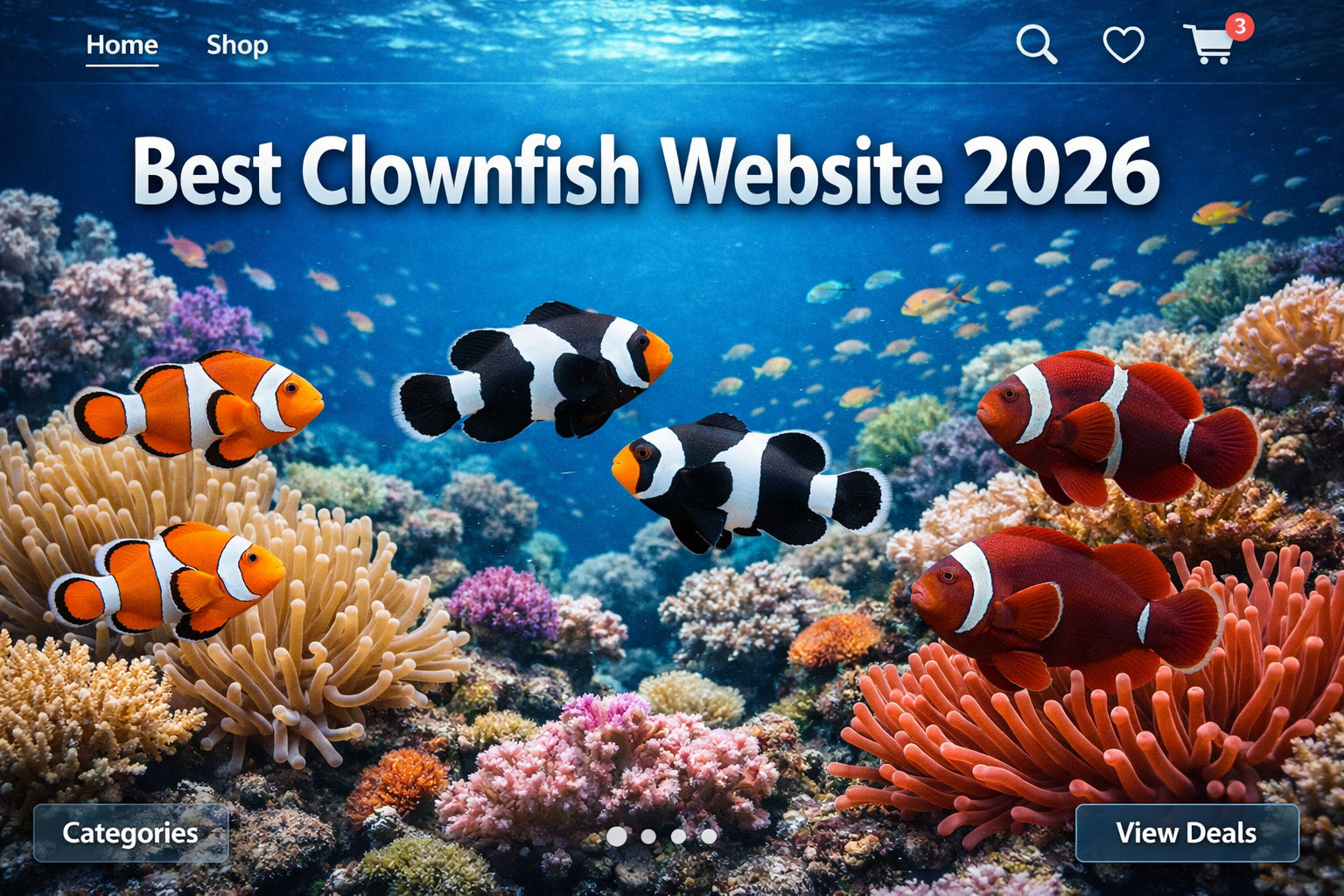
Picture this: you’re standing in front of your pristine saltwater aquarium, watching vibrant orange and white clownfish dance among swaying sea anemones, their playful antics bringing life to your underwater paradise. But before this dream becomes reality, you need to find the best clownfish website that offers healthy, quality fish with reliable shipping and expert support.
As a marine aquarium enthusiast for over a decade, I’ve learned that choosing the right online retailer can make the difference between thriving clownfish that live for years and disappointing experiences that leave you questioning the hobby altogether. The best clownfish website doesn’t just sell fish—it provides comprehensive care information, guarantees fish health, and supports you throughout your aquarium journey.
- Display 21 Products per page

Key Takeaways
• Quality and health guarantees are essential when selecting an online clownfish retailer, with reputable sites offering live arrival guarantees and quarantine protocols
• Species variety and captive-bred options ensure you can find the perfect clownfish for your tank while supporting sustainable aquaculture practices
• Proper shipping methods and timing are crucial for fish survival, with the best retailers using insulated boxes, heat/cold packs, and overnight delivery
• Expert support and educational resources help both beginners and experienced aquarists succeed with clownfish care, breeding, and tank management
• Designer morphs and rare varieties are increasingly available through specialized online retailers, offering unique color patterns and genetic variations
What Makes the Best Clownfish Website Stand Out
Quality Standards and Fish Health
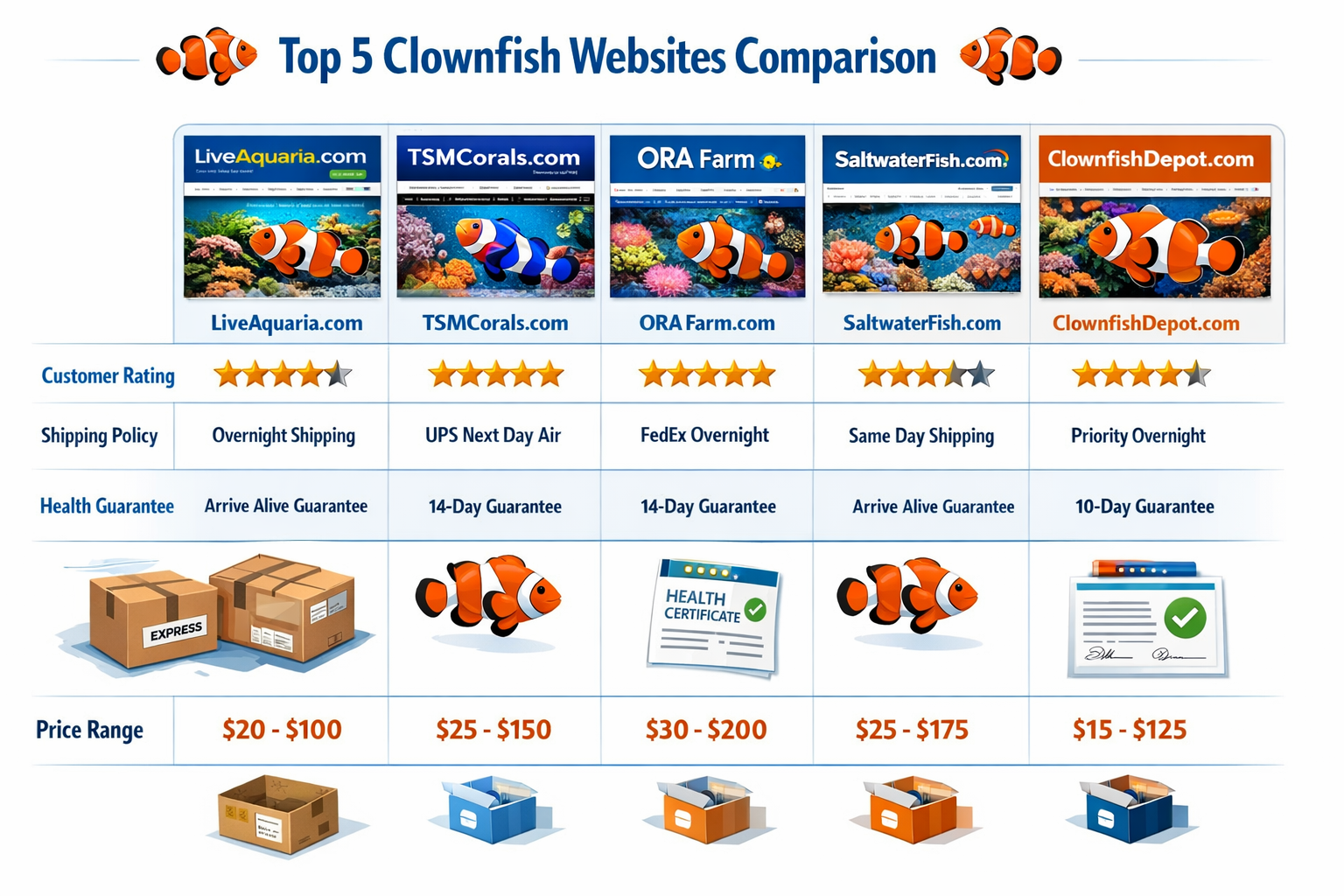
When searching for the best clownfish website, the most critical factor is the retailer’s commitment to fish health and quality. Top-tier online fish stores implement rigorous quarantine protocols, often holding fish for 14-30 days before shipping to ensure they’re disease-free and eating well.
The best retailers source their clownfish from reputable breeders or maintain their own breeding facilities. This approach ensures genetic diversity, reduces wild collection pressure, and provides fish that are already adapted to aquarium life. Look for websites that clearly state their fish sources and provide detailed health information for each species.
Essential quality indicators include:
- Live arrival guarantees (typically 24-48 hours)
- Detailed quarantine procedures
- Clear photos of actual fish (not stock images)
- Health certificates or veterinary oversight
- Transparent return and replacement policies
Shipping Excellence and Live Fish Transport
The journey from the retailer’s facility to your aquarium is perhaps the most stressful time in a clownfish’s life. The best clownfish website invests heavily in shipping infrastructure, using specialized packaging materials and proven transport methods.
Professional shipping typically includes:
- Insulated styrofoam boxes to maintain stable temperatures
- Oxygen-filled bags with proper water volume ratios
- Heat or cold packs based on seasonal weather conditions
- Overnight shipping to minimize transport stress
- Morning delivery to allow for proper acclimation
Many top retailers offer free shipping on orders over a certain amount, making it more economical to purchase multiple fish or supplies together. However, the focus should always be on shipping quality rather than cost savings.
Species Selection and Availability
A truly exceptional clownfish website offers a comprehensive selection of species and morphs to suit different aquarium setups and experience levels. From beginner-friendly ocellaris clownfish to rare designer morphs, the best retailers maintain diverse inventory throughout the year.
Popular clownfish species available online:
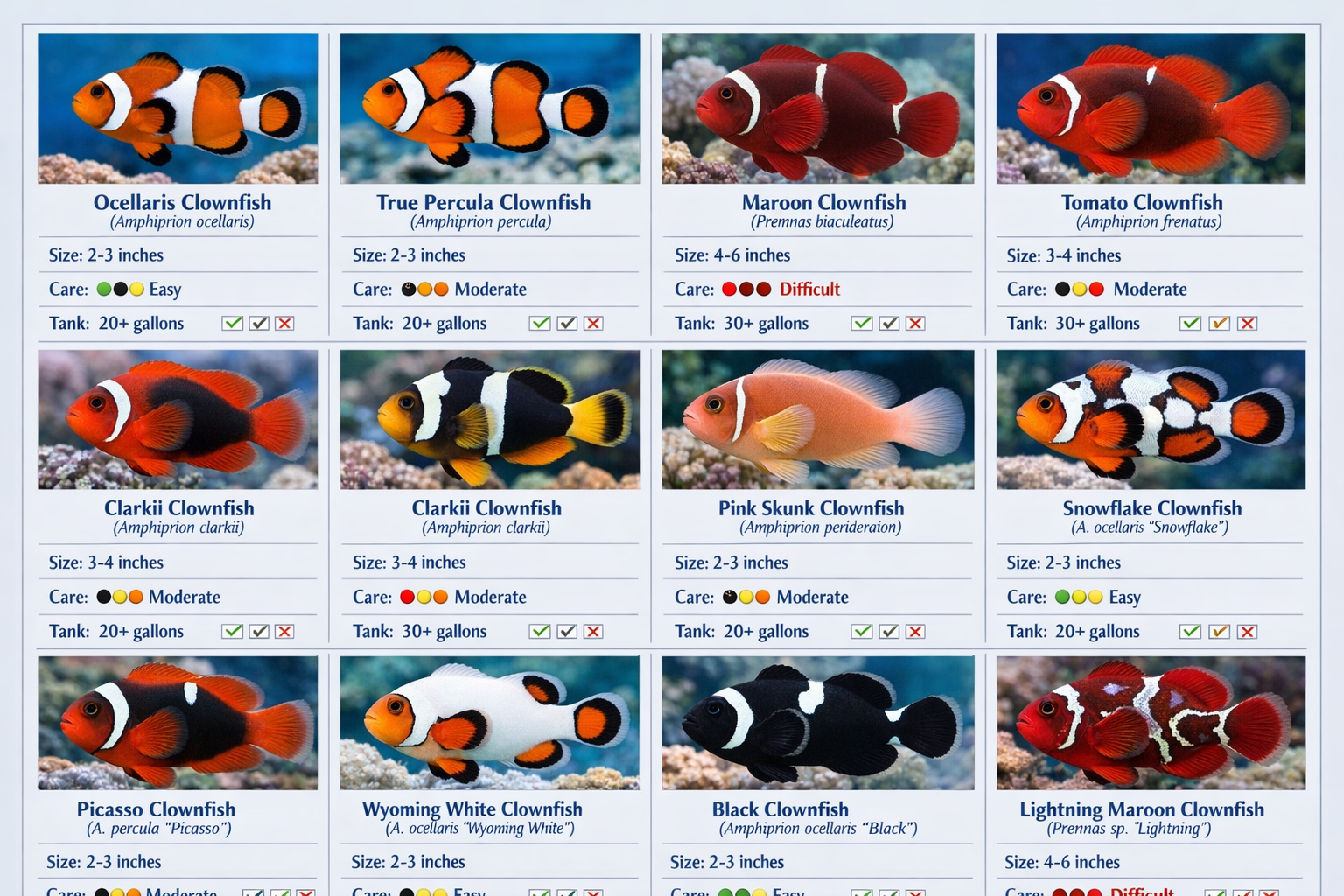
- Ocellaris Clownfish (Amphiprion ocellaris) – Perfect for beginners
- Percula Clownfish (Amphiprion percula) – Slightly more aggressive than ocellaris
- Maroon Clownfish (Premnas biaculeatus) – Largest clownfish species
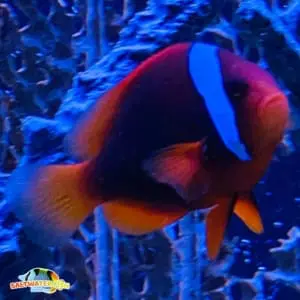
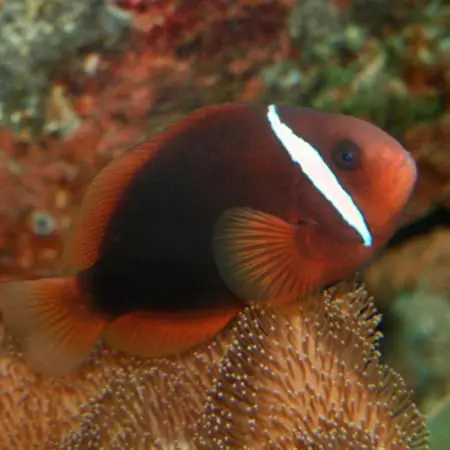
- Tomato Clownfish (Amphiprion frenatus) – Hardy and colorful
- Pink Skunk Clownfish (Amphiprion perideraion) – Peaceful and unique
The best saltwater fish website will also offer detailed species information, including adult size, temperament, care requirements, and compatibility with other fish and invertebrates.
Understanding Clownfish Species and Varieties
Common Clownfish Species for Aquariums
Clownfish belong to the subfamily Amphiprioninae, with over 30 species found in the wild. However, only about 10-15 species are commonly available in the aquarium trade. Each species has unique characteristics, care requirements, and compatibility considerations.
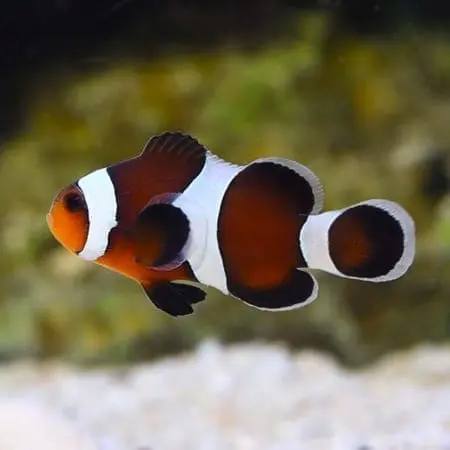
Ocellaris Clownfish (Amphiprion ocellaris)
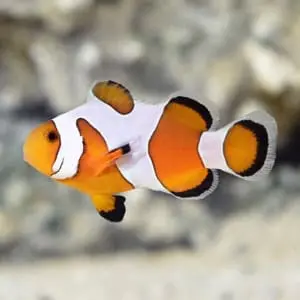
The most popular aquarium clownfish, ocellaris are peaceful, hardy, and readily accept prepared foods. They reach about 3 inches in length and are perfect for nano reef tanks or larger community aquariums. Their bright orange coloration with distinctive white bands makes them instantly recognizable.
Percula Clownfish (Amphiprion percula)
Often confused with ocellaris, true percula clownfish have thicker black borders around their white bands and slightly more aggressive personalities. They’re equally hardy but may be more territorial in smaller tanks.
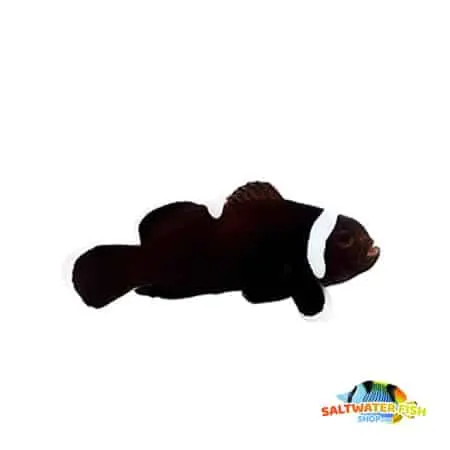
Maroon Clownfish (Premnas biaculeatus)
The largest clownfish species, maroons can reach 6 inches and are significantly more aggressive than their smaller cousins. They’re best suited for larger tanks with robust tank mates and are particularly stunning when paired with bubble tip anemones.
Understanding these differences helps you choose the right species for your specific aquarium setup and experience level. The saltwater fish store you choose should provide detailed species profiles to guide your decision.
Designer Morphs and Color Variations
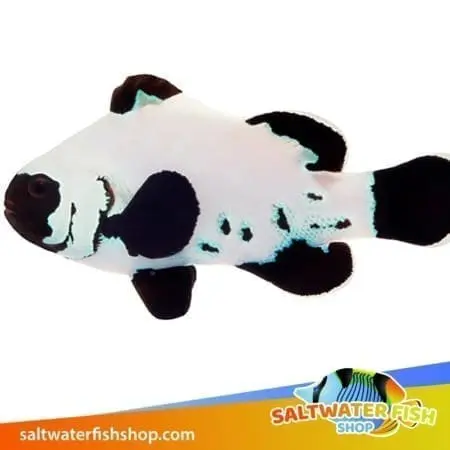
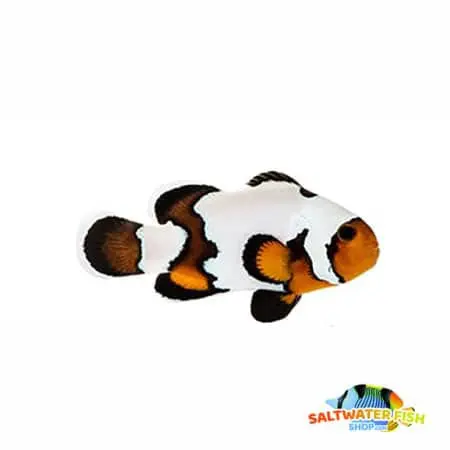
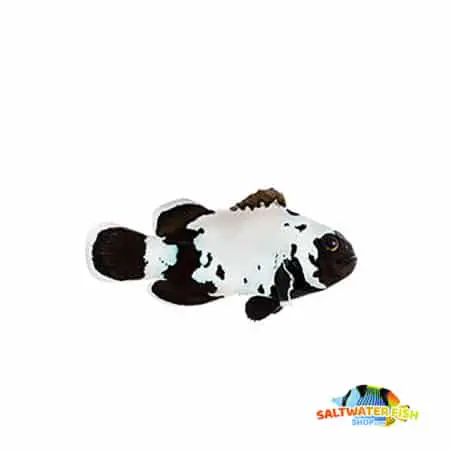
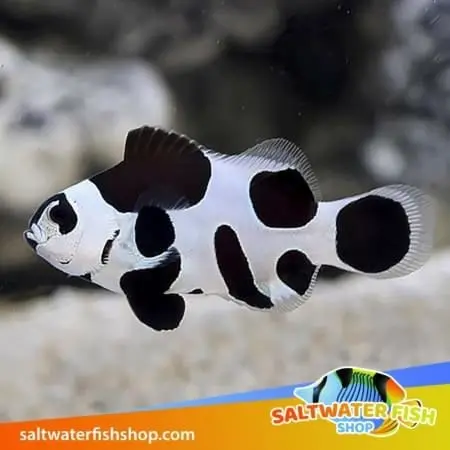
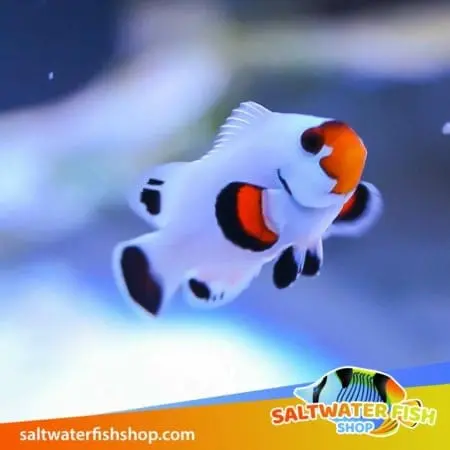
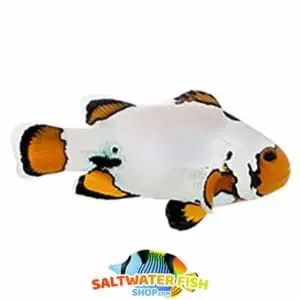
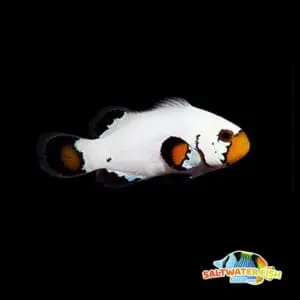
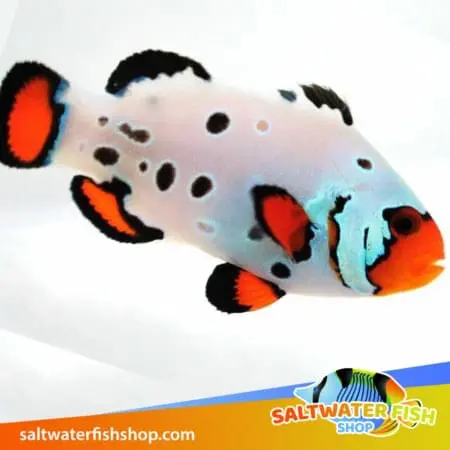
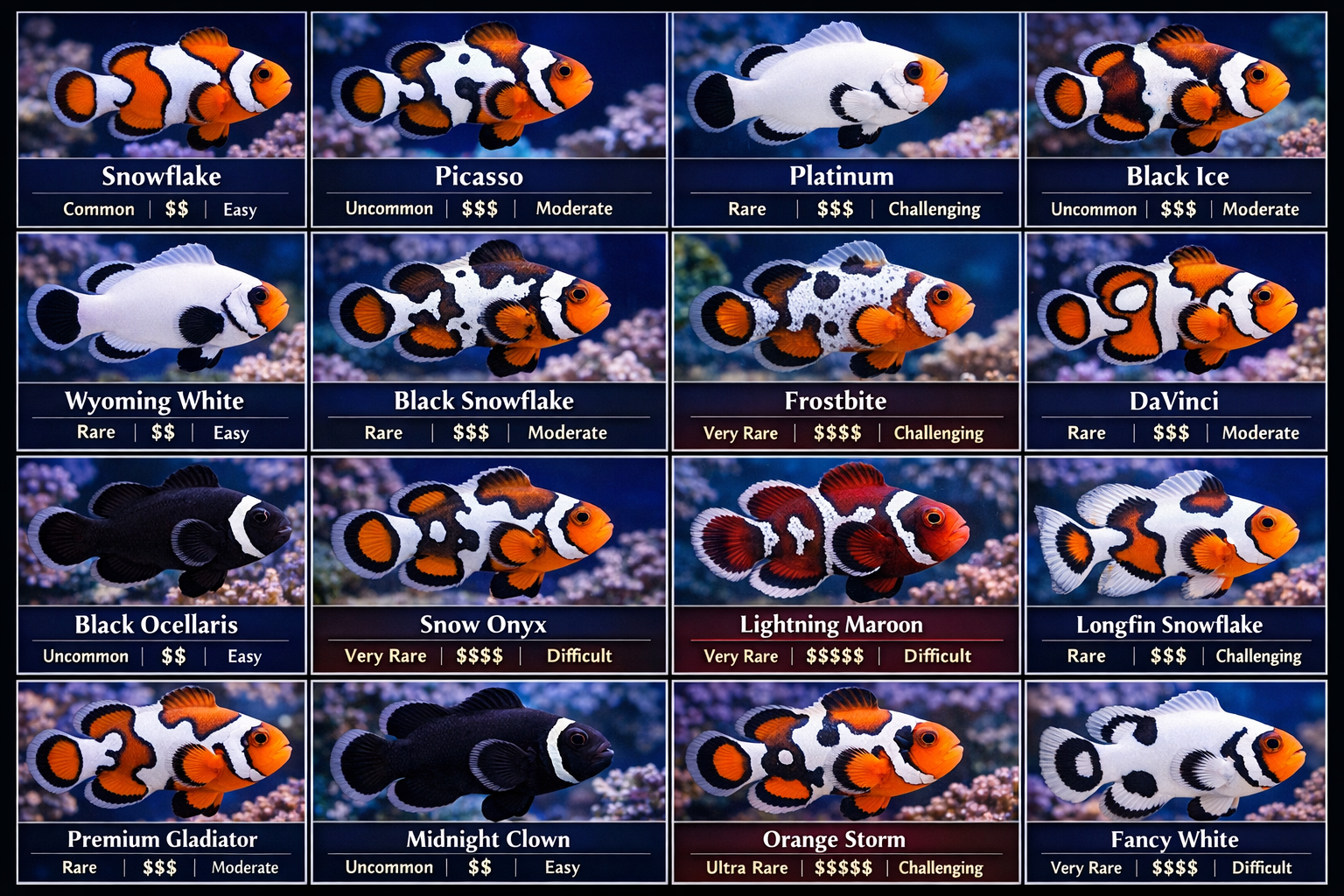
The aquaculture industry has developed numerous designer clownfish morphs through selective breeding, creating fish with unique color patterns and characteristics. These morphs command higher prices but offer truly spectacular additions to reef aquariums.
Popular Ocellaris Morphs:
- Snowflake Ocellaris – Extra white markings creating a “snowflake” pattern
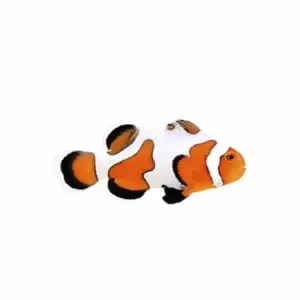
- Picasso Ocellaris – Irregular white markings resembling abstract art
- Platinum Ocellaris – Solid white or very pale orange coloration
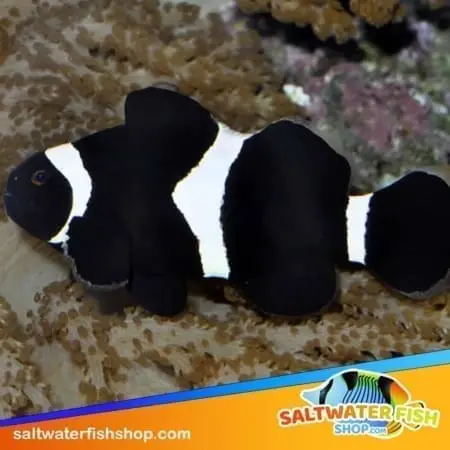
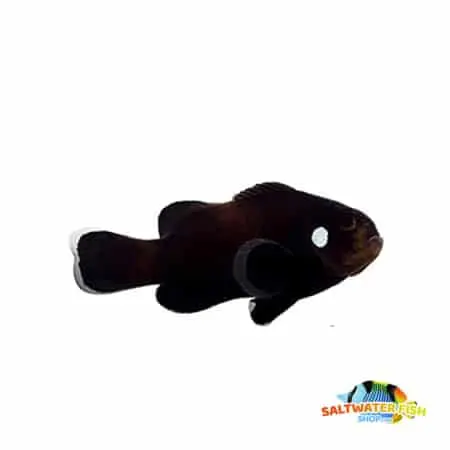
- Black Ocellaris – Deep black base color with orange highlights
- Wyoming White – Pure white with orange eyes
Maroon Clownfish Morphs:
- Lightning Maroon – Striking white striping pattern
- Gold Stripe Maroon – Yellow stripes instead of white
- White Stripe Maroon – Traditional pattern with enhanced contrast
These designer varieties often require specific breeding programs and can take years to develop stable genetic lines. The best clownfish website will clearly indicate whether morphs are F1, F2, or later generations, as this affects both price and genetic stability.
Clownfish Care and Tank Requirements
Essential Tank Setup for Clownfish
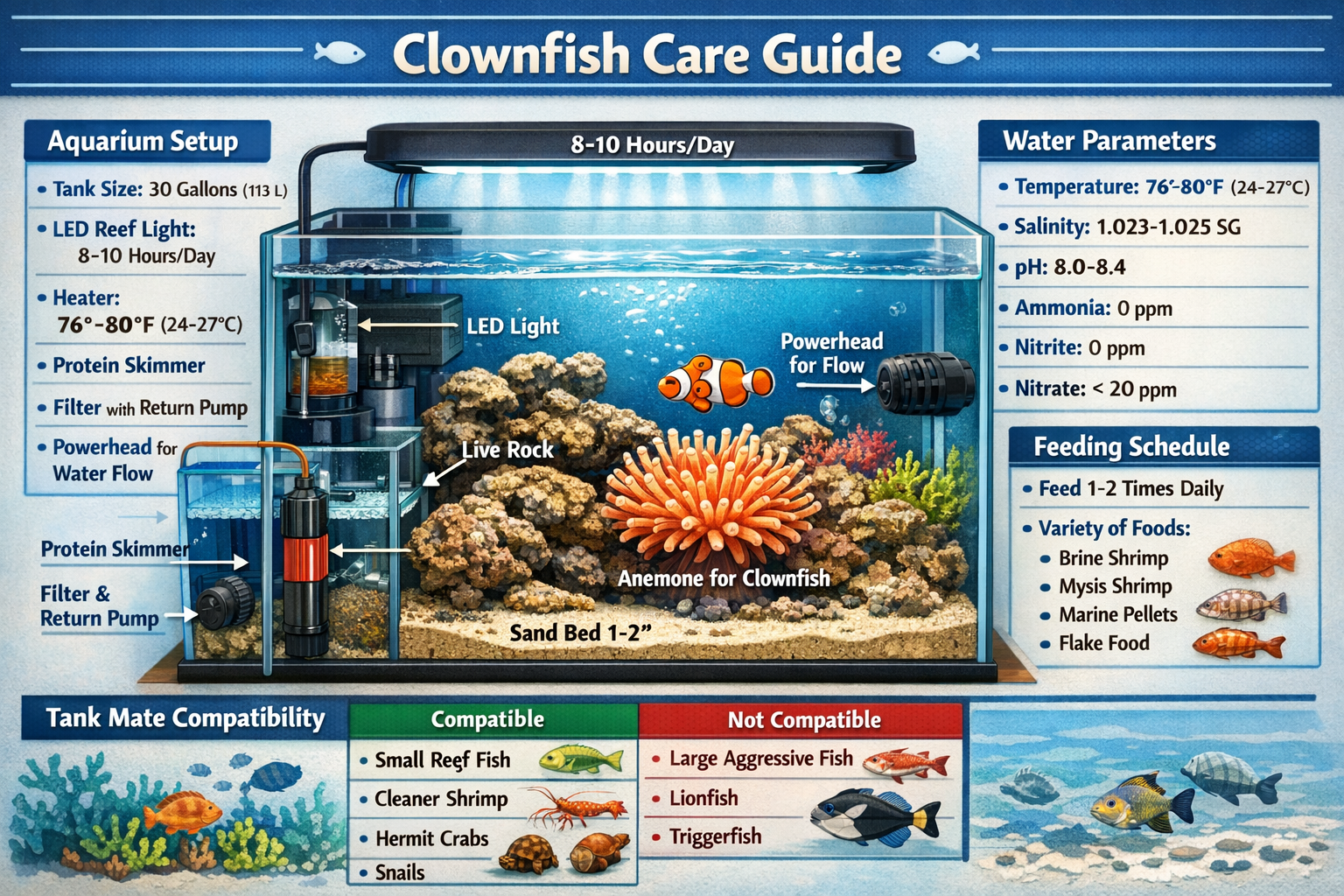
Creating the ideal environment for clownfish requires understanding their natural habitat and specific needs. While clownfish are generally hardy, proper tank setup significantly impacts their health, behavior, and longevity.
Minimum Tank Requirements:
- Tank Size: 20 gallons for a pair of small species (ocellaris/percula)
- Water Temperature: 76-82°F (24-28°C)
- Salinity: 1.020-1.025 specific gravity
- pH: 8.1-8.4
- Ammonia/Nitrite: 0 ppm
- Nitrate: <20 ppm
Filtration and Water Quality
Clownfish require excellent water quality, making robust filtration essential. A combination of mechanical, biological, and chemical filtration works best. Protein skimmers are highly recommended for tanks over 30 gallons, as they remove organic compounds before they break down into harmful substances.
Live Rock and Hiding Places
Provide plenty of live rock or artificial reef structures to create territories and hiding spots. Clownfish are naturally territorial and need secure areas where they can retreat when stressed. A good rule of thumb is 1-2 pounds of live rock per gallon of water.
Feeding and Nutrition
Proper nutrition is crucial for maintaining healthy, vibrant clownfish. In the wild, they’re omnivores that feed on algae, small crustaceans, and food scraps from their host anemones. Captive clownfish readily accept a variety of prepared and live foods.
Daily Diet Recommendations:
- High-quality marine flakes or pellets as the staple diet
- Frozen foods like mysis shrimp, brine shrimp, and bloodworms 2-3 times weekly
- Live foods occasionally for optimal health and breeding condition
- Vegetable matter such as nori or spirulina-based foods
Feed small amounts 2-3 times daily rather than one large feeding. Clownfish have small stomachs and benefit from frequent, smaller meals. Remove any uneaten food after 5 minutes to prevent water quality issues.
When purchasing from the best saltwater fish website, ask what foods the fish have been eating. Continuing the same diet initially reduces stress and helps with the transition to your aquarium.
Tank Mates and Compatibility
Clownfish are generally peaceful and compatible with a wide variety of marine fish and invertebrates. However, their specific temperament varies by species, and careful selection of tank mates ensures a harmonious community aquarium.
Excellent Tank Mates:
- Gobies – Peaceful bottom dwellers that occupy different territories
- Cardinalfish – Nocturnal fish that complement clownfish activity patterns
- Wrasses – Active swimmers that add movement without aggression
- Tangs – Larger fish that help with algae control
- Marine invertebrates – Cleaner shrimp, hermit crabs, and various corals
Avoid These Combinations:
- Large predatory fish that might eat clownfish
- Aggressive triggerfish or large angelfish
- Multiple clownfish species in small tanks (territorial conflicts)
- Fish that require different water parameters
The key to successful tank mate selection is understanding the adult size, temperament, and care requirements of all species involved. Research compatibility thoroughly before making purchases from any online fish shipping retailer.
Breeding Clownfish Successfully
Understanding Clownfish Reproduction
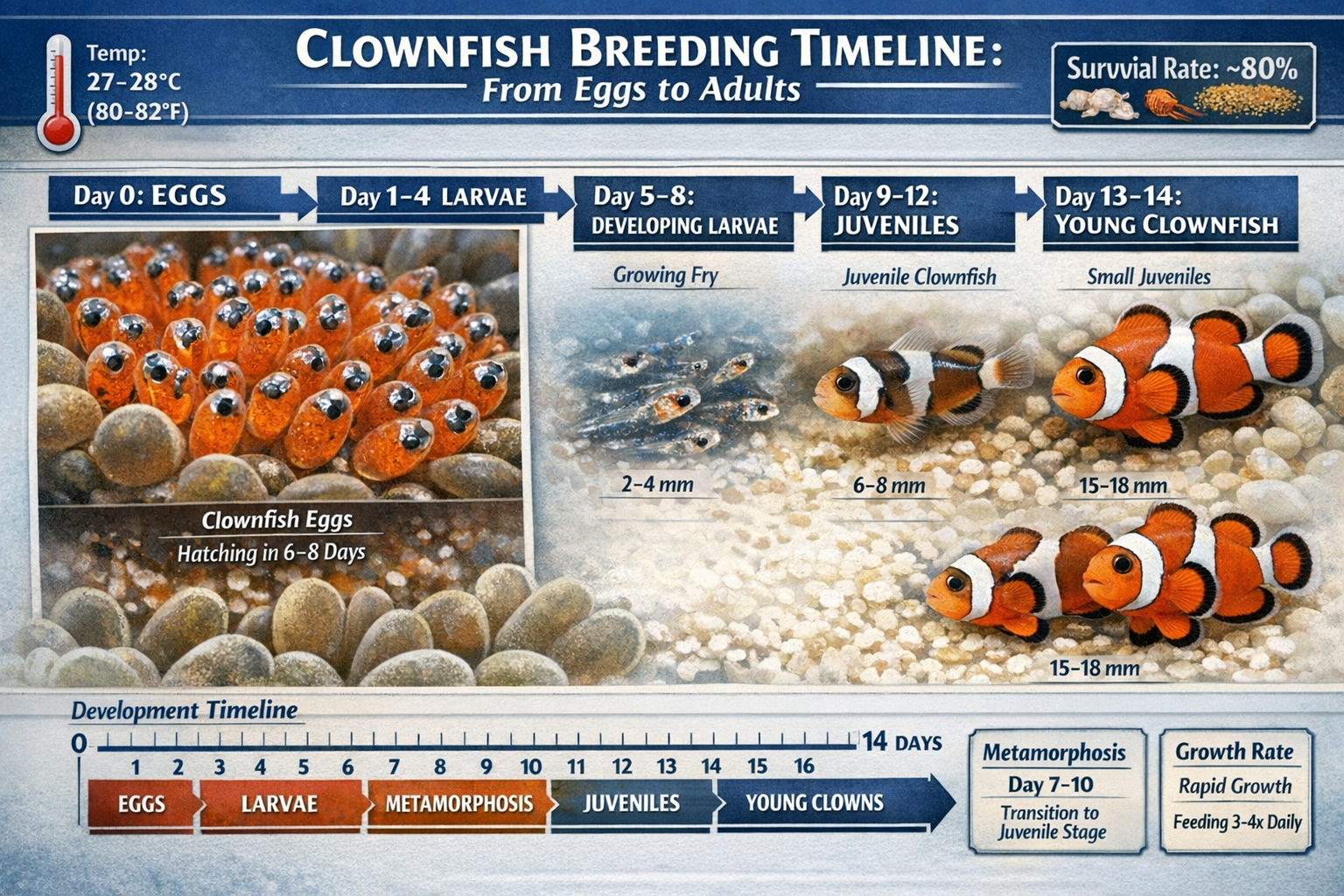
Clownfish breeding represents one of the most rewarding aspects of marine aquarium keeping. These fascinating fish exhibit unique reproductive behaviors, including sequential hermaphroditism, where all fish are born male and the dominant individual transforms into a female when needed.
Breeding Basics:
- Pair Formation: Clownfish form monogamous pairs with distinct size differences
- Spawning Cycle: Typically every 14-21 days during breeding season
- Egg Development: 6-11 days depending on temperature
- Larval Stage: 8-12 days before metamorphosis
Setting Up a Breeding Tank
Successful clownfish breeding requires a dedicated setup optimized for both adult fish comfort and larval survival. A 40-gallon breeder tank provides adequate space for a breeding pair while allowing easy access for maintenance and egg collection.
Essential breeding tank equipment includes:
- Gentle filtration to avoid sucking up larvae
- Stable lighting with timer controls for photoperiod management
- Breeding substrate like ceramic tiles or PVC pipes for egg laying
- Separate larval rearing system for post-hatching care
Raising Clownfish Fry
The larval stage represents the most challenging aspect of clownfish breeding. Newly hatched larvae are tiny (3-4mm) and require specialized foods and pristine water conditions to survive their first few weeks of life.
Larval Feeding Schedule:
- Days 1-3: Rotifers (Brachionus species) – 5-10 per ml
- Days 4-8: Enriched rotifers + newly hatched artemia nauplii
- Days 9-14: Artemia nauplii as primary food
- Days 15+: Transition to powdered prepared foods
Critical Success Factors:
- Water quality: Zero ammonia/nitrite with frequent water changes
- Food density: Maintain proper prey concentrations throughout the water column
- Lighting: 24-hour lighting for the first week to aid feeding
- Gentle water movement: Enough circulation without creating strong currents
Many successful breeders maintain cultures of live foods year-round to ensure consistent food availability. The best clownfish website often provides detailed breeding guides and may even sell breeding supplies and live food cultures.
Genetic Considerations and Line Breeding
As clownfish breeding has become more sophisticated, breeders focus on maintaining genetic diversity while developing specific traits. Understanding basic genetics helps both commercial breeders and hobbyists make informed breeding decisions.
Important Genetic Concepts:
- Inbreeding depression: Reduced fitness from excessive inbreeding
- Hybrid vigor: Increased fitness from outcrossing different lines
- Trait inheritance: How color patterns and other characteristics pass to offspring
- Line breeding: Selective breeding to enhance specific traits
When purchasing breeding stock from the best clownfish website, inquire about the genetic background of your fish. Reputable breeders maintain detailed records and can provide information about lineage and genetic diversity.
Interactive Clownfish Species Comparison
Compare different clownfish species by care level, size, and price range
Selecting the Best Clownfish Website for Your Needs
Evaluating Online Retailers
With numerous online retailers competing for your business, selecting the best clownfish website requires careful evaluation of multiple factors beyond just price. The most successful aquarists prioritize quality, service, and long-term support over short-term savings.
Key Evaluation Criteria:
Reputation and Reviews
Research customer feedback across multiple platforms, including aquarium forums, social media, and review websites. Look for consistent patterns in reviews, paying particular attention to shipping success rates, fish health upon arrival, and customer service responsiveness.
Livestock Quality Standards
The best retailers maintain strict quality control measures, including quarantine protocols, health screening, and proper nutrition programs. Ask about their fish sources, whether they breed their own stock, and what health guarantees they provide.
Educational Resources
Top-tier websites provide comprehensive care guides, species information, and ongoing support. Look for retailers that offer detailed product descriptions, care sheets, and access to expert advice through phone or email support.
Shipping and Packaging
Examine shipping policies carefully, including weather restrictions, packaging methods, and delivery guarantees. The best website to buy saltwater fish will have detailed shipping information and may even provide tracking with temperature monitoring.
Pricing and Value Considerations
While price shouldn’t be the primary factor when selecting a clownfish retailer, understanding pricing structures helps you make informed decisions and budget appropriately for your aquarium purchases.
Factors Affecting Clownfish Prices:
- Species rarity – Common species vs. designer morphs
- Breeding difficulty – Easy to breed vs. challenging varieties
- Size and age – Juvenile vs. adult specimens
- Captive-bred vs. wild-caught – Sustainability and adaptation differences
- Seasonal availability – Supply and demand fluctuations
Hidden Costs to Consider:
- Shipping fees and insurance
- Quarantine tank setup if needed
- Specialized foods for new arrivals
- Water testing and conditioning supplies
- Emergency veterinary care if problems arise
Many retailers offer package deals or bulk discounts that can provide significant savings when setting up new tanks or adding multiple fish. However, ensure you’re not compromising on quality for the sake of lower prices.
Customer Service and Support
Exceptional customer service distinguishes the best clownfish website from mediocre competitors. Quality retailers understand that successful customers become long-term clients and advocates for their business.
Service Excellence Indicators:
- Knowledgeable staff who can answer species-specific questions
- Responsive communication via phone, email, or live chat
- Flexible policies for weather delays or shipping issues
- Post-sale support including acclimation guidance
- Problem resolution with fair and prompt solutions
The relationship with your chosen retailer should extend beyond the initial purchase. The best retailers provide ongoing support, helping you troubleshoot problems, plan tank additions, and expand your aquarium knowledge over time.
When researching potential retailers, test their customer service by asking detailed questions about specific species or care requirements. The quality of their responses will give you insight into their expertise and commitment to customer success.
Advanced Clownfish Topics and Considerations
Anemone Relationships and Symbiosis
One of the most fascinating aspects of clownfish biology is their symbiotic relationship with sea anemones. While captive clownfish don’t require anemones to thrive, providing these natural hosts can enhance their behavior and create stunning display opportunities.
Compatible Anemone Species:
- Bubble Tip Anemone (Entacmaea quadricolor) – Most adaptable to aquarium conditions
- Magnificent Anemone (Heteractis magnifica) – Large and impressive but challenging
- Carpet Anemone (Stichodactyla species) – Beautiful but potentially dangerous to other fish
- Sebae Anemone (Heteractis crispa) – Moderate care requirements
Anemone Care Requirements:
Anemones are significantly more demanding than clownfish, requiring intense lighting, excellent water quality, and specific feeding regimes. They’re essentially marine invertebrates that contain photosynthetic algae (zooxanthellae) and need both light and supplemental feeding to thrive.
Before adding anemones to your clownfish tank, ensure you can meet their long-term care requirements. A dying anemone can quickly poison an entire aquarium, making proper research and preparation essential.
Disease Prevention and Treatment
Maintaining healthy clownfish requires understanding common diseases and implementing preventive measures. While captive-bred clownfish are generally hardy, they can still succumb to various ailments if proper care isn’t maintained.
Common Clownfish Diseases:
Marine Ich (Cryptocaryon irritans)
The most common marine fish disease, ich appears as white spots on the fish’s body and fins. Treatment requires either copper-based medications or hyposalinity treatment in a quarantine tank.
Marine Velvet (Amyloodinium ocellatum)
More dangerous than ich, velvet appears as a golden dust covering the fish. It progresses rapidly and requires immediate treatment with copper medications.
Bacterial Infections
Often secondary to stress or poor water quality, bacterial infections can cause fin rot, body lesions, or internal problems. Treatment typically involves antibiotics and addressing underlying water quality issues.
Prevention Strategies:
- Quarantine all new fish for 2-4 weeks before adding to display tanks
- Maintain excellent water quality with regular testing and water changes
- Avoid overstocking and provide adequate territory for each fish
- Feed high-quality foods to support immune system function
- Monitor fish behavior daily for early disease detection
Breeding for Profit and Conservation
As the marine aquarium hobby continues growing, captive breeding plays an increasingly important role in reducing pressure on wild populations while providing sustainable livestock sources.
Commercial Breeding Considerations:
Successful clownfish breeding operations require significant investment in equipment, space, and expertise. However, the growing demand for captive-bred fish creates opportunities for dedicated hobbyists to develop small-scale breeding programs.
Equipment Requirements:
- Multiple breeding tanks with proper filtration
- Larval rearing systems with precise environmental control
- Live food culture systems for rotifers and artemia
- Water quality testing and monitoring equipment
- Backup systems for power failures and emergencies
Market Opportunities:
Designer morphs and rare species command premium prices, but they also require greater expertise and investment. Beginning breeders often start with common species like ocellaris clownfish before progressing to more challenging varieties.
The best clownfish website often sources fish from small-scale breeders, creating potential partnerships for successful hobbyist breeders. Building relationships with reputable retailers can provide steady markets for quality captive-bred fish.
Future Trends in Clownfish Keeping and Breeding
Genetic Advances and New Morphs
The clownfish breeding industry continues evolving rapidly, with new genetic discoveries leading to exciting morph developments. Advanced breeding techniques and genetic understanding enable breeders to create increasingly spectacular varieties.
Emerging Trends:
- Multi-generational line breeding for enhanced traits
- Hybridization between compatible species
- Genetic marker identification for specific traits
- Cryopreservation of genetic material for future breeding
Sustainability Focus
Environmental awareness drives increasing demand for captive-bred fish over wild-caught specimens. This trend benefits both marine ecosystems and aquarists, as captive-bred fish are typically hardier and better adapted to aquarium life.
Technology Integration
Modern aquarium technology increasingly supports clownfish keeping through automated systems, remote monitoring, and precision control equipment.
Technological Innovations:
- Automated feeding systems with programmable schedules
- Remote water quality monitoring via smartphone apps
- LED lighting systems with customizable spectrums
- Precision temperature control with backup systems
- Automated water change systems for consistent water quality
These advances make successful clownfish keeping more accessible to beginners while enabling experienced aquarists to maintain larger, more complex systems with less daily maintenance.
Market Evolution
The online aquarium retail market continues expanding, with specialized retailers focusing on specific niches like clownfish breeding and designer morphs. This specialization benefits consumers through improved expertise, better livestock quality, and enhanced customer service.
Market Trends:
- Increased specialization in specific species or morphs
- Direct breeder-to-consumer sales relationships
- Enhanced shipping technology for improved survival rates
- Educational content integration with retail websites
- Community building through forums and social media
The saltwater fish store landscape will likely continue evolving toward greater specialization and customer service excellence, benefiting serious aquarists seeking the highest quality livestock and support.
Conclusion
Finding the best clownfish website requires careful consideration of multiple factors, from fish quality and shipping methods to customer service and ongoing support. The most successful clownfish keepers prioritize retailers that demonstrate expertise, maintain high standards, and provide comprehensive support throughout the aquarium journey.
Whether you’re a beginner starting your first marine aquarium or an experienced aquarist seeking rare designer morphs, the right online retailer makes all the difference in your success. Focus on retailers that offer healthy, quarantined fish, reliable shipping methods, and knowledgeable customer support rather than simply seeking the lowest prices.
Your Next Steps:
- Research potential retailers thoroughly, reading reviews and checking their reputation in aquarium communities
- Contact customer service with specific questions to evaluate their expertise and responsiveness
- Start with common species if you’re new to marine aquariums before progressing to more challenging varieties
- Invest in proper equipment including quarantine tanks, quality filtration, and reliable heating systems
- Build relationships with your chosen retailers for ongoing support and advice
Remember that successful clownfish keeping is a long-term commitment requiring ongoing learning and adaptation. The best clownfish website will support you throughout this journey, helping you create and maintain the thriving marine aquarium you’ve always envisioned. By choosing quality over convenience and building relationships with knowledgeable retailers, you’ll enjoy years of success with these remarkable fish while contributing to sustainable aquaculture practices that protect wild marine ecosystems.
The vibrant world of clownfish keeping offers endless opportunities for learning, creativity, and enjoyment. With the right retailer partnership and commitment to proper care, your clownfish will provide years of entertainment while serving as ambassadors for marine conservation in your own home.
References
[1] Fautin, D. G., & Allen, G. R. (1992). Field Guide to Anemone Fishes and Their Host Sea Anemones. Western Australian Museum.
[2] Wilkerson, J. D. (2001). Clownfishes: A Guide to Their Captive Care, Breeding & Natural History. Microcosm Ltd.
[3] Olivotto, I., Planas, M., Simões, N., Holt, G. J., Avella, M. A., & Calado, R. (2011). Advances in breeding and rearing marine ornamentals. Journal of the World Aquaculture Society, 42(2), 135-166.
[4] Rhyne, A. L., Tlusty, M. F., Schofield, P. J., Kaufman, L., Morris Jr, J. A., & Bruckner, A. W. (2012). Revealing the appetite of the marine aquarium fish trade: the volume and biodiversity of fish imported into the United States. PLoS One, 7(5), e35808.
[5] Calado, R., Olivotto, I., Oliver, M. P., & Holt, G. J. (Eds.). (2017). Marine ornamental species aquaculture. John Wiley & Sons.