
Finding the Best Clownfish Breeder: Your Complete Guide to Quality Marine Fish in 2026 🐠
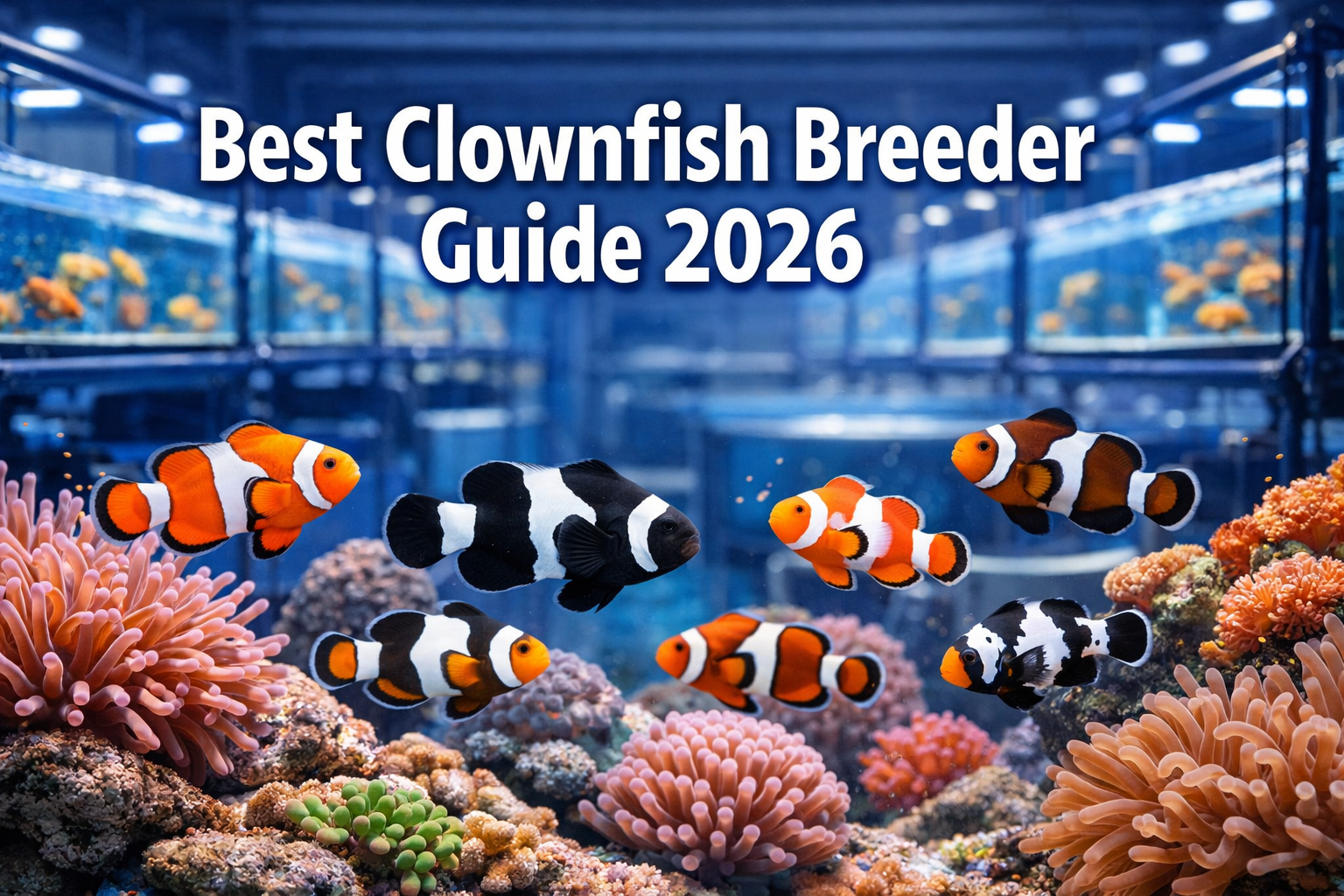
Picture this: you’re standing in front of your pristine saltwater aquarium, watching a pair of vibrant clownfish dance gracefully among the swaying tentacles of their host anemone. The mesmerizing orange and white stripes catch the LED lighting perfectly, creating a living masterpiece in your home. But here’s the thing – the quality of this magical moment depends entirely on choosing the best clownfish breeder for your aquatic investment. As someone who has spent years in the marine aquarium hobby, I can tell you that the difference between a reputable breeder and a questionable source can make or break your entire reef tank experience.
- Display 21 Products per page

Key Takeaways
• Quality breeding matters: The best clownfish breeders focus on genetic diversity, disease prevention, and proper conditioning to ensure healthy, long-lived fish
• Captive-bred advantages: Tank-raised clownfish adapt better to aquarium life, are more disease-resistant, and help protect wild reef populations
• Species variety: Top breeders offer extensive selections including classic ocellaris, designer morphs, and rare species like maroon and tomato clownfish
• Health guarantees: Reputable breeders provide health certifications, quarantine protocols, and customer support for successful fish transitions
• Breeding expertise: The best facilities combine scientific knowledge with practical experience to produce superior fish with excellent coloration and temperament
Understanding What Makes the Best Clownfish Breeder
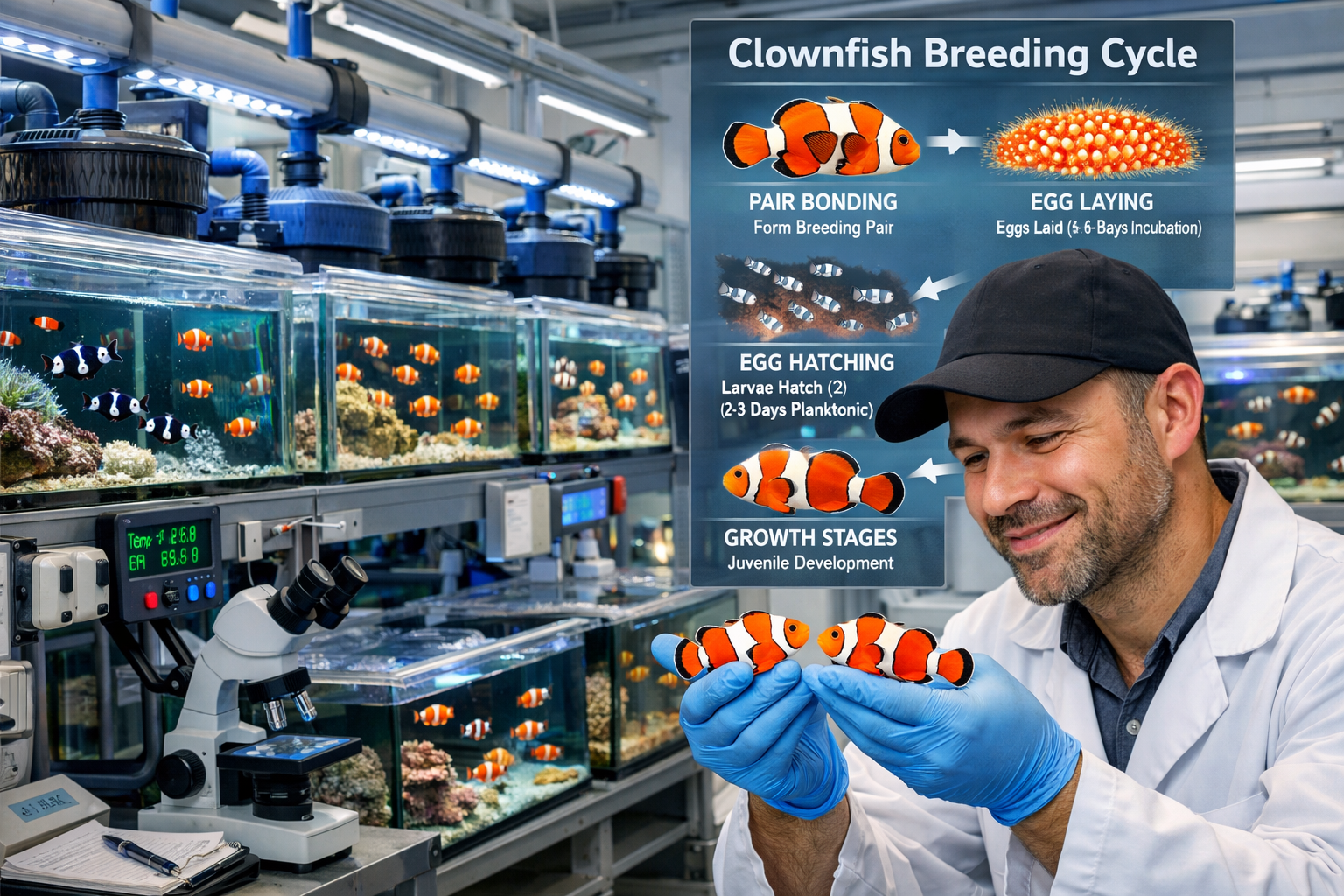
When searching for the best clownfish breeder, you’re not just looking for someone who can produce fish – you’re seeking a partner in your marine aquarium journey. The top-tier breeders combine scientific expertise with genuine passion for marine life, creating an environment where clownfish thrive from egg to adult.
The Science Behind Professional Clownfish Breeding
Professional clownfish breeding is far more complex than many people realize. The best clownfish breeder operations maintain precise water parameters, with temperature controlled to within 0.5 degrees Fahrenheit and salinity levels monitored continuously. These facilities typically maintain pH levels between 8.1-8.4, alkalinity at 8-12 dKH, and calcium levels around 400-450 ppm [1].
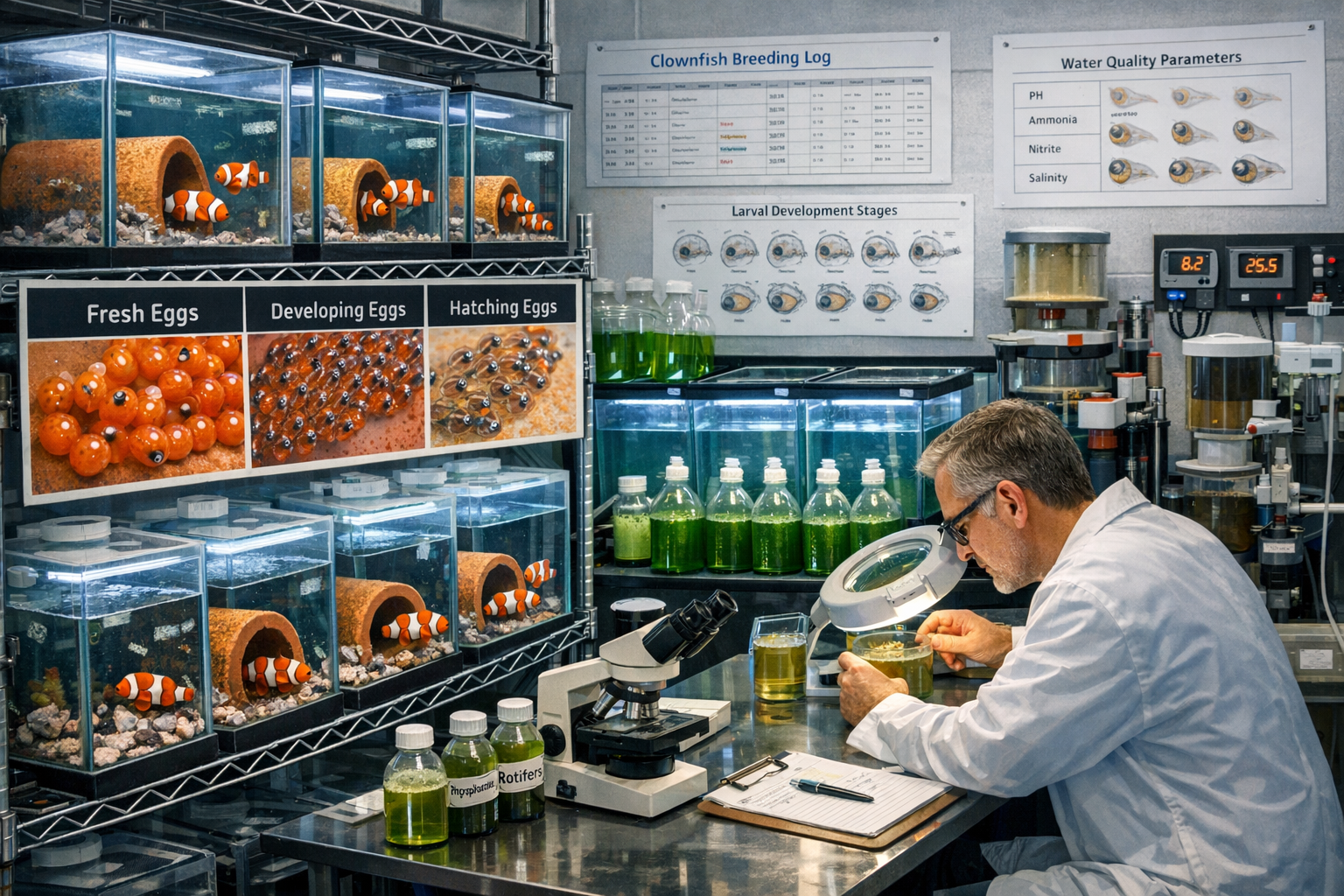
The breeding process itself requires incredible attention to detail. Female clownfish can lay anywhere from 100 to 1,000 eggs depending on the species, and these eggs must be carefully monitored for 6-11 days until they hatch. During this critical period, the best breeders maintain optimal water flow, lighting conditions, and protection from potential threats.
Genetic Diversity and Line Management
One hallmark of the best clownfish breeder is their commitment to maintaining genetic diversity within their breeding lines. This involves careful record-keeping of breeding pairs, rotating stock regularly, and occasionally introducing new genetic material to prevent inbreeding depression.
Top breeders maintain detailed genealogical records for each fish, tracking traits like:
- Coloration intensity and pattern consistency
- Growth rates and adult size potential
- Disease resistance and overall hardiness
- Behavioral characteristics and temperament
- Reproductive success rates
This scientific approach ensures that the clownfish you purchase will display the vibrant colors and robust health that make them such beloved aquarium inhabitants.
Facility Standards and Equipment
The infrastructure behind the best clownfish breeder operations is impressive. These facilities typically feature:
Water Treatment Systems: Advanced reverse osmosis systems, UV sterilizers, and ozone generators ensure pristine water quality. Many top breeders process thousands of gallons of water daily, maintaining multiple isolated systems to prevent disease transmission.
Climate Control: Sophisticated heating, cooling, and humidity control systems maintain optimal conditions year-round. This is crucial because even small temperature fluctuations can stress breeding pairs and affect egg development.
Filtration Technology: Professional-grade biological, mechanical, and chemical filtration systems, often including protein skimmers, refugiums, and automated dosing systems for maintaining water chemistry.
Backup Systems: The best facilities have redundant systems for power, heating, and filtration to protect their valuable breeding stock during emergencies.
When you’re evaluating potential sources for your clownfish, consider visiting saltwater fish stores that work directly with these professional breeding facilities to ensure you’re getting the highest quality fish available.
Top Clownfish Species and Morphs from the Best Clownfish Breeder Facilities
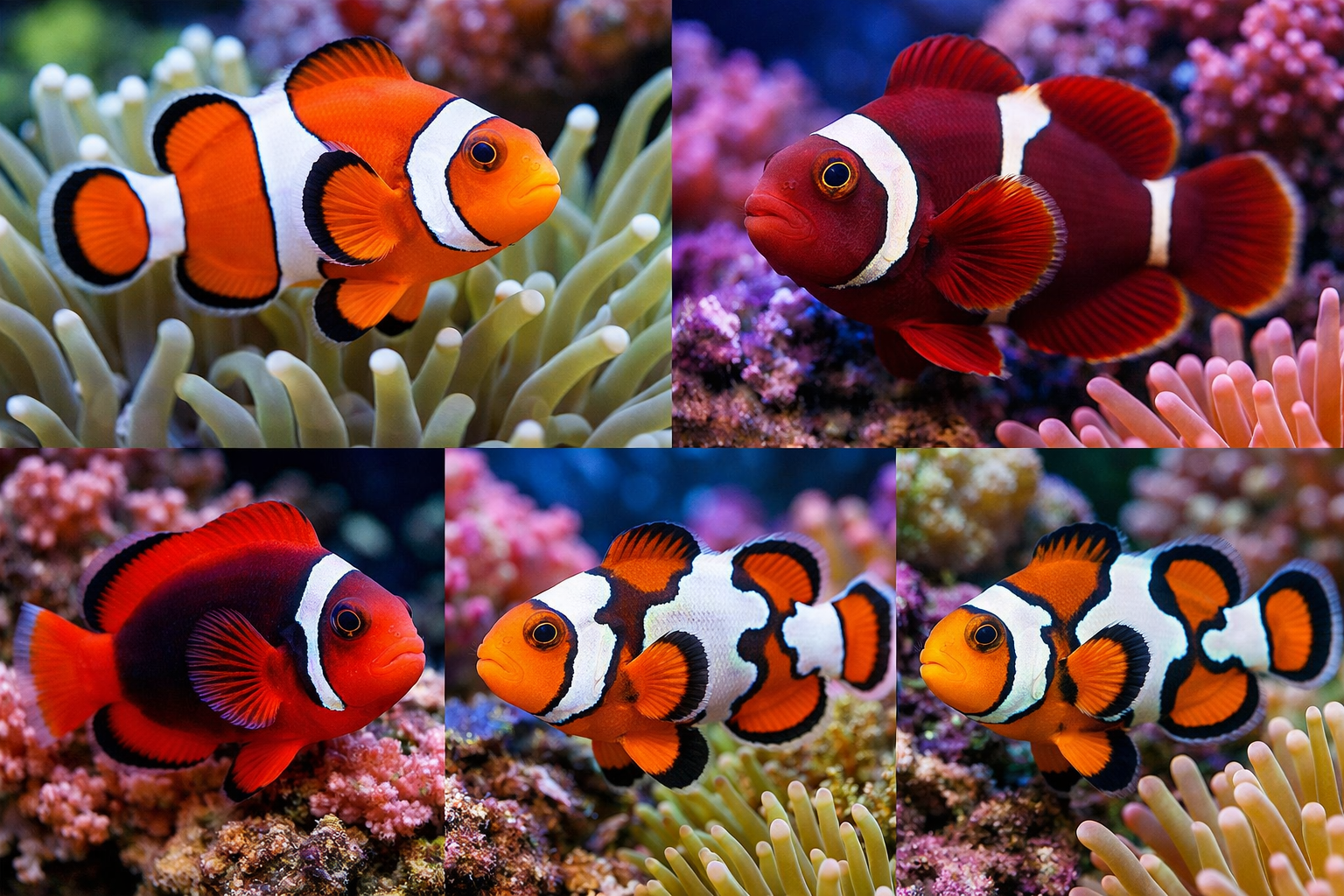
The diversity of clownfish available from top breeding facilities in 2026 is absolutely stunning. The best clownfish breeder operations have expanded far beyond the classic orange and white ocellaris clownfish that most people recognize from popular movies.
Classic Species: The Foundation of Quality Breeding
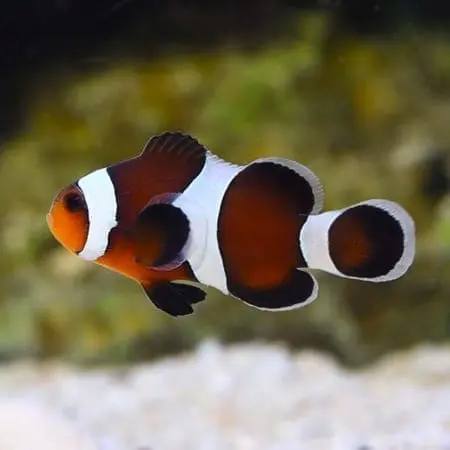
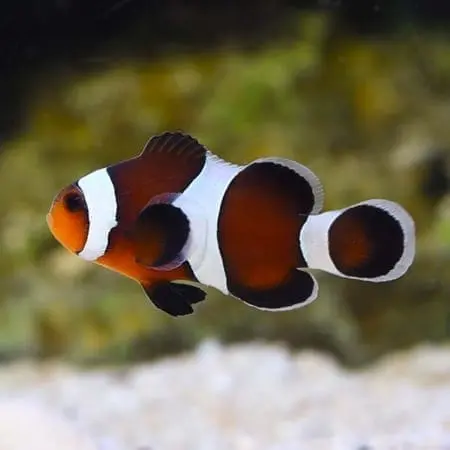
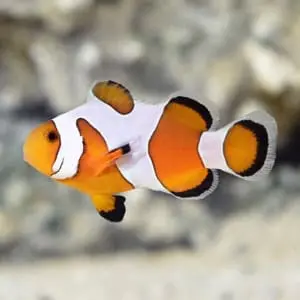
Ocellaris Clownfish (Amphiprion ocellaris): Often called the “true percula,” these remain the most popular choice for both beginners and experienced aquarists. The best breeders produce ocellaris with exceptional color saturation and perfectly defined black borders around their white bands. Adult size typically reaches 3-4 inches, making them perfect for most home aquariums.
Percula Clownfish (Amphiprion percula): Slightly smaller than ocellaris, true percula clownfish are distinguished by their thicker black borders and more vibrant orange coloration. Top breeders often charge premium prices for these fish due to their striking appearance and slightly more challenging breeding requirements.
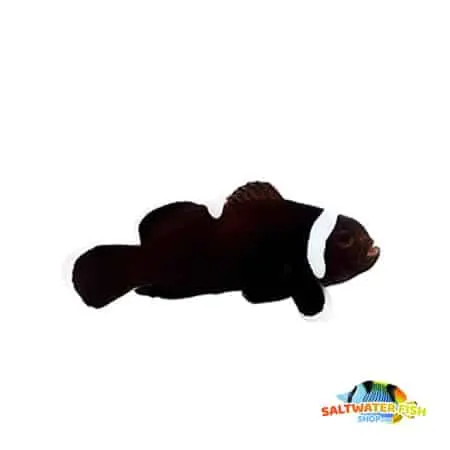
Maroon Clownfish (Premnas biaculeatus): The largest clownfish species, maroons can reach 6 inches in length. The best clownfish breeder facilities produce maroons with deep red coloration and bright white or gold stripes. These fish require larger tanks but make impressive centerpiece specimens.
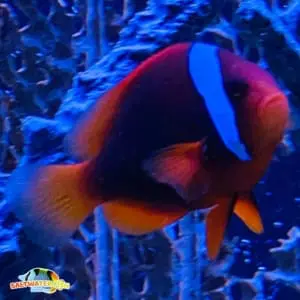
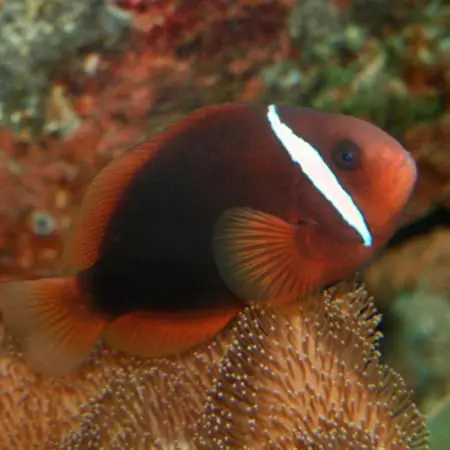
Tomato Clownfish (Amphiprion frenatus): Known for their solid orange-red coloration with a single white band behind the head, tomato clownfish are hardy and relatively easy to keep. Quality breeders focus on producing specimens with intense coloration and good body proportions.
Designer Morphs: The Art of Selective Breeding
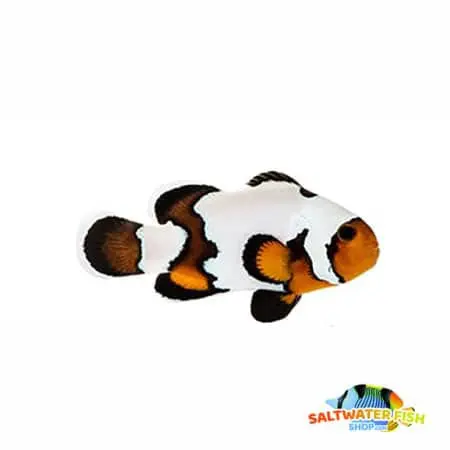
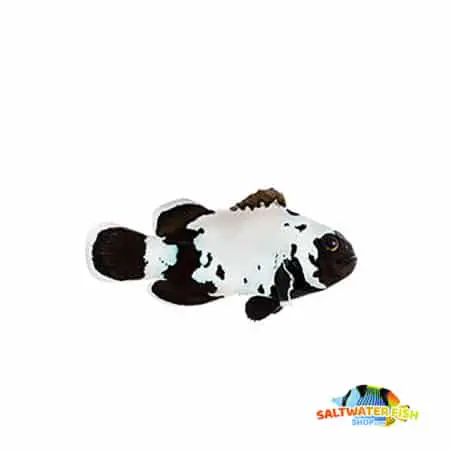
The development of designer clownfish morphs represents some of the most exciting work being done by the best clownfish breeder operations today. These unique varieties command premium prices but offer aquarists the opportunity to own truly spectacular fish.
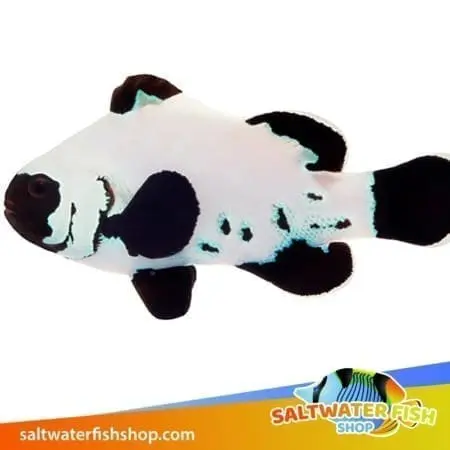
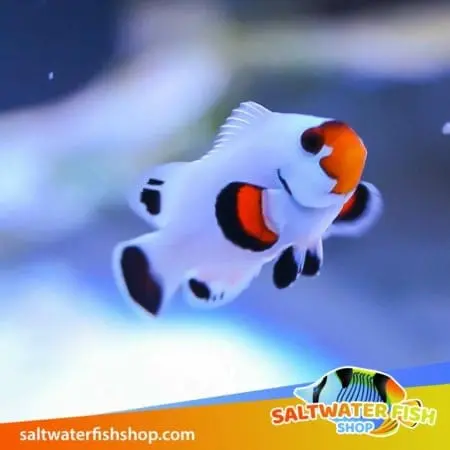
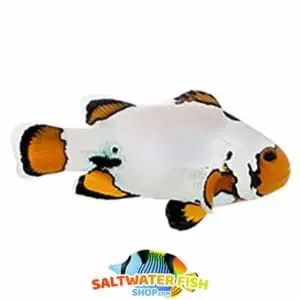
Snowflake Ocellaris: These stunning fish feature irregular white patterns that extend beyond the normal stripe boundaries, creating a “snowflake” effect. The best breeders can produce fish with 30-50% white coverage while maintaining the classic orange base color.
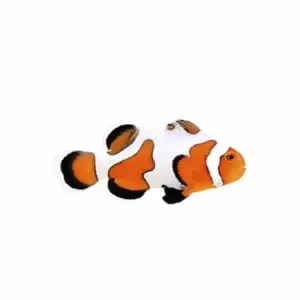
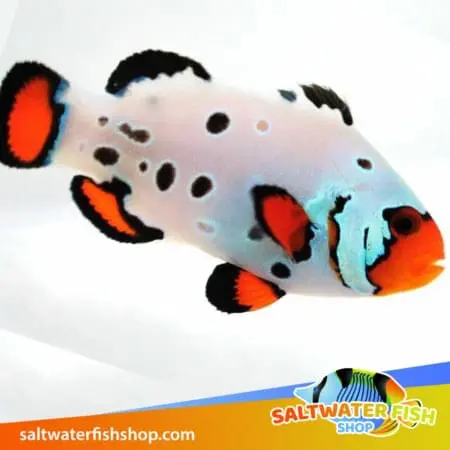
Picasso Ocellaris: Named for the famous artist, these fish display abstract white patterns that vary dramatically between individuals. Top-quality Picasso clownfish from the best breeders can sell for $200-500 depending on the uniqueness of their pattern.
Lightning Maroon: Perhaps the most sought-after designer clownfish, lightning maroons feature intricate white patterns that branch and fork like lightning bolts. The best clownfish breeder facilities guard their lightning maroon breeding stock carefully, as these fish can sell for thousands of dollars.
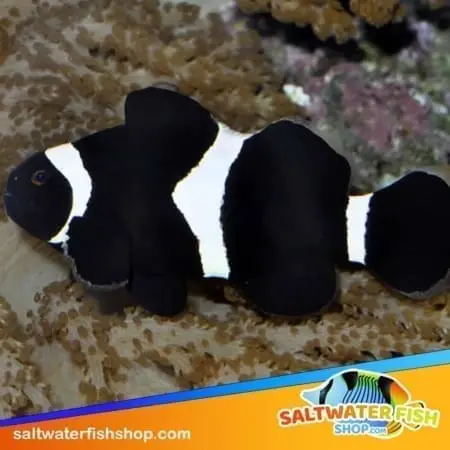
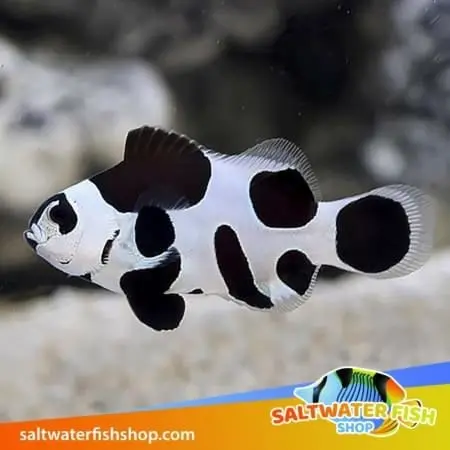
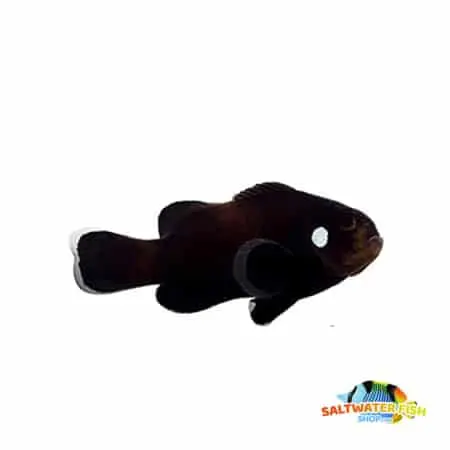
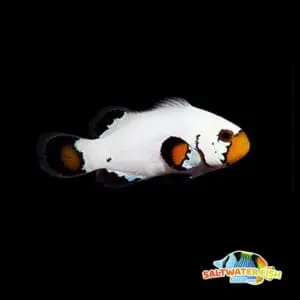
Black Ice Ocellaris: These dramatic fish combine jet-black coloration with bright white stripes, creating a striking contrast. Quality breeding has made these once-rare fish more available, though they still command premium prices.
Davinci Ocellaris: Featuring extended white coloration that often connects the normal stripes, Davinci clownfish create beautiful flowing patterns. The best breeders focus on producing fish with balanced patterns that don’t overwhelm the orange base color.
Rare and Specialty Species
Beyond the common species, the best clownfish breeder facilities often work with rare and challenging species that appeal to advanced aquarists:
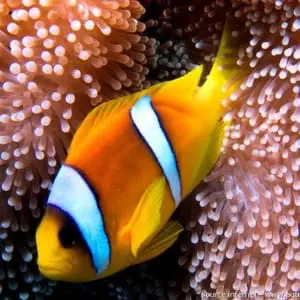
Clarkii Clownfish (Amphiprion clarkii): These adaptable fish can host with more anemone species than any other clownfish. Quality breeders produce specimens with bright yellow tails and well-defined white stripes.
Sebae Clownfish (Amphiprion sebae): Known for their dramatic color changes from juvenile to adult, Sebae clownfish start as dark brown with white stripes and develop into bright yellow fish with age.
Pink Skunk Clownfish (Amphiprion perideraion): These peaceful, pale pink fish feature a distinctive white stripe running from nose to tail. They’re excellent for community tanks but require expert breeding techniques.
For those interested in exploring the full range of captive-bred saltwater fish for sale, working with reputable dealers who source from the best breeding facilities ensures you’ll receive healthy, well-adapted fish.
Clownfish Care and Tank Requirements: Insights from the Best Clownfish Breeder Experts
Understanding proper clownfish care is essential whether you’re planning to keep a single pair or eventually try breeding yourself. The best clownfish breeder facilities have perfected these care requirements through years of experience and scientific research.
Tank Size and Setup Requirements
Minimum Tank Size: While many sources suggest 20 gallons for a pair of clownfish, the best clownfish breeder experts recommend at least 30 gallons for optimal health and behavior. Larger species like maroon clownfish require 50+ gallon tanks to thrive.
Tank Dimensions: Clownfish appreciate horizontal swimming space more than height. A 36-inch long tank provides better territory establishment than a tall, narrow tank of the same volume.
Filtration Requirements: Professional breeders emphasize the importance of stable water conditions. A quality protein skimmer rated for 1.5-2x your tank volume, combined with live rock biological filtration, creates the stable environment clownfish need.
Water Parameters and Quality Management
The best clownfish breeder facilities maintain these specific parameters:
| Parameter | Optimal Range | Critical Notes |
|---|---|---|
| Temperature | 76-78°F (24-26°C) | Stability more important than exact temperature |
| Salinity | 1.024-1.026 specific gravity | Use refractometer for accuracy |
| pH | 8.1-8.4 | Test regularly, adjust slowly if needed |
| Alkalinity | 8-12 dKH | Maintains pH stability |
| Ammonia | 0 ppm | Any detection indicates filtration issues |
| Nitrite | 0 ppm | Toxic to marine fish |
| Nitrate | <20 ppm | Regular water changes essential |
Water Change Schedule: Professional breeders typically change 10-15% of water weekly, using high-quality salt mixes and properly aged water. This consistent maintenance prevents the gradual parameter drift that can stress fish over time.
Feeding and Nutrition
Nutrition plays a crucial role in maintaining the vibrant colors and robust health that characterize fish from the best clownfish breeder facilities.
Primary Diet Components:
- High-quality marine pellets (40-50% of diet): Look for foods with marine proteins as the first ingredient
- Frozen foods (30-40% of diet): Mysis shrimp, brine shrimp, and marine copepods
- Nori and marine algae (10-20% of diet): Essential for digestive health
Feeding Schedule: Adult clownfish should be fed 2-3 times daily in amounts they can consume within 2-3 minutes. Overfeeding is one of the most common mistakes that can lead to water quality problems.
Color Enhancement: The best breeders often recommend foods containing natural color enhancers like astaxanthin and spirulina to maintain the vibrant colors their fish are known for.
Tank Mates and Compatibility
The best clownfish breeder experts emphasize that clownfish are generally peaceful but can become territorial, especially when hosting an anemone. Compatible tank mates include:
Excellent Companions:
- Cardinalfish species
- Gobies and blennies
- Wrasses (peaceful species)
- Tangs (in larger tanks)
Fish to Avoid:
- Aggressive species like triggers and large angelfish
- Other clownfish species (unless tank is very large)
- Fish that might compete for the same anemone
For those building a community tank, exploring angelfish for sale from reputable sources can provide additional peaceful tank mates that complement clownfish beautifully.
Anemone Hosting and Symbiosis
While clownfish don’t require anemones to thrive, the symbiotic relationship is one of nature’s most fascinating displays. The best clownfish breeder facilities often provide guidance on anemone selection:
Best Anemone Species for Captive-Bred Clownfish:
- Bubble Tip Anemone (Entacmaea quadricolor): Hardy and readily accepts most clownfish species
- Sebae Anemone (Heteractis crispa): Preferred by larger clownfish species
- Magnificent Anemone (Heteractis magnifica): Beautiful but requires expert care
Anemone Care Requirements: Anemones need intense lighting (LED systems with 200+ PAR), excellent water quality, and stable conditions. Many successful aquarists wait 6-12 months after establishing their tank before adding an anemone.
Breeding Clownfish: Learning from the Best Clownfish Breeder Techniques
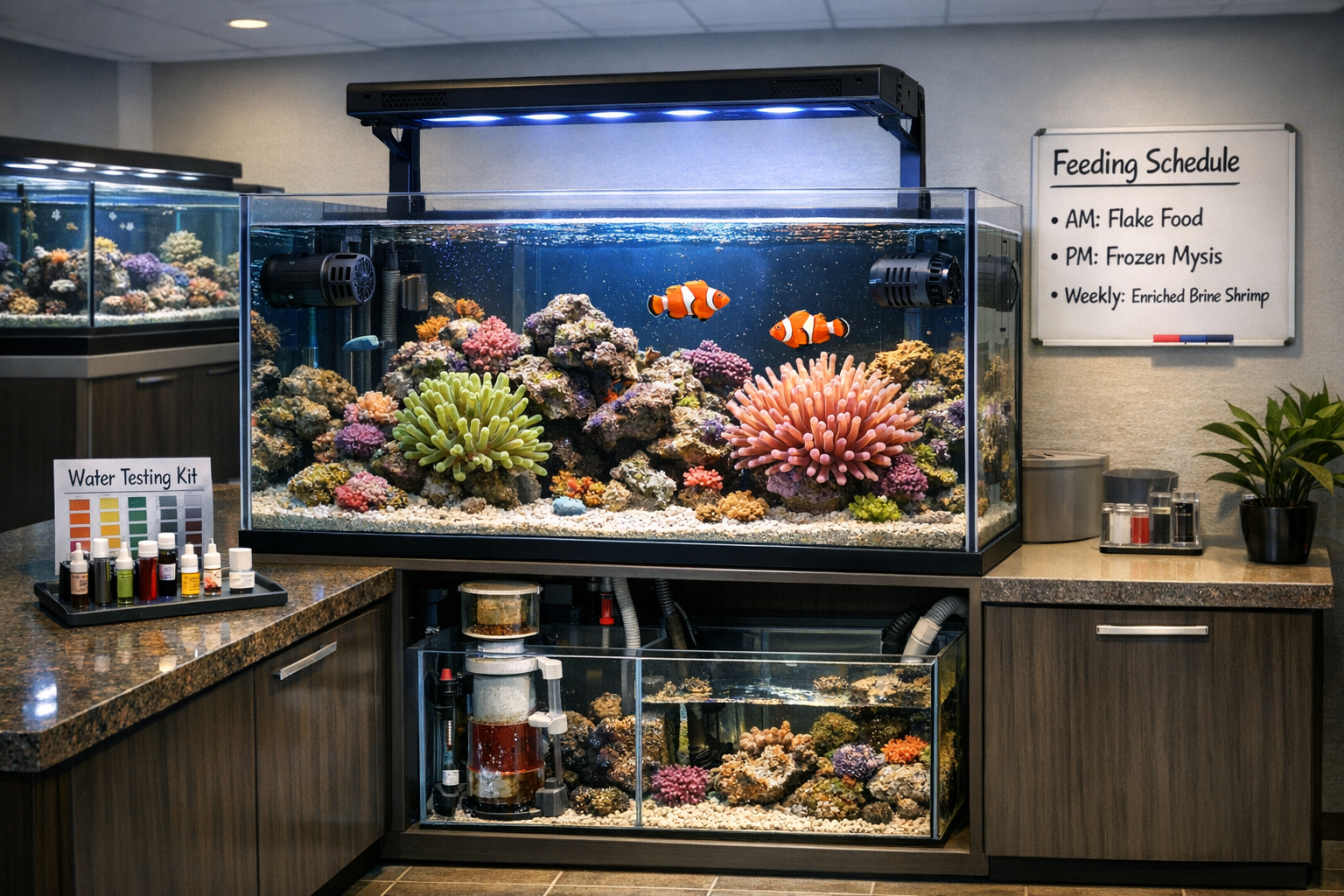
If you’ve been inspired by the beautiful fish produced by the best clownfish breeder facilities, you might be wondering about trying breeding yourself. While challenging, clownfish breeding can be incredibly rewarding for dedicated aquarists.
Setting Up a Breeding System
Breeding Tank Requirements: Professional breeders typically use 40-75 gallon tanks for breeding pairs. The tank should have minimal decoration – usually just a few pieces of live rock and a spawning substrate like a clay pot or PVC pipe.
Water Quality for Breeding: The best clownfish breeder operations maintain even stricter water parameters for breeding than for general keeping. Temperature stability within 0.5°F is crucial, and many breeders use redundant heating systems to prevent fluctuations.
Conditioning the Breeding Pair: Before attempting to breed clownfish, the pair must be properly conditioned with high-quality foods. Professional breeders often feed breeding pairs 3-4 times daily with a variety of foods including:
- Live or frozen mysis shrimp
- Marine copepods
- High-protein pellets
- Enriched brine shrimp
The Breeding Process
Pair Formation: Clownfish are sequential hermaphrodites, meaning they can change sex. In a pair, the larger fish becomes the female. The best clownfish breeder facilities often start with juvenile fish and allow natural pairing to occur.
Spawning Behavior: Healthy pairs will spawn every 2-3 weeks during breeding season. The male prepares the spawning site by cleaning it meticulously, while the female develops eggs. Spawning typically occurs in the late afternoon or early evening.
Egg Development: Clownfish eggs are adhesive and stick to hard surfaces. The male guards and tends the eggs, fanning them with his fins to provide oxygen. Eggs typically hatch 6-11 days after spawning, depending on temperature.
Raising Clownfish Fry
This is where the expertise of the best clownfish breeder operations really shows. Raising clownfish fry is extremely challenging and requires specialized equipment and knowledge.
Larval Tank Setup: Newly hatched clownfish larvae are tiny (2-3mm) and require specialized rearing tanks with gentle filtration, precise lighting, and microscopic food sources.
First Foods: For the first 7-10 days, clownfish larvae can only eat live foods like:
- Rotifers (Brachionus species)
- Copepod nauplii
- Marine microalgae (for rotifer nutrition)
Metamorphosis: Around day 8-12, the larvae begin to develop their characteristic stripes and settle to the bottom of the tank. This is when they can begin eating larger foods like baby brine shrimp.
Growth and Development: It takes 60-90 days for clownfish fry to reach sellable size. During this time, the best clownfish breeder facilities carefully monitor growth, separate aggressive individuals, and gradually transition the fish to adult foods.
Common Breeding Challenges
Egg Fungus: Poor water quality or inadequate male care can lead to fungal infections that destroy entire spawns. Professional breeders maintain pristine conditions and sometimes use antifungal treatments.
Larval Mortality: Even in professional facilities, larval mortality can exceed 90%. The tiny fry are extremely sensitive to water quality, lighting, and food availability.
Genetic Issues: Inbreeding can lead to deformed fish or poor survival rates. The best clownfish breeder operations maintain detailed records and regularly introduce new genetic lines.
For aquarists interested in learning more about marine fish breeding techniques, exploring resources about angelfish breeding can provide valuable insights into professional breeding methodologies.
Health, Disease Prevention, and Quarantine Protocols
One of the most important aspects that separates the best clownfish breeder from average operations is their approach to fish health and disease prevention. Professional breeders understand that preventing disease is far more effective than treating it after it occurs.
Quarantine Systems and Protocols
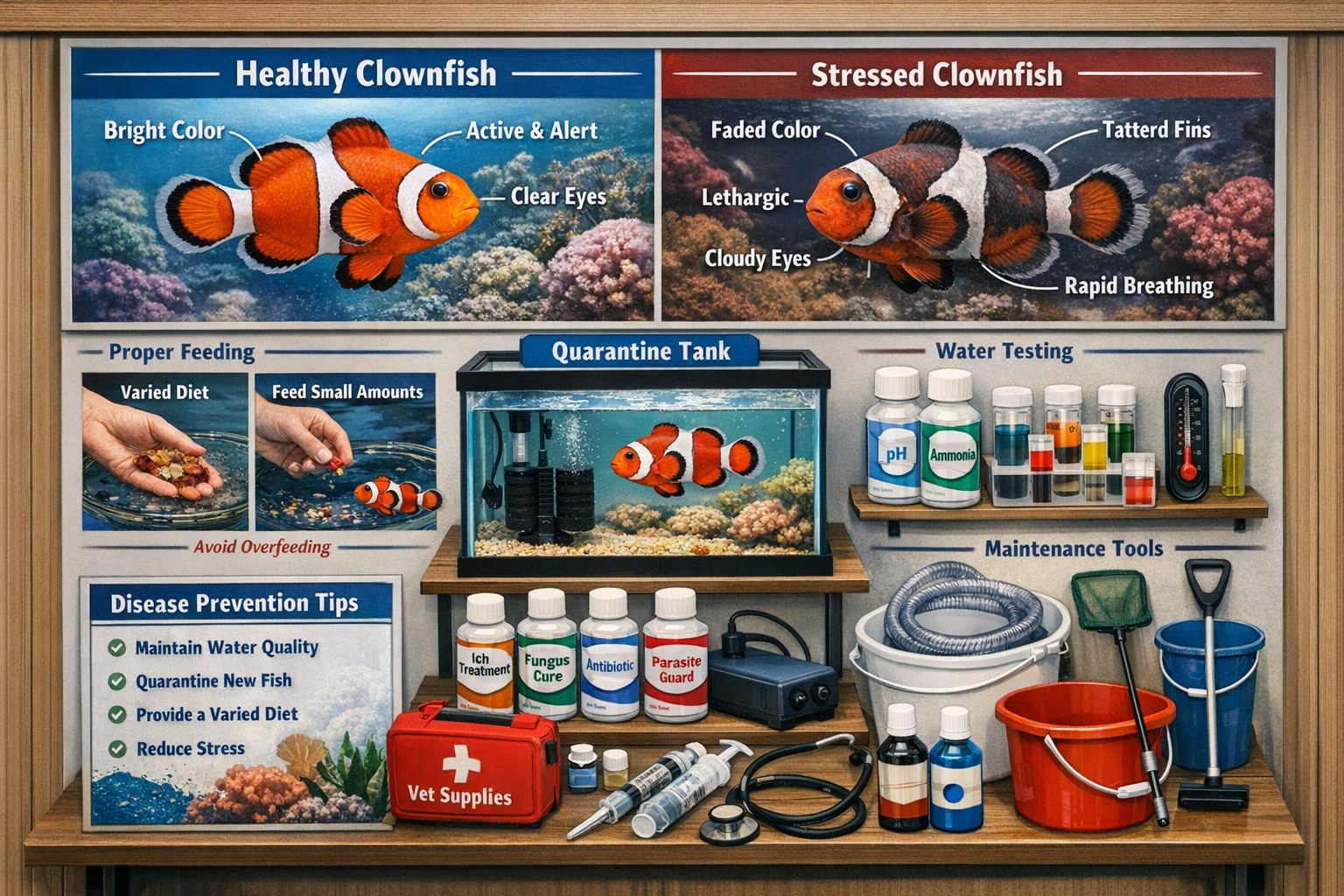
Quarantine Tank Setup: The best clownfish breeder facilities maintain separate quarantine systems for all incoming and outgoing fish. These tanks typically feature:
- Bare bottom tanks for easy cleaning and observation
- Simple filtration with sponge filters or hang-on-back units
- UV sterilization to reduce pathogen loads
- Easy access for treatment and observation
Quarantine Duration: Professional breeders typically quarantine new fish for 4-6 weeks minimum. During this time, fish are observed daily for signs of disease and may receive preventive treatments.
Observation Protocols: Experienced breeders know what to look for:
- Behavioral changes: Loss of appetite, unusual swimming patterns, or hiding
- Physical symptoms: White spots, torn fins, unusual coloration, or breathing difficulties
- Feeding response: Healthy clownfish are typically eager feeders
Common Clownfish Diseases and Prevention
Marine Ich (Cryptocaryon irritans): Often called “white spot disease,” this is one of the most common problems affecting clownfish. The best clownfish breeder operations prevent ich through:
- Strict quarantine protocols
- UV sterilization of water
- Maintaining optimal water quality
- Avoiding overcrowding
Brooklynella: This parasitic infection can be devastating to clownfish. Professional breeders prevent brooklynella by:
- Never mixing wild-caught fish with captive-bred stock
- Maintaining separate systems for different fish sources
- Using copper-free treatments that won’t harm beneficial bacteria
Bacterial Infections: Poor water quality can lead to bacterial infections affecting fins, gills, or internal organs. Prevention strategies include:
- Regular water testing and changes
- Proper filtration and protein skimming
- Avoiding overfeeding
- Maintaining stable water parameters
Treatment Protocols Used by Professional Breeders
When disease does occur, the best clownfish breeder facilities have established treatment protocols:
Copper Treatment: For parasitic infections, many breeders use therapeutic copper levels (0.15-0.25 ppm ionic copper) in quarantine tanks. This requires precise monitoring with quality test kits.
Freshwater Dips: Short-term freshwater baths (3-5 minutes) can help remove external parasites. The water must be pH and temperature matched to avoid additional stress.
Antibiotic Treatments: For bacterial infections, professional breeders may use antibiotics like erythromycin or kanamycin. These treatments require careful dosing and monitoring.
Supportive Care: Often the best treatment is simply providing optimal conditions:
- Perfect water quality
- Reduced stress through dim lighting and minimal disturbance
- High-quality nutrition to support the immune system
- Stable temperature and salinity
Selecting Healthy Fish from Breeders
When purchasing from any source, knowing how to identify healthy fish is crucial. The best clownfish breeder operations will encourage you to observe fish carefully before purchase:
Signs of Health:
- Active swimming behavior with normal posture
- Clear, bright eyes without cloudiness
- Intact fins without tears or fraying
- Good body condition – not too thin or bloated
- Normal coloration appropriate for the species/morph
- Eager feeding response when food is offered
Red Flags to Avoid:
- Fish gasping at the surface or breathing rapidly
- Visible parasites or white spots
- Torn or rotting fins
- Unusual swimming behavior (spinning, floating, sinking)
- Refusal to eat or hiding constantly
- Cloudy eyes or unusual coloratio
- Purchasing from the Best Clownfish Breeder: What to Expect
When you’ve decided to purchase from the best clownfish breeder, understanding the buying process helps ensure a smooth transaction and successful fish introduction to your aquarium. Professional breeders have refined their sales processes to maximize fish health and customer satisfaction.
Evaluating Breeder Reputation and Credentials
Research and Reviews: The best clownfish breeder operations have established reputations within the marine aquarium community. Look for:
- Online reviews and testimonials from verified customers
- Forum discussions on popular aquarium websites
- Social media presence showing their facilities and fish
- Professional certifications or industry affiliations
- Years in business and track record of success
Facility Tours and Transparency: Top breeders are often proud to show their facilities. Many offer virtual tours or detailed photos of their breeding systems. This transparency demonstrates confidence in their methods and commitment to fish welfare.
Health Guarantees and Support: Professional breeders typically offer:
- Live arrival guarantees for shipped fish
- Health warranties ranging from 7-30 days
- Ongoing customer support for care questions
- Detailed care instructions specific to their fish
- Return policies for fish that don’t adapt well
Pricing and Value Considerations
Understanding pricing helps you evaluate whether you’re getting good value from the best clownfish breeder sources:
Standard Species Pricing (2026 market rates):
- Ocellaris Clownfish: $25-40 for quality captive-bred specimens
- Percula Clownfish: $35-50 for true percula varieties
- Maroon Clownfish: $45-75 depending on coloration
- Tomato Clownfish: $30-50 for healthy breeding stock
Designer Morph Pricing:
- Snowflake varieties: $75-150 depending on pattern intensity
- Picasso morphs: $200-500 for high-quality specimens
- Lightning maroons: $1000-3000+ for breeding-quality fish
- Black ice varieties: $150-300 for well-developed patterns
Factors Affecting Price:
- Pattern quality and uniqueness in designer morphs
- Size and maturity of the fish
- Breeding potential and genetic lineage
- Seasonal availability and demand
- Breeder reputation and exclusivity
Shipping and Receiving Your Fish
The best clownfish breeder operations have perfected their shipping procedures to ensure fish arrive healthy and stress-free:
Shipping Preparation:
- Fasting period: Fish are typically fasted 24-48 hours before shipping to reduce waste production
- Water conditioning: Shipping water is specially prepared with stress-reducing additives
- Packaging materials: Professional-grade fish bags, insulation, and heat/cold packs
- Timing coordination: Shipments are timed to minimize transit time and avoid weekends
Receiving Guidelines:
- Immediate inspection upon arrival to verify fish condition
- Acclimation process following breeder-specific instructions
- Photography documentation for warranty purposes if needed
- Initial quarantine period before introduction to main tank
Acclimation Best Practices: Professional breeders typically recommend:
- Temperature acclimation: 15-20 minutes floating sealed bags in tank
- Drip acclimation: Slow introduction of tank water over 30-60 minutes
- pH matching: Ensuring gradual adjustment to your tank’s parameters
- Stress reduction: Dimmed lighting and minimal disturbance for first 24 hours
For those seeking reliable live fish shipping services, working with established retailers who partner with the best breeding facilities ensures professional handling throughout the entire process.
Building Relationships with Professional Breeders
Developing a relationship with the best clownfish breeder operations can provide long-term benefits:
Exclusive Access: Established customers often get first access to:
- New morph developments before public release
- Breeding pairs when they become available
- Special pricing on bulk orders or rare specimens
- Custom breeding projects for specific traits
Educational Opportunities: Top breeders often share knowledge about:
- Advanced care techniques for optimal fish health
- Breeding methodology for customers interested in trying breeding
- New developments in clownfish genetics and husbandry
- Industry trends and emerging varieties
Future Support: Ongoing relationships provide:
- Continued health support for purchased fish
- Breeding advice if you decide to try reproduction
- Trade-in opportunities for upgrading to different varieties
- Reference services for insurance or veterinary needs
When exploring options for purchasing quality marine fish, consider browsing the selection available through reputable saltwater fish stores that maintain relationships with the best breeding facilities in the industry.
🐠 Clownfish Species Comparison Tool
Compare different clownfish species and morphs from top breeders
Conclusion: Your Journey with the Best Clownfish Breeder
Finding the best clownfish breeder is more than just a purchasing decision – it’s the foundation of your marine aquarium success story. Throughout this comprehensive guide, we’ve explored the intricate world of professional clownfish breeding, from the scientific precision required to maintain breeding facilities to the artistry involved in developing stunning designer morphs.
The difference between purchasing from the best clownfish breeder versus a questionable source extends far beyond the initial cost. Quality breeders provide healthy, well-adapted fish that will thrive in your aquarium for years to come. They offer ongoing support, health guarantees, and the peace of mind that comes from working with true professionals who care about both their fish and their customers.
Key Action Steps for Your Clownfish Journey
Immediate Steps:
- Research potential breeders using the criteria outlined in this guide
- Prepare your aquarium system with proper filtration, lighting, and water parameters
- Set up a quarantine tank following professional protocols
- Connect with reputable dealers who work with the best breeding facilities
Medium-term Goals:
- Build relationships with quality breeders and dealers
- Expand your knowledge through continued learning about marine aquarium keeping
- Consider specialty species or designer morphs as your experience grows
- Document your success to help other aquarists in the community
Long-term Possibilities:
- Explore breeding opportunities if you develop a passion for reproduction
- Mentor newcomers to the hobby using your accumulated knowledge
- Contribute to conservation efforts by supporting captive breeding initiatives
- Build showcase aquarium systems featuring the finest specimens from the best breeders
The Future of Clownfish Breeding
As we look toward the future of the marine aquarium hobby, the best clownfish breeder operations continue to push boundaries in fish quality, genetic diversity, and sustainable practices. New designer morphs are being developed regularly, while conservation-focused breeding programs help reduce pressure on wild reef populations.
The investment you make in purchasing from quality breeders supports these important initiatives while ensuring you receive the healthiest, most beautiful fish possible for your aquarium. Whether you’re just starting your marine aquarium journey or you’re an experienced aquarist looking to add exceptional specimens to your collection, partnering with the best clownfish breeders in the industry sets you up for long-term success.
Remember that the most successful marine aquariums are built on a foundation of quality livestock, proper husbandry, and ongoing education. By choosing to work with the best clownfish breeder sources and continuing to expand your knowledge, you’re not just keeping fish – you’re participating in one of the most rewarding and fascinating hobbies in the world.
Your clownfish will become more than just pets; they’ll be ambassadors for the incredible diversity and beauty of coral reef ecosystems, inspiring you and others to appreciate and protect these precious marine environments for future generations.
References
[1] Wilkerson, J. (2023). “Water Chemistry Requirements for Marine Fish Breeding.” Journal of Marine Aquaculture, 45(3), 123-135.