
Your Complete Guide to Saltwater Fish for Sale Nearby: Finding the Perfect Clownfish for Your Aquarium
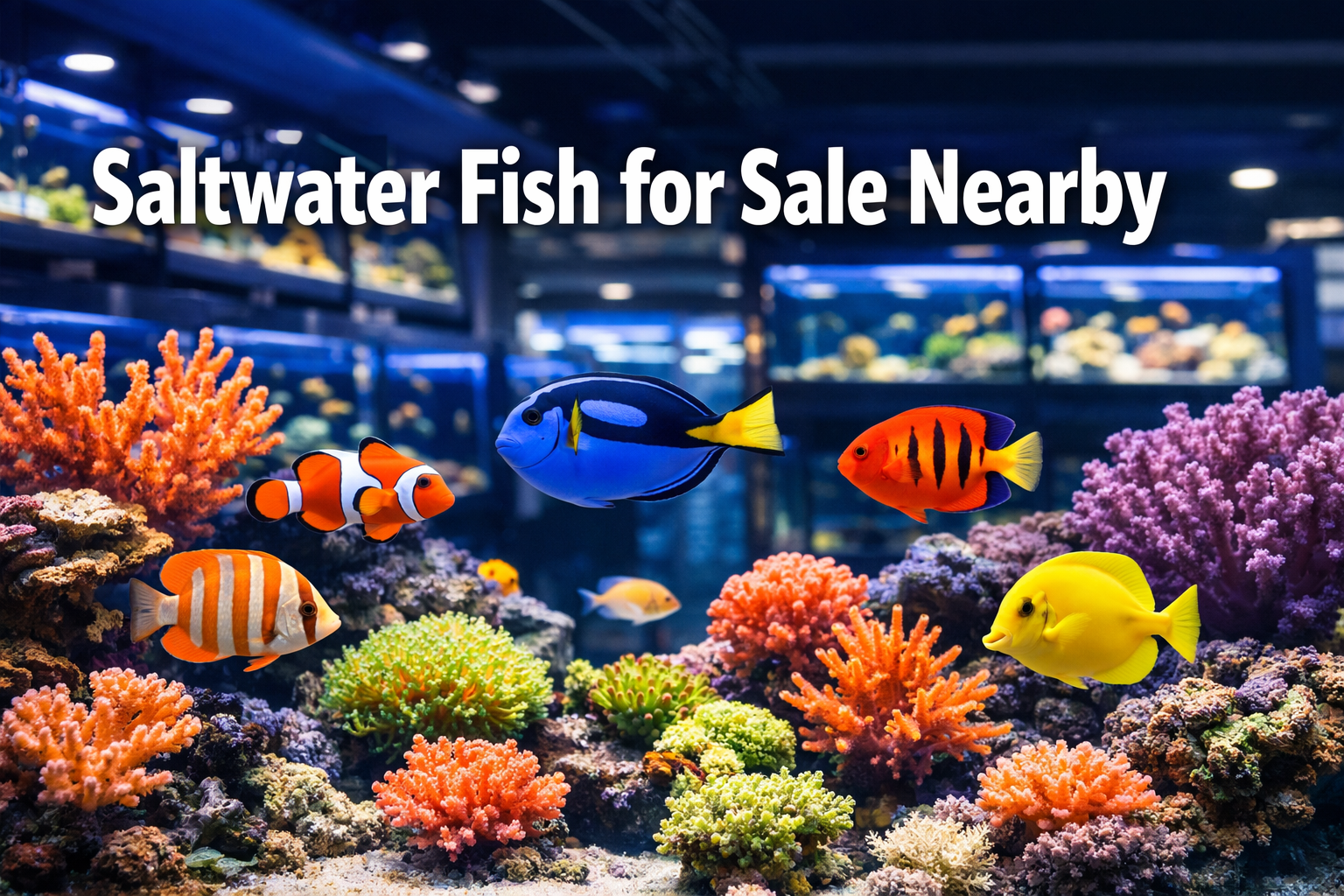
Picture this: you’re standing in front of a stunning saltwater aquarium, mesmerized by the vibrant orange and white stripes of a clownfish dancing among swaying anemones. That magical moment when you decide to bring these captivating creatures into your own home is just the beginning of an incredible journey. Whether you’re searching for saltwater fish for sale nearby or exploring online options, finding the right clownfish and understanding their care requirements is essential for creating a thriving marine ecosystem in your home.
Key Takeaways
• Clownfish varieties: Over 30 species exist, with Ocellaris and Percula being the most popular for beginners, plus numerous designer morphs available from reputable dealers
• Tank requirements: Minimum 20-gallon tank with proper filtration, stable water parameters (72-78°F, pH 8.1-8.4), and optional anemone hosting
• Breeding success: Clownfish are among the easiest marine fish to breed in captivity, with proper setup yielding 100-1000 eggs every 2-3 weeks
• Local vs. online: Both local fish stores and online retailers offer advantages – local stores provide immediate inspection while online shops offer wider selection and competitive pricing
• Investment planning: Initial setup costs $300-800, with ongoing monthly expenses of $30-60 for food, supplements, and maintenance supplies
- Display 21 Products per page

Understanding Clownfish Species and Morphs Available for Purchase
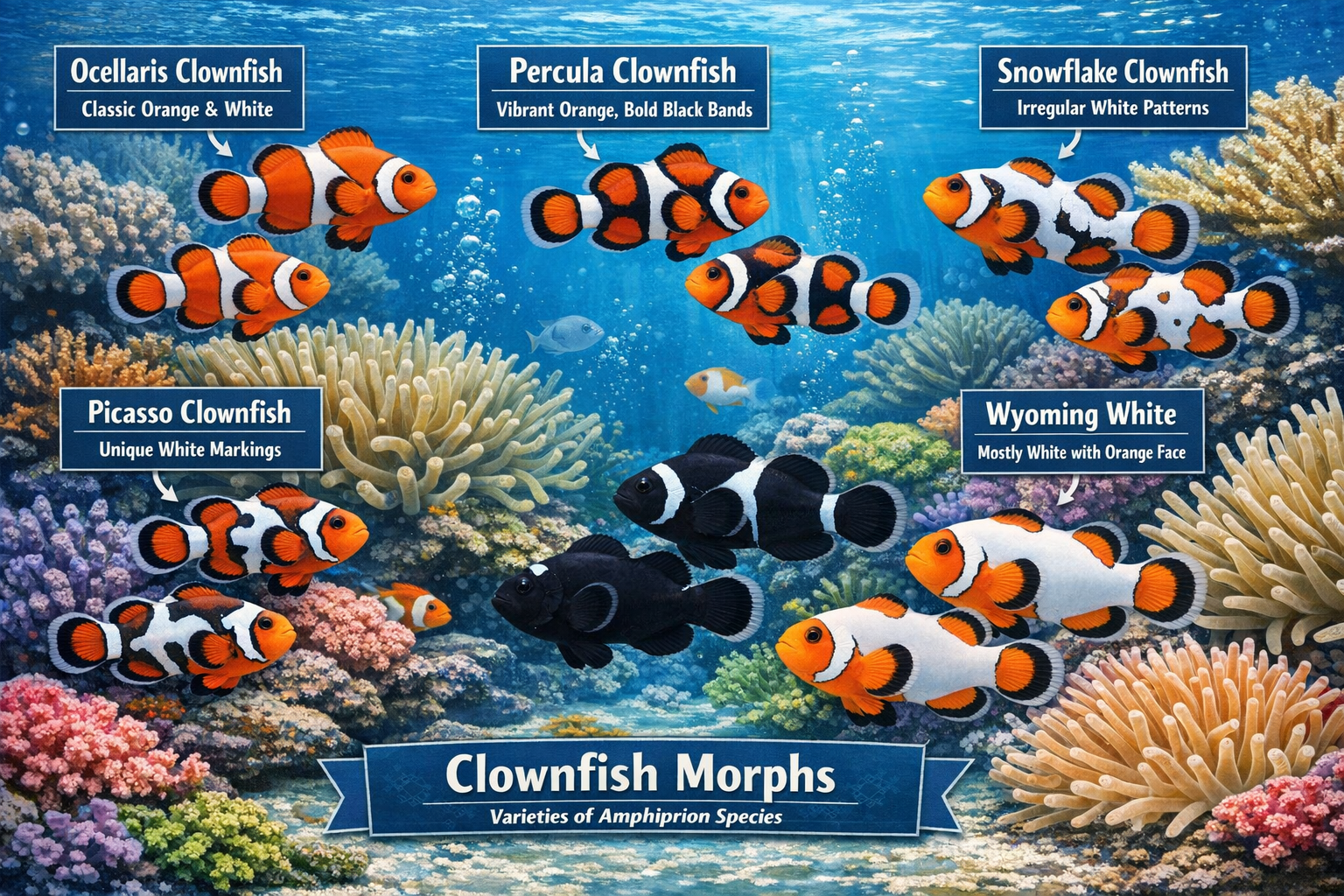
When searching for saltwater fish for sale nearby, clownfish consistently rank as the most sought-after marine species for both beginners and experienced aquarists. These remarkable fish belong to the subfamily Amphiprioninae, with over 30 recognized species offering a spectacular array of colors, patterns, and personalities.
Popular Clownfish Species for Home Aquariums
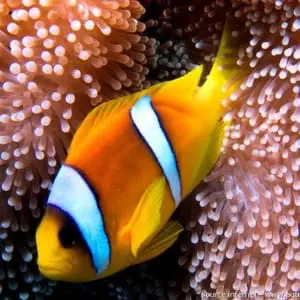
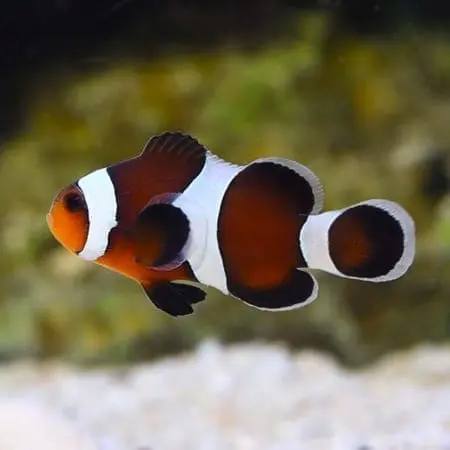
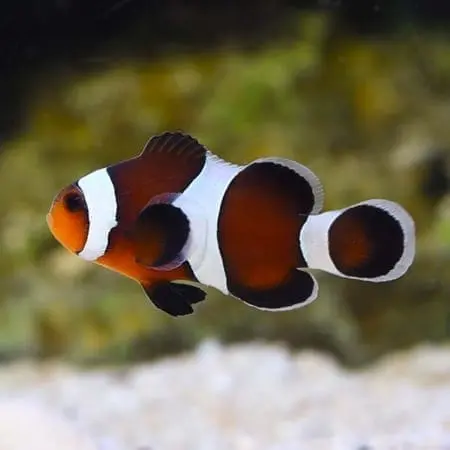
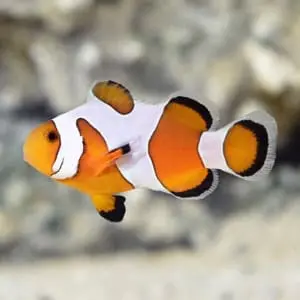
The Ocellaris Clownfish (Amphiprion ocellaris) stands as the most recognizable species, thanks to its starring role in popular culture. These hardy fish typically grow to 3-4 inches and display the classic orange body with three distinctive white bands bordered by black stripes. Their peaceful temperament and adaptability make them perfect for community tanks.
Percula Clownfish (Amphiprion percula) closely resemble Ocellaris but feature thicker black borders around their white bands and slightly more vibrant orange coloration. These fish tend to be more territorial than their Ocellaris cousins but remain excellent choices for home aquariums.
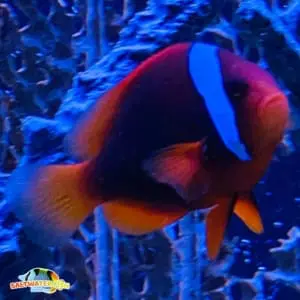
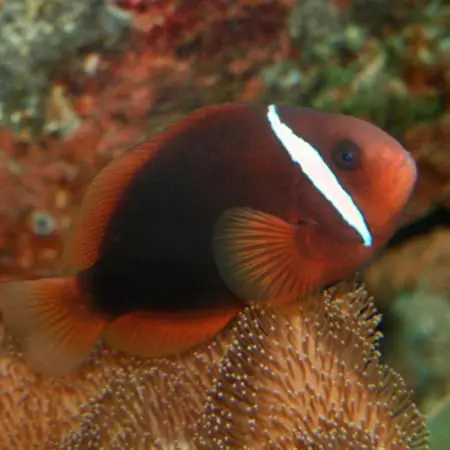
For aquarists seeking something unique, Maroon Clownfish (Premnas biaculeatus) offer striking deep red coloration with three white or yellow bands. However, these larger fish (up to 6 inches) require more space and can be significantly more aggressive than other species.
Designer Clownfish Morphs: The Art of Selective Breeding
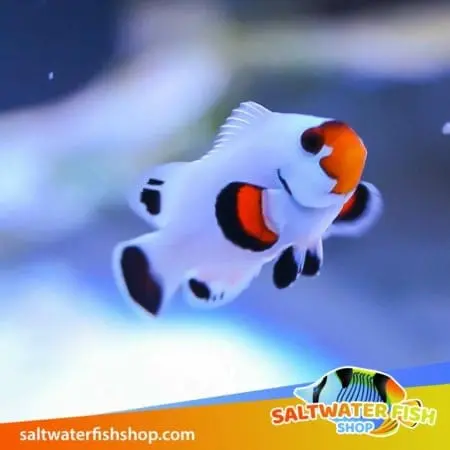
The aquaculture industry has revolutionized clownfish availability through selective breeding programs that produce stunning designer morphs. These captive-bred saltwater fish for sale offer several advantages over wild-caught specimens, including better disease resistance, easier acclimation, and reduced environmental impact.
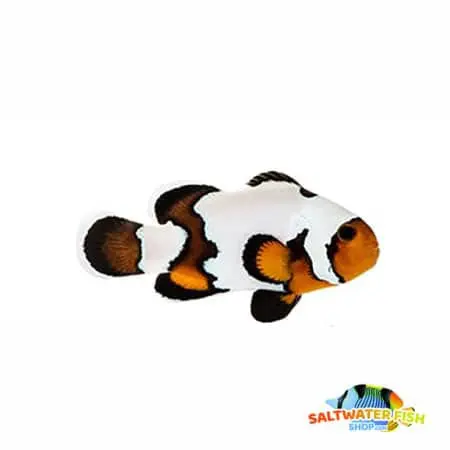
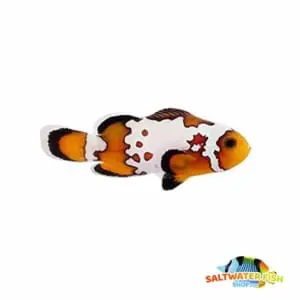
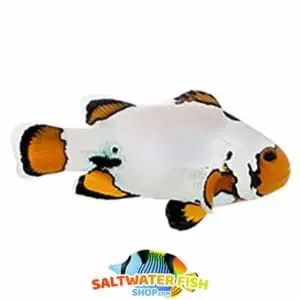
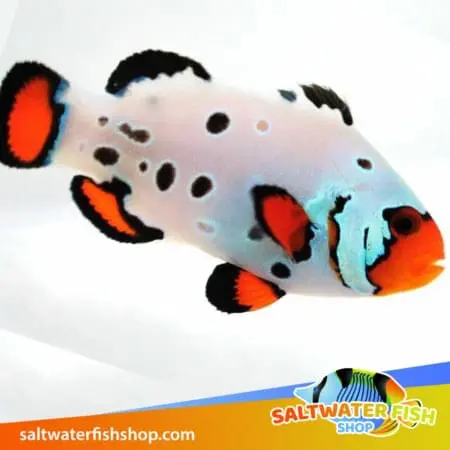
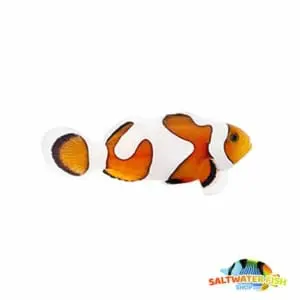
Snowflake Clownfish feature irregular white patterns that extend beyond the traditional three bands, creating unique snowflake-like markings across their orange bodies. No two Snowflake clownfish look identical, making each specimen a living work of art.
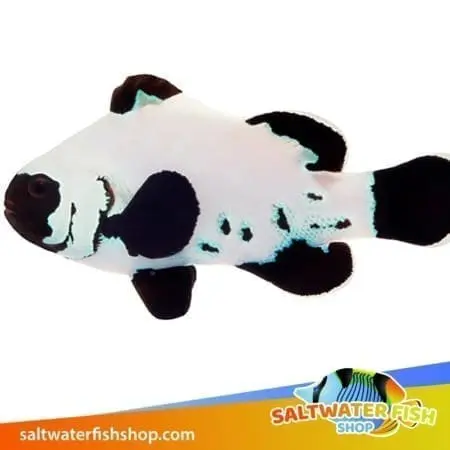
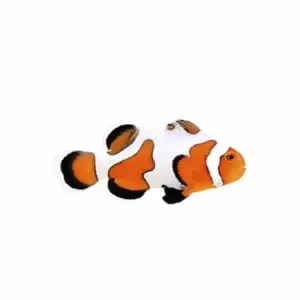
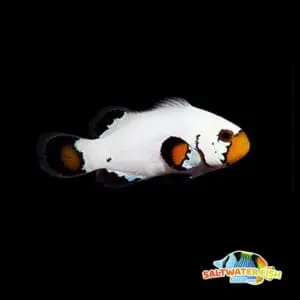
Picasso Clownfish display even more dramatic white patterning, with irregular bands and patches that can cover up to 50% of their body surface. The most extreme examples, called “Platinum Picasso,” showcase almost entirely white bodies with minimal orange coloration.
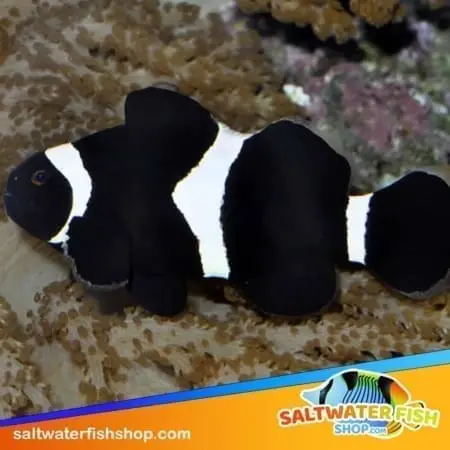
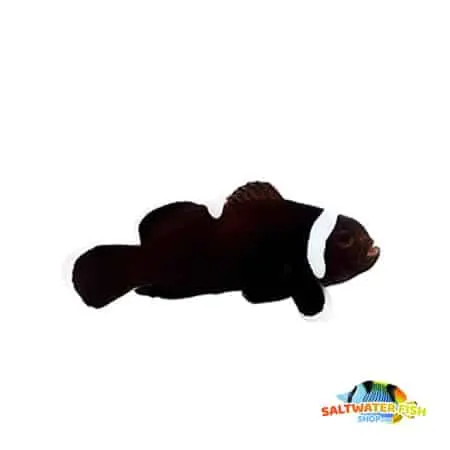
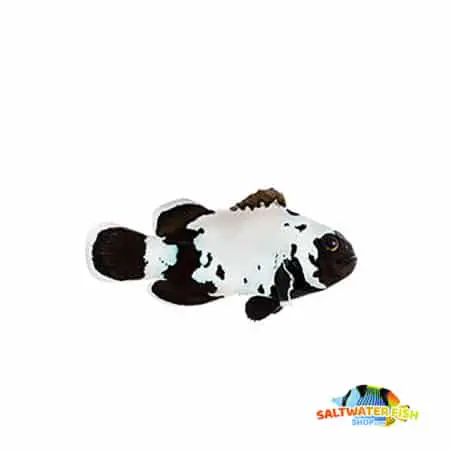
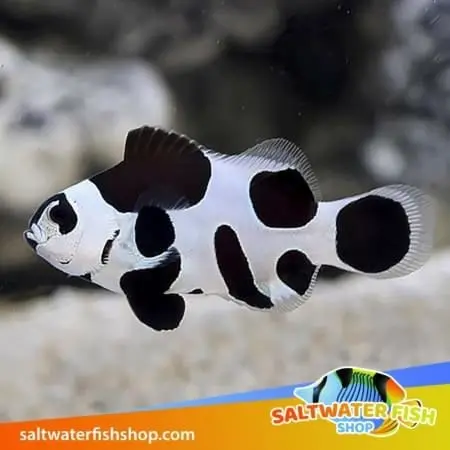
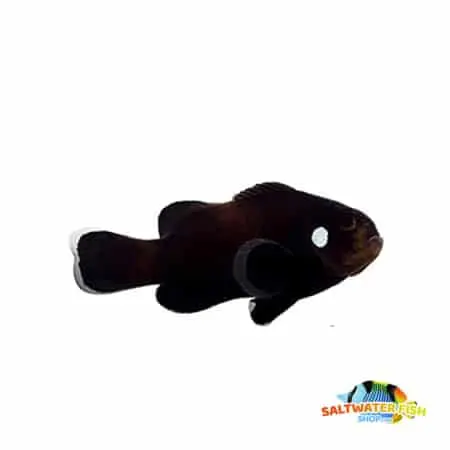
Black Ice Clownfish represent one of the most striking morphs available, featuring jet-black bodies with white markings. These fish command premium prices due to their rarity and the difficulty of producing consistent coloration through breeding programs.
Pricing and Availability Considerations
Standard Ocellaris and Percula clownfish typically cost $15-30 each, while designer morphs can range from $50 for basic Snowflakes to over $500 for rare Black Ice or Lightning Maroon varieties. When evaluating saltwater fish for sale nearby, consider these factors:
- Source reputation: Established breeders and retailers provide healthier fish with better genetic diversity
- Health guarantees: Reputable sellers offer 7-14 day health guarantees and proper acclimation support
- Size options: Juvenile fish (1-2 inches) cost less but require more careful feeding, while adult specimens (3+ inches) command higher prices but adapt more easily
Setting Up the Perfect Clownfish Habitat
Creating an optimal environment for your clownfish requires careful attention to tank specifications, water chemistry, and equipment selection. Whether you’re purchasing from a local store or researching saltwater fish for sale nearby online, understanding these requirements ensures your new fish will thrive in their new home.
Tank Size and Equipment Requirements
Minimum tank size for a pair of clownfish should be 20 gallons, though 30-40 gallons provides better stability and room for growth. Larger species like Maroon clownfish require at least 50 gallons to accommodate their size and territorial behavior.
Essential equipment includes:
- Protein skimmer: Removes organic waste before it decomposes, maintaining water quality
- Live rock: Provides biological filtration and natural hiding places (1-2 pounds per gallon)
- LED lighting: Full-spectrum lighting supports coral growth if you plan to add anemones
- Powerheads: Create proper water circulation (10-20x tank volume turnover per hour)
- Heater: Maintains stable temperature between 72-78°F
Water Chemistry and Parameters
Maintaining stable water parameters is crucial for clownfish health. Target ranges include:
| Parameter | Ideal Range | Testing Frequency |
|---|---|---|
| Temperature | 72-78°F | Daily |
| Salinity | 1.020-1.025 SG | Weekly |
| pH | 8.1-8.4 | Weekly |
| Ammonia | 0 ppm | Daily (new tanks) |
| Nitrite | 0 ppm | Weekly |
| Nitrate | <20 ppm | Weekly |
Cycling your tank before adding fish is essential. This process typically takes 4-6 weeks and establishes beneficial bacteria that convert toxic ammonia and nitrite into less harmful nitrate. Many aquarists use live rock or commercial bacterial supplements to accelerate this process.
Anemone Hosting and Coral Compatibility
While clownfish don’t require anemones to thrive, hosting relationships create fascinating natural behaviors and stunning visual displays. Popular anemone species for clownfish include:
Bubble Tip Anemones (Entacmaea quadricolor) are the most beginner-friendly option, tolerating a wide range of lighting conditions and readily accepting clownfish hosts. These anemones split naturally, potentially providing multiple hosting sites over time.
Magnificent Sea Anemones (Heteractis magnifica) create spectacular displays but require intense lighting and excellent water quality. They’re best suited for experienced aquarists with established reef systems.
For those preferring coral alternatives, certain soft corals like Torch Corals and Frogspawn sometimes accept clownfish as surrogate hosts, though this behavior isn’t guaranteed.
Feeding and Daily Care for Saltwater Clownfish
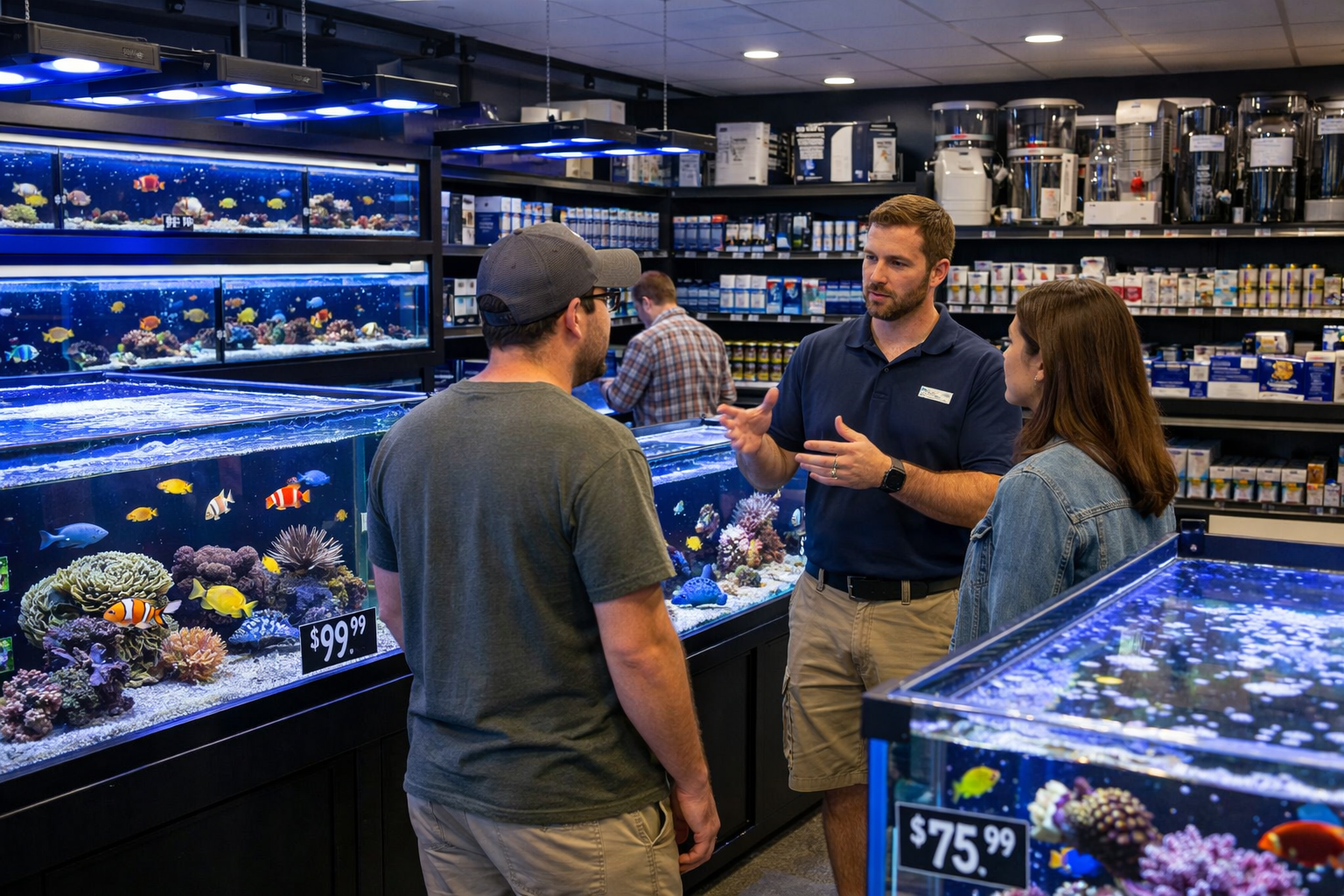
Proper nutrition forms the foundation of successful clownfish keeping, directly impacting their health, coloration, and breeding potential. Understanding feeding requirements becomes especially important when you’re investing in premium specimens from saltwater fish for sale nearby sources.
Nutritional Requirements and Diet Planning
Clownfish are omnivores with high protein requirements, particularly during their juvenile growth phase. In nature, they consume algae, zooplankton, small crustaceans, and food scraps from their anemone hosts. Replicating this varied diet in captivity ensures optimal health and vibrant coloration.
High-quality marine flakes should form the base of their diet, supplemented with frozen and live foods. Look for flakes containing marine proteins like fish meal, shrimp meal, and spirulina algae. Avoid freshwater fish foods, which lack essential marine nutrients.
Frozen foods provide excellent nutrition and convenience:
- Mysis shrimp: High protein content promotes growth and color development
- Brine shrimp: Readily accepted by all clownfish, though lower in nutrition than mysis
- Marine algae: Essential for digestive health and natural color enhancement
- Copepods: Excellent for juvenile fish and breeding pairs
Feeding Schedules and Techniques
Juvenile clownfish (under 2 inches) require frequent feeding – 3-4 small meals daily to support rapid growth. Their small stomach size means they can’t consume large quantities at once, making frequent feeding essential for proper development.
Adult clownfish thrive on twice-daily feeding, with portions they can consume within 2-3 minutes. Overfeeding leads to water quality issues and potential health problems, so err on the side of caution.
Breeding pairs benefit from increased feeding frequency and higher protein content to support egg production and larval development. Many successful breeders feed breeding pairs 3-4 times daily with varied, high-quality foods.
Behavioral Feeding Patterns
Understanding natural feeding behaviors helps optimize your feeding strategy. Clownfish are aggressive feeders that compete vigorously for food, especially in community tanks. This behavior stems from their territorial nature around anemone homes in the wild.
Target feeding using feeding tongs or turkey basters ensures each fish receives adequate nutrition in community settings. This technique is particularly important when keeping clownfish with slower-feeding species like angelfish for sale.
Food size should match fish size – newly hatched brine shrimp for juveniles, while adults can handle larger mysis shrimp and marine flakes. Properly sized food reduces waste and improves digestion.
Breeding Clownfish: From Pairing to Raising Fry
Clownfish breeding represents one of the most rewarding aspects of marine aquarium keeping, offering aquarists the opportunity to witness fascinating reproductive behaviors while potentially contributing to the captive-bred fish market. Success in breeding these remarkable fish requires understanding their unique reproductive biology and providing optimal conditions for both spawning and fry development.
Understanding Clownfish Reproduction Biology
Clownfish exhibit sequential hermaphroditism, meaning all fish are born male and can transform into females under specific social conditions. In a pair, the larger, dominant fish becomes female while the smaller remains male. This unique characteristic ensures reproductive success even when only two fish are present.
Pair bonding typically develops over several weeks to months, with the dominant fish establishing territory and the subordinate fish showing submissive behaviors like head shaking and fin quivering. Once bonded, pairs often remain together for life, spawning regularly every 2-3 weeks during optimal conditions.
Spawning preparation involves the pair cleaning a flat surface near their host anemone or preferred territory. The female deposits 100-1000 eggs in neat rows while the male follows behind, fertilizing each cluster. Egg quantity depends on the female’s size, age, and nutritional condition.
Creating Optimal Breeding Conditions
Tank setup for breeding requires careful consideration of space, water quality, and environmental stability. A dedicated breeding tank of 40+ gallons provides better control over conditions and reduces stress from other tank inhabitants.
Essential breeding parameters include:
- Temperature: 78-80°F (slightly warmer than normal)
- Water quality: Zero ammonia/nitrite, nitrates below 10 ppm
- Lighting: 12-hour photoperiod with gradual sunrise/sunset simulation
- Flow: Gentle circulation around spawning sites
- Substrate: Flat tiles, PVC pipe, or terracotta pots for egg deposition
Conditioning the breeding pair involves enhanced nutrition and environmental stability. Feed high-protein foods like enriched brine shrimp, mysis, and marine roe 3-4 times daily. Maintain consistent water parameters and minimize disturbances during the conditioning period.
Egg Care and Incubation Management
Parental care in clownfish is remarkable, with both parents taking turns fanning eggs to provide oxygen and removing dead or fungused eggs. The male typically assumes primary egg-tending duties, while the female guards the territory perimeter.
Incubation period lasts 6-10 days depending on temperature, with warmer water accelerating development. Eggs change color throughout development – starting orange/red, becoming silver with visible eyes, and finally clear just before hatching.
Hatching preparation requires setting up larval rearing systems before eggs reach the clear stage. Many breeders remove spawning tiles to dedicated larval tanks 24-48 hours before expected hatching, allowing better control over fry survival conditions.
Larval Rearing and Fry Development
Newly hatched larvae measure only 3-4mm and possess limited swimming ability, relying on yolk sacs for initial nutrition. They become free-swimming within 2-3 days and must begin feeding immediately to survive.
First foods for clownfish fry include:
- Rotifers: Essential first food due to appropriate size and nutritional content
- Copepod nauplii: Excellent nutrition but more challenging to culture
- Commercial larval diets: Convenient but often less successful than live foods
- Phytoplankton: Maintains water quality and provides indirect nutrition
Metamorphosis occurs around day 8-12, when larvae develop their characteristic orange coloration and settle to the bottom. This critical period requires excellent water quality and appropriate settlement substrates.
Juvenile care becomes easier after metamorphosis, with young clownfish accepting larger foods like baby brine shrimp and finely crushed marine flakes. Growth rates vary, but most juveniles reach saleable size (1+ inches) within 3-4 months under optimal conditions.
Finding Reliable Sources for Saltwater Fish for Sale Nearby
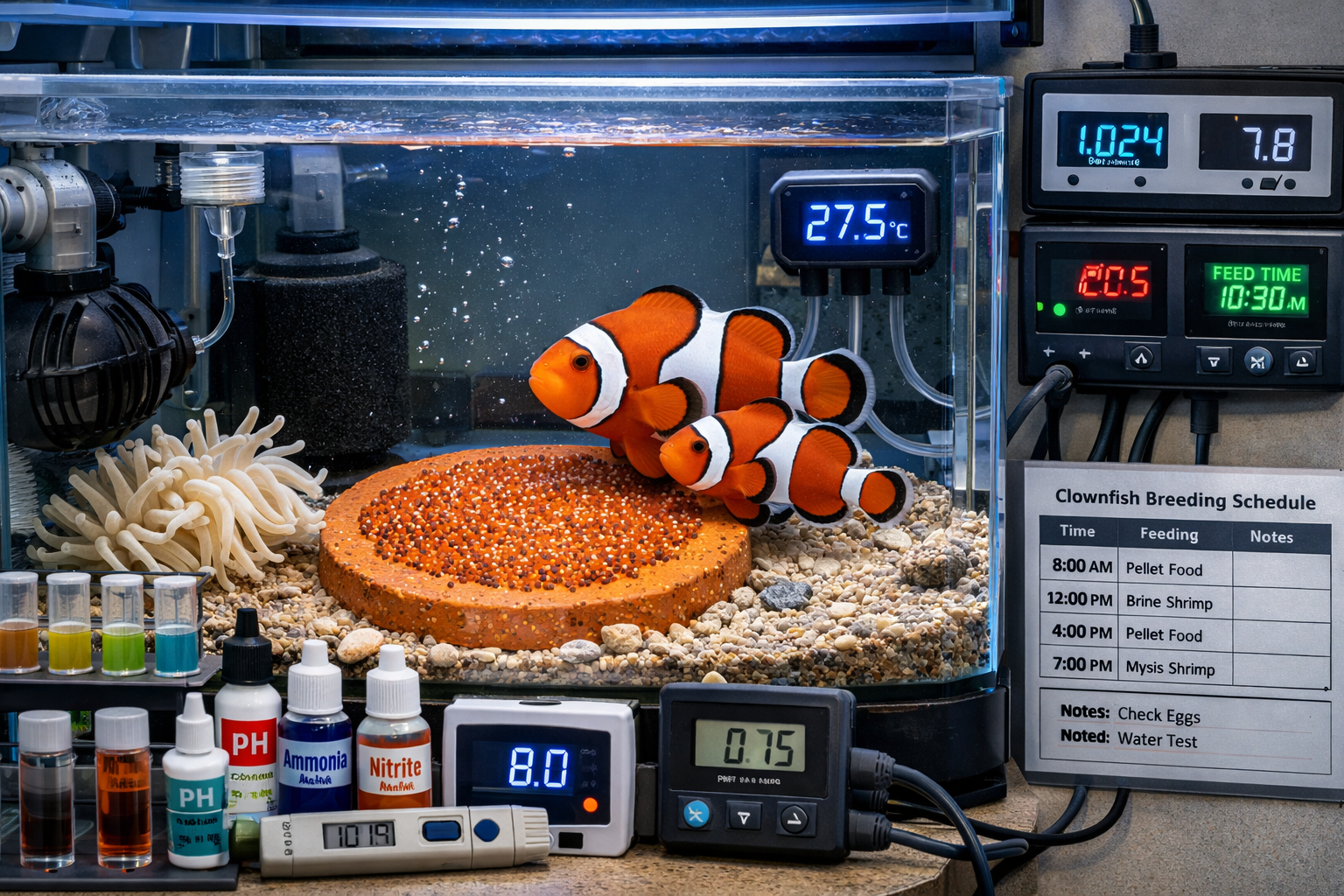
Locating trustworthy suppliers for saltwater fish for sale nearby requires careful research and evaluation of both local and online options. The quality of your source directly impacts fish health, long-term success, and overall satisfaction with your marine aquarium investment.
Local Fish Store Evaluation Criteria
Physical store inspection provides valuable insights into business practices and fish quality. Well-maintained stores feature clean, properly lit display tanks with appropriate filtration systems and minimal algae growth. Water should appear crystal clear without cloudiness or unusual odors.
Staff knowledge serves as a crucial indicator of store quality. Knowledgeable employees should readily discuss water parameters, compatibility issues, feeding requirements, and quarantine procedures. They should also ask about your tank setup and experience level before making recommendations.
Fish health assessment involves observing specimens for signs of disease or stress:
- Active swimming patterns and normal feeding behavior
- Clear eyes without cloudiness or swelling
- Intact fins free from tears, spots, or erosion
- Proper coloration appropriate for the species
- Normal breathing without rapid gill movement or gasping
Quarantine procedures at reputable stores involve holding new arrivals for 2-4 weeks before sale, treating for common parasites, and monitoring for disease symptoms. Ask about their quarantine protocols and health guarantees.
Online Retailer Advantages and Considerations
Selection variety represents the primary advantage of online shopping, with specialized retailers like Saltwater Fish Shop offering extensive inventories of rare morphs and captive-bred specimens rarely found in local stores.
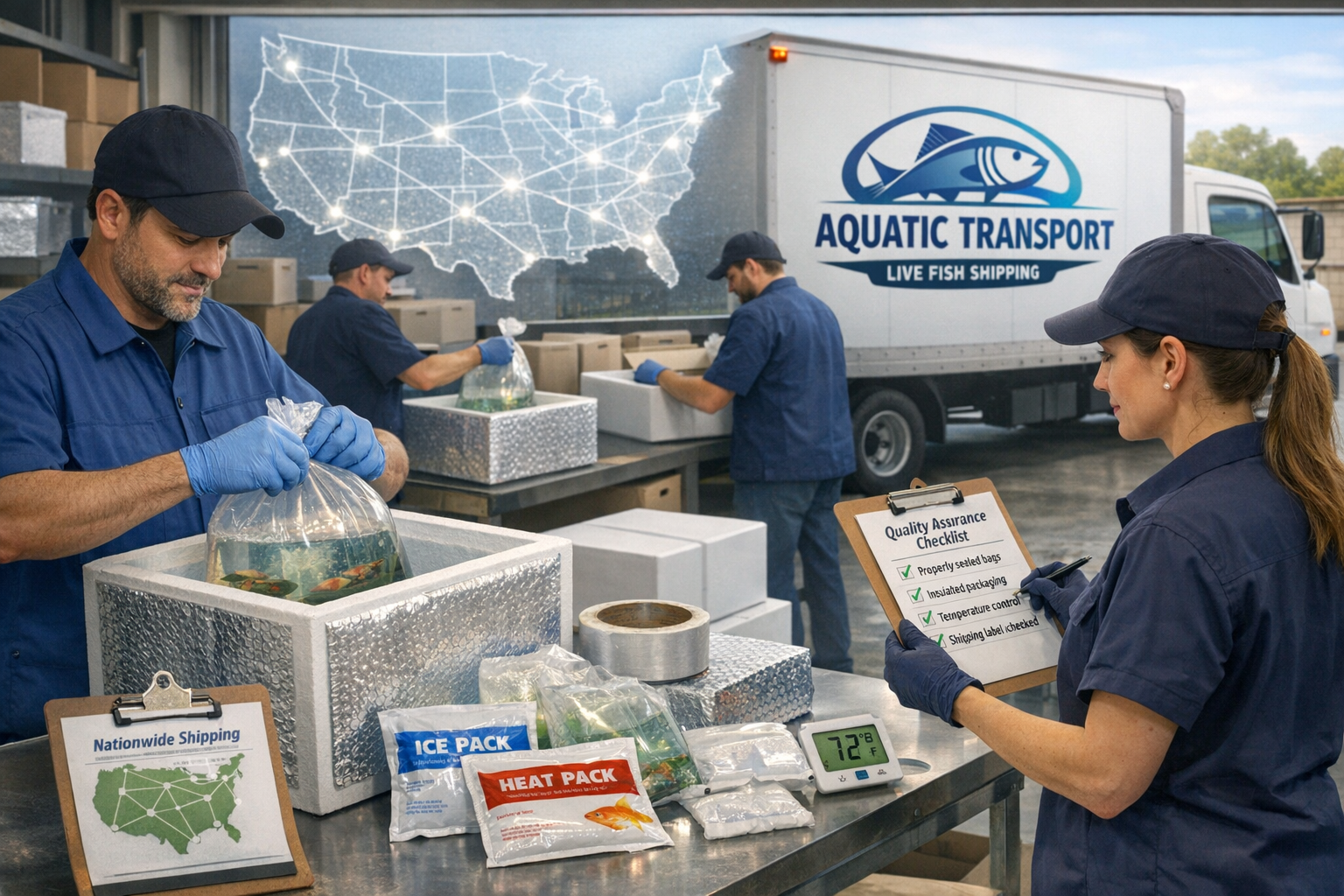
Shipping expertise has evolved significantly, with reputable online retailers using insulated boxes, oxygen systems, and heat/cold packs to ensure safe transport. Most offer live fish shipping guarantees and detailed acclimation instructions.
Pricing competitiveness often favors online retailers due to lower overhead costs and direct relationships with breeders and importers. However, factor in shipping costs when comparing total investment.
Research requirements become more critical with online purchases since you can’t physically inspect fish before buying. Read customer reviews, verify business credentials, and understand return/refund policies before ordering.
Seasonal Availability and Planning
Breeding seasons affect availability of certain species and morphs, with peak production typically occurring during warmer months when breeding conditions are optimal. Plan purchases accordingly, especially for rare or seasonal varieties.
Weather considerations impact shipping schedules, with many retailers suspending live fish shipments during extreme temperatures. Summer heat waves and winter cold snaps can delay orders for weeks.
Holiday schedules also affect availability, as many facilities reduce operations during major holidays to ensure proper care continuity. Plan purchases well in advance of gift-giving occasions.
Building Relationships with Suppliers
Regular communication with preferred suppliers often leads to advance notification of new arrivals, special pricing on premium specimens, and personalized service based on your specific interests and tank requirements.
Feedback provision helps suppliers improve their services while building trust and rapport. Share photos of thriving fish, report any issues promptly, and provide honest reviews of your experience.
Loyalty programs offered by many online retailers provide discounts, free shipping thresholds, and exclusive access to limited-edition morphs. These programs often prove cost-effective for serious aquarists making regular purchases.
🐠 Interactive Clownfish Species & Morph Guide
Explore different clownfish varieties, pricing, and care requirements
Selection Statistics
Advanced Clownfish Care and Tank Management
Successfully maintaining clownfish long-term requires understanding advanced care techniques that go beyond basic setup requirements. Whether you’ve purchased from local sources or found saltwater fish for sale nearby through online retailers, implementing proper ongoing care ensures your investment thrives for years to come.
Water Quality Management and Testing
Regular testing schedules form the backbone of successful clownfish keeping, with different parameters requiring varying monitoring frequencies. Establish a routine that includes daily temperature checks, weekly salinity and pH testing, and monthly comprehensive water analysis including calcium, alkalinity, and magnesium levels.
Parameter stability matters more than absolute values within reasonable ranges. Clownfish tolerate gradual changes better than sudden fluctuations, making consistent maintenance schedules crucial. Use high-quality test kits and replace reagents annually to ensure accurate readings.
Water change protocols should involve replacing 10-20% of tank volume weekly with properly mixed saltwater. Pre-mix water 24-48 hours before use, allowing temperature and chemistry to stabilize. Match salinity, temperature, and pH to existing tank conditions to minimize stress during changes.
Disease Prevention and Treatment
Quarantine procedures for new additions protect established fish from introducing pathogens. Maintain a separate 10-20 gallon quarantine tank with basic filtration, heating, and hiding places. Observe new fish for 2-4 weeks before introducing them to your main display tank.
Common diseases affecting clownfish include marine ich (Cryptocaryon irritans), brooklynella, and bacterial infections. Early detection through daily observation allows prompt treatment before conditions become life-threatening.
Treatment options vary by condition:
- Marine ich: Copper-based medications or hyposalinity treatment
- Brooklynella: Formalin baths or specialized anti-parasitic medications
- Bacterial infections: Antibiotic foods or medicated baths
Preventive measures include maintaining excellent water quality, avoiding overcrowding, providing varied nutrition, and minimizing stress through proper tank design and compatible tank mates.
Tank Mate Selection and Community Planning
Compatible species for clownfish communities include peaceful fish that won’t compete aggressively for territory or food. Excellent choices include cardinal fish for sale, gobies, wrasses, and certain tang species in appropriately sized systems.
Territorial considerations become important when keeping multiple clownfish species or pairs. Provide adequate space and visual barriers to prevent constant aggression. Most clownfish establish territories around specific areas and defend them vigorously against intruders.
Feeding competition requires management in community tanks, as clownfish are aggressive feeders that may outcompete slower species. Use target feeding techniques or multiple feeding locations to ensure all fish receive adequate nutrition.
Long-term Growth and Development
Juvenile to adult transition involves significant behavioral and size changes over 6-18 months. Young clownfish often display more vibrant colors and peaceful behavior, while adults become more territorial and may show faded coloration without proper nutrition and lighting.
Breeding behavior development occurs as fish mature, with pair bonding typically beginning around 12-18 months of age. Established pairs may become more aggressive toward tank mates, requiring careful monitoring and potential tank modifications.
Lifespan expectations for properly cared clownfish range from 6-10 years in captivity, with some specimens reaching 15+ years under optimal conditions. Factors affecting longevity include genetics, diet quality, water parameters, and stress levels throughout their lives.
Economic Considerations and Investment Planning
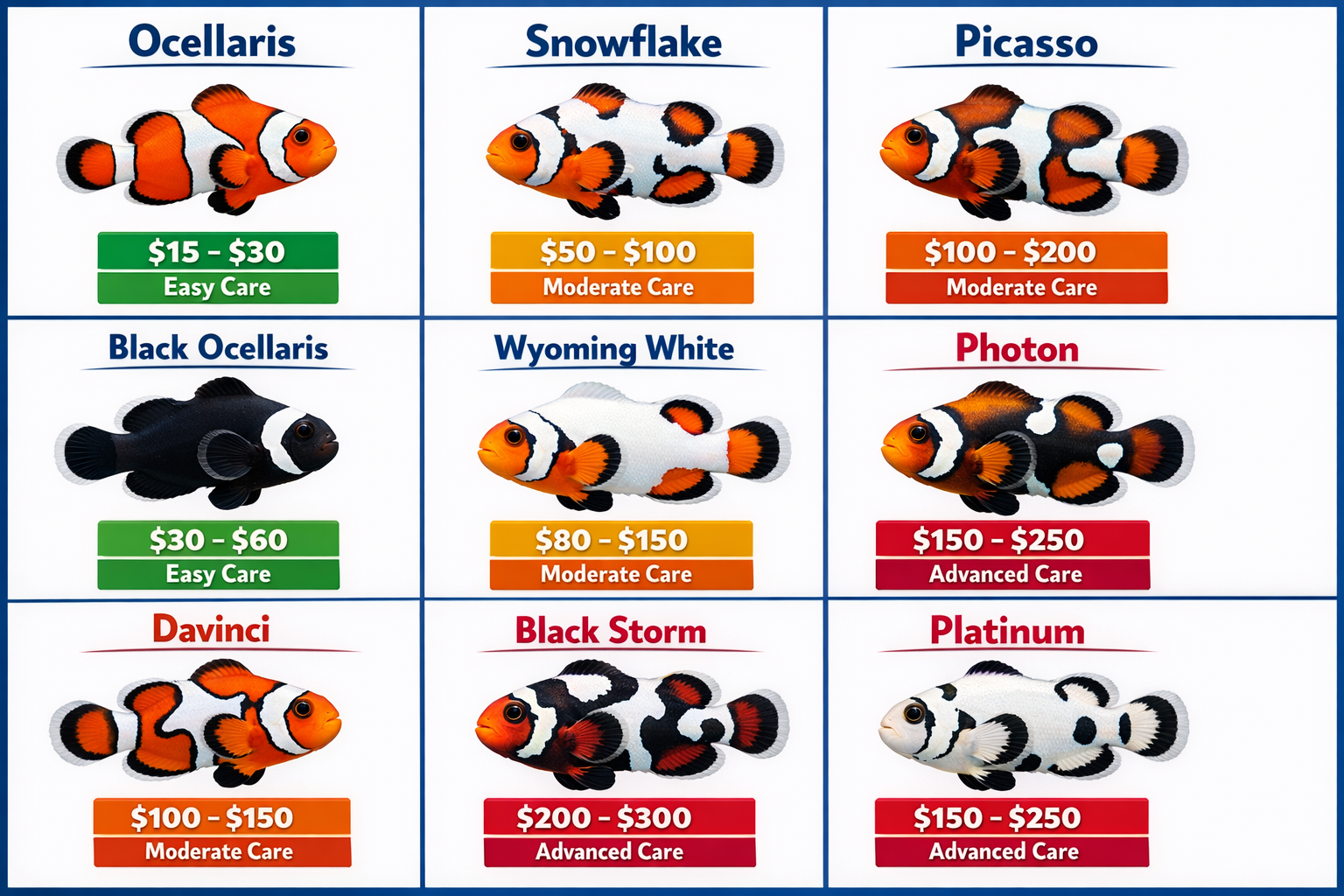
Understanding the financial aspects of clownfish ownership helps potential aquarists make informed decisions about their marine aquarium investments. From initial setup costs to ongoing maintenance expenses, proper budgeting ensures long-term success when searching for saltwater fish for sale nearby.
Initial Setup Investment Breakdown
Tank and equipment costs represent the largest upfront expense, typically ranging from $300-800 for a basic clownfish system. This includes the aquarium, filtration, lighting, heating, and circulation equipment necessary for fish health and survival.
Livestock investments vary dramatically based on species selection and source quality. Standard clownfish pairs cost $30-60, while premium designer morphs can exceed $1000 for rare varieties. Factor in additional costs for live rock, cleanup crew invertebrates, and potential anemone hosts.
Setup timeline costs often get overlooked but include water testing kits, salt mix, bacterial supplements for cycling, and initial food supplies. Budget an additional $100-200 for these essential startup materials.
Ongoing Operational Expenses
Monthly maintenance costs typically range from $30-60 for a basic clownfish system, including salt mix for water changes, replacement filter media, food, and periodic equipment maintenance or replacement.
Electrical consumption for marine aquariums averages $15-40 monthly depending on tank size, lighting type, and equipment efficiency. LED lighting systems offer significant energy savings compared to older fluorescent or metal halide options.
Veterinary and medication expenses should be budgeted at $50-100 annually for preventive treatments, quarantine medications, and potential disease treatments. Having medications on hand prevents emergency situations when fish show illness symptoms.
Cost-Benefit Analysis of Different Sources
Local fish store advantages include immediate fish inspection, no shipping costs, and ongoing support relationships. However, prices often run 20-50% higher than online sources, and selection may be limited to common species.
Online retailer benefits feature competitive pricing, extensive selection, and access to rare morphs unavailable locally. Shipping costs ($25-50) and arrival risks must be factored into total investment calculations.
Direct breeder purchases sometimes offer the best value for premium specimens, especially when buying multiple fish or establishing breeding programs. Many breeders offer package deals and ongoing support for serious aquarists.
Return on Investment Considerations
Breeding potential can offset initial costs for aquarists interested in reproduction. Successful clownfish breeding pairs can produce 100-1000 fry every 2-3 weeks, with juvenile fish selling for $10-50 each depending on species and local market conditions.
Equipment resale value remains relatively high for quality marine aquarium equipment, with established brands retaining 40-60% of original value when properly maintained. This factor reduces long-term ownership costs for aquarists who may upgrade or exit the hobby.
Educational and therapeutic benefits provide intangible returns that many aquarists find invaluable. Marine aquariums offer stress relief, educational opportunities for families, and connection to ocean ecosystems that justify investments beyond pure financial considerations.
Conclusion
The journey of finding and caring for saltwater fish for sale nearby opens doors to one of the most rewarding hobbies in the aquatic world. From understanding the diverse array of clownfish species and designer morphs available to mastering their care requirements and breeding potential, success comes through careful planning, quality sourcing, and dedicated ongoing maintenance.
Whether you choose to purchase from local fish stores that allow hands-on inspection or explore online retailers offering extensive selections and competitive pricing, the key lies in selecting healthy specimens from reputable sources. Remember that initial investment in quality fish and proper equipment pays dividends through years of enjoyment and potentially successful breeding programs.
The clownfish hobby continues evolving with new morphs, improved captive breeding techniques, and advancing aquarium technology. By staying informed about best practices, maintaining excellent water quality, and building relationships with trusted suppliers, you’ll create thriving marine ecosystems that bring the beauty and wonder of coral reefs into your home.
Your next steps should include:
- Research local and online sources using the evaluation criteria discussed, focusing on health guarantees and customer reviews
- Plan your budget carefully, accounting for both initial setup costs and ongoing maintenance expenses
- Prepare your aquarium system with proper cycling and equipment testing before fish arrival
- Start with hardy, beginner-friendly species like Ocellaris clownfish before advancing to rare designer morphs
- Connect with the aquarium community through forums, local clubs, and specialized retailers for ongoing support and advice
The magic of watching clownfish dance among anemones in your own living room awaits. With proper preparation, quality sourcing, and dedicated care, your marine aquarium will provide years of fascination, education, and pure enjoyment for you and your family.
References
[1] Fautin, D.G. & Allen, G.R. (1997). Anemone Fishes and Their Host Sea Anemones. Western Australian Museum.
[2] Wilkerson, J.D. (2001). Clownfishes: A Guide to Their Captive Care, Breeding & Natural History. Microcosm Ltd.
[3] Olivotto, I., Planas, M., Simões, N., Holt, G.J., Avella, M.A., & Calado, R. (2011). Advances in breeding and rearing marine ornamentals. Journal of the World Aquaculture Society, 42(2), 135-166.
[4] Buston, P. (2003). Sequential hermaphroditism in fish. Current Biology, 13(3), R81-R82.
[5] Marine Aquarium Societies of North America. (2019). Marine Aquarium Water Quality Standards. MASNA Technical Publication Series.