
The Complete Guide to the Most Popular Clownfish Species for Your Saltwater Aquarium
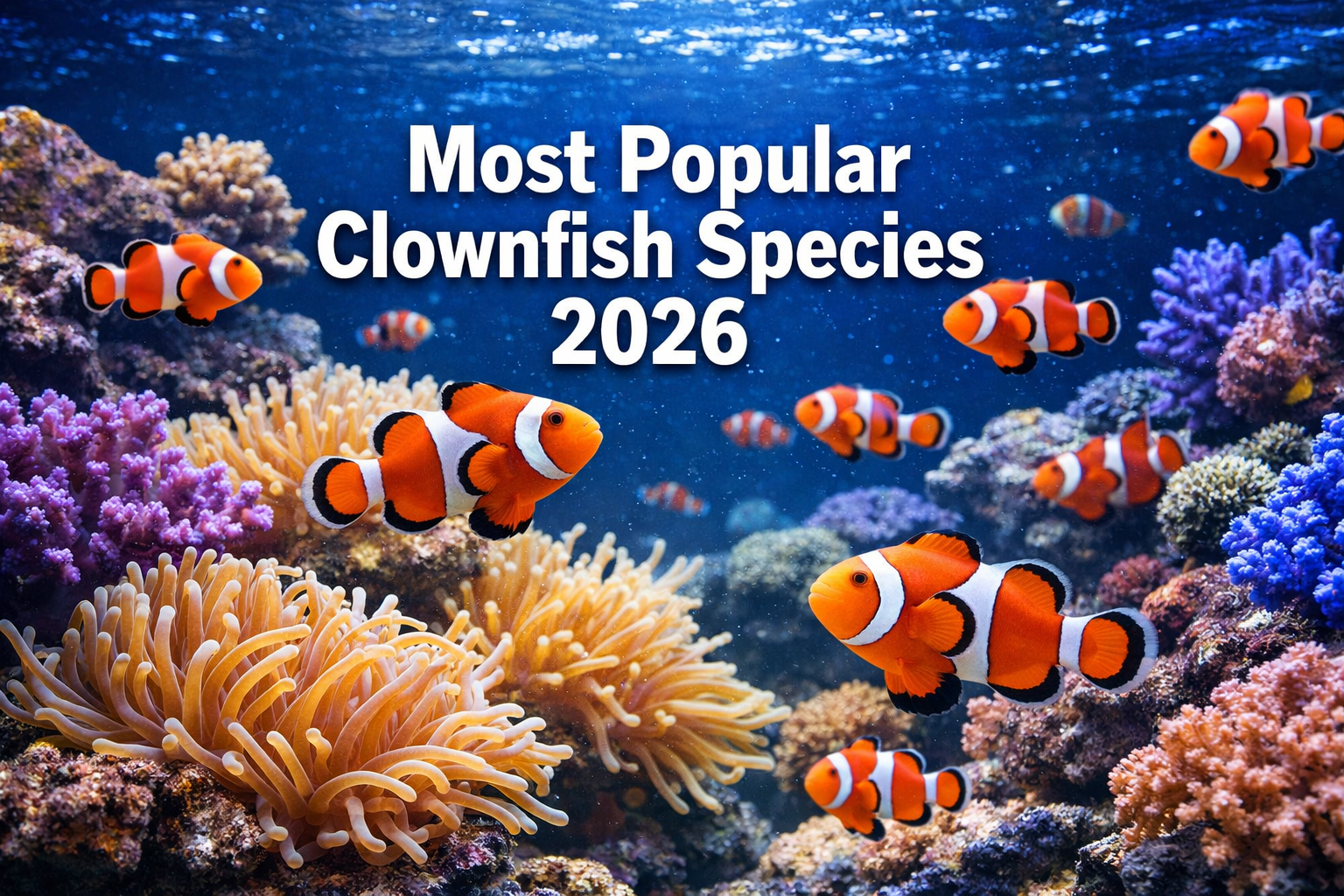
Picture this: you’re standing in front of a stunning saltwater aquarium, mesmerized by the graceful dance of orange and white fish weaving through vibrant sea anemones. These aren’t just any fish – they’re clownfish, the beloved stars of countless aquariums worldwide. As someone who’s spent over a decade in the marine aquarium industry, I can tell you that choosing the right clownfish species can make or break your saltwater aquarium experience. The most popular clownfish species offer the perfect combination of stunning beauty, manageable care requirements, and captivating personalities that have made them the cornerstone of the marine aquarium hobby.
Whether you’re a complete beginner taking your first steps into saltwater fishkeeping or an experienced aquarist looking to add these charismatic fish to your collection, understanding which clownfish species reign supreme in popularity – and why – is crucial for your success. From the iconic Ocellaris that inspired Pixar’s Nemo to the bold and beautiful Maroon clownfish, each species brings its own unique charm and care considerations to your underwater world.
- Display 21 Products per page

Key Takeaways
• Ocellaris clownfish remain the most popular choice for beginners due to their hardy nature, peaceful temperament, and iconic orange-and-white appearance
• Tank-bred specimens are significantly easier to care for than wild-caught fish and adapt better to aquarium life
• Proper anemone pairing isn’t mandatory for clownfish health, but understanding natural relationships enhances their well-being
• Breeding clownfish has become increasingly accessible to home aquarists, with many species readily spawning in captivity
• Designer morphs and color variations have exploded in popularity, offering unique alternatives to traditional wild-type patterns
Understanding the Most Popular Clownfish Species in 2026
The world of clownfish has evolved dramatically over the past decade, with captive breeding programs producing healthier, more adaptable fish than ever before. When I first started in this industry, finding quality captive-bred clownfish was a challenge. Today, thanks to dedicated breeders and improved techniques, the most popular clownfish species are readily available as tank-bred specimens that thrive in home aquariums.
The Big Five: Top Clownfish Species
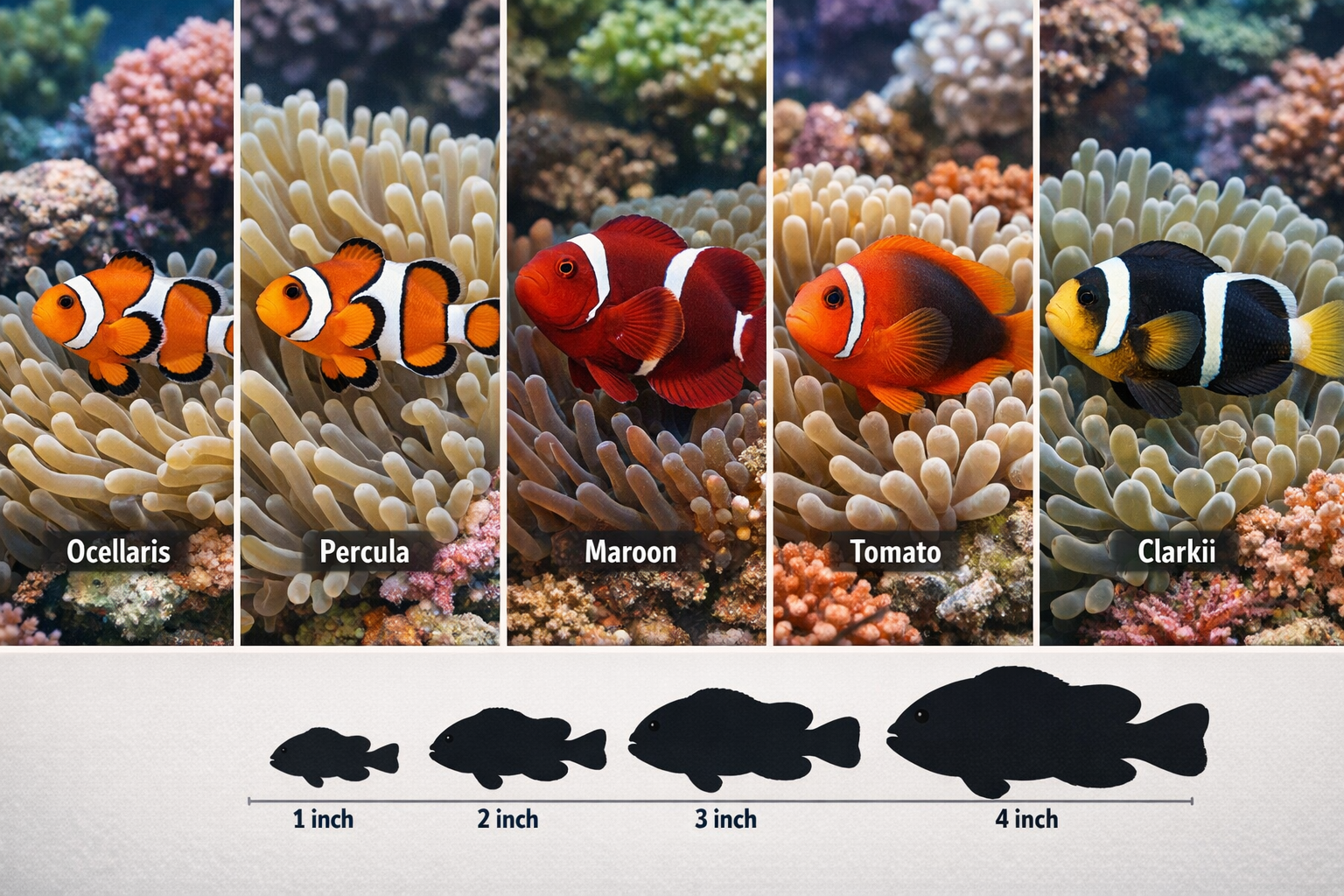
The marine aquarium trade recognizes five species that consistently dominate sales and popularity rankings. These fish have earned their status through a combination of hardiness, beauty, and compatibility with typical home aquarium setups.
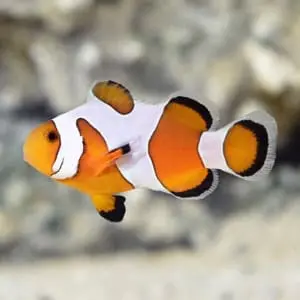
1. Ocellaris Clownfish (Amphiprion ocellaris)
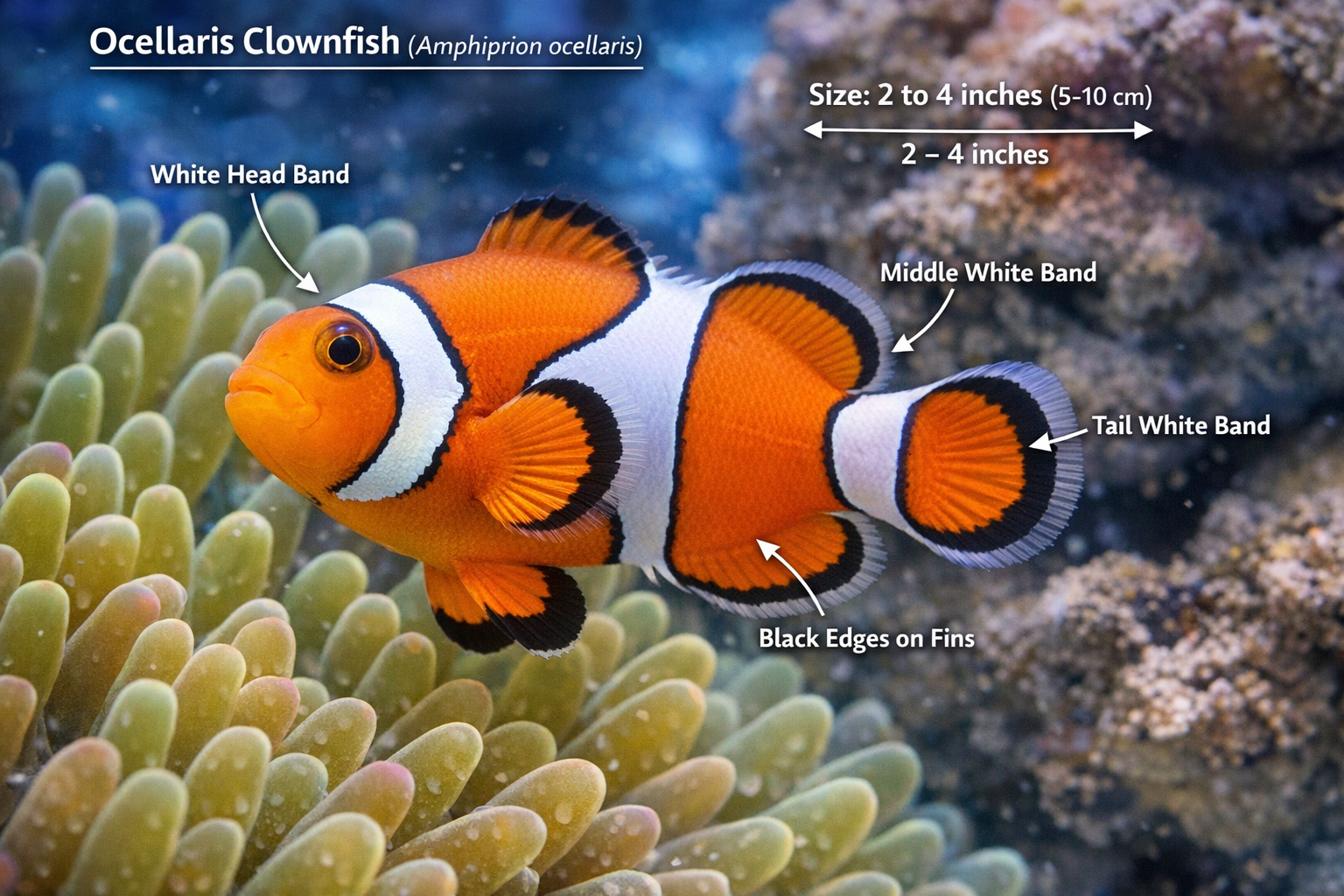
The undisputed champion of the clownfish world, the Ocellaris clownfish captures hearts with its vibrant orange body adorned with three distinctive white bands outlined in black. Growing to a manageable 3-4 inches, these fish are perfect for aquariums as small as 20 gallons, though they truly shine in larger systems where they can establish territories and display natural behaviors.
2. Percula Clownfish (Amphiprion percula)
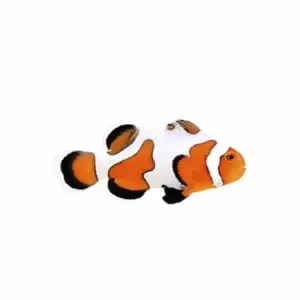
Often confused with the Ocellaris, the Percula clownfish sports thicker black borders around its white stripes and tends to display more vibrant orange coloration. These fish are slightly smaller than their Ocellaris cousins and are known for their bold personalities and strong anemone relationships.
3. Maroon Clownfish (Premnas biaculeatus)
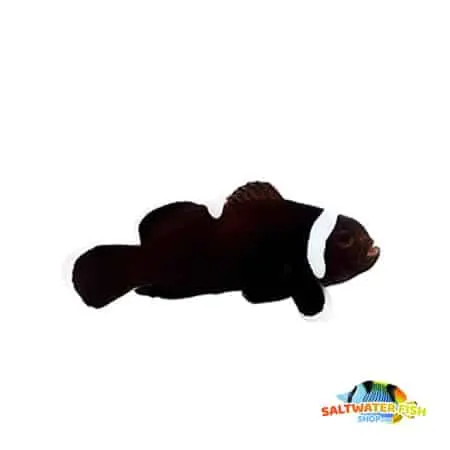
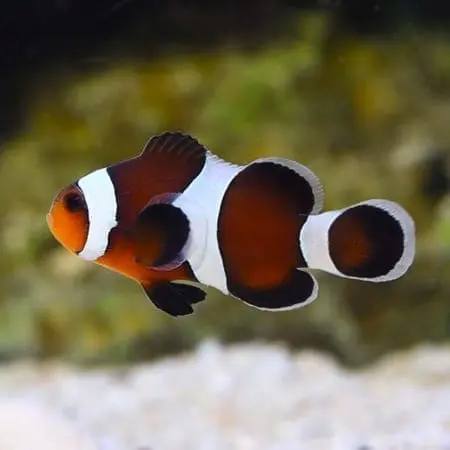
The largest of the popular clownfish species, Maroons can reach up to 6 inches and are known for their deep red coloration and distinctive white stripes. These fish require larger aquariums (minimum 30 gallons) and can be more territorial than other species, but their striking appearance makes them favorites among experienced aquarists.
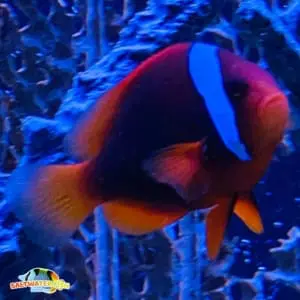
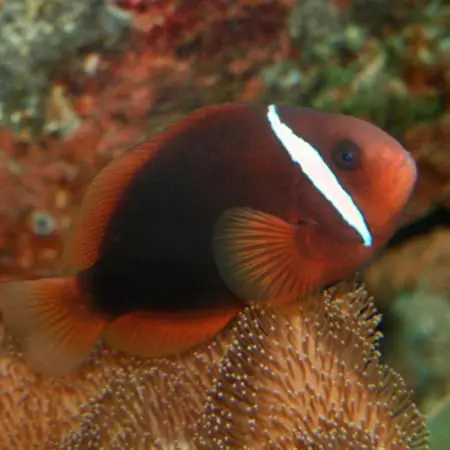
4. Tomato Clownfish (Amphiprion frenatus)
Sporting a brilliant red-orange coloration with a single white stripe behind the head, Tomato clownfish are hardy and adaptable. They’re excellent choices for aquarists who want something different from the traditional three-stripe pattern while maintaining ease of care.
5. Clarkii Clownfish (Amphiprion clarkii)
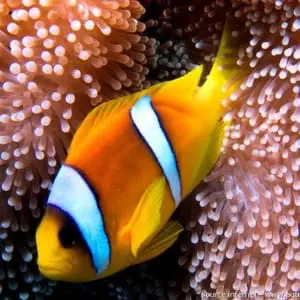
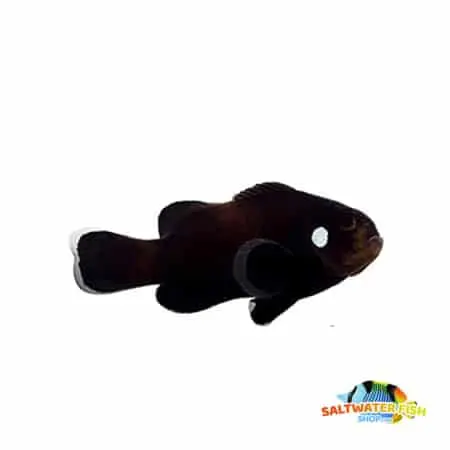
Known for their variable coloration ranging from yellow to dark brown or black, Clarkii clownfish are among the most adaptable species. They accept the widest variety of anemone hosts and are extremely hardy, making them excellent choices for beginners willing to provide adequate space.
Why These Species Dominate the Market
The popularity of these five species isn’t accidental. Each has been selected by aquarists over decades for specific traits that make them ideal aquarium inhabitants. Their success in captivity stems from several key factors:
Hardiness and Adaptability: All five species tolerate a wide range of water parameters and are forgiving of minor fluctuations that might stress more sensitive fish. This resilience makes them perfect for aquarists still learning proper water chemistry management.
Breeding Success: These species breed readily in captivity, ensuring a steady supply of tank-bred specimens. Captive-bred saltwater fish are generally healthier, more disease-resistant, and better adapted to aquarium life than their wild-caught counterparts.
Size Compatibility: Most popular clownfish species remain small enough for typical home aquariums while being large enough to hold their own with other community fish. This size sweet spot makes them versatile additions to various tank setups.
Peaceful Nature: With the exception of the more territorial Maroon clownfish, these species coexist well with other peaceful marine fish, making them excellent community tank inhabitants.
Essential Care Requirements for the Most Popular Clownfish
Caring for the most popular clownfish species requires understanding their basic needs and creating an environment that mimics their natural habitat. After years of working with these fish, I’ve learned that success comes down to mastering a few fundamental principles that apply across all popular species.
Tank Setup and Water Parameters
Creating the ideal environment for clownfish starts with proper tank sizing and equipment selection. While clownfish are relatively small, they’re active swimmers that benefit from adequate space and well-planned aquascaping.
Minimum Tank Requirements:
- Ocellaris/Percula: 20 gallons for a pair
- Tomato/Clarkii: 30 gallons for a pair
- Maroon: 40 gallons for a pair
These minimums assume you’re keeping only clownfish with minimal tankmates. For community tanks or multiple species, significantly larger systems are necessary.
Critical Water Parameters:
- Temperature: 72-78°F (24-26°C)
- Salinity: 1.020-1.025 specific gravity
- pH: 8.1-8.4
- Ammonia: 0 ppm
- Nitrite: 0 ppm
- Nitrate: <20 ppm
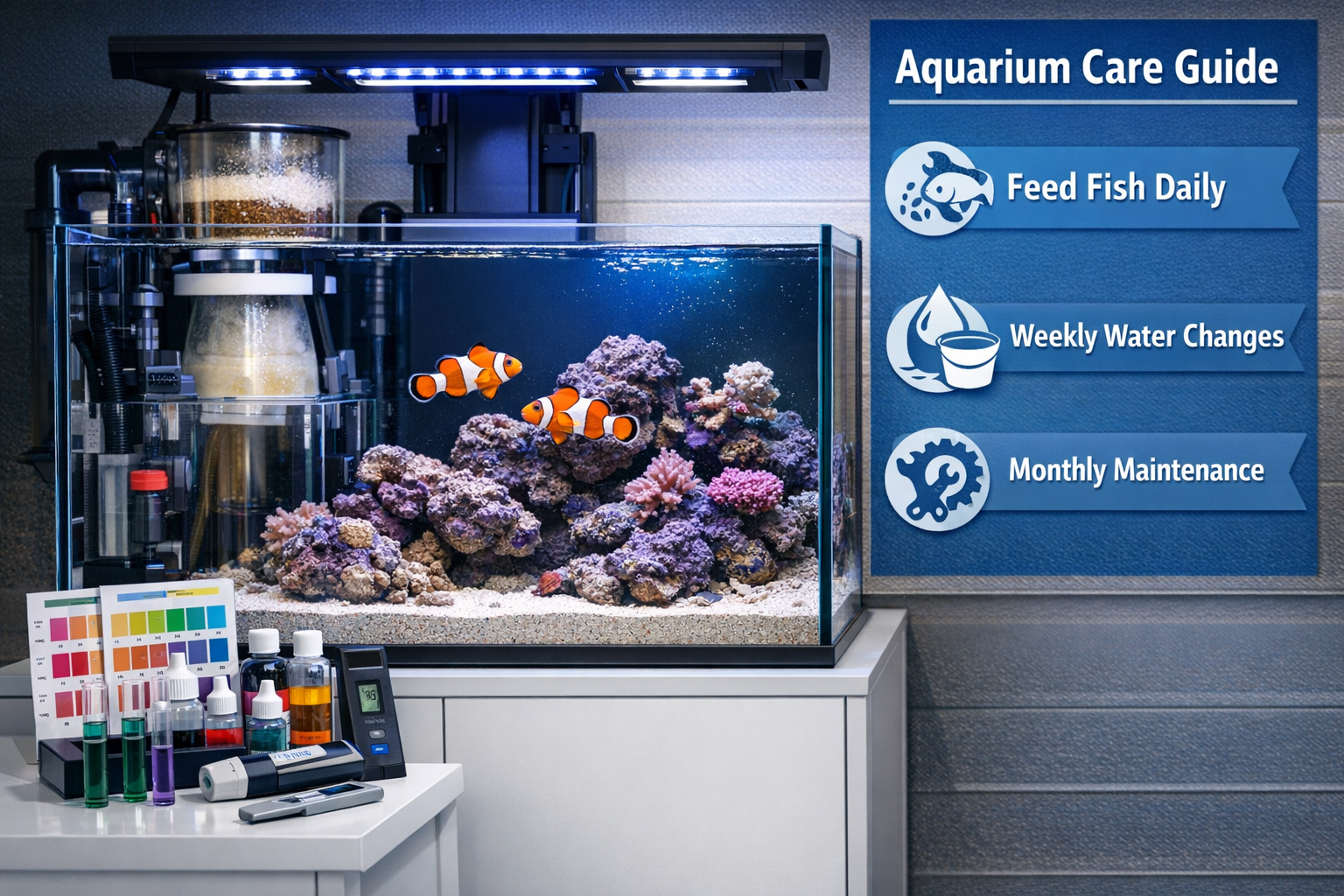
Maintaining stable water parameters is crucial for clownfish health. I recommend investing in quality test kits and monitoring systems to track these values regularly. Sudden changes in water chemistry can stress clownfish and make them susceptible to disease.
Essential Equipment:
Quality filtration forms the backbone of any successful clownfish aquarium. A combination of mechanical, biological, and chemical filtration ensures water quality remains optimal. Protein skimmers are highly recommended for tanks over 30 gallons, as they remove dissolved organic compounds before they can break down and affect water quality.
Lighting requirements depend on whether you plan to keep anemones or corals. For fish-only systems, basic LED lighting suffices. However, if you want to house anemones for your clownfish, you’ll need high-quality reef lighting capable of supporting photosynthetic organisms.
Feeding and Nutrition
Proper nutrition is essential for maintaining the vibrant colors and robust health that make the most popular clownfish so appealing. In the wild, clownfish are omnivores that feed on algae, small crustaceans, and food scraps from their anemone hosts.
Daily Feeding Schedule:
Feed adult clownfish 2-3 times daily, offering only what they can consume in 2-3 minutes. Juvenile fish require more frequent feeding (4-5 times daily) to support their rapid growth.
Recommended Foods:
- High-quality marine pellets (primary staple)
- Frozen mysis shrimp
- Frozen brine shrimp
- Marine flake food
- Nori (seaweed sheets)
- Frozen cyclops
Variety is key to optimal nutrition. I rotate between different food types throughout the week to ensure my clownfish receive a balanced diet. Marine pellets should form the foundation of their diet, as these are formulated to meet their specific nutritional needs.
Feeding Tips for Success:
Target feeding ensures all fish receive adequate nutrition, especially in community tanks. Use feeding tongs or a turkey baster to direct food to specific areas of the tank. This technique is particularly important when keeping multiple clownfish pairs, as dominant individuals may monopolize feeding areas.
Avoid overfeeding, which is one of the most common mistakes in clownfish care. Excess food decomposes and creates water quality issues that can stress or kill your fish. If you notice uneaten food after feeding, reduce the amount offered at the next meal.
Disease Prevention and Health Management
Preventing disease is far easier than treating sick fish, and the most popular clownfish species are generally hardy when provided with proper care. However, understanding common health issues and prevention strategies is crucial for long-term success.
Common Clownfish Diseases:
- Marine Ich (Cryptocaryon irritans)
- Marine Velvet (Amyloodinium ocellatum)
- Brooklynella hostilis
- Bacterial infections
- Parasitic infections
Prevention Strategies:
Quarantine all new fish for 2-4 weeks before introducing them to your main tank. This practice allows you to observe new arrivals for signs of disease and treat any issues before they spread to your established fish.
Maintain excellent water quality through regular water changes (10-20% weekly), proper filtration, and avoiding overcrowding. Stressed fish are more susceptible to disease, so creating a stable environment is your first line of defense.
Treatment Considerations:
When disease does occur, early intervention is crucial. Many clownfish diseases respond well to treatment when caught early, but can be fatal if allowed to progress. Keep basic medications on hand, including copper-based treatments for parasites and antibiotics for bacterial infections.
Consider working with a veterinarian experienced in fish medicine for serious health issues. The investment in professional care can save valuable fish and provide learning opportunities for future prevention.
Breeding and Raising Popular Clownfish Species
Breeding the most popular clownfish species has become increasingly accessible to home aquarists, thanks to improved understanding of their reproductive biology and refined husbandry techniques. What once required specialized facilities and years of experience can now be accomplished in well-planned home breeding systems.
Understanding Clownfish Reproduction
Clownfish exhibit fascinating reproductive behavior that makes them ideal candidates for captive breeding. All clownfish are born male and can change to female when social conditions require it – a process called sequential hermaphroditism.
The Breeding Hierarchy:
In any clownfish group, the largest, most dominant individual becomes the breeding female. The second-largest becomes the breeding male, while any remaining fish stay juvenile males. This social structure means you can start with juvenile fish and allow them to naturally pair as they mature.
Spawning Behavior:
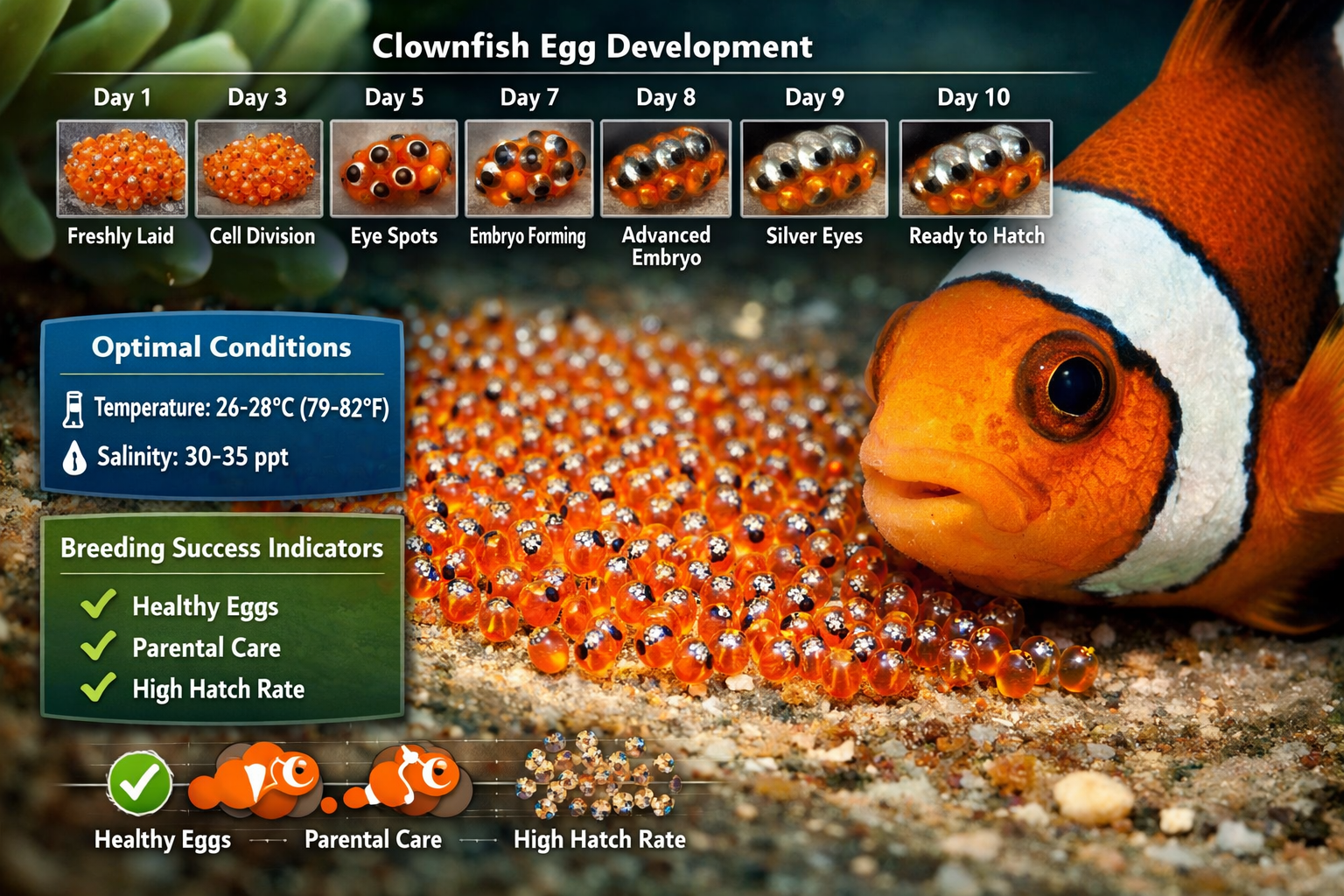
Mature pairs spawn every 12-16 days during peak breeding season, typically laying 200-1,500 eggs depending on the species and female size. The male prepares the spawning site by cleaning a flat surface near their host anemone or preferred shelter.
Egg Development Timeline:
- Day 1-2: Orange eggs with visible oil globules
- Day 3-5: Eyes begin developing (silvery appearance)
- Day 6-7: Spinal development visible
- Day 8-10: Hatching occurs (species dependent)
Temperature significantly affects development speed, with warmer water accelerating the process. Most popular species hatch between days 7-11 at typical aquarium temperatures.
Setting Up a Breeding System
Successful clownfish breeding requires dedicated space and equipment designed specifically for reproduction and larval rearing. While some aquarists achieve spawning success in display tanks, dedicated breeding systems offer better control and higher survival rates.
Breeding Tank Specifications:
A 40-gallon breeder tank provides adequate space for most popular clownfish pairs while remaining manageable for maintenance. The shallow depth (16 inches) makes observation and maintenance easier while providing sufficient swimming space.
Essential Breeding Equipment:
- Gentle filtration (sponge filters work well)
- Stable heating system
- Spawning substrate (clay tiles or PVC pipe)
- Larval collection system
- Separate larval rearing tanks
Environmental Triggers:
Consistent feeding with high-quality foods triggers spawning behavior in healthy pairs. Gradually increasing water temperature by 2-3 degrees and extending photoperiod can stimulate breeding activity during natural spawning seasons.
Larval Rearing Challenges and Solutions
Raising clownfish larvae represents the most challenging aspect of breeding these fish. The tiny larvae require specific foods, water conditions, and care that differs significantly from adult fish husbandry.
Critical First Feeding:
Newly hatched clownfish larvae are approximately 3-4mm long with large yolk sacs that sustain them for 2-3 days. First feeding must begin before yolk absorption completes, typically on day 2-3 post-hatch.
Larval Food Progression:
- Days 1-10: Rotifers (Brachionus species)
- Days 8-20: Baby brine shrimp (Artemia nauplii)
- Days 15+: Finely crushed pellets and flakes
Maintaining live food cultures requires advance planning and consistent care. Many successful breeders maintain continuous rotifer and brine shrimp cultures to ensure food availability when larvae hatch.
Water Quality for Larvae:
Larval clownfish are extremely sensitive to water quality fluctuations. Daily water changes of 10-20% using aged, filtered seawater help maintain optimal conditions. Gentle aeration prevents surface film formation while avoiding strong currents that can damage delicate larvae.
Metamorphosis and Settlement:
Around day 10-14, larvae begin metamorphosis from transparent, planktonic forms to recognizable juvenile clownfish. This transformation marks a critical period when larvae seek settlement sites and begin developing adult coloration patterns.
Providing appropriate settlement substrates like live rock rubble or artificial structures helps larvae successfully complete metamorphosis. Survival rates often depend on timing this transition correctly and providing adequate hiding places for newly settled juveniles.
Designer Morphs and Color Variations
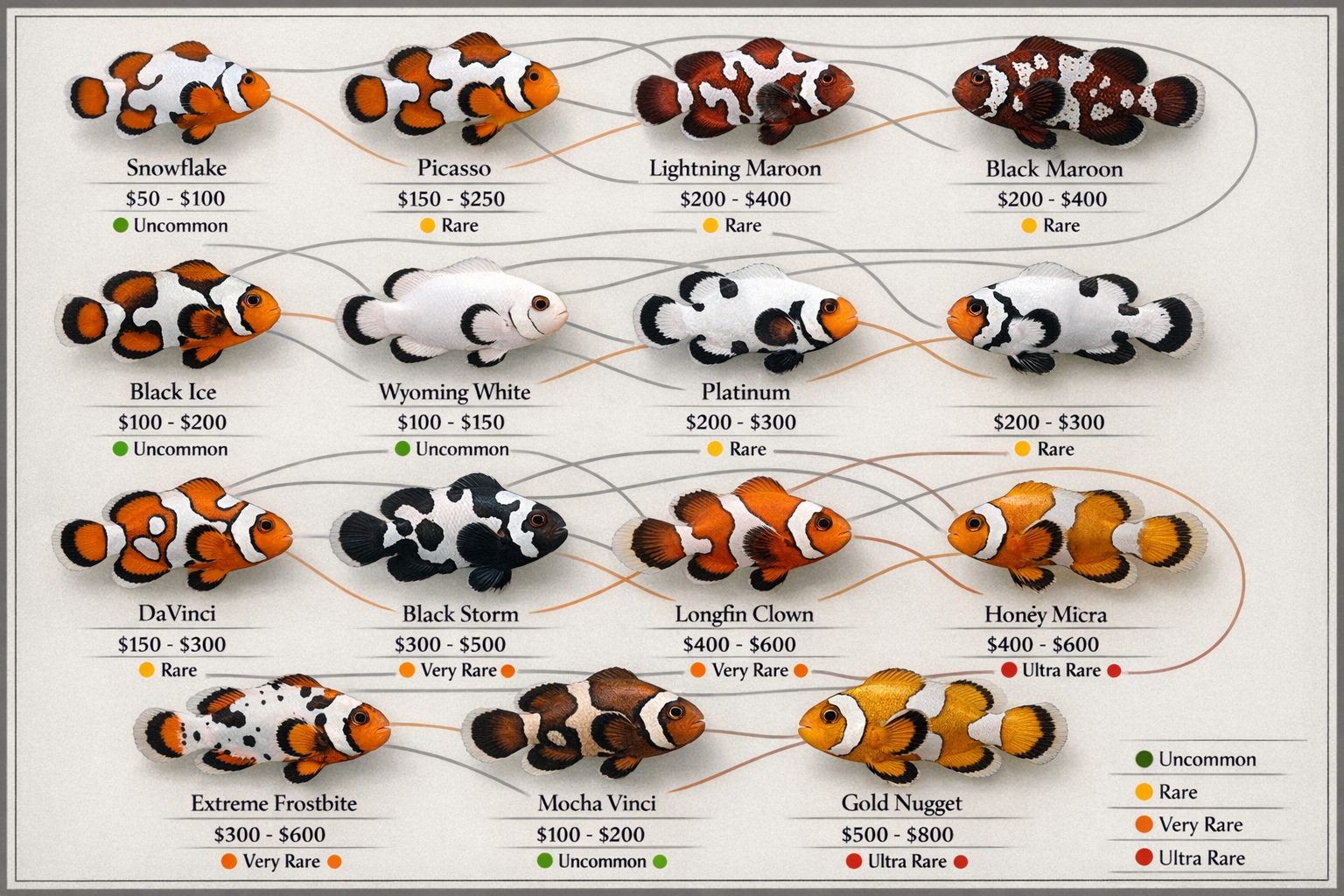
The explosion of designer clownfish morphs has revolutionized the market for the most popular clownfish species, creating exciting alternatives to traditional wild-type patterns. These captive-bred varieties showcase the incredible genetic diversity possible through selective breeding programs.
Popular Ocellaris Morphs
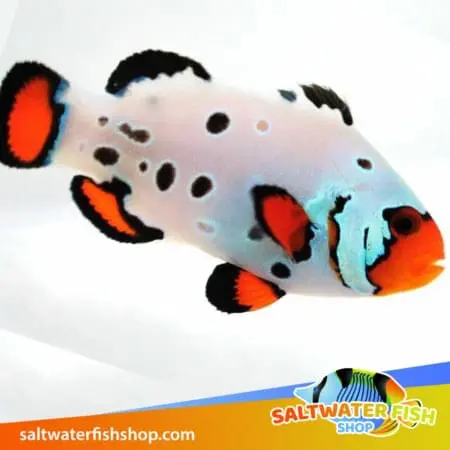
The Ocellaris clownfish serves as the foundation for most designer breeding programs due to its hardy nature and willingness to breed in captivity. Breeders have developed dozens of distinct morphs that command premium prices among collectors.
Snowflake Ocellaris:
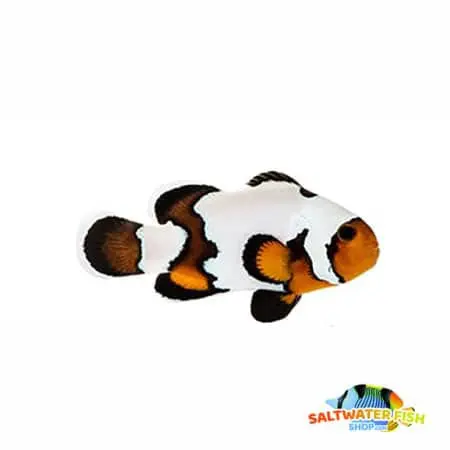
Characterized by irregular white markings that extend beyond normal stripe patterns, Snowflake clownfish display unique patterns on each individual. No two fish look identical, making each specimen a one-of-a-kind addition to aquariums.
Picasso Ocellaris:
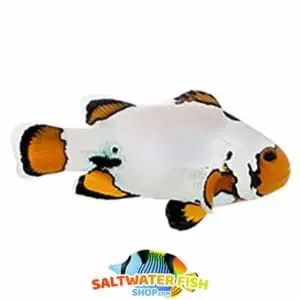
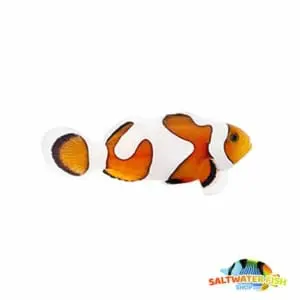
Named for their abstract white markings reminiscent of the famous artist’s work, Picasso clownfish feature flowing white patterns that often connect stripes in unusual ways. Premium specimens display extensive white coverage with intricate designs.
Lightning Maroon Clownfish:
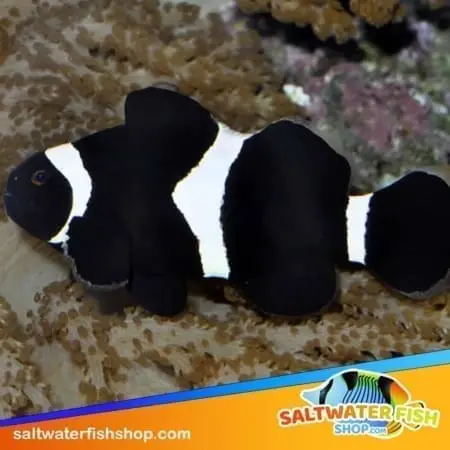
Perhaps the most famous designer clownfish, Lightning Maroons feature white stripes with distinctive “lightning bolt” extensions. Originally discovered as a single wild specimen, this morph has been successfully bred to create a limited but growing population.
Platinum Ocellaris:
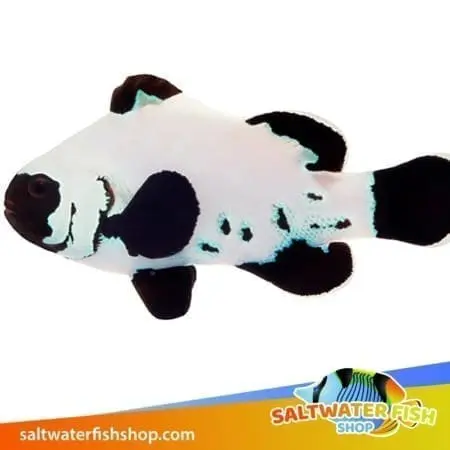
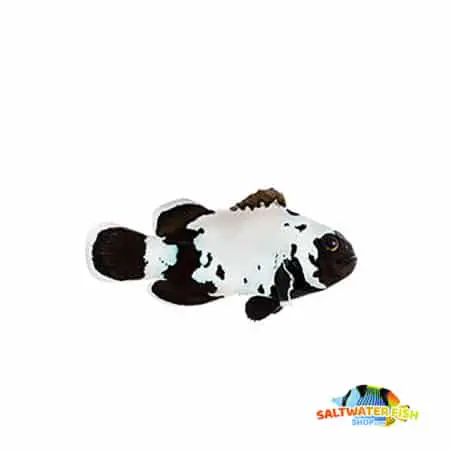
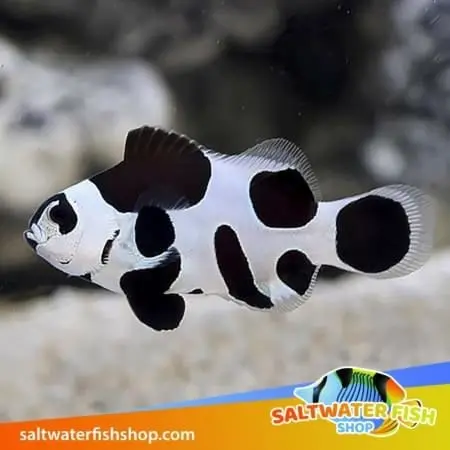
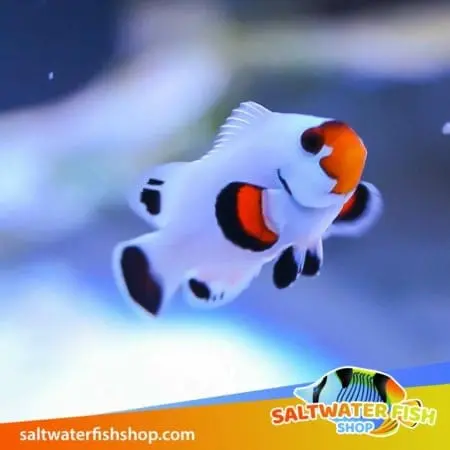
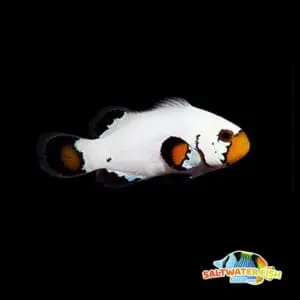
These striking fish lack orange pigmentation entirely, displaying white bodies with black markings. Platinum clownfish represent one of the most dramatic departures from wild-type coloration and command high prices due to their rarity.
Breeding Designer Morphs
Creating designer morphs requires understanding basic genetics and maintaining detailed breeding records. Most morphs result from recessive genetic traits that only appear when both parents carry the genes.
Genetic Inheritance Patterns:
Simple recessive traits like the Snowflake pattern follow predictable inheritance patterns. Breeding two Snowflake parents produces 100% Snowflake offspring, while crossing Snowflake with wild-type yields all wild-type offspring carrying hidden Snowflake genes.
Line Breeding Strategies:
Successful morph breeders maintain separate breeding lines for different traits, occasionally crossing lines to introduce genetic diversity. This approach prevents inbreeding depression while preserving desirable characteristics.
Quality Selection:
Not all fish displaying morph characteristics are suitable for breeding programs. Breeders select only the finest specimens with the most desirable traits, gradually improving their lines over multiple generations.
Market Value and Investment Potential
Designer clownfish morphs represent significant investments, with rare specimens commanding prices exceeding $1,000 per fish. Understanding market trends and quality factors helps aquarists make informed purchasing decisions.
Factors Affecting Value:
- Rarity of the morph
- Quality of markings
- Size and maturity
- Breeding potential
- Breeder reputation
Investment Considerations:
While some morphs appreciate in value as breeding programs develop, others may decrease in price as availability increases. Purchasing fish for personal enjoyment rather than investment purposes typically leads to greater satisfaction.
The saltwater fish store market has embraced designer morphs, with specialty breeders commanding premium prices for exceptional specimens. However, traditional wild-type clownfish remain popular among aquarists who prefer natural appearances.
🐠 Clownfish Species Comparison Tool
Compare popular clownfish species to find the perfect match for your aquarium
Tank Setup and Compatibility with Other Fish
Creating the perfect environment for the most popular clownfish requires careful consideration of tankmates, aquascaping, and equipment selection. Over the years, I've learned that successful clownfish aquariums balance the fish's natural behaviors with the practical requirements of home aquarium keeping.
Ideal Tankmates for Popular Clownfish
Selecting compatible tankmates enhances your clownfish's quality of life while creating a vibrant, diverse aquarium ecosystem. The peaceful nature of most popular clownfish species makes them excellent community fish when paired appropriately.
Excellent Tankmate Categories:
Peaceful Wrasses: Six-line wrasses, fairy wrasses, and flasher wrasses make ideal companions for clownfish. These active swimmers occupy different water columns and rarely compete for resources. Their vibrant colors complement clownfish beautifully while adding movement and interest to the aquarium.
Gobies and Blennies: Bottom-dwelling species like blennies and gobies provide excellent compatibility with clownfish. Lawnmower blennies help control algae growth while adding personality with their curious behaviors. Watchman gobies create interesting burrows and often form symbiotic relationships with pistol shrimp.
Cardinalfish: These peaceful schooling fish occupy nighttime niches when clownfish are less active. Cardinal fish like Banggai cardinals or Pajama cardinals add elegance to community tanks while maintaining excellent compatibility with all popular clownfish species.
Peaceful Tangs: In larger aquariums (75+ gallons), peaceful tang species like Yellow tangs or Purple tangs can coexist successfully with clownfish. These algae-eating fish help maintain water quality while adding size and color diversity to the aquarium.
Tankmates to Avoid:
Aggressive species pose risks to clownfish, even larger species like Maroon clownfish. Avoid triggers, large angelfish, groupers, and other predatory fish that might view clownfish as prey. Similarly, very small fish like neon gobies might be bullied by larger clownfish species.
Anemone Relationships and Alternatives
The symbiotic relationship between clownfish and sea anemones represents one of nature's most fascinating partnerships. However, keeping anemones requires advanced aquarium skills and isn't necessary for clownfish health and happiness.
Natural Anemone Hosts:
Each clownfish species has preferred anemone hosts in the wild. Ocellaris clownfish naturally associate with Magnificent anemones (Heteractis magnifica) and Giant carpet anemones (Stichodactyla gigantea). Understanding these relationships helps aquarists choose appropriate anemones when they decide to keep these challenging invertebrates.
Anemone Care Requirements:
Sea anemones require intense lighting, excellent water quality, and specific feeding regimens. They're mobile animals that can move around the aquarium and potentially damage corals or other invertebrates. Additionally, anemones can live for decades and grow quite large, making them long-term commitments.
Anemone Alternatives:
Many aquarists successfully keep clownfish without anemones, using alternative hosts that provide similar benefits without the challenges. Large polyp stony corals like Hammer corals, Frogspawn corals, and Torch corals often accept clownfish as hosts. These corals are generally easier to maintain than anemones while still providing the hosting relationship clownfish enjoy.
Artificial Alternatives:
High-quality artificial anemones can provide psychological comfort for clownfish without the maintenance requirements of living hosts. While not providing the full symbiotic relationship, these alternatives give clownfish a sense of security and territory.
Aquascaping for Clownfish Success
Proper aquascaping creates territories, hiding places, and swimming areas that allow clownfish to exhibit natural behaviors. The most popular clownfish species thrive in aquariums that mimic their natural reef environments.
Live Rock Arrangements:
Create caves, overhangs, and territories using live rock arrangements. Clownfish appreciate having defined territories where they can retreat when stressed or establish breeding sites. Leave open swimming areas in the front and middle of the aquarium while providing structure along the back and sides.
Substrate Considerations:
Fine sand substrates work well for clownfish aquariums, providing natural appearance while supporting beneficial bacteria colonies. Avoid sharp or coarse substrates that might injure fish during feeding or territorial disputes.
Flow Patterns:
Moderate water flow mimics natural reef conditions while preventing dead spots where detritus can accumulate. Position powerheads to create gentle, random flow patterns that keep water moving without creating strong currents that stress fish.
Lighting Considerations:
If keeping fish-only systems, moderate lighting suffices for clownfish health and color development. However, if planning to add corals or anemones, invest in high-quality LED reef lighting from the beginning. This approach allows future expansion without major equipment changes.
Advanced Topics: Genetics and Selective Breeding
The world of clownfish genetics has exploded over the past decade, with dedicated breeders developing increasingly sophisticated breeding programs that produce the most popular clownfish morphs and varieties. Understanding basic genetics principles helps aquarists appreciate the complexity behind designer clownfish and make informed purchasing decisions.
Understanding Clownfish Genetics
Clownfish genetics follow predictable patterns that allow breeders to produce specific traits through careful selection and breeding strategies. Most designer morphs result from simple recessive genes, though some involve more complex inheritance patterns.
Basic Genetic Principles:
Each clownfish inherits two copies of every gene – one from each parent. Dominant genes express their traits even when only one copy is present, while recessive genes require two copies to be visible. Most designer morphs involve recessive genes, which is why they're relatively rare in wild populations.
Common Genetic Traits:
The Snowflake pattern results from a simple recessive gene that affects white pigmentation distribution. Fish carrying one copy of this gene appear normal but can produce Snowflake offspring when bred with other carriers. This hidden genetic diversity explains why some breeding pairs occasionally produce unexpected morphs.
Breeding Predictions:
Understanding genetic ratios helps predict breeding outcomes. Crossing two Snowflake clownfish produces 100% Snowflake offspring, while crossing Snowflake with normal produces all normal-appearing fish that carry the Snowflake gene. These carriers can later produce Snowflake offspring when bred appropriately.
Complex Inheritance:
Some morphs involve multiple genes working together, creating more complex inheritance patterns. The Lightning Maroon pattern appears to involve several genetic factors that must align properly to produce the distinctive markings.
Commercial Breeding Operations
Large-scale clownfish breeding has become a sophisticated industry that supplies the majority of aquarium fish through captive breeding programs. These operations have revolutionized the hobby by providing healthy, disease-free fish while reducing pressure on wild populations.
Breeding Facility Design:
Commercial breeding facilities use specialized systems designed for maximum efficiency and fish health. Temperature-controlled buildings house hundreds of breeding tanks with centralized filtration, heating, and monitoring systems. Automated feeding systems ensure consistent nutrition while reducing labor costs.
Quality Control Measures:
Professional breeders implement strict quality control protocols to maintain fish health and genetic diversity. Regular health screenings, quarantine procedures, and genetic record-keeping ensure high-quality offspring while preventing inbreeding depression.
Market Distribution:
Wholesale distribution networks connect commercial breeders with retail stores and online fish shipping operations. This system ensures fresh, healthy fish reach consumers quickly while maintaining proper handling throughout the supply chain.
Future Trends in Clownfish Breeding
The clownfish breeding industry continues evolving with new technologies, genetic discoveries, and market demands driving innovation. Several trends are shaping the future of the most popular clownfish breeding programs.
Genetic Testing:
Advanced genetic testing allows breeders to identify carriers of recessive traits without test breeding. This technology accelerates breeding programs by eliminating guesswork and reducing the time needed to develop new morphs.
Cryopreservation Technology:
Sperm cryopreservation enables long-term genetic storage and transport, allowing breeders to maintain genetic diversity and share genetics across great distances. This technology is particularly valuable for rare morphs where maintaining genetic diversity is challenging.
Automated Systems:
Robotics and automation are increasingly used in large breeding facilities to reduce labor costs and improve consistency. Automated feeding, water changes, and monitoring systems allow facilities to maintain more breeding pairs with fewer staff members.
New Morph Development:
Ongoing breeding programs continue developing new morphs and color varieties. Recent developments include various "designer" patterns and color combinations that push the boundaries of clownfish genetics.
Sustainability Focus:
Environmental consciousness is driving increased focus on sustainable breeding practices. Closed-loop systems, renewable energy use, and waste reduction initiatives are becoming standard in modern breeding facilities.
Purchasing Guide: Finding Quality Clownfish
Selecting healthy, high-quality clownfish requires knowledge of what to look for and where to find reputable sources. The popularity of the most popular clownfish species means they're widely available, but quality varies significantly between sources.
Identifying Healthy Specimens
Recognizing healthy clownfish prevents disappointment and potential disease introduction to established aquariums. Healthy fish display specific characteristics that indicate good husbandry and genetic quality.
Physical Health Indicators:
Healthy clownfish display vibrant colors with clear, bright eyes and intact fins. Their bodies should appear well-fed but not bloated, with smooth scales and no visible lesions or discoloration. Active swimming behavior and curiosity about their surroundings indicate good health and proper socialization.
Behavioral Signs:
Watch for normal swimming patterns and social interactions with other fish. Healthy clownfish are typically curious and may approach the front of the tank when people are present. Avoid fish that hide constantly, swim erratically, or show signs of aggression toward tankmates.
Breathing Patterns:
Normal gill movement should be steady and regular. Rapid or labored breathing often indicates stress, disease, or poor water quality. Fish gasping at the surface or showing irregular breathing patterns should be avoided.
Feeding Response:
Healthy clownfish eagerly accept food and compete appropriately with tankmates during feeding. Fish that ignore food or seem unable to compete for meals may have underlying health issues.
Choosing Between Wild-Caught and Captive-Bred
The choice between wild-caught and captive-bred clownfish significantly impacts success rates and long-term satisfaction. Understanding the differences helps aquarists make informed decisions based on their experience level and goals.
Captive-Bred Advantages:
Tank-raised clownfish adapt more easily to aquarium life and are generally healthier than wild-caught specimens. They're accustomed to artificial foods and aquarium conditions from birth, reducing stress during the transition to new tanks. Additionally, captive-bred fish are less likely to carry parasites or diseases common in wild populations.
Wild-Caught Considerations:
While wild-caught clownfish may display more natural behaviors and sometimes more vibrant colors, they require more careful acclimation and are prone to stress-related health issues. These fish may refuse artificial foods initially and are more susceptible to disease during the adjustment period.
Price Differences:
Captive-bred clownfish typically cost more than wild-caught specimens due to the intensive breeding and rearing processes involved. However, the higher initial cost is often offset by better survival rates and reduced veterinary expenses.
Ethical Considerations:
Choosing captive-bred fish supports sustainable aquaculture while reducing pressure on wild reef populations. This choice aligns with conservation efforts and helps preserve natural ecosystems for future generations.
Reputable Sources and Red Flags
Finding trustworthy sources for clownfish purchases protects against fraud, disease, and disappointment. Established retailers with good reputations provide better customer service and healthier fish.
Local Fish Store Benefits:
Local aquarium stores allow personal inspection of fish before purchase and often provide ongoing support and advice. Established stores typically maintain proper quarantine procedures and can provide detailed information about their fish sources and care histories.
Online Purchasing Considerations:
Online saltwater fish stores offer wider selection and often better prices, but require careful vendor selection. Look for retailers with detailed fish descriptions, clear return policies, and positive customer reviews. Proper packaging and expedited shipping are essential for online fish purchases.
Warning Signs to Avoid:
Be cautious of vendors offering prices significantly below market rates, as this often indicates poor quality or unhealthy fish. Avoid sources that can't provide information about their fish origins, quarantine procedures, or health guarantees. Poor website design, lack of contact information, or unwillingness to answer questions are additional red flags.
Documentation and Guarantees:
Reputable dealers provide health guarantees and proper documentation for their fish. This includes information about the fish's origin, age, and any special care requirements. Clear return policies and customer support demonstrate vendor confidence in their products.
Seasonal Considerations and Availability
Understanding seasonal patterns in clownfish availability and pricing helps aquarists time their purchases for best selection and value. The most popular clownfish species are generally available year-round, but certain factors affect availability and pricing.
Breeding Seasons:
Many commercial breeding operations experience peak production during warmer months when natural spawning cycles are most active. This increased production often leads to better selection and competitive pricing during late spring and summer months.
Holiday Demand:
Demand for aquarium fish typically increases around holidays when people have more time to set up new aquariums or add to existing systems. Planning purchases outside peak holiday periods often results in better selection and pricing.
Shipping Considerations:
Weather conditions significantly affect shipping success rates for live fish. Extreme temperatures during summer and winter months may limit shipping options or require special handling that increases costs. Spring and fall typically offer the most reliable shipping conditions.
New Morph Releases:
Breeders often introduce new morphs or limited-edition varieties at specific times of the year, particularly around major aquarium trade shows. Following industry news and breeder announcements helps aquarists access new varieties as they become available.
Conclusion
The world of the most popular clownfish offers endless fascination for aquarists of all experience levels. From the iconic Ocellaris that captured hearts in Finding Nemo to the stunning designer morphs commanding premium prices, these remarkable fish continue to evolve and surprise us. Whether you're drawn to the hardy nature of wild-type specimens or the unique beauty of designer varieties, success with clownfish comes down to understanding their needs and providing proper care.
The key to clownfish success lies in choosing the right species for your experience level and tank setup, providing excellent water quality and nutrition, and selecting healthy specimens from reputable sources. Remember that captive-bred fish offer significant advantages over wild-caught specimens, and investing in quality equipment and proper setup pays dividends in long-term success and enjoyment.
As the hobby continues advancing with new breeding techniques and genetic discoveries, the future holds exciting possibilities for clownfish enthusiasts. Whether you're interested in breeding your own fish, collecting rare morphs, or simply enjoying these charismatic creatures in your home aquarium, the most popular clownfish species provide a perfect entry point into the rewarding world of marine aquarium keeping.
Your Next Steps:
- Assess your experience level and choose an appropriate species from our recommended list
- Research reputable dealers in your area or explore trusted online saltwater fish retailers
- Prepare your aquarium with proper equipment, cycling, and water parameter testing
- Start with captive-bred specimens for the best chance of success
- Join online communities and local aquarium clubs to connect with other clownfish enthusiasts
- Consider future goals like breeding or keeping anemones as you gain experience
The journey into clownfish keeping rewards patience, dedication, and continuous learning. These remarkable fish will provide years of enjoyment while teaching valuable lessons about marine ecosystem care and conservation. Welcome to the wonderful world of clownfish – your underwater adventure starts now! 🐠
References
[1] Fautin, D. G., & Allen, G. R. (1992). Field guide to anemonefishes and their host sea anemones. Western Australian Museum.
[2] Buston, P. M. (2003). Size and growth modification in clownfish. Nature, 424(6945), 145-146.
[3] Madhu, K., & Madhu, R. (2007). Breeding and larval rearing of clownfish. Aquaculture Asia Pacific, 3(4), 23-27.
[4] Olivotto, I., Planas, M., Simões, N., Holt, G. J., Avella, M. A., & Calado, R. (2011). Advances in breeding and rearing marine ornamentals. Journal of the World Aquaculture Society, 42(2), 135-166.
[5] Wilkerson, J. D. (2001). Clownfishes: A guide to their captive care, breeding & natural history. Microcosm Ltd.