
Picture a fish so stunning that it looks like a living piece of art swimming through coral reefs. The asfur angelfish is exactly that – a magnificent marine species that captivates aquarists and marine biologists alike with its striking yellow body adorned with bold blue stripes and a distinctive crescent-shaped tail marking.
Key Takeaways
• Asfur angelfish are large marine fish requiring spacious aquariums of at least 180 gallons for proper care
• These fish are native to the Red Sea and western Indian Ocean, thriving in coral reef environments
• They require a specialized diet including marine algae, sponges, and high-quality prepared foods
• Asfur angelfish can live 15-20 years in captivity with proper care and optimal water conditions
• They are considered semi-aggressive and need careful tank mate selection for community aquariums
Understanding the Asfur Angelfish: Species Overview
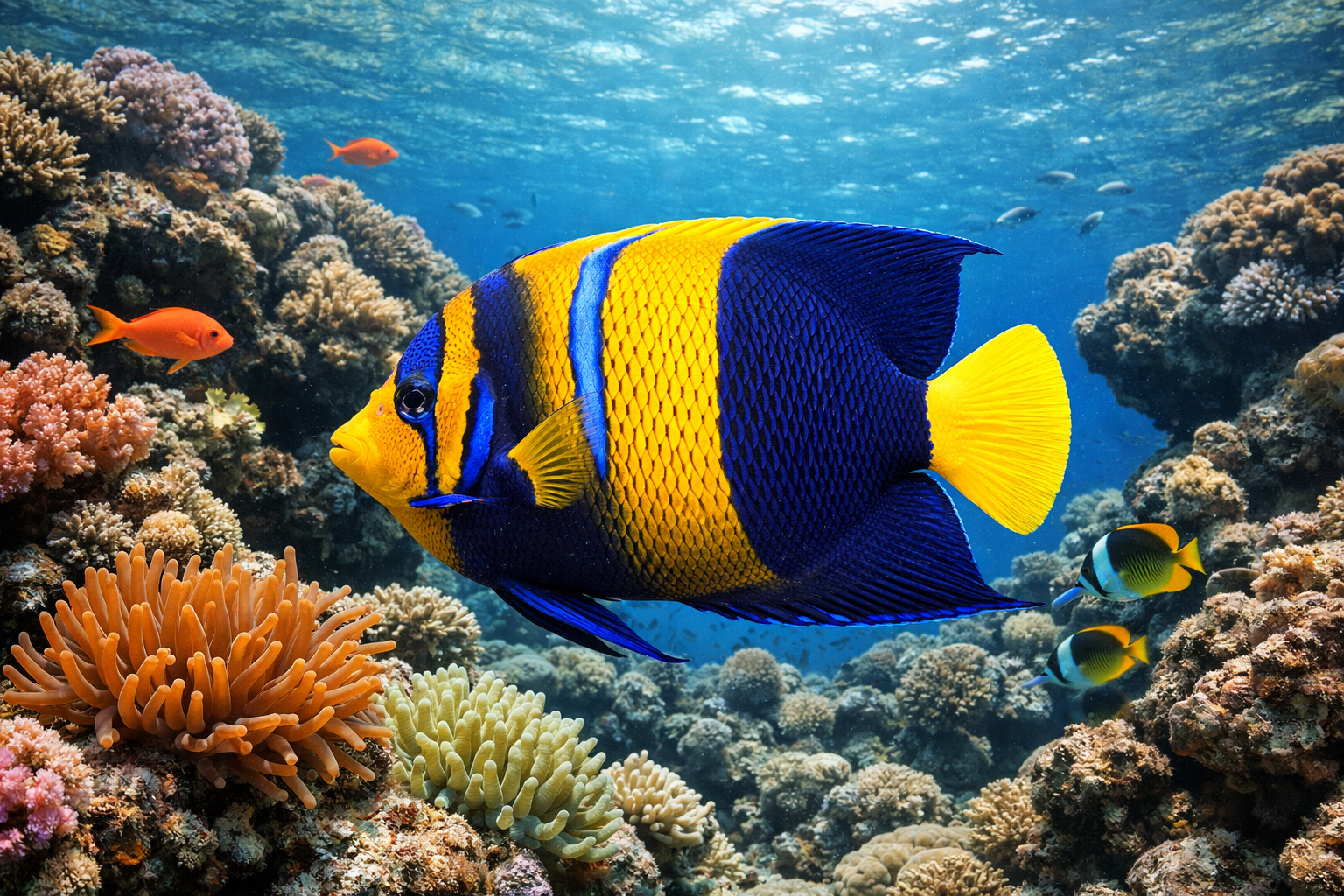
The asfur angelfish (Pomacanthus asfur) stands as one of the most recognizable and sought-after marine angelfish species in the aquarium trade. Also known as the Arabian angelfish or crescent angelfish, this species belongs to the family Pomacanthidae and represents a perfect example of nature's artistic brilliance.
Physical Characteristics and Identification
Adult asfur angelfish display remarkable coloration that makes them instantly recognizable. Their bodies feature a vibrant golden-yellow base color complemented by electric blue vertical stripes running along their sides. The most distinctive feature is the prominent yellow crescent or sickle-shaped marking on their caudal fin, which gives them their alternative name "crescent angelfish."
Key identifying features include:
- Body shape: Compressed, disc-like profile typical of angelfish
- Size: Can reach up to 16 inches (40 cm) in length
- Coloration: Bright yellow body with blue vertical bars
- Distinctive markings: Yellow crescent on tail fin
- Fins: Elongated dorsal and anal fins with blue edging
Juvenile vs. Adult Appearance
Young asfur angelfish look dramatically different from adults, which often confuses new aquarists. Juveniles display a predominantly blue body with white and yellow curved stripes. This dramatic color transformation occurs gradually as they mature, typically completing around 4-5 inches in length.
Natural Habitat and Geographic Distribution
The asfur angelfish calls the warm waters of the Red Sea and western Indian Ocean home. Understanding their natural environment is crucial for successful captive care and appreciation of their ecological role.
Native Range and Environment
These magnificent fish inhabit coral reefs and rocky areas from the Red Sea south to Zanzibar and east to the Persian Gulf. They prefer depths ranging from 10 to 100 feet, where they find abundant food sources and shelter among coral formations.
Their natural habitat characteristics include:
🌊 Water temperature: 75-82°F (24-28°C)
🏔️ Depth range: 10-100 feet (3-30 meters)
🪸 Substrate: Coral reefs and rocky outcroppings
💧 Salinity: Full marine conditions (35 ppt)
Ecological Role in Reef Systems
In their natural environment, asfur angelfish serve as important grazers, helping maintain the balance of algae growth on coral reefs. They consume various types of marine algae, sponges, and small invertebrates, contributing to the overall health of reef ecosystems.
Asfur Angelfish Care Requirements in Captivity
Successfully maintaining asfur angelfish in home aquariums requires dedication, proper equipment, and thorough understanding of their needs. These fish are not recommended for beginners due to their size requirements and specific care needs.
Tank Size and Setup Specifications
The minimum tank size for an adult asfur angelfish is 180 gallons, though larger systems of 250+ gallons are strongly recommended. These fish are active swimmers and need ample space to thrive.
| Parameter | Requirement |
|---|---|
| Minimum Tank Size | 180 gallons |
| Recommended Size | 250+ gallons |
| Tank Shape | Long and wide preferred |
| Swimming Space | Open areas with hiding spots |
Water Parameters and Quality
Maintaining pristine water quality is essential for asfur angelfish health. These fish are sensitive to poor water conditions and require stable marine parameters.
Critical water parameters:
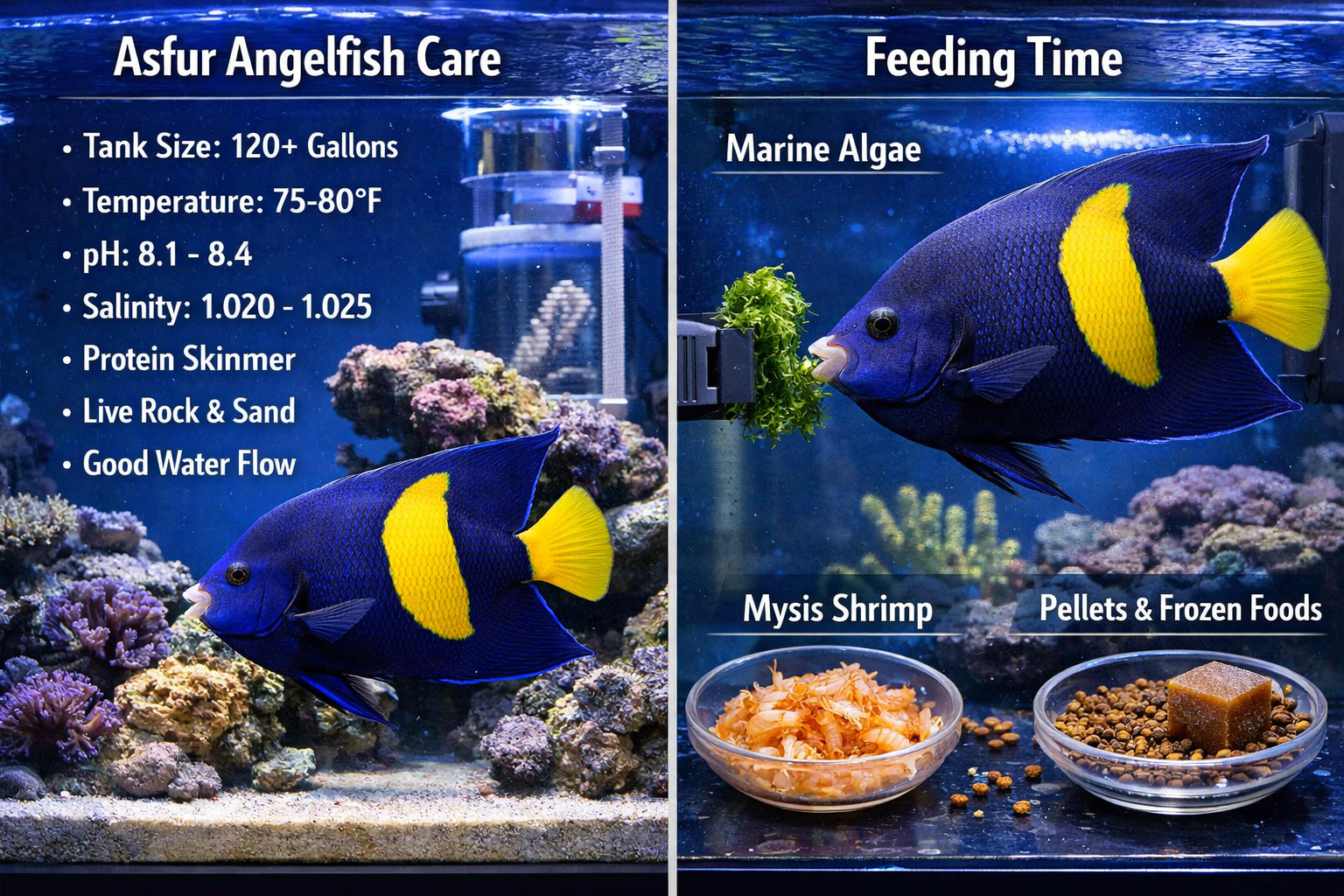
- Temperature: 76-80°F (24-27°C)
- pH: 8.1-8.4
- Salinity: 1.020-1.025 specific gravity
- Ammonia: 0 ppm
- Nitrite: 0 ppm
- Nitrate: <20 ppm
Filtration and Equipment Needs
Robust filtration is mandatory for asfur angelfish tanks due to their size and bioload. A combination of mechanical, biological, and chemical filtration works best.
Essential equipment includes:
✅ Protein skimmer (rated for tank size)
✅ Live rock (1-2 pounds per gallon)
✅ Powerheads for water circulation
✅ UV sterilizer (optional but beneficial)
✅ Quality marine salt mix
✅ Reliable heater system
Diet and Feeding Guidelines for Asfur Angelfish
Proper nutrition is fundamental to maintaining healthy asfur angelfish in captivity. These fish are omnivores with specific dietary requirements that must be met for optimal health and coloration.
Natural Diet vs. Captive Feeding
In the wild, asfur angelfish graze continuously on various food sources throughout the day. Their natural diet consists primarily of:
- Marine algae and seaweeds
- Sponges and tunicates
- Small crustaceans
- Coral polyps (occasionally)
- Various marine invertebrates
Recommended Foods for Captive Specimens
Replicating their natural diet in captivity requires offering a varied menu of high-quality foods. The best approach combines multiple food types to ensure complete nutrition.
Primary food categories:
🥬 Vegetable matter (60-70% of diet):
- Marine algae sheets (nori)
- Spirulina-based foods
- Fresh marine macroalgae
- Vegetable-based pellets
🦐 Protein sources (30-40% of diet):
- Mysis shrimp
- Brine shrimp
- Marine angelfish pellets
- Frozen marine preparations
Feeding Schedule and Techniques
Asfur angelfish benefit from frequent, small meals throughout the day rather than one or two large feedings. This approach mimics their natural grazing behavior and promotes better digestion.
Recommended feeding schedule:
- Frequency: 3-4 times daily
- Portion size: What they can consume in 2-3 minutes
- Variety: Rotate food types daily
- Supplements: Vitamin-enriched foods 2-3 times weekly
Tank Mates and Compatibility Considerations
Selecting appropriate tank mates for asfur angelfish requires careful consideration of temperament, size, and environmental needs. While not overly aggressive, these fish can be territorial and may show aggression toward certain species.
Compatible Species
The best tank mates for asfur angelfish are peaceful to semi-aggressive fish of similar size that won't compete directly for food or territory.
Excellent companions include:
- Large tangs (Naso, Purple, Yellow tangs)
- Groupers (appropriate size)
- Triggerfish (peaceful species)
- Large wrasses
- Moray eels (with caution)
- Other large angelfish (with adequate space)
Species to Avoid
Certain fish types should never be housed with asfur angelfish due to compatibility issues or predatory concerns.
Avoid these combinations:
❌ Small fish that could be eaten
❌ Aggressive species like large triggers
❌ Invertebrates (will be consumed)
❌ Coral polyps (may be nipped)
❌ Other angelfish in smaller tanks
Health and Disease Prevention
Maintaining the health of asfur angelfish requires proactive care and attention to early warning signs of illness. Prevention is always preferable to treatment when dealing with marine fish diseases.
Common Health Issues
Asfur angelfish are susceptible to several common marine fish diseases, particularly when stressed or kept in suboptimal conditions.
Frequent health problems:
- Marine ich (Cryptocaryon irritans)
- Marine velvet (Amyloodinium)
- Bacterial infections
- Nutritional deficiencies
- Stress-related disorders
Prevention Strategies
The best approach to fish health involves creating optimal conditions and maintaining excellent water quality consistently.
Key prevention methods:
🔍 Quarantine new arrivals (4-6 weeks minimum)
💧 Maintain pristine water quality
🍎 Provide varied, nutritious diet
📊 Monitor behavior and appetite daily
🌡️ Stable environmental conditions
Treatment Approaches
When health issues arise, quick identification and appropriate treatment are crucial for asfur angelfish recovery.
Treatment considerations:
- Copper-based medications (with caution)
- Hospital tank isolation
- Improved water quality
- Stress reduction techniques
- Professional veterinary consultation
Breeding Asfur Angelfish in Captivity
Breeding asfur angelfish in home aquariums is extremely challenging and rarely successful. These fish have complex reproductive requirements that are difficult to replicate in captive environments.
Reproductive Behavior and Requirements
In the wild, asfur angelfish form monogamous pairs and spawn in open water. The eggs are pelagic, floating in the water column until hatching. This reproductive strategy makes captive breeding particularly challenging.
Breeding requirements:
- Extremely large tank systems (1000+ gallons)
- Established, bonded pairs
- Optimal water conditions
- Specialized larval rearing setup
- Live food cultures for fry
Challenges and Considerations
The complexity of breeding asfur angelfish means it remains primarily within the realm of public aquariums and research facilities rather than home aquarists.
Conservation Status and Ethical Considerations
The asfur angelfish population faces various pressures in the wild, making responsible aquarium keeping and conservation awareness important for hobbyists.
Wild Population Status
Currently, asfur angelfish populations are considered stable, though they face localized pressures from collection and habitat degradation. The species is not listed as endangered, but sustainable collection practices remain important.
Responsible Aquarium Keeping
Aquarists can contribute to conservation efforts by:
- Supporting captive-bred specimens when available
- Choosing reputable dealers with sustainable practices
- Providing excellent long-term care
- Avoiding impulse purchases
- Educating others about proper care requirements
Cost Considerations and Investment
Keeping asfur angelfish represents a significant financial investment that extends well beyond the initial purchase price.
Initial Setup Costs
Estimated initial investment:
| Item | Cost Range |
|---|---|
| Asfur angelfish | $150-$400 |
| Tank system (250 gallons) | $2,000-$5,000 |
| Filtration equipment | $800-$1,500 |
| Lighting | $300-$800 |
| Live rock | $500-$1,000 |
| Total initial setup | $3,750-$8,700 |
Ongoing Maintenance Costs
Monthly expenses for maintaining asfur angelfish include electricity, food, salt mix, and replacement equipment.
Monthly operating costs:
- Electricity: $50-$100
- Food and supplements: $30-$50
- Salt mix and additives: $20-$40
- Equipment maintenance: $25-$75
Advanced Care Tips and Expert Recommendations
Successful long-term care of asfur angelfish requires attention to subtle details that separate thriving specimens from merely surviving ones.
Environmental Enrichment
Creating a stimulating environment helps reduce stress and promotes natural behaviors in asfur angelfish.
Enrichment strategies:
- Varied rock formations for exploration
- Different feeding locations
- Occasional rearrangement of decorations
- Appropriate lighting cycles
- Adequate swimming space
Monitoring and Maintenance
Regular observation and proactive maintenance prevent small issues from becoming major problems.
Daily monitoring checklist:
- Appetite and feeding behavior
- Swimming patterns and activity level
- Physical appearance and coloration
- Water temperature stability
- Equipment function
Long-term Success Factors
The most successful asfur angelfish keepers focus on consistency and gradual improvements rather than dramatic changes.
Success principles:
- Stable water parameters over time
- Consistent feeding schedules
- Gradual environmental changes
- Preventive healthcare approach
- Continuous learning and adaptation
Conclusion
The asfur angelfish represents one of the most beautiful and rewarding marine fish species available to dedicated aquarists. While their care requirements are demanding and their needs specific, the experience of successfully maintaining these magnificent creatures is unparalleled in the marine aquarium hobby.
Success with asfur angelfish requires commitment to providing spacious accommodations, excellent water quality, varied nutrition, and consistent care. These fish are not suitable for beginners or casual hobbyists, but experienced marine aquarists who meet their needs will be rewarded with a stunning centerpiece fish that can live for decades.
Next steps for prospective asfur angelfish keepers:
- Evaluate your commitment – Ensure you can provide 15-20 years of dedicated care
- Plan your system – Design a tank of at least 180 gallons with proper filtration
- Research local suppliers – Find reputable dealers with healthy, well-acclimated specimens
- Prepare thoroughly – Establish your tank system and cycle it completely before adding fish
- Start with quarantine – Always quarantine new arrivals for 4-6 weeks minimum
The asfur angelfish continues to captivate marine enthusiasts worldwide, and with proper preparation and dedication, these remarkable fish can thrive in captive environments while providing years of enjoyment and wonder.
SEO Meta Title: Asfur Angelfish Care Guide: Complete Setup & Feeding Tips 2026