
Tang Fish: The Colorful, Algae-Grazing Superstars of Reef Aquariums
Explore today’s hand-picked selection of
tangs
and bring home a cheerful new grazer.
Why Tangs Are a Joy to Keep
Tangs are natural swimmers and browsers. They add a smooth, continuous rhythm to your reef and help with algae management when fed properly. Most species thrive in well-oxygenated systems with strong flow, stable parameters, and plenty of open “cruising lanes.” Their personalities range from mellow to mildly territorial, but with sensible tank sizes and good aquascaping, they quickly become the charming centerpiece of your living reef.
Why Buy from Saltwaterfishshop.com?

Because happy fish begin with thoughtful care. The team at Salt Water Fish Shop curates tangs that ship beautifully, communicates clearly, and helps you choose a species that matches your tank size and community. You can expect careful packing, temperature management, and an upbeat experience from checkout to splash-in. It’s everything you want from a trusted marine retailer—selection, knowledge, and joyful service.
When you’re ready, head over to the full category page of
tangs
and pick the exact look—and temperament—that suits your reef.
Tang Types & Care Highlights
Below is a friendly, species-by-species tour to help you choose confidently. Each tang appreciates highly oxygenated water, a variety of marine algae/seaweed (nori), and frequent small feedings. A tight lid, robust filtration, and quarantine (when possible) keep the experience smooth and happy.
Blue (Hippo) Tang
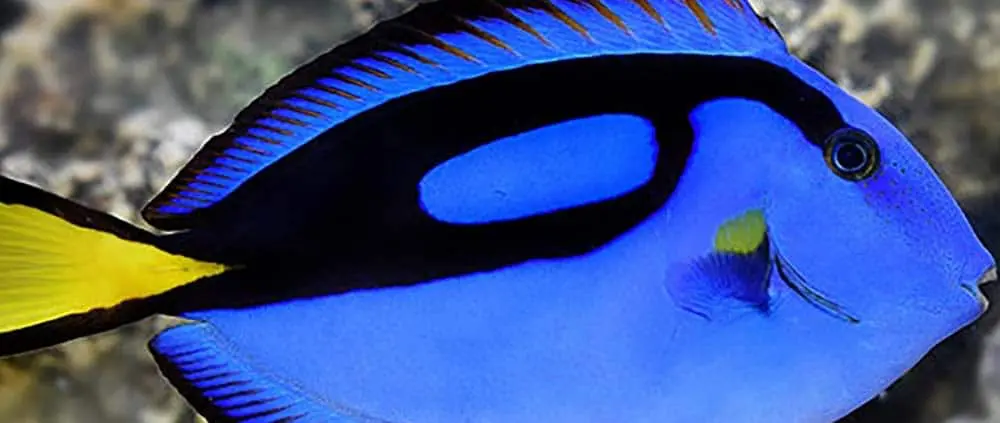
Instantly recognizable and endlessly entertaining, the Blue Hippo Tang (Paracanthurus hepatus) thrives in larger systems with open water for swimming. Feed a mix of nori, quality pellets, and vitamin-enriched frozen fare. They’re social swimmers that appreciate stable salinity and temperature and reward you with graceful, looping patrols around your reef.
Yellow Tang
The Yellow Tang (Zebrasoma flavescens) is a joyful burst of sunshine. Hardy and eager to graze, it’s a wonderful first tang when paired with a sufficiently large tank and sensible tankmates. Provide frequent feedings of seaweed on a clip—this simple habit keeps them robust, colorful, and calm.
Purple Tang
With royal purple hues and electric highlights, the Purple Tang (Zebrasoma xanthurum) is a statement fish. It shines in aquariums with ample rockwork and generous swimming lanes. Introduce it last if you plan to keep multiple tangs, and consider species from a different genus to help minimize territorial overlap.
Kole & Other Bristletooth Tangs
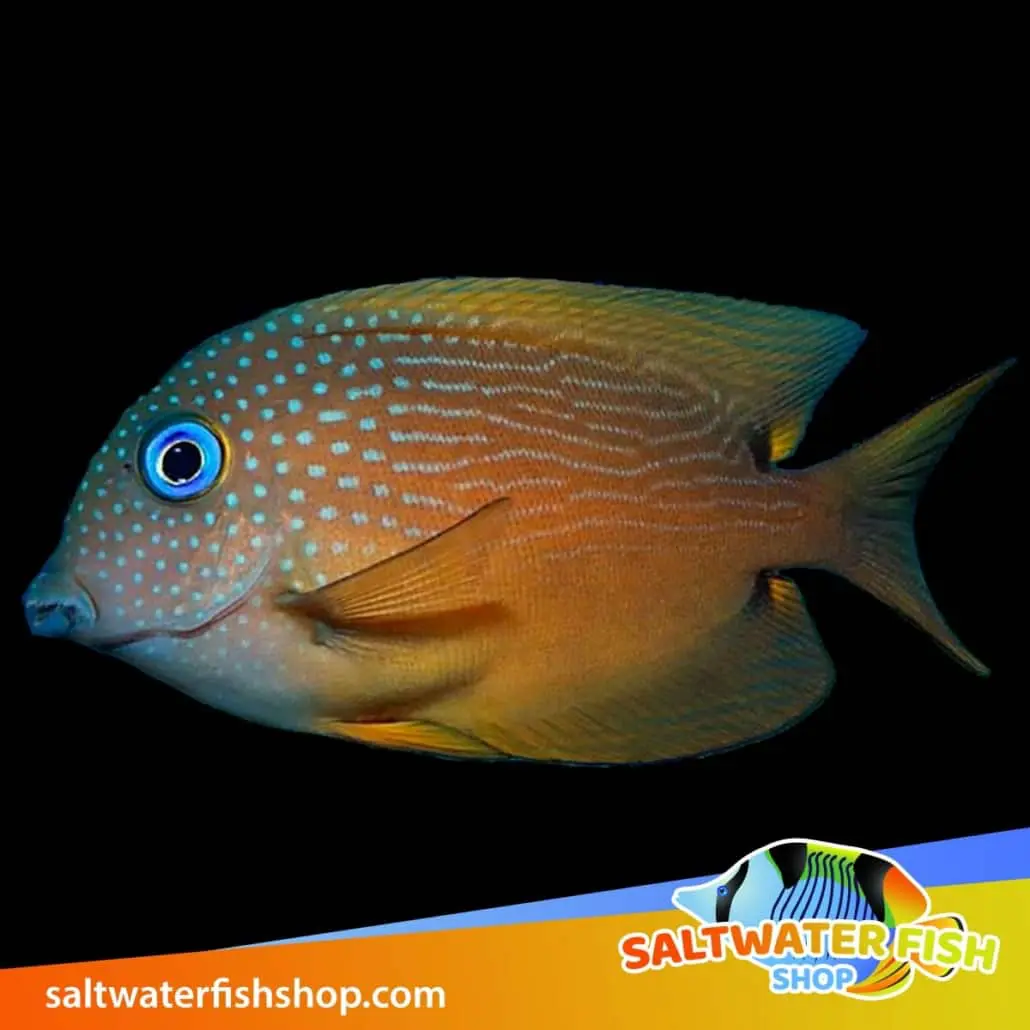
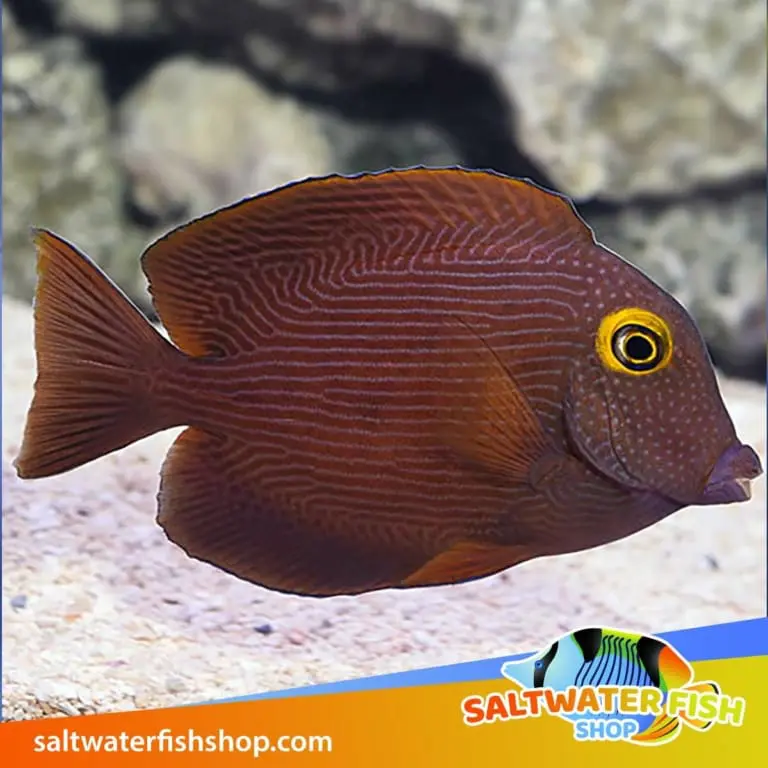
Kole (Ctenochaetus strigosus), Tomini (C. tominiensis), and other bristletooth tangs are superb utility fish that excel at picking film algae off rocks and glass. Their smaller adult sizes (relative to other tangs) and focused grazing make them excellent choices for many modern reef tanks.
Powder Blue & Powder Brown
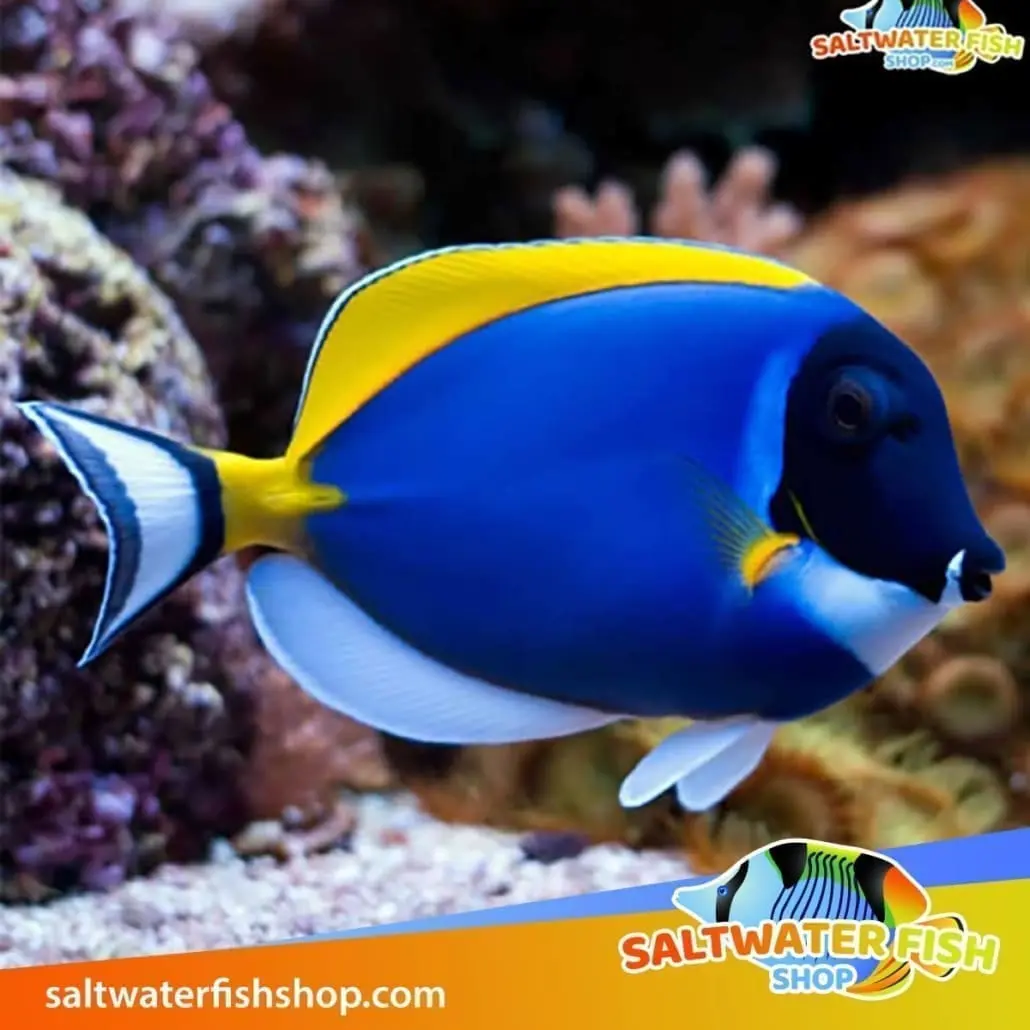
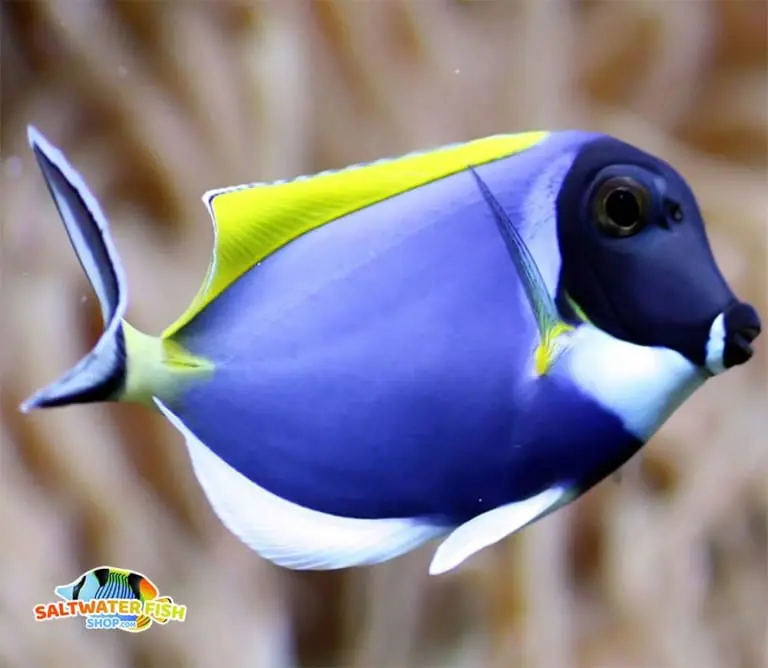
These sleek swimmers are breathtaking, active, and best reserved for experienced keepers with high-flow, high-oxygen systems and strong husbandry routines. Provide ample space, top-tier nutrition, and attentive observation—do that, and you’ll be rewarded with a mesmerizing, high-energy display.
Naso & Vlamingi
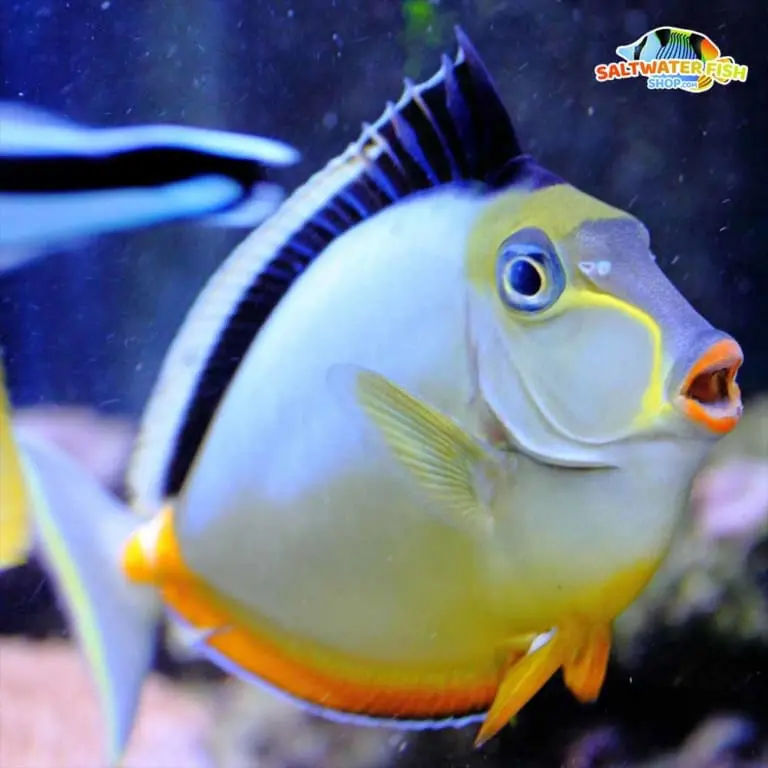
For truly grand displays, Naso and Vlamingi tangs look incredible in very large aquariums. They relish open water and produce an elegant, almost effortless cruising pattern that transforms your living room into a slice of the open ocean.
Sailfin & Desjardini
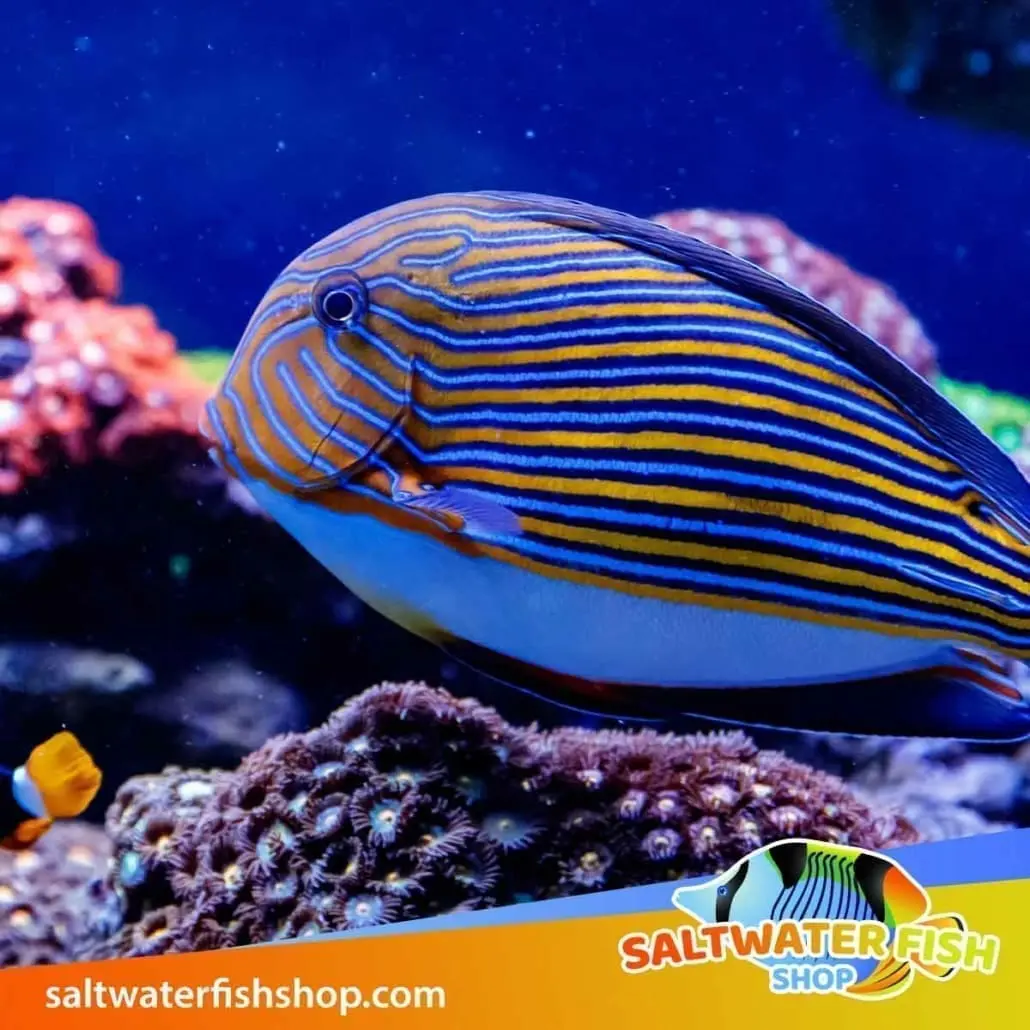
These majestic “sail-backed” species unfold dramatic dorsal fins and showcase complex patterns. They’re peaceful with many community fish, but do plan your aquascape to give them room to turn and display those fantastic fins.
Feeding, Space, and Compatibility
Tangs are herbivore-leaning omnivores. Keep a veggie clip with nori available daily, rotate high-quality pellets and frozen blends, and add vitamins or garlic as desired. As fast, active swimmers, they prefer longer tanks with strong, steady flow—think of creating a treadmill of current they can happily surf.
For multi-tang setups, mix genera (e.g., a Zebrasoma with a Ctenochaetus) and add simultaneously to reduce territorial disputes. Aquascape with islands and archways so fish can establish gentle boundaries without constant face-offs.
Acclimation & Happy, Low-Stress Shipping
When your tang arrives, dim your lights, float the bag to equalize temperature, and drip-acclimate patiently. Offer a small snack of nori soon after introduction and keep the room calm for a few hours. Salt Water Fish Shop packs smart with insulation and temperature control, so your job is simply to provide a stable home and a gentle welcome party.
- Prepare a seaweed clip and a vitamin-boosted food mix.
- Match salinity and temperature before release.
- Use a tight-fitting lid (tangs are strong, athletic swimmers).
- Observe peacefully; lights can come up gradually later in the day.
Quick Tang Buyer’s Checklist
- Tank length first: prioritize horizontal swimming room.
- Flow & oxygen: tangs adore brisk, steady currents.
- Diet variety: daily nori + mixed pellets/frozen fare.
- Genus mix: for multiples, choose different genera.
- Quarantine if possible: it’s an investment in long-term happiness.
- Source smart: choose a retailer focused on careful handling and fast, fish-first shipping.
Check every box above and you’ll enjoy a relaxed, vibrant tang that grazes, glides, and turns your reef into living art.
Tangs in Stock at Saltwater Fish Shop
Updated November 2026: these tangs and surgeonfish are conditioned in our system, eating seaweed and prepared foods, and covered by our live arrival and health guarantee.
- Blue hippo tang – the classic royal blue, social schooling tang.
- Purple tang – deep purple with a bright yellow tail.
- Powder blue tang – a dazzling tang for experienced keepers.
- Naso tang and blonde Naso tang – elegant cruisers for very large tanks.
- Sailfin tang – dramatic fins and a peaceful nature.
- Tomini (flame fin) tang – a compact bristletooth algae grazer.
- Achilles tang – a showpiece for high-flow, high-oxygen systems.
More Tang Care Guides
Frequently Asked Questions
How big of a tank does a tang need?
Most tangs need long tanks with open swimming room. Small bristletooth tangs such as Kole and Tomini tangs can start in roughly 4-foot aquariums, Yellow and Purple tangs do best in 5 to 6 feet of length, and Naso, Vlamingi and Powder Blue tangs need very large systems.
What do tang fish eat?
Tangs are grazers that lean herbivorous. Offer dried seaweed (nori) on a clip every day, plus quality marine pellets and frozen blends with algae and spirulina, fed in small portions two or three times a day.
Can you keep more than one tang in the same aquarium?
Yes, in a large enough tank. Choose tangs from different genera, such as a Zebrasoma with a Ctenochaetus, add them at the same time and provide plenty of rockwork and swimming space to reduce territorial squabbles.
Which tang is best for beginners?
The Yellow Tang and the Kole Tang are two of the hardiest choices for a first tang. Both graze algae eagerly, accept prepared foods and adapt well to stable reef or fish-only systems with good flow and oxygen.
Ready to Pick Your New Tang?
From sunny Yellow Tangs to regal Purples, tireless Koles, and show-stopping Powders, the selection at Saltwaterfishshop.com makes it easy to find the perfect fit. Browse detailed listings, compare sizes, and choose with confidence—then look forward to that joyful first lap around your aquascape.
Shop our tangs and bring home a cheerful grazer for your reef today!