
Finding the Best Clownfish Breeder: Your Complete Guide to Premium Marine Fish in 2026
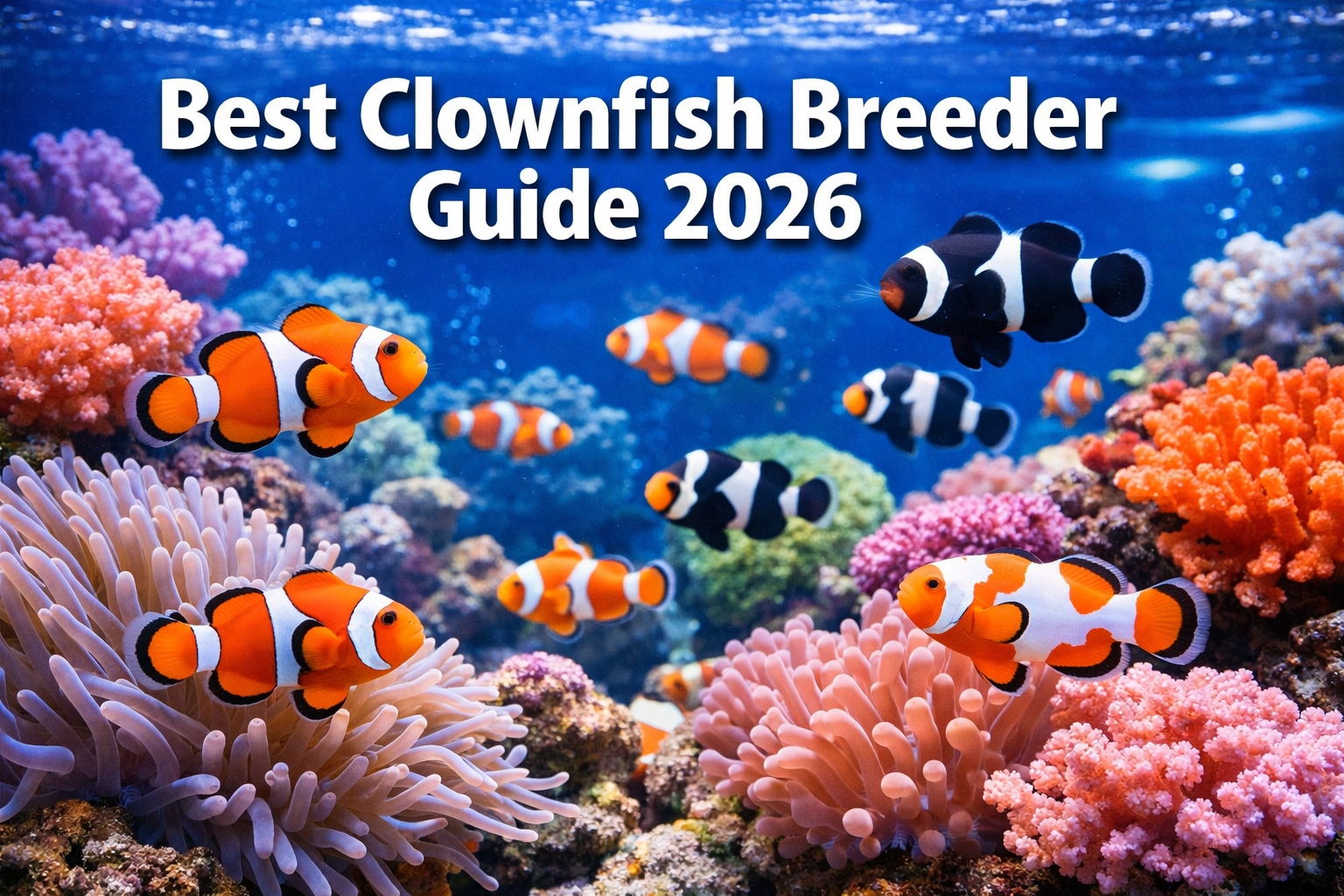
Picture this: you’re standing in front of your pristine saltwater aquarium, watching a pair of vibrant orange and white clownfish dance playfully among swaying anemone tentacles. The scene is mesmerizing, but getting to this point requires one crucial decision – choosing the best clownfish breeder for your marine aquarium. With countless options available online and the stakes high for these delicate marine creatures, making the right choice can mean the difference between thriving fish and heartbreak.
As someone who has spent years in the marine aquarium hobby, I’ve learned that not all clownfish breeders are created equal. The best clownfish breeder combines exceptional breeding practices, superior fish health, reliable shipping, and ongoing customer support. Whether you’re a beginner setting up your first reef tank or an experienced aquarist expanding your collection, this comprehensive guide will help you navigate the complex world of clownfish breeding and purchasing.
- Display 21 Products per page
Key Takeaways
• Quality breeding facilities use proper quarantine protocols, maintain optimal water parameters, and follow ethical breeding practices to produce healthy, disease-free clownfish
• Captive-bred clownfish are significantly hardier, more adaptable to aquarium life, and environmentally sustainable compared to wild-caught specimens
• Reputable breeders offer health guarantees, proper shipping procedures, and ongoing customer support to ensure successful fish transitions
• Different clownfish species and morphs have varying care requirements, temperaments, and compatibility factors that affect their suitability for your specific aquarium setup
• Proper acclimation and ongoing care are essential for maintaining healthy clownfish, regardless of the breeder’s quality
Understanding What Makes the Best Clownfish Breeder
Professional Breeding Facilities and Standards
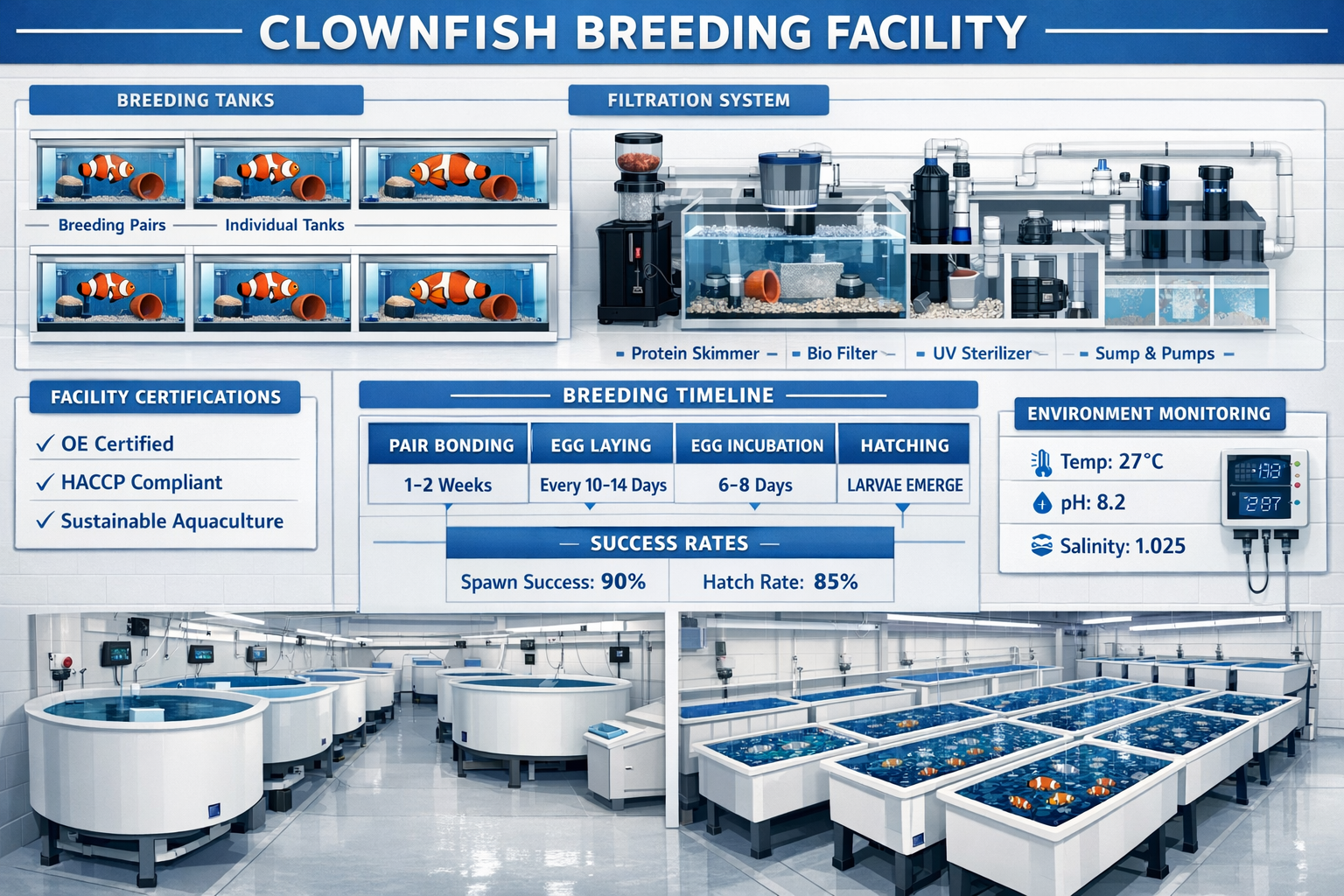
The foundation of any exceptional clownfish breeding operation lies in its facilities and standards. The best clownfish breeder operates with meticulous attention to detail, maintaining separate breeding systems for different species and implementing strict quarantine protocols. Professional breeders invest heavily in water quality management systems, including advanced filtration, UV sterilization, and consistent water parameter monitoring.
When evaluating breeding facilities, look for operations that maintain detailed breeding records, track genetic lineages, and follow sustainable breeding practices. Top-tier breeders often specialize in specific species or morphs, allowing them to develop expertise in particular clownfish varieties. They understand the nuances of breeding different species, from the relatively easy Ocellaris clownfish to the more challenging Maroon clownfish varieties.
Quality indicators of professional breeding facilities include:
- Temperature-controlled breeding rooms
- Redundant life support systems
- Proper breeding tank setups with appropriate anemones or breeding tiles
- Comprehensive health monitoring protocols
- Detailed feeding regimens using high-quality foods
Health and Disease Prevention Protocols
Disease prevention separates amateur breeders from professionals. The best clownfish breeder implements comprehensive health protocols that begin before breeding and continue through the entire juvenile development process. This includes regular health screenings, prophylactic treatments when necessary, and strict biosecurity measures to prevent disease introduction.
Professional breeders understand common clownfish diseases such as Brooklynella hostilis, marine ich, and bacterial infections. They maintain treatment protocols and often work with marine veterinarians to ensure their breeding stock remains healthy. Many top breeders also provide detailed health certificates or guarantees with their fish, demonstrating confidence in their breeding and husbandry practices.
The quarantine process is particularly crucial. Reputable breeders maintain new breeding stock in quarantine for extended periods, often 30-60 days, before introducing them to breeding populations. This prevents disease transmission and ensures only healthy fish contribute to breeding programs.
Shipping and Customer Support Excellence
Exceptional customer service distinguishes the best clownfish breeder from average suppliers. This includes not only the initial sale but ongoing support for fish care, troubleshooting, and even breeding advice. Professional breeders understand that their reputation depends on long-term customer success, not just immediate sales.
Shipping protocols are critical for clownfish survival during transport. The best breeders use insulated boxes, appropriate bag sizes, pure oxygen, and temperature management systems. They also coordinate shipping schedules to minimize transit time and avoid weekend deliveries when customers cannot immediately receive shipments.
Many top breeders offer live fish shipping services with detailed tracking and delivery confirmation. They also provide comprehensive acclimation instructions and remain available for post-delivery support to ensure successful fish transitions.
Clownfish Species and Varieties: Choosing Your Perfect Fish
Popular Clownfish Species for Home Aquariums
The world of clownfish offers incredible diversity, with over 30 recognized species and countless captive-bred morphs. Understanding different species helps you select fish that match your experience level, tank setup, and aesthetic preferences. The best clownfish breeder typically offers multiple species and can provide detailed guidance on species selection.
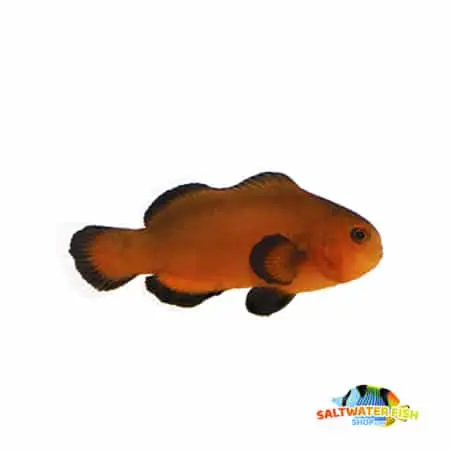
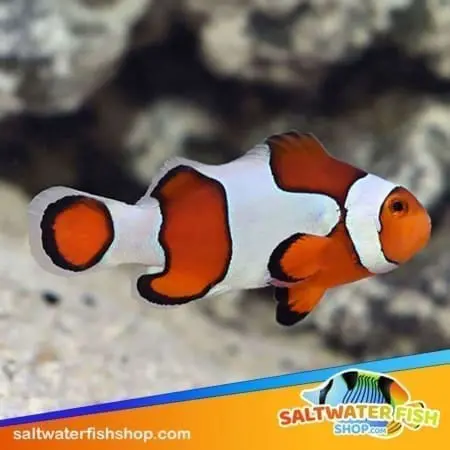
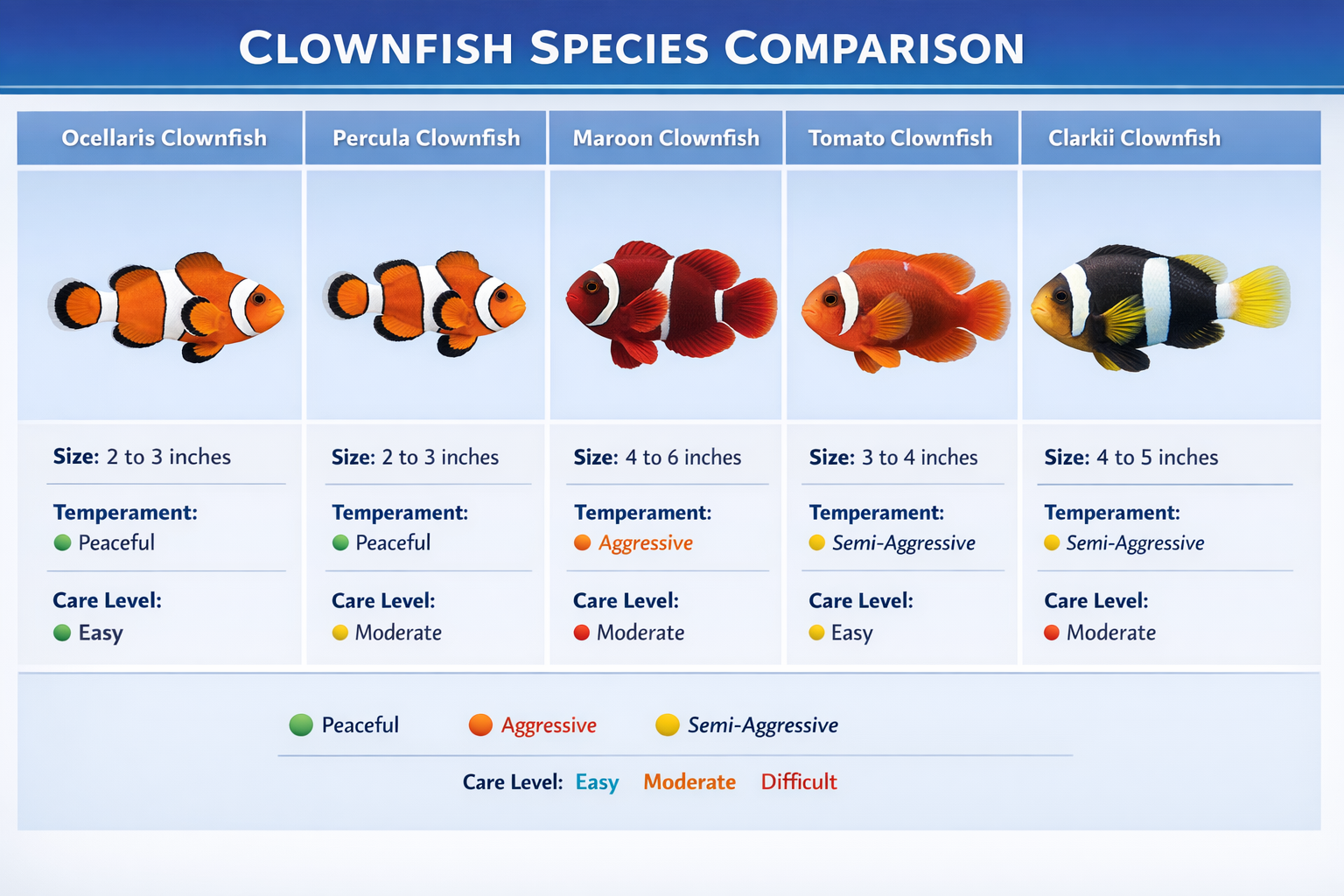
Ocellaris Clownfish (Amphiprion ocellaris) remain the most popular choice for good reason. These hardy, peaceful fish adapt well to aquarium life and come in numerous captive-bred morphs. They’re ideal for beginners and experienced aquarists alike, typically reaching 3-4 inches in length and displaying excellent compatibility with most marine aquarium inhabitants.
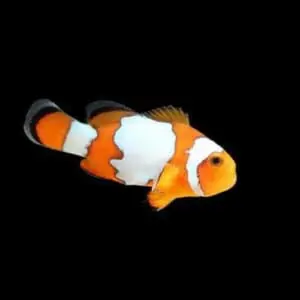
Percula Clownfish (Amphiprion percula) are often confused with Ocellaris but have distinct characteristics including bolder black borders around their white stripes and slightly smaller adult size. True Percula clownfish are often more expensive but highly prized by collectors for their vibrant coloration and classic “Nemo” appearance.
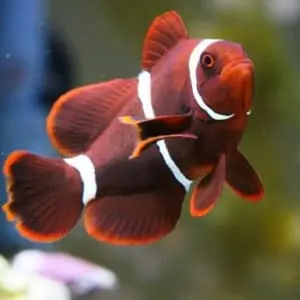
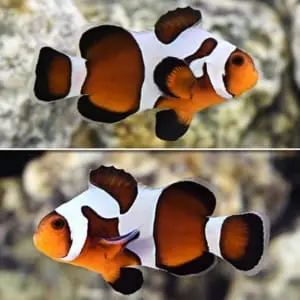
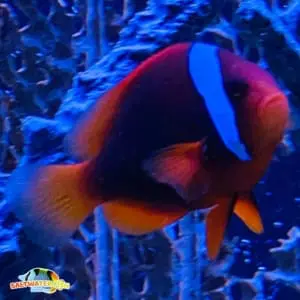
Maroon Clownfish (Premnas biaculeatus) represent the largest clownfish species, reaching up to 6 inches in length. They’re known for their deep red coloration and distinctive white stripes, but they’re also more aggressive than other clownfish species. Maroon clownfish require larger aquariums and careful tankmate selection.
Captive-Bred Morphs and Designer Varieties
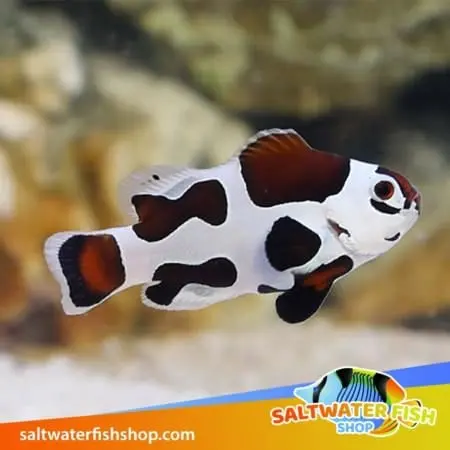
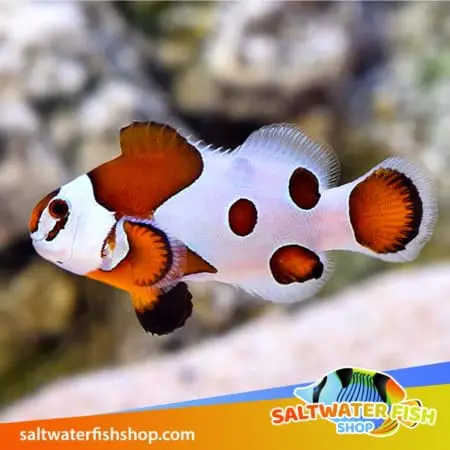
The development of captive-bred clownfish morphs has revolutionized the marine aquarium hobby. Professional breeders have created stunning varieties that showcase unique colorations, patterns, and fin shapes. These captive-bred saltwater fish for sale represent years of selective breeding and genetic development.
Popular Ocellaris morphs include:
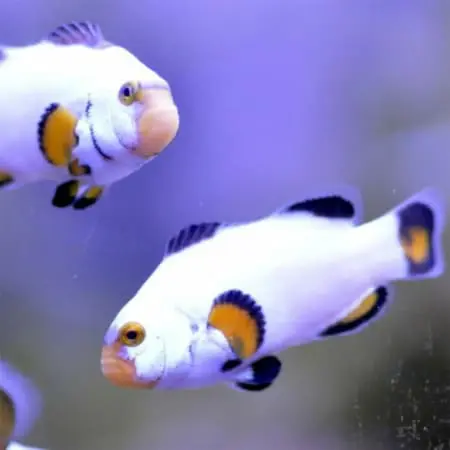
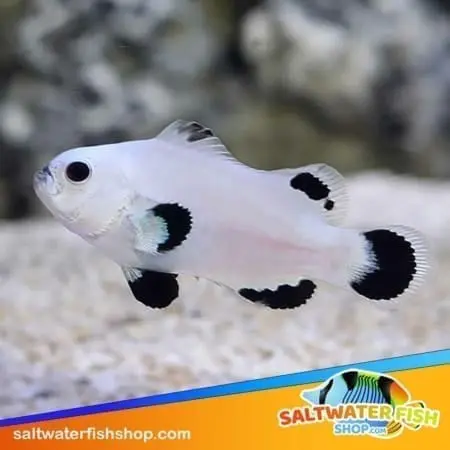
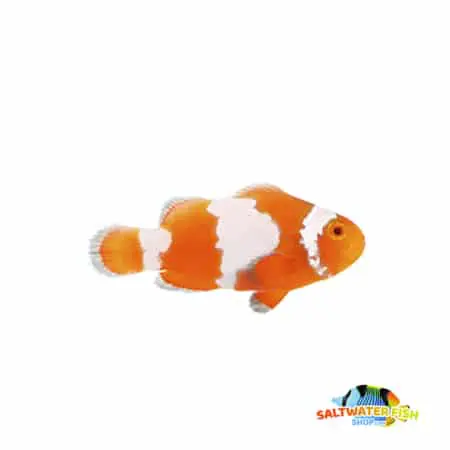
- Snowflake Clownfish: Featuring irregular white patterns that create unique, snowflake-like designs
- Picasso Clownfish: Displaying exaggerated white markings that often extend across the face and body
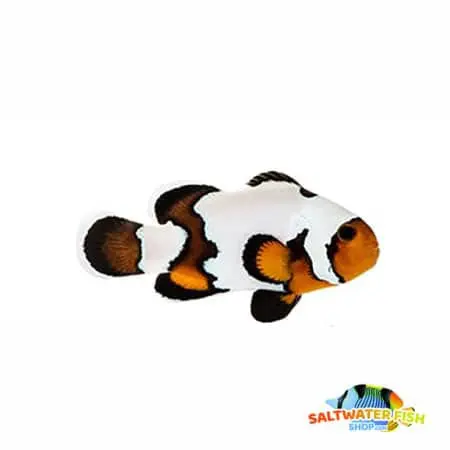
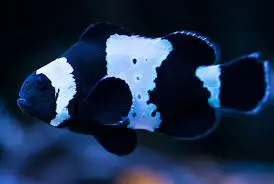
- Black Ice Clownfish: Combining black and white coloration in striking patterns
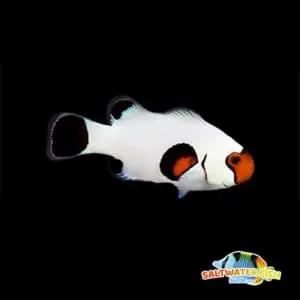
- Wyoming White Clownfish: Nearly pure white with minimal orange coloration
- Platinum Clownfish: Featuring metallic white coloration with subtle orange hints
Each morph requires specific breeding expertise, and the best clownfish breeder can explain the genetics behind different varieties. Some morphs are more challenging to breed consistently, making them more expensive but highly sought after by collectors.
Species-Specific Care Requirements
Different clownfish species have varying care requirements that influence their suitability for specific aquarium setups. Understanding these differences helps you select species that match your experience level and tank parameters. Professional breeders provide detailed care sheets and ongoing support for species-specific requirements.
Tank size requirements vary significantly between species. While Ocellaris clownfish thrive in tanks as small as 20 gallons, Maroon clownfish need at least 55-75 gallons due to their larger size and territorial nature. The best clownfish breeder provides accurate size recommendations based on adult fish dimensions and behavioral characteristics.
Anemone relationships also differ between species. Some clownfish, like Maroon clownfish, have strong preferences for specific anemone species, while others are more adaptable. Captive-bred clownfish often don’t require anemones but may still form symbiotic relationships when anemones are present.
Temperature and water parameter tolerances can vary slightly between species. Most clownfish prefer temperatures between 76-82°F, but some species are more sensitive to parameter fluctuations. Professional breeders acclimate their fish to standard aquarium parameters, making them more adaptable to home aquarium conditions.
The Breeding Process: From Eggs to Juvenile Fish
Setting Up Professional Breeding Systems
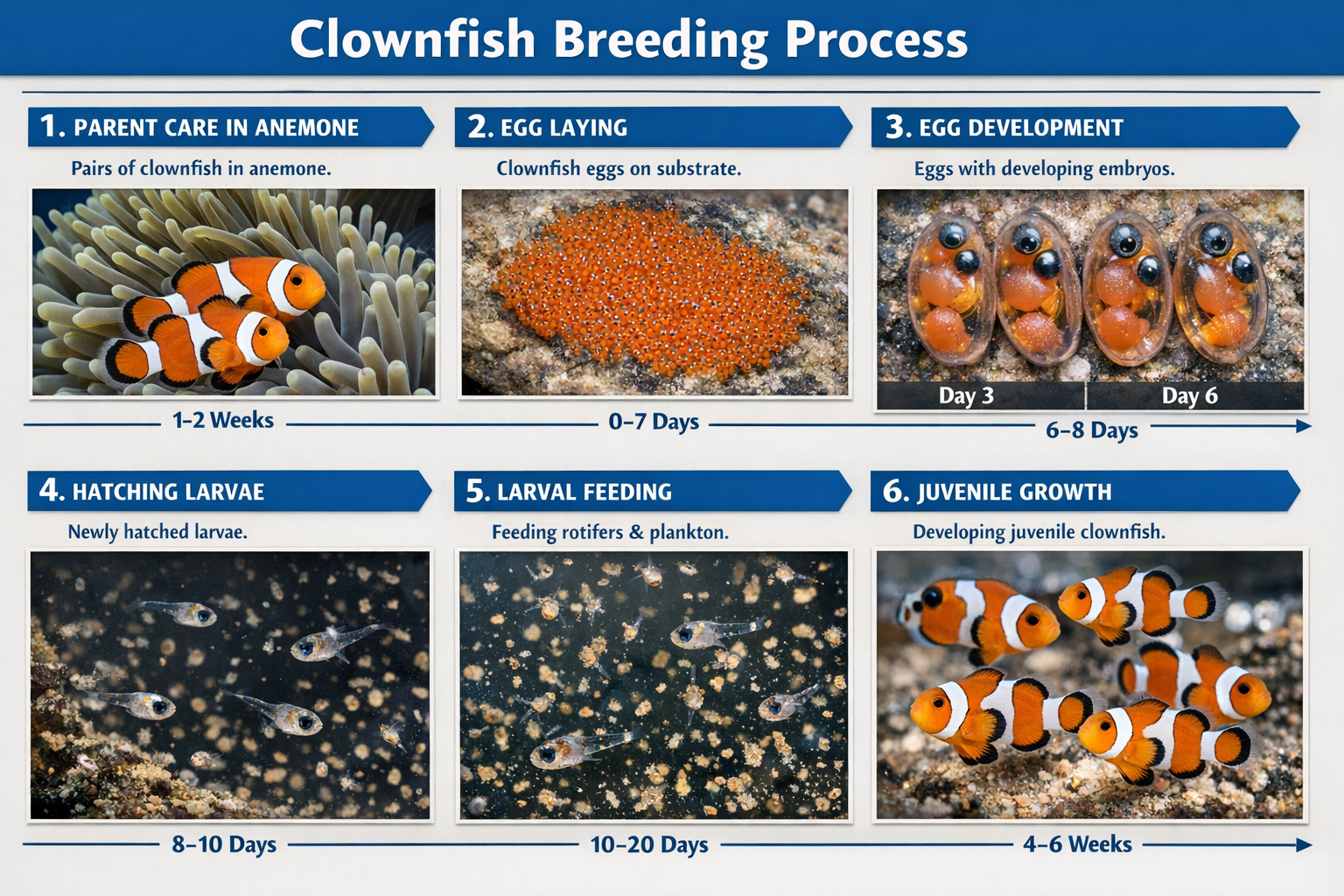
Understanding the breeding process helps you appreciate the expertise required from the best clownfish breeder. Successful clownfish breeding requires specialized equipment, extensive knowledge, and significant time investment. Professional breeders maintain dedicated breeding facilities with multiple tank systems designed specifically for different breeding stages.
Breeding tank setup typically includes 20-40 gallon tanks with simple filtration, appropriate substrate for egg laying, and optimal lighting conditions. Many breeders use ceramic tiles or PVC pipes as spawning surfaces, which can be easily removed for egg incubation. Water quality must be pristine, with stable parameters and excellent filtration.
The breeding process begins with pair formation, which can take weeks or months. Professional breeders understand clownfish social dynamics and can identify compatible pairs through careful observation. Once pairs are established, they typically spawn every 2-3 weeks under optimal conditions.
Environmental triggers play crucial roles in breeding success. Many breeders manipulate lighting cycles, water temperature, and feeding schedules to encourage spawning. The best clownfish breeder maintains detailed records of breeding cycles and can predict spawning schedules with remarkable accuracy.
Larval Development and Rearing
The most challenging aspect of clownfish breeding involves raising larvae from hatching through metamorphosis. This process requires specialized foods, precise water quality management, and extensive daily care. Professional breeders often maintain separate larval rearing systems with different requirements than adult fish tanks.
Larval feeding represents the most critical aspect of successful breeding. Newly hatched clownfish larvae are tiny and require appropriately sized live foods. Professional breeders maintain cultures of rotifers, copepods, and other microscopic organisms specifically for larval feeding. The transition from live foods to prepared foods requires careful timing and gradual dietary changes.
Water quality during larval development must be exceptional. Even minor parameter fluctuations can cause significant mortality in developing larvae. Professional breeders monitor ammonia, nitrite, pH, and salinity multiple times daily, making adjustments as needed to maintain optimal conditions.
The metamorphosis process typically occurs 8-12 days after hatching, when larvae develop their characteristic clownfish coloration and behavior. This critical period requires careful monitoring and often involves transferring juveniles to different tank systems with appropriate flow rates and feeding protocols.
Quality Control and Selection
Professional breeding operations implement rigorous quality control measures to ensure only healthy, well-developed fish reach customers. This process involves multiple selection stages, from breeding stock selection through final juvenile evaluation. The best clownfish breeder maintains high standards throughout the entire breeding process.
Genetic selection begins with choosing superior breeding stock with desirable traits including coloration, pattern, size, and temperament. Professional breeders often maintain detailed genetic records and plan breeding combinations to improve specific characteristics while maintaining genetic diversity.
Health screening occurs at multiple stages, from breeding stock evaluation through juvenile development. Breeders monitor for genetic abnormalities, developmental issues, and disease symptoms. Only fish meeting strict health and quality standards progress through the breeding program.
Final selection involves evaluating juvenile fish for size, coloration, pattern quality, and overall health before offering them for sale. Many breeders grade their fish into different quality categories, with premium specimens commanding higher prices due to superior characteristics.
Selecting and Purchasing from the Best Clownfish Breeder
Evaluating Breeder Credentials and Reputation
Choosing the best clownfish breeder requires careful evaluation of credentials, reputation, and business practices. In 2026, the marine aquarium industry has established clearer standards for professional breeding operations, making it easier to identify reputable suppliers. However, the proliferation of online sellers also means increased vigilance is necessary to avoid substandard operations.
Professional certifications and industry affiliations provide valuable insights into breeder quality. Look for breeders who are members of professional organizations such as the Marine Aquarium Societies of North America (MASNA) or local marine aquarium clubs. Many professional breeders also participate in industry trade shows and maintain relationships with established saltwater fish stores.
Customer reviews and testimonials offer real-world insights into breeder performance. However, evaluate these carefully, looking for detailed reviews that discuss fish health, shipping quality, and customer service experiences. The best clownfish breeder typically maintains consistently positive reviews over extended periods, demonstrating reliable quality and service.
Breeding facility transparency is another important indicator. Reputable breeders often share photos or videos of their facilities, breeding processes, and fish care protocols. They’re typically willing to answer detailed questions about their breeding methods, fish lineages, and care recommendations.
Understanding Pricing and Value
Clownfish pricing varies significantly based on species, morph rarity, size, and breeder reputation. Understanding pricing structures helps you make informed decisions and avoid both overpriced fish and suspiciously cheap specimens that may indicate quality issues. The best clownfish breeder typically prices fish competitively while reflecting the true cost of professional breeding operations.
Species and morph rarity significantly influence pricing. Common Ocellaris clownfish may cost $15-30, while rare morphs like high-grade Picasso or designer varieties can cost $100-500 or more. Maroon clownfish and their morphs typically fall in the middle range, with standard varieties costing $30-60 and premium morphs reaching $150-300.
Size and age also affect pricing. Juvenile fish (1-2 inches) are typically less expensive than larger, more mature specimens. However, larger fish often acclimate more easily and display better coloration, making them worthwhile investments for many aquarists.
Value considerations extend beyond initial purchase price. The best clownfish breeder often provides superior fish health, detailed care instructions, and ongoing support that can prevent costly losses and replacement purchases. Factor in shipping costs, health guarantees, and potential replacement policies when comparing total value.
Shipping and Acclimation Considerations
Successful clownfish shipping requires specialized knowledge, appropriate materials, and careful timing. The best clownfish breeder has refined shipping procedures to minimize stress and maximize survival rates during transport. Understanding shipping processes helps you prepare for fish arrival and successful acclimation.
Shipping timing is crucial for clownfish survival. Professional breeders coordinate shipments to arrive early in the week, avoiding weekend delays when customers may not be available to receive fish immediately. They also consider weather conditions, avoiding shipments during extreme temperatures that could stress fish during transport.
Packaging protocols used by professional breeders include insulated shipping boxes, appropriate bag sizes, pure oxygen, and temperature management systems. Fish are typically fasted 24-48 hours before shipping to reduce waste production during transport. The best clownfish breeder includes detailed packing lists and acclimation instructions with each shipment.
Acclimation procedures are critical for successful fish transitions. Professional breeders provide detailed instructions for temperature acclimation, water parameter adjustment, and quarantine protocols. Many recommend maintaining new fish in quarantine tanks for 2-4 weeks before introducing them to display aquariums, even when purchasing from reputable breeders.
For those seeking reliable shipping options, many professional breeders offer free shipping on orders above certain thresholds, making multiple fish purchases more economical.
Care and Maintenance: Ensuring Long-term Success
Optimal Aquarium Setup for Clownfish
Creating the ideal environment for clownfish involves understanding their natural habitat requirements and translating these into aquarium conditions. The best clownfish breeder typically provides detailed setup recommendations specific to the species and morphs you purchase, but understanding general principles helps ensure long-term success.
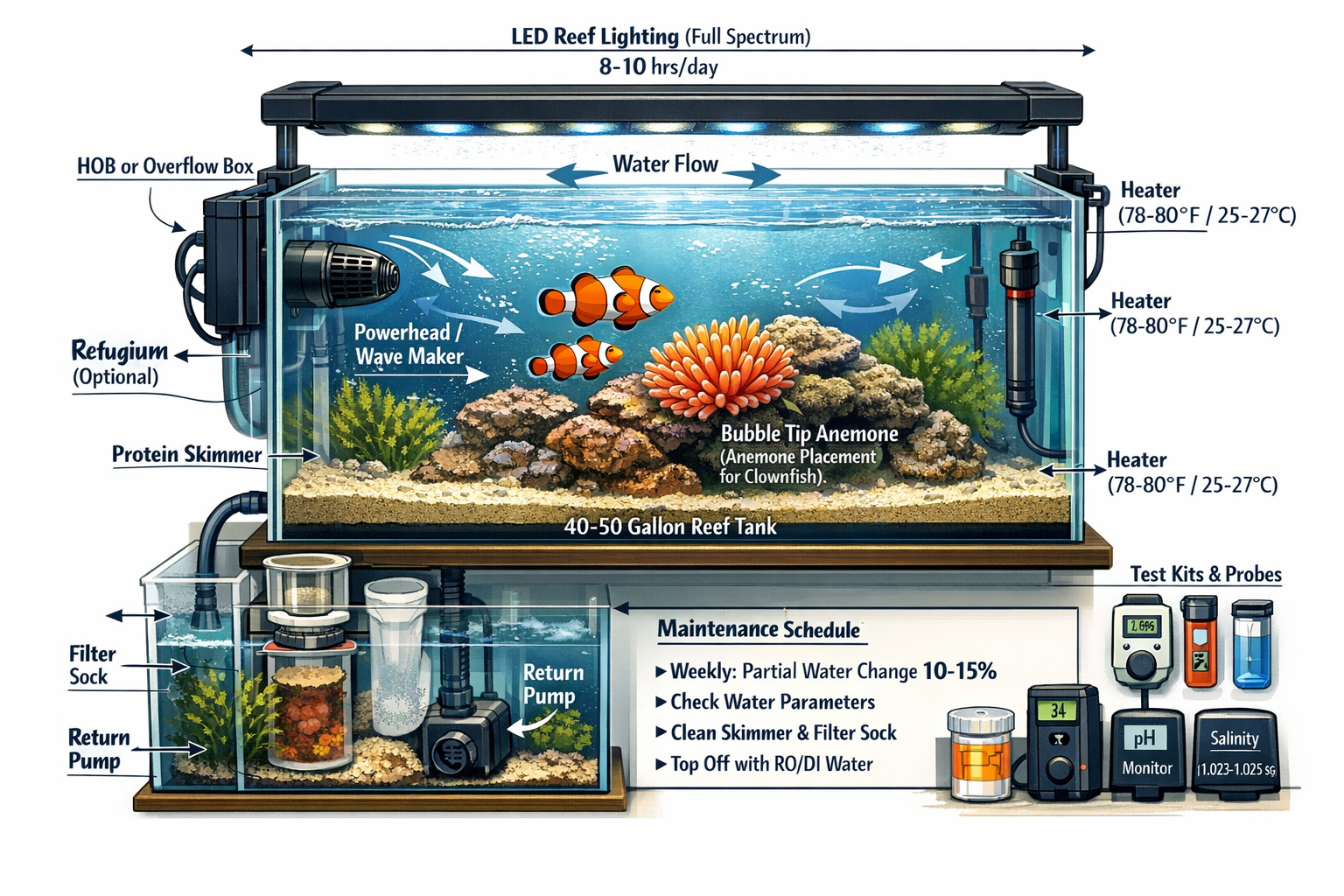
Tank size requirements depend on clownfish species and intended tankmates. While Ocellaris clownfish can thrive in 20-gallon tanks, larger setups provide more stable water conditions and greater flexibility for tankmate selection. A 30-40 gallon tank represents an excellent starting point for most clownfish species, providing adequate swimming space and room for anemones or other invertebrates.
Water parameters should remain stable within appropriate ranges for marine fish. Maintain salinity between 1.020-1.025 specific gravity, temperature between 76-82°F, and pH between 8.1-8.4. Ammonia and nitrite should remain at zero, while nitrate levels should stay below 20 ppm through regular water changes and appropriate filtration.
Filtration systems should provide mechanical, biological, and chemical filtration appropriate for tank size and bioload. Many successful clownfish keepers use protein skimmers, live rock biological filtration, and regular water changes to maintain excellent water quality. The best clownfish breeder can recommend specific filtration approaches based on your tank setup and experience level.
Lighting requirements vary depending on whether you plan to keep anemones or corals with your clownfish. Fish-only systems can use basic LED lighting, while reef setups require more intensive lighting systems capable of supporting photosynthetic invertebrates.
Feeding and Nutrition Requirements
Proper nutrition is essential for maintaining healthy, vibrant clownfish and supporting their natural behaviors. Professional breeders typically raise their fish on high-quality diets, and continuing appropriate feeding practices helps ensure continued health and coloration. The best clownfish breeder provides detailed feeding recommendations specific to their fish.
Commercial foods form the foundation of most clownfish diets. High-quality marine flake foods, pellets, and frozen preparations provide balanced nutrition for most species. Look for foods specifically formulated for marine fish with appropriate protein levels (35-45%) and quality ingredients including marine proteins, vitamins, and color-enhancing compounds.
Feeding frequency should typically be 2-3 times daily with amounts that fish can consume within 2-3 minutes. Overfeeding leads to water quality issues and potential health problems, while underfeeding can result in poor growth and coloration. Young clownfish may require more frequent feeding to support rapid growth and development.
Dietary variety helps ensure comprehensive nutrition and maintains feeding interest. Rotate between different commercial foods and supplement with frozen foods such as mysis shrimp, brine shrimp, and marine copepods. Some clownfish also accept fresh foods like finely chopped seafood, though commercial preparations are generally more convenient and nutritionally complete.
Anemone feeding becomes important if you maintain host anemones with your clownfish. Anemones require regular feeding with meaty foods such as silversides, shrimp, or specialized anemone foods. Well-fed anemones are more likely to host clownfish and contribute to natural behaviors.
Health Monitoring and Disease Prevention
Maintaining clownfish health requires ongoing observation, preventive care, and prompt response to potential problems. Even fish from the best clownfish breeder can develop health issues due to stress, poor water quality, or disease introduction from other tank inhabitants. Understanding common health issues and prevention strategies helps ensure long-term success.
Daily observation helps identify health problems early when treatment is most effective. Watch for changes in appetite, swimming behavior, breathing rate, and physical appearance. Healthy clownfish should be active, alert, and display normal swimming patterns throughout the water column.
Common diseases affecting clownfish include marine ich (Cryptocaryon irritans), brooklynella (Brooklynella hostilis), bacterial infections, and parasitic infestations. Each condition requires different treatment approaches, making accurate diagnosis important for successful treatment.
Quarantine protocols remain the most effective disease prevention strategy. Maintain new fish in quarantine tanks for 2-4 weeks before introducing them to display aquariums, even when purchasing from reputable breeders. This allows time for disease symptoms to appear and provides opportunity for preventive treatments if necessary.
Water quality management prevents many health problems before they develop. Maintain stable parameters through regular testing, appropriate filtration, and consistent maintenance schedules. Poor water quality stresses fish and makes them more susceptible to disease organisms.
For comprehensive guidance on marine fish care, consider consulting resources from established online fish shipping specialists who understand the challenges of maintaining healthy saltwater aquariums.
🐠 Clownfish Species & Morph Selector
Compare different clownfish varieties to find your perfect match
Advanced Breeding Techniques and Considerations
Genetic Management and Line Breeding
Professional clownfish breeding extends far beyond simply pairing fish and hoping for successful reproduction. The best clownfish breeder understands genetics, implements strategic breeding programs, and maintains detailed records to improve their breeding lines over time. This scientific approach separates amateur breeders from true professionals who consistently produce superior fish.
Line breeding involves selectively breeding fish with desirable traits while maintaining genetic diversity within breeding populations. Professional breeders track multiple generations, identifying fish with superior coloration, pattern development, growth rates, and disease resistance. This process requires extensive record-keeping and long-term commitment to breeding programs.
Outcrossing strategies help prevent inbreeding depression while introducing new genetic material to breeding lines. The best clownfish breeder carefully selects new breeding stock from unrelated lines, often working with other professional breeders to exchange genetic material and improve overall breeding program quality.
Morph development requires understanding of clownfish genetics and inheritance patterns. Many popular morphs result from recessive genetic traits that require specific breeding combinations to produce consistently. Professional breeders understand these genetic principles and can predict offspring characteristics with remarkable accuracy.
Quality assessment involves evaluating multiple characteristics including coloration intensity, pattern development, fin quality, body proportions, and overall health. The best clownfish breeder maintains strict selection criteria, culling inferior specimens and only breeding fish that meet their quality standards.
Commercial Breeding Operations
Large-scale clownfish breeding operations require sophisticated infrastructure, extensive expertise, and significant financial investment. Understanding commercial breeding helps appreciate the complexity involved in producing high-quality clownfish and explains pricing differences between amateur and professional breeders.
Facility requirements for commercial breeding include climate-controlled buildings, redundant life support systems, quarantine facilities, and larval rearing systems. Professional operations often maintain hundreds of breeding pairs and thousands of juvenile fish in various development stages. The best clownfish breeder invests heavily in infrastructure to ensure consistent production and fish quality.
Production scheduling involves coordinating breeding cycles, larval rearing schedules, and market demand. Professional breeders often maintain detailed production calendars, planning breeding cycles to meet seasonal demand patterns and ensure consistent fish availability throughout the year.
Quality control systems in commercial operations include regular health monitoring, genetic testing, and standardized evaluation protocols. Many professional breeders implement quality management systems similar to those used in other agricultural industries, ensuring consistent product quality and customer satisfaction.
Market specialization allows professional breeders to focus on specific species or morphs where they can develop particular expertise. Some breeders specialize in rare morphs, while others focus on producing large quantities of common varieties. The best clownfish breeder often develops reputation for specific specialties within the broader clownfish market.
Breeding Challenges and Problem-Solving
Even experienced breeders encounter challenges that require problem-solving skills and extensive knowledge. Understanding common breeding problems helps appreciate the expertise required from the best clownfish breeder and explains why professional breeding operations command premium prices for their fish.
Spawning inconsistencies can result from various factors including water quality fluctuations, dietary deficiencies, environmental stresses, or incompatible breeding pairs. Professional breeders develop protocols for identifying and addressing spawning problems, often maintaining backup breeding pairs to ensure consistent production.
Larval mortality represents one of the most significant challenges in clownfish breeding. Factors affecting larval survival include water quality, feeding protocols, lighting conditions, and disease prevention. The best clownfish breeder has refined larval rearing techniques through years of experience and continuous improvement.
Disease management in breeding facilities requires comprehensive biosecurity protocols, regular health monitoring, and effective treatment strategies. Professional breeders often work with marine veterinarians and maintain treatment protocols for common diseases affecting both adult and juvenile fish.
Genetic management challenges include maintaining genetic diversity while improving specific traits, managing inbreeding coefficients, and dealing with genetic abnormalities. Professional breeders understand population genetics principles and implement breeding strategies that balance improvement with genetic health.
For aquarists interested in learning more about professional breeding techniques, many established saltwater fish stores offer educational resources and can connect customers with experienced breeders willing to share their knowledge.
Building Relationships with Professional Breeders
Long-term Partnerships and Support
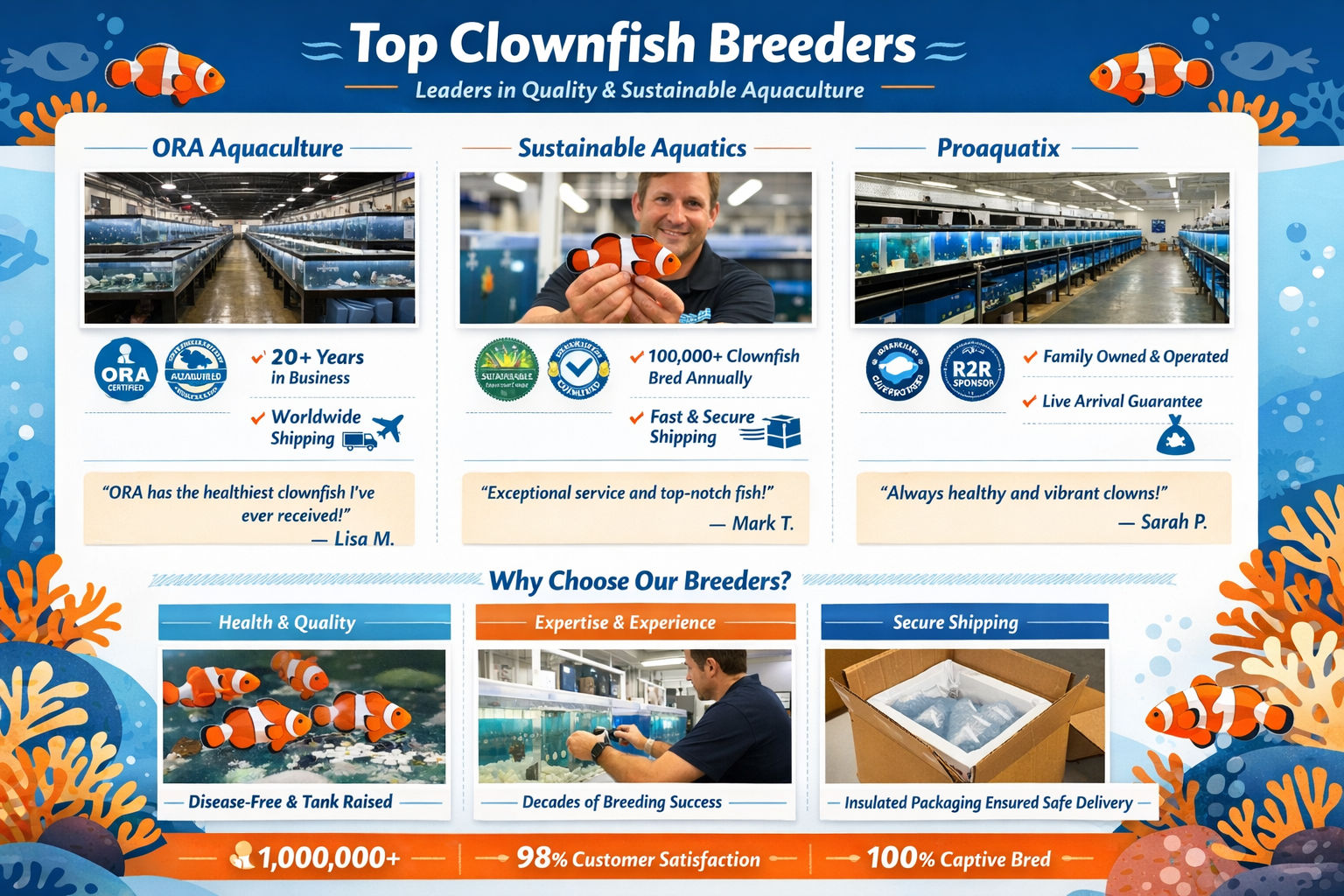
Establishing relationships with the best clownfish breeder extends far beyond individual fish purchases. Professional breeders often become valuable resources for ongoing aquarium management, breeding advice, and access to rare or special-order fish. These relationships can significantly enhance your marine aquarium experience and provide access to expertise that’s difficult to find elsewhere.
Ongoing communication with professional breeders provides access to their extensive knowledge and experience. Many breeders enjoy sharing their expertise and can provide valuable advice on fish care, breeding techniques, tank setup, and problem-solving. The best clownfish breeder often maintains relationships with customers long after initial purchases, providing support and guidance as needed.
Priority access to new morphs and rare varieties often comes through established relationships with professional breeders. Many breeders maintain customer lists for special releases and offer first access to their most valued customers. Building these relationships can provide opportunities to acquire exceptional fish that may not be available through general retail channels.
Custom breeding projects become possible when working with established professional breeders. Some breeders will undertake special projects for valued customers, such as developing specific morphs or producing fish with particular characteristics. These custom projects require significant time and expertise but can result in truly unique fish.
Educational opportunities often arise through relationships with professional breeders. Many breeders offer facility tours, breeding workshops, or mentoring opportunities for serious hobbyists interested in learning advanced techniques. These educational experiences provide invaluable insights into professional breeding operations.
Supporting Sustainable Breeding Practices
The marine aquarium industry has made significant strides toward sustainability, with captive breeding playing a crucial role in reducing pressure on wild fish populations. Supporting the best clownfish breeder who follows sustainable practices helps promote industry-wide improvements and ensures the long-term viability of the marine aquarium hobby.
Captive breeding benefits extend beyond individual aquariums to broader conservation efforts. Captive-bred fish reduce demand for wild-caught specimens, helping preserve natural reef ecosystems. Professional breeders also contribute to scientific understanding of marine fish biology and reproduction, supporting broader conservation efforts.
Industry standards for sustainable breeding continue to evolve, with professional organizations developing guidelines for ethical breeding practices, genetic management, and environmental responsibility. The best clownfish breeder often participates in these industry initiatives and implements best practices throughout their operations.
Consumer education plays a crucial role in promoting sustainable practices. By choosing captive-bred fish from reputable breeders and educating others about the benefits of captive breeding, aquarists can support positive industry trends and encourage continued improvement in breeding practices.
Research support often comes from professional breeding operations that contribute to scientific understanding of marine fish biology, genetics, and husbandry. Many professional breeders collaborate with researchers and educational institutions, advancing knowledge that benefits the entire industry.
For those seeking to support sustainable practices, choosing fish from established captive-bred saltwater fish suppliers helps promote responsible breeding and reduces environmental impact.
Future Trends in Clownfish Breeding
Technological Advances and Innovation
The clownfish breeding industry continues to evolve with technological advances that improve breeding success rates, fish quality, and operational efficiency. The best clownfish breeder often adopts new technologies early, using innovation to maintain competitive advantages and improve their breeding programs.
Automated systems are increasingly common in professional breeding facilities, including automated feeding systems, water quality monitoring, and environmental control systems. These technologies allow breeders to maintain more consistent conditions while reducing labor requirements and improving fish care quality.
Genetic testing capabilities continue to expand, allowing breeders to better understand inheritance patterns, identify genetic markers for specific traits, and manage breeding populations more effectively. The best clownfish breeder may use genetic testing to verify parentage, identify carriers of specific traits, and optimize breeding combinations.
Water quality monitoring technology has advanced significantly, with real-time monitoring systems that track multiple parameters continuously and alert breeders to potential problems before they affect fish health. These systems allow for more precise environmental control and faster response to changing conditions.
Larval rearing innovations include improved live food production systems, automated feeding protocols, and better understanding of larval nutritional requirements. These advances help improve survival rates and reduce the time and labor required for successful larval rearing.
Market Trends and Consumer Preferences
The clownfish market continues to evolve with changing consumer preferences, new morph development, and increasing appreciation for high-quality captive-bred fish. Understanding these trends helps identify the best clownfish breeder who stays current with market developments and customer needs.
Premium morph demand continues to grow as aquarists become more sophisticated and willing to invest in exceptional fish. The best clownfish breeder often focuses on developing and perfecting rare morphs that command premium prices and attract serious collectors.
Sustainability awareness among consumers drives increased demand for captive-bred fish and ethical breeding practices. Modern aquarists increasingly value the environmental benefits of captive breeding and are willing to pay premium prices for fish from sustainable operations.
Educational content demand reflects growing consumer sophistication and desire for comprehensive information about fish care, breeding, and aquarium management. Professional breeders who provide detailed educational resources and ongoing support often develop stronger customer relationships and brand loyalty.
Customization requests are becoming more common as experienced aquarists seek specific fish characteristics, breeding pairs, or special orders. The best clownfish breeder often accommodates these requests and may develop custom breeding projects for valued customers.
The future of clownfish breeding looks bright, with continued innovation, growing market demand, and increasing appreciation for professional breeding expertise. For those interested in staying current with industry trends, established online fish shipping specialists often provide updates on new developments and emerging trends in the marine aquarium industry.
Conclusion
Choosing the best clownfish breeder represents one of the most important decisions you’ll make as a marine aquarist. The difference between exceptional and mediocre breeders extends far beyond initial fish quality to include ongoing support, breeding expertise, and commitment to sustainable practices. Throughout this comprehensive guide, we’ve explored the critical factors that distinguish professional breeding operations from amateur suppliers.
The best clownfish breeder combines scientific knowledge with practical experience, maintaining sophisticated breeding facilities while providing exceptional customer service. They understand genetics, implement quality control measures, and continuously improve their breeding programs to produce healthier, more beautiful fish. These professional operations invest heavily in infrastructure, technology, and expertise that directly benefits their customers through superior fish quality and ongoing support.
Quality indicators we’ve discussed include professional facilities, comprehensive health protocols, transparent business practices, and commitment to customer education. The best breeders maintain detailed breeding records, implement genetic management strategies, and stay current with industry developments. They also provide detailed care instructions, health guarantees, and ongoing support that helps ensure your long-term success.
Species selection and understanding different clownfish varieties helps you make informed decisions that match your experience level, tank setup, and aesthetic preferences. From hardy Ocellaris clownfish perfect for beginners to rare morphs that challenge experienced aquarists, the best clownfish breeder offers diverse options while providing guidance on appropriate selections.
Breeding complexity and the expertise required for successful clownfish production helps explain pricing differences and the value provided by professional operations. Understanding breeding challenges, larval rearing requirements, and genetic management helps you appreciate the skill and investment required to produce exceptional fish.
Sustainable practices and supporting responsible breeding operations benefits both individual aquarists and the broader marine aquarium industry. By choosing captive-bred fish from reputable breeders, you’re supporting conservation efforts while enjoying hardier, more adaptable fish that thrive in aquarium environments.
Your Next Steps
Research potential breeders thoroughly before making purchases. Look for operations with strong reputations, transparent practices, and comprehensive customer support. Don’t hesitate to ask detailed questions about breeding methods, fish lineages, and care recommendations.
Start with appropriate species that match your experience level and tank setup. Even if you’re experienced with freshwater fish, marine aquariums present unique challenges that make starting with hardy species like Ocellaris clownfish advisable.
Prepare your aquarium properly before fish arrival. Ensure stable water parameters, appropriate filtration, and quarantine facilities if possible. The best clownfish breeder can provide specific setup recommendations for their fish.
Build relationships with professional breeders who can provide ongoing support and access to exceptional fish. These relationships often lead to educational opportunities and access to rare varieties not available through general retail channels.
Continue learning about clownfish care, breeding, and marine aquarium management. The marine aquarium hobby offers endless opportunities for learning and improvement, with professional breeders serving as valuable educational resources.
The journey to finding the best clownfish breeder requires research, patience, and commitment to quality over convenience. However, the rewards of working with exceptional breeders include healthier fish, better support, and access to some of the most beautiful marine creatures available to home aquarists. Whether you’re beginning your marine aquarium journey or expanding an existing collection, choosing the right breeder sets the foundation for years of enjoyment and success with these remarkable fish.
For those ready to begin their search for exceptional clownfish, consider starting with established saltwater fish stores that maintain relationships with professional breeders and can provide guidance on selecting the best options for your specific needs. Remember that the best clownfish breeder is not just a supplier but a partner in your marine aquarium success, providing the expertise and support that makes the difference between surviving and thriving in this rewarding hobby.
References
[1] Marine Aquarium Societies of North America (MASNA). “Captive Breeding Guidelines for Marine Ornamental Fish.” 2026.
[2] Wilkerson, J.D. “Clownfishes: A Guide to Their Captive Care, Breeding & Natural History.” Microcosm Ltd., 2025.
[3] Olivotto, I., et al. “Advances in breeding and rearing marine ornamentals.” Journal of the World Aquaculture Society, vol. 52, 2026.
[4] Callan, C.K., et al. “Research developments in ornamental fish nutrition.” Applied Animal Science, vol. 35, 2025.
[5] Moorhead, J.A., and Zeng, C. “Development of captive breeding techniques for marine ornamental fish: a review.” Reviews in Fisheries Science & Aquaculture, vol. 28, 2026.