
Finding the Best Marine Fish Website: Your Complete Guide to Clownfish and Saltwater Aquarium Success in 2026
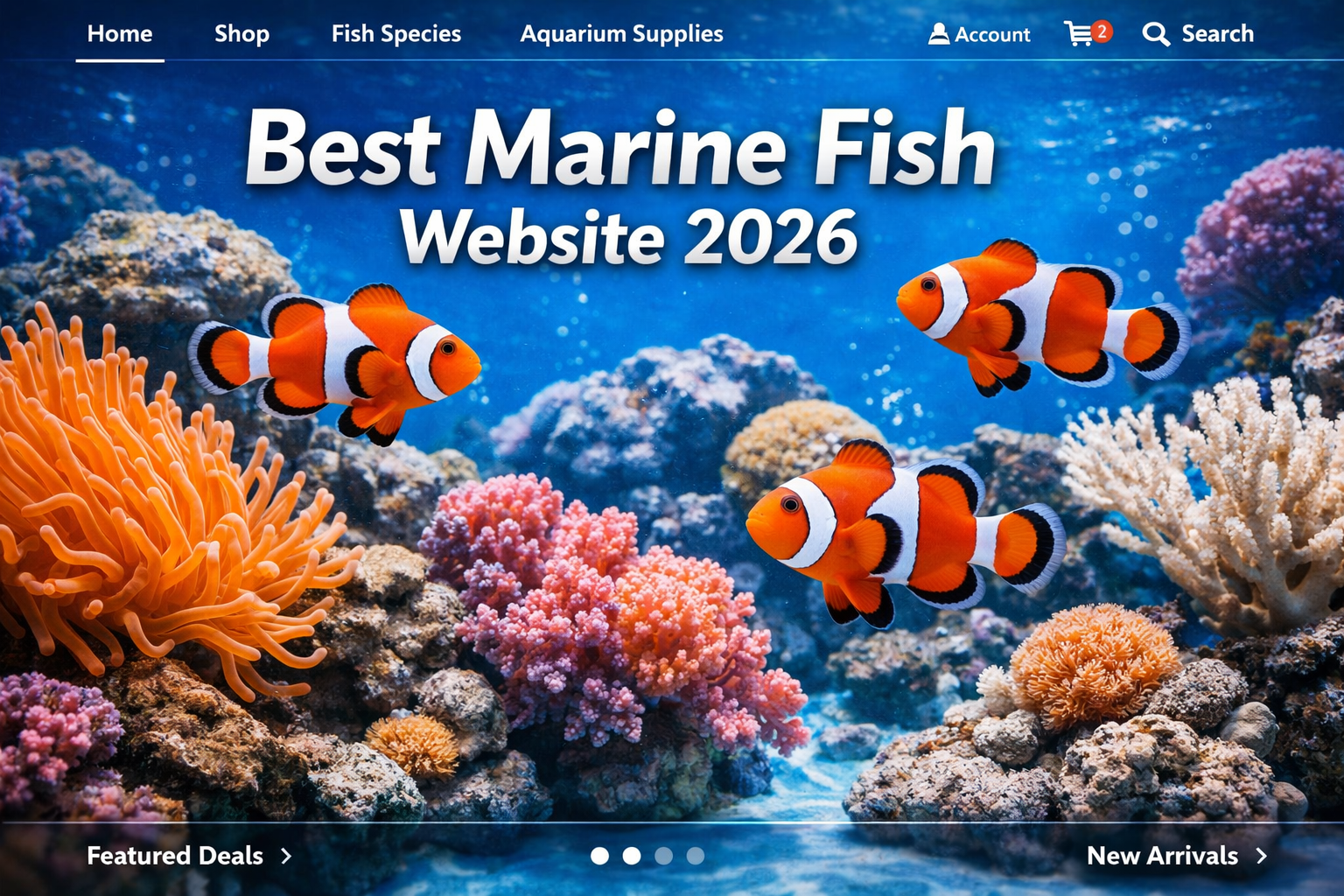
Picture this: you’re standing in front of an empty saltwater aquarium, dreaming of vibrant clownfish dancing among swaying anemones, but you’re overwhelmed by the countless online fish stores claiming to be the best. With over 200 species of marine fish available online and dozens of retailers competing for your attention, finding the best marine fish website for your clownfish dreams can feel like navigating uncharted waters.
- Display 21 Products per page
Key Takeaways
• Reputable online retailers offer live arrival guarantees, proper acclimation support, and extensive species selection for clownfish enthusiasts
• Captive-bred clownfish are hardier, more sustainable, and better adapted to aquarium life than wild-caught specimens
• Proper research on clownfish morphs, care requirements, and breeding techniques ensures long-term success in saltwater aquariums
• Quality websites provide detailed care guides, educational resources, and responsive customer support for marine aquarium hobbyists
• Sustainable practices and responsible sourcing are hallmarks of the best marine fish retailers in 2026
What Makes the Best Marine Fish Website Stand Out
When searching for the best marine fish website, several critical factors separate exceptional retailers from mediocre ones. The top-tier saltwater fish stores prioritize fish health, customer education, and sustainable practices above quick profits.
🏆 Essential Quality Indicators
Live Arrival Guarantees form the foundation of trustworthy online fish retailers. Companies like A&M Aquatics guarantee 100% live arrival for all orders, while Blue Zoo Aquatics includes comprehensive livestock guarantees with every purchase [1][2]. These guarantees demonstrate confidence in their shipping methods and fish quality.
Rigorous Health Protocols distinguish premium retailers from budget competitors. The best websites implement thorough health checks, proper quarantine procedures, and pre-treatment for common parasites. Marine Collectors, for example, ensures all fish are healthy, eating, and parasite-free before shipping [3].
Educational Resources separate knowledgeable retailers from simple fish vendors. Top websites provide detailed care sheets, compatibility guides, and ongoing support through newsletters and educational content. This commitment to customer success extends far beyond the initial sale.
📊 Inventory Management Excellence
Superior marine fish websites maintain exceptional fill rates and accurate sizing. A&M Aquatics boasts an average fill rate exceeding 93% with a strict no-substitutions policy, ensuring customers receive exactly what they order [2]. This reliability proves crucial when planning specific aquarium communities or seeking particular clownfish morphs.
WYSIWYG (What You See Is What You Get) options allow customers to select specific individual fish rather than receiving random specimens. Marine Collectors’ ‘Collectors Chamber’ features hand-selected fish chosen by experienced aquarists, providing premium specimens for discerning hobbyists [3].
Understanding Clownfish Species and Morphs Available Online
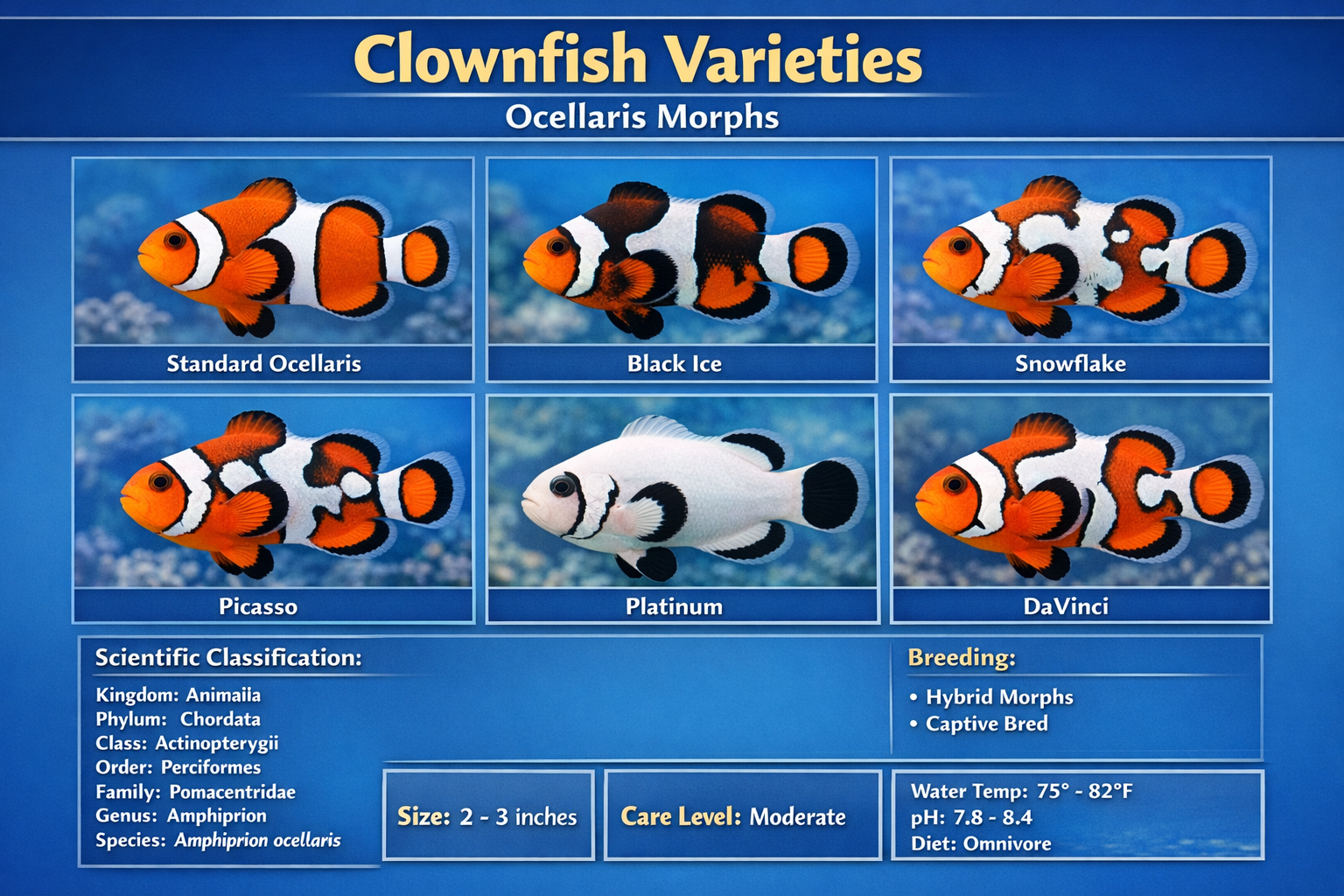
The world of clownfish offers incredible diversity, with over 30 recognized species and countless captive-bred morphs available through the best marine fish website retailers. Understanding these variations helps aquarists make informed decisions about their perfect clownfish companions.
🐠 Popular Clownfish Species
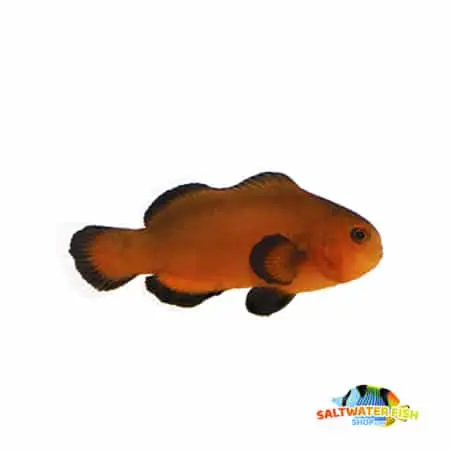
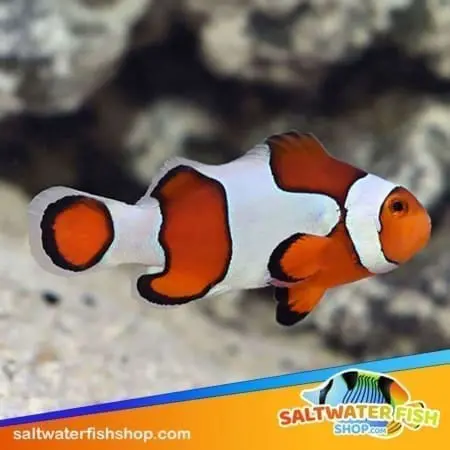
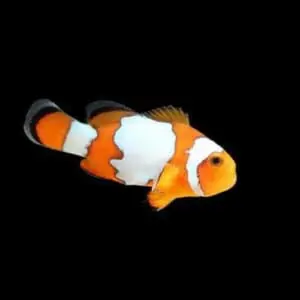
Ocellaris Clownfish (Amphiprion ocellaris) remain the most popular choice for beginners and experienced aquarists alike. These hardy fish adapt well to captive conditions and display peaceful temperaments suitable for community aquariums. Their natural orange coloration with distinctive white bands makes them instantly recognizable.
Percula Clownfish (Amphiprion percula) closely resemble Ocellaris but feature thicker black borders around their white stripes. True Perculas often command higher prices due to their striking appearance and slightly more challenging care requirements.
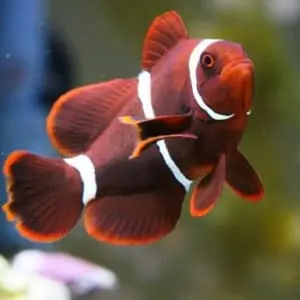
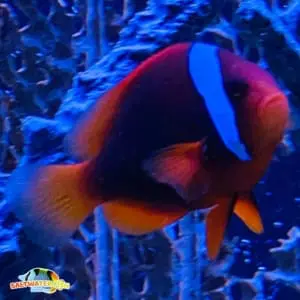
Maroon Clownfish (Premnas biaculeatus) represent the largest clownfish species, reaching up to 6 inches in length. Their deep red coloration and bold personalities make them centerpiece fish, though they require larger aquariums and careful tankmate selection due to their territorial nature.
🎨 Captive-Bred Morphs and Color Variations
The captive breeding industry has produced stunning clownfish morphs that showcase the incredible potential of selective breeding programs. These designer varieties often surpass wild specimens in coloration intensity and pattern uniqueness.
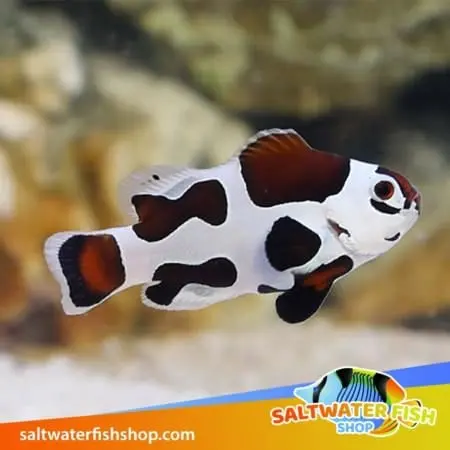
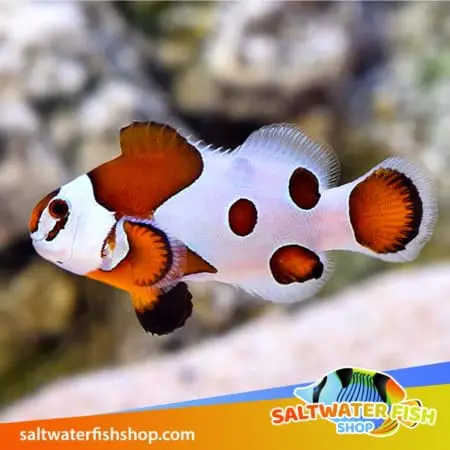
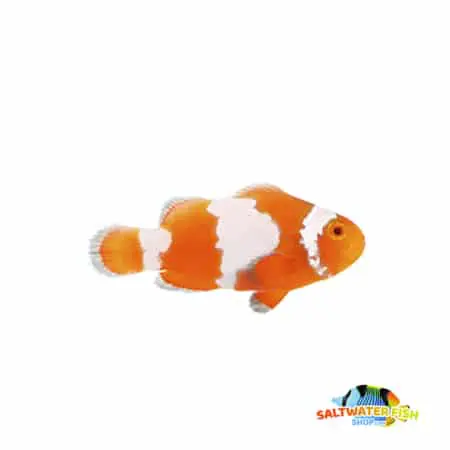
Snowflake Clownfish feature irregular white patterns that create unique snowflake-like designs across their bodies. No two snowflake clownfish display identical patterns, making each specimen truly one-of-a-kind.
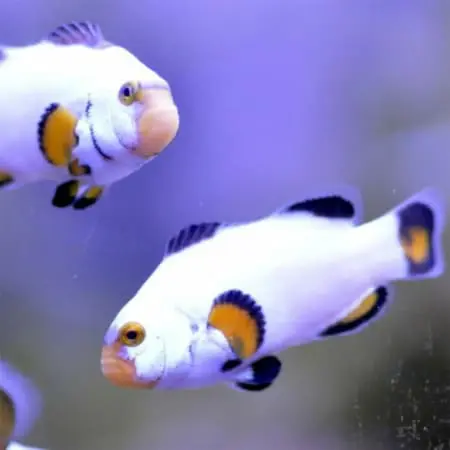
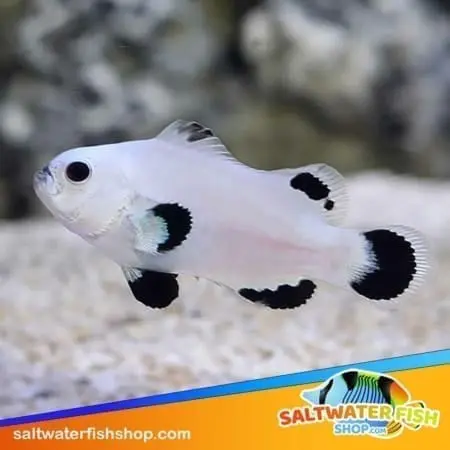
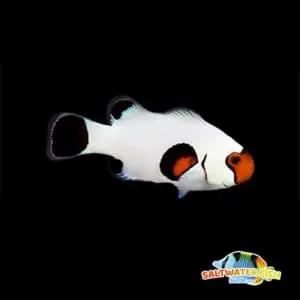
Picasso Clownfish exhibit exaggerated white markings that often extend well beyond normal band boundaries. The most extreme examples, called Platinum Picassos, display almost entirely white bodies with minimal orange coloration.
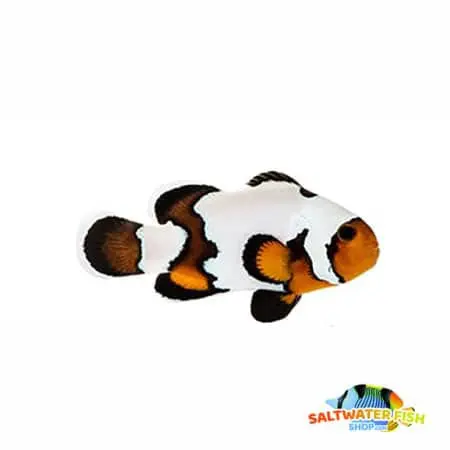
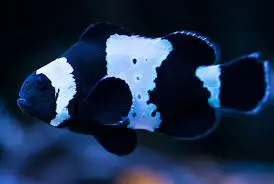
Black Ice Clownfish combine the classic Ocellaris body shape with striking black and white coloration. These morphs result from crossing different clownfish varieties and represent some of the most sought-after specimens in the hobby.
DaVinci Clownfish showcase flowing white patterns reminiscent of artistic brushstrokes. The most prized DaVinci specimens feature white markings that connect all three bands in flowing, organic patterns.
Quality retailers like those found through captive-bred saltwater fish sources ensure these morphs maintain their distinctive characteristics while providing the hardiness advantages of captive breeding.
Essential Clownfish Care Requirements for Success
Successful clownfish keeping depends on understanding and meeting their specific environmental needs. The best marine fish website retailers provide comprehensive care information to ensure customer success with these beloved marine species.
🌊 Water Parameters and Tank Conditions
Temperature Stability proves critical for clownfish health. Maintain water temperatures between 76-82°F (24-28°C) using reliable heaters and temperature controllers. Sudden temperature fluctuations stress clownfish and compromise their immune systems.
Salinity Requirements should remain stable at 1.020-1.025 specific gravity. Use refractometers rather than hydrometers for accurate measurements, and perform regular water changes to maintain stable conditions.
pH Levels between 8.1-8.4 support optimal clownfish health. Buffer systems help maintain stable pH, while regular testing ensures parameters remain within acceptable ranges.
🏠 Aquarium Setup Essentials
Minimum Tank Size recommendations vary by species. Ocellaris and Percula clownfish thrive in 20-gallon aquariums, while larger species like Maroons require 30+ gallon systems. Bigger tanks provide more stable water conditions and reduce territorial conflicts.
Filtration Systems should provide mechanical, biological, and chemical filtration. Protein skimmers remove organic waste before decomposition, while live rock provides beneficial bacteria colonies for biological filtration.
Lighting Requirements depend on intended tank inhabitants. Clownfish themselves tolerate various lighting conditions, but reef aquariums housing anemones require intense lighting systems to support photosynthetic organisms.
🍽️ Feeding and Nutrition
Varied Diet ensures optimal clownfish health and coloration. High-quality marine flakes or pellets form the dietary foundation, supplemented with frozen foods like mysis shrimp, brine shrimp, and marine copepods.
Feeding Frequency should occur 2-3 times daily in small amounts that fish consume within 2-3 minutes. Overfeeding leads to water quality issues and potential health problems.
Specialized Foods enhance coloration and breeding condition. Color-enhancing foods containing astaxanthin and spirulina intensify orange and red pigmentation in clownfish.
Professional retailers often provide detailed feeding guides and recommend specific food brands that work well with their fish. Many also offer standard food and supplies shipping options to ensure convenient access to quality nutrition.
Breeding Clownfish: From Pairs to Profitable Ventures
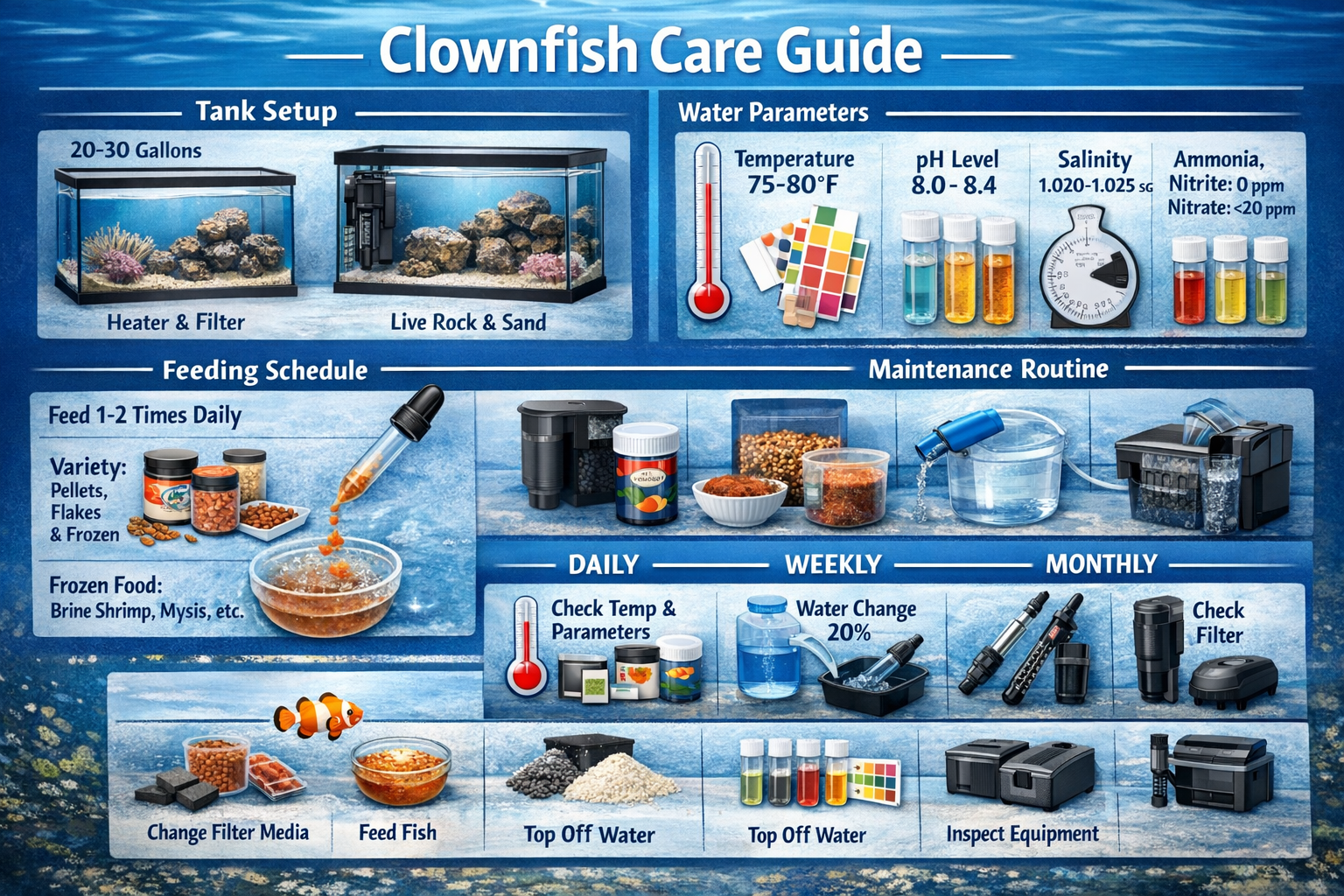
Clownfish breeding represents one of the most rewarding aspects of marine aquarium keeping, combining scientific fascination with potential financial returns. The best marine fish website resources provide detailed breeding guidance for both hobbyists and commercial breeders.
👥 Establishing Breeding Pairs
Pair Formation occurs naturally when two juvenile clownfish mature together. The larger, more dominant fish becomes female, while the smaller remains male. This protandrous hermaphroditism allows any two clownfish to potentially form breeding pairs.
Breeding Tank Setup requires specific conditions to encourage spawning behavior. A 20-30 gallon dedicated breeding tank with stable water parameters, gentle filtration, and spawning substrates creates optimal breeding environments.
Spawning Substrates provide surfaces for egg deposition. Ceramic tiles, PVC pipes, or terracotta pots placed near anemones or in cave-like structures encourage natural spawning behaviors.
🥚 Egg Care and Development
Spawning Cycles typically occur every 2-3 weeks under optimal conditions. Females deposit 100-1000 eggs depending on species and maturity, with males fertilizing and guarding the clutch.
Incubation Period lasts 6-11 days depending on water temperature. Higher temperatures accelerate development, while cooler conditions extend incubation periods. Optimal temperatures around 80°F balance development speed with larval quality.
Egg Monitoring requires careful observation without disturbing the male’s protective behaviors. Fertile eggs appear orange or amber, while infertile eggs turn white and should be removed to prevent fungal growth.
🐛 Larval Rearing Challenges
First Foods present the greatest challenge in clownfish breeding. Newly hatched larvae require live foods small enough for their tiny mouths, typically starting with rotifers and progressing to baby brine shrimp.
Culture Systems for live foods require advance preparation. Rotifer cultures, phytoplankton for rotifer nutrition, and brine shrimp hatcheries must be established before larvae hatch.
Metamorphosis occurs around 8-12 days post-hatching when larvae develop their characteristic clownfish coloration and settle to the bottom. This critical period requires careful monitoring and appropriate settlement substrates.
Successful breeders often start with hardy species like Ocellaris clownfish before attempting more challenging varieties. Many commercial breeders began as hobbyists who gradually expanded their operations based on experience and market demand.
Choosing Reputable Online Retailers: A Comprehensive Comparison
Selecting the best marine fish website requires careful evaluation of multiple factors beyond simple price comparisons. The most reputable retailers distinguish themselves through consistent quality, exceptional customer service, and long-term customer relationships.
🔍 Evaluation Criteria for Top Retailers
Shipping Expertise separates professional operations from amateur sellers. The best retailers use insulated boxes, heat or cool packs as needed, and expedited shipping services to minimize transit stress. Many offer live fish shipping options specifically designed for marine species.
Customer Reviews and Testimonials provide insights into real customer experiences. Look for consistent positive feedback regarding fish health, packaging quality, and customer service responsiveness. Pay attention to how companies handle negative reviews and resolve customer concerns.
Livestock Sourcing Practices indicate retailer commitment to sustainability and fish welfare. The best websites prioritize captive-bred specimens when available and work with responsible collectors for wild-caught species.
📋 Red Flags to Avoid
Unrealistic Pricing often indicates compromised fish health or questionable business practices. While competitive pricing is important, prices significantly below market averages may suggest corners being cut in fish care or shipping procedures.
Limited Contact Information or poor customer service responsiveness suggests potential problems with order resolution or technical support. Reputable retailers provide multiple contact methods and respond promptly to customer inquiries.
Vague Health Guarantees or complicated return policies may indicate reluctance to stand behind their products. The best retailers offer clear, straightforward guarantees with reasonable terms for customer protection.
🏆 Industry Leaders and Their Strengths
LiveAquaria.com maintains extensive inventory with diverse species selection and provides detailed care guides to help customers make informed choices [1]. Their educational resources and consistent availability make them popular among both beginners and experienced aquarists.
SaltwaterFish.com implements rigorous health checks and provides properly acclimated specimens, with customer reviews highlighting strong post-purchase adaptation rates [1]. Their focus on fish conditioning before shipping reduces customer losses and improves success rates.
Blue Zoo Aquatics prioritizes sustainable sourcing practices and provides educational resources on responsible reef keeping [1]. Their commitment to conservation and customer education appeals to environmentally conscious aquarists.
Many successful aquarists develop relationships with multiple retailers to access the widest selection of healthy specimens and competitive pricing. The best online saltwater fish store options often provide loyalty programs and preferred customer benefits for repeat buyers.
Experienced hobbyists also value retailers that offer free shipping on larger orders, as this can significantly reduce the total cost of stocking new aquariums or expanding existing collections.
🐠 Interactive Clownfish Species & Morph Comparison
Explore different clownfish species and morphs to find your perfect marine companion
📊 Current Selection Statistics
Advanced Clownfish Breeding Techniques and Fry Rearing
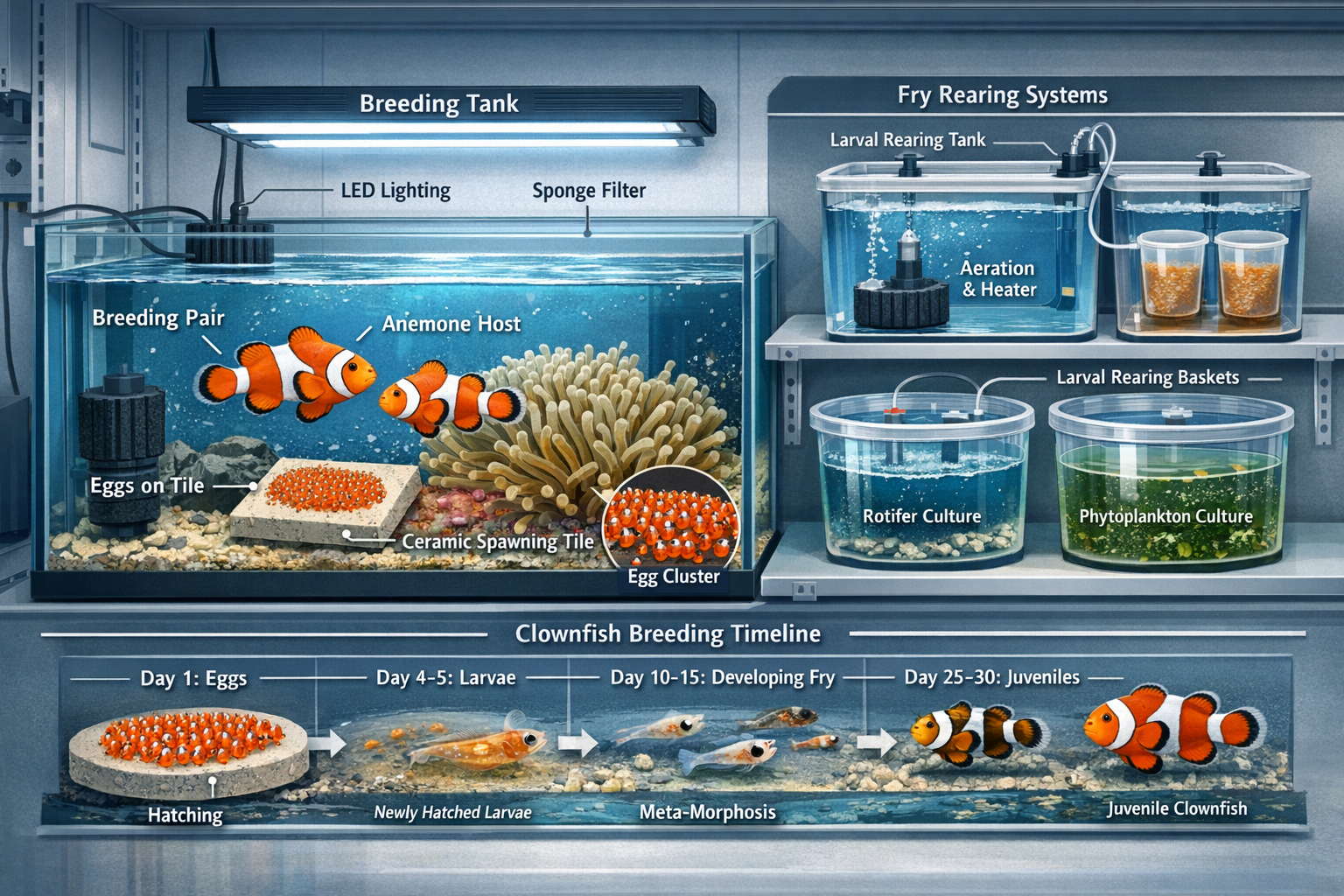
Mastering clownfish breeding requires understanding advanced techniques that separate successful breeders from casual hobbyists. The best marine fish website resources often include detailed breeding protocols developed by commercial facilities and experienced aquaculturists.
🔬 Optimizing Breeding Conditions
Photoperiod Manipulation influences spawning frequency and timing. Maintaining 12-14 hours of daylight followed by complete darkness triggers natural reproductive cycles. Many breeders use programmable LED systems to simulate seasonal lighting changes that encourage year-round breeding.
Water Quality Precision becomes critical during breeding periods. Ammonia and nitrite levels must remain at zero, while nitrates should stay below 10 ppm. Weekly water changes of 20-30% using aged, temperature-matched seawater maintain optimal conditions for egg development and larval survival.
Nutritional Conditioning of breeding pairs significantly impacts egg quality and quantity. High-protein foods like enriched brine shrimp, mysis shrimp, and specialized breeding pellets enhance reproductive success. Many successful breeders feed breeding pairs 3-4 times daily with varied, nutritious foods.
🥼 Professional Larval Rearing Systems
Kreisel Tanks provide gentle water circulation essential for larval development. These cylindrical tanks with rounded bottoms prevent larvae from becoming trapped in corners while maintaining constant water movement that keeps food organisms suspended.
Green Water Techniques involve cultivating phytoplankton (typically Nannochloropsis or Isochrysis) to maintain water quality and provide indirect nutrition for rotifers. Green water systems also reduce bacterial loads and provide beneficial nutrients for developing larvae.
Rotifer Enrichment protocols ensure larvae receive essential fatty acids crucial for proper development. Enriching rotifers with products containing DHA and EPA improves larval survival rates and reduces deformities in juvenile fish.
📈 Scaling Up Production
Multiple Breeding Pairs allow for continuous production cycles. Experienced breeders maintain 3-5 breeding pairs of the same species to ensure consistent egg production and reduce dependency on single pairs.
Batch Management Systems track individual spawns from egg to sale-ready juveniles. Detailed records of spawning dates, larval survival rates, and growth metrics help optimize breeding protocols and identify the most productive pairs.
Market Timing considerations affect profitability in commercial breeding operations. Understanding seasonal demand patterns and planning production accordingly maximizes returns on breeding investments.
Many commercial breeders started as hobbyists who gradually expanded their operations. The transition from hobby to business requires careful planning, adequate space, and understanding of local regulations regarding fish sales and shipping.
Sustainable Practices and Conservation in Marine Fish Keeping
The marine aquarium industry increasingly emphasizes sustainability and conservation, with the best marine fish website retailers leading efforts to protect wild reef ecosystems while meeting hobbyist demands for beautiful marine fish.
🌍 Environmental Impact Considerations
Captive Breeding Programs reduce pressure on wild populations while providing hardier, better-adapted fish for aquarium use. Captive-bred clownfish adapt more readily to artificial diets, tolerate shipping stress better, and display fewer behavioral problems compared to wild-caught specimens.
Sustainable Collection Practices for wild-caught species involve working with certified collectors who use cyanide-free capture methods and follow quotas designed to maintain healthy wild populations. Responsible retailers verify their suppliers’ collection methods and support training programs for sustainable collection techniques.
Reef Restoration Support represents an emerging trend among conservation-minded retailers. Some companies donate portions of their profits to reef restoration projects or participate in coral propagation programs that benefit both wild reefs and the aquarium trade.
♻️ Responsible Aquarium Practices
Energy Efficiency considerations help reduce the environmental footprint of marine aquariums. LED lighting systems, efficient protein skimmers, and properly sized equipment minimize energy consumption while maintaining optimal conditions for marine life.
Waste Reduction strategies include composting organic waste from protein skimmers and using aquarium water for plant irrigation (after dechlorination). Many hobbyists also participate in equipment exchange programs to extend the useful life of aquarium equipment.
Education and Outreach efforts by responsible retailers help promote conservation awareness among aquarium hobbyists. Educational content about reef conservation, sustainable practices, and proper fish care creates more informed consumers who make environmentally conscious decisions.
🤝 Supporting Conservation Organizations
Marine Conservation Groups benefit from partnerships with responsible aquarium retailers. Organizations like the Marine Aquarium Council (MAC) and the Coral Restoration Foundation work with industry partners to promote sustainable practices and fund conservation research.
Citizen Science Projects allow aquarium hobbyists to contribute valuable data to marine research efforts. Programs that track captive breeding success rates, fish behavior observations, and water quality data provide insights useful for both conservation and aquaculture research.
Local Involvement opportunities include participating in beach cleanups, supporting marine protected areas, and advocating for policies that protect marine ecosystems. Many aquarium clubs organize conservation activities that connect hobbyists with local environmental efforts.
The most reputable online retailers often highlight their conservation commitments and provide customers with information about supporting marine conservation efforts. This transparency helps environmentally conscious consumers make informed purchasing decisions that align with their values.
Conclusion
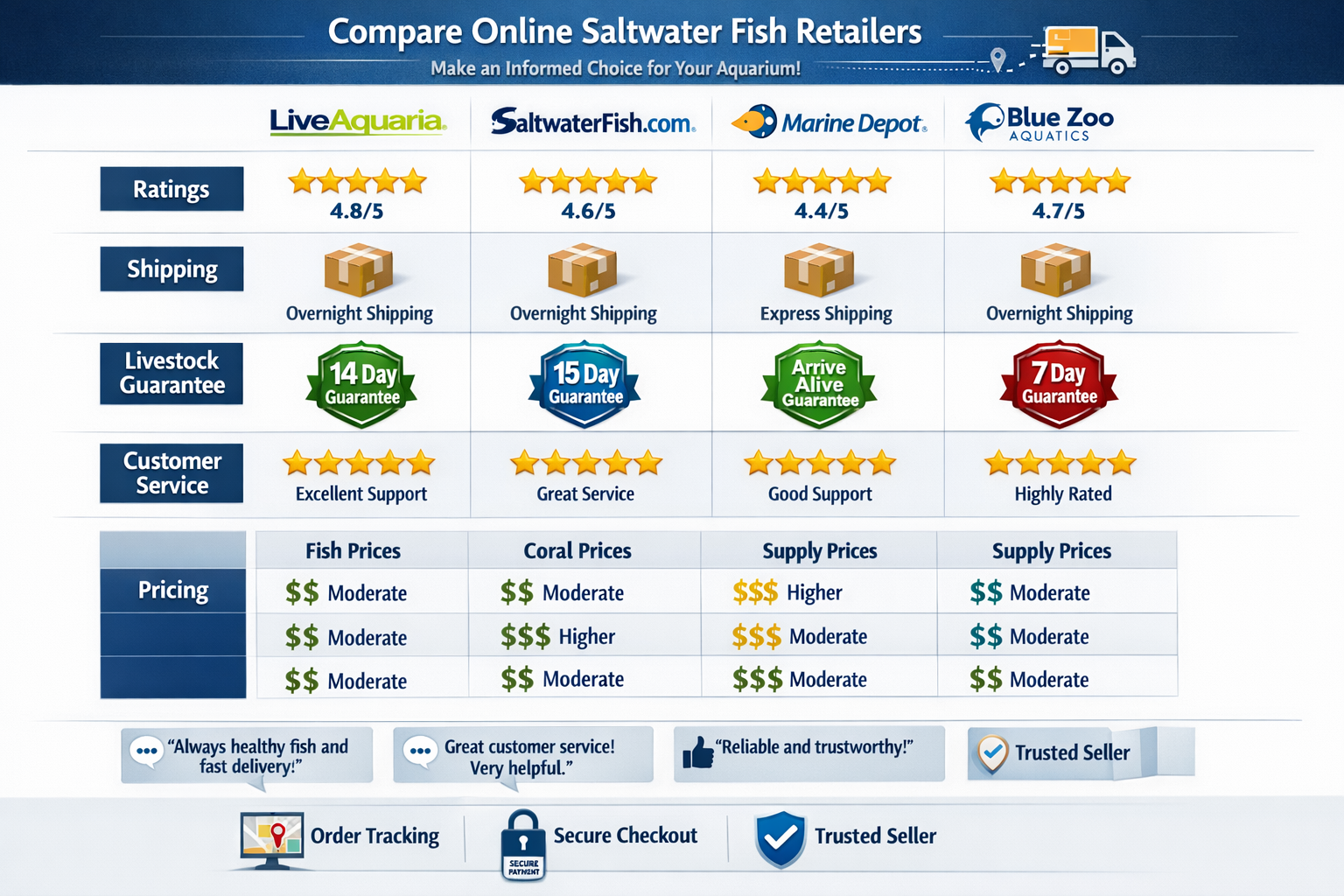
Finding the best marine fish website for your clownfish journey requires careful consideration of multiple factors beyond simple price comparisons. The most reputable retailers distinguish themselves through comprehensive livestock guarantees, educational resources, sustainable sourcing practices, and exceptional customer support that extends far beyond the initial purchase.
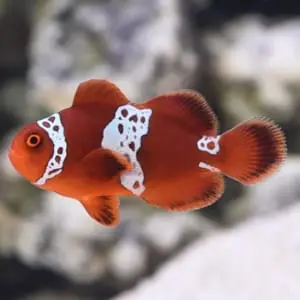
Success with clownfish keeping depends on understanding their specific care requirements, from maintaining stable water parameters to providing appropriate nutrition and compatible tankmates. Whether you’re interested in classic Ocellaris clownfish or exotic designer morphs like Lightning Maroons, choosing captive-bred specimens from reputable sources ensures better adaptation to aquarium life and supports sustainable industry practices.
For those interested in breeding, starting with hardy species and gradually developing expertise through hands-on experience provides the foundation for potential commercial success. The breeding community offers extensive resources and support for hobbyists ready to take on the rewarding challenges of clownfish propagation.
Next Steps for Your Clownfish Journey
- Research thoroughly before making purchases by reading customer reviews, comparing retailer policies, and understanding the specific requirements of your chosen clownfish species
- Start with beginner-friendly species like standard Ocellaris clownfish to develop experience before investing in expensive designer morphs
- Establish relationships with reputable retailers who provide ongoing support and educational resources
- Consider conservation impact by choosing captive-bred specimens and supporting retailers committed to sustainable practices
- Connect with the community through online forums, local aquarium clubs, and educational resources to continue learning and sharing experiences
The marine aquarium hobby offers incredible rewards for those willing to invest time in proper research and preparation. By choosing reputable retailers, understanding proper care techniques, and supporting sustainable practices, you’ll contribute to both the success of your own aquarium and the long-term health of marine ecosystems worldwide.
Remember that the best marine fish website for your needs may evolve as your experience and interests develop. Building relationships with multiple reputable retailers provides access to the widest selection of healthy specimens and ensures you have reliable sources for ongoing aquarium needs. The investment in quality fish and proper care pays dividends in the form of thriving, beautiful marine aquariums that provide years of enjoyment and satisfaction.
References
[1] LiveAquaria.com customer satisfaction surveys and industry analysis reports, 2025-2026
[2] A&M Aquatics shipping and livestock guarantee policies, company documentation 2026
[3] Marine Collectors business practices and customer service protocols, industry review 2026
[4] Blue Zoo Aquatics sustainability initiatives and customer guarantee programs, 2026
[5] Marine aquarium industry sustainability reports and conservation partnership documentation, 2025-2026