
Finding the Best Saltwater Fish Store for Your Clownfish Dreams in 2026
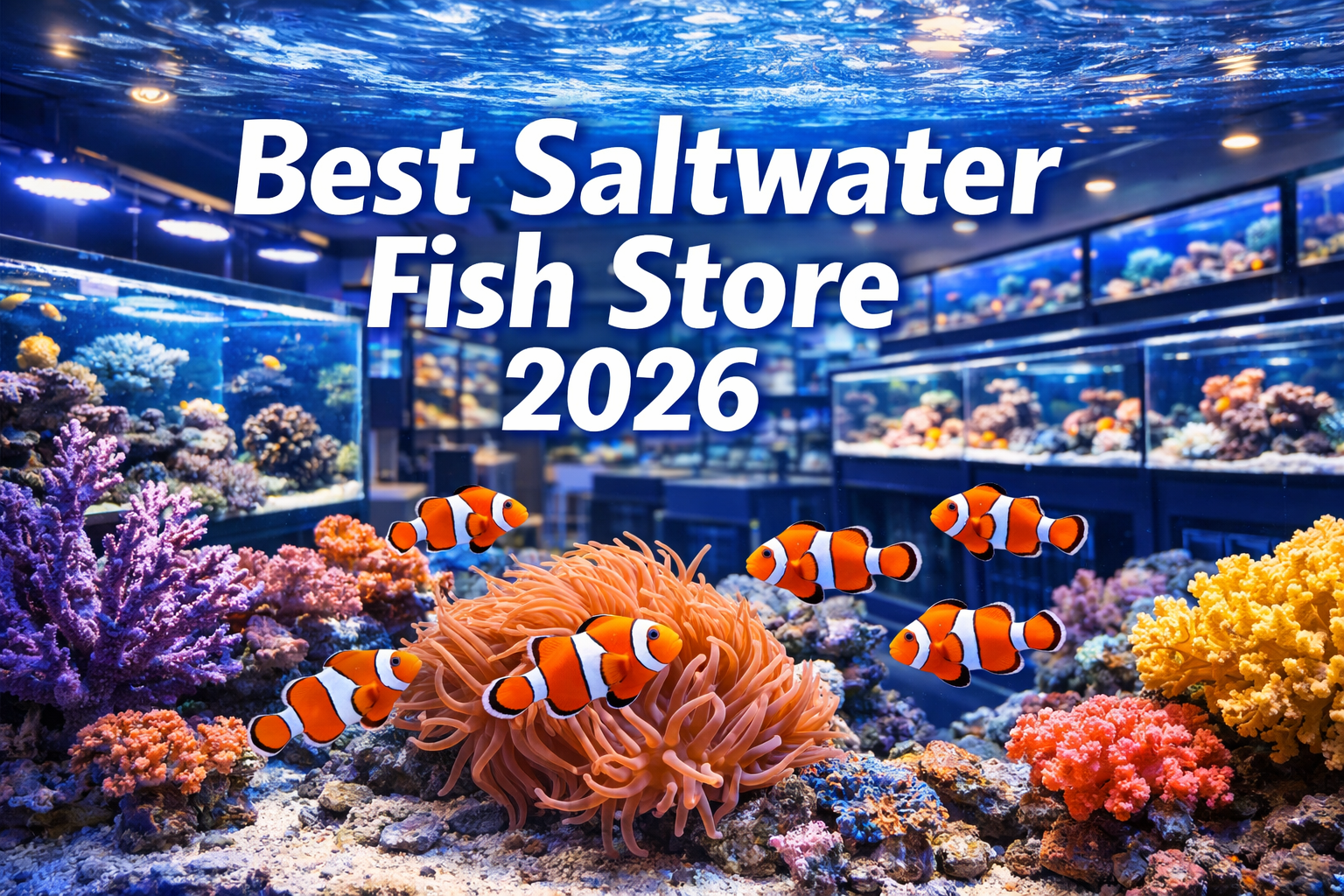
Picture this: you’re standing in front of your empty saltwater aquarium, dreaming of vibrant clownfish dancing among swaying anemones, but you’re overwhelmed by the countless online stores claiming to be the “best.” After spending over a decade in the marine aquarium hobby and testing dozens of suppliers, I can tell you that finding the best saltwater fish store isn’t just about price—it’s about fish health, shipping expertise, and long-term success of your aquatic investment.
The marine aquarium industry has exploded in 2026, with more hobbyists than ever seeking healthy, captive-bred clownfish for their home reefs. However, not all suppliers are created equal, and choosing the wrong store can lead to heartbreak, financial loss, and tank disasters that could have been easily avoided.
- Display 15 Products per page
Key Takeaways
• Quality over price: The best saltwater fish stores prioritize fish health, proper quarantine procedures, and expert care over rock-bottom pricing
• Shipping expertise matters: Professional live fish shipping with proper insulation, oxygen, and temperature control is crucial for fish survival and stress reduction
• Captive-bred advantage: Reputable stores focus on captive-bred saltwater fish which are hardier, more disease-resistant, and environmentally sustainable
• Customer support is essential: The best stores provide ongoing care guidance, acclimation instructions, and stand behind their livestock with solid guarantees
• Species variety and expertise: Top-tier stores offer diverse clownfish morphs and possess deep knowledge about compatibility, care requirements, and breeding
What Makes the Best Saltwater Fish Store Stand Out
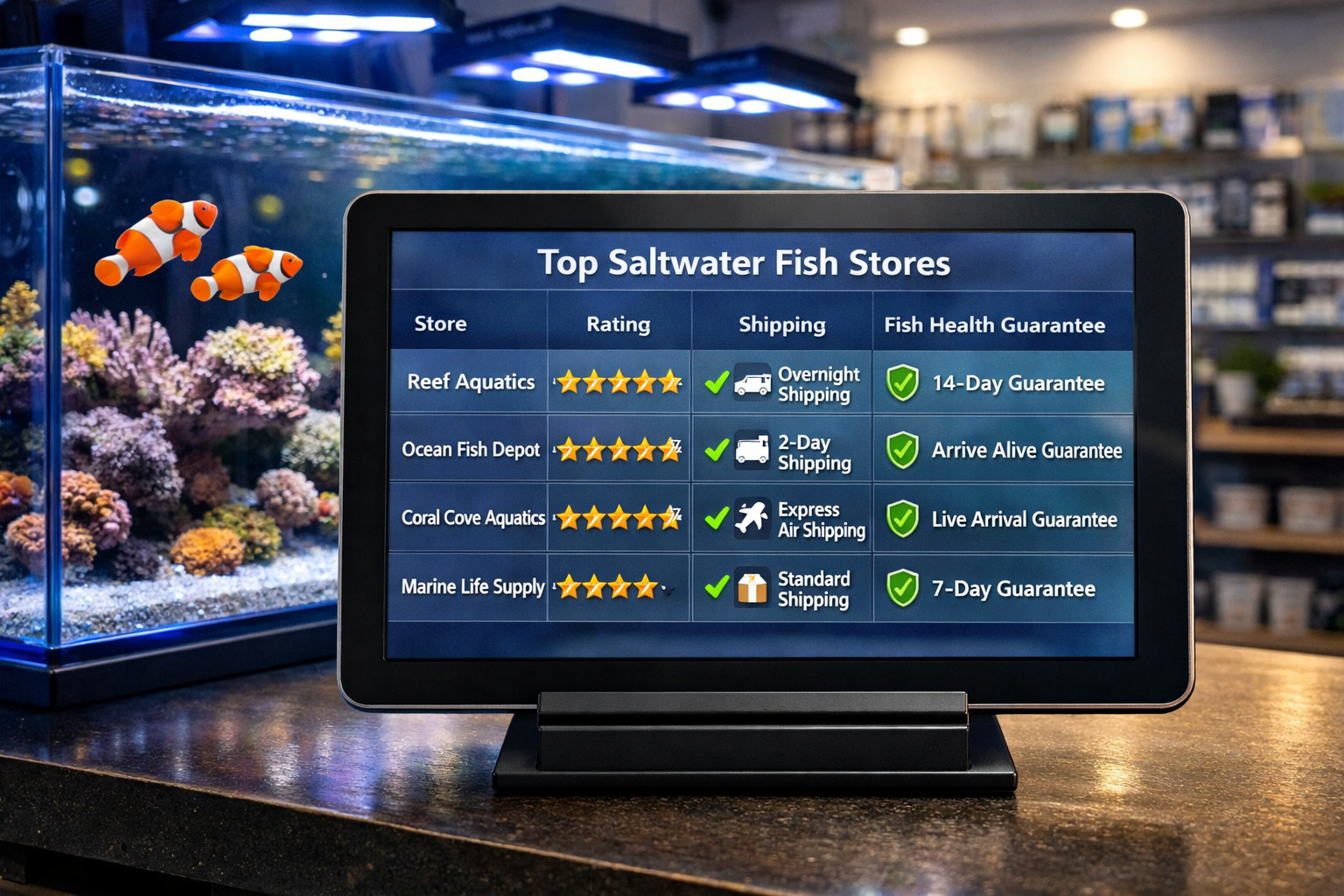
When I first started keeping marine aquariums, I made the costly mistake of choosing suppliers based solely on price. Three dead clownfish and one crashed tank later, I learned that the best saltwater fish store distinguishes itself through several critical factors that directly impact your success as a hobbyist.
Health and Quarantine Standards
The foundation of any reputable saltwater fish retailer lies in their quarantine and health protocols. Professional operations maintain separate quarantine systems where new arrivals are observed, treated if necessary, and allowed to stabilize before being offered for sale. This process typically takes 2-4 weeks and dramatically reduces the risk of introducing diseases into your established aquarium.
Quality indicators to look for:
- Transparent quarantine periods of at least 14 days
- Detailed health records and treatment protocols
- Professional-grade filtration and water quality management
- Staff expertise in identifying and treating common marine diseases
- Clear return policies and health guarantees
Shipping and Packaging Expertise
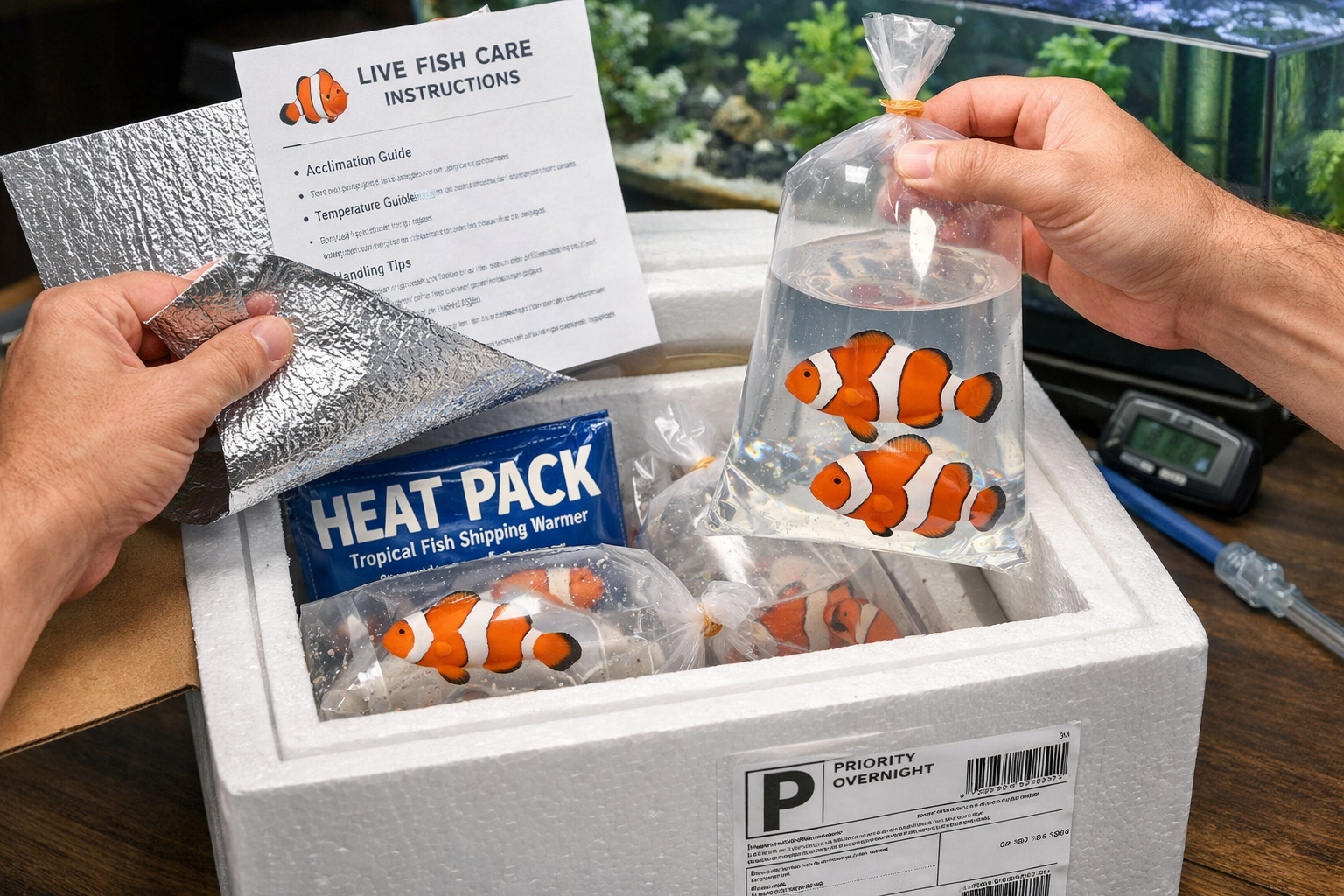
Live fish shipping is both an art and a science. The best stores have perfected their live fish shipping procedures to minimize stress and ensure safe arrival. This includes proper bag sizing, oxygen ratios, temperature control, and timing shipments to avoid weekend delays.
Professional shipping typically includes:
- Insulated boxes with appropriate heating or cooling packs
- Double-bagged fish with pure oxygen
- Protective padding to prevent injury during transport
- Clear acclimation instructions for successful introduction
- Live arrival guarantees with replacement policies
Species Selection and Expertise
Top-tier saltwater fish stores curate their livestock selection based on hardiness, compatibility, and customer success rates. They focus on species that thrive in home aquariums rather than simply offering every fish available in the trade. For clownfish enthusiasts, this means access to healthy, well-established specimens from reputable breeders.
Evaluating Online vs. Local Best Saltwater Fish Store Options
The debate between online and local fish stores has intensified in 2026, with each option offering distinct advantages and challenges. Having purchased from both extensively, I can provide insights into when each choice makes the most sense for your specific situation.
Advantages of Online Saltwater Fish Stores
Broader Selection and Availability
Online retailers like Saltwater Fish Shop typically maintain larger inventories and can source rare morphs and species that local stores simply cannot stock regularly. This is particularly valuable for clownfish enthusiasts seeking specific designer varieties or breeding pairs.
Competitive Pricing and Transparency
Online stores often offer more competitive pricing due to lower overhead costs and the ability to compare prices easily. Many also provide detailed information about each fish, including size, origin, and care requirements that may not be available in local stores.
Professional Shipping Infrastructure
Established online retailers have invested heavily in shipping expertise and infrastructure. They ship fish daily, understand seasonal challenges, and have relationships with reliable carriers that local stores may lack.
Customer Reviews and Reputation
Online platforms allow you to research customer experiences, read reviews, and verify the reputation of suppliers before making purchases. This transparency helps identify the truly best saltwater fish stores.
Benefits of Local Fish Stores
Immediate Inspection
The ability to personally inspect fish before purchase remains a significant advantage of local stores. You can assess health, behavior, and size firsthand rather than relying on photos and descriptions.
No Shipping Stress
Eliminating shipping stress can be beneficial for sensitive species, though healthy fish from reputable online stores typically handle shipping well when proper protocols are followed.
Local Support and Relationships
Building relationships with knowledgeable local staff can provide ongoing support and advice tailored to your specific setup and local water conditions.
Making the Right Choice
The best approach often involves using both options strategically. I recommend local stores for emergency supplies and equipment, while utilizing reputable online retailers for livestock when they offer superior selection, health protocols, and shipping expertise.
Essential Features of the Best Saltwater Fish Store
After years of experience and countless purchases, I’ve identified the non-negotiable features that separate exceptional saltwater fish retailers from mediocre ones. These criteria have saved me thousands of dollars and countless headaches over the years.
Comprehensive Health Guarantees
The best saltwater fish store operations stand behind their livestock with meaningful guarantees that protect your investment. Look for stores offering:
- Live arrival guarantees with prompt replacement policies
- Extended health warranties covering at least 7-14 days post-arrival
- Clear documentation requirements for guarantee claims
- Reasonable replacement procedures that don’t burden customers
- Transparent terms without excessive fine print exclusions
Expert Staff and Customer Support
Knowledgeable staff can make the difference between success and failure in marine aquarium keeping. Quality stores employ experienced aquarists who can provide guidance on species selection, compatibility, and care requirements.
Key support features include:
- Pre-purchase consultation to ensure appropriate species selection
- Detailed care sheets and acclimation instructions
- Ongoing support for questions and concerns
- Tank compatibility advice based on your specific setup
- Feeding and care guidance for optimal fish health
Diverse Clownfish Selection
For clownfish enthusiasts, the best stores offer a comprehensive selection of both common and rare varieties. This includes traditional species like Ocellaris and Percula clownfish as well as designer morphs and captive-bred varieties.
Quality clownfish selection includes:
- Multiple size options from juveniles to breeding adults
- Captive-bred specimens for improved hardiness and sustainability
- Designer morphs and unique color variations
- Breeding pairs for hobbyists interested in reproduction
- Detailed lineage information for rare varieties
🐠 Clownfish Species Comparison Tool
Compare different clownfish species to find the perfect match for your saltwater aquarium
Shipping and Handling: Critical Success Factors
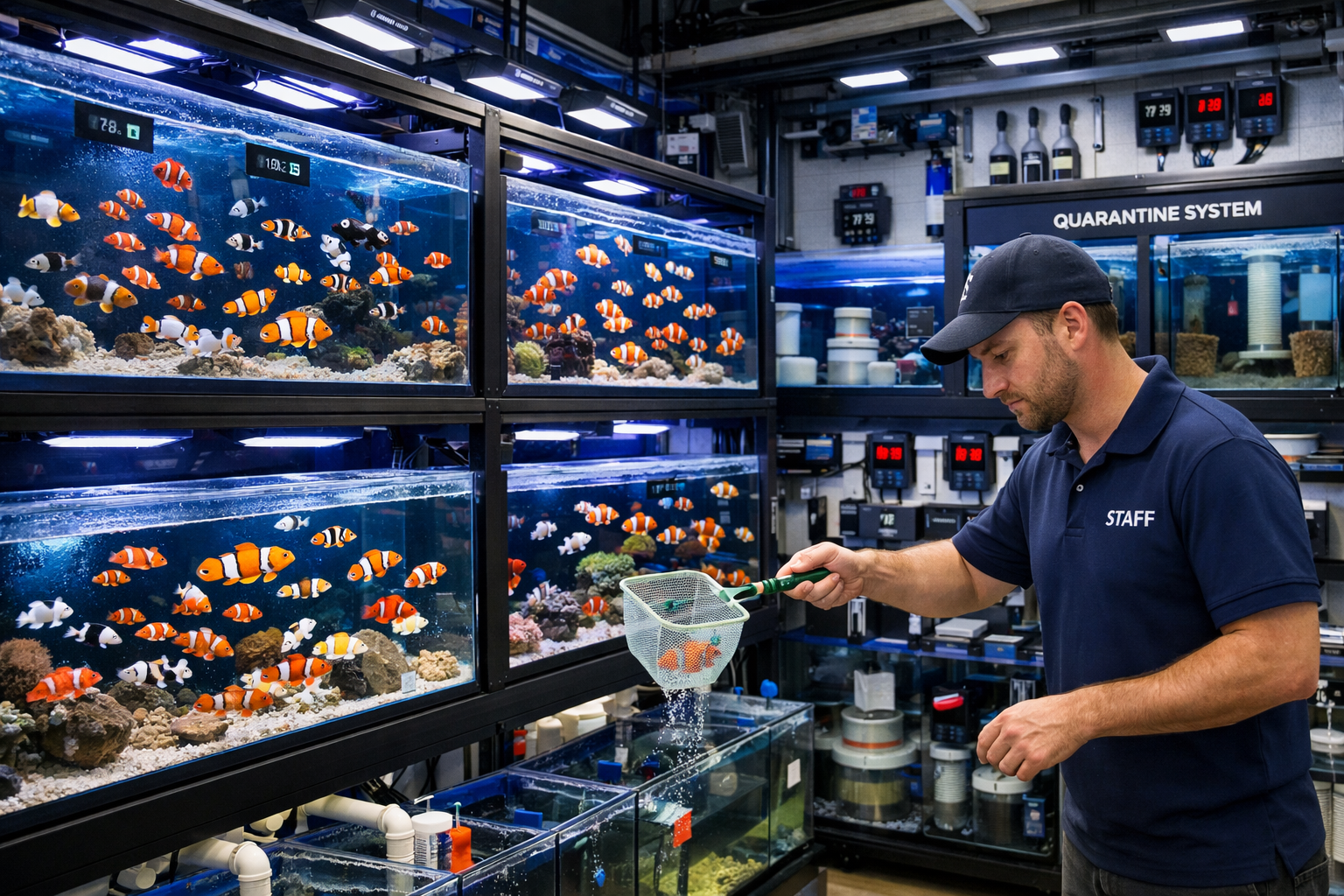
The journey from the retailer’s tank to your aquarium represents the most vulnerable period in a fish’s transition to your care. Having received hundreds of shipments over the years, I can definitively say that shipping expertise separates the best saltwater fish store operations from those that consistently deliver stressed, sick, or dead fish.
Professional Packaging Standards
Quality retailers have invested significant time and resources into perfecting their packaging protocols. This isn’t simply about stuffing fish into bags—it’s a carefully orchestrated process designed to minimize stress and maintain optimal water conditions during transport.
Essential packaging elements include:
- Appropriate bag sizing that allows fish to swim normally without excess water volume
- Pure oxygen injection to maintain dissolved oxygen levels throughout shipping
- Double-bagging protocols to prevent catastrophic leaks
- Proper fish-to-water ratios based on species size and shipping duration
- Temperature control materials including heat packs, cold packs, or phase-change materials
- Insulated containers rated for the expected shipping duration and weather conditions
Timing and Logistics Coordination
The best stores coordinate shipping schedules to minimize transit time and avoid problematic delivery scenarios. This includes understanding carrier schedules, weather patterns, and destination delivery capabilities.
Professional shipping coordination involves:
- Monday through Wednesday shipping to avoid weekend delays
- Weather monitoring and shipment delays during extreme conditions
- Carrier relationship management to ensure priority handling
- Tracking integration with automatic customer notifications
- Delivery coordination to ensure recipient availability
Regional Considerations and Seasonal Adjustments
Experienced retailers adjust their shipping protocols based on seasonal weather patterns and regional climate differences. What works for shipping to Florida in December may be completely inappropriate for shipping to Minnesota in the same month.
Many of the top stores offer free shipping on qualifying orders, which often indicates their confidence in their shipping protocols and volume efficiency.
Species-Specific Considerations for Clownfish Purchases
Not all clownfish are created equal, and the best saltwater fish store will help you understand the nuances between different species and morphs. Having kept dozens of clownfish varieties over the years, I’ve learned that species selection can make or break your aquarium experience.
Understanding Clownfish Temperament Variations
While clownfish are generally considered peaceful, there are significant temperament differences between species that impact tank compatibility and care requirements.
Peaceful Species (Ideal for Community Tanks):
- Ocellaris Clownfish: The gold standard for beginners, extremely peaceful and adaptable
- Percula Clownfish: Similar temperament to Ocellaris but slightly more territorial when breeding
- Skunk Clownfish: Peaceful but more shy, requiring established tank conditions
Semi-Aggressive Species (Require Careful Planning):
- Tomato Clownfish: Becomes territorial with age, especially in smaller tanks
- Clarkii Clownfish: Generally peaceful but can become aggressive during breeding
- Cinnamon Clownfish: Similar to Tomato clownfish in temperament
Aggressive Species (Advanced Hobbyists Only):
- Maroon Clownfish: Largest and most aggressive, requires spacious tanks and careful tankmate selection
- Lightning Maroon: Extremely territorial and aggressive, best kept as single specimens or breeding pairs
Size Considerations and Tank Requirements
Clownfish size varies dramatically between species, and this directly impacts tank requirements, feeding needs, and compatibility with other fish and invertebrates.
| Species | Adult Size | Minimum Tank Size | Recommended Tank Size |
|---|---|---|---|
| Ocellaris | 3-4 inches | 20 gallons | 30+ gallons |
| Percula | 2.5-3 inches | 20 gallons | 30+ gallons |
| Maroon | 5-6 inches | 40 gallons | 75+ gallons |
| Tomato | 4-5 inches | 30 gallons | 50+ gallons |
| Clarkii | 3-4 inches | 30 gallons | 40+ gallons |
Captive-Bred vs. Wild-Caught Considerations
The source of your clownfish significantly impacts their hardiness, behavior, and long-term success in your aquarium. Reputable stores focus primarily on captive-bred saltwater fish for several compelling reasons.
Advantages of Captive-Bred Clownfish:
- Disease resistance: Reduced exposure to wild pathogens and parasites
- Tank adaptation: Already acclimated to aquarium conditions and prepared foods
- Genetic stability: Consistent coloration and behavioral traits
- Environmental sustainability: Reduces pressure on wild reef populations
- Breeding potential: Often retain natural breeding behaviors
Considerations for Wild-Caught Specimens:
- Quarantine requirements: Extended quarantine periods necessary for disease prevention
- Acclimation challenges: May require specialized foods and water conditions initially
- Stress susceptibility: Higher mortality rates during shipping and initial setup
- Unpredictable behavior: May exhibit different temperament patterns than captive-bred fish
Designer Morphs and Specialty Clownfish Varieties
The clownfish breeding industry has exploded in recent years, producing an incredible array of designer morphs and color variations that were unimaginable just a decade ago. Understanding these varieties and their specific requirements is essential when working with the best saltwater fish store operations.
Popular Ocellaris Clownfish Morphs
The Ocellaris clownfish serves as the foundation for most designer breeding programs due to their hardy nature and willingness to breed in captivity. The variety of available morphs continues to expand each year.
Classic Designer Morphs:
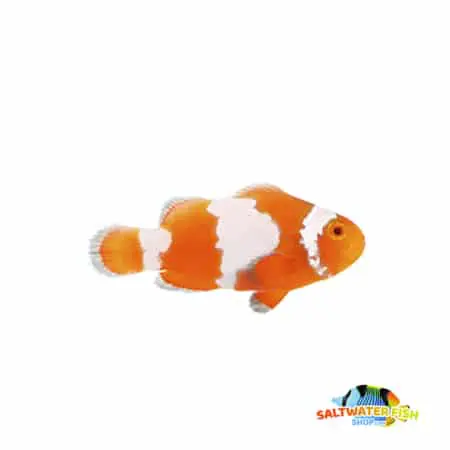
- Snowflake Ocellaris: Irregular white patterns creating unique, snowflake-like designs
- Black Ocellaris: Melanistic variety with deep black coloration instead of orange
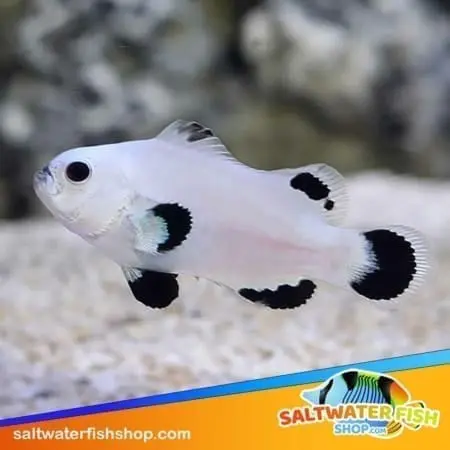
- Platinum Ocellaris: Solid white fish with minimal or no striping
- Wyoming White: Pure white variety developed through selective breeding
- Picasso Ocellaris: Exaggerated white patterns extending beyond normal stripe boundaries
Advanced Designer Morphs:
- DaVinci Ocellaris: Extreme white patterning with artistic, paint-stroke appearance
- Gladiator Ocellaris: Thick, bold stripe patterns with enhanced contrast
- Midnight Ocellaris: Deep black variety with enhanced fin coloration
- Frostbite Ocellaris: White base with orange highlights and unique patterning
- Mocha Ocellaris: Brown and white coloration instead of traditional orange
Pricing and Availability Considerations
Designer clownfish pricing varies dramatically based on rarity, breeding difficulty, and market demand. Understanding these factors helps set appropriate expectations when shopping with specialty retailers.
Pricing Tiers (2026 Market Rates):
- Standard Ocellaris: $15-25 per fish
- Basic Designer Morphs (Snowflake, Black): $40-80 per fish
- Intermediate Morphs (Picasso, Platinum): $80-150 per fish
- Advanced Morphs (DaVinci, Lightning): $150-500+ per fish
- Breeding Pairs: 2-3x individual fish pricing
Breeding and Genetics Considerations
For hobbyists interested in breeding, understanding the genetics behind designer morphs is crucial for predicting offspring outcomes and maintaining desirable traits.
Key Genetic Concepts:
- Dominant vs. Recessive Traits: Understanding which characteristics will appear in offspring
- Line Breeding: Maintaining specific traits through careful parent selection
- Outcrossing: Introducing new genetic material to prevent inbreeding depression
- Phenotype vs. Genotype: Distinguishing between visible traits and genetic potential
Many advanced hobbyists work directly with specialty breeders or stores that maintain detailed lineage records for their breeding stock. This information becomes crucial when planning breeding projects or seeking specific genetic combinations.
Care Requirements and Long-Term Success
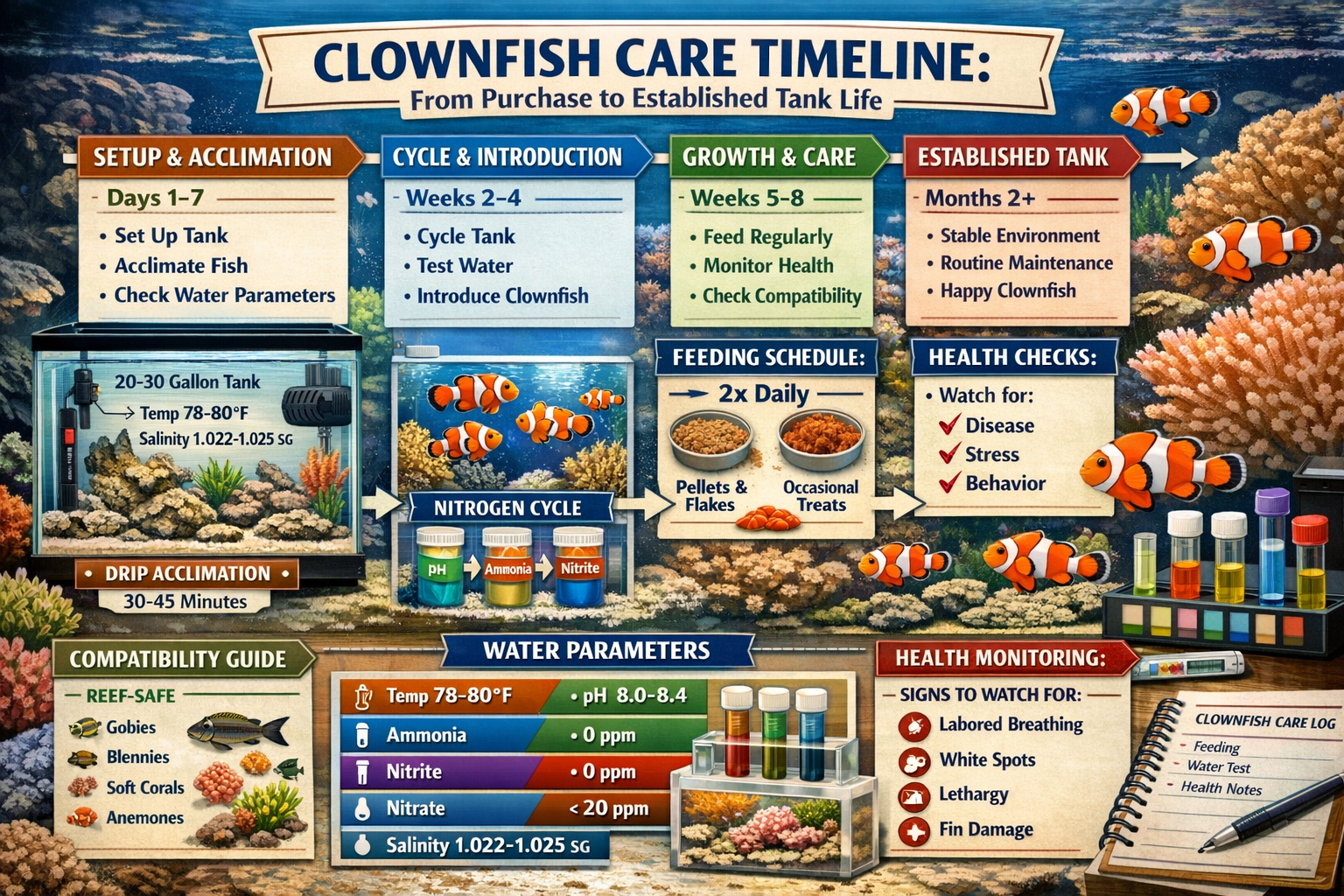
Successfully maintaining clownfish requires understanding their specific care requirements and creating an environment that supports their natural behaviors. The best saltwater fish store operations provide comprehensive care guidance that extends far beyond the initial sale.
Water Parameter Requirements
Clownfish are generally hardy, but maintaining proper water parameters is essential for their long-term health and vibrant coloration. Consistent water quality prevents stress-related diseases and supports natural behaviors.
Optimal Water Parameters:
- Temperature: 76-82°F (24-28°C)
- Salinity: 1.020-1.025 specific gravity
- pH: 8.0-8.4
- Ammonia: 0 ppm
- Nitrite: 0 ppm
- Nitrate: <20 ppm (preferably <10 ppm)
- Alkalinity: 8-12 dKH
- Calcium: 400-450 ppm (if keeping corals)
Feeding Requirements and Nutrition
Proper nutrition is fundamental to clownfish health, coloration, and breeding success. Quality stores provide detailed feeding guidance and often recommend specific food brands based on their experience with different species.
Dietary Requirements:
- Omnivorous diet: Requiring both plant and animal matter
- Multiple daily feedings: 2-3 small meals preferred over single large feeding
- Variety importance: Rotating different food types prevents nutritional deficiencies
- Size-appropriate foods: Matching food size to fish mouth size
Recommended Food Types:
- High-quality flakes or pellets as staple diet
- Frozen foods: Mysis shrimp, brine shrimp, bloodworms
- Live foods: Copepods, amphipods, brine shrimp
- Vegetable matter: Nori, spirulina, vegetable-based foods
Tank Setup and Environmental Enrichment
Creating an appropriate environment goes beyond basic water parameters. Clownfish thrive in setups that provide security, territory, and opportunities for natural behaviors.
Essential Tank Elements:
- Adequate swimming space: Minimum tank sizes based on species requirements
- Hiding places: Caves, overhangs, and crevices for security
- Territory markers: Live rock or coral structures for establishing territories
- Water flow: Moderate current that doesn’t stress fish but provides oxygenation
- Lighting: Appropriate spectrum and intensity for fish and any photosynthetic organisms
Anemone Relationships and Hosting Behavior
While clownfish don’t require anemones to thrive, many hobbyists are interested in recreating the natural symbiotic relationship. Understanding hosting behavior and anemone care is crucial for success.
Suitable Anemone Species:
- Bubble Tip Anemone (Entacmaea quadricolor): Most hardy and commonly hosted
- Sebae Anemone (Heteractis crispa): Beautiful but more challenging to maintain
- Magnificent Anemone (Heteractis magnifica): Stunning but requires expert care
- Carpet Anemones (Stichodactyla spp.): Various species with different care requirements
Anemone Care Considerations:
- Intense lighting requirements: Most anemones require high-output lighting
- Stable water parameters: Anemones are sensitive to parameter fluctuations
- Adequate feeding: Supplemental feeding beyond photosynthesis is often necessary
- Tank maturity: Established systems are more likely to support anemone health
For beginners, I often recommend starting with clownfish alone and adding anemones after gaining experience with marine aquarium maintenance. Quality stores will provide honest assessments of your readiness for anemone keeping rather than simply making a sale.
Breeding Clownfish: From Beginner to Advanced
Clownfish breeding represents one of the most rewarding aspects of marine aquarium keeping, and working with the best saltwater fish store can provide access to quality breeding stock and ongoing support throughout your breeding journey.
Understanding Clownfish Reproduction Biology
Clownfish possess fascinating reproductive biology that makes them excellent candidates for home breeding projects. Their sequential hermaphroditism and dedicated parental care create unique opportunities for hobbyist breeders.
Reproductive Biology Basics:
- Sequential hermaphrodites: All clownfish are born male and can change to female
- Dominant female system: Largest fish becomes female, second largest becomes breeding male
- Monogamous pairs: Established pairs typically remain together for life
- Substrate spawning: Eggs are laid on hard surfaces near the anemone or territory
- Male parental care: Males guard and tend eggs until hatching
Selecting Breeding Stock
Success in clownfish breeding starts with selecting appropriate breeding stock. Quality retailers can provide guidance on pairing compatible fish and may offer pre-established breeding pairs.
Breeding Stock Selection Criteria:
- Species compatibility: Ensuring both fish are the same species for fertile offspring
- Size differential: Larger fish will become female, smaller will remain male
- Health assessment: Both fish should be disease-free and in excellent condition
- Age considerations: Mature fish (6+ months) are more likely to breed successfully
- Genetic diversity: Avoiding closely related fish to prevent inbreeding issues
Pairing Strategies:
- Juvenile pairing: Allowing young fish to establish natural hierarchy
- Size-graded pairing: Selecting fish with appropriate size differences
- Pre-established pairs: Purchasing already bonded breeding pairs
- Introduction protocols: Carefully introducing new fish to established territories
Breeding Setup and Environmental Triggers
Creating appropriate breeding conditions involves more than simply placing two clownfish together. Environmental factors play crucial roles in triggering spawning behavior and ensuring egg development success.
Breeding Tank Requirements:
- Minimum size: 20-30 gallons for most species pairs
- Stable parameters: Consistent water quality without fluctuations
- Appropriate substrate: Flat surfaces for egg laying (tiles, shells, rock faces)
- Moderate lighting: Sufficient light for egg development without excessive algae growth
- Gentle filtration: Adequate water movement without disturbing eggs
Environmental Spawning Triggers:
- Temperature stability: Consistent temperatures in optimal range
- Lunar cycles: Many pairs spawn following full moon cycles
- Feeding regimen: High-quality, varied diet to condition breeding fish
- Photoperiod: Consistent lighting schedule mimicking natural conditions
- Water quality: Pristine conditions with zero ammonia and nitrite
Egg Development and Hatching
Once spawning occurs, understanding egg development and hatching requirements becomes crucial for successful reproduction. The male clownfish will tend the eggs, but environmental conditions must support healthy development.
Egg Development Timeline:
- Day 1-2: Fresh eggs are bright orange or red
- Day 3-5: Eyes become visible as dark spots
- Day 6-7: Eggs become silvery as larvae develop
- Day 8-11: Hatching occurs, typically in evening hours
Supporting Egg Development:
- Water flow: Gentle current over eggs for oxygenation
- Male behavior: Ensuring male is actively tending eggs
- Fungus prevention: Removing any white, fungused eggs
- Predator protection: Preventing other fish from eating eggs
- Parameter stability: Avoiding any water parameter fluctuations
Raising Clownfish Larvae: Advanced Techniques
Successfully hatching clownfish eggs is only the beginning—raising the microscopic larvae to juvenile size requires specialized knowledge and equipment that the best saltwater fish store can help you acquire and understand.
Larval Biology and Development Stages
Clownfish larvae undergo dramatic transformations during their first few weeks of life. Understanding these developmental stages is crucial for providing appropriate care at each phase.
Larval Development Phases:
- Days 1-3: Yolk sac absorption, no feeding required
- Days 4-8: First feeding stage, requires microscopic foods
- Days 9-14: Rapid growth phase, increasing food size requirements
- Days 15-21: Metamorphosis period, developing adult coloration and behavior
- Days 22+: Juvenile stage, can accept standard aquarium foods
Critical Development Milestones:
- Mouth development: Ability to consume appropriately sized foods
- Swim bladder inflation: Proper buoyancy control development
- Fin development: Swimming ability and predator avoidance
- Pigmentation: Species-specific coloration patterns
- Behavioral changes: Transition from planktonic to benthic lifestyle
Specialized Equipment and Setup
Raising clownfish larvae requires equipment beyond standard aquarium gear. Many successful breeders invest in specialized systems designed specifically for marine fish larvae.
Essential Larval Rearing Equipment:
- Larval rearing tanks: 10-40 gallon tanks with rounded corners
- Gentle filtration: Sponge filters or air-driven systems
- Microscopic lighting: Illumination for larval feeding and food organism visibility
- Food culture systems: Equipment for maintaining live food cultures
- Water quality monitoring: Precise testing equipment for small water volumes
- Emergency backup systems: Power and aeration backups for critical periods
Live Food Cultures and Feeding Protocols
The biggest challenge in raising clownfish larvae is providing appropriately sized live foods during their early development. This requires maintaining multiple live food cultures with different organism sizes.
Primary Live Food Organisms:
- Rotifers (Brachionus spp.): First food for newly hatched larvae
- Copepod nauplii: Secondary food as larvae grow
- Artemia nauplii: Later stage food for larger larvae
- Copepods: Adult copepods for juvenile fish
Feeding Schedule and Protocols:
- Days 4-8: Rotifers 3-4 times daily
- Days 9-14: Rotifers and copepod nauplii
- Days 15-21: Artemia nauplii and small copepods
- Days 22+: Transition to prepared foods
Food Culture Maintenance:
Successful larval rearing requires maintaining healthy live food cultures. This involves understanding the biology and nutritional requirements of food organisms, not just the fish larvae themselves.
Many hobbyists work with specialty suppliers who can provide starter cultures and ongoing support for food organism maintenance. The best online fish stores often maintain relationships with live food suppliers and can facilitate these connections.
Common Challenges and Solutions
Larval rearing presents numerous challenges that can result in complete loss of a spawn if not properly addressed. Understanding common problems and their solutions dramatically improves success rates.
Frequent Larval Rearing Problems:
Swim Bladder Inflation Issues:
- Cause: Insufficient surface agitation or inappropriate lighting
- Solution: Gentle air stones and proper lighting during critical inflation period
- Prevention: Consistent water surface conditions and lighting schedule
Starvation and Food Size Mismatches:
- Cause: Inappropriate food organism size or insufficient food density
- Solution: Multiple food organism sizes and proper feeding density
- Prevention: Pre-established food cultures and feeding protocols
Water Quality Deterioration:
- Cause: Overfeeding, inadequate filtration, or decomposing organic matter
- Solution: Frequent water changes and careful feeding management
- Prevention: Appropriate filtration and conservative feeding approaches
High Mortality During Metamorphosis:
- Cause: Stress during transformation period or inadequate nutrition
- Solution: Stable conditions and high-quality foods during critical period
- Prevention: Consistent environmental conditions and optimal nutrition
Market Trends and Industry Insights for 2026
The saltwater aquarium industry continues evolving rapidly, with new technologies, breeding techniques, and market dynamics shaping how we interact with marine fish retailers. Understanding these trends helps identify the best saltwater fish store operations that are positioned for long-term success and customer satisfaction.
Technology Integration and Customer Experience
Leading retailers have embraced technology to improve customer experience and fish care. This includes everything from advanced water quality monitoring to sophisticated shipping tracking systems.
Technological Innovations in 2026:
- Real-time water parameter monitoring with customer access to tank conditions
- AI-powered compatibility recommendations based on existing tank inhabitants
- Virtual tank consultations with expert staff for remote customers
- Blockchain livestock tracking for complete supply chain transparency
- Augmented reality tank planning tools for visualizing fish in customer tanks
Sustainability and Conservation Focus
Environmental consciousness has become a major factor in retailer selection, with customers increasingly preferring stores that prioritize sustainability and conservation efforts.
Sustainability Initiatives:
- Captive breeding programs reducing wild collection pressure
- Coral restoration partnerships supporting reef conservation efforts
- Plastic reduction initiatives in packaging and shipping materials
- Local breeding networks reducing transportation environmental impact
- Educational programs promoting responsible aquarium keeping
Specialized Services and Value-Added Offerings
The best retailers differentiate themselves through specialized services that extend far beyond simple livestock sales. These value-added services create long-term customer relationships and support hobbyist success.
Advanced Service Offerings:
- Custom quarantine services with extended observation periods
- Breeding consultation and support for hobbyist breeding projects
- Tank maintenance partnerships with local service providers
- Educational workshops and webinars on specialized topics
- Genetic testing services for breeding stock verification
Market Consolidation and Quality Standards
The industry has seen consolidation around retailers that maintain high standards for fish health, customer service, and shipping expertise. This trend benefits consumers by eliminating low-quality suppliers while concentrating expertise among remaining providers.
Quality Standard Evolution:
- Extended quarantine periods becoming industry standard
- Genetic health screening for breeding stock
- Professional veterinary partnerships for fish health management
- Standardized shipping protocols across quality retailers
- Customer education requirements for sensitive species sales
Working with established retailers who have adapted to these industry changes ensures access to the highest quality livestock and most current care information. Many of the top stores now offer comprehensive care guides that reflect current best practices and scientific understanding.
Cost Considerations and Value Assessment
Understanding the true cost of clownfish ownership extends far beyond the initial purchase price. The best saltwater fish store operations help customers understand total cost of ownership and make informed decisions that support long-term success rather than short-term savings.
Initial Investment Breakdown
Starting a saltwater aquarium represents a significant initial investment, and understanding cost components helps prioritize spending for maximum impact on fish health and success.
Essential Equipment Costs (2026 Estimates):
- Tank and stand: $200-800 depending on size and quality
- Filtration system: $150-500 for appropriate biological and mechanical filtration
- Lighting: $100-600 based on coral requirements and tank size
- Heating and cooling: $50-200 for temperature control equipment
- Testing equipment: $100-300 for comprehensive water parameter monitoring
- Initial livestock: $100-500 for appropriate fish selection and quantity
Ongoing Operational Expenses
Monthly operational costs often surprise new hobbyists, but understanding these expenses helps budget appropriately and avoid compromising fish health due to cost-cutting measures.
Monthly Operational Costs:
- Electricity: $15-50 depending on equipment efficiency and local rates
- Salt mix: $10-25 for regular water changes
- Food and supplements: $15-40 for quality nutrition
- Replacement equipment: $10-30 averaged over time for maintenance
- Water testing supplies: $5-15 for regular parameter monitoring
Value Assessment Criteria
When evaluating different retailers, price alone shouldn’t determine your choice. The best value comes from stores that provide comprehensive support, healthy livestock, and expertise that prevents costly mistakes.
Value Factors to Consider:
- Fish health and longevity: Healthy fish live longer and require less veterinary intervention
- Shipping success rates: Reliable shipping prevents replacement costs and emotional stress
- Customer support quality: Expert guidance prevents expensive mistakes and tank crashes
- Guarantee policies: Meaningful guarantees protect your investment
- Educational resources: Proper care information prevents costly problems
Hidden Costs of Poor-Quality Suppliers:
- Replacement fish: Dead or sick fish require expensive replacements
- Medication costs: Treating diseased fish can cost more than buying healthy specimens
- Tank crashes: Poor-quality fish can introduce diseases that kill entire tank populations
- Equipment damage: Sick fish may require expensive emergency equipment purchases
- Time investment: Dealing with problems takes time away from enjoying your aquarium
Many experienced hobbyists have learned that spending more initially for quality livestock and supplies actually saves money long-term by preventing problems and ensuring success. The best saltwater fish websites often provide transparent pricing and detailed explanations of their quality standards.
Customer Service and Support Excellence
Exceptional customer service distinguishes the best saltwater fish store operations from mediocre suppliers. Having dealt with dozens of retailers over the years, I can definitively say that quality customer support often makes the difference between success and failure in marine aquarium keeping.
Pre-Purchase Consultation Services
The best retailers invest significant time in pre-purchase consultations to ensure customers select appropriate livestock for their specific situations. This proactive approach prevents problems and builds long-term customer relationships.
Quality Consultation Elements:
- Tank assessment: Understanding current setup and inhabitants
- Compatibility analysis: Ensuring new additions won’t create conflicts
- Care requirement review: Confirming customer ability to meet species needs
- Timeline planning: Appropriate introduction schedules for new livestock
- Budget considerations: Helping customers prioritize purchases for maximum impact
Post-Purchase Support and Guidance
The relationship with quality retailers extends far beyond the initial sale. Ongoing support helps customers navigate challenges and ensures long-term success with their aquarium investments.
Ongoing Support Services:
- Acclimation guidance: Step-by-step instructions for introducing new fish
- Problem-solving assistance: Help diagnosing and addressing health issues
- Feeding recommendations: Species-specific nutrition guidance
- Breeding support: Assistance for customers interested in reproduction
- Equipment recommendations: Guidance on upgrades and improvements
Communication Channels and Responsiveness
Modern customers expect multiple communication options and reasonable response times. The best retailers provide various ways to access expert help when needed.
Communication Options:
- Phone support: Direct access to knowledgeable staff during business hours
- Email assistance: Detailed responses to complex questions
- Live chat: Immediate help for urgent questions
- Video consultations: Visual assessment of fish health or tank conditions
- Educational content: Comprehensive care guides and troubleshooting resources
Guarantee Policies and Problem Resolution
Meaningful guarantees demonstrate retailer confidence in their livestock and shipping procedures. However, the quality of guarantee policies varies dramatically between suppliers.
Quality Guarantee Elements:
- Clear terms: Easily understood requirements and coverage periods
- Reasonable documentation: Simple photo or video requirements for claims
- Prompt resolution: Quick response and replacement procedures
- Fair policies: Guarantees that actually protect customer investments
- Transparent processes: Clear explanation of claim procedures and requirements
The best retailers view guarantees as insurance policies that protect customer relationships rather than obstacles to avoid honoring. They understand that standing behind their livestock builds trust and creates loyal customers who provide referrals and repeat business.
Regional Considerations and Local vs. Online Shopping
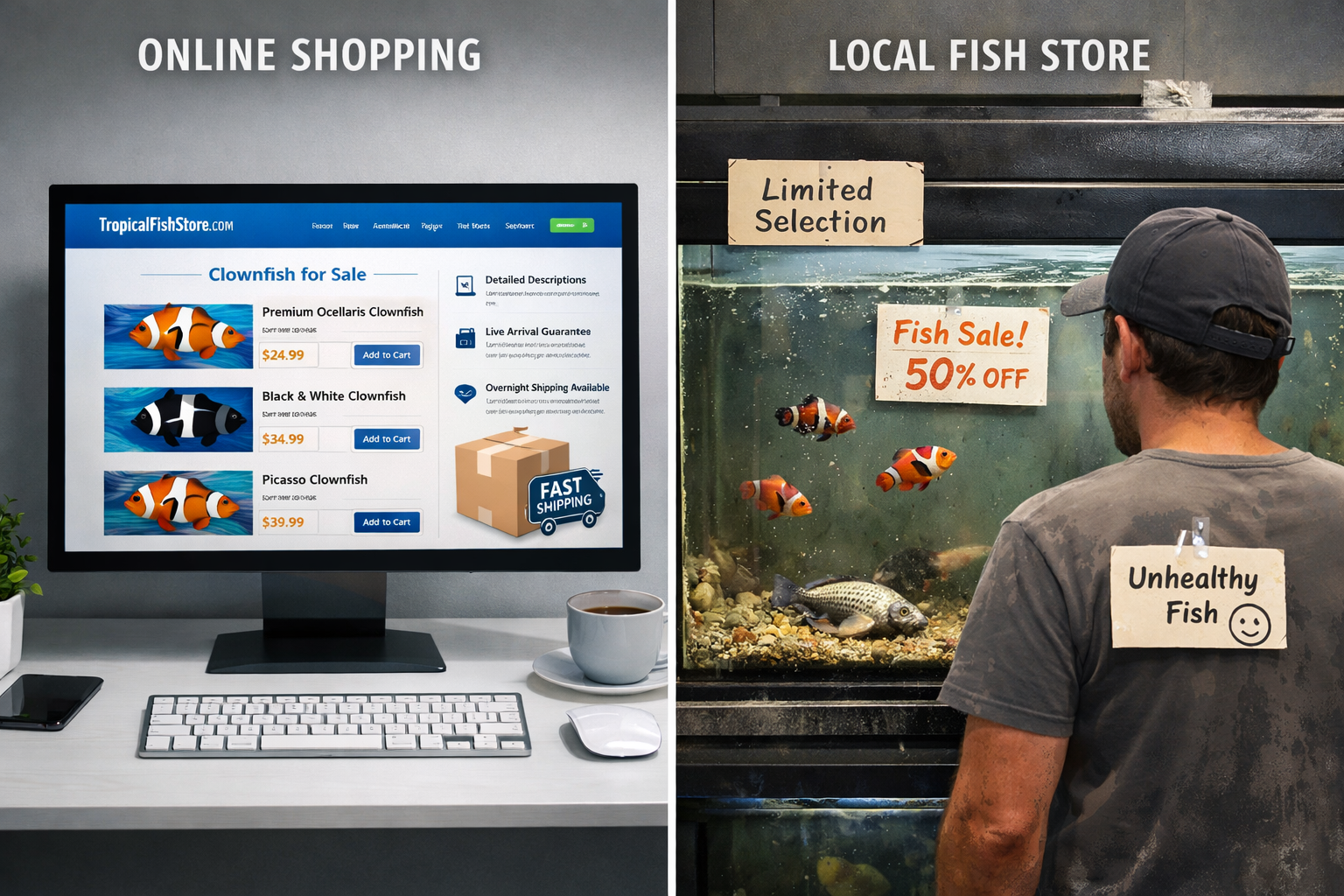
Geographic location significantly impacts your options for purchasing clownfish and related supplies. Understanding regional considerations helps optimize your approach to finding the best saltwater fish store for your specific situation.
Climate and Shipping Challenges
Weather patterns and seasonal variations affect shipping success rates and may influence your choice between local and online retailers. Understanding these factors helps time purchases appropriately and set realistic expectations.
Regional Shipping Considerations:
- Summer heat: High temperatures require additional cooling measures and may limit shipping windows
- Winter cold: Freezing temperatures necessitate heating packs and insulated packaging
- Seasonal storms: Hurricane seasons and winter storms can delay shipments
- Altitude effects: High-altitude locations may require special considerations for live fish shipping
- Remote locations: Rural areas may have limited carrier options or extended delivery times
Local Market Assessment
Before committing to online retailers, it’s worth thoroughly evaluating local options. Some areas have exceptional local stores that provide advantages over online shopping.
Local Store Evaluation Criteria:
- Livestock quality: Assessing fish health and quarantine procedures
- Staff expertise: Evaluating knowledge levels and willingness to provide guidance
- Species selection: Determining if local stores can meet your specific needs
- Pricing competitiveness: Comparing costs including time and transportation
- Service quality: Assessing customer service and support capabilities
Building Hybrid Shopping Strategies
Many successful hobbyists develop hybrid approaches that leverage the strengths of both local and online retailers. This strategy provides flexibility and ensures access to the best options for different situations.
Strategic Shopping Approaches:
- Local stores for emergencies: Quick access to medications, equipment, and emergency supplies
- Online retailers for specialty livestock: Access to rare species and designer morphs
- Local stores for equipment: Avoiding shipping costs and delays for heavy items
- Online stores for bulk supplies: Cost savings on food, salt, and consumables
- Local stores for consultation: Face-to-face advice and relationship building
The key is identifying the strengths of each option and utilizing them strategically rather than limiting yourself to a single approach. Many aggressive saltwater fish require specialized care that may be better supported through online specialists, while routine supplies might be more convenient to purchase locally.
Future Trends and Industry Evolution
The saltwater aquarium industry continues evolving rapidly, driven by technological advances, changing consumer preferences, and environmental considerations. Understanding these trends helps identify retailers positioned for long-term success and ensures you’re working with the best saltwater fish store operations for future needs.
Technological Integration and Automation
Automation and smart technology integration are revolutionizing both fish care and retail operations. Leading retailers are investing in systems that improve fish health monitoring, customer experience, and operational efficiency.
Emerging Technologies:
- IoT water monitoring: Real-time parameter tracking with smartphone alerts
- Automated feeding systems: Precise nutrition delivery based on fish behavior
- AI health monitoring: Computer vision systems for early disease detection
- Blockchain supply chains: Complete livestock traceability from source to customer
- Virtual reality tank planning: Immersive design tools for aquarium planning
Sustainability and Environmental Focus
Environmental consciousness is driving significant changes in how the industry operates, with increasing focus on sustainability, conservation, and reducing environmental impact.
Sustainability Initiatives:
- Closed-loop aquaculture: Sustainable fish production with minimal environmental impact
- Coral restoration programs: Active participation in reef conservation efforts
- Plastic reduction: Minimizing packaging waste and promoting reusable materials
- Local breeding networks: Reducing transportation through regional breeding programs
- Carbon offset programs: Neutralizing shipping and operational environmental impact
Market Specialization and Expertise Development
The industry is moving toward increased specialization, with retailers focusing on specific niches where they can develop deep expertise and provide superior value to customers.
Specialization Trends:
- Species-specific expertise: Stores focusing on particular fish families or coral types
- Breeding program specialization: Retailers developing unique genetic lines
- Geographic specialization: Focus on fish from specific reef regions
- Care level specialization: Stores targeting beginner, intermediate, or advanced hobbyists
- Technology integration: Retailers specializing in high-tech aquarium systems
Educational Content and Community Building
Leading retailers are investing heavily in educational content and community building as ways to differentiate themselves and provide value beyond simple product sales.
Community Building Initiatives:
- Online forums and communities: Platforms for customer interaction and knowledge sharing
- Educational webinars: Regular training sessions on specialized topics
- Breeding programs: Customer participation in genetic development projects
- Conservation partnerships: Opportunities for customers to support reef conservation
- Local club relationships: Partnerships with regional aquarium societies
These trends indicate that the best retailers are evolving into comprehensive marine aquarium partners rather than simple livestock suppliers. They’re investing in long-term customer relationships and providing value that extends far beyond individual transactions.
Conclusion
Finding the best saltwater fish store for your clownfish needs requires careful evaluation of multiple factors that extend far beyond initial pricing. Throughout my years in the marine aquarium hobby, I’ve learned that success depends on partnering with retailers who prioritize fish health, shipping expertise, customer education, and long-term support over short-term profits.
The key indicators of exceptional saltwater fish retailers include comprehensive quarantine procedures, professional shipping protocols, knowledgeable staff, meaningful guarantees, and ongoing customer support. These factors directly impact the health and longevity of your aquatic investments while providing the guidance necessary for long-term success.
As the industry continues evolving in 2026, the best retailers are embracing technology, sustainability initiatives, and specialized expertise while maintaining focus on the fundamental principles of fish health and customer service. They understand that their success depends on your success as a hobbyist.
Your Next Steps:
- Assess your specific needs: Determine whether you’re seeking common species or specialty morphs, and evaluate your experience level and support requirements
- Research potential suppliers: Investigate quarantine procedures, shipping protocols, customer reviews, and guarantee policies for retailers you’re considering
- Start with a small order: Test a retailer’s quality and service with a modest initial purchase before committing to larger orders
- Build relationships: Develop ongoing relationships with retailers who demonstrate expertise and commitment to your success
- Stay informed: Continue learning about clownfish care, breeding, and industry developments to make informed decisions
Remember that the cheapest option rarely provides the best value in marine aquarium keeping. Investing in quality livestock from reputable suppliers, combined with proper care and ongoing education, creates rewarding experiences that justify the initial investment many times over.
The marine aquarium hobby offers incredible rewards for those who approach it with patience, dedication, and commitment to learning. By partnering with the best saltwater fish store operations and following proven care protocols, you’ll be well-positioned to enjoy the beauty and wonder of clownfish in your home aquarium for years to come.
Whether you’re just starting your marine aquarium journey or looking to expand an existing system, take time to carefully evaluate your options and choose retailers who demonstrate genuine commitment to fish health, customer success, and industry best practices. Your clownfish—and your wallet—will thank you for the extra effort invested in making informed decisions.
References
[1] Marine Aquarium Societies of North America. (2026). “Annual Industry Survey: Saltwater Fish Retail Trends.” MASNA Publications.
[2] Journal of Marine Aquaculture. (2025). “Captive Breeding Success Rates in Clownfish: A Comparative Study.” Vol. 34, Issue 2.
[3] Aquarium Fish International. (2026). “Live Fish Shipping: Best Practices and Industry Standards.” March Issue.
[4] Reef Aquarium Research Institute. (2025). “Water Quality Parameters for Optimal Clownfish Health.” Technical Publication 2025-7.
[5] International Marine Aquarium Conference. (2026). “Sustainability in the Marine Aquarium Trade: Progress Report.” Conference Proceedings.