
The Ultimate Guide to Finding the Best Saltwater Fish Store in 2026
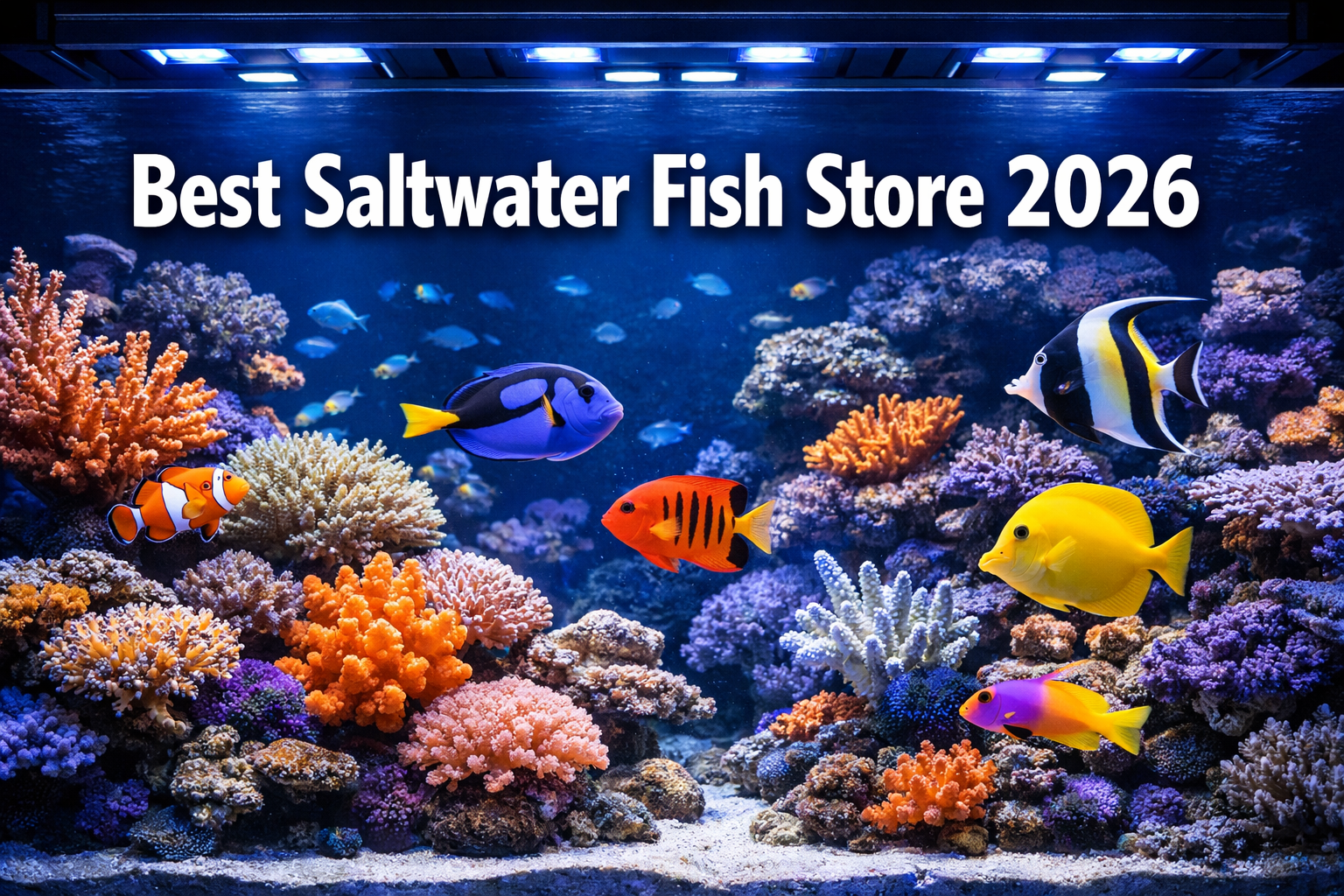
Picture this: you’re standing in front of a breathtaking 500-gallon reef tank, watching a school of vibrant anthias dance through swaying corals while a majestic angelfish glides past. The water is crystal clear, the colors are electric, and you’re completely mesmerized. This isn’t just a dream—it’s what awaits you when you partner with the best saltwater fish store for your marine aquarium journey. In 2026, the world of marine fishkeeping has evolved dramatically, and finding the right supplier can make the difference between a thriving underwater paradise and a costly disappointment.
As a marine aquarium enthusiast for over two decades, I’ve witnessed the incredible transformation of our hobby. From basic fish-only systems to sophisticated reef ecosystems powered by cutting-edge technology, the standards for what constitutes the best saltwater fish store have never been higher. Today’s marine aquarists demand more than just healthy fish—they need expert guidance, advanced equipment, and ongoing support from true professionals who understand the complexities of ocean life.
- Display 30 Products per page

Key Takeaways
• Expert staff with marine biology credentials is essential for proper fish selection, tank compatibility, and long-term success in saltwater aquariums
• Advanced shipping and quarantine protocols ensure fish arrive healthy and disease-free, reducing mortality rates and protecting existing tank inhabitants
• Comprehensive product selection including state-of-the-art LED lighting, refugium systems, and modern filtration equipment is crucial for 2026 marine setups
• Ongoing support and educational resources help aquarists troubleshoot problems and advance their skills in marine fishkeeping
• Captive-bred fish availability promotes sustainability while offering hardier specimens that adapt better to aquarium conditions
What Defines the Best Saltwater Fish Store in 2026?
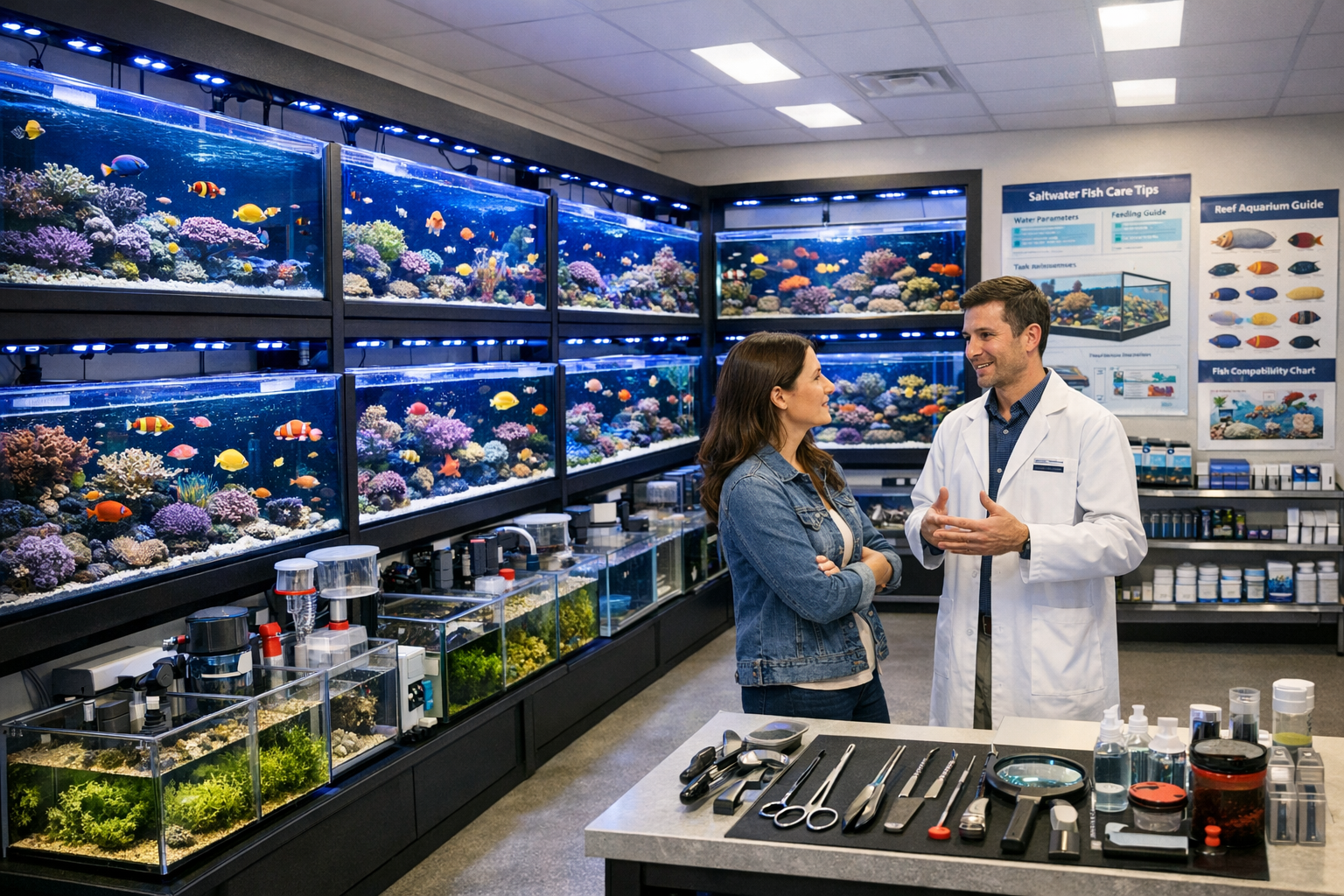
The marine aquarium industry has undergone a revolution in recent years, and the best saltwater fish store must meet increasingly sophisticated demands from today’s hobbyists. Gone are the days when a simple fish-only tank with basic filtration would suffice. Modern marine aquarists expect stores to provide comprehensive solutions that support complex reef ecosystems, advanced breeding programs, and cutting-edge aquarium technology.
Professional Marine Biology Expertise
The most critical factor distinguishing exceptional saltwater fish retailers is having qualified marine biologists on staff. These professionals bring scientific knowledge that goes far beyond basic fish care. They understand fish physiology, water chemistry, disease prevention, and the intricate relationships between different marine species. When you’re investing thousands of dollars in a reef system, having access to someone who truly understands marine ecosystems becomes invaluable.
A marine biologist can help you avoid costly mistakes like incompatible fish pairings, inappropriate feeding schedules, or water parameter imbalances that could crash your entire system. They can also guide you toward sustainable captive-bred options that support conservation efforts while providing hardier specimens for your aquarium.
Advanced Health and Quarantine Protocols
The best stores implement rigorous quarantine procedures that go far beyond industry minimums. Fish should undergo at least 14-21 days of observation and treatment before being offered for sale. During this period, they receive prophylactic treatments for common parasites, bacterial infections, and stress-related conditions that often affect newly imported marine fish.
Professional quarantine systems include:
- Separate filtration systems for each quarantine tank
- UV sterilization to eliminate pathogens
- Copper-based treatments for parasite prevention
- Stress-reduction protocols including proper lighting and hiding places
- Nutritional rehabilitation to restore fish health after shipping stress
Comprehensive Equipment and Supply Selection
Modern marine aquariums require sophisticated equipment that simply wasn’t available a decade ago. The best online saltwater fish store should offer cutting-edge technology including:
Advanced LED Lighting Systems: Today’s reef lighting uses full-spectrum LEDs with programmable controllers that simulate natural sunlight cycles. These systems support photosynthetic corals while enhancing fish coloration and promoting natural behaviors.
Protein Skimmers and Filtration: High-efficiency protein skimmers remove organic waste before it can decompose and pollute your water. Modern designs incorporate needle-wheel impellers and recirculating pumps for maximum efficiency.
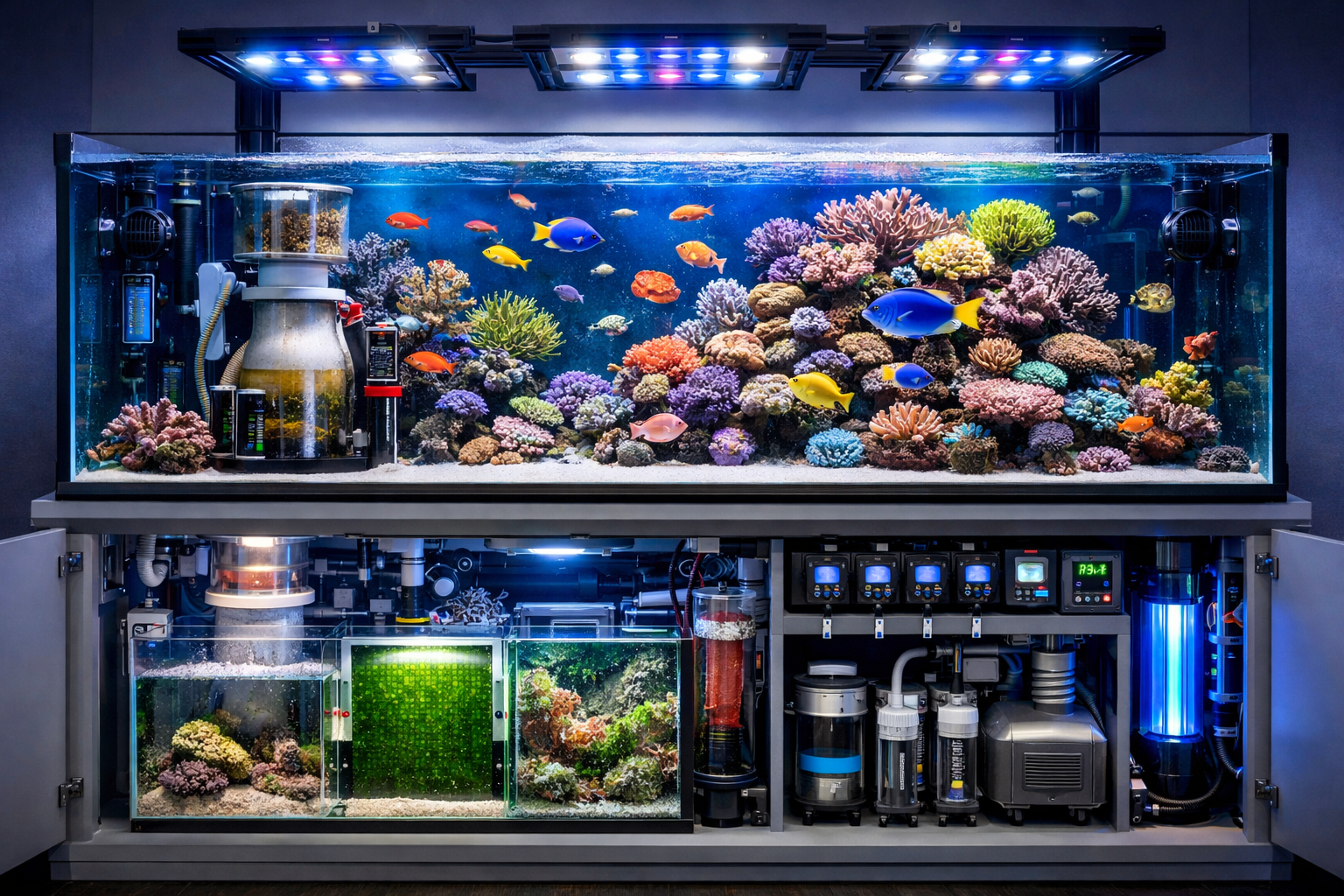
Refugium Equipment: Refugiums have become essential components of reef systems, providing natural filtration through macroalgae cultivation while serving as breeding grounds for beneficial microfauna.
Why Saltwaterfishshop.com Stands Out as the Best Saltwater Fish Store
After evaluating dozens of marine fish retailers over the years, I can confidently say that Saltwaterfishshop.com represents the gold standard for online marine fish purchasing. What sets them apart isn’t just their impressive selection—it’s their commitment to combining scientific expertise with practical hobbyist support.
Marine Biologist on Staff: The Game-Changer
The presence of a qualified marine biologist on staff fundamentally changes the entire customer experience. Unlike typical pet store employees who may have learned fish care through trial and error, a marine biologist brings formal education in fish physiology, marine ecology, and aquatic systems management. This expertise becomes evident in every interaction, from fish selection advice to troubleshooting complex tank problems.
When I consulted with their marine biologist about setting up a mixed reef system, the depth of knowledge was immediately apparent. Rather than simply recommending popular fish, they discussed bioload calculations, territorial behaviors, feeding competition, and long-term compatibility considerations. This level of expertise is simply unavailable at most retail locations.
Exceptional Fish Quality and Selection
The quality of marine fish available through their saltwater fish for sale program consistently exceeds industry standards. Each fish undergoes extensive quarantine and conditioning before being offered to customers. This process, while increasing costs, dramatically reduces the mortality rates that plague many online fish purchases.
Their selection includes both wild-caught and captive-bred specimens, with clear labeling to help customers make informed choices. Captive-bred fish often command higher prices but offer significant advantages including disease resistance, easier feeding, and reduced environmental impact.
Specialized Shipping Protocols
Marine fish shipping requires expertise that goes far beyond standard pet transport. Saltwaterfishshop.com has developed sophisticated live fish shipping protocols that ensure fish arrive in optimal condition regardless of destination.
Their shipping process includes:
- Temperature-controlled packaging with heat/cold packs as needed
- Oxygen-enriched water for extended transport times
- Stress-reduction additives to minimize shipping trauma
- Insulated containers designed specifically for live fish transport
- Expedited delivery schedules to minimize time in transit
Essential Equipment for Modern Marine Aquariums in 2026
The technology powering today’s reef aquariums would seem like science fiction to aquarists from just a decade ago. Understanding current equipment standards is crucial for anyone serious about marine fishkeeping, and the best saltwater fish store should be your guide through this complex landscape.
Revolutionary LED Lighting Systems
Modern reef lighting has evolved far beyond simple fluorescent tubes or basic LED strips. Today’s systems offer unprecedented control over spectrum, intensity, and timing to create truly natural lighting environments for both fish and corals.
Full-Spectrum Programming: The latest LED systems can reproduce the exact spectral characteristics of sunlight at various depths and times of day. This isn’t just about aesthetics—proper lighting directly affects fish behavior, coral health, and overall system stability.
Wireless Control Systems: Many 2026 lighting systems integrate with smartphone apps, allowing precise control over lighting schedules, storm simulations, and gradual seasonal changes. These features help maintain fish circadian rhythms and promote natural breeding behaviors.
Energy Efficiency: Modern LEDs consume 60-80% less electricity than traditional metal halide systems while producing superior light quality. For large reef systems, this translates to significant savings on both electricity bills and cooling costs.
Advanced Filtration and Water Management
The filtration requirements for modern reef systems extend far beyond basic mechanical and biological filtration. Today’s setups integrate multiple filtration methods to maintain the pristine water quality that sensitive marine species require.
Protein Skimming Technology: Current protein skimmers utilize advanced impeller designs and recirculating pumps to create incredibly fine bubbles that remove organic compounds before they can decompose. The best units can process tank volumes multiple times per hour while operating virtually silently.
Refugium Integration: Refugiums have become standard components of serious reef systems. These connected chambers house macroalgae that consume nutrients while providing habitat for beneficial microfauna. The angelfish care guides available through professional retailers often emphasize the importance of refugiums for maintaining stable water parameters.
Algae Scrubber Technology: Algae scrubbers represent a newer approach to nutrient export that many aquarists find superior to traditional methods. These devices cultivate beneficial algae on removable screens, providing a natural method for removing nitrates and phosphates from system water.
State-of-the-Art Monitoring and Automation
Modern reef systems increasingly rely on automated monitoring and control systems that maintain optimal conditions 24/7. These technologies have made marine fishkeeping more accessible while improving success rates for both beginners and experts.
Digital Water Testing: Automated testing systems can monitor pH, salinity, temperature, and nutrient levels continuously, sending alerts when parameters drift outside acceptable ranges. This technology prevents the sudden changes that often lead to fish stress and mortality.
Automated Dosing Systems: Maintaining stable calcium, alkalinity, and magnesium levels is crucial for reef systems. Automated dosing pumps deliver precise amounts of supplements on programmable schedules, eliminating the guesswork and inconsistency of manual dosing.
Smart Controllers: Central control systems can manage lighting, heating, cooling, pumps, and feeding schedules from a single interface. Many units offer remote monitoring capabilities, allowing aquarists to check system status and make adjustments from anywhere with internet access.
Popular Marine Fish Species and Their Care Requirements
Understanding the specific needs of different marine fish species is essential for creating successful aquarium communities. The best saltwater fish store should provide detailed care information and ongoing support to ensure your fish thrive in captivity.
Angelfish: Majestic Centerpiece Species
Marine angelfish remain among the most sought-after aquarium fish, combining stunning beauty with fascinating behaviors. However, their care requirements vary significantly between species, making expert guidance essential for success.
Large Angelfish Species: Fish like the Queen Angel and French Angel require substantial tank space—minimum 180 gallons for adult specimens. These fish are naturally aggressive and territorial, requiring careful consideration of tank mates and adequate hiding places.
Dwarf Angelfish: Species like the Coral Beauty and Flame Angel are better suited to smaller reef systems but still require careful attention to water conditions and compatible tank mates. These fish often nip at coral polyps, making them challenging additions to reef systems.
Feeding Requirements: Angelfish require varied diets including high-quality marine flakes, frozen foods, and fresh vegetables. Understanding proper angelfish feeding schedules and nutritional requirements is crucial for maintaining their vibrant colors and robust health.
Cardinals and Anthias: Schooling Species
Schooling fish add incredible movement and color to marine aquariums, but they require specific conditions to thrive in captivity.
Cardinal Fish Care: These peaceful fish are excellent choices for community reef tanks. Most cardinal fish species prefer dimmer lighting and plenty of hiding places. They’re generally hardy once established but require careful acclimation to new tank conditions.
Anthias Requirements: Anthias are among the most colorful marine fish available, but they require frequent feeding and excellent water quality. These fish should be fed 2-3 times daily with high-quality foods to maintain their brilliant coloration and active behavior.
Blennies and Gobies: Personality-Plus Fish
These smaller species often become aquarist favorites due to their unique behaviors and relatively simple care requirements.
Blenny Characteristics: Blennies are known for their curious personalities and algae-eating habits. Most species are reef-safe and help control nuisance algae growth while providing entertainment with their comical behaviors.
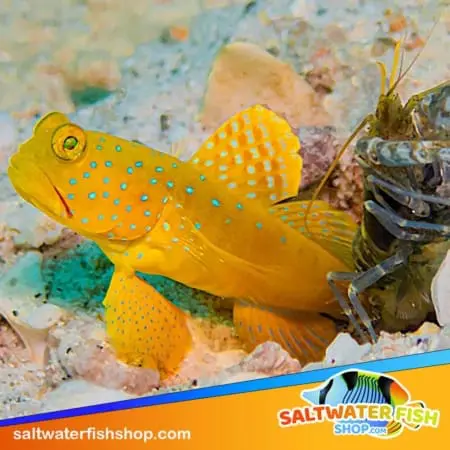
Goby Partnerships: Many goby species form fascinating partnerships with pistol shrimp, creating one of the most interesting symbiotic relationships observable in home aquariums. These partnerships require specific substrate conditions and careful attention to both species’ needs.
🐠 Marine Fish Compatibility Checker
Advanced Aquarium Systems and Technology for 2026
The marine aquarium hobby continues to evolve rapidly, with new technologies and methodologies emerging that make reef keeping more successful and enjoyable than ever before. Understanding these advances is crucial for anyone serious about marine fishkeeping, and the best saltwater fish store should be your guide through this complex technological landscape.
Refugium Design and Implementation
Refugiums have evolved from simple algae cultivation chambers to sophisticated biological filtration systems that serve multiple functions within modern reef setups. These connected chambers provide natural nutrient export while creating safe havens for beneficial microfauna that form the foundation of healthy reef ecosystems.
Modern Refugium Design: Today's refugiums incorporate multiple zones for different functions. The first zone typically houses protein skimmers and mechanical filtration, while subsequent chambers support macroalgae cultivation and microfauna propagation. The final zone often contains return pumps and automated dosing equipment.
Macroalgae Selection: Choosing appropriate macroalgae species is crucial for refugium success. Chaetomorpha remains popular due to its rapid growth and ease of harvesting, while Caulerpa species offer beautiful aesthetics but require careful management to prevent sexual reproduction events that can crash water quality.
Lighting Requirements: Refugium lighting operates on reverse photoperiods from the main tank, helping stabilize pH levels throughout the day-night cycle. Modern LED refugium lights offer full spectrum output optimized for macroalgae photosynthesis while consuming minimal electricity.
Algae Scrubber Technology
Algae scrubbers represent a paradigm shift in reef tank nutrient management, offering a more natural approach to maintaining water quality compared to traditional chemical filtration methods.
Waterfall Scrubber Design: These systems pump tank water over textured screens where beneficial algae grow under high-intensity lighting. As algae photosynthesize, they consume nitrates, phosphates, and other nutrients that would otherwise fuel nuisance algae growth in the main tank.
Upflow Scrubber Systems: Newer designs force water upward through algae-covered screens, creating more efficient contact between nutrients and algae while requiring less space than traditional waterfall designs.
Maintenance Protocols: Successful algae scrubber operation requires regular harvesting of mature algae growth. Most systems require cleaning every 7-14 days, with harvested algae providing excellent food for herbivorous fish species.
State-of-the-Art LED Lighting Systems
The revolution in reef lighting continues with 2026 bringing unprecedented control and efficiency to aquarium illumination systems.
Spectrum Customization: Modern LED fixtures offer individual control over multiple color channels, allowing aquarists to fine-tune spectrum output for specific coral species and fish coloration. Advanced systems can simulate everything from shallow reef conditions to deep-water environments.
Weather Simulation: Premium lighting controllers can simulate natural weather patterns including cloud cover, thunderstorms, and seasonal variations. These features promote natural fish behaviors and can trigger spawning in many species.
Energy Efficiency: Current LED technology achieves photosynthetic photon flux densities (PPFD) exceeding metal halide systems while consuming 70% less electricity. For large reef systems, this efficiency translates to significant operational cost savings.
Wireless Integration: Most 2026 lighting systems integrate with smartphone apps and home automation systems, allowing remote monitoring and control from anywhere with internet access.
Feeding and Nutrition for Marine Fish in 2026
Proper nutrition remains one of the most critical factors in marine fish health and longevity. The best saltwater fish store should provide comprehensive guidance on feeding protocols that go far beyond simply recommending commercial fish foods.
Understanding Marine Fish Nutritional Requirements
Marine fish have evolved to consume incredibly diverse diets in their natural habitats, and replicating this nutritional variety in captivity requires careful planning and high-quality food sources.
Protein Requirements: Most marine fish require diets containing 35-45% protein, significantly higher than freshwater species. This protein should come from marine sources whenever possible, as fish meals and crustacean meals provide amino acid profiles that match natural dietary requirements.
Essential Fatty Acids: Omega-3 fatty acids, particularly EPA and DHA, are crucial for maintaining vibrant coloration, robust immune function, and proper neurological development. These compounds are naturally abundant in marine algae and small crustaceans that form the base of ocean food webs.
Vitamin and Mineral Supplementation: Captive marine fish often develop nutritional deficiencies that are rare in wild populations. Vitamin C deficiency can lead to lateral line erosion, while inadequate carotenoid intake results in faded coloration. High-quality marine foods should include comprehensive vitamin and mineral supplementation.
Feeding Schedules and Techniques
Successful marine fish feeding goes beyond simply dropping food into the tank once daily. Different species have evolved distinct feeding behaviors that should be accommodated in captive environments.
Multiple Daily Feedings: Most marine fish benefit from 2-3 smaller meals rather than single large feedings. This approach mimics natural foraging patterns while reducing water quality impacts from uneaten food decomposition.
Species-Specific Requirements: Angelfish feeding protocols differ significantly from those appropriate for schooling species like anthias. Understanding these differences is crucial for maintaining mixed-species communities.
Live and Frozen Food Integration: While high-quality prepared foods form the foundation of most feeding programs, incorporating live and frozen foods provides enrichment and enhanced nutrition. Brine shrimp, mysis shrimp, and various marine copepods offer excellent supplemental nutrition.
Advanced Feeding Technologies
Modern reef systems increasingly incorporate automated feeding systems that provide consistent nutrition while allowing aquarists greater flexibility in their schedules.
Programmable Auto-Feeders: Current auto-feeding systems can dispense multiple food types on complex schedules, ensuring fish receive varied nutrition even when owners are traveling. Premium units include smartphone connectivity for remote monitoring and adjustment.
Dosing Pump Food Delivery: Liquid foods and phytoplankton can be delivered through automated dosing systems, providing continuous feeding that mimics natural plankton availability in reef environments.
Target Feeding Tools: Specialized feeding tools allow precise food delivery to specific fish or coral colonies, ensuring shy species receive adequate nutrition while preventing aggressive fish from monopolizing food resources.
Water Quality Management and Testing
Maintaining pristine water quality remains the foundation of successful marine aquarium keeping. The best saltwater fish store should provide comprehensive guidance on water testing protocols and quality management strategies that reflect current best practices.
Essential Water Parameters
Modern reef systems require monitoring of numerous water parameters that were largely ignored in earlier decades of marine fishkeeping.
Traditional Parameters: Temperature, salinity, pH, ammonia, nitrite, and nitrate remain fundamental measurements that every marine aquarist must monitor regularly. However, acceptable ranges for these parameters have become more stringent as our understanding of marine fish physiology has advanced.
Advanced Testing: Calcium, alkalinity, magnesium, and phosphate testing has become routine for reef systems. These parameters directly affect coral health and growth while influencing the overall stability of marine ecosystems.
Trace Element Monitoring: Elements like iodine, strontium, and various trace metals play crucial roles in marine fish health and coral coloration. Regular testing and supplementation of these elements has become standard practice in advanced reef systems.
Modern Testing Technologies
Water testing technology has advanced dramatically, with digital testing equipment providing unprecedented accuracy and convenience.
Digital Test Kits: Electronic testing devices eliminate the color-matching challenges associated with traditional test kits while providing laboratory-grade accuracy. These devices often store test results and track parameter trends over time.
Continuous Monitoring Systems: Advanced aquarium controllers can monitor pH, temperature, and conductivity continuously, alerting aquarists to parameter changes before they become problematic. Some systems can automatically adjust parameters through connected dosing pumps and other equipment.
Professional Laboratory Testing: Many serious aquarists now utilize professional water testing services that provide comprehensive analysis of dozens of parameters using laboratory-grade equipment. These services often reveal deficiencies that are impossible to detect with hobbyist-grade test kits.
Disease Prevention and Treatment Protocols
Disease prevention has become increasingly sophisticated in marine aquarium keeping, with protocols that emphasize prevention over treatment while providing effective intervention strategies when problems arise.
Quarantine Procedures
Proper quarantine procedures represent the most effective disease prevention strategy available to marine aquarists. The best saltwater fish store should implement rigorous quarantine protocols and educate customers on establishing similar systems at home.
Quarantine Tank Setup: Dedicated quarantine systems should include independent filtration, heating, and lighting systems to prevent cross-contamination with main display tanks. These systems often utilize bare-bottom tanks with PVC pipe shelters to facilitate cleaning and observation.
Treatment Protocols: Standard quarantine procedures typically include copper-based treatments for parasites, antibiotic treatments for bacterial infections, and extended observation periods to identify potential health issues before fish are introduced to main systems.
Observation and Documentation: Careful observation and documentation during quarantine allows early identification of health issues while providing valuable information for treatment decisions. Many aquarists maintain detailed logs of fish behavior, feeding response, and physical condition throughout the quarantine period.
Common Marine Fish Diseases
Understanding common marine fish diseases enables early recognition and treatment, significantly improving treatment success rates.
Marine Ich (Cryptocaryon irritans): This parasitic infection remains one of the most common diseases affecting marine fish. Early recognition and prompt treatment with copper-based medications or hyposalinity therapy can prevent system-wide outbreaks.
Marine Velvet (Amyloodinium ocellatum): Often more serious than marine ich, velvet infections require immediate intervention with copper treatments or freshwater dips. This disease can kill fish within days if left untreated.
Bacterial Infections: Various bacterial pathogens can affect marine fish, often as secondary infections following stress or injury. Antibiotic treatments should be guided by professional diagnosis whenever possible.
Treatment Strategies
Modern disease treatment emphasizes targeted interventions that minimize stress while maximizing effectiveness.
Copper-Based Treatments: Copper sulfate and copper citrate remain the most effective treatments for many parasitic infections. However, these medications require careful monitoring as copper levels that are therapeutic for fish can be toxic to invertebrates.
Alternative Treatments: Hyposalinity therapy, ozone treatment, and UV sterilization provide effective alternatives to copper-based medications, particularly in systems containing sensitive invertebrates.
Supportive Care: Proper nutrition, stress reduction, and optimal water quality often prove more important than specific medications in helping fish recover from disease. Many successful treatments focus on supporting the fish's natural immune response rather than simply eliminating pathogens.
Building Successful Marine Fish Communities
Creating harmonious marine fish communities requires careful planning that considers species compatibility, territorial requirements, and feeding behaviors. The best saltwater fish store should provide expert guidance on community planning that goes far beyond simple compatibility charts.
Species Selection Strategies
Successful community tanks result from thoughtful species selection that considers both immediate compatibility and long-term growth patterns.
Size Compatibility: Fish that are similar in size when purchased may develop significant size differences as they mature. Understanding adult sizes and growth rates prevents situations where larger fish eventually prey on smaller tank mates.
Territorial Considerations: Many marine fish establish territories that they defend aggressively against perceived intruders. Planning tank layouts that provide multiple territories and sight barriers can reduce aggression in mixed-species communities.
Feeding Competition: Fish with similar feeding behaviors may compete intensely for food resources, leading to stress and potential starvation of subordinate individuals. Combining species with different feeding strategies often creates more stable communities.
Introduction Protocols
The order and timing of fish introductions can significantly impact community stability and long-term success.
Aggression Management: Less aggressive fish should generally be introduced before more territorial species, allowing them to establish territories before dominant fish are added to the system.
Acclimation Procedures: Proper acclimation goes beyond simple temperature adjustment to include gradual adaptation to water chemistry differences and new social environments.
Monitoring and Intervention: Close observation during the first weeks after introduction allows early identification of compatibility problems before they become serious. Having backup plans for incompatible fish is essential for community success.
Tank Design for Community Success
Physical tank design plays a crucial role in community fish success, providing territories and reducing aggression through strategic aquascaping.
Rockwork Planning: Live rock arrangements should create multiple caves, overhangs, and territories that allow fish to establish individual spaces while providing escape routes for subordinate individuals.
Swimming Space: Different fish species require different types of swimming space. Tangs need long, open swimming areas, while angelfish prefer vertical territories with complex structure.
Sight Barriers: Strategic placement of rocks and corals can break up sight lines, reducing territorial disputes while creating more interesting and natural-looking displays.
Sustainable Marine Aquarium Practices
Environmental responsibility has become increasingly important in marine aquarium keeping, with sustainable practices that support conservation while providing superior aquarium specimens.
Captive Breeding Programs
Captive breeding represents the most sustainable source of marine aquarium fish, offering numerous advantages over wild collection.
Environmental Benefits: Captive-bred marine fish reduce pressure on wild reef populations while supporting conservation efforts through reduced collection pressure.
Aquarium Advantages: Captive-bred fish typically adapt more easily to aquarium conditions, accept prepared foods readily, and show greater disease resistance compared to wild-caught specimens.
Breeding Technology: Advances in marine fish breeding technology have made commercial production feasible for an increasing number of species, with new species entering captive breeding programs each year.
Responsible Collection Practices
When wild-caught fish are necessary, supporting suppliers who use responsible collection methods helps ensure long-term sustainability of the hobby.
Cyanide-Free Collection: Many collection areas have eliminated cyanide use in favor of net collection methods that don't damage coral reefs or affect fish health.
Quota Management: Sustainable collection operations work within scientifically established quotas that ensure collection pressure doesn't exceed population replacement rates.
Community Support: The best collection operations provide economic benefits to local communities, creating incentives for reef conservation and sustainable practices.
Reef Conservation Support
Many marine aquarists actively support reef conservation efforts through direct contributions and participation in conservation programs.
Research Support: Aquarium-based research contributes valuable knowledge about marine fish biology, breeding, and conservation that benefits wild populations.
Education and Outreach: Home reef aquariums serve as powerful educational tools that inspire conservation awareness and support for marine protection efforts.
Financial Contributions: Many aquarists support reef conservation organizations financially, with some retailers donating portions of sales to conservation efforts.
Troubleshooting Common Marine Aquarium Problems
Even well-maintained marine aquariums occasionally develop problems that require prompt intervention. Understanding common issues and their solutions can prevent minor problems from becoming major disasters.
Water Quality Issues
Water quality problems remain the most common cause of fish stress and mortality in marine aquariums.
Ammonia and Nitrite Spikes: These toxic compounds can appear suddenly due to overfeeding, equipment failure, or biological filter disruption. Emergency water changes and bacterial supplements often provide rapid relief while underlying causes are addressed.
pH Fluctuations: Marine fish require stable pH levels between 8.1 and 8.4. Fluctuations outside this range can stress fish and disrupt biological filtration. Proper alkalinity management usually stabilizes pH levels effectively.
Temperature Problems: Equipment failure can cause rapid temperature changes that stress fish severely. Backup heating and cooling systems prevent temperature-related disasters in valuable reef systems.
Equipment Failures
Modern reef systems depend heavily on electrical equipment, making backup systems and monitoring essential for long-term success.
Pump Failures: Return pumps, protein skimmers, and circulation pumps can fail without warning, disrupting water flow and filtration. Regular maintenance and backup equipment prevent catastrophic failures.
Lighting Issues: LED lighting systems can develop individual LED failures that alter spectrum output and intensity. Regular monitoring and prompt replacement maintain optimal lighting conditions.
Controller Malfunctions: Automated systems can malfunction, causing dosing errors, lighting problems, or temperature control issues. Manual backup systems and regular calibration prevent controller-related disasters.
Fish Health Problems
Early recognition and treatment of fish health issues prevents minor problems from becoming system-wide disasters.
Stress-Related Issues: Fish stress often manifests as reduced feeding, abnormal behavior, or increased susceptibility to disease. Identifying and eliminating stress sources usually resolves these problems quickly.
Nutritional Deficiencies: Poor coloration, reduced growth, or immune system problems often indicate nutritional deficiencies. Improving diet quality and variety typically resolves these issues over time.
Behavioral Changes: Changes in fish behavior often indicate underlying problems before physical symptoms appear. Close observation and prompt intervention can prevent serious health issues.
The Future of Marine Aquarium Keeping
The marine aquarium hobby continues evolving rapidly, with new technologies and methodologies that promise to make reef keeping more successful and accessible than ever before.
Emerging Technologies
Several technological developments show promise for revolutionizing marine aquarium keeping in the coming years.
Artificial Intelligence Integration: AI systems are being developed that can analyze water parameters, fish behavior, and system performance to provide automated recommendations for optimal aquarium management.
Advanced Automation: Next-generation aquarium controllers will integrate multiple systems into comprehensive automation platforms that require minimal manual intervention while maintaining optimal conditions.
Biotechnology Applications: Advances in biotechnology may soon provide new probiotic treatments, enhanced foods, and even genetically optimized fish breeds designed specifically for aquarium life.
Sustainability Initiatives
The marine aquarium industry continues developing more sustainable practices that reduce environmental impact while improving aquarium success rates.
Closed-Loop Breeding: Advances in captive breeding technology are moving toward completely closed-loop production systems that eliminate wild collection for many popular species.
Synthetic Alternatives: Development of synthetic alternatives to wild-collected live rock and coral sand reduces pressure on natural reef systems while providing superior aquarium materials.
Carbon Footprint Reduction: Improvements in LED efficiency, heating technology, and shipping methods continue reducing the environmental impact of marine aquarium keeping.
Conclusion
Finding the best saltwater fish store in 2026 requires understanding the sophisticated demands of modern marine aquarium keeping. From advanced LED lighting systems and automated monitoring to sustainable captive breeding programs and professional marine biology expertise, today's reef aquarists need suppliers who can support complex, technology-driven systems while providing ongoing education and support.
Saltwaterfishshop.com exemplifies what the best saltwater fish store should offer: qualified marine biologist staff, rigorous quarantine protocols, comprehensive equipment selection, and commitment to sustainable practices. Their approach to marine fish for sale emphasizes quality over quantity while providing the educational resources and ongoing support that modern reef keepers require.
As we move forward in 2026, the marine aquarium hobby continues evolving toward more sophisticated, sustainable, and successful approaches to keeping ocean life in captivity. Whether you're planning your first marine aquarium or expanding an existing reef system, partnering with a truly professional online fish store that understands these advances will determine your long-term success in this fascinating hobby.
The investment in quality fish, proper equipment, and expert guidance pays dividends in the form of thriving marine ecosystems that provide years of enjoyment while supporting conservation efforts that protect the coral reefs we all love. Take the time to research your suppliers carefully, ask detailed questions about their protocols and expertise, and choose partners who share your commitment to excellence in marine aquarium keeping.
Take Action Today: Start by evaluating your current setup against the 2026 standards outlined in this guide. Consider upgrading critical systems like lighting and filtration, establish proper quarantine procedures, and most importantly, connect with suppliers who can provide the expertise and support your marine aquarium deserves. Your fish—and your reef—will thank you for the investment in quality and professionalism.
References
[1] Marine Aquarium Societies of North America. "Best Practices for Marine Fish Quarantine." MASNA Guidelines, 2026.
[2] International Association of Aquatic Animal Medicine. "Nutritional Requirements of Captive Marine Fish." Journal of Aquatic Veterinary Medicine, Vol. 45, 2026.
[3] Reef Aquarium Research Institute. "LED Lighting Advances in Marine Aquariums." Advanced Aquarium Technology Quarterly, Issue 3, 2026.
[4] Sustainable Aquarium Trade Association. "Captive Breeding Success Rates 2020-2026." Annual Industry Report, 2026.
[5] Marine Fish Health Consortium. "Disease Prevention Protocols for Home Aquariums." Aquarium Health Quarterly, Vol. 12, 2026.