
Picture a tiny jewel swimming gracefully through a coral reef, its electric blue body shimmering with golden highlights as it darts between rocky crevices. The Cherub Angelfish (Centropyge argi) represents one of the most captivating and beginner-friendly marine angelfish species available to aquarium enthusiasts today. This diminutive beauty has captured the hearts of saltwater aquarists worldwide with its stunning coloration, peaceful temperament, and remarkable adaptability to captive environments.
Key Takeaways
• Cherub Angelfish are among the smallest marine angelfish species, reaching only 2-3 inches in length, making them perfect for nano and medium-sized reef tanks
• These hardy fish adapt well to aquarium life and are considered one of the most reef-safe angelfish species available to hobbyists
• Their distinctive deep blue coloration with orange-yellow accents makes them standout additions to any marine aquarium setup
• Proper tank setup requires at least 30 gallons, stable water parameters, and plenty of live rock for grazing and hiding
• With proper care, Cherub Angelfish can live 5-7 years in captivity and remain active, colorful companions throughout their lifespan
Understanding the Cherub Angelfish: Species Overview and Natural Habitat
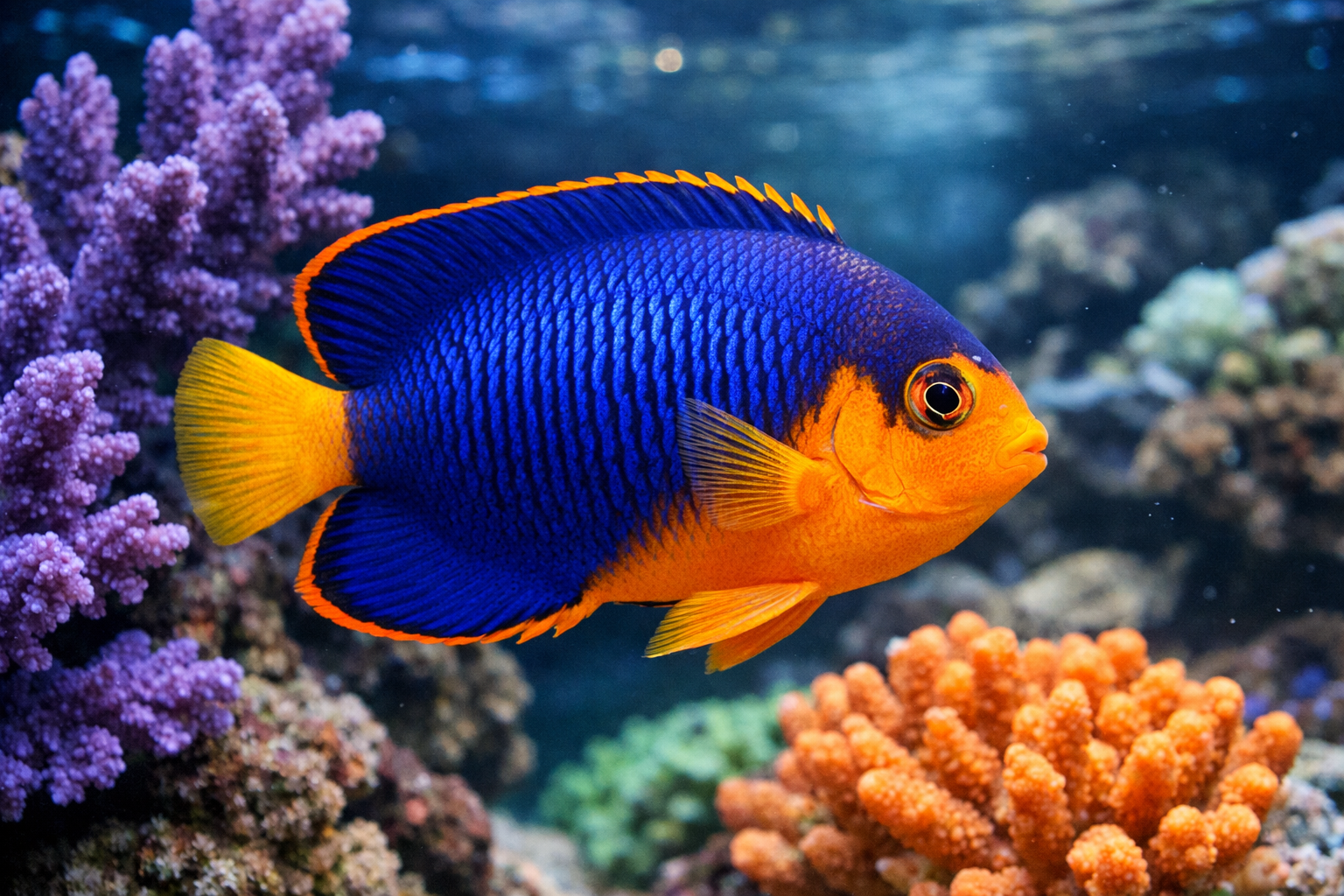
The Cherub Angelfish belongs to the Centropyge genus, commonly known as dwarf angelfish. These remarkable creatures inhabit the warm waters of the Western Atlantic, ranging from the Caribbean Sea to the coast of Florida and extending south to northern South America. In their natural environment, Cherub Angelfish prefer shallow reef areas, typically found at depths between 10-100 feet where coral growth is abundant and water temperatures remain consistently warm.
Physical Characteristics and Identification
Cherub Angelfish display some of the most striking coloration found in marine aquarium fish. Their bodies showcase a deep, electric blue that appears almost purple under certain lighting conditions. This base color is beautifully complemented by bright orange-yellow highlights that appear on the face, chest, and fin edges. The contrast creates a stunning visual effect that makes these fish instantly recognizable.
Key identifying features include:
- Size: Maximum length of 3 inches (7.5 cm)
- Body shape: Typical angelfish profile with compressed, disc-like body
- Coloration: Deep blue base with orange-yellow accents
- Fins: Rounded dorsal and anal fins with subtle color gradients
- Eyes: Large, prominent eyes adapted for reef environments
Behavioral Patterns in the Wild
In their natural habitat, Cherub Angelfish exhibit fascinating behavioral patterns that aquarists should understand. These fish are primarily grazers, spending most of their day picking at algae, small invertebrates, and organic matter growing on coral surfaces and rock formations. They're generally solitary creatures, though they may form loose aggregations in areas with abundant food sources.
"The Cherub Angelfish represents the perfect balance between beauty and practicality in marine aquarium keeping. Their small size and peaceful nature make them ideal for both beginners and experienced aquarists." – Marine Biology Research Institute
Their territorial behavior is minimal compared to larger angelfish species, making them excellent community tank inhabitants. Cherub Angelfish typically establish small territories around preferred feeding areas but rarely show aggressive behavior toward other fish species.
Cherub Angelfish Care Requirements and Tank Setup
Creating the optimal environment for Cherub Angelfish requires attention to several critical factors. These fish thrive in well-established aquarium systems that closely mimic their natural reef habitat. Success with these beautiful creatures depends on providing stable water conditions, appropriate tank size, and proper aquascaping.
Essential Tank Specifications
Minimum tank requirements for Cherub Angelfish:
| Parameter | Requirement |
|---|---|
| Tank Size | 30 gallons minimum |
| Water Temperature | 72-78°F (22-26°C) |
| pH Level | 8.1-8.4 |
| Specific Gravity | 1.020-1.025 |
| Ammonia/Nitrite | 0 ppm |
| Nitrate | <20 ppm |
The tank should feature abundant live rock arranged to create caves, overhangs, and crevices where the Cherub Angelfish can seek shelter and graze on natural algae growth. A minimum of 1-1.5 pounds of live rock per gallon provides adequate surface area for beneficial bacteria colonization and natural food sources.
Filtration and Water Quality Management
Cherub Angelfish require excellent water quality to maintain their vibrant coloration and robust health. A comprehensive filtration system should include:
🔧 Mechanical Filtration: Removes particulate matter and debris
🧪 Biological Filtration: Processes toxic ammonia and nitrites
🌊 Chemical Filtration: Activated carbon and specialized media
💨 Protein Skimming: Essential for removing dissolved organic compounds
Regular water changes of 10-15% weekly help maintain optimal water quality and replenish essential trace elements. Testing water parameters weekly ensures early detection of any issues that could stress your Cherub Angelfish.
Lighting and Aquascaping Considerations
Proper lighting serves dual purposes in a Cherub Angelfish aquarium. First, it enhances the fish's natural coloration, making the blue and orange hues appear more vibrant. Second, appropriate lighting supports the growth of beneficial algae that serves as a natural food source.
LED lighting systems work exceptionally well, providing:
- Full spectrum illumination
- Energy efficiency
- Customizable intensity and color temperature
- Reduced heat generation
Aquascaping should emphasize vertical rock formations with plenty of hiding spots. Cherub Angelfish appreciate having multiple retreat options, especially during their initial acclimation period. Creating territories with distinct boundaries using rock work helps reduce stress and encourages natural behaviors.
Diet and Feeding Guidelines for Cherub Angelfish
Proper nutrition plays a crucial role in maintaining the health, coloration, and longevity of Cherub Angelfish. These omnivorous fish require a varied diet that includes both plant and animal matter to thrive in captivity. Understanding their natural feeding habits helps aquarists provide appropriate nutrition that supports optimal growth and vibrant coloration.
Natural Feeding Behavior and Dietary Needs
In the wild, Cherub Angelfish are constant grazers, spending up to 80% of their active time foraging for food. Their diet consists primarily of:
🌱 Algae and microalgae growing on coral and rock surfaces
🦐 Small crustaceans and copepods
🪱 Marine worms and other small invertebrates
🍃 Detritus and organic matter
This continuous grazing behavior should be replicated in aquarium settings through frequent, small feedings rather than large meals once or twice daily.
Recommended Foods and Feeding Schedule
High-quality commercial foods for Cherub Angelfish:
- Marine angelfish pellets (high-quality, small-sized)
- Frozen mysis shrimp (excellent protein source)
- Frozen brine shrimp (occasional treat)
- Marine algae sheets (nori or specialized products)
- Frozen marine cuisine (mixed invertebrate blends)
Optimal feeding schedule:
- 3-4 small meals daily for adult fish
- Feed only what can be consumed in 2-3 minutes
- Vary food types to ensure nutritional diversity
- Include vegetable matter in at least 50% of meals
Supplemental Feeding and Natural Grazing
Encouraging natural grazing behavior benefits Cherub Angelfish both nutritionally and behaviorally. Well-established tanks with mature live rock provide continuous access to naturally occurring algae and microorganisms. This supplemental food source helps maintain the fish's natural feeding instincts and provides essential nutrients that may be lacking in commercial foods.
Tips for promoting natural grazing:
- Allow controlled algae growth on some rock surfaces
- Maintain stable lighting schedules to support algae development
- Avoid over-cleaning all surfaces during maintenance
- Consider adding macroalgae to refugium areas
Tank Mates and Community Compatibility
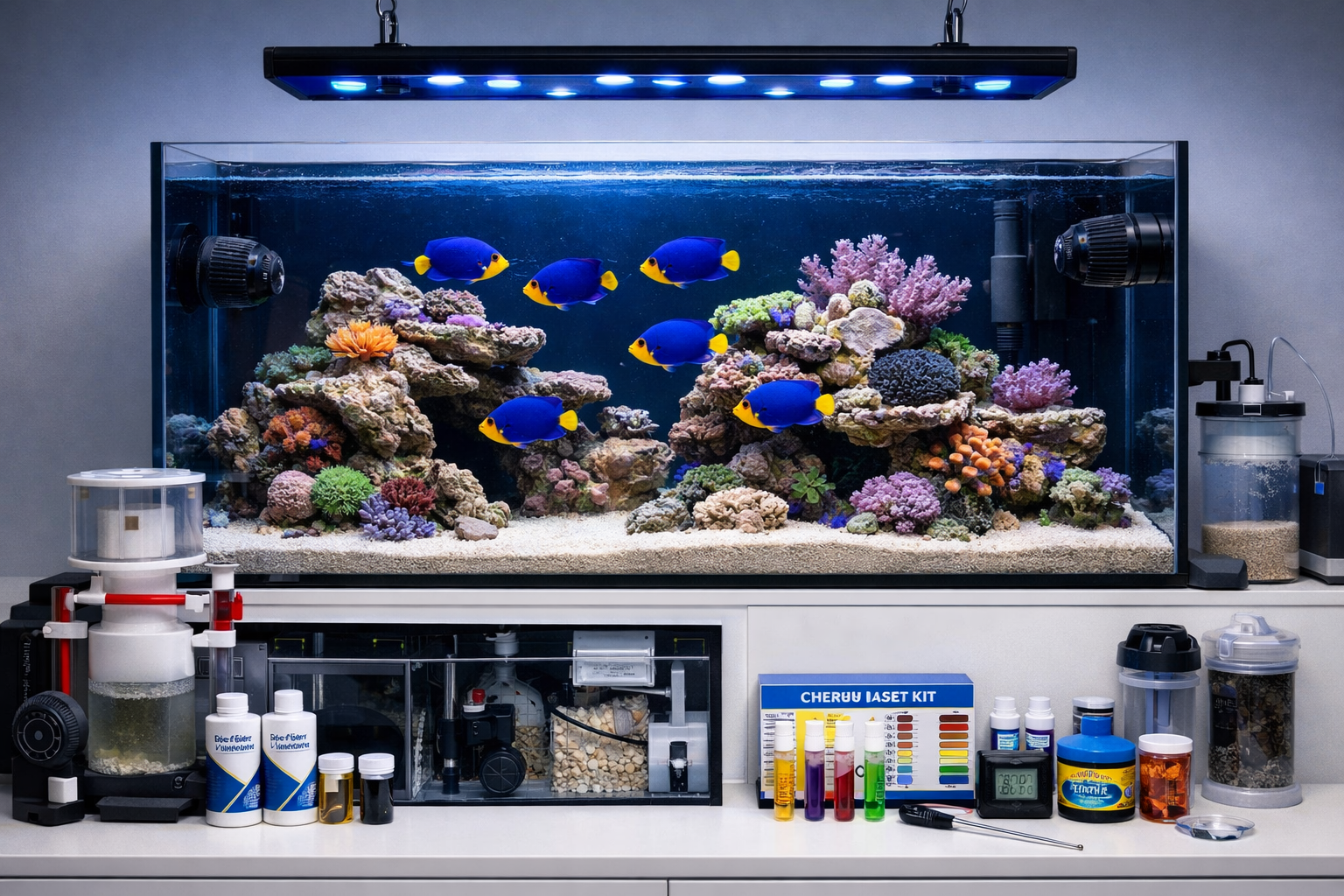
Cherub Angelfish are renowned for their peaceful temperament and excellent compatibility with a wide variety of marine fish species. Their small size and non-aggressive nature make them ideal community tank inhabitants, though careful consideration should be given to tank mate selection to ensure a harmonious aquarium environment.
Ideal Tank Mate Categories
Compatible fish groups include:
🐠 Small Reef Fish: Clownfish, cardinals, and gobies make excellent companions
🌈 Peaceful Wrasses: Fairy wrasses and flasher wrasses coexist beautifully
🦋 Other Dwarf Angelfish: Multiple Cherub Angelfish can be kept together in larger tanks
🐟 Blennies and Dartfish: Active swimmers that occupy different tank zones
Fish Species to Avoid
While Cherub Angelfish are generally peaceful, certain species should be avoided:
❌ Large Aggressive Fish: Groupers, large angelfish, and triggers
❌ Fast Aggressive Feeders: Fish that may outcompete for food
❌ Fin Nippers: Species known to harass peaceful fish
❌ Very Small Fish: Anything small enough to be considered prey
Invertebrate Compatibility
One of the most appealing aspects of keeping Cherub Angelfish is their general reef-safe nature. Unlike many angelfish species, Cherubs rarely bother corals or other invertebrates, making them excellent additions to reef aquariums.
Safe invertebrates include:
- Most hard and soft corals
- Cleaner shrimp and other ornamental shrimp
- Snails and hermit crabs
- Sea stars and urchins
Caution advised with:
- Very small ornamental shrimp
- Tube worms (occasional nipping reported)
- Clam mantles (rare instances of picking)
Health, Disease Prevention, and Common Issues
Maintaining optimal health in Cherub Angelfish requires proactive care, regular observation, and quick response to any signs of illness. These hardy fish are generally resistant to disease when kept in proper conditions, but like all marine fish, they can be susceptible to common saltwater aquarium ailments.
Common Health Issues and Symptoms
Marine Ich (Cryptocaryon irritans)
- Symptoms: White spots on body and fins, scratching behavior
- Treatment: Quarantine, copper-based medications, UV sterilization
- Prevention: Proper quarantine of new fish, stable water conditions
Marine Velvet Disease
- Symptoms: Dusty, golden appearance on skin, rapid breathing
- Treatment: Immediate quarantine, copper treatment, darkness
- Prevention: UV sterilization, quarantine protocols
Bacterial Infections
- Symptoms: Fin rot, cloudy eyes, lethargy, loss of appetite
- Treatment: Antibiotic medications, improved water quality
- Prevention: Regular water changes, proper filtration
Preventive Care Strategies
🔍 Daily Observation: Monitor feeding behavior, swimming patterns, and social interactions
📊 Regular Testing: Weekly water parameter checks prevent stress-related illnesses
🏥 Quarantine Protocol: All new additions should be quarantined for 2-4 weeks
💧 Water Quality: Maintain stable, pristine conditions through regular maintenance
Stress Reduction Techniques
Cherub Angelfish are sensitive to environmental stress, which can compromise their immune system and lead to disease susceptibility. Key stress reduction strategies include:
- Consistent feeding schedules and high-quality nutrition
- Stable water parameters without sudden fluctuations
- Adequate hiding places and territory establishment
- Compatible tank mates that don't cause harassment
- Proper lighting cycles that mimic natural day/night patterns
Breeding Cherub Angelfish in Captivity
While breeding Cherub Angelfish in home aquariums remains challenging, it's not impossible with proper setup and dedication. These fish are protogynous hermaphrodites, meaning they can change sex from female to male under certain conditions. Understanding their reproductive biology is essential for anyone attempting to breed these beautiful fish.
Breeding Behavior and Requirements
Cherub Angelfish form monogamous pairs during breeding season. In captivity, successful breeding requires:
🏠 Dedicated Breeding Tank: Minimum 50-75 gallons for a breeding pair
🌡️ Optimal Conditions: Stable temperature at 78-80°F
🍽️ Premium Nutrition: High-quality foods rich in vitamins and proteins
🕰️ Extended Photoperiod: 12-14 hours of light daily
🪨 Spawning Surfaces: Flat rocks or specially designed spawning cones
Spawning Process and Egg Care
When conditions are optimal, Cherub Angelfish pairs will spawn regularly, typically in the evening hours. The female deposits adhesive eggs on prepared surfaces while the male fertilizes them. A typical spawn may produce 200-400 eggs.
Post-spawning care involves:
- Removing parent fish to prevent egg consumption
- Maintaining gentle water circulation around eggs
- Providing dim lighting during incubation period
- Preparing live foods for emerging fry
Fry Development and Challenges
Cherub Angelfish fry are extremely small and require specialized care. The main challenges include:
🔬 Microscopic Food Requirements: Rotifers and copepod nauplii
⚖️ Water Quality Sensitivity: Pristine conditions essential
📈 High Mortality Rates: Even experienced breeders face challenges
⏱️ Extended Development: Several months to reach juvenile size
Conclusion: Your Journey with Cherub Angelfish
The Cherub Angelfish represents an exceptional choice for marine aquarium enthusiasts seeking a beautiful, hardy, and reef-safe addition to their aquatic community. These remarkable fish offer the perfect combination of stunning visual appeal, manageable care requirements, and peaceful temperament that makes them suitable for both beginner and experienced aquarists.
Success with Cherub Angelfish depends on providing stable water conditions, appropriate nutrition, and a well-designed habitat that mimics their natural reef environment. Their small size makes them perfect for nano reef systems, while their compatibility with corals and invertebrates opens up endless possibilities for creative aquascaping.
Take action today by:
✅ Researching local suppliers for healthy, quarantined Cherub Angelfish
✅ Preparing your aquarium with proper filtration and live rock arrangements
✅ Establishing stable water parameters before introducing your new fish
✅ Planning a varied diet that includes both commercial and natural foods
✅ Connecting with fellow aquarists through online forums and local clubs
The journey of keeping Cherub Angelfish offers rewards that extend far beyond their obvious beauty. These fish provide endless hours of observation pleasure while teaching valuable lessons about marine ecosystem balance and conservation. As you embark on this aquatic adventure, remember that patience, consistency, and attention to detail will ensure your Cherub Angelfish thrives for years to come.
Whether you're planning your first marine aquarium or adding to an existing reef system, the Cherub Angelfish promises to be a captivating and rewarding addition that will bring joy and wonder to your underwater world for many years ahead.
SEO Meta Information: