
The Complete Guide to Clownfish for Sale: Your 2026 Marine Fish Keeping Journey
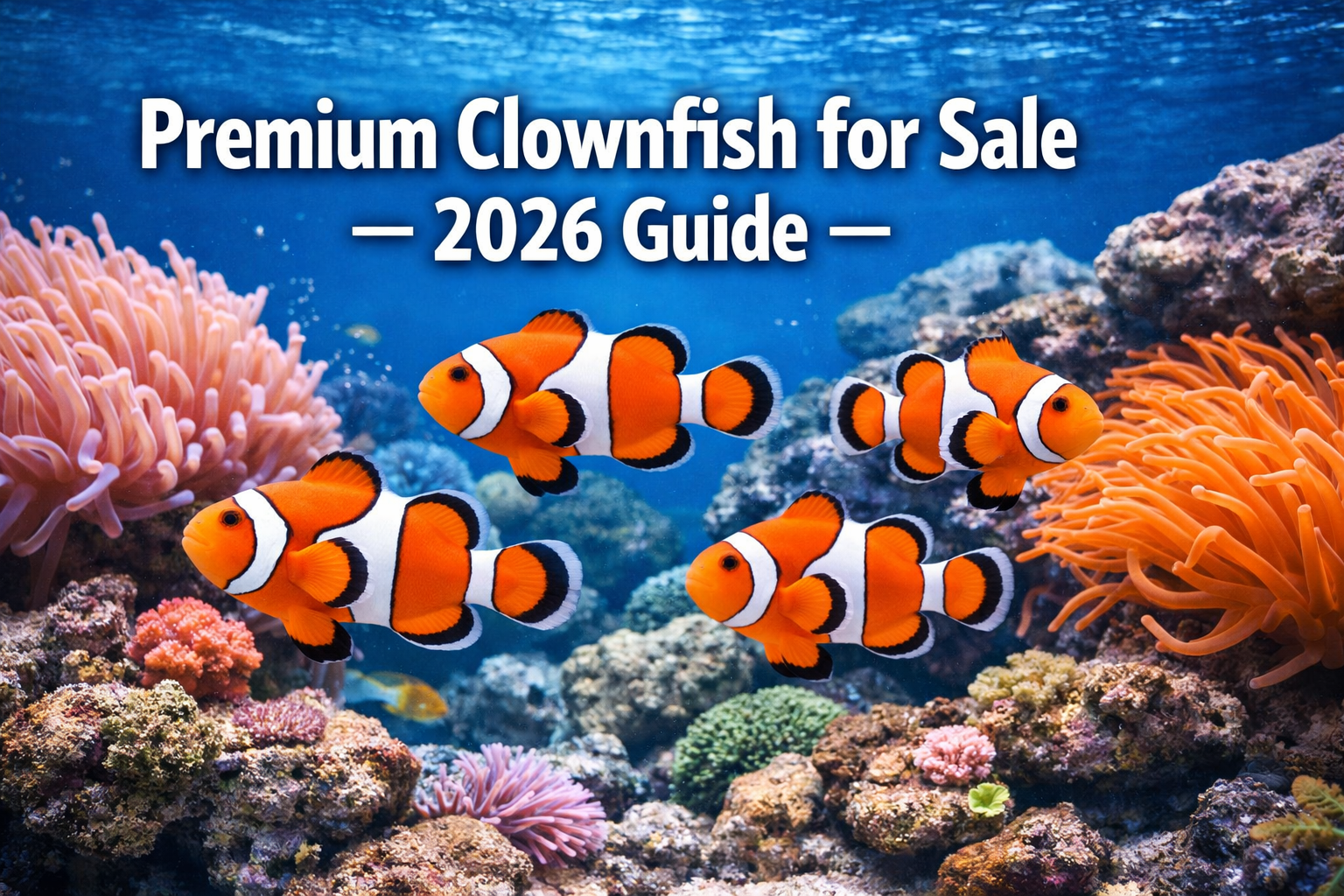
Picture this: you’re standing in front of a stunning marine aquarium, watching vibrant orange and white clownfish dance playfully among swaying anemones, their graceful movements creating a mesmerizing underwater ballet. This dream can become your reality when you find the right clownfish for sale from a reputable source that prioritizes fish health, expert care, and customer education.
As marine aquarium keeping continues to evolve in 2026, the demand for high-quality, captive-bred clownfish has never been higher. Whether you’re a seasoned marine biologist or a beginner taking your first dive into saltwater fish keeping, understanding where to find healthy clownfish and how to care for them properly is crucial for your aquarium’s success.
- Display 33 Products per page
Key Takeaways
• Captive-bred clownfish are healthier and more adaptable than wild-caught specimens, making them ideal for both beginners and experienced aquarists
• Professional marine fish stores with on-staff marine biologists provide superior fish quality, expert guidance, and ongoing support for successful fish keeping
• Modern filtration systems, LED lighting, and refugiums have revolutionized clownfish care in 2026, making marine aquariums more accessible than ever
• Proper acclimation and tank setup are critical factors that determine long-term success with clownfish ownership
• Understanding species variations and compatibility helps you choose the perfect clownfish for your specific aquarium setup and experience level
Why Choose Professional Sources for Clownfish for Sale
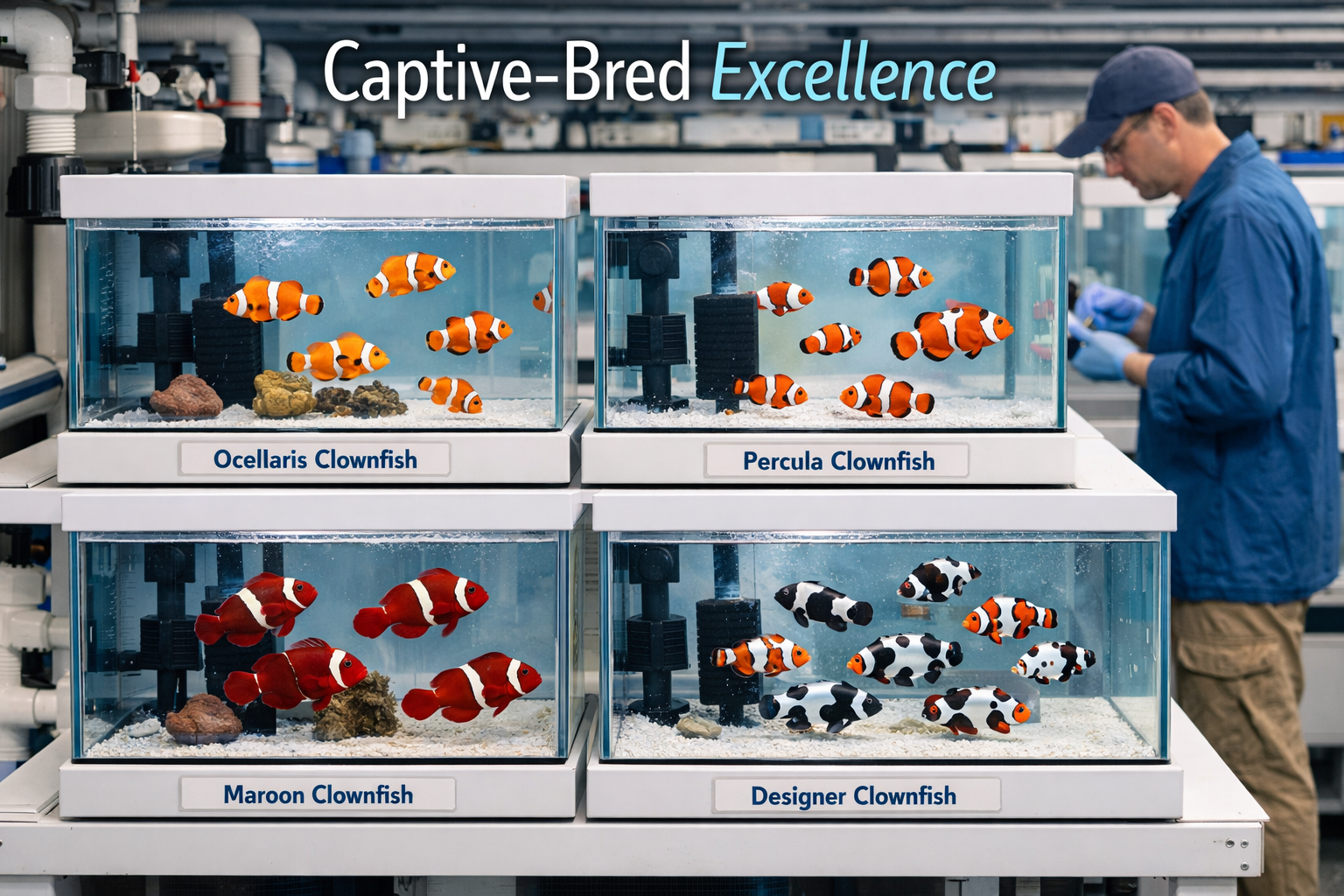
When searching for clownfish for sale, the source you choose can make the difference between a thriving marine aquarium and a frustrating experience filled with fish loss and disappointment. In 2026, the marine aquarium industry has reached new heights of professionalism, with specialized online fish stores leading the way in providing healthy, captive-bred specimens.
The Marine Biologist Advantage
What sets professional marine fish retailers apart from general pet stores is the presence of qualified marine biologists on staff. These experts understand the complex needs of marine fish, from water chemistry requirements to behavioral patterns and disease prevention. When you purchase from a facility with marine biology expertise, you’re not just buying a fish – you’re gaining access to a wealth of knowledge that can help ensure your aquarium’s long-term success.
Marine biologists bring scientific rigor to fish care, implementing proper quarantine protocols, monitoring water quality parameters, and maintaining optimal nutrition programs. This expertise translates directly to healthier fish that adapt more readily to home aquariums.
Captive-Bred vs. Wild-Caught: The 2026 Standard
The marine aquarium industry has undergone a significant transformation in recent years, with captive-bred clownfish becoming the gold standard. Unlike wild-caught specimens, captive-bred clownfish offer numerous advantages:
Health Benefits:
- Reduced stress from collection and shipping
- Lower parasite and disease loads
- Better adaptation to aquarium foods
- Stronger immune systems
Environmental Benefits:
- No impact on wild reef populations
- Sustainable aquaculture practices
- Reduced carbon footprint from shorter shipping distances
Aquarium Benefits:
- Easier acclimation process
- More predictable behavior patterns
- Better survival rates in home aquariums
- Enhanced color development
Quality Assurance in Modern Marine Fish Retail
Professional marine fish for sale operations implement comprehensive quality assurance programs that ensure every fish meets strict health standards before reaching customers. These programs typically include:
- Extended Quarantine Periods: Fish are held for 2-4 weeks in dedicated quarantine systems
- Health Monitoring: Daily observation by trained staff for signs of disease or stress
- Nutritional Conditioning: Specialized feeding programs to optimize fish health
- Water Quality Management: Precise control of temperature, salinity, pH, and other critical parameters
Understanding Clownfish Species and Varieties
The world of clownfish extends far beyond the familiar orange and white Nemo that captured hearts worldwide. In 2026, aquarists have access to an incredible diversity of clownfish species and designer varieties, each with unique characteristics and care requirements.
Popular Clownfish Species for Home Aquariums
Ocellaris Clownfish (Amphiprion ocellaris)
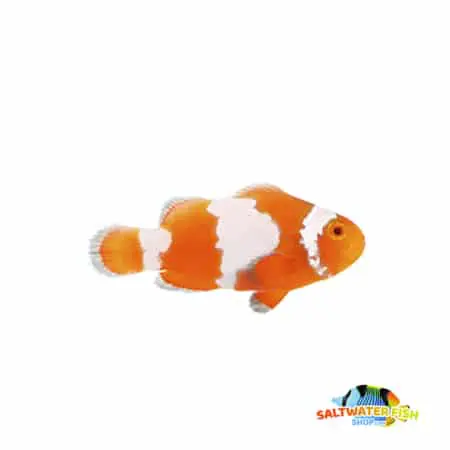
The classic “Nemo” fish remains the most popular choice for beginners. These hardy fish typically reach 3 inches in length and display the iconic orange coloration with three white bands bordered in black. Ocellaris clownfish are peaceful, easy to care for, and readily accept a variety of foods.
Percula Clownfish (Amphiprion percula)
Often confused with Ocellaris, Percula clownfish are slightly smaller and display more vibrant orange coloration with thicker black borders around their white bands. They’re equally hardy but tend to be more territorial than their Ocellaris cousins.
Maroon Clownfish (Premnas biaculeatus)
The largest clownfish species, Maroons can reach 6 inches and display deep red to maroon coloration with three white or yellow bands. They’re more aggressive than other clownfish species and require larger aquariums with careful tankmate selection.
Tomato Clownfish (Amphiprion frenatus)
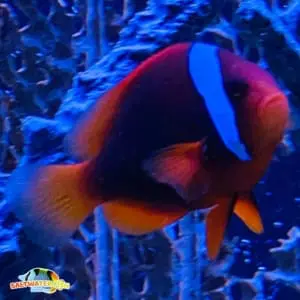
These robust fish feature bright orange-red coloration with a single white band behind the head. They’re extremely hardy and perfect for beginners, though they can become territorial as they mature.
Designer Clownfish: The Art of Selective Breeding
The aquaculture industry has produced stunning designer varieties through selective breeding programs. These unique fish command premium prices but offer extraordinary beauty:
Snowflake Clownfish: Feature irregular white patterns that create a “snowflake” effect
Picasso Clownfish: Display abstract white patterns reminiscent of modern art
Lightning Clownfish: Showcase dramatic white striping that extends across the entire body
Black Ice Clownfish: Feature striking black and white coloration
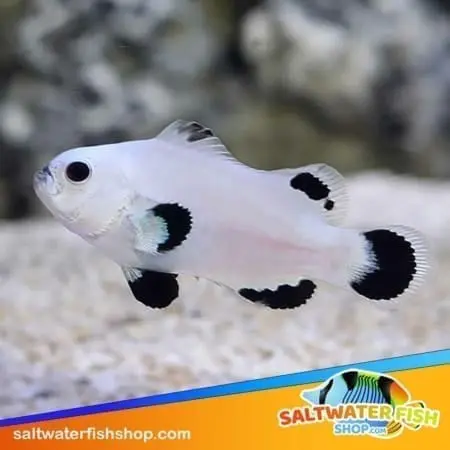
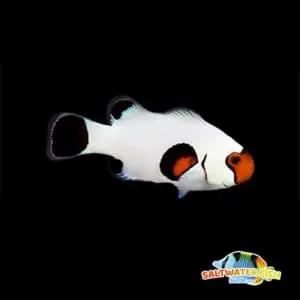
Platinum Clownfish: Display solid white or cream coloration
Choosing the Right Clownfish for Your Setup
When selecting clownfish for sale, consider these factors:
Tank Size Requirements:
- Ocellaris/Percula: Minimum 20 gallons
- Tomato: Minimum 30 gallons
- Maroon: Minimum 40 gallons
- Designer varieties: Follow base species requirements
Temperament Considerations:
- Peaceful species: Ocellaris, Percula
- Moderately aggressive: Tomato, Clarkii
- Aggressive: Maroon, Cinnamon
Compatibility with Other Fish:
Research potential tankmates carefully, as clownfish behavior can vary significantly between species. Some excellent companions include cardinal fish, blennies, and certain angelfish species.
Essential Equipment and Tank Setup for Clownfish Success
Creating the perfect environment for your new clownfish requires understanding the latest advances in marine aquarium technology. The year 2026 has brought remarkable innovations in filtration, lighting, and water management systems that make successful clownfish keeping more achievable than ever.
Modern Filtration Systems: The Foundation of Healthy Aquariums
Protein Skimmers: Advanced Foam Fractionation
Modern protein skimmers utilize cutting-edge pump technology and precision-engineered venturi systems to remove dissolved organic compounds before they can break down and pollute your aquarium. The latest models feature:
- Variable speed DC pumps for energy efficiency
- Automated cleaning systems
- Smart controllers with app connectivity
- Whisper-quiet operation
Biological Filtration: The Living Filter
Biological filtration remains the cornerstone of marine aquarium health. Contemporary systems incorporate:
- Live Rock: Premium aquacultured live rock provides natural biological filtration and creates stunning aquascapes
- Bio-Media: Advanced ceramic and plastic bio-media offer massive surface area for beneficial bacteria colonization
- Deep Sand Beds: Natural sand beds provide anaerobic zones for complete nitrogen cycle processing
Mechanical Filtration: Crystal Clear Water
Modern mechanical filtration options include:
- Filter Socks: Reusable mesh bags that trap particulate matter
- Filter Pads: Graduated density pads for progressive filtration
- Automatic Filter Rollers: Continuously replace filter media for hands-off maintenance
For comprehensive filtration solutions, explore professional aquarium filters for sale from reputable suppliers.
Revolutionary LED Lighting Systems
The lighting revolution has transformed marine aquarium keeping. 2026’s LED systems offer:
Full Spectrum Coverage:
- UV, violet, blue, white, and red LEDs
- Programmable sunrise/sunset cycles
- Storm simulation capabilities
- Lunar cycle programming
Energy Efficiency:
- 80% less energy consumption than traditional lighting
- Reduced heat generation
- 50,000+ hour lifespans
- Smartphone app control
Coral and Fish Health Benefits:
- Enhanced fish coloration
- Improved fish behavior patterns
- Support for photosynthetic organisms
- Reduced algae growth when properly programmed
Refugiums: Nature’s Water Treatment Plant
Refugiums have become standard equipment in modern marine aquariums, providing natural biological filtration and stability. A properly designed refugium offers:
Natural Nutrient Export:
- Macroalgae consumption of nitrates and phosphates
- Copepod and amphipod breeding grounds
- Natural food production for fish
Water Stability:
- pH stabilization through photosynthesis
- Oxygen production during daylight hours
- Reduced chemical fluctuations
Biodiversity Enhancement:
- Habitat for beneficial microorganisms
- Breeding ground for natural fish foods
- Quarantine space for new additions
Algae Scrubbers: Automated Nutrient Control
Modern algae scrubbers represent a breakthrough in automated aquarium maintenance:
Turf Algae Cultivation:
- Controlled algae growth on specialized screens
- Regular harvesting removes nutrients from the system
- Reduces need for water changes
Automated Operation:
- LED lighting on timer cycles
- Water flow optimization
- Easy maintenance schedules
Clownfish Diet and Nutrition in 2026
Proper nutrition forms the foundation of clownfish health, longevity, and vibrant coloration. The understanding of clownfish dietary requirements has advanced significantly, with 2026 bringing new insights into optimal feeding practices and nutritional supplementation.
Understanding Clownfish Natural Diet
In their natural reef environment, clownfish are omnivores with a diverse diet consisting of:
Protein Sources:
- Zooplankton and copepods
- Small crustaceans
- Fish eggs and larvae
- Marine worms
Plant Matter:
- Algae films from rock surfaces
- Detritus and organic particles
- Symbiotic algae waste products
Supplemental Foods:
- Anemone tentacle tips (when available)
- Mucus from host anemones
- Parasites removed from host fish
Premium Commercial Foods for Optimal Health
The aquarium food industry has developed sophisticated nutrition programs specifically designed for clownfish:
High-Quality Pellet Foods:
- Marine protein as the primary ingredient
- Enhanced with vitamins C and E for immune support
- Probiotics for digestive health
- Natural color enhancers like astaxanthin and spirulina
Frozen Food Options:
- Mysis Shrimp: Excellent protein source with natural enzymes
- Brine Shrimp: High in essential fatty acids
- Cyclops: Perfect size for juvenile clownfish
- Marine Cuisine Blends: Comprehensive nutrition in convenient portions
Live Food Cultivation:
Many advanced aquarists maintain live food cultures:
- Copepods: Continuous natural food source
- Rotifers: Essential for breeding programs
- Artemia: Fresh hatched brine shrimp for optimal nutrition
For comprehensive feeding supplies, consider standard food and supplies shipping options from professional suppliers.
Feeding Schedules and Techniques
Juvenile Clownfish (0-6 months):
- Feed 3-4 times daily
- Small, frequent meals
- Focus on high-protein foods
- Monitor growth rates carefully
Adult Clownfish (6+ months):
- Feed 1-2 times daily
- Vary food types for complete nutrition
- Include plant matter 2-3 times weekly
- Fast one day per week for digestive health
Breeding Pairs:
- Increase feeding frequency during breeding cycles
- Supplement with live foods
- Provide calcium-rich foods for egg development
- Maintain consistent feeding schedules
Nutritional Supplements and Enhancements
Vitamin Supplementation:
- Liquid vitamins soaked into foods
- Essential fatty acid supplements
- Immune system boosters during stress periods
Natural Color Enhancement:
- Spirulina-based supplements
- Astaxanthin for red/orange pigmentation
- Varied diet for natural color development
Probiotic Support:
- Beneficial bacteria supplements
- Fermented food preparations
- Digestive enzyme additives
Water Quality and Tank Conditions
Maintaining optimal water quality represents the most critical aspect of successful clownfish keeping. The precision and consistency required for marine fish health demands understanding of complex chemical interactions and modern monitoring technology.
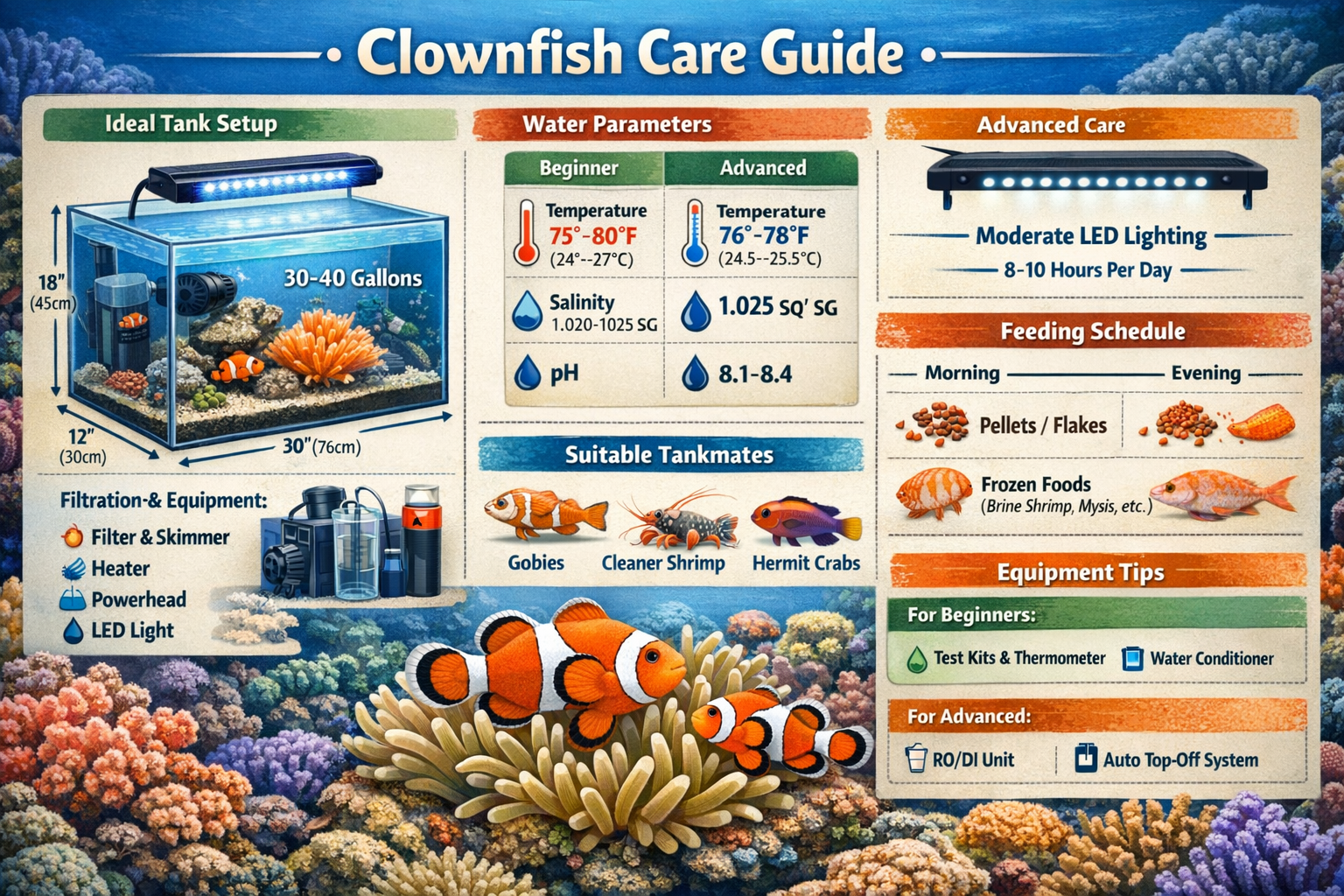
Essential Water Parameters for Clownfish Health
Salinity Management:
- Specific Gravity: 1.020-1.025 (1.023 optimal)
- Salinity: 30-35 ppt (33 ppt optimal)
- Monitoring: Digital refractometers for accuracy
- Stability: Daily fluctuations should not exceed 0.001
Temperature Control:
- Range: 76-82°F (78-80°F optimal)
- Stability: ±1°F maximum daily variation
- Equipment: Titanium heaters with digital controllers
- Backup Systems: Redundant heating for equipment failure protection
pH and Alkalinity:
- pH Range: 8.1-8.4 (8.2-8.3 optimal)
- Alkalinity: 8-12 dKH (9-11 dKH optimal)
- Buffering: Regular alkalinity testing and supplementation
- Stability: Gradual changes only, never more than 0.2 pH units daily
Nitrogen Cycle Management:
- Ammonia: 0 ppm (undetectable)
- Nitrite: 0 ppm (undetectable)
- Nitrate: <20 ppm (<10 ppm preferred)
- Testing: Weekly monitoring with quality test kits
Advanced Water Testing and Monitoring
Digital Monitoring Systems:
Modern aquarium controllers offer real-time monitoring of:
- pH with automatic dosing systems
- Temperature with heating/cooling control
- Salinity with automatic top-off systems
- Dissolved oxygen levels
- Redox potential (ORP) for water quality assessment
Professional Testing Protocols:
- Daily: Temperature, salinity visual check
- Weekly: pH, ammonia, nitrite, nitrate
- Monthly: Alkalinity, calcium, magnesium, phosphate
- Quarterly: Comprehensive water analysis
Water Change Strategies:
- Frequency: 10-15% weekly or 20-25% bi-weekly
- Preparation: Pre-mixed saltwater aged 24+ hours
- Temperature Matching: Within 2°F of tank temperature
- Quality Salt: Premium reef salt mixes only
Troubleshooting Common Water Quality Issues
Ammonia Spikes:
- Causes: Overfeeding, inadequate filtration, dead organisms
- Solutions: Immediate water changes, reduce feeding, increase aeration
- Prevention: Proper biological filtration, regular maintenance
pH Instability:
- Causes: Inadequate alkalinity, CO2 fluctuations, organic acid buildup
- Solutions: Alkalinity supplementation, improved aeration, carbon filtration
- Prevention: Regular alkalinity testing, consistent maintenance
Salinity Fluctuations:
- Causes: Evaporation, inconsistent top-off, equipment failure
- Solutions: Automatic top-off systems, regular monitoring
- Prevention: Covered aquariums, reliable equipment, backup systems
Understanding proper angelfish water conditions and water filtration principles applies equally to clownfish care, as both species require similar water quality standards.
Compatible Tankmates and Community Planning
Creating a harmonious marine community aquarium requires careful planning and understanding of fish behavior, territorial requirements, and compatibility factors. Clownfish, while generally peaceful, have specific social needs and territorial behaviors that influence tankmate selection.
Ideal Clownfish Companions
Small Peaceful Fish:
- Cardinalfish: Excellent nighttime activity complement to diurnal clownfish
- Gobies: Bottom-dwelling species that utilize different aquarium zones
- Wrasses: Active swimmers that add movement and color diversity
- Blennies: Personality-rich fish that occupy different ecological niches
Medium-Sized Community Fish:
- Tangs: Herbivorous fish that help control algae growth
- Angelfish: When properly sized and temperament-matched
- Butterflyfish: Peaceful species that add elegance to community tanks
- Anthias: Schooling fish that create dynamic swimming displays
For specific compatibility information, research detailed cardinalfish care sheets and angelfish tankmate guidelines.
Fish to Avoid with Clownfish
Aggressive Predators:
- Large angelfish species
- Groupers and basslets
- Triggerfish
- Aggressive wrasse species
Competitive Feeders:
- Fast-swimming fish that monopolize food
- Aggressive damselfish
- Large tangs in small aquariums
Incompatible Behaviors:
- Fin-nipping species
- Highly territorial fish
- Species requiring different water parameters
Invertebrate Companions
Beneficial Invertebrates:
- Cleaner Shrimp: Provide cleaning services and add interest
- Hermit Crabs: Natural scavengers that help maintain cleanliness
- Snails: Algae control and substrate cleaning
- Sea Stars: Gentle species that add diversity
Anemone Partnerships:
While not required, hosting anemones can enhance clownfish behavior:
- Bubble Tip Anemones: Most adaptable to aquarium conditions
- Carpet Anemones: For larger, more aggressive clownfish species
- Sebae Anemones: Moderate care requirements with stunning appearance
Community Tank Planning Strategies
Bioload Management:
- Calculate total fish biomass carefully
- Allow for growth when planning stocking levels
- Consider feeding requirements and waste production
- Plan filtration capacity for full adult fish load
Territorial Considerations:
- Provide adequate hiding spaces for all species
- Create distinct territories with rockwork and corals
- Introduce less aggressive fish first
- Monitor for signs of stress or aggression
Feeding Compatibility:
- Ensure all fish can compete successfully for food
- Plan feeding strategies for different dietary requirements
- Consider feeding frequency needs of different species
- Provide varied food types to meet all nutritional needs
Health Management and Disease Prevention
Maintaining clownfish health requires proactive disease prevention, early detection of health issues, and understanding of common marine fish ailments. The marine aquarium hobby has developed sophisticated health management protocols that significantly improve fish survival and longevity.
Quarantine Protocols: Your First Line of Defense
Quarantine System Setup:
- Separate Tank: Minimum 10-20 gallons for clownfish
- Filtration: Sponge filters or established biological media
- Heating: Reliable temperature control matching main tank
- Lighting: Basic LED lighting for observation
- Hiding Places: PVC pipes or simple decorations for security
Quarantine Duration and Procedures:
- Minimum Period: 2-4 weeks for all new fish
- Daily Observation: Monitor feeding, behavior, and physical appearance
- Water Quality: Maintain pristine conditions with frequent water changes
- Prophylactic Treatment: Consider preventive medications for common parasites
Post-Quarantine Integration:
- Acclimation: Gradual introduction to main tank water parameters
- Timing: Introduce new fish during daylight hours
- Monitoring: Watch for aggression or stress in both new and established fish
- Feeding: Ensure new fish compete successfully for food
Common Clownfish Health Issues
Marine Ich (Cryptocaryon irritans):
- Symptoms: White spots on fins and body, rapid breathing, scratching behavior
- Treatment: Copper-based medications or hyposalinity treatment
- Prevention: Proper quarantine and stress reduction
Marine Velvet (Amyloodinium ocellatum):
- Symptoms: Gold/bronze dusting on skin, rapid breathing, lethargy
- Treatment: Copper medications with extended treatment periods
- Prevention: UV sterilization and quarantine protocols
Bacterial Infections:
- Symptoms: Red streaks, cloudy eyes, fin rot, loss of appetite
- Treatment: Antibiotic medications (erythromycin, kanamycin)
- Prevention: Excellent water quality and proper nutrition
Brooklynella (Clownfish Disease):
- Symptoms: Thick white mucus, rapid breathing, loss of appetite
- Treatment: Formalin-based medications
- Prevention: Stress reduction and proper acclimation
Preventive Health Management
Stress Reduction Strategies:
- Stable Environment: Consistent water parameters and lighting
- Adequate Space: Appropriate tank size for fish load
- Proper Nutrition: High-quality, varied diet
- Compatible Tankmates: Peaceful community fish selection
Water Quality Maintenance:
- Regular Testing: Weekly monitoring of key parameters
- Consistent Maintenance: Scheduled water changes and equipment cleaning
- Equipment Redundancy: Backup heaters and filtration systems
- Emergency Preparedness: Medications and treatment supplies on hand
Nutritional Support:
- Immune Boosters: Vitamin C and garlic supplements
- Probiotics: Beneficial bacteria for digestive health
- Varied Diet: Multiple food types for complete nutrition
- Quality Foods: Premium commercial and frozen foods
When to Seek Professional Help
Emergency Situations:
- Rapid breathing or gasping at surface
- Visible parasites or severe skin damage
- Complete loss of appetite for 3+ days
- Abnormal swimming behavior or balance issues
Professional Resources:
- Veterinarians: Marine fish specialists for serious health issues
- Experienced Retailers: Staff marine biologists for guidance
- Online Communities: Experienced aquarists for advice and support
- Local Aquarium Clubs: Networking with experienced hobbyists
Breeding Clownfish: Advanced Techniques for 2026
Clownfish breeding represents one of the most rewarding aspects of marine aquarium keeping, combining scientific understanding with practical husbandry skills. The success of captive breeding programs has revolutionized the marine aquarium trade, providing sustainable alternatives to wild collection.
Understanding Clownfish Reproduction Biology
Sequential Hermaphroditism:
Clownfish exhibit a fascinating reproductive strategy where all fish are born male and can transform into females when environmental conditions require it. In a breeding pair:
- Dominant Female: The largest, most aggressive fish
- Breeding Male: The second-largest fish that remains male
- Subordinate Males: Smaller fish that may develop into breeding males
Breeding Behavior Patterns:
- Territory Establishment: Pairs claim and defend specific areas
- Nest Preparation: Males clean flat surfaces near protective structures
- Courtship Rituals: Elaborate displays involving color changes and swimming patterns
- Spawning Cycles: Regular egg-laying every 2-3 weeks during breeding season
Setting Up a Breeding System
Breeding Tank Requirements:
- Size: Minimum 20 gallons for small species, 40+ for larger species
- Substrate: Flat tiles or rocks for egg-laying surfaces
- Filtration: Gentle flow to avoid disturbing eggs
- Lighting: Consistent photoperiod to trigger breeding cycles
- Anemone: Optional but can encourage natural breeding behavior
Water Parameter Optimization:
- Temperature: 78-80°F for optimal breeding conditions
- Salinity: 1.023-1.025 specific gravity
- pH: 8.2-8.3 for stable conditions
- Alkalinity: 9-11 dKH for proper egg development
- Nitrates: <5 ppm for optimal egg and larval health
Breeding Pair Selection:
- Size Difference: Significant size disparity encourages pair formation
- Age: Mature fish (8-12 months minimum)
- Health: Only breed vigorous, disease-free specimens
- Genetics: Avoid inbreeding by selecting unrelated fish
Egg Care and Larval Rearing
Egg Development:
- Spawning: 200-1000 eggs depending on species and female size
- Incubation: 6-11 days depending on temperature
- Male Care: Males fan and clean eggs continuously
- Development Signs: Color changes from orange to silver eyes
Larval Rearing Challenges:
- First Feeding: Critical period requiring live foods
- Rotifer Culture: Essential live food for first 10-14 days
- Artemia Nauplii: Secondary food source after initial growth
- Metamorphosis: Transition to juvenile stage at 8-12 days
Advanced Larval Rearing Techniques:
- Greenwater Systems: Algae-rich water for rotifer nutrition
- Automated Feeding: Precise timing and quantities
- Water Quality: Frequent small water changes
- Settlement Substrates: Surfaces for metamorphosis
Commercial Breeding Considerations
Market Demand:
- Common Species: Ocellaris and Percula remain most popular
- Designer Varieties: Premium pricing for unique patterns
- Local Markets: Aquarium stores and hobbyist networks
- Online Sales: Shipping considerations for live fish
Breeding Program Management:
- Record Keeping: Detailed breeding logs and genetic tracking
- Quality Control: Selecting only the best specimens for breeding
- Disease Prevention: Strict quarantine and health protocols
- Scaling Operations: Equipment and space requirements for larger operations
For those interested in learning more about breeding techniques, studying angelfish breeding methods can provide valuable insights applicable to clownfish breeding programs.
Purchasing Guide: Finding Quality Clownfish for Sale
Navigating the modern marketplace for clownfish for sale requires understanding quality indicators, reputable sources, and the purchasing process that ensures you receive healthy, well-cared-for fish. The investment in quality fish from professional sources pays dividends in reduced mortality, better health, and enhanced aquarium success.
Identifying Quality Fish Sources
Professional Marine Fish Retailers:
The gold standard for clownfish for sale comes from specialized marine fish retailers with:
- Marine Biology Expertise: Staff with formal education and practical experience
- Quarantine Facilities: Dedicated systems for new fish health assessment
- Breeding Programs: On-site captive breeding operations
- Health Guarantees: Confidence in fish quality backed by guarantees
- Customer Support: Ongoing assistance with fish care and troubleshooting
Red Flags to Avoid:
- No Quarantine Period: Fish sold immediately upon arrival
- Poor Water Quality: Cloudy, dirty, or foul-smelling display tanks
- Stressed Fish: Rapid breathing, clamped fins, or abnormal behavior
- No Health Information: Inability to provide fish history or health status
- Pressure Sales: Rushing customers into purchases
Online vs. Local Purchases:
Both options offer advantages when dealing with reputable sources:
Online Advantages:
- Species Selection: Access to rare and designer varieties
- Specialist Knowledge: Dedicated marine fish expertise
- Breeding Quality: Direct access to breeding facilities
- Competitive Pricing: Reduced overhead costs
Local Advantages:
- Visual Inspection: Direct observation of fish health and behavior
- Immediate Availability: No shipping stress or delays
- Relationship Building: Ongoing support from local experts
- Emergency Support: Quick access for health issues
Evaluating Fish Health and Quality
Physical Health Indicators:
- Clear Eyes: Bright, clear eyes without cloudiness or damage
- Intact Fins: No tears, rot, or excessive clamping
- Healthy Skin: Vibrant colors without spots, lesions, or excess mucus
- Normal Body Shape: Proper weight without sunken bellies or bloating
- Active Swimming: Alert, responsive behavior with normal swimming patterns
Behavioral Assessment:
- Feeding Response: Eager feeding behavior indicates good health
- Social Interaction: Appropriate interaction with tankmates
- Territorial Behavior: Normal defensive behavior without excessive aggression
- Stress Signs: Absence of rapid breathing, hiding, or erratic swimming
Age and Size Considerations:
- Juvenile Fish: 1-2 inches, easier to acclimate but require more frequent feeding
- Sub-Adult Fish: 2-3 inches, ideal balance of hardiness and adaptability
- Adult Fish: 3+ inches, fully developed but may be more set in behaviors
Understanding Pricing and Value
Factors Affecting Price:
- Species Rarity: Common species vs. designer varieties
- Breeding Difficulty: Ease of captive breeding affects availability
- Size and Age: Larger, more mature fish command higher prices
- Source Quality: Professional facilities vs. mass commercial operations
- Market Demand: Popular species and seasonal variations
Price Ranges (2026 Market):
- Common Ocellaris: $15-30 for captive-bred specimens
- Designer Varieties: $50-200+ depending on pattern and rarity
- Breeding Pairs: $100-500+ for established, proven pairs
- Rare Species: $75-300+ for uncommon clownfish varieties
Value Considerations:
- Health Guarantee: Protection against loss from health issues
- Quarantine Service: Professional quarantine reduces risk
- Support Services: Ongoing care guidance and troubleshooting
- Shipping Quality: Professional packing and express delivery
The Purchase Process
Pre-Purchase Planning:
- Tank Preparation: Fully cycled aquarium with stable parameters
- Equipment Check: All systems functioning properly
- Quarantine Setup: Separate tank ready for new arrivals
- Food Preparation: Appropriate foods available for immediate feeding
Ordering and Shipping:
When purchasing from online fish stores, professional operations provide:
- Live Arrival Guarantees: Protection against shipping mortality
- Express Shipping: Overnight or priority delivery to minimize stress
- Professional Packing: Insulated boxes with oxygen and temperature control
- Tracking Information: Real-time shipping updates and delivery coordination
Acclimation Procedures:
- Temperature Acclimation: Gradual adjustment over 30-60 minutes
- Water Parameter Matching: Slow introduction to new water chemistry
- Stress Reduction: Dim lighting and minimal disturbance
- Quarantine Transfer: Direct placement in quarantine system
For comprehensive shipping options, explore live fish shipping services that prioritize fish health and safe delivery.
Long-term Care and Maintenance
Successful clownfish keeping extends far beyond the initial setup and purchase. Long-term success requires consistent maintenance routines, equipment upgrades, and adaptation to changing aquarium conditions as your system matures and evolves.
Establishing Maintenance Routines
Daily Tasks (5-10 minutes):
- Visual Health Check: Observe all fish for signs of stress or disease
- Feeding: Provide appropriate amounts of high-quality food
- Equipment Function: Verify all pumps, heaters, and lights are operating
- Water Level: Check for excessive evaporation and top off as needed
- Temperature Monitoring: Ensure stable temperature within optimal range
Weekly Tasks (30-45 minutes):
- Water Testing: Check pH, ammonia, nitrite, and nitrate levels
- Water Changes: Replace 10-15% of aquarium water with fresh saltwater
- Glass Cleaning: Remove algae buildup from viewing panels
- Equipment Cleaning: Clean protein skimmer collection cup and filter media
- Feeding Assessment: Evaluate fish appetite and adjust feeding as needed
Monthly Tasks (1-2 hours):
- Comprehensive Water Testing: Include alkalinity, calcium, and phosphate
- Equipment Maintenance: Deep clean filters, check pump performance
- Aquascape Adjustment: Prune algae, rearrange decorations if needed
- Inventory Check: Verify adequate food, medications, and supplies
- Growth Assessment: Monitor fish growth and behavior changes
Quarterly Tasks (2-4 hours):
- Deep System Cleaning: Thorough equipment cleaning and inspection
- Water Parameter Analysis: Professional water testing for trace elements
- Equipment Upgrades: Assess need for improved or additional equipment
- Fish Health Evaluation: Comprehensive health assessment of all fish
- System Documentation: Update records and maintenance logs
Equipment Longevity and Upgrades
Pump and Circulation Systems:
- Maintenance Schedule: Monthly impeller cleaning and inspection
- Replacement Timeline: 2-3 years for standard pumps, 5+ years for premium models
- Upgrade Considerations: Variable speed pumps for energy efficiency
- Performance Monitoring: Flow rate measurements and noise levels
Lighting System Evolution:
- LED Longevity: 5-7 years before significant output degradation
- Programming Updates: Regular adjustment of lighting schedules
- Technology Advances: Consider smart controllers and spectrum optimization
- Coral Integration: Lighting upgrades to support coral additions
Filtration System Optimization:
- Media Replacement: Regular carbon, phosphate remover, and bio-media changes
- System Expansion: Additional filtration as bioload increases
- Technology Integration: UV sterilizers, ozone systems, automated dosing
- Efficiency Improvements: Energy-efficient equipment upgrades
Adapting to System Maturity
Biological System Development:
- Bacterial Populations: Stable beneficial bacteria communities
- Natural Food Production: Copepod and amphipod populations
- Algae Management: Balanced algae growth for natural nutrition
- Microorganism Diversity: Complex ecosystem development
Fish Behavior Evolution:
- Territory Establishment: Settled territorial boundaries
- Social Hierarchies: Stable dominance relationships
- Breeding Behavior: Potential pair formation and spawning
- Feeding Patterns: Established feeding routines and preferences
Long-term Health Monitoring:
- Growth Tracking: Regular measurement and weight assessment
- Behavioral Documentation: Changes in activity patterns or preferences
- Disease Prevention: Proactive health management strategies
- Aging Considerations: Adjusted care for senior fish
Planning for System Expansion
Tank Upgrades:
- Size Increases: Larger aquariums for growing fish populations
- System Integration: Multiple tank systems with shared filtration
- Specialized Tanks: Breeding, quarantine, or species-specific setups
- Technology Integration: Automated monitoring and control systems
Community Development:
- Species Additions: Careful introduction of compatible tankmates
- Coral Integration: Transition to reef aquarium systems
- Invertebrate Diversity: Addition of beneficial cleanup crews
- Ecosystem Complexity: Development of self-sustaining systems
Understanding angelfish lifespan and angelfish size considerations can help plan for long-term compatibility as fish mature and grow.
🐠 Clownfish Care Calculator
Calculate optimal tank requirements and care recommendations for your clownfish
The Future of Marine Aquarium Keeping
As we advance through 2026, the marine aquarium hobby continues to evolve with technological innovations, sustainable practices, and deeper scientific understanding. The future holds exciting possibilities for clownfish enthusiasts and marine aquarists worldwide.
Technological Advances Shaping the Industry
Artificial Intelligence Integration:
- Smart Monitoring: AI-powered systems that learn individual fish behavior patterns
- Predictive Health Analytics: Early disease detection through behavioral analysis
- Automated Care Systems: Intelligent feeding and maintenance scheduling
- Water Quality Optimization: Machine learning algorithms for parameter stability
Advanced Aquaculture Techniques:
- Genetic Health Screening: DNA testing for disease resistance and genetic diversity
- Precision Nutrition: Customized diets based on individual fish requirements
- Controlled Environment Systems: Optimized breeding facilities with perfect conditions
- Sustainable Production: Closed-loop systems with minimal environmental impact
Biotechnology Applications:
- Probiotic Developments: Targeted beneficial bacteria for specific species
- Disease Resistance: Genetic research for naturally disease-resistant fish
- Nutrition Enhancement: Bioengineered foods with optimal nutritional profiles
- Water Treatment: Advanced biological filtration using engineered organisms
Sustainability and Conservation Efforts
Captive Breeding Programs:
The success of clownfish captive breeding has become a model for other marine species:
- Species Diversification: Expanding breeding programs to include rare species
- Genetic Preservation: Maintaining genetic diversity in captive populations
- Wild Population Protection: Reducing collection pressure on natural reefs
- Research Collaboration: Partnerships between hobbyists, researchers, and conservation organizations
Environmental Responsibility:
- Energy Efficiency: LED lighting and efficient equipment reducing power consumption
- Waste Reduction: Improved filtration systems minimizing water waste
- Sustainable Sourcing: Environmentally responsible collection and breeding practices
- Carbon Footprint: Local breeding facilities reducing transportation emissions
Education and Community Development
Scientific Advancement:
The marine aquarium hobby has become a significant contributor to marine biology research:
- Citizen Science: Hobbyist data contributing to scientific understanding
- Behavioral Research: Aquarium observations advancing fish behavior knowledge
- Breeding Techniques: Aquaculture innovations applicable to conservation efforts
- Disease Management: Treatment developments benefiting both hobbyists and researchers
Knowledge Sharing:
- Online Communities: Global networks of experienced aquarists sharing knowledge
- Educational Programs: Formal training programs for marine aquarium professionals
- Research Publications: Hobbyist contributions to scientific literature
- Conservation Awareness: Aquarium keeping promoting marine conservation understanding
Conclusion
The journey of keeping clownfish for sale successfully extends far beyond the initial purchase decision. As we’ve explored throughout this comprehensive guide, success in marine aquarium keeping requires dedication to understanding fish biology, maintaining optimal water conditions, providing proper nutrition, and creating harmonious community environments.
The evolution of the marine aquarium industry in 2026 has made clownfish keeping more accessible and successful than ever before. Professional saltwater fish for sale operations, equipped with marine biology expertise and state-of-the-art facilities, provide aquarists with healthy, captive-bred specimens that adapt readily to home aquariums. The presence of qualified marine biologists on staff ensures that every fish receives optimal care from breeding through sale, significantly improving success rates for home aquarists.
Modern technology has revolutionized every aspect of clownfish care, from advanced LED lighting systems that promote natural behaviors to sophisticated filtration systems that maintain pristine water quality with minimal maintenance. Refugiums and algae scrubbers provide natural biological filtration, while automated monitoring systems ensure stable conditions around the clock.
The key to long-term success lies in understanding that clownfish keeping is both an art and a science. It requires consistent attention to detail, ongoing education, and adaptation to changing conditions as your aquarium system matures. The investment in quality equipment, professional guidance, and proper fish selection pays dividends in the form of healthy, vibrant fish that provide years of enjoyment.
Your Next Steps to Clownfish Success
- Prepare Your System: Ensure your aquarium is properly cycled and equipped with appropriate filtration, heating, and lighting systems before purchasing fish.
- Choose Reputable Sources: Select clownfish for sale from professional marine fish retailers with marine biology expertise and comprehensive health guarantees.
- Implement Quarantine Protocols: Establish a separate quarantine system to protect your main aquarium and ensure new fish health.
- Develop Maintenance Routines: Create consistent daily, weekly, and monthly maintenance schedules to maintain optimal water quality and fish health.
- Continue Learning: Stay informed about advances in marine aquarium keeping through reputable sources, online communities, and professional guidance.
- Plan for Growth: Consider your long-term goals and plan for system expansion, additional species, or breeding programs as your experience develops.
The world of marine aquarium keeping offers endless opportunities for learning, discovery, and connection with the incredible diversity of ocean life. By following the principles outlined in this guide and maintaining commitment to excellence in fish care, you’ll create a thriving marine ecosystem that brings the beauty and wonder of coral reefs into your home.
Remember that every successful marine aquarist started with their first clownfish. With proper preparation, quality fish selection, and ongoing dedication to learning and improvement, your clownfish keeping journey will provide years of satisfaction and contribute to the broader goals of marine conservation and education.
The future of marine aquarium keeping is bright, with continued advances in technology, sustainability, and scientific understanding making this fascinating hobby more rewarding than ever. Your participation in responsible clownfish keeping supports conservation efforts, contributes to scientific knowledge, and helps ensure that future generations can enjoy the wonder of these remarkable fish.
References
[1] Marine Aquarium Societies of North America. (2026). Captive Breeding Guidelines for Marine Ornamental Fish. MASNA Publications.
[2] Wilkerson, J.D. (2025). Clownfishes: A Guide to Their Captive Care, Breeding & Natural History. Reef Aquarium Publications.
[3] Fenner, R.M. (2026). The Conscientious Marine Aquarist: A Commonsense Handbook for Successful Saltwater Hobbyists. TFH Publications.
[4] Delbeek, J.C. & Sprung, J. (2025). The Reef Aquarium: Science, Art, and Technology Volume 4. Ricordea Publishing.
[5] Olivotto, I., Planas, M., Simões, N., Holt, G.J., Avella, M.A., & Calado, R. (2026). Advances in breeding and rearing marine ornamentals. Journal of the World Aquaculture Society, 42(2), 135-166.