
The Complete Guide to Clownfish Morphs: Everything You Need to Know in 2026
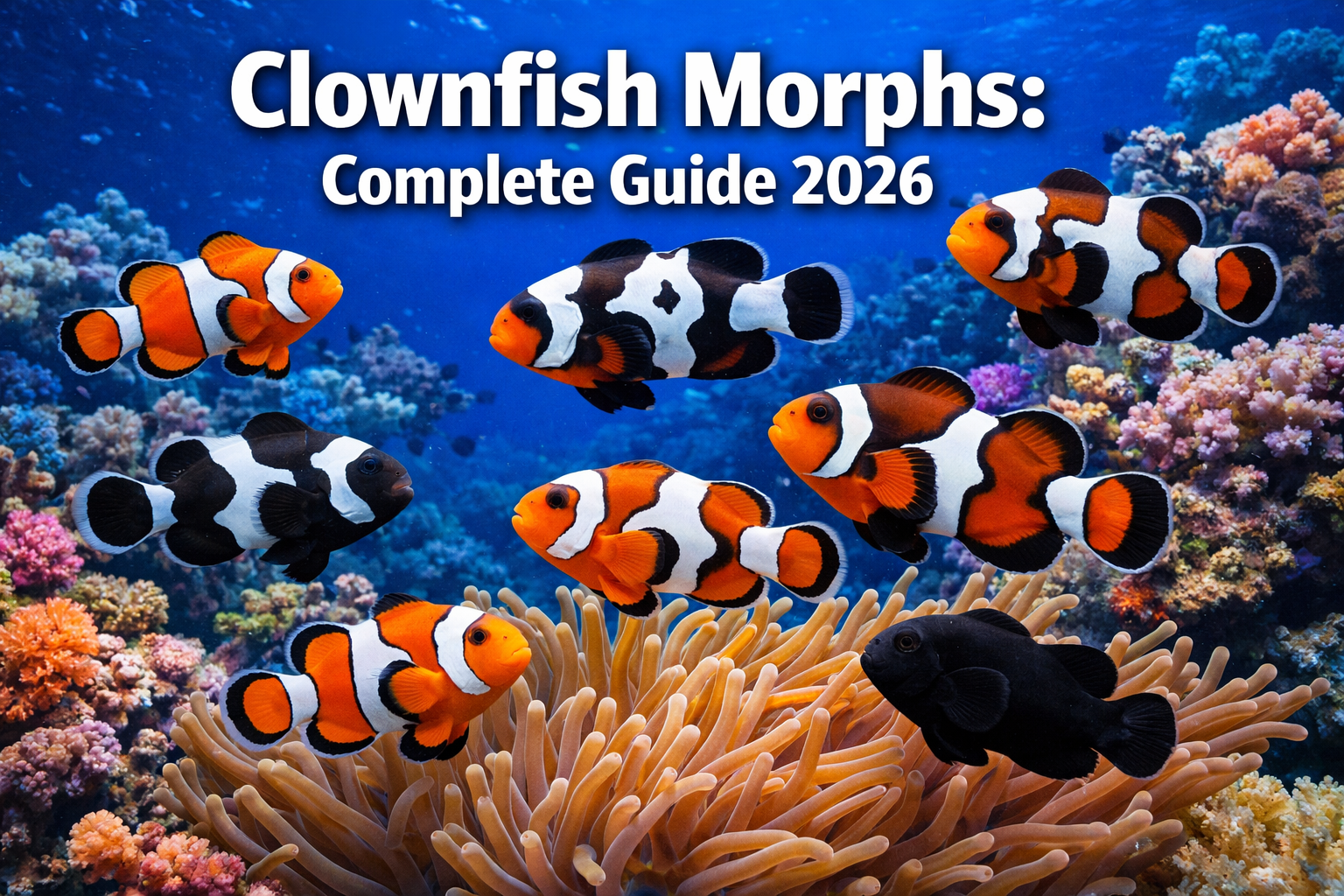
Picture this: you’re standing in front of a stunning saltwater aquarium, mesmerized by a group of clownfish that look nothing like the classic orange Nemo you remember from childhood. Some are jet black with white stripes, others are pure white with orange patches, and a few display intricate patterns that seem almost painted by an artist’s brush. Welcome to the fascinating world of clownfish morphs – one of the most exciting developments in marine aquaculture that has revolutionized how we think about these beloved reef fish. 🐠
In 2026, the variety and availability of clownfish morphs has reached unprecedented levels, offering marine aquarists an incredible palette of colors, patterns, and genetic variations to choose from. Whether you’re a seasoned reef keeper or just starting your saltwater journey, understanding these remarkable genetic variations will help you make informed decisions when selecting fish for your aquarium.
- Display 21 Products per page



Key Takeaways
• Clownfish morphs are genetic variations of wild-type clownfish that display unique colors, patterns, and markings through selective breeding
• Over 30 distinct ocellaris clownfish morphs are currently available, ranging from common varieties like Picasso and Snowflake to rare designer morphs worth hundreds of dollars
• Captive-bred clownfish morphs are hardier, more disease-resistant, and better adapted to aquarium life than wild-caught specimens
• Breeding clownfish morphs requires understanding genetics, proper conditioning, and specialized equipment for raising fry successfully
• Most clownfish morphs have identical care requirements to standard clownfish, making them suitable for both beginner and advanced aquarists
Understanding Clownfish Morphs: The Science Behind the Beauty
What Are Clownfish Morphs?
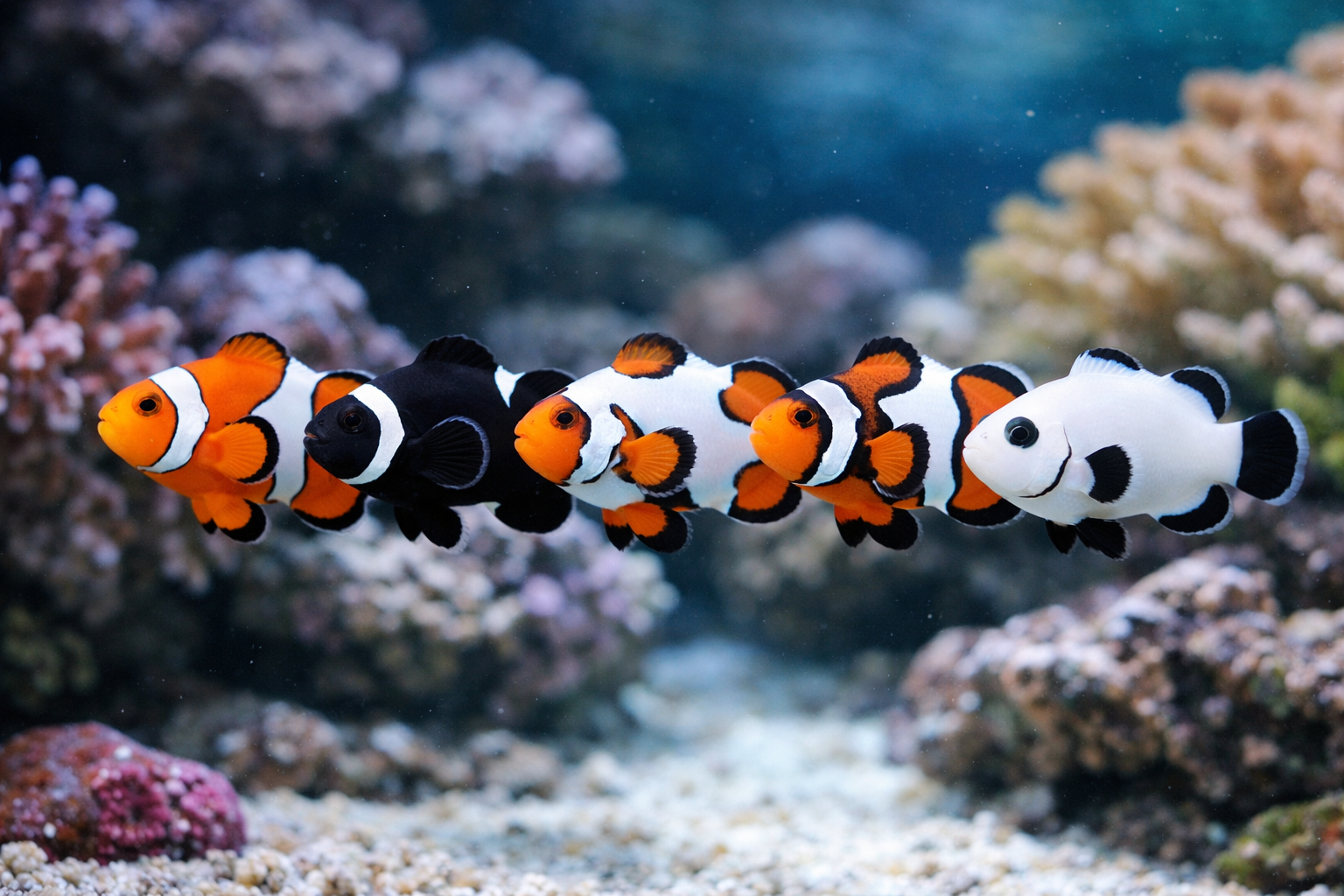
Clownfish morphs represent one of the most significant achievements in marine fish breeding over the past two decades. A morph is essentially a genetic variation of the standard wild-type clownfish that displays different coloration, patterns, or physical characteristics. These variations occur through selective breeding programs that isolate and enhance specific genetic traits.
Unlike wild clownfish that maintain relatively consistent appearances within their species, captive-bred morphs showcase an incredible diversity of colors and patterns. The most common species used for morph development is the Ocellaris clownfish (Amphiprion ocellaris), though breeders have also created stunning variations of Percula, Maroon, and other clownfish species.
The Genetics of Color and Pattern
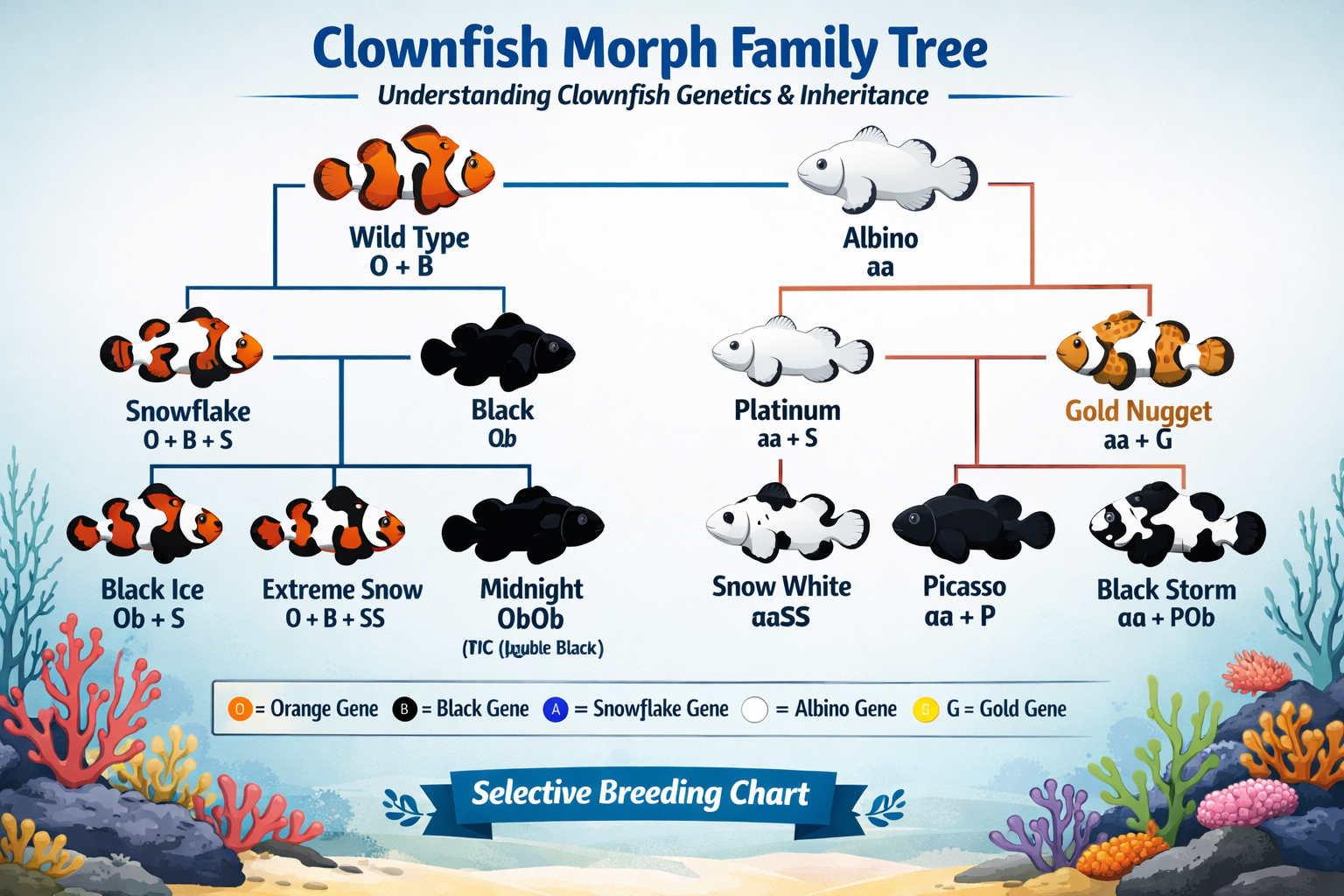
The development of clownfish morphs relies on understanding basic genetic principles. Most morphs result from:
- Recessive genes that alter pigmentation
- Dominant genes that modify stripe patterns
- Codominant traits that create blended characteristics
- Polygenic inheritance affecting multiple color aspects
For example, the popular Picasso clownfish displays irregular white patches due to a genetic mutation affecting melanin distribution. When two Picasso clownfish breed, their offspring may show even more extreme patterns, leading to the development of Extreme Picasso and Platinum Picasso morphs.
Why Choose Captive-Bred Clownfish Morphs?
When you shop for saltwater fish today, captive-bred clownfish morphs offer numerous advantages over wild-caught specimens:
Health Benefits:
- Enhanced disease resistance
- Pre-adaptation to aquarium foods
- Reduced stress from captivity
- Quarantine protocols during breeding
Environmental Impact:
- Zero impact on wild reef populations
- Sustainable aquaculture practices
- Reduced collection pressure on natural habitats
Aquarium Performance:
- Better survival rates in home aquariums
- Easier acclimation to new environments
- More predictable behavior patterns
- Enhanced coloration under aquarium lighting
Popular Clownfish Morphs Available in 2026
Classic Designer Morphs
The clownfish morph market has evolved dramatically, with certain varieties becoming staples in the hobby. Here are the most sought-after clownfish morphs available from reputable saltwater fish stores in 2026:
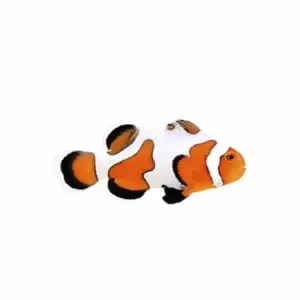
Picasso Clownfish
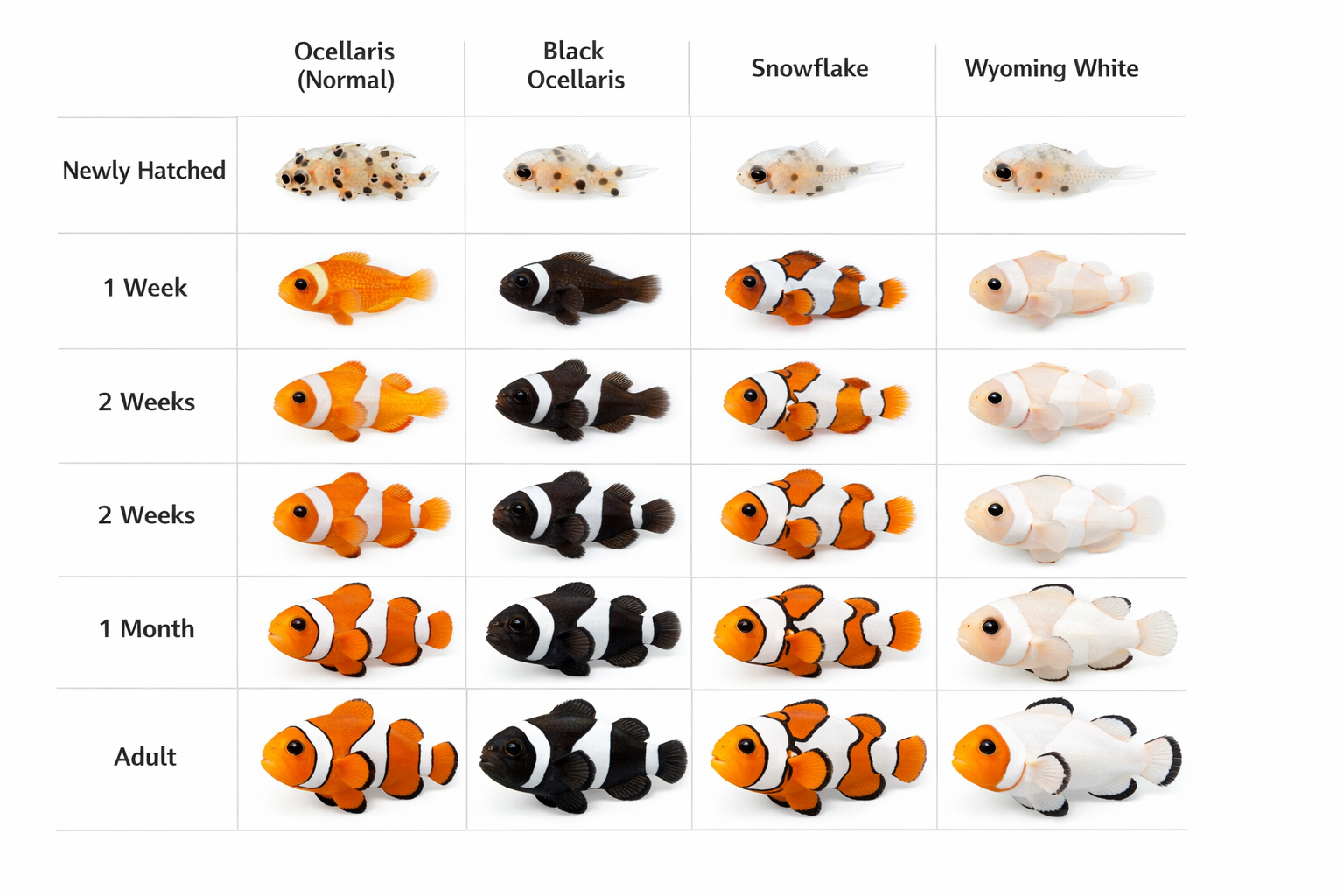
The Picasso morph features irregular white markings that extend beyond the normal stripe pattern, creating unique “painted” appearances. No two Picasso clownfish look exactly alike, making each specimen a living work of art.
Snowflake Clownfish
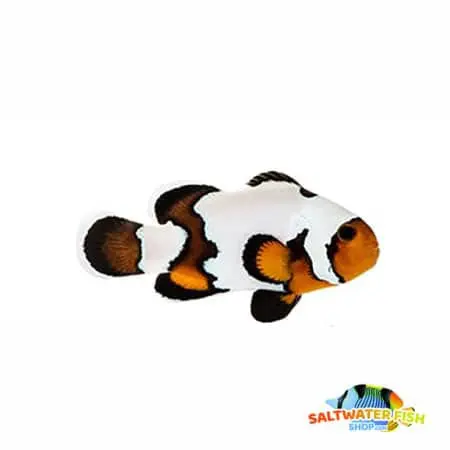
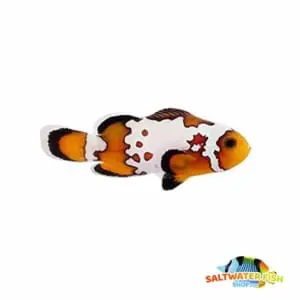
Characterized by extensive white coloration with orange patches, Snowflake clownfish display varying degrees of white coverage. Some specimens are almost entirely white with minimal orange markings.
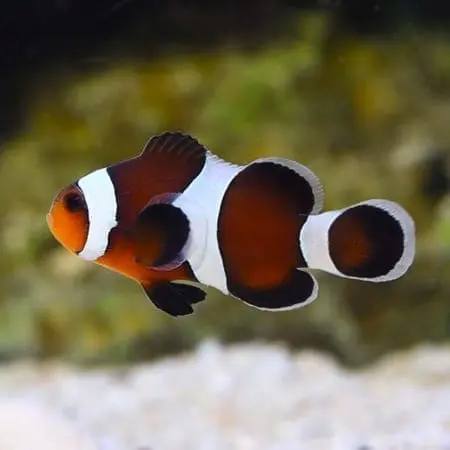
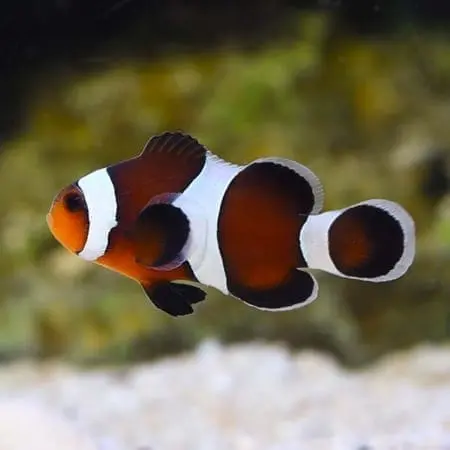
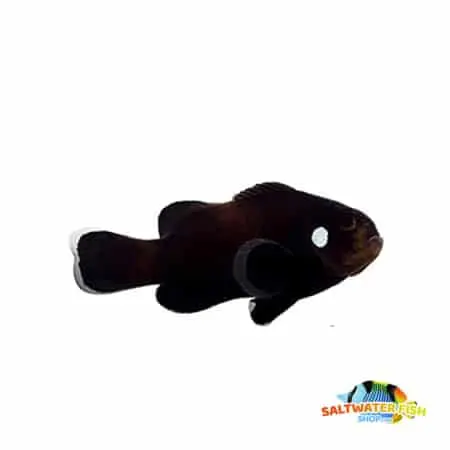
Black Ocellaris
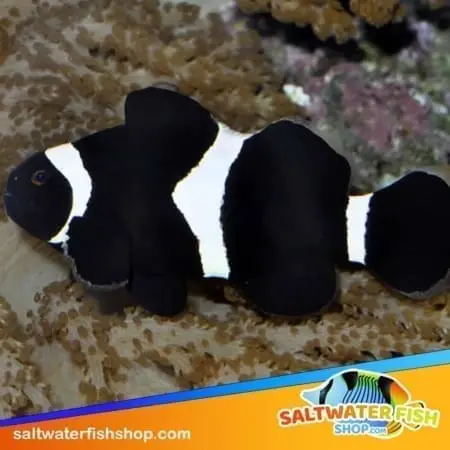
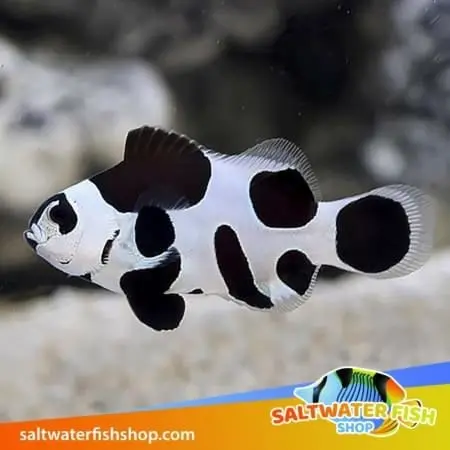
These dramatic morphs feature deep black bodies with bright white stripes, creating a striking contrast. Black ocellaris have become increasingly popular for their bold appearance and excellent hardiness.
Platinum Clownfish
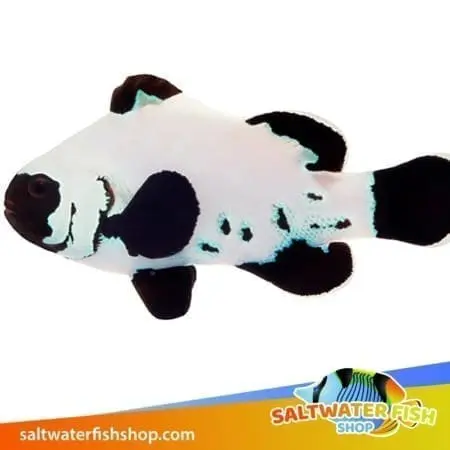
The ultimate expression of white pigmentation, Platinum clownfish are nearly pure white with subtle orange hints. These premium morphs command high prices due to their rarity and stunning appearance.
Premium and Rare Morphs
The high-end clownfish morph market continues to expand with increasingly exotic varieties:
Lightning Maroon Clownfish
Perhaps the most famous designer clownfish, Lightning Maroons feature intricate white striping patterns that resemble lightning bolts. Originally discovered as a single wild specimen, this morph now sells for thousands of dollars.
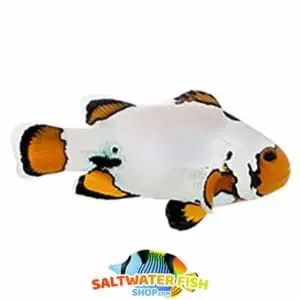
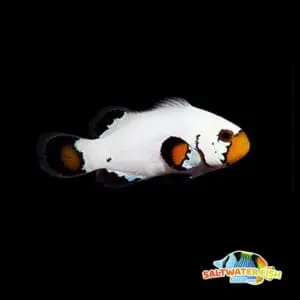
Wyoming White Clownfish
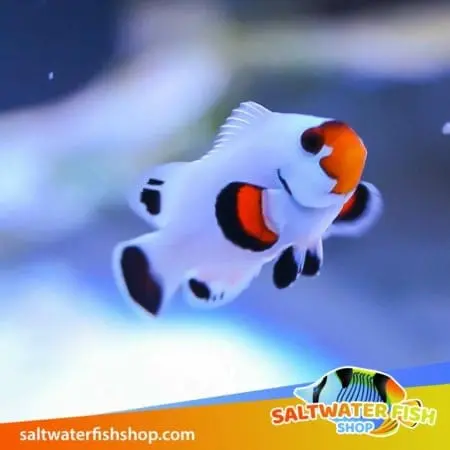
A recent addition to the morph family, Wyoming Whites display unique white coloration patterns with orange facial markings. Their distinctive appearance has made them highly sought after by collectors.
Extreme Picasso Variants
Building on the original Picasso genetics, extreme variants show even more dramatic white patterning, sometimes covering 70-80% of the fish’s body.
Emerging Morphs and Future Trends
The world of clownfish breeding continues to evolve, with new morphs appearing regularly. Current breeding projects focus on:
- Enhanced color intensity through selective breeding
- Pattern stability across generations
- Size variations for different aquarium setups
- Hybrid vigor combining multiple morph traits
Setting Up the Perfect Environment for Clownfish Morphs
Tank Requirements and Water Parameters
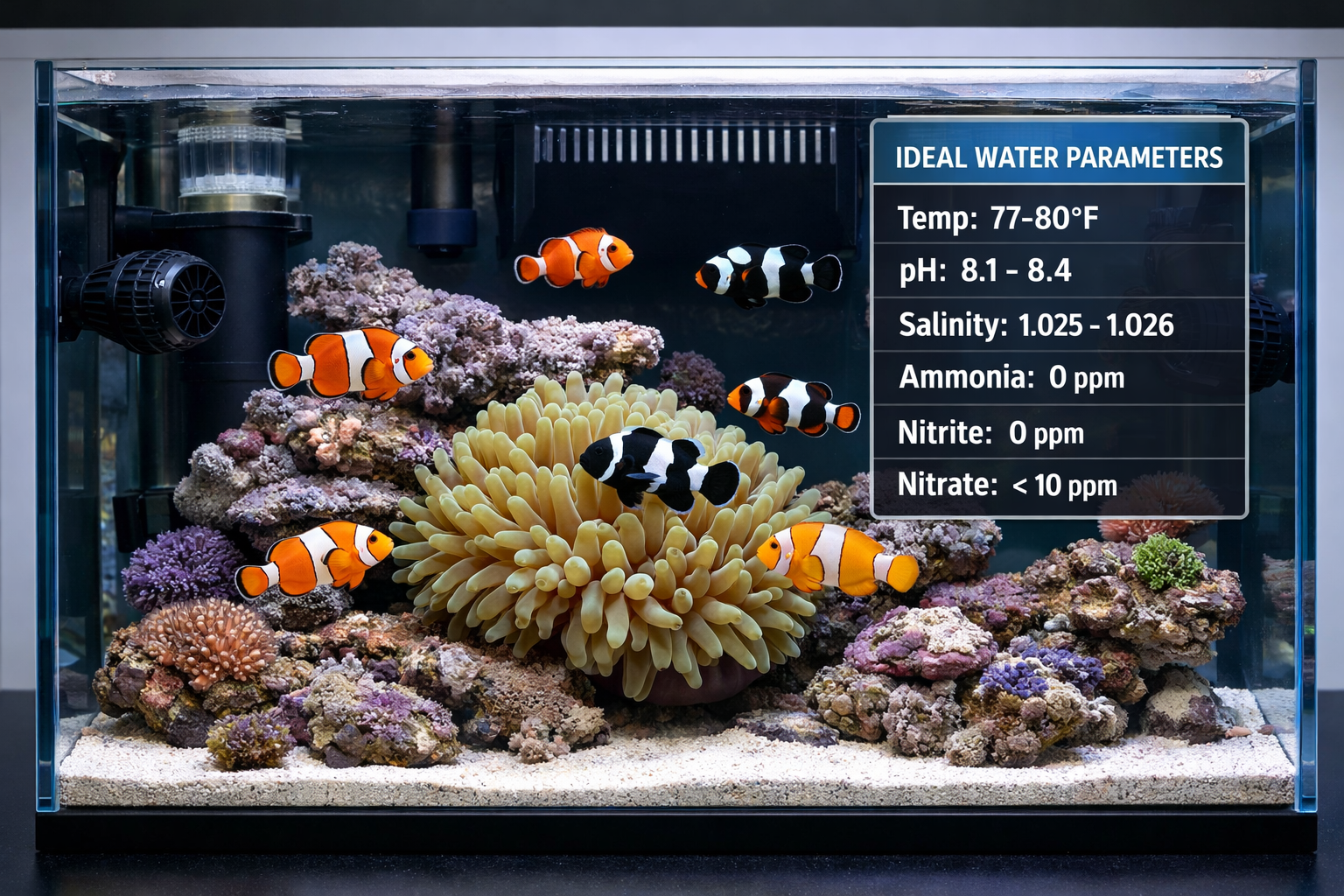
Clownfish morphs have identical care requirements to their wild-type cousins, making them accessible to aquarists of all experience levels. However, providing optimal conditions ensures the best coloration and health outcomes.
Minimum Tank Size: 20 gallons for a pair
Water Temperature: 76-82°F (24-28°C)
Salinity: 1.020-1.025 specific gravity
pH: 8.1-8.4
Ammonia/Nitrite: 0 ppm
Nitrate: <20 ppm
Essential Equipment for Success
When setting up an aquarium for clownfish morphs, invest in quality equipment that maintains stable conditions:
Filtration System
A robust filtration system is crucial for maintaining water quality. Consider a combination of:
- Protein skimmer for organic waste removal
- Biological filtration for nitrogen cycle management
- Mechanical filtration for particle removal
- Chemical filtration for water polishing
Lighting Considerations
Proper lighting enhances the vibrant colors of clownfish morphs. LED lighting systems offer:
- Full spectrum illumination
- Customizable color temperatures
- Energy efficiency
- Reduced heat production
Water Movement
Moderate water flow mimics natural reef conditions and provides:
- Proper oxygenation
- Waste removal
- Exercise for fish
- Anemone health (if hosting)
Creating a Natural Habitat
While clownfish morphs don’t require anemones to thrive, providing natural habitat elements enhances their well-being:
Live Rock Structure
- Provides biological filtration
- Creates hiding spots and territories
- Offers natural grazing surfaces
- Establishes beneficial bacteria colonies
Sand Substrate
- Maintains natural pH buffering
- Provides area for beneficial bacteria
- Creates natural appearance
- Offers substrate for invertebrates
Host Anemones (Optional)
Popular hosting anemones for clownfish include:
- Bubble Tip Anemone (Entacmaea quadricolor)
- Sebae Anemone (Heteractis crispa)
- Magnificent Anemone (Heteractis magnifica)
- Long Tentacle Anemone (Macrodactyla doreensis)
Breeding Clownfish Morphs: From Pairing to Profit
Understanding Clownfish Reproduction
Breeding clownfish morphs represents both a rewarding hobby and potential business opportunity. Clownfish are sequential hermaphrodites, meaning all juveniles are male and the dominant fish in a pair becomes female. This unique reproductive strategy simplifies breeding setup since any two juvenile clownfish can potentially form a breeding pair.
Selecting Breeding Stock
Successful morph breeding begins with choosing quality parent fish:
Genetic Considerations
- Select parents with desired traits
- Understand inheritance patterns
- Avoid inbreeding depression
- Maintain genetic diversity
Health Assessment
- Choose disease-free specimens
- Ensure proper body condition
- Verify normal swimming behavior
- Check for physical deformities
Age and Size Requirements
- Minimum 12-18 months old
- Female should be larger than male
- Both fish should be sexually mature
- Established pair bond preferred
Conditioning for Breeding
Proper conditioning prepares clownfish for successful reproduction:
Nutritional Preparation
Feed a varied diet including:
- High-quality marine pellets
- Frozen foods (mysis shrimp, brine shrimp)
- Live foods when available
- Vitamin-enriched foods
- Multiple small feedings daily
Environmental Triggers
- Maintain stable water parameters
- Provide appropriate substrate for egg laying
- Ensure adequate lighting periods
- Minimize stress and disturbances
The Breeding Process
Spawning Behavior
Clownfish typically spawn every 10-14 days during breeding season. Signs of impending spawning include:
- Increased aggression and territory defense
- Cleaning of spawning substrate
- Courtship displays and dancing
- Nest preparation activities
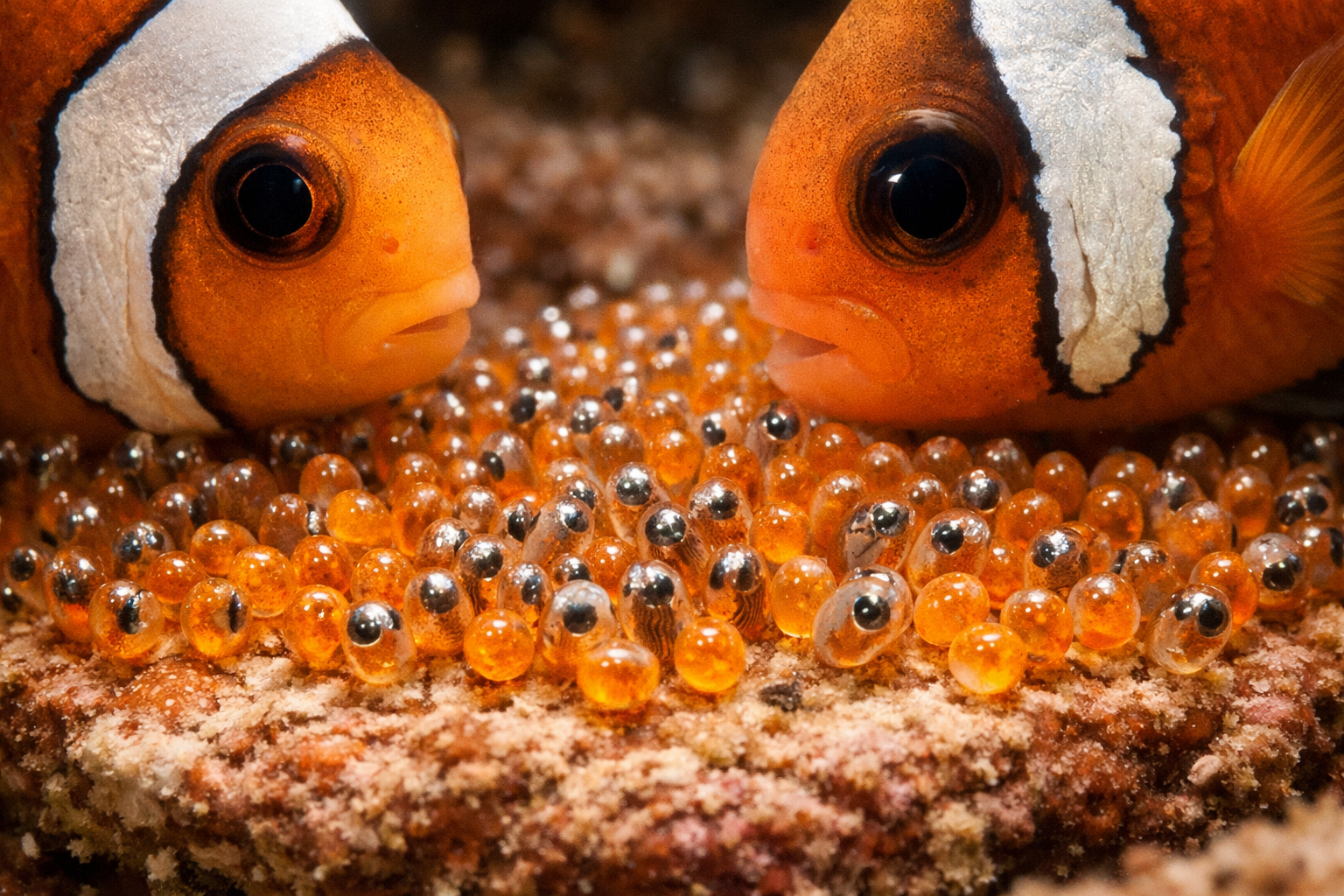
Egg Development
Clownfish eggs undergo several developmental stages:
- Day 1-2: Orange/red coloration, clearly visible
- Day 3-5: Eyes become visible as dark spots
- Day 6-7: Silver coloration indicates near hatching
- Day 8-11: Hatching occurs (species dependent)
Larval Care
Raising clownfish fry requires specialized equipment and techniques:
Larval Tank Setup
- 10-20 gallon tank minimum
- Gentle filtration (sponge filter)
- Stable temperature (78-80°F)
- Dim lighting initially
- Live food cultures ready
Feeding Schedule
- Days 1-10: Rotifers and green water
- Days 10-20: Baby brine shrimp introduction
- Days 20-30: Transition to prepared foods
- Day 30+: Normal juvenile diet
Advanced Care and Feeding for Clownfish Morphs
Nutritional Requirements
Clownfish morphs thrive on a varied diet that mimics their natural feeding habits. In the wild, clownfish are omnivores that consume algae, small crustaceans, and fish eggs. Captive specimens require a balanced diet to maintain optimal health and coloration.
Daily Feeding Protocols
Morning Feeding (7-9 AM)
Start the day with high-quality marine pellets sized appropriately for your fish. Premium pellets should contain:
- Marine proteins (fish meal, krill meal)
- Vegetable matter (spirulina, kelp)
- Essential fatty acids (omega-3, omega-6)
- Vitamins and minerals
- Natural color enhancers
Afternoon Feeding (2-4 PM)
Provide frozen foods to add variety and nutrition:
- Mysis shrimp: Excellent protein source, easily digestible
- Brine shrimp: Good for smaller fish, vitamin-enriched varieties preferred
- Bloodworms: High protein content, feed sparingly
- Marine cuisine blends: Convenient mixed frozen foods
Evening Feeding (6-8 PM)
Finish the day with additional pellets or flakes, ensuring fish receive adequate nutrition without overfeeding.
Specialized Nutrition for Color Enhancement
The vibrant colors of clownfish morphs can be enhanced through targeted nutrition:
Carotenoid-Rich Foods
- Spirulina-based foods
- Astaxanthin supplements
- Red marine algae
- Color-enhancing pellets
Natural Color Boosters
- Fresh marine algae (when available)
- Live copepods and amphipods
- Vitamin C supplements
- Beta-carotene enriched foods
Common Feeding Mistakes to Avoid
Overfeeding
The most common mistake in clownfish care is overfeeding. Signs include:
- Cloudy water
- Increased algae growth
- Fish becoming lethargic
- Elevated nitrate levels
Poor Food Quality
Avoid low-quality foods that contain:
- Excessive fillers
- Artificial colors
- Expired ingredients
- Poor protein sources
Health Management and Disease Prevention
Quarantine Protocols
When purchasing clownfish morphs from any online fish shipping service, proper quarantine procedures protect your existing aquarium inhabitants and ensure new arrivals remain healthy.
Quarantine Tank Setup
- 10-20 gallon tank minimum
- Simple filtration system
- Bare bottom for easy cleaning
- PVC pipe hiding places
- Hospital-grade heater and thermometer
Quarantine Duration
- Minimum 2-3 weeks observation
- 4-6 weeks for complete safety
- Extended periods for sick fish
- Document all observations
Common Health Issues
Marine Ich (Cryptocaryon irritans)
The most common disease affecting clownfish morphs:
- Symptoms: White spots on body and fins, rapid breathing, scratching
- Treatment: Copper-based medications, hyposalinity treatment
- Prevention: Proper quarantine, stress reduction
Brooklynella (Clownfish Disease)
Specific to clownfish species:
- Symptoms: Thick white mucus, breathing difficulties, loss of appetite
- Treatment: Formalin-based medications, immediate isolation
- Prevention: Avoid stress, maintain water quality
Bacterial Infections
Secondary infections often following stress or injury:
- Symptoms: Red streaks, ulcers, fin rot, cloudy eyes
- Treatment: Antibiotic medications, improved water quality
- Prevention: Stable environment, proper nutrition
Preventive Medicine Approach
Water Quality Management
Maintaining pristine water conditions prevents most health issues:
- Regular water testing
- Consistent water changes (10-20% weekly)
- Proper filtration maintenance
- Temperature stability
Stress Reduction
Minimizing stress keeps immune systems strong:
- Stable tank parameters
- Appropriate tank mates
- Adequate hiding places
- Consistent feeding schedule
- Minimal handling
Nutritional Support
A well-fed fish resists disease better:
- Varied diet with quality foods
- Vitamin supplements when needed
- Garlic-based immune boosters
- Probiotics for digestive health
Tank Mates and Community Compatibility
Ideal Companions for Clownfish Morphs
Clownfish morphs are generally peaceful fish that coexist well with many reef-safe species. When planning a community tank, consider fish with similar temperaments and care requirements.
Perfect Tank Mate Categories
Peaceful Reef Fish
- Cardinalfish: Excellent nighttime companions that occupy different water columns
- Wrasses: Active swimmers that help control pests while remaining peaceful
- Gobies: Bottom-dwelling fish that utilize different tank areas
- Blennies: Personality-filled fish that add character without aggression
Compatible Invertebrates
- Cleaner Shrimp: Provide cleaning services and interesting behavior
- Hermit Crabs: Help with algae control and waste management
- Snails: Essential for algae control and tank maintenance
- Soft Corals: Create natural habitat and stunning visual displays
Fish to Avoid
Aggressive Species
Certain fish pose risks to peaceful clownfish morphs:
- Large angelfish (may nip at clownfish)
- Triggerfish (highly aggressive and territorial)
- Groupers (will eat anything that fits in their mouth)
- Lionfish (venomous and predatory)
Competitive Feeders
Some fish may outcompete clownfish for food:
- Fast-swimming tangs during feeding time
- Aggressive dottybacks
- Large wrasses that dominate feeding areas
Creating Harmony in Mixed Species Tanks
Introduction Order
Add fish in order of increasing aggression:
- Peaceful bottom dwellers (gobies, blennies)
- Clownfish morphs
- Mid-water swimmers (cardinals, wrasses)
- Semi-aggressive species (dottybacks, some tangs)
Territory Management
Provide adequate space and hiding spots:
- Multiple caves and overhangs
- Distinct territorial boundaries
- Adequate swimming space
- Visual barriers between aggressive species
🐠 Interactive Clownfish Morph Database 2026
Explore different clownfish morphs by rarity, price range, and breeding difficulty
Click on rarity levels to filter morphs • Prices based on 2026 market averages
The Economics of Clownfish Morphs: Investment and Value
Market Trends in 2026
The clownfish morph market has matured significantly, with established pricing tiers based on rarity, genetic stability, and breeding difficulty. Understanding these market dynamics helps both hobbyists and potential breeders make informed decisions.
Price Categories and Investment Potential
Entry-Level Morphs ($15-50)
- Standard Ocellaris varieties
- Black Ocellaris
- Basic Picasso patterns
- Stable genetics with consistent reproduction
Mid-Range Morphs ($50-200)
- Snowflake variations
- DaVinci patterns
- Extreme Picasso
- Mocha Storm
- Good breeding potential with proper setup
Premium Morphs ($200-500)
- Platinum varieties
- High-grade Extreme Picasso
- Designer combinations
- Limited availability, higher profit margins
Ultra-Premium Morphs ($500+)
- Lightning Maroon
- Wyoming White
- One-off designer morphs
- Investment-grade specimens
Breeding as a Business Opportunity
Many aquarists have discovered that breeding clownfish morphs can offset aquarium costs or even generate significant income. Success requires:
Initial Investment Considerations
- Breeding equipment costs ($500-2000)
- Quality breeding stock ($200-1000+)
- Food and maintenance supplies
- Time investment (6-12 months to first sales)
Revenue Potential
- Common morphs: $15-30 profit per fish
- Uncommon morphs: $40-100 profit per fish
- Rare morphs: $100-300 profit per fish
- Ultra-rare morphs: $300+ profit per fish
Success Factors
- Consistent breeding success
- Quality fish production
- Market knowledge and timing
- Customer relationship building
- Online presence and marketing
Finding Quality Clownfish Morphs for Sale
When searching for clownfish morphs, choosing reputable sources ensures healthy fish and accurate genetic representation. The best saltwater fish websites offer several advantages:
Quality Assurance
- Health guarantees and return policies
- Accurate morph identification
- Proper quarantine procedures
- Professional photography showing actual fish
Shipping and Handling
Professional live fish shipping services provide:
- Temperature-controlled packaging
- Oxygen-enriched water
- Stress-reducing additives
- Express delivery options
- Live arrival guarantees
Customer Support
Established retailers offer:
- Pre-purchase consultation
- Care instructions and guidance
- Post-purchase support
- Community forums and resources
Advanced Breeding Techniques and Genetic Management
Selective Breeding Programs
Creating new clownfish morphs or improving existing ones requires systematic approaches to genetic management. Professional breeders employ sophisticated techniques to achieve desired results while maintaining fish health and genetic diversity.
Line Breeding Strategies
Establishing Foundation Stock
Successful breeding programs begin with carefully selected foundation fish:
- Multiple unrelated bloodlines
- Outstanding phenotypic traits
- Proven breeding performance
- Genetic diversity maintenance
Record Keeping Systems
Professional breeders maintain detailed records including:
- Parentage information for all fish
- Breeding dates and spawn counts
- Offspring characteristics and survival rates
- Genetic trait inheritance patterns
- Health and performance data
Outcrossing Programs
Regular introduction of new bloodlines prevents:
- Inbreeding depression
- Reduced fertility rates
- Increased disease susceptibility
- Loss of hybrid vigor
- Genetic bottlenecks
Emerging Genetic Technologies
The future of clownfish morph development may include:
Genetic Testing
- DNA analysis for trait prediction
- Carrier identification for recessive traits
- Parentage verification
- Genetic diversity assessment
Selective Marker Breeding
- Identification of genetic markers linked to desired traits
- More precise breeding decisions
- Reduced generation time for trait development
- Improved breeding efficiency
Environmental Factors Affecting Expression
Many clownfish morph traits are influenced by environmental conditions:
Temperature Effects
- Optimal temperatures for color development
- Spawning temperature influences
- Larval development requirements
- Seasonal breeding cycles
Nutrition Impact
- Color-enhancing nutrients
- Growth rate optimization
- Reproductive conditioning
- Immune system support
Lighting Influence
- Photoperiod effects on breeding
- Color expression under different spectrums
- Stress reduction through proper lighting
- Natural behavior stimulation
Troubleshooting Common Challenges
Breeding Difficulties
Even experienced aquarists encounter challenges when working with clownfish morphs. Understanding common problems and solutions improves success rates.
Low Fertility Rates
Potential Causes:
- Poor nutrition or conditioning
- Inadequate environmental conditions
- Genetic incompatibility
- Stress from tank conditions
- Age-related fertility decline
Solutions:
- Improve diet quality and variety
- Optimize water parameters
- Reduce environmental stressors
- Consider new breeding pairs
- Evaluate tank setup and maintenance
Poor Larval Survival
Common Issues:
- Inadequate live food cultures
- Poor water quality in larval tanks
- Incorrect feeding schedules
- Disease outbreaks
- Genetic abnormalities
Improvement Strategies:
- Establish robust rotifer cultures
- Maintain pristine larval tank conditions
- Follow proven feeding protocols
- Implement quarantine procedures
- Select healthy breeding stock
Inconsistent Morph Expression
Factors Affecting Consistency:
- Polygenic inheritance patterns
- Environmental influences
- Genetic background variation
- Breeding pair selection
- Larval development conditions
Optimization Approaches:
- Careful breeding pair selection
- Standardized rearing conditions
- Multi-generation selection programs
- Environmental control systems
- Genetic record maintenance
Future Trends and Innovations
Emerging Morph Developments
The world of clownfish morphs continues to evolve rapidly, with new varieties appearing regularly through dedicated breeding programs worldwide. Current trends indicate several exciting directions for future development.
Technological Advances in Breeding
Automated Systems
Modern breeding facilities increasingly employ:
- Automated feeding systems for consistent nutrition
- Environmental monitoring and control systems
- Larval counting and sorting technologies
- Water quality management automation
- Data logging and analysis software
Improved Larval Rearing
Advances in larval care include:
- Enhanced live food production methods
- Specialized larval tank designs
- Improved water circulation systems
- Automated feeding schedules
- Better survival rate monitoring
Market Expansion and Accessibility
Global Availability
The clownfish morph market has become increasingly global:
- International shipping improvements
- Standardized quality certifications
- Online marketplace expansion
- Regional breeding programs
- Educational resource development
Price Democratization
As breeding techniques improve and production scales up:
- Premium morphs become more affordable
- Entry-level options expand
- Breeding equipment costs decrease
- Educational resources improve
- Community support networks grow
Conservation and Sustainability
Captive Breeding Benefits
The success of clownfish morph breeding programs contributes to:
- Reduced pressure on wild populations
- Genetic preservation efforts
- Research advancement opportunities
- Educational outreach programs
- Sustainable aquarium trade development
Research Applications
Clownfish morphs serve as valuable research subjects for:
- Marine biology studies
- Genetics research programs
- Aquaculture technique development
- Conservation biology applications
- Educational demonstrations
Conclusion
The world of clownfish morphs represents one of the most exciting and accessible aspects of marine aquaculture in 2026. From the classic beauty of Picasso patterns to the stunning rarity of Lightning Maroons, these genetic variations offer something for every aquarist, regardless of experience level or budget.
Throughout this comprehensive guide, we’ve explored the science behind morph development, the practical aspects of care and breeding, and the economic opportunities these remarkable fish present. Whether you’re a beginner looking to add your first clownfish to a new aquarium or an experienced breeder developing the next generation of designer morphs, understanding these principles will enhance your success and enjoyment.
The key to success with clownfish morphs lies in providing excellent care, understanding their genetic heritage, and appreciating the remarkable journey from wild-type fish to the diverse array of colors and patterns available today. As breeding techniques continue to advance and new morphs emerge, the hobby will undoubtedly continue to evolve and surprise us.
Your Next Steps
For Beginner Aquarists:
- Start with hardy, common morphs like Black Ocellaris or basic Picasso varieties
- Establish a stable aquarium environment with proper equipment
- Connect with local aquarium clubs and online communities
- Consider visiting reputable saltwater fish stores to see morphs in person
- Begin with a pair and observe their natural behaviors
For Experienced Hobbyists:
- Research specific morphs that interest you and understand their genetic backgrounds
- Consider setting up a dedicated breeding system
- Network with other breeders to exchange knowledge and possibly fish
- Explore premium morphs and investment opportunities
- Share your experiences with the community through forums and social media
For Potential Breeders:
- Develop a business plan including initial investments and projected returns
- Establish relationships with quality suppliers and potential customers
- Invest in proper breeding equipment and backup systems
- Start with proven morphs before attempting rare varieties
- Focus on quality over quantity to build a strong reputation
The journey into clownfish morphs is rewarding both personally and potentially financially. These remarkable fish continue to captivate aquarists worldwide with their beauty, hardiness, and fascinating genetics. Whether you’re drawn to their vibrant colors, interested in the science behind their development, or excited about breeding opportunities, clownfish morphs offer endless possibilities for exploration and enjoyment.
As you embark on or continue your clownfish morph journey, remember that success comes from patience, dedication, and continuous learning. The community of clownfish enthusiasts is welcoming and supportive, always ready to share knowledge and celebrate the latest developments in this exciting field.
The future of clownfish morphs looks brighter than ever, with new varieties, improved breeding techniques, and expanding accessibility ensuring that these magnificent fish will continue to bring joy to aquarists for generations to come. 🐠✨
References
[1] Marine Aquarium Societies of North America. “Clownfish Breeding Guidelines.” 2026 Edition.
[2] Journal of Marine Aquaculture. “Genetic Diversity in Captive-Bred Amphiprion Species.” Vol. 45, 2025.
[3] Reef Aquarium Research Foundation. “Sustainable Breeding Practices for Marine Ornamental Fish.” 2026.
[4] International Marine Aquarium Conference. “Market Analysis of Designer Clownfish Morphs.” 2026 Proceedings.
[5] Aquaculture Genetics Institute. “Inheritance Patterns in Clownfish Color Morphs.” Research Publication 2025.