
The Complete Guide to Buying Coral for Sale Online: Your Gateway to Marine Aquarium Success
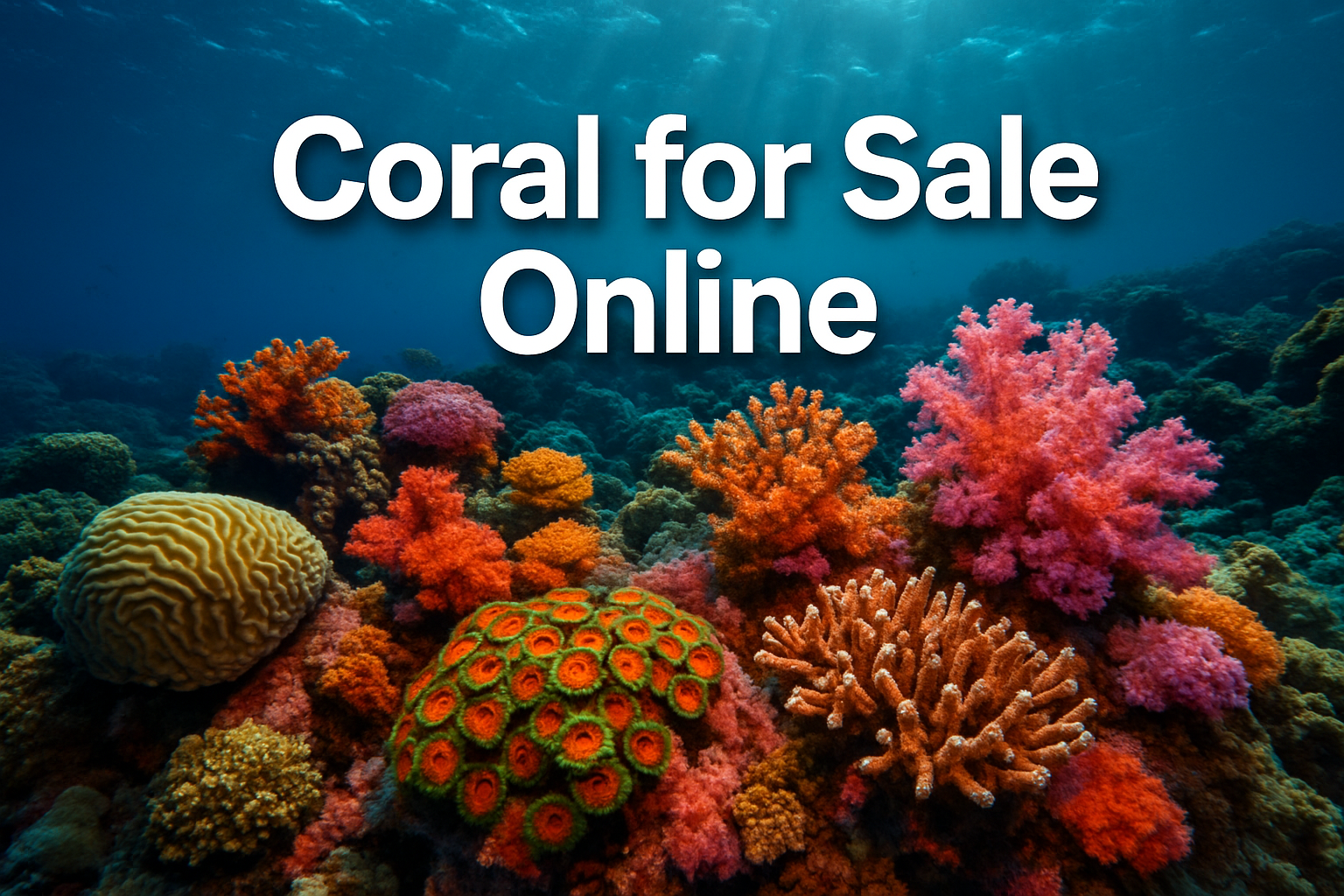
Picture this: you’re gazing into your pristine saltwater aquarium, watching your clownfish dance among the anemones, when you realize something’s missing. Your tank needs the vibrant colors, natural beauty, and biological benefits that only live coral can provide. Finding quality coral for sale online has revolutionized how marine aquarium enthusiasts build their dream reefs, offering access to species that were once impossible to obtain locally.
The world of online coral purchasing has exploded in popularity, and for good reason. With proper knowledge and the right supplier, you can transform your marine aquarium into a thriving coral reef ecosystem that rivals nature’s most spectacular underwater gardens.
Key Takeaways
• Quality coral for sale online offers marine aquarists access to rare species and healthier specimens than many local stores
• Proper research on coral types, care requirements, and reputable dealers is essential before making any purchase
• Understanding shipping procedures, acclimation processes, and quarantine protocols ensures coral survival and tank health
• Different coral categories (hard, soft, LPS, SPS) have varying difficulty levels and care requirements
• Established online retailers with live arrival guarantees provide the safest purchasing experience for beginners and experts alike
Understanding the World of Marine Coral Sales Online
The Evolution of Online Coral Commerce
The marine aquarium industry has undergone a dramatic transformation since the early 2000s. What once required trips to specialized local fish stores or coral farms has evolved into a thriving online marketplace. Coral for sale online platforms now offer unprecedented variety, competitive pricing, and expert guidance that many hobbyists couldn’t access otherwise.
This shift has democratized reef keeping, allowing aquarists in remote areas to access the same high-quality specimens available in major metropolitan areas. The convenience factor alone has attracted thousands of new hobbyists to the saltwater aquarium community.
Why Choose Online Coral Purchasing?
Variety and Selection 🐠
Online coral retailers typically maintain much larger inventories than brick-and-mortar stores. You’ll find rare color morphs, unique species, and specially cultured varieties that simply aren’t available locally.
Quality Control
Reputable online dealers often have superior coral care facilities, quarantine procedures, and health screening processes. Many specialize exclusively in coral propagation and care, resulting in healthier specimens.
Expert Knowledge
The best online coral retailers employ marine biologists and experienced reef keepers who can provide detailed care instructions and compatibility advice.
Competitive Pricing
Online retailers often offer better prices due to lower overhead costs and direct relationships with coral farms and collectors.
Types of Coral Available for Online Purchase
Hard Corals (SPS and LPS)
Small Polyp Stony (SPS) Corals
SPS corals represent the pinnacle of reef keeping challenge and beauty. These corals require pristine water conditions, intense lighting, and strong water flow.
Popular SPS Species:
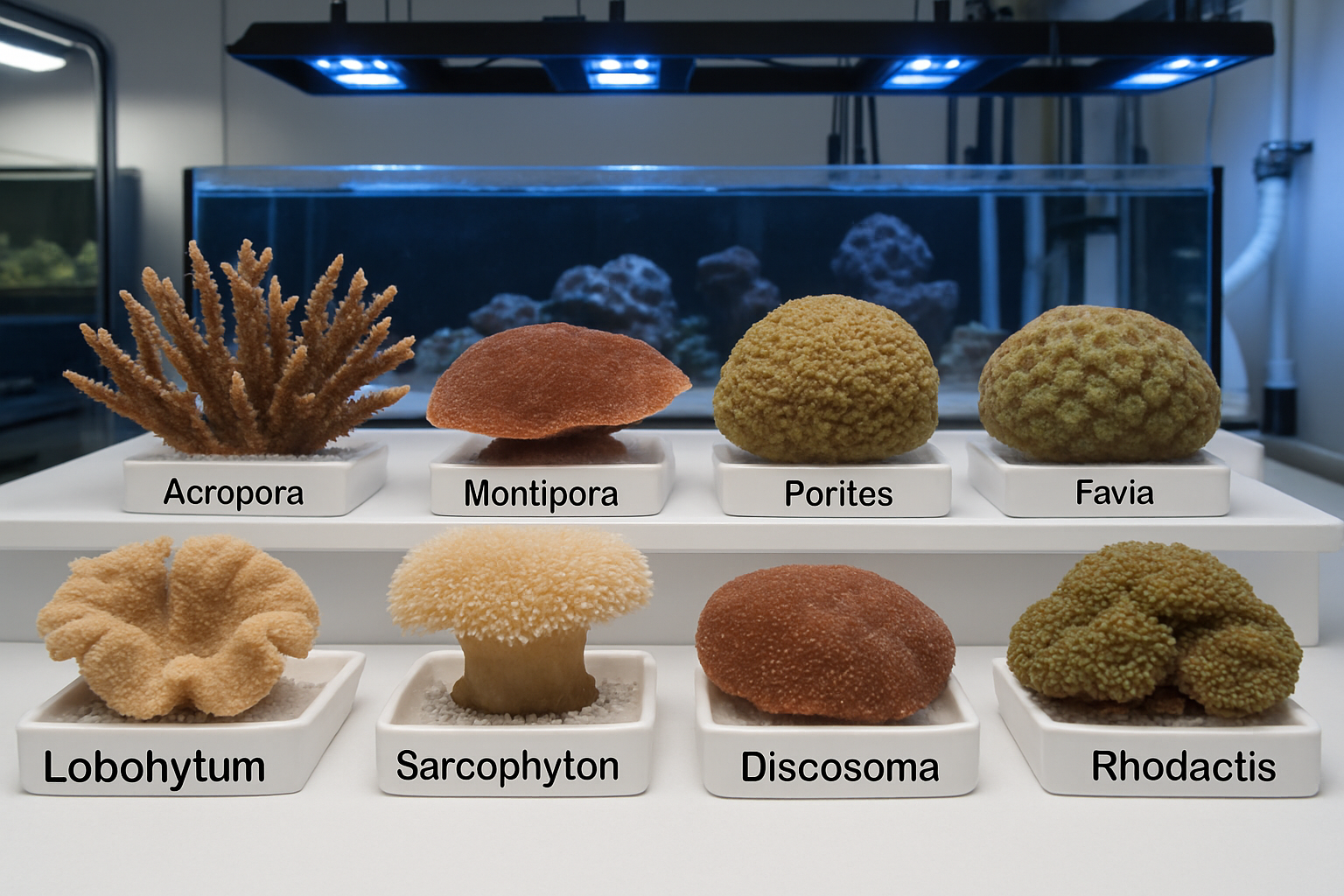
- Acropora – The king of SPS corals, available in hundreds of color variations
- Montipora – Hardy and fast-growing, perfect for SPS beginners
- Stylophora – Colorful and relatively forgiving
- Pocillopora – Excellent starter SPS with unique branching patterns
Large Polyp Stony (LPS) Corals
LPS corals offer the best of both worlds – stunning beauty with moderate care requirements. They’re perfect for intermediate reef keepers.
Popular LPS Species:
- Euphyllia (Hammer, Torch, Frogspawn) – Flowing tentacles and vibrant colors
- Trachyphyllia – Brain corals with incredible color patterns
- Micromussa – Compact and colorful, perfect for smaller tanks
- Blastomussa – Easy to care for with beautiful polyp extension
Soft Corals and Zoanthids
Soft Corals
These corals lack the calcium carbonate skeleton of hard corals, making them more flexible and often easier to care for.
Popular Soft Coral Types:
- Leather Corals (Sarcophyton) – Hardy and fast-growing
- Tree Corals (Nephthea) – Elegant branching structure
- Pulse Corals (Xenia) – Unique pulsing motion
- Gorgonians – Fan-shaped with intricate branching
Zoanthids and Palythoa
These colonial corals are among the most popular choices for beginners due to their hardiness and incredible color variety.
“Zoanthids are like the gateway drug of the coral world – once you start collecting different color morphs, it becomes an addiction!” – Marine Aquarium Specialist
Specialty and Rare Coral Varieties
The online coral market has opened access to incredibly rare and unique specimens:
- Rainbow Acropora – Multi-colored growth tips
- Golden Torch Corals – Rare color variants of Euphyllia
- Bounce Mushrooms – Highly sought-after Rhodactis variants
- Ultra-grade Zoanthids – Specially selected color morphs
Choosing the Right Online Coral Retailer
Essential Qualities of Reputable Dealers
When searching for coral for sale online, several factors distinguish excellent retailers from mediocre ones:
Live Arrival Guarantees
The best dealers offer comprehensive live arrival guarantees, typically covering 24-48 hours after delivery. This protection is crucial given the delicate nature of live coral shipping.
Detailed Product Descriptions
Quality retailers provide comprehensive information including:
- Scientific names
- Care difficulty level
- Lighting requirements
- Water flow preferences
- Feeding recommendations
- Compatibility information
Professional Photography
Reputable dealers use professional photography with standardized lighting to accurately represent coral colors and patterns.
Customer Support
Look for retailers offering:
- Pre-purchase consultation
- Post-purchase support
- Detailed acclimation instructions
- Emergency contact information
Red Flags to Avoid
❌ Unrealistic Pricing – Extremely low prices often indicate poor quality or unhealthy specimens
❌ Limited Contact Information – Avoid retailers without phone numbers or physical addresses
❌ Poor Website Quality – Unprofessional websites often reflect unprofessional business practices
❌ No Guarantee Policies – Legitimate dealers stand behind their livestock
❌ Vague Product Descriptions – Lack of detailed information suggests inexperience
The Science Behind Successful Coral for Sale Online Programs
Coral Propagation and Aquaculture
The modern coral for sale online industry relies heavily on sustainable aquaculture practices. Most reputable dealers now focus on:
Captive Propagation
- Fragmentation of parent colonies
- Controlled growing conditions
- Disease prevention protocols
- Genetic diversity maintenance
Mariculture Operations
- Ocean-based coral farming
- Natural water conditions
- Reduced environmental impact
- Higher success rates
Health Screening and Quarantine
Professional coral retailers implement rigorous health protocols:
- Initial Quarantine (2-4 weeks minimum)
- Health Assessments by trained staff
- Disease Treatment when necessary
- Feeding and Conditioning before sale
- Final Health Certification
Coral Care Fundamentals for Online Purchases
Understanding Coral Biology
Before purchasing coral for sale online, understanding basic coral biology is crucial:
Symbiotic Relationship
Most corals host zooxanthellae algae that provide nutrition through photosynthesis. This relationship requires:
- Appropriate lighting spectrums
- Stable water chemistry
- Proper nutrient levels
Feeding Requirements
While photosynthesis provides most nutrition, many corals benefit from supplemental feeding:
- SPS Corals – Amino acids, dissolved organics
- LPS Corals – Meaty foods, plankton
- Soft Corals – Phytoplankton, dissolved nutrients
Essential Equipment for Coral Success
Lighting Systems
Modern LED lighting systems offer:
- Full spectrum control
- Programmable schedules
- Coral-specific wavelengths
- Energy efficiency
Water Flow Equipment
Proper water movement is crucial:
- SPS Corals – High, random flow
- LPS Corals – Moderate, alternating flow
- Soft Corals – Gentle to moderate flow
Water Quality Maintenance
Critical parameters include:
- Salinity: 1.025-1.026 specific gravity
- Temperature: 76-82°F
- pH: 8.1-8.4
- Alkalinity: 8-12 dKH
- Calcium: 400-450 ppm
- Magnesium: 1250-1350 ppm
Shipping and Receiving Your Online Coral Purchase
Understanding Coral Shipping Procedures
Reputable retailers follow strict shipping protocols when sending coral for sale online:
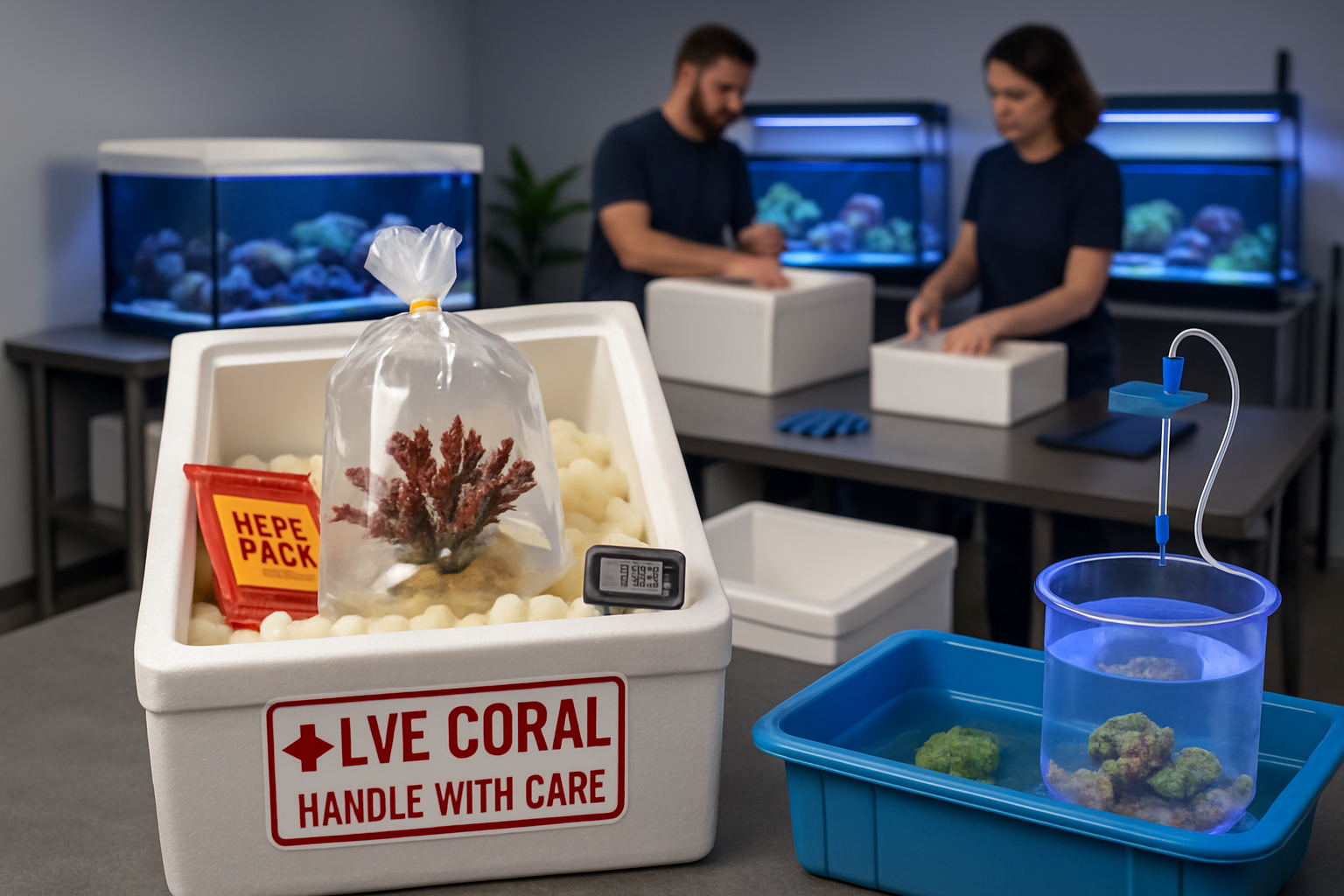
Packaging Materials
- Insulated shipping boxes
- Temperature control packs
- Oxygen-filled bags
- Protective padding
- pH buffering materials
Shipping Timing
- Monday-Wednesday departures (avoiding weekends)
- Overnight or express shipping only
- Weather delay policies
- Tracking information provided
Seasonal Considerations
- Summer heat restrictions
- Winter freeze protection
- Regional weather monitoring
- Alternative shipping dates
Receiving and Acclimating Your Corals
Immediate Actions Upon Arrival
- Inspect packaging for damage
- Check coral condition immediately
- Document any issues with photos
- Contact retailer if problems exist
- Begin acclimation process promptly
Proper Acclimation Procedure
The drip acclimation method is gold standard:
- Float sealed bags in tank for 15-20 minutes
- Open bags and secure to tank edge
- Begin slow drip from tank into bag
- Maintain 2-4 drops per second rate
- Continue for 45-60 minutes
- Remove coral with net (discard bag water)
- Place in quarantine or designated tank area
Quarantine Protocols
Even healthy-appearing corals benefit from quarantine:
Quarantine Tank Setup
- Separate filtration system
- Appropriate lighting
- Stable water parameters
- Easy observation access
Quarantine Duration
- Minimum 2 weeks observation
- 4 weeks for complete safety
- Daily health monitoring
- Treatment capability if needed
Building Your Coral Collection Strategically
Planning Your Reef Layout
Successful coral placement requires understanding:
Lighting Zones
- High Light – Upper tank areas for SPS
- Medium Light – Mid-tank for LPS
- Low Light – Lower areas and caves for soft corals
Flow Patterns
- High Flow – SPS coral areas
- Medium Flow – LPS placement zones
- Low Flow – Soft coral regions
Chemical Warfare Prevention
Many corals release toxins; proper spacing prevents:
- Allelopathic interactions
- Chemical burns
- Growth inhibition
- Colony death
Beginner-Friendly Coral Recommendations
For those new to purchasing coral for sale online, start with hardy species:
Excellent Beginner Choices:
- Green Star Polyps – Fast-growing and forgiving
- Zoanthids – Colorful and hardy
- Mushroom Corals – Low-light tolerant
- Kenya Tree Corals – Rapid growth and propagation
- Candy Cane Corals – Beautiful LPS for beginners
Intermediate Options:
- Hammer Corals – Stunning movement and color
- Brain Corals – Impressive size and patterns
- Leather Corals – Classic soft coral choice
- Frogspawn – Flowing tentacles and hardiness
Advanced Coral Collecting
Experienced reef keepers often focus on:
Rare Color Morphs
- Limited edition varieties
- Unique genetic expressions
- Collector-grade specimens
- Investment potential
Species-Specific Collections
- Acropora gardens
- Euphyllia displays
- Zoanthid gardens
- Regional biotopes
The Economics of Coral for Sale Online
Understanding Coral Pricing
Coral prices vary dramatically based on several factors of the marine coral for sale online.
Size and Maturity
- Frags (fragments) – $15-50
- Small colonies – $50-200
- Large specimens – $200-1000+
- Show pieces – $1000+
Rarity and Demand
- Common species – Lower pricing
- Rare morphs – Premium pricing
- Limited editions – Collector pricing
- Seasonal availability – Price fluctuations
Source and Quality
- Wild collected – Variable pricing
- Aquacultured – Stable pricing
- Captive bred – Premium for sustainability
- Maricultured – Mid-range pricing
Investment Considerations
Many hobbyists view coral collecting as an investment:
Appreciation Potential
- Rare morphs often increase in value
- Successful propagation creates income
- Trading communities exist
- Coral swaps and sales events
Risk Factors
- Livestock mortality risk
- Market demand changes
- Care requirement complexity
- Equipment dependency
Seasonal Considerations for Online Coral Purchases
Optimal Purchasing Times
Spring (March-May)
- Mild shipping weather
- Increased availability
- New stock arrivals
- Stable temperatures
Fall (September-November)
- Excellent shipping conditions
- End-of-season sales
- Stable tank conditions
- Holiday preparation
Challenging Seasons
Summer Shipping Challenges
- Extreme heat risks
- Limited shipping days
- Higher mortality rates
- Increased shipping costs
Winter Complications
- Freeze risks
- Weather delays
- Limited shipping windows
- Higher shipping costs
Coral Compatibility and Tank Planning
Understanding Coral Aggression
Different coral types exhibit varying aggression levels:
Peaceful Corals
- Most soft corals
- Many LPS species
- Beginner-friendly options
- Minimal spacing requirements
Moderately Aggressive
- Some Euphyllia species
- Certain brain corals
- Require careful placement
- Need adequate spacing
Highly Aggressive
- Many SPS species
- Some mushroom varieties
- Require significant spacing
- Chemical warfare potential
Creating Coral Communities
Successful reef tanks often feature:
Mixed Reef Approaches
- Careful species selection
- Proper spacing protocols
- Compatible lighting needs
- Similar flow requirements for those who want to buy coral
Biotope Recreations
- Geographic region focus
- Natural coral associations
- Authentic environmental conditions
- Educational value
Troubleshooting Common Coral Issues
Identifying Coral Stress
Visual Stress Indicators
- Tissue recession
- Color loss (bleaching)
- Polyp retraction
- Mucus production
- Brown jelly infections
Environmental Causes
- Parameter fluctuations
- Inadequate lighting
- Poor water flow
- Chemical warfare
- Mechanical damage
Recovery Protocols
Immediate Actions
- Test water parameters immediately
- Increase water flow if needed
- Adjust lighting if too intense
- Perform water change (20-30%)
- Remove dead tissue carefully
- Isolate affected corals if necessary
Long-term Recovery
- Stable parameter maintenance
- Reduced feeding temporarily
- Increased water changes
- Patience and observation
- Professional consultation if needed
The Future of Coral for Sale Online
Technological Advances
The coral for sale online industry continues evolving:
Improved Shipping Technology
- Better temperature control
- Longer transit survival
- Real-time monitoring
- Reduced mortality rates
Advanced Aquaculture
- Genetic selection programs
- Disease-resistant strains
- Faster growth rates
- Novel color varieties
Digital Innovation
- Virtual reality coral viewing
- AI-powered care recommendations
- Automated parameter monitoring
- Mobile app integration
Sustainability Focus
Modern coral retailers increasingly emphasize:
Conservation Efforts
- Wild reef protection
- Captive breeding programs
- Genetic diversity preservation
- Educational initiatives
Sustainable Practices
- Reduced wild collection
- Energy-efficient operations
- Waste reduction programs
- Carbon footprint minimization
Building Relationships with Online Coral Retailers
Developing Dealer Relationships
Long-term relationships with reputable coral for sale online dealers provide:
Benefits of Loyalty
- Priority access to rare specimens
- Advance notice of new arrivals
- Preferred customer pricing
- Personalized recommendations
- Enhanced customer service
Communication Best Practices
- Clearly communicate experience level
- Describe tank parameters and setup
- Ask specific questions about care
- Provide feedback on purchases
- Share success stories and photos
Community Engagement
The online coral community offers valuable resources:
Forums and Social Media
- Care advice and tips
- Species identification help
- Troubleshooting support
- Trading opportunities
- Local club connections
Educational Resources
- Webinars and online courses
- Care sheets and guides
- Video demonstrations
- Expert interviews
- Scientific research updates
For those interested in expanding beyond corals, many retailers also offer comprehensive selections of saltwater fish for sale, including popular species like clownfish for sale and angelfish for sale. These fish often complement coral displays beautifully and can help create a more natural reef ecosystem.
Advanced Coral Propagation and Trading
Learning Propagation Techniques
Many coral enthusiasts eventually try propagation:
Fragmentation Methods
- Soft Corals – Simple cutting with sharp blade
- LPS Corals – Careful skeleton division
- SPS Corals – Precision cutting techniques
- Encrusting Species – Tile or plug mounting
Equipment Needed
- Sharp coral cutters
- Bone cutters for LPS
- Coral glue or epoxy
- Frag plugs or tiles
- Proper lighting
- Stable water conditions
Success Factors
- Healthy parent colonies
- Proper technique
- Stable conditions
- Patience during healing
- Appropriate placement
Coral Trading Communities
Local Reef Clubs
- Monthly meetings and swaps
- Educational presentations
- Group buying opportunities
- Mentor relationships
- Equipment sharing
Online Trading Platforms
- Classified sections on forums
- Social media groups
- Dedicated trading websites
- Regional Facebook groups
- Auction-style platforms
Coral Photography and Documentation
Capturing Your Collection
Documenting your coral for sale online purchases helps track growth and health:
Photography Equipment
- DSLR or mirrorless camera
- Macro lenses for detail
- Underwater housings
- External lighting
- Color correction filters
Technique Tips
- Shoot during peak polyp extension
- Use manual camera settings
- Focus on coral details
- Include size references
- Maintain consistent lighting
Documentation Benefits
- Growth tracking over time
- Health monitoring tool
- Insurance documentation
- Trading reference photos
- Community sharing
Sharing Your Success
Social Media Presence
- Instagram coral accounts
- YouTube tank tours
- Facebook group participation
- TikTok quick tips
- Pinterest inspiration boards
Contributing to Science
- Citizen science projects
- Growth rate documentation
- Spawning observations
- Color morph cataloging
- Behavior studies
Coral Nutrition and Feeding Programs
Understanding Coral Nutrition
While most corals derive energy from photosynthesis, supplemental feeding enhances:
Growth Rates
- Faster tissue development
- Improved skeletal growth
- Enhanced coloration
- Better polyp extension
- Increased reproduction
Popular Coral Foods
- Amino Acids – Building blocks for protein synthesis
- Phytoplankton – Natural algae food source
- Zooplankton – Protein-rich animal plankton
- Coral Pellets – Convenient prepared foods
- Frozen Foods – Mysis shrimp, brine shrimp, copepods
Feeding Schedules
SPS Coral Feeding
- Light feeding 2-3 times weekly
- Amino acids and dissolved organics
- Target feeding with turkey baster
- Evening feeding preferred
- Monitor water quality closely
LPS Coral Feeding
- Heavier feeding 3-4 times weekly
- Meaty foods and plankton
- Direct target feeding
- Observe feeding response
- Remove uneaten food promptly
Soft Coral Feeding
- Light feeding 1-2 times weekly
- Dissolved nutrients and plankton
- Broadcast feeding acceptable
- Monitor for overfeeding signs
- Maintain good water flow
Coral Disease Prevention and Treatment
Common Coral Diseases
Understanding coral diseases helps maintain healthy collections:
Bacterial Infections
- Brown jelly disease
- Black band disease
- White band disease
- Rapid tissue necrosis
- Bacterial bleaching
Parasitic Infections
- Coral-eating flatworms
- Red bugs on Acropora
- Zoanthid-eating spiders
- Montipora-eating nudibranchs
- Coral boring organisms
Prevention Strategies
Quarantine Protocols
- Separate quarantine systems
- Extended observation periods
- Prophylactic treatments
- Health assessments
- Gradual introduction
Tank Maintenance
- Regular water changes
- Stable parameters
- Adequate flow
- Proper lighting
- Clean equipment
Early Detection
- Daily observation
- Photography documentation
- Parameter monitoring
- Behavior changes
- Growth pattern monitoring
Treatment Options
Bacterial Treatments
- Antibiotic dips
- Improved water quality
- Increased flow
- Surgical removal
- Isolation procedures
Parasitic Treatments
- Specific medications
- Physical removal
- Biological controls
- Environmental modifications
- Quarantine procedures
For hobbyists dealing with more aggressive species, understanding aggressive saltwater fish for sale can help in planning tank compatibility with sensitive corals.
Coral Lighting Technology and Requirements
Modern Lighting Solutions
Proper lighting is crucial for coral for sale online success:
LED Technology Advantages
- Full spectrum control
- Programmable schedules
- Energy efficiency
- Long lifespan
- Reduced heat generation
- Customizable intensity
Popular LED Features
- Sunrise/Sunset Simulation – Natural lighting cycles
- Storm Modes – Cloudy weather simulation
- Acclimation Programs – Gradual intensity increases
- Coral Growth Modes – Optimized spectrums
- Lunar Cycles – Moonlight simulation
Lighting Requirements by Coral Type
High Light Corals (SPS)
- 200-400+ PAR (Photosynthetically Active Radiation)
- Full spectrum with blue emphasis
- Strong penetration to tank bottom
- Minimal shadowing
- Consistent daily photoperiod
Medium Light Corals (Most LPS)
- 100-200 PAR
- Balanced spectrum
- Moderate penetration
- Some shadowing acceptable
- 8-10 hour photoperiod
Low Light Corals (Soft Corals, Some LPS)
- 50-150 PAR
- Blue-heavy spectrum acceptable
- Lower tank placement
- Shadowed areas preferred
- 6-8 hour photoperiod
Light Acclimation
New corals require gradual light acclimation:
Acclimation Schedule
- Week 1: 25% normal intensity
- Week 2: 50% normal intensity
- Week 3: 75% normal intensity
- Week 4: Full intensity
- Monitor for stress signs
Placement Strategies
- Start in lower light areas
- Gradually move upward
- Observe polyp extension
- Watch for bleaching signs
- Adjust as needed
Water Chemistry for Coral Success
Critical Parameters
Maintaining stable water chemistry is essential for coral for sale online success:
Major Elements
| Parameter | Ideal Range | Testing Frequency |
|---|---|---|
| Salinity | 1.025-1.026 SG | Daily |
| Temperature | 76-82°F | Continuous |
| pH | 8.1-8.4 | Weekly |
| Alkalinity | 8-12 dKH | 2-3 times weekly |
| Calcium | 400-450 ppm | Weekly |
| Magnesium | 1250-1350 ppm | Bi-weekly |
Trace Elements
- Iodine
- Strontium
- Molybdenum
- Iron
- Potassium
Dosing and Supplementation
Two-Part Dosing
- Calcium and alkalinity solutions
- Balanced ionic supplementation
- Automated dosing pumps
- Daily consumption testing
- Gradual adjustments
All-in-One Solutions
- Complete mineral supplements
- Simplified dosing protocols
- Reduced testing requirements
- Consistent results
- Beginner-friendly options
Calcium Reactors
- Automated calcium/alkalinity supply
- CO2-driven dissolution
- Consistent supplementation
- Advanced reef systems
- Professional-grade results
Coral Fragging and Propagation Business
Starting a Coral Propagation Business
Many successful coral enthusiasts eventually consider commercial propagation:
Business Considerations
- Local regulations and permits
- Insurance requirements
- Tax implications
- Market research
- Competition analysis
Facility Requirements
- Adequate space and lighting
- Reliable electrical systems
- Backup power systems
- Water quality management
- Quarantine capabilities
Species Selection
- Fast-growing varieties
- Popular color morphs
- Hardy species
- Market demand analysis
- Seasonal considerations
Legal and Ethical Considerations
CITES Regulations
- International trade permits
- Species documentation
- Legal compliance
- Record keeping
- Inspection requirements
Sustainable Practices
- Captive propagation focus
- Wild collection limits
- Genetic diversity maintenance
- Conservation support
- Educational outreach
For those interested in complementing their coral business with fish sales, understanding the market for captive bred saltwater fish for sale can provide additional revenue streams.
Regional Considerations for Online Coral Purchases
Climate and Shipping Challenges
Different regions face unique challenges when purchasing coral for sale online:
Northern Climates
- Extended winter shipping restrictions
- Freeze protection requirements
- Higher shipping costs
- Limited shipping windows
- Indoor heating considerations
Southern Climates
- Summer heat restrictions
- Cooling pack requirements
- Hurricane season delays
- High humidity challenges
- Extended shipping seasons
Mountain Regions
- Altitude shipping considerations
- Temperature fluctuations
- Limited airport access
- Weather delay frequency
- Seasonal accessibility
International Shipping
Documentation Requirements
- CITES permits
- Health certificates
- Import licenses
- Customs declarations
- Quarantine protocols
Shipping Challenges
- Extended transit times
- Temperature control
- Customs delays
- Higher mortality risks
- Increased costs
Coral Collection Organization and Management
Inventory Management
Serious coral collectors benefit from organized record-keeping:
Digital Tracking Systems
- Spreadsheet databases
- Specialized software
- Mobile applications
- Cloud-based storage
- Photo integration
Information to Track
- Purchase date and source
- Species identification
- Initial cost
- Placement location
- Growth measurements
- Health observations
- Propagation records
Tank Mapping
Physical Layout Documentation
- Tank zone assignments
- Coral placement maps
- Growth tracking
- Compatibility notes
- Maintenance schedules
Digital Tools
- Aquarium design software
- Mobile apps
- Photo documentation
- Video tours
- Virtual reality mapping
Coral Research and Scientific Contribution
Citizen Science Opportunities
Coral hobbyists can contribute to scientific research:
Growth Rate Studies
- Measurement documentation
- Environmental condition recording
- Species comparison data
- Seasonal variation tracking
- Methodology standardization
Spawning Observations
- Timing documentation
- Environmental triggers
- Success rate recording
- Larval development tracking
- Settlement studies
Color Morph Documentation
- Genetic variation cataloging
- Environmental influence studies
- Stability assessments
- Breeding program data
- Market trend analysis
Research Partnerships
University Collaborations
- Student research projects
- Faculty partnerships
- Equipment sharing
- Data contribution
- Publication opportunities
Conservation Organizations
- Reef restoration projects
- Genetic banking programs
- Education initiatives
- Funding opportunities
- Volunteer programs
Coral Emergency Preparedness
Power Outage Protocols
Immediate Actions
- Battery backup activation
- Generator deployment
- Temperature monitoring
- Reduced feeding
- Increased observation
Extended Outage Preparation
- Backup power systems
- Portable battery pumps
- Insulation materials
- Emergency supplies
- Communication plans
Disease Outbreak Management
Quarantine Procedures
- Isolation protocols
- Treatment options
- Disinfection methods
- Equipment sterilization
- Recovery monitoring
Professional Consultation
- Veterinary services
- Marine biologist advice
- Experienced hobbyist networks
- Online expert forums
- Emergency hotlines
The Psychology of Coral Collecting
Understanding Collecting Behavior
Motivational Factors
- Aesthetic appreciation
- Scientific interest
- Investment potential
- Social recognition
- Conservation contribution
Common Collecting Patterns
- Species specialization
- Color morph focus
- Size progression
- Rarity seeking
- Completion drives
Responsible Collecting
Sustainable Practices
- Captive-bred preference
- Conservation support
- Educational sharing
- Propagation programs
- Waste reduction
Budget Management
- Realistic spending limits
- Priority species lists
- Seasonal planning
- Equipment considerations
- Emergency reserves
For collectors interested in expanding their marine ecosystem, exploring options like blennies for sale can add interesting behavioral elements to complement coral displays.
Conclusion
The world of coral for sale online offers unprecedented opportunities for marine aquarium enthusiasts to create stunning reef ecosystems. From beginner-friendly soft corals to challenging SPS specimens, the online marketplace provides access to species and color morphs that were unimaginable just decades ago.
Success in online coral purchasing requires careful research, proper preparation, and ongoing commitment to coral care. By choosing reputable dealers, understanding shipping procedures, maintaining optimal tank conditions, and following proper acclimation protocols, you can build a thriving coral collection that brings years of enjoyment.
Remember that coral keeping is both an art and a science. Each purchase is an opportunity to learn, grow, and contribute to the broader reef keeping community. Whether you’re starting with your first zoanthid colony or adding a rare Acropora to an established collection, the journey of coral keeping offers endless fascination and reward.
Your Next Steps:
- Research your tank’s current capacity for new coral additions
- Identify reputable online coral dealers with strong guarantees and support
- Plan your purchases strategically considering compatibility and care requirements
- Prepare your quarantine system for new arrivals
- Connect with the coral community for ongoing support and advice
- Start with hardy species if you’re new to coral keeping
- Document your journey to track progress and share experiences
The reef aquarium hobby continues to evolve, driven by advances in technology, improved understanding of coral biology, and the passion of dedicated hobbyists. By participating in the coral for sale online marketplace responsibly and sustainably, you’re not just building a beautiful aquarium – you’re contributing to coral conservation, scientific understanding, and the future of reef keeping.
Whether you’re browsing for your first coral purchase or planning your next rare acquisition, remember that each coral in your tank represents millions of years of evolution and the incredible diversity of our planet’s coral reefs. Treat them with the respect and care they deserve, and they’ll reward you with years of natural beauty and wonder.