
The Ultimate Guide to Eels for Sale: Your Complete Resource for Marine Eel Ownership in 2025
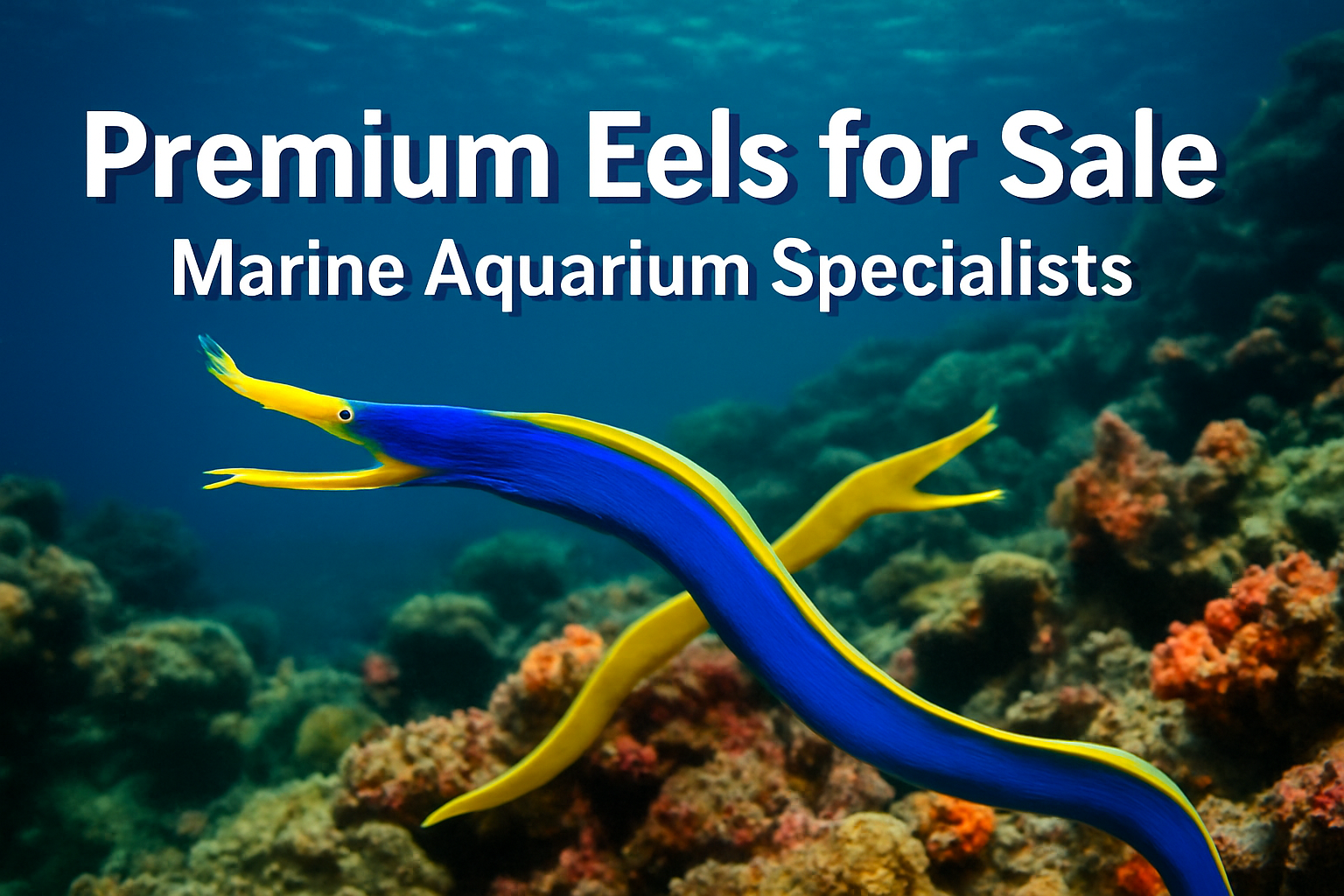
Picture this: you’re standing before a magnificent marine aquarium, watching in awe as a brilliant blue ribbon eel gracefully emerges from its rocky cave, its vibrant colors dancing in the filtered light. This mesmerizing sight is exactly what draws thousands of aquarium enthusiasts to search for eels for sale each year. As one of the most captivating and exotic additions to any saltwater aquarium, marine eels offer a unique combination of beauty, mystery, and fascinating behavior that few other fish can match.
Whether you’re a seasoned marine aquarist looking to add something extraordinary to your collection or a newcomer captivated by these serpentine beauties, finding the right eel and understanding their care requirements is crucial for success. In this comprehensive guide, I’ll walk you through everything you need to know about purchasing and caring for marine eels, from selecting the perfect species to creating the ideal habitat for these remarkable creatures.
Key Takeaways
• Marine eels require specialized care – These fish need specific tank conditions, hiding spots, and feeding routines that differ significantly from typical saltwater fish
• Species selection matters greatly – Different eel species have varying care requirements, tank size needs, and compatibility with other fish
• Proper acclimation is critical – Eels are sensitive to water parameter changes and require careful introduction to new environments
• Feeding can be challenging – Many eels prefer live or frozen foods and may require patience to establish regular feeding patterns
• Tank security is essential – Eels are notorious escape artists and require secure, well-fitted tank covers to prevent accidents
Understanding Marine Eels: Nature’s Aquatic Serpents
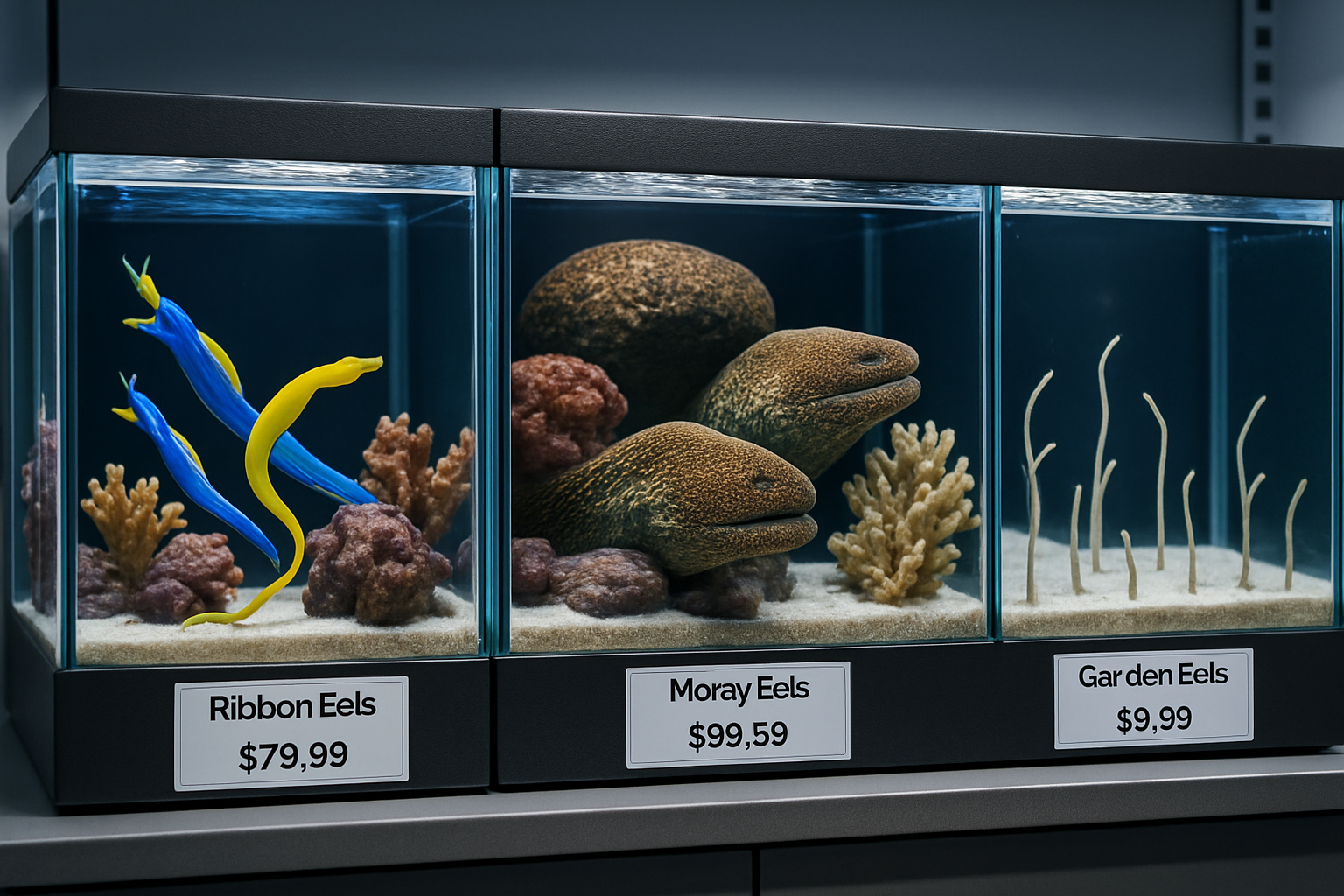
Marine eels represent some of the most fascinating creatures in the saltwater aquarium hobby. Unlike their freshwater counterparts, saltwater eels bring an entirely different level of complexity and beauty to home aquariums. These elongated fish have evolved remarkable adaptations that make them both challenging and rewarding to keep.
What Makes Marine Eels Special? 🐍
Marine eels possess several unique characteristics that set them apart from other aquarium inhabitants:
Physical Adaptations:
- Elongated, serpentine bodies perfect for navigating tight spaces
- Reduced or absent pectoral fins
- Specialized gill structures for efficient respiration
- Powerful jaws adapted for their carnivorous lifestyle
Behavioral Traits:
- Secretive nature with preference for hiding spots
- Nocturnal feeding patterns in many species
- Complex social behaviors in some varieties
- Remarkable ability to recognize their caretakers over time
Ecological Importance:
- Serve as both predators and prey in marine ecosystems
- Help control populations of small fish and crustaceans
- Contribute to reef health through their feeding activities
Popular Species of Eels for Sale
When browsing eels for sale, you’ll encounter several popular species, each with distinct characteristics and care requirements:
| Species | Size | Difficulty | Tank Minimum | Key Features |
|---|---|---|---|---|
| Blue Ribbon Eel | 40 inches | Expert | 125+ gallons | Stunning blue coloration, requires pristine water |
| Snowflake Moray | 24 inches | Intermediate | 75+ gallons | Hardy, reef-safe with caution |
| Green Moray | 72 inches | Expert | 300+ gallons | Massive size, impressive presence |
| Garden Eel | 14 inches | Advanced | 100+ gallons | Colonies, sandy substrate required |
| Zebra Moray | 60 inches | Intermediate | 200+ gallons | Distinctive striping, crustacean diet |
Choosing the Right Eels for Sale: A Buyer’s Guide
Selecting the perfect eel for your aquarium involves careful consideration of multiple factors. As someone who has helped countless aquarists make this important decision, I cannot stress enough how crucial it is to match the eel species to your experience level, tank setup, and long-term commitment.
Assessing Your Readiness for Eel Ownership
Before you start shopping for eels for sale, honestly evaluate your aquarium experience and resources:
Experience Level Requirements:
- Beginner: Consider waiting until you have more saltwater experience
- Intermediate: Snowflake morays or smaller, hardier species
- Advanced: Ribbon eels, garden eels, or specialty species
- Expert: Large morays, rare species, or breeding projects
Tank Infrastructure Needs:
- Secure, tight-fitting lid with no gaps
- Robust filtration system capable of handling messy eaters
- Adequate hiding spots and cave structures
- Proper lighting that accommodates nocturnal behavior
- Emergency backup systems for power outages
Where to Find Quality Eels for Sale Online
When searching for marine eels, the source matters tremendously. Reputable dealers ensure proper collection, quarantine, and shipping procedures that dramatically increase your chances of success. SaltWaterFishShop.com has been the premier destination for saltwater fish for sale since 2000, offering an extensive selection of healthy, well-cared-for marine eels.
What to Look for in Online Retailers:
- ✅ Detailed species information and care guides
- ✅ Clear photos of actual specimens
- ✅ Health guarantees and return policies
- ✅ Proper shipping procedures with live fish shipping options
- ✅ Responsive customer service and expert advice
- ✅ Positive reviews from other eel keepers
Red Flags to Avoid:
- ❌ Vague or missing species information
- ❌ Stock photos instead of actual specimens
- ❌ No health guarantees or support
- ❌ Unusually low prices that seem too good to be true
- ❌ Poor communication or unprofessional website
Evaluating Eel Health Before Purchase
Whether shopping online or in person, knowing how to assess eel health is crucial:
Signs of a Healthy Eel:
- Clear, bright eyes without cloudiness
- Smooth, unblemished skin
- Active, alert behavior when disturbed
- Regular breathing patterns
- Appropriate body weight (not emaciated or bloated)
- Quick response to stimuli
Warning Signs to Avoid:
- Lethargic or unresponsive behavior
- Visible wounds, lesions, or fungal growth
- Labored breathing or gasping
- Extremely thin or bloated appearance
- Cloudy or damaged eyes
- Erratic swimming patterns
Setting Up the Perfect Eel Habitat
Creating an appropriate environment for your new eel is perhaps the most critical factor in ensuring long-term success. Eels have specific habitat requirements that must be met for them to thrive in captivity.
Tank Size and Configuration
The “bigger is better” rule applies especially strongly to eel keeping. These active predators need substantial space to move, hunt, and establish territories.
Minimum Tank Sizes by Species:
- Small eels (under 18 inches): 75-100 gallons
- Medium eels (18-36 inches): 125-200 gallons
- Large eels (over 36 inches): 250+ gallons
- Colony species: 150+ gallons regardless of individual size
Tank Shape Considerations:
- Length is more important than height for most species
- Provide maximum swimming space along the tank’s length
- Ensure adequate depth for burrowing species
- Consider custom dimensions for very large specimens
Essential Equipment for Eel Tanks
Filtration Systems:
Eels are messy eaters that produce significant bioload. Your filtration system should be oversized for your tank volume:
- Protein Skimmer: Essential for removing organic waste
- Biological Filtration: Large capacity for beneficial bacteria
- Mechanical Filtration: Regular cleaning to remove particulates
- Chemical Filtration: Activated carbon for water clarity
Lighting Requirements:
Most eels prefer subdued lighting that mimics their natural deep-water habitats:
- LED systems with adjustable intensity
- Blue/actinic lighting for nighttime viewing
- Avoid overly bright lighting that may stress nocturnal species
Security Measures:
The most important aspect of any eel tank is preventing escapes:
“A good eel will find any gap in your tank cover, no matter how small. I’ve learned this lesson the hard way more times than I care to admit.” – Experienced Eel Keeper
- Heavy, secure lids with no gaps larger than 1/4 inch
- Weighted covers that cannot be pushed up
- Secure all equipment openings and cable runs
- Consider mesh barriers around overflow areas
Aquascaping for Eels
Creating an eel-friendly environment requires thoughtful aquascaping that provides security while maintaining accessibility for maintenance.
Essential Features:
- Multiple hiding spots: Caves, crevices, and PVC pipe sections
- Secure rockwork: Well-anchored structures that won’t collapse
- Sandy substrates: For burrowing species like garden eels
- Open swimming areas: Clear paths for active hunting
Materials to Use:
- Live rock with natural caves and crevices
- PVC pipes (4-6 inch diameter) for artificial caves
- Coral sand or fine aragonite substrate
- Ceramic decorations with smooth edges
Safety Considerations:
- Ensure all rockwork is stable and well-supported
- Avoid sharp edges that could injure the eel
- Test all decorations for stability before adding the eel
- Leave access points for cleaning and maintenance
Eel Care and Maintenance: Best Practices for Success
Successful eel keeping requires understanding their unique behavioral patterns, dietary needs, and health requirements. These remarkable creatures have evolved specific adaptations that must be accommodated in captivity.
Feeding Your Marine Eel
Feeding represents one of the most challenging aspects of eel care. Most species are carnivorous with strong preferences for live or recently killed prey.
Dietary Requirements by Species:
Piscivorous Eels (Fish Eaters):
- Ribbon eels, most moray species
- Preferred foods: Small fish, squid, shrimp
- Feeding frequency: 2-3 times per week
- Portion size: Prey items 1/3 the eel’s head width
Crustacean Specialists:
- Zebra morays, some smaller species
- Preferred foods: Crabs, shrimp, lobster
- Feeding frequency: 2-4 times per week
- Special notes: May require shell-on prey for dental health
Generalist Feeders:
- Snowflake morays, many hardy species
- Preferred foods: Varied diet of fish, crustaceans, mollusks
- Feeding frequency: 3-4 times per week
- Advantages: More adaptable to prepared foods
Establishing Feeding Routines
Initial Acclimation Period:
New eels may refuse food for several days or even weeks. This is normal behavior, but requires patience and persistence:
- Week 1-2: Offer food daily, remove uneaten items after 30 minutes
- Week 3-4: Try different food types and feeding methods
- Month 2+: Establish regular feeding schedule once eating consistently
Feeding Techniques:
- Target feeding: Use feeding tongs to place food directly in front of the eel
- Scent trails: Drag food through the water to create attractive scent trails
- Night feeding: Many species are more active and willing to feed after lights out
- Patience: Never force-feed or stress a reluctant feeder
Water Quality Management
Eels are particularly sensitive to water quality issues, making consistent monitoring and maintenance crucial.
Critical Parameters:
- Temperature: 76-82°F (species dependent)
- Salinity: 1.020-1.025 specific gravity
- pH: 8.1-8.4
- Ammonia: 0 ppm (absolutely critical)
- Nitrite: 0 ppm
- Nitrate: <20 ppm (lower is better)
Testing Schedule:
- Daily: Temperature, salinity
- Weekly: pH, ammonia, nitrite, nitrate
- Monthly: Alkalinity, calcium, magnesium
- As needed: Phosphate, dissolved oxygen
Water Change Protocol:
- Frequency: 15-20% weekly minimum
- Preparation: Match temperature and salinity exactly
- Procedure: Slow, gradual changes to avoid shock
- Quality: Use high-quality salt mix and purified water
Health Monitoring and Disease Prevention
Eels can be susceptible to various health issues, many of which are preventable with proper care and early detection.
Common Health Problems:
Bacterial Infections:
- Symptoms: Lesions, fin rot, behavioral changes
- Causes: Poor water quality, stress, injuries
- Prevention: Maintain excellent water quality, quarantine new additions
Parasitic Infections:
- Symptoms: Scratching, rapid breathing, visible parasites
- Treatment: Species-specific medications, improved water quality
- Prevention: Quarantine protocols, avoid overcrowding
Nutritional Deficiencies:
- Symptoms: Poor growth, lethargy, immune suppression
- Prevention: Varied, high-quality diet with proper supplementation
Tank Mates and Compatibility
Selecting appropriate tank mates for eels requires careful consideration of size, temperament, and feeding habits.
Compatible Species:
- Large, robust fish that won’t be eaten
- Saltwater angelfish (larger species)
- Tangs and surgeonfish (medium to large)
- Triggerfish (with caution)
- Groupers and other predatory fish
Species to Avoid:
- Small fish that could become prey
- Clownfish for sale and other small species
- Invertebrates (crabs, shrimp, small snails)
- Slow-moving or docile species
- Fish with long, flowing fins
Compatibility Guidelines:
- Introduce the eel last to an established community
- Ensure all tank mates are too large to be eaten
- Provide multiple feeding stations to reduce competition
- Monitor interactions closely, especially during feeding
Species Spotlight: Popular Eels for Sale
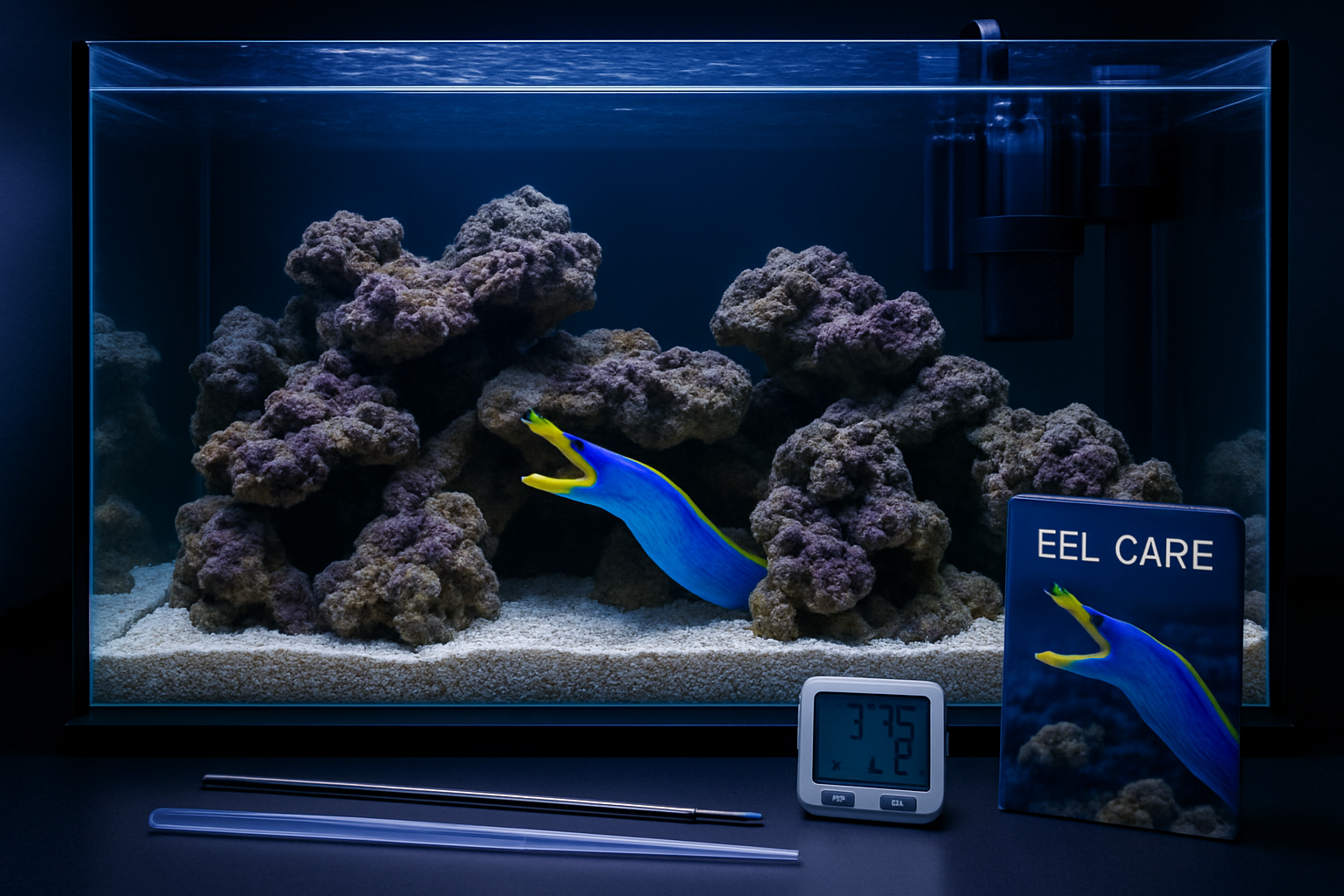
Understanding the specific requirements and characteristics of different eel species will help you make an informed decision about which variety best suits your aquarium and experience level.
Blue Ribbon Eel (Rhinomuraena quaesita)
The blue ribbon eel stands as one of the most stunning and sought-after species in the marine aquarium trade. However, their beauty comes with significant care challenges that make them suitable only for expert aquarists.
Physical Characteristics:
- Size: Up to 40 inches in length
- Coloration: Brilliant electric blue with yellow dorsal fin
- Sexual dimorphism: Males are blue, females are yellow
- Lifespan: 5-7 years in captivity (with expert care)
Care Requirements:
- Tank size: Minimum 125 gallons, preferably larger
- Water quality: Pristine conditions with zero tolerance for parameter swings
- Diet: Live or very fresh frozen fish, extremely picky eaters
- Compatibility: Best kept alone or with very large, robust tank mates
Challenges:
- Notorious for refusing to eat in captivity
- Extremely sensitive to water quality changes
- Prone to jumping and escape attempts
- High mortality rate in home aquariums
“Blue ribbon eels are absolutely gorgeous, but they’re not for everyone. I’ve seen too many hobbyists lose these magnificent creatures due to underestimating their care requirements.” – Marine Aquarium Specialist
Snowflake Moray Eel (Echidna nebulosa)
For aquarists seeking a more manageable introduction to eel keeping, the snowflake moray represents an excellent choice. This hardy species adapts well to captivity while still providing the fascinating behavior that makes eels so appealing.
Physical Characteristics:
- Size: 24 inches maximum
- Coloration: White base with black snowflake-like patterns
- Build: Robust, muscular body with powerful jaws
- Lifespan: 10-15 years with proper care
Care Requirements:
- Tank size: 75 gallons minimum
- Diet: Crustaceans, fish, prepared foods (adaptable)
- Compatibility: Reef safe with caution, won’t eat large fish
- Difficulty: Intermediate level
Advantages:
- Hardy and adaptable to various conditions
- Readily accepts prepared foods
- Less prone to escape attempts
- Generally peaceful with appropriate tank mates
Garden Eel Colonies
Garden eels offer a completely different eel-keeping experience, requiring specialized setups but providing unique and mesmerizing displays when properly maintained.
Colony Characteristics:
- Individual size: 12-14 inches
- Colony behavior: Live in groups, emerge from sand burrows
- Feeding: Planktonic diet, requires frequent small meals
- Display: Creates “underwater garden” effect
Specialized Requirements:
- Substrate: Deep sand bed (6+ inches) for burrowing
- Flow: Moderate current for feeding
- Tank mates: Peaceful species only, no aggressive feeders
- Feeding: Multiple daily feedings of small foods
Advanced Eel Care Topics
As you develop expertise in eel keeping, several advanced topics become relevant for maintaining healthy, thriving specimens and potentially contributing to conservation efforts.
Breeding Marine Eels in Captivity
Breeding marine eels represents one of the ultimate challenges in marine aquaculture, with very few successful captive breeding programs worldwide.
Breeding Challenges:
- Complex life cycles involving multiple larval stages
- Specific environmental triggers for spawning
- Extremely small larvae requiring specialized foods
- Long development periods (months to years)
Species with Breeding Potential:
- Some moray species have shown spawning behavior
- Garden eels have been bred in large public aquariums
- Most ribbon eel breeding attempts have been unsuccessful
Research Contributions:
Home aquarists can contribute valuable data by:
- Documenting behavioral changes and spawning attempts
- Recording water parameters during reproductive periods
- Sharing observations with research institutions
- Participating in citizen science projects
Conservation and Sustainability
The marine aquarium trade has significant impacts on wild eel populations, making responsible purchasing decisions crucial for species conservation.
Sustainable Sourcing:
- Choose captive-bred specimens when available
- Support dealers who use responsible collection methods
- Avoid species with declining wild populations
- Consider less common but sustainably collected species
Collection Impact Awareness:
- Ribbon eels have high mortality rates during collection and transport
- Some moray species are collected using destructive methods
- Garden eel colonies can be severely impacted by collection
- Research the collection methods used for your chosen species
Supporting Conservation:
- Purchase from dealers who support conservation efforts
- Contribute to marine conservation organizations
- Participate in aquarium breeding programs
- Educate others about sustainable aquarium keeping
Long-term Eel Care Considerations
Successful eel keeping requires planning for the long-term needs of these potentially long-lived animals.
Aging and Health Management:
- Regular health assessments become more important with age
- Dietary adjustments may be needed for older specimens
- Tank modifications might be required as eels grow
- Veterinary care from aquatic specialists may be necessary
Equipment Upgrades:
- Filtration systems may need upgrading as bioload increases
- Tank size requirements may change as eels grow
- Backup systems become more critical for valuable, long-term specimens
- Monitoring equipment should be regularly calibrated and updated
Troubleshooting Common Eel Problems
Even experienced eel keepers encounter challenges. Understanding common problems and their solutions can mean the difference between success and failure.
Feeding Difficulties
Problem: Eel refuses to eat for extended periods
Solutions:
- Try different food types (live, frozen, prepared)
- Adjust feeding times (many eels prefer night feeding)
- Check water parameters for stress factors
- Ensure adequate hiding spots for security
- Consider target feeding directly to the eel’s hiding spot
Problem: Eel only accepts live food
Solutions:
- Gradually transition using scented frozen foods
- Mix live and frozen foods during feeding
- Use feeding stimulants or attractants
- Be patient – transitions can take weeks or months
Behavioral Issues
Problem: Excessive hiding, never visible
Solutions:
- Reduce lighting intensity or duration
- Ensure adequate hiding spots to increase confidence
- Check for aggressive tank mates causing stress
- Consider night viewing with red lighting
Problem: Aggressive behavior toward tank mates
Solutions:
- Ensure all tank mates are appropriately sized
- Provide multiple feeding stations
- Increase hiding spots to reduce territorial disputes
- Consider separating incompatible species
Health Problems
Problem: Skin lesions or wounds
Solutions:
- Immediately test and correct water parameters
- Increase water change frequency
- Remove any sharp decorations that could cause injury
- Consult with aquatic veterinarian if lesions persist
Problem: Labored breathing or gasping
Solutions:
- Check dissolved oxygen levels
- Increase surface agitation or aeration
- Test for ammonia and nitrite spikes
- Consider emergency water changes if parameters are poor
The Future of Marine Eel Keeping
The marine aquarium hobby continues to evolve, with new technologies and techniques improving our ability to care for these magnificent creatures.
Technological Advances
Monitoring Systems:
- Automated water parameter monitoring
- Smartphone-connected tank management systems
- Advanced filtration technologies
- Improved LED lighting with natural spectrum simulation
Feeding Innovations:
- Automated feeding systems for consistent nutrition
- New prepared foods specifically formulated for eels
- Improved preservation techniques for frozen foods
- Probiotic supplements for digestive health
Research and Conservation
Ongoing Research:
- Improved understanding of eel biology and behavior
- Development of captive breeding techniques
- Studies on optimal nutrition and health management
- Conservation genetics and population monitoring
Conservation Efforts:
- Marine protected areas preserving eel habitats
- Sustainable collection certification programs
- Captive breeding programs for endangered species
- Public education about marine conservation
Community and Education
The eel-keeping community continues to grow, with enthusiasts sharing knowledge and experiences through various platforms.
Learning Resources:
- Online forums and social media groups
- Local aquarium society meetings and events
- Professional workshops and conferences
- Scientific publications and research papers
Knowledge Sharing:
- Document your experiences with detailed records
- Share successes and failures with the community
- Participate in citizen science projects
- Mentor new eel keepers entering the hobby
Conclusion
Marine eel keeping represents one of the most challenging and rewarding aspects of the saltwater aquarium hobby. These remarkable creatures offer a unique combination of beauty, mystery, and fascinating behavior that captivates aquarists worldwide. However, success with eels requires dedication, patience, and a commitment to providing excellent care throughout their potentially long lives.
When searching for eels for sale, remember that your choice of supplier can significantly impact your success. Reputable dealers like SaltWaterFishShop.com provide not only healthy specimens but also the expertise and support necessary for long-term success. Their commitment to quality and customer education has made them the best online saltwater fish store for marine enthusiasts since 2000.
Your Next Steps
If you’re new to eel keeping:
- Gain more experience with hardy saltwater fish first
- Research species thoroughly and choose appropriate beginner options
- Set up your tank well in advance of purchasing an eel
- Connect with experienced eel keepers for guidance and support
If you’re ready to purchase:
- Ensure your tank setup meets all requirements for your chosen species
- Source your eel from reputable dealers with health guarantees
- Prepare quarantine facilities for safe introduction
- Have appropriate foods ready before the eel arrives
For ongoing success:
- Maintain detailed records of feeding, behavior, and water parameters
- Stay connected with the eel-keeping community for ongoing support
- Continue learning about advances in eel care and husbandry
- Consider contributing to conservation efforts and research
The journey of marine eel keeping is not for everyone, but for those willing to meet the challenges, these extraordinary creatures offer rewards that few other aquarium inhabitants can match. Whether you choose the stunning beauty of a blue ribbon eel, the hardy reliability of a snowflake moray, or the unique display of a garden eel colony, you’re embarking on an adventure that will deepen your appreciation for the complexity and wonder of marine life.
Remember, successful eel keeping is not just about maintaining an animal in captivity—it’s about creating an environment where these magnificent creatures can thrive while contributing to our understanding and appreciation of marine ecosystems. With proper preparation, dedication, and ongoing commitment to excellence, your eel can become a long-term companion that provides years of fascination and joy.
The world of marine eels awaits your exploration. Take the time to prepare properly, choose your species carefully, and embark on this remarkable journey with confidence and respect for these ancient and extraordinary creatures.