
In the vibrant underwater kingdoms of the Indo-Pacific, few fish command as much respect and admiration as the Emperor Angelfish. With its stunning transformation from a mysterious dark juvenile to a brilliantly colored adult, this marine masterpiece has captured the hearts of aquarists and marine biologists alike for decades. 🐠
The Emperor Angelfish (Pomacanthus imperator) stands as one of the most recognizable and sought-after species in the marine aquarium trade. Its regal appearance, combined with its fascinating behavioral patterns and complex care requirements, makes it a true challenge and reward for experienced aquarium enthusiasts.
Key Takeaways
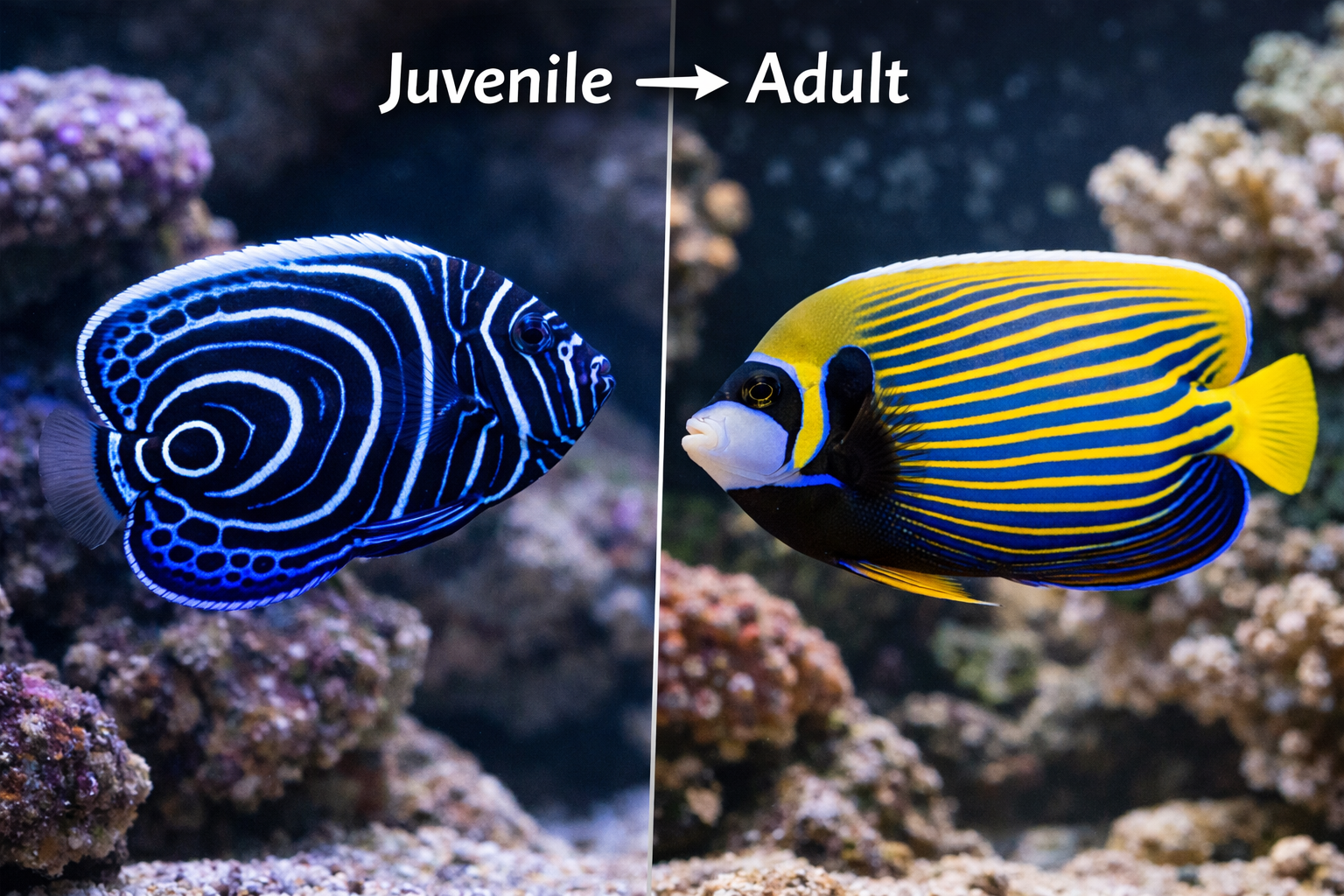
• Emperor Angelfish undergo a dramatic color transformation from dark blue juveniles with white circles to bright yellow adults with blue stripes
• These fish require large aquariums (minimum 180 gallons) with excellent water quality and stable conditions
• They are omnivores that need a varied diet including marine algae, sponges, and high-quality prepared foods
• Emperor Angelfish can live 15-20 years in captivity with proper care and optimal conditions
• They are semi-aggressive and should be housed carefully with compatible tankmates in reef or fish-only systems
Understanding the Emperor Angelfish: Species Overview
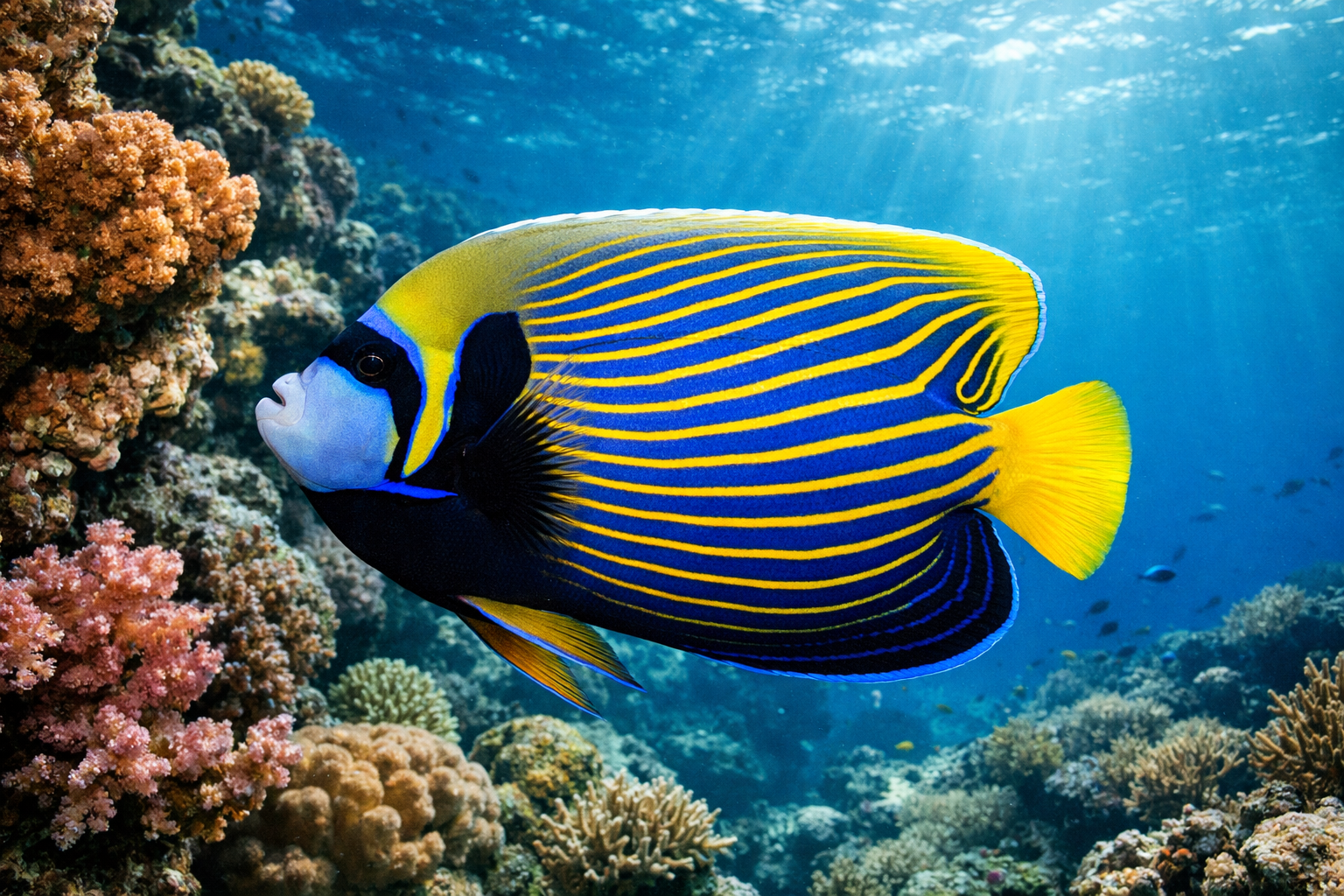
The Emperor Angelfish belongs to the family Pomacanthidae, which includes all angelfish species. Native to the Indo-Pacific region, these magnificent creatures inhabit coral reefs from the Red Sea to Hawaii, thriving in warm tropical waters between 72-78°F (22-26°C).
Physical Characteristics
Adult Emperor Angelfish display one of nature's most striking color patterns:
- Body coloration: Bright golden-yellow with distinctive blue horizontal stripes
- Size: Can reach up to 15 inches (38 cm) in the wild, typically 10-12 inches in aquariums
- Fins: Elongated dorsal and anal fins with blue and yellow striping
- Facial features: Dark blue mask around the eyes with bright yellow accents
- Lifespan: 15-20 years in captivity, potentially longer in the wild
Geographic Distribution
Emperor Angelfish inhabit a vast range across the Indo-Pacific:
| Region | Specific Locations |
|---|---|
| Indian Ocean | Maldives, Sri Lanka, Eastern Africa |
| Pacific Ocean | Great Barrier Reef, Philippines, Indonesia |
| Red Sea | Egypt, Saudi Arabia, Jordan |
| Central Pacific | Hawaii, Fiji, Samoa |
The Remarkable Transformation of Emperor Angelfish
One of the most fascinating aspects of Emperor Angelfish biology is their dramatic metamorphosis from juvenile to adult. This transformation is so complete that early marine biologists initially classified juveniles and adults as separate species.
Juvenile Stage Characteristics
Young Emperor Angelfish display completely different coloration:
- Dark blue to black body with concentric white circles
- Smaller size: 2-5 inches during this phase
- Behavioral differences: More secretive and reef-dependent
- Duration: Transformation begins around 4-5 inches in length
Adult Stage Development
The transition to adult coloration involves:
- Gradual color shift over several months
- Stripe development starting from the head region
- Size increase accompanying color changes
- Behavioral maturation with increased territorial tendencies
"The Emperor Angelfish's transformation represents one of the most dramatic examples of ontogenetic color change in marine fish, reflecting their changing ecological roles from juvenile to adult." – Marine Biology Research Institute
Emperor Angelfish Care Requirements in Aquariums
Successfully maintaining Emperor Angelfish in captivity requires dedication, experience, and proper equipment. These fish are not recommended for beginners due to their complex needs and sensitivity to water conditions.
Tank Size and Setup
Minimum tank requirements for Emperor Angelfish:
- Tank volume: 180 gallons minimum, 250+ gallons preferred
- Dimensions: At least 6 feet in length for swimming space
- Height: Minimum 24 inches for vertical swimming
- Filtration: Robust biological and mechanical filtration systems
Water Parameters
Maintaining stable water conditions is crucial:
| Parameter | Optimal Range |
|---|---|
| Temperature | 72-78°F (22-26°C) |
| pH | 8.1-8.4 |
| Salinity | 1.020-1.025 specific gravity |
| Ammonia | 0 ppm |
| Nitrite | 0 ppm |
| Nitrate | <20 ppm |
Tank Decoration and Environment
Creating an appropriate environment includes:
- Live rock structures for hiding and grazing
- Open swimming areas for exercise and display
- Caves and overhangs for security and rest
- Moderate to strong water flow mimicking reef conditions
- Appropriate lighting for live rock and coral growth
Feeding and Nutrition for Emperor Angelfish
Emperor Angelfish are omnivores with complex dietary needs that reflect their natural feeding behavior on coral reefs. Proper nutrition is essential for maintaining their vibrant coloration and long-term health.
Natural Diet in the Wild
In their natural habitat, Emperor Angelfish consume:
- Marine sponges (primary food source for adults)
- Algae and seaweed
- Small invertebrates and crustaceans
- Coral polyps and soft corals
- Tunicates and other filter feeders
Aquarium Feeding Guidelines
Daily feeding schedule should include:
Morning feeding:
- High-quality marine pellets or flakes
- Frozen mysis shrimp or brine shrimp
- Marine algae sheets (nori)
Evening feeding:
- Frozen angelfish preparations
- Chopped seafood (shrimp, scallop, fish)
- Supplemental vitamins and color enhancers
Recommended Food Types
| Food Category | Examples | Frequency |
|---|---|---|
| Prepared Foods | Marine pellets, angelfish formula | Daily |
| Frozen Foods | Mysis shrimp, marine cuisine | Daily |
| Fresh Foods | Nori sheets, marine algae | 2-3 times weekly |
| Live Foods | Brine shrimp, copepods | Occasional treats |
Behavior and Compatibility
Understanding Emperor Angelfish behavior is crucial for successful aquarium management and tankmate selection. These fish exhibit complex social behaviors that change as they mature.
Territorial Behavior
Emperor Angelfish display varying levels of aggression:
- Juveniles: Generally peaceful and secretive
- Sub-adults: Increasing territorial tendencies
- Adults: Can be aggressive toward similar species
- Established fish: May become highly territorial in smaller tanks
Compatible Tankmates
Suitable companions for Emperor Angelfish include:
✅ Good tankmates:
- Large wrasses (Harlequin Tuskfish, Bird Wrasse)
- Tangs and surgeonfish (Yellow Tang, Powder Blue Tang)
- Triggerfish (in very large systems)
- Groupers and large basslets
- Eels and rays (with caution)
❌ Avoid these tankmates:
- Other large angelfish species
- Small, peaceful fish that may be bullied
- Aggressive species that might stress the angelfish
- Fish small enough to be eaten
Reef Compatibility
Emperor Angelfish have limited reef compatibility:
- Coral nipping: May damage soft corals and LPS corals
- Invertebrate predation: Will eat small crustaceans and mollusks
- Sponge consumption: Natural behavior that can damage reef structures
- Best suited: Fish-only or fish-only-with-live-rock (FOWLR) systems
Health and Disease Prevention
Maintaining the health of Emperor Angelfish requires proactive care and attention to common marine fish diseases. Prevention is always preferable to treatment with these sensitive species.
Common Health Issues
Frequent diseases affecting Emperor Angelfish:
-
Marine Ich (Cryptocaryon irritans)
- White spots on body and fins
- Rapid breathing and scratching behavior
- Treatment: Copper-based medications or UV sterilization
-
Marine Velvet (Amyloodinium)
- Golden dust-like coating on fish
- Lethargy and loss of appetite
- Treatment: Copper sulfate and darkened tank
-
Head and Lateral Line Erosion (HLLE)
- Pitting around the head and lateral line
- Often nutrition or water quality related
- Prevention: High-quality diet and pristine water
Quarantine Procedures
Essential quarantine protocols:
- Quarantine period: Minimum 4-6 weeks for new arrivals
- Separate system: Dedicated quarantine tank with hospital-grade filtration
- Observation: Daily monitoring for signs of disease or stress
- Prophylactic treatment: Consider copper treatment for parasites
Signs of Healthy Emperor Angelfish
Indicators of good health:
- Vibrant, consistent coloration
- Active swimming and exploration
- Strong appetite and feeding response
- Clear eyes and intact fins
- Normal breathing rate (not rapid or labored)
Breeding Emperor Angelfish in Captivity
Breeding Emperor Angelfish in home aquariums remains extremely challenging and rarely successful. Most captive specimens are wild-caught, though commercial breeding programs have made some progress.
Breeding Challenges
Obstacles to successful breeding:
- Sexual dimorphism: Difficult to distinguish males from females
- Spawning requirements: Need very large systems and specific conditions
- Larval care: Extremely small larvae with complex feeding requirements
- Metamorphosis: Managing the juvenile-to-adult transformation
Commercial Breeding Efforts
Professional aquaculture facilities have achieved limited success through:
- Hormone treatments to induce spawning
- Specialized larval rearing systems
- Rotifer and copepod cultivation for larval feeding
- Temperature and photoperiod manipulation
Conservation Status and Wild Populations
Emperor Angelfish populations face various pressures in their natural habitats, making responsible aquarium keeping and conservation efforts increasingly important.
Current Conservation Status
- IUCN Red List: Not currently listed as threatened
- Population trends: Stable in most regions, declining in some areas
- Main threats: Habitat destruction, climate change, collection pressure
Sustainable Aquarium Practices
Responsible fishkeeping includes:
- Supporting captive breeding programs when available
- Choosing reputable dealers who use sustainable collection methods
- Proper care to ensure long lifespans and reduce demand
- Education about marine conservation issues
Advanced Care Tips for Emperor Angelfish Success
Experienced aquarists can enhance their success with Emperor Angelfish by implementing advanced husbandry techniques and understanding subtle behavioral cues.
Water Quality Management
Advanced filtration strategies:
- Protein skimming: Oversized skimmer for excellent water clarity
- Carbon filtration: Regular activated carbon changes for chemical removal
- Phosphate control: Maintaining low phosphate levels for algae control
- Trace element supplementation: Regular addition of marine trace elements
Behavioral Enrichment
Enhancing quality of life:
- Varied aquascaping: Multiple levels and hiding spots
- Feeding enrichment: Different feeding locations and methods
- Social interaction: Careful introduction of compatible species
- Environmental changes: Occasional rearrangement of decorations
Long-term Success Factors
Keys to long-term success:
- Patience during acclimation: Allow 4-6 weeks for full adjustment
- Consistent routines: Regular feeding and maintenance schedules
- Monitoring equipment: Reliable testing and monitoring systems
- Emergency preparedness: Backup equipment and treatment medications
- Continuous learning: Staying updated on best practices and research
Conclusion
The Emperor Angelfish represents one of the most rewarding yet challenging species in marine aquarium keeping. Their stunning beauty, complex behaviors, and fascinating life cycle make them truly special additions to appropriate aquarium systems. Success with these magnificent fish requires dedication, proper equipment, and a thorough understanding of their needs.
For aquarists considering an Emperor Angelfish, the key to success lies in preparation and patience. Ensure your system meets all requirements before acquisition, establish proper quarantine procedures, and commit to the long-term care these fish deserve. With proper husbandry, an Emperor Angelfish can become the centerpiece of your aquarium for many years to come.
Next steps for prospective Emperor Angelfish keepers:
- Evaluate your current setup against the requirements outlined in this guide
- Research reputable dealers who offer healthy, well-acclimated specimens
- Prepare quarantine facilities before bringing home your new fish
- Connect with experienced aquarists through local clubs or online forums
- Continue learning about marine fish husbandry and Emperor Angelfish care
The journey of keeping Emperor Angelfish is challenging but immensely rewarding, offering aquarists the opportunity to observe and care for one of the ocean's most magnificent creatures in their own homes.
SEO Meta Title: Emperor Angelfish Care Guide: Complete Setup & Feeding Tips 2026
SEO Meta Description: Discover expert Emperor Angelfish care tips, tank requirements, feeding guides, and compatibility advice. Complete 2026 guide for marine aquarium success.