
The Ultimate Guide to Finding the Best Fish Store Online in 2026
Picture this: you're standing in front of your pristine saltwater aquarium, watching the gentle sway of coral and the graceful movements of your marine inhabitants, when you realize your tank is missing that perfect centerpiece fish. In the past, you'd have to drive to multiple local fish stores, hoping they had healthy specimens in stock. Today, the best fish store online options bring the entire ocean to your doorstep, offering unprecedented access to rare species, expert care information, and guaranteed healthy arrivals.
The marine aquarium hobby has undergone a revolutionary transformation with the rise of online retailers. No longer are hobbyists limited to the small selection at their local pet store or forced to settle for stressed fish that have been sitting in overcrowded tanks for weeks. Modern online fish stores like Saltwaterfishshop.com have redefined what it means to purchase marine livestock, combining cutting-edge shipping technology with expert curation to deliver healthy, vibrant fish directly to your door.
Key Takeaways
• Online fish stores offer superior selection and quality compared to traditional brick-and-mortar stores, with access to rare species and healthier specimens
• Saltwaterfishshop.com stands out as the premier marine fish retailer with expert care guides, guaranteed healthy arrivals, and comprehensive species selection
• Proper research and compatibility planning are essential when purchasing saltwater fish online to ensure successful tank integration
• Modern shipping technology makes it safer to buy fish online than ever before, with specialized packaging and overnight delivery options
• Cost savings and convenience make online fish stores the preferred choice for serious marine aquarium enthusiasts in 2026
Why Choose an Online Fish Store Over Traditional Retailers
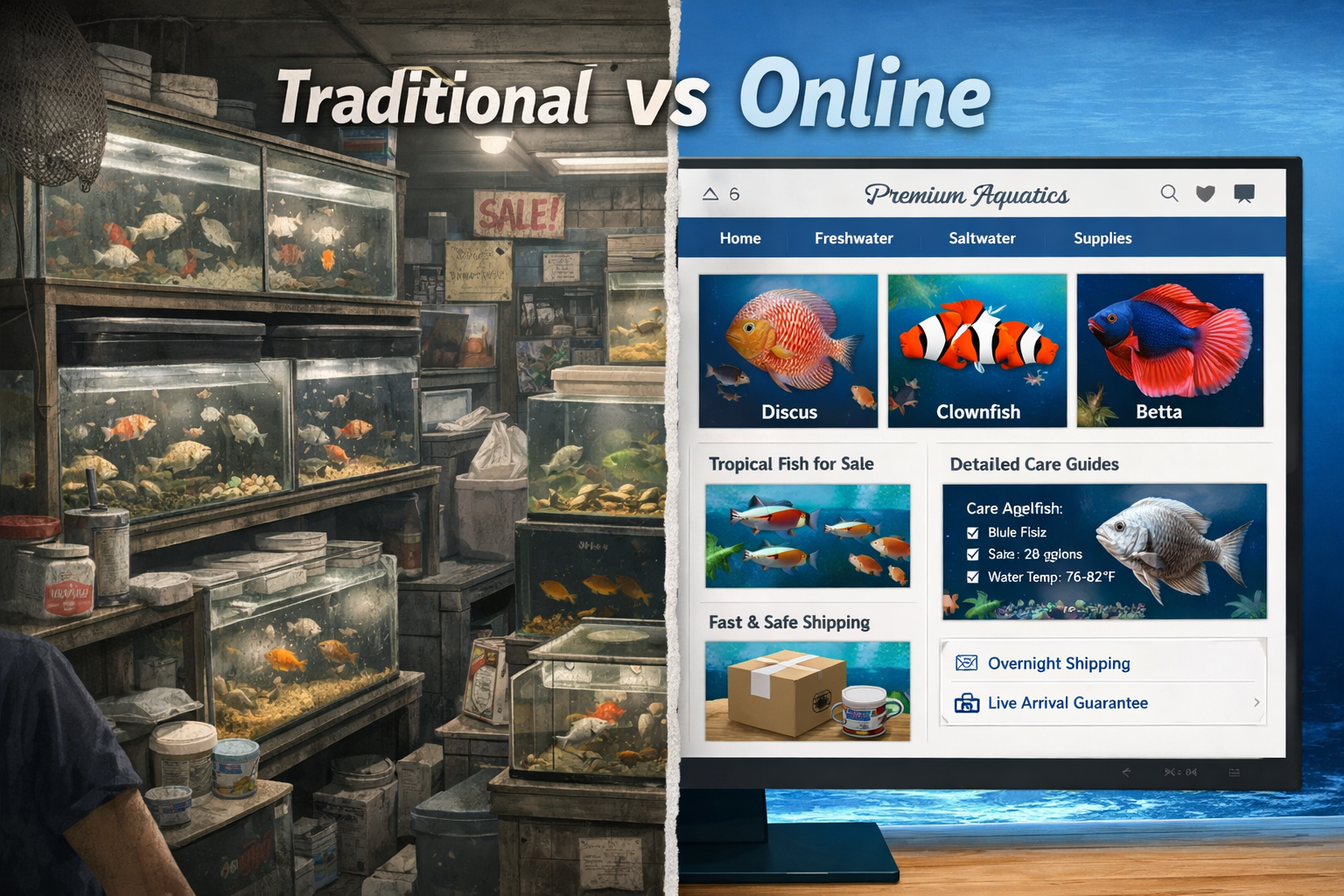
The Selection Advantage
When you walk into a typical pet store, you might find 20-30 species of saltwater fish if you're lucky. Most of these are common varieties like clownfish, tangs, and basic angelfish. However, when you browse a quality fish store online, you gain access to hundreds of species sourced directly from sustainable collectors around the world.
Saltwaterfishshop.com exemplifies this advantage, offering everything from rare deepwater angelfish to exotic wrasses that you'd never find in a local store. Their inventory includes:
- Over 200 species of marine fish
- Rare and exotic specimens sourced from sustainable collectors
- Captive-bred options for environmentally conscious hobbyists
- Seasonal specialties that rotate based on availability
- Expert-curated selections chosen for health and compatibility
Health and Quality Standards
One of the biggest concerns hobbyists have about buying fish online is the health and quality of specimens. However, reputable online retailers actually maintain higher standards than most local stores. Here's why:
Professional Quarantine Systems: Top-tier online fish stores maintain extensive quarantine facilities where fish are observed and treated for weeks before being offered for sale. This process eliminates sick or stressed fish from ever reaching customers.
Specialized Care Teams: Online retailers employ marine biologists and experienced aquarists who understand the specific needs of each species. They monitor water quality, feeding schedules, and behavioral patterns to ensure optimal fish health.
Rapid Turnover: Unlike local stores where fish might sit in tanks for months, quality online retailers maintain rapid inventory turnover, meaning you receive fish that haven't been in captivity for extended periods.
Cost-Effectiveness
While the initial sticker price might seem comparable, online fish stores often provide better value through:
- No overhead costs passed to customers from expensive retail spaces
- Direct sourcing from collectors and breeders
- Bulk shipping discounts when ordering multiple specimens
- Frequent promotions and loyalty programs
- Free shipping options for qualifying orders
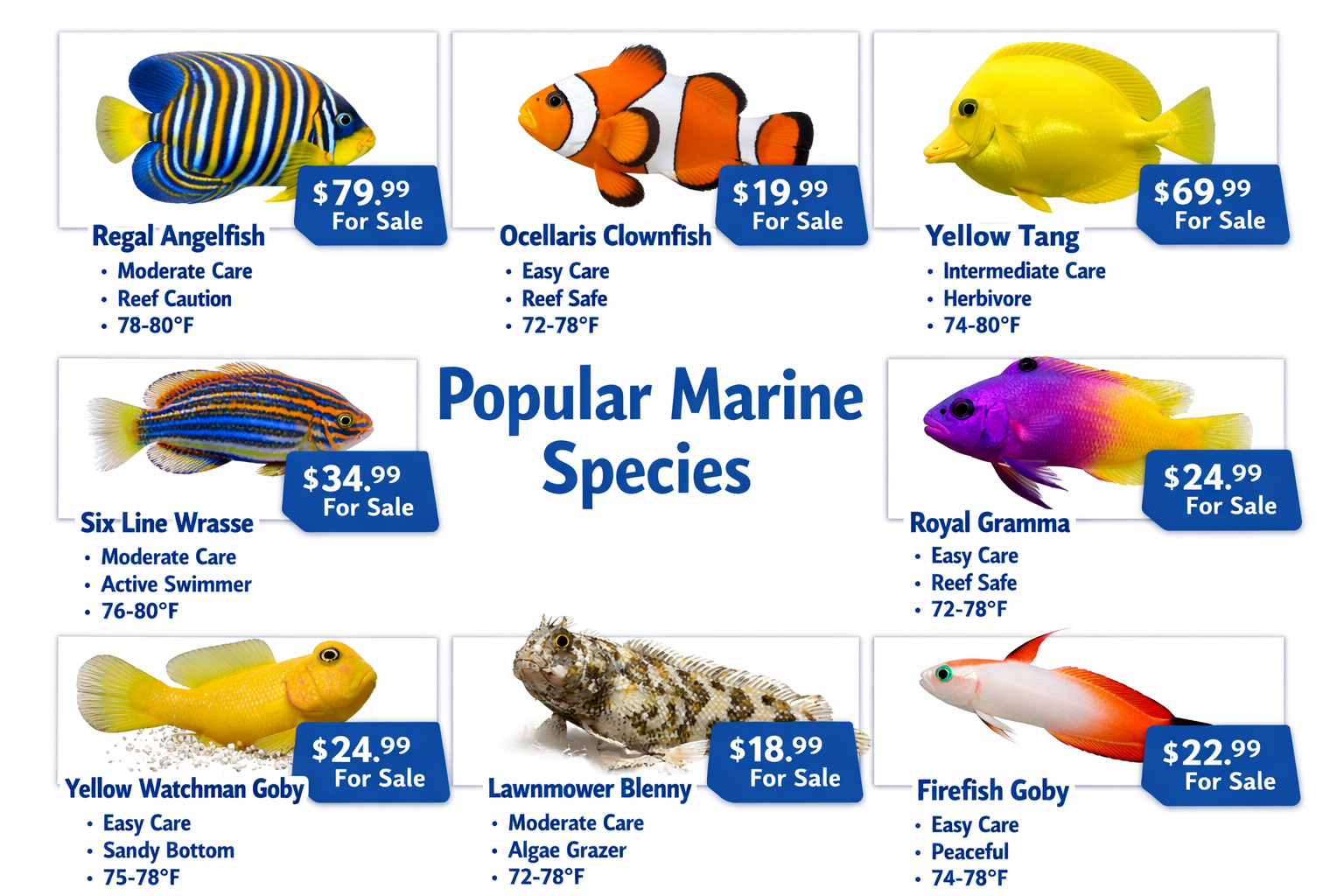
Comprehensive Species Guide: Popular Saltwater Fish for Sale Online
Angelfish: The Crown Jewels of Marine Aquariums
Angelfish represent some of the most sought-after specimens in the marine aquarium trade, and for good reason. These majestic fish combine stunning beauty with fascinating behaviors, making them centerpiece fish for mature aquarium systems.
Popular Angelfish Species Available Online:
- Emperor Angelfish (Pomacanthus imperator): Known for their dramatic color transformation from juvenile to adult
- French Angelfish (Pomacanthus paru): Hardy species perfect for larger aquarium systems
- Queen Angelfish (Holacanthus ciliaris): Vibrant yellow and blue coloration with distinctive crown marking
- Coral Beauty (Centropyge bispinosa): Dwarf angelfish perfect for smaller reef systems
- Flame Angelfish (Centropyge loricula): Brilliant red-orange coloration with black markings
When shopping for angelfish for sale online, it's crucial to understand their specific requirements. Most angelfish need:
- Minimum tank size: 75-180 gallons depending on species
- Water parameters: pH 8.1-8.4, temperature 72-78°F
- Diet: Varied diet including marine algae, sponges, and high-quality pellets
- Compatibility: Generally peaceful but may show aggression toward other angelfish
Expert Care Tip: Always research the adult size and temperament of angelfish species before purchasing. What starts as a beautiful 2-inch juvenile can grow into a 12-inch adult with specific territorial requirements.
Clownfish: The Gateway to Marine Aquariums
Clownfish remain the most popular marine fish for beginners, and captive-bred specimens available online are healthier and hardier than ever before. These charismatic fish have captured hearts worldwide, not just for their appearance but for their fascinating symbiotic relationship with anemones.
Top Clownfish Varieties for Online Purchase:
- Ocellaris Clownfish (Amphiprion ocellaris): The classic "Nemo" fish, available in multiple color variations
- Percula Clownfish (Amphiprion percula): Similar to Ocellaris but with thicker black borders
- Maroon Clownfish (Premnas biaculeatus): Largest clownfish species with deep red coloration
- Tomato Clownfish (Amphiprion frenatus): Hardy species with bright orange-red coloration
- Designer Clownfish: Captive-bred varieties including Snowflake, Picasso, and Lightning patterns
The advantage of purchasing clownfish from a reputable online retailer is access to captive-bred specimens. These fish are:
- Disease-resistant due to generations of selective breeding
- Hardy and adaptable to aquarium conditions
- Environmentally sustainable without impacting wild populations
- Well-fed and healthy from birth in controlled environments
Tangs and Surgeonfish: The Algae Control Specialists
Tangs serve dual purposes in marine aquariums: they're beautiful to observe and provide natural algae control. However, their specific dietary and space requirements make choosing healthy specimens crucial for success.
Essential Tang Species for Marine Aquariums:
- Yellow Tang (Zebrasoma flavescens): Bright yellow coloration and excellent algae-eating habits
- Purple Tang (Zebrasoma xanthurum): Stunning purple coloration with yellow tail
- Blue Tang (Paracanthurus hepatus): Also known as "Dory," features blue body with black markings
- Sailfin Tang (Zebrasoma veliferum): Large, impressive species with extended dorsal fin
- Powder Brown Tang (Acanthurus japonicus): Elegant brown coloration with white markings
Critical Tang Care Considerations:
Tangs are among the most challenging marine fish to maintain successfully, which makes purchasing from a knowledgeable online retailer essential. They require:
- Large swimming spaces: Minimum 75-125 gallons depending on species
- Excellent water quality: Zero tolerance for ammonia or nitrites
- Specialized diet: Marine algae, nori sheets, and herbivore pellets
- Quarantine protocols: Particularly susceptible to ich and other parasites
When purchasing tangs online, look for retailers that provide detailed acclimation instructions and ongoing care support.
Wrasses: The Colorful Cleanup Crew
Wrasses represent one of the largest and most diverse families of marine fish, offering everything from tiny cleaner species to large, predatory varieties. Their pest control abilities and vibrant colors make them valuable additions to most marine systems.
Popular Wrasse Species for Online Purchase:
- Six Line Wrasse (Pseudocheilinus hexataenia): Excellent pest control for small tanks
- Yellow Coris Wrasse (Halichoeres chrysus): Peaceful species perfect for reef tanks
- Melanurus Wrasse (Halichoeres melanurus): Outstanding sand bed cleaners
- Fairy Wrasses (Cirrhilabrus spp.): Peaceful, colorful species perfect for reef systems
- Cleaner Wrasse (Labroides dimidiatus): Provides cleaning services for other fish
Wrasse Care Essentials:
Most wrasses are relatively hardy and adapt well to aquarium life, making them excellent choices for online purchase. Key requirements include:
- Sand substrate: Many species bury themselves at night
- Secure lid: Wrasses are notorious jumpers
- Varied diet: Mix of frozen foods, pellets, and live foods
- Peaceful tankmates: Most wrasses are reef-safe and community-friendly
Gobies and Blennies: The Personality-Packed Bottom Dwellers
These small, charismatic fish bring outsized personality to marine aquariums. Their unique behaviors, from sand-sifting to algae grazing, make them fascinating to observe and valuable for tank maintenance.
Top Goby and Blenny Species:
- Mandarin Goby (Synchiropus splendidus): Stunning coloration but requires specialized feeding
- Watchman Goby (Cryptocentrus spp.): Forms symbiotic relationships with pistol shrimp
- Diamond Goby (Valenciennea puellaris): Excellent sand bed sifter
- Lawnmower Blenny (Salarias fasciatus): Outstanding algae control
- Bicolor Blenny (Ecsenius bicolor): Peaceful, colorful reef fish
Small Fish, Big Requirements:
While these fish are generally hardy, they have specific needs that make purchasing from knowledgeable retailers important:
- Specialized diets: Some species require live foods or specific feeding schedules
- Territory requirements: Many are territorial despite their small size
- Compatibility considerations: Some species may nip at coral polyps
- Acclimation sensitivity: Proper introduction protocols are essential
For detailed care information on these fascinating species, blennies for sale pages often include comprehensive care guides.
Cardinals and Anthias: The Schooling Spectacle
These fish bring the magic of schooling behavior to home aquariums, creating dynamic displays of color and movement that rival any natural reef scene.
Popular Schooling Species:
- Banggai Cardinal (Pterapogon kauderni): Distinctive black and white striped pattern
- Pajama Cardinal (Sphaeramia nematoptera): Peaceful, hardy schooling fish
- Lyretail Anthias (Pseudanthias squamipinnis): Brilliant orange and pink coloration
- Bartlett's Anthias (Pseudanthias bartlettorum): Purple and yellow gradient coloration
- Dispar Anthias (Pseudanthias dispar): Peaceful species perfect for reef tanks
Schooling Fish Success Tips:
These species require specific approaches for success:
- Group purchases: Most schooling fish need to be kept in groups of 3-6 individuals
- Feeding frequency: Multiple small feedings throughout the day
- Water flow: Moderate to strong current mimics their natural environment
- Tank size: Adequate swimming space for group dynamics
Many online retailers offer group discounts when purchasing multiple specimens of schooling species, making it more affordable to create natural-looking displays.
Fish Store Online: Compatibility and Tank Planning
Understanding Marine Fish Compatibility
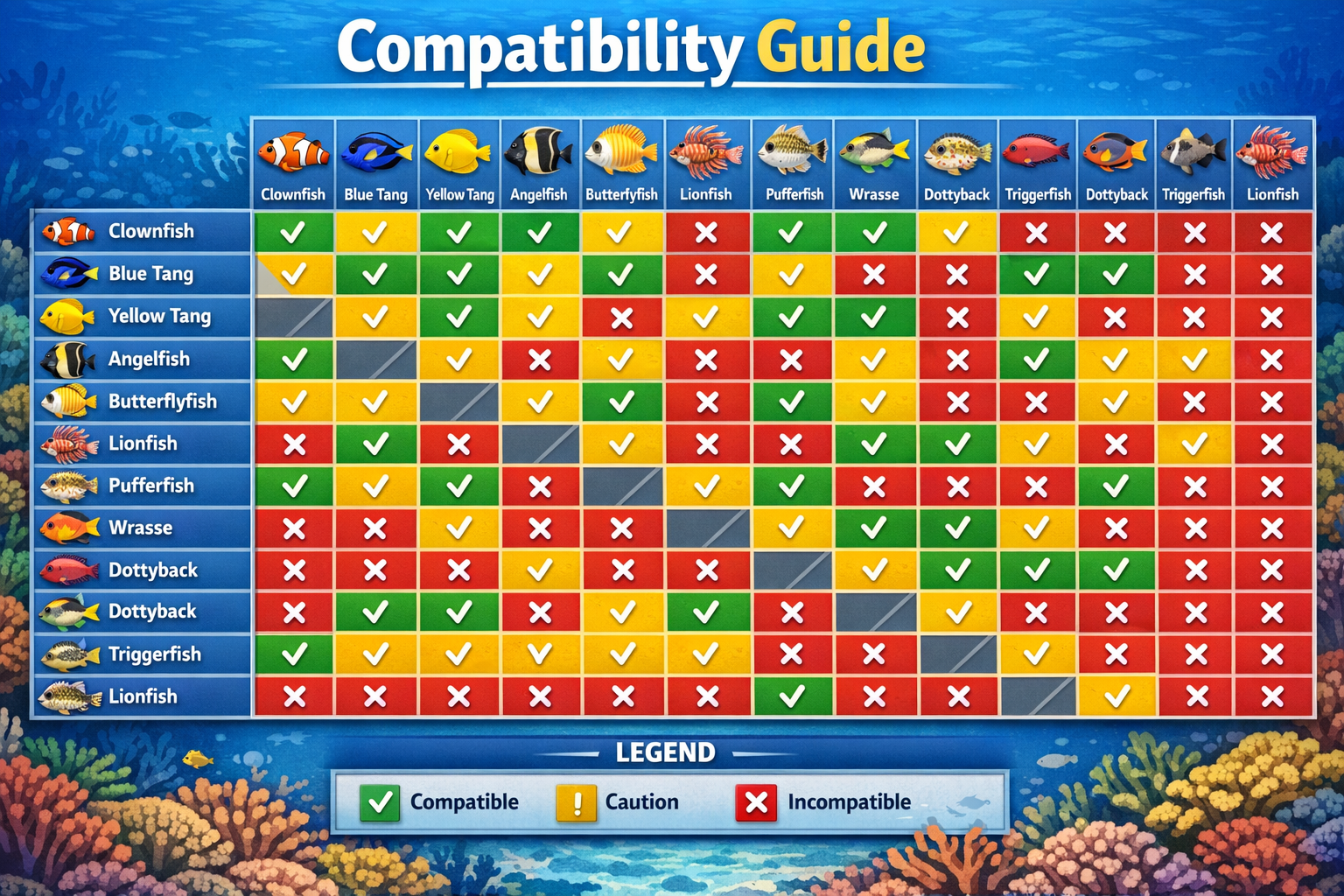
One of the biggest advantages of shopping at a quality fish store online is access to detailed compatibility information. Unlike local stores where staff knowledge varies, reputable online retailers provide comprehensive compatibility guides for each species.
Key Compatibility Factors:
Aggression Levels: Fish are typically categorized as:
- Peaceful: Compatible with most community fish
- Semi-aggressive: May show territorial behavior
- Aggressive: Requires careful tankmate selection
- Predatory: Will eat smaller fish
Size Considerations: Adult size determines:
- Minimum tank requirements
- Compatibility with smaller species
- Territory and swimming space needs
- Feeding competition dynamics
Dietary Requirements: Different feeding needs can create:
- Competition for food resources
- Water quality impacts
- Specialized feeding schedules
- Nutritional deficiency risks
Environmental Needs: Matching requirements for:
- Water flow preferences
- Lighting requirements
- Temperature ranges
- pH and salinity tolerance
Creating Successful Community Tanks
The key to successful marine aquarium communities lies in careful planning and gradual introduction. When purchasing from an online fish store, consider these proven combination strategies:
Peaceful Community Setup (75-gallon tank):
- 2 Ocellaris Clownfish
- 1 Yellow Tang
- 3 Green Chromis
- 1 Six Line Wrasse
- 1 Lawnmower Blenny
Semi-Aggressive Setup (125-gallon tank):
- 1 Emperor Angelfish
- 1 Purple Tang
- 1 Yellow Tang
- 2 Lyretail Anthias
- 1 Melanurus Wrasse
Predator Setup (180-gallon tank):
- 1 Lionfish
- 1 Grouper
- 1 Moray Eel
- 2 Triggerfish
Introduction Protocols
Successful fish introduction requires careful planning and patience. When receiving fish from an online retailer:
Quarantine Period: Always quarantine new fish for 2-4 weeks before introducing them to your main tank. This prevents disease transmission and allows observation of behavior and appetite.
Acclimation Process: Follow detailed acclimation instructions provided by your online retailer. This typically involves:
- Temperature equalization (30-60 minutes)
- Gradual water parameter adjustment (1-2 hours)
- Stress reduction techniques
- Monitoring for signs of distress
Introduction Order: Add fish in order of aggression level:
- Most peaceful species first
- Semi-aggressive species after establishment
- Aggressive species last
- Territorial species when tank is mature
<!DOCTYPE html>
<html lang="en">
<head>
    <meta charset="UTF-8">
    <meta name="viewport" content="width=device-width, initial-scale=1.0">
    <title>Marine Fish Compatibility Checker</title>
    <style>
        .cg-element-compatibility-container {
            max-width: 800px;
            margin: 20px auto;
            padding: 20px;
            font-family: Arial, sans-serif;
            background: linear-gradient(135deg, #e3f2fd 0%, #bbdefb 100%);
            border-radius: 12px;
            box-shadow: 0 4px 6px rgba(0,0,0,0.1);
        }

        .cg-element-title {
            text-align: center;
            color: #0d47a1;
            margin-bottom: 25px;
            font-size: 24px;
            font-weight: bold;
        }

        .cg-element-fish-selector {
            display: grid;
            grid-template-columns: repeat(auto-fit, minmax(250px, 1fr));
            gap: 20px;
            margin-bottom: 25px;
        }

        .cg-element-selector-group {
            background: white;
            padding: 15px;
            border-radius: 8px;
            box-shadow: 0 2px 4px rgba(0,0,0,0.1);
        }

        .cg-element-selector-group h3 {
            margin: 0 0 10px 0;
            color: #1565c0;
            font-size: 16px;
        }

        .cg-element-fish-select {
            width: 100%;
            padding: 8px;
            border: 2px solid #90caf9;
            border-radius: 4px;
            font-size: 14px;
        }

        .cg-element-compatibility-result {
            background: white;
            padding: 20px;
            border-radius: 8px;
            margin-top: 20px;
            min-height: 100px;
            box-shadow: 0 2px 4px rgba(0,0,0,0.1);
        }

        .cg-element-compatibility-good {
            border-left: 5px solid #4caf50;
            background-color: #f1f8e9;
        }

        .cg-element-compatibility-caution {
            border-left: 5px solid #ff9800;
            background-color: #fff8e1;
        }

        .cg-element-compatibility-poor {
            border-left: 5px solid #f44336;
            background-color: #ffebee;
        }

        .cg-element-result-title {
            font-size: 18px;
            font-weight: bold;
            margin-bottom: 10px;
        }

        .cg-element-result-description {
            line-height: 1.6;
            color: #333;
        }

        .cg-element-tank-size {
            margin-top: 15px;
            padding: 10px;
            background: #e8f5e8;
            border-radius: 4px;
            font-weight: bold;
        }

        @media (max-width: 600px) {
            .cg-element-fish-selector {
                grid-template-columns: 1fr;
            }

            .cg-element-compatibility-container {
                margin: 10px;
                padding: 15px;
            }
        }
    </style>
</head>
<body>
    <div class="cg-element-compatibility-container">
        <h2 class="cg-element-title">🐠 Marine Fish Compatibility Checker</h2>

        <div class="cg-element-fish-selector">
            <div class="cg-element-selector-group">
                <h3>Primary Fish</h3>
                <select id="fish1" class="cg-element-fish-select">
                    <option value="">Select a fish...</option>
                    <option value="clownfish">Ocellaris Clownfish</option>
                    <option value="yellow-tang">Yellow Tang</option>
                    <option value="emperor-angel">Emperor Angelfish</option>
                    <option value="six-line-wrasse">Six Line Wrasse</option>
                    <option value="mandarin-goby">Mandarin Goby</option>
                    <option value="lionfish">Lionfish</option>
                    <option value="blue-tang">Blue Tang</option>
                    <option value="coral-beauty">Coral Beauty Angel</option>
                    <option value="banggai-cardinal">Banggai Cardinal</option>
                    <option value="purple-tang">Purple Tang</option>
                </select>
            </div>

            <div class="cg-element-selector-group">
                <h3>Secondary Fish</h3>
                <select id="fish2" class="cg-element-fish-select">
                    <option value="">Select a fish...</option>
                    <option value="clownfish">Ocellaris Clownfish</option>
                    <option value="yellow-tang">Yellow Tang</option>
                    <option value="emperor-angel">Emperor Angelfish</option>
                    <option value="six-line-wrasse">Six Line Wrasse</option>
                    <option value="mandarin-goby">Mandarin Goby</option>
                    <option value="lionfish">Lionfish</option>
                    <option value="blue-tang">Blue Tang</option>
                    <option value="coral-beauty">Coral Beauty Angel</option>
                    <option value="banggai-cardinal">Banggai Cardinal</option>
                    <option value="purple-tang">Purple Tang</option>
                </select>
            </div>
        </div>

        <div id="compatibility-result" class="cg-element-compatibility-result">
            <p style="text-align: center; color: #666; font-style: italic;">
                Select two fish species above to check their compatibility for your marine aquarium.
            </p>
        </div>
    </div>

    <script>
        const fishData = {
            'clownfish': {
                name: 'Ocellaris Clownfish',
                aggression: 'peaceful',
                size: 'small',
                tankSize: 30
            },
            'yellow-tang': {
                name: 'Yellow Tang',
                aggression: 'semi-aggressive',
                size: 'medium',
                tankSize: 75
            },
            'emperor-angel': {
                name: 'Emperor Angelfish',
                aggression: 'semi-aggressive',
                size: 'large',
                tankSize: 180
            },
            'six-line-wrasse': {
                name: 'Six Line Wrasse',
                aggression: 'semi-aggressive',
                size: 'small',
                tankSize: 50
            },
            'mandarin-goby': {
                name: 'Mandarin Goby',
                aggression: 'peaceful',
                size: 'small',
                tankSize: 30
            },
            'lionfish': {
                name: 'Lionfish',
                aggression: 'predatory',
                size: 'medium',
                tankSize: 120
            },
            'blue-tang': {
                name: 'Blue Tang',
                aggression: 'peaceful',
                size: 'medium',
                tankSize: 75
            },
            'coral-beauty': {
                name: 'Coral Beauty Angel',
                aggression: 'semi-aggressive',
                size: 'small',
                tankSize: 55
            },
            'banggai-cardinal': {
                name: 'Banggai Cardinal',
                aggression: 'peaceful',
                size: 'small',
                tankSize: 30
            },
            'purple-tang': {
                name: 'Purple Tang',
                aggression: 'semi-aggressive',
                size: 'medium',
                tankSize: 90
            }
        };

        function checkCompatibility(fish1, fish2) {
            const f1 = fishData[fish1];
            const f2 = fishData[fish2];

            if (!f1 || !f2) return null;

            let compatibility = 'good';
            let reasons = [];
            let tankSize = Math.max(f1.tankSize, f2.tankSize);

            // Check aggression compatibility
            if (f1.aggression === 'predatory' || f2.aggression === 'predatory') {
                if (f1.aggression !== f2.aggression) {
                    compatibility = 'poor';
                    reasons.push('Predatory fish will likely eat peaceful tankmates');
                }
            }

            // Same species tang aggression
            if (fish1.includes('tang') && fish2.includes('tang')) {
                compatibility = 'caution';
                reasons.push('Multiple tangs require large tanks and careful introduction');
                tankSize = Math.max(tankSize, 125);
            }

            // Size compatibility
            if ((f1.size === 'large' && f2.size === 'small') ||
                (f1.size === 'small' && f2.size === 'large')) {
                if (f1.aggression !== 'peaceful' && f2.aggression !== 'peaceful') {
                    compatibility = 'caution';
                    reasons.push('Size difference may cause territorial issues');
                }
            }

            // Angelfish compatibility
            if (fish1.includes('angel') && fish2.includes('angel')) {
                compatibility = 'poor';
                reasons.push('Multiple angelfish are typically incompatible in home aquariums');
            }

            // Wrasse aggression
            if (fish1.includes('wrasse') && f2.aggression === 'peaceful') {
                compatibility = 'caution';
                reasons.push('Six Line Wrasse can become territorial with peaceful fish');
            }

            if (reasons.length === 0) {
                reasons.push('These species are generally compatible with proper tank size and introduction');
            }

            return {
                compatibility,
                reasons,
                tankSize,
                fish1: f1,
                fish2: f2
            };
        }

        function updateCompatibility() {
            const fish1 = document.getElementById('fish1').value;
            const fish2 = document.getElementById('fish2').value;
            const resultDiv = document.getElementById('compatibility-result');

            if (!fish1 || !fish2) {
                resultDiv.innerHTML = `
                    <p style="text-align: center; color: #666; font-style: italic;">
                        Select two fish species above to check their compatibility for your marine aquarium.
                    </p>
                `;
                resultDiv.className = 'cg-element-compatibility-result';
                return;
            }

            if (fish1 === fish2) {
                resultDiv.innerHTML = `
                    <div class="cg-element-result-title">Same Species Selected</div>
                    <div class="cg-element-result-description">
                        Please select two different fish species to check compatibility.
                    </div>
                `;
                resultDiv.className = 'cg-element-compatibility-result';
                return;
            }

            const result = checkCompatibility(fish1, fish2);

            let compatibilityText = '';
            let emoji = '';

            switch(result.compatibility) {
                case 'good':
                    compatibilityText = 'Excellent Compatibility';
                    emoji = '✅';
                    break;
                case 'caution':
                    compatibilityText = 'Caution Required';
                    emoji = '⚠️';
                    break;
                case 'poor':
                    compatibilityText = 'Poor Compatibility';
                    emoji = '❌';
                    break;
            }

            resultDiv.className = `cg-element-compatibility-result cg-element-compatibility-${result.compatibility}`;
            resultDiv.innerHTML = `
                <div class="cg-element-result-title">${emoji} ${compatibilityText}</div>
                <div class="cg-element-result-description">
                    <strong>${result.fish1.name}</strong> and <strong>${result.fish2.name}</strong>:<br>
                    ${result.reasons.join('. ')}.
                </div>
                <div class="cg-element-tank-size">
                    💧 Recommended minimum tank size: ${result.tankSize} gallons
                </div>
            `;
        }

        document.getElementById('fish1').addEventListener('change', updateCompatibility);
        document.getElementById('fish2').addEventListener('change', updateCompatibility);
    </script>
</body>
</html>
Saltwaterfishshop.com: The Premier Online Marine Fish Store
Why Saltwaterfishshop.com Leads the Industry
When evaluating the best fish store online options in 2026, Saltwaterfishshop.com consistently ranks as the top choice among serious marine aquarium enthusiasts. Their commitment to quality, customer education, and sustainable practices sets them apart from competitors.
Industry-Leading Standards:
Quality Assurance Program: Every fish undergoes a rigorous health screening process before being offered for sale. This includes:
- 14-day minimum quarantine period
- Veterinary health checks
- Feeding verification
- Behavioral assessment
- Disease screening protocols
Sustainable Sourcing: The company partners exclusively with certified collectors who follow sustainable harvesting practices, ensuring minimal environmental impact while supporting local communities.
Expert Curation: Their marine biologist team hand-selects each specimen based on health, coloration, and behavioral indicators, guaranteeing customers receive premium quality fish.
Comprehensive Species Selection
Saltwaterfishshop.com offers the most extensive selection of marine fish available online, with over 200 species regularly in stock. Their inventory includes:
Angelfish Collection: From dwarf species perfect for nano reefs to large specimens suitable for FOWLR systems, their angelfish for sale section features rare and common varieties with detailed care information.
Tang and Surgeonfish: Their selection includes both common and rare tang species, all quarantined and feeding well before shipment. Each listing includes adult size information and compatibility notes.
Rare and Exotic Species: Access to hard-to-find species like deepwater anthias, rare wrasses, and unusual gobies that you won't find elsewhere.
Captive-Bred Options: Extensive selection of captive-bred saltwater fish for sale, supporting sustainable aquaculture while providing hardier specimens.
Educational Resources and Support
What truly distinguishes Saltwaterfishshop.com is their commitment to customer education. Rather than simply selling fish, they provide comprehensive resources to ensure customer success:
Species Care Guides: Detailed care sheets for every species, including:
- Tank requirements and setup specifications
- Feeding guidelines and dietary preferences
- Compatibility information and tankmate suggestions
- Common health issues and prevention strategies
- Breeding information where applicable
Video Content: Professional care videos demonstrating proper acclimation, feeding techniques, and tank setup for various species.
Expert Consultation: Access to marine aquarium specialists for personalized advice on tank planning, species selection, and problem-solving.
Community Support: Active customer community with forums, social media groups, and regular Q&A sessions with experts.
Shipping and Guarantee Programs
Saltwaterfishshop.com has perfected the art of live fish shipping, using advanced packaging techniques and logistics partnerships to ensure safe arrival.
Advanced Shipping Technology:
- Insulated containers with precise temperature control
- Oxygen-enriched water for extended transport times
- Stress-reducing additives to minimize transport shock
- Real-time tracking for complete shipment visibility
- Weather monitoring to avoid shipping during extreme conditions
Comprehensive Guarantees:
- Live Arrival Guarantee: 100% guarantee on live arrival when shipped to appropriate climates
- Health Guarantee: 7-day health guarantee covering disease and feeding issues
- Satisfaction Guarantee: Customer satisfaction guarantee with responsive support team
- Replacement Policy: Quick replacement for any fish that don't meet expectations
Customer Service Excellence
The customer service team at Saltwaterfishshop.com consists of experienced aquarists who understand the challenges and concerns of marine fishkeeping. They provide:
Pre-Purchase Consultation: Help with species selection, compatibility planning, and tank preparation advice.
Post-Purchase Support: Ongoing support for acclimation, feeding, and any issues that arise after delivery.
Emergency Support: 24/7 support for shipping emergencies or urgent care questions.
Educational Follow-up: Regular check-ins with new customers to ensure successful integration and long-term success.
Advanced Care Considerations for Online Fish Purchases
Quarantine Protocols for New Arrivals
Even when purchasing from the most reputable fish store online, implementing proper quarantine procedures is essential for protecting your existing tank inhabitants and ensuring the health of new arrivals.
Setting Up Your Quarantine System:
A proper quarantine tank doesn't need to be elaborate, but it should include:
- Tank Size: 20-40 gallons depending on fish size
- Filtration: Established biological filtration or frequent water changes
- Hiding Places: PVC pipes or ceramic decorations for security
- Lighting: Basic lighting to maintain day/night cycles
- Water Quality: Match parameters to your main tank
- Medication Capability: Ability to treat with copper or other medications if needed
Quarantine Timeline and Procedures:
Week 1: Observation and acclimation
- Monitor feeding response and behavior
- Watch for signs of stress or disease
- Maintain stable water parameters
- Begin establishing routine
Week 2: Health assessment
- Evaluate overall condition and appetite
- Look for signs of parasites or bacterial infections
- Consider prophylactic treatment if indicated
- Continue behavioral observation
Week 3-4: Final evaluation
- Confirm healthy eating and normal behavior
- Ensure no signs of disease or stress
- Plan introduction to main tank
- Prepare acclimation strategy
Acclimation Best Practices
Proper acclimation is crucial when receiving fish from an online retailer. The shipping process, while carefully managed, still creates stress that must be minimized through careful introduction procedures.
Temperature Acclimation:
- Float sealed shipping bag in tank for 15-20 minutes
- Gradually add small amounts of tank water to bag
- Continue process for 45-60 minutes total
- Monitor fish behavior throughout process
Water Parameter Adjustment:
- pH Adjustment: Gradual adjustment over 1-2 hours
- Salinity Matching: Critical for marine species
- Temperature Stabilization: Avoid rapid temperature changes
- Stress Reduction: Dim lighting and minimal disturbance
Post-Acclimation Monitoring:
- Observe feeding response within 24-48 hours
- Watch for signs of stress or disease
- Maintain excellent water quality
- Avoid overcrowding during adjustment period
Feeding Strategies for New Arrivals
Fish purchased online may have different feeding experiences than those from local stores. Establishing proper feeding routines quickly is essential for long-term success.
Initial Feeding Approach:
- Start Small: Offer small amounts of high-quality food
- Multiple Options: Try different food types to determine preferences
- Frequent Feeding: Small, frequent meals rather than large portions
- Monitor Response: Watch for feeding enthusiasm and food acceptance
Species-Specific Considerations:
Herbivorous Species (Tangs, Some Angels):
- Provide marine algae and vegetable matter immediately
- Supplement with high-quality herbivore pellets
- Maintain constant grazing opportunities
- Monitor for nutritional deficiency signs
Carnivorous Species (Groupers, Lionfish):
- Start with live or frozen foods
- Gradually introduce pellets if desired
- Feed appropriate prey sizes
- Maintain feeding schedule consistency
Planktivorous Species (Anthias, Cardinals):
- Provide small, frequent meals throughout the day
- Use appropriately sized foods
- Consider automatic feeding systems
- Maintain consistent feeding times
Long-Term Health Management
Success with online fish purchases extends well beyond the initial acclimation period. Long-term health management requires ongoing attention to water quality, nutrition, and behavioral monitoring.
Water Quality Maintenance:
- Regular Testing: Weekly testing of key parameters
- Consistent Changes: Regular water change schedule
- Parameter Stability: Avoid sudden changes in conditions
- Equipment Maintenance: Regular cleaning and servicing
Nutritional Management:
- Varied Diet: Rotate between different food types
- Quality Foods: Invest in high-quality nutrition
- Supplementation: Add vitamins and supplements as needed
- Feeding Observation: Monitor individual fish feeding behavior
Health Monitoring:
- Daily Observation: Quick daily health checks
- Behavioral Changes: Note any changes in normal behavior
- Physical Examination: Weekly close examination for physical changes
- Preventive Care: Proactive approach to health management
Cost Analysis: Online vs. Local Fish Store Purchases
Initial Purchase Price Comparison
While price shouldn't be the only consideration when choosing where to purchase marine fish, understanding the cost differences between online and local retailers helps make informed decisions.
Typical Price Comparisons:
| Species | Local Store | Online Store | Savings |
|---|---|---|---|
| Ocellaris Clownfish | $25-35 | $15-25 | 20-40% |
| Yellow Tang | $45-65 | $35-50 | 15-30% |
| Emperor Angelfish | $150-250 | $120-180 | 20-35% |
| Six Line Wrasse | $35-50 | $25-35 | 25-40% |
| Mandarin Goby | $40-60 | $30-45 | 20-30% |
Factors Affecting Online Pricing:
- Direct Sourcing: Elimination of middleman markups
- Lower Overhead: Reduced facility and staffing costs
- Volume Purchasing: Better wholesale pricing through volume
- Competitive Market: Online competition drives competitive pricing
Shipping Costs and Considerations
While online fish stores often offer competitive base prices, shipping costs must be factored into total purchase price. However, many retailers offer strategies to minimize shipping expenses:
Shipping Cost Structures:
- Standard Shipping: $35-50 for overnight delivery
- Express Shipping: $50-75 for guaranteed morning delivery
- Group Orders: Reduced per-fish cost when ordering multiple specimens
- Free Shipping Thresholds: Many stores offer free shipping on orders over $200-300
Cost-Saving Strategies:
- Bulk Purchases: Order multiple fish at once to spread shipping costs
- Seasonal Promotions: Take advantage of periodic free shipping offers
- Local Group Orders: Coordinate with other hobbyists for shared shipments
- Loyalty Programs: Many online retailers offer shipping discounts for repeat customers
Total Cost of Ownership
Beyond initial purchase and shipping costs, consider the total cost of ownership when comparing online vs. local purchases:
Health and Quarantine Costs:
- Online Advantages: Pre-quarantined fish reduce disease risk and treatment costs
- Quality Assurance: Higher quality specimens reduce mortality and replacement costs
- Health Guarantees: Comprehensive guarantees protect against losses
Long-Term Success Factors:
- Better Information: Detailed care guides reduce costly mistakes
- Expert Support: Access to specialist advice prevents expensive problems
- Quality Nutrition: Recommendations for appropriate foods improve long-term health
Value-Added Services
Premium online retailers like Saltwaterfishshop.com provide value-added services that justify any price premiums:
Educational Resources:
- Comprehensive care guides worth hundreds of dollars in consultation fees
- Video tutorials and expert advice
- Community support and troubleshooting assistance
Quality Assurance:
- Professional quarantine services
- Health screening and veterinary care
- Feeding verification and behavioral assessment
Customer Support:
- Pre-purchase consultation and planning assistance
- Post-purchase support and problem-solving
- Long-term relationship building and ongoing advice
Seasonal Considerations and Availability
Understanding Seasonal Fish Availability
The marine aquarium trade follows natural seasonal patterns that affect both availability and pricing of various species. Understanding these patterns helps plan purchases and budget for desired additions.
Peak Season Availability (Spring/Summer):
- Increased Collection: Favorable weather conditions allow more frequent collection trips
- Better Shipping Conditions: Moderate temperatures reduce shipping stress and mortality
- Higher Inventory: Online retailers maintain larger inventories during peak seasons
- New Species Introductions: Rare and seasonal species become available
Off-Season Considerations (Fall/Winter):
- Limited Collection: Weather restrictions reduce collection frequency
- Shipping Challenges: Extreme temperatures require special handling and may delay shipments
- Reduced Inventory: Smaller selection but often better prices on available species
- Focus on Hardy Species: Emphasis on species that ship well in challenging conditions
Weather-Related Shipping Considerations
Reputable online fish stores carefully monitor weather conditions and may delay shipments to ensure fish safety. Understanding these policies helps set appropriate expectations:
Temperature Restrictions:
- Summer Limits: Shipping may be suspended when temperatures exceed 85-90°F
- Winter Limits: Cold weather shipping requires special insulation and heat packs
- Regional Variations: Different restrictions apply to different geographic areas
- Customer Communication: Proactive communication about weather delays
Seasonal Shipping Strategies:
- Flexible Scheduling: Allow extra time for weather-related delays
- Seasonal Planning: Plan major purchases during optimal shipping seasons
- Emergency Preparedness: Have backup plans for delayed shipments
- Communication: Maintain contact with retailer during challenging weather periods
Special Seasonal Offerings
Many online fish stores offer special seasonal promotions and unique species availability:
Holiday Promotions:
- Black Friday Sales: Significant discounts on popular species
- Summer Specials: Promotions during peak shipping season
- End-of-Year Clearance: Inventory reduction sales in late fall
- New Year Promotions: Fresh start packages for new hobbyists
Seasonal Species:
- Spring Arrivals: New collections of rare and unusual species
- Summer Exclusives: Species that ship best during warm weather
- Fall Favorites: Hardy species perfect for autumn setup
- Winter Selections: Cold-hardy species and captive-bred options
Building Long-Term Relationships with Online Retailers
The Value of Retailer Relationships
Successful marine aquarium keeping often depends on building strong relationships with knowledgeable suppliers. The best fish store online retailers invest in long-term customer relationships rather than one-time transactions.
Benefits of Retailer Relationships:
- Priority Access: First notification of rare species and special arrivals
- Personalized Service: Customized recommendations based on your tank and preferences
- Flexible Policies: Accommodations for special requests and circumstances
- Expert Consultation: Access to specialist knowledge for complex situations
- Loyalty Benefits: Discounts, free shipping, and exclusive offers
Building Strong Relationships:
- Communication: Regular communication about your tank progress and goals
- Feedback: Provide feedback on purchases and experiences
- Loyalty: Consistent purchasing from preferred retailers
- Community Participation: Engage with retailer's educational content and community
- Referrals: Recommend quality retailers to fellow hobbyists
Maximizing Online Retailer Resources
Top-tier online fish stores offer extensive resources beyond just fish sales. Maximizing these resources enhances your success and enjoyment of the hobby:
Educational Opportunities:
- Care Guides: Comprehensive species-specific care information
- Video Content: Professional demonstrations and tutorials
- Webinars: Live educational sessions with experts
- Community Forums: Peer support and knowledge sharing
- Expert Consultation: Direct access to marine aquarium specialists
Planning and Support Services:
- Tank Planning: Assistance with stocking plans and compatibility
- Upgrade Consultation: Advice on tank upgrades and expansions
- Problem Solving: Support for health issues and challenges
- Maintenance Guidance: Ongoing care and maintenance advice
- Breeding Support: Assistance with breeding projects and goals
Contributing to the Community
The marine aquarium hobby thrives on shared knowledge and community support. Contributing to the community through your chosen online retailer benefits everyone:
Ways to Contribute:
- Share Experiences: Document your successes and challenges
- Provide Feedback: Help improve retailer services and resources
- Mentor Newcomers: Share knowledge with beginning hobbyists
- Participate in Forums: Engage in community discussions and support
- Submit Content: Contribute photos, videos, and care experiences
Community Benefits:
- Improved Resources: Better information and support for all hobbyists
- Stronger Industry: Support for sustainable and ethical practices
- Innovation: Development of new techniques and approaches
- Conservation: Support for marine conservation and sustainable practices
- Education: Broader public understanding and appreciation of marine life
Future Trends in Online Fish Retail

Technology Innovations
The online fish retail industry continues to evolve with new technologies that improve customer experience and fish health:
Virtual Reality Tank Planning:
- 3D Tank Visualization: Preview how fish will look in your specific tank setup
- Compatibility Modeling: Virtual testing of species combinations
- Growth Simulation: See how fish will develop over time
- Equipment Integration: Incorporate equipment needs into planning
Advanced Health Monitoring:
- Real-Time Health Tracking: Monitor fish health during quarantine
- Genetic Testing: Verify species authenticity and health status
- Behavioral Analysis: AI-powered assessment of fish behavior and health
- Predictive Health Models: Early identification of potential health issues
Enhanced Shipping Technology:
- Smart Packaging: Temperature and oxygen monitoring during transport
- Route Optimization: AI-powered logistics for optimal delivery timing
- Real-Time Tracking: Detailed shipment monitoring and customer updates
- Automated Climate Control: Responsive environmental control during shipping
Sustainability Initiatives
Environmental consciousness increasingly drives industry practices and consumer choices:
Aquaculture Expansion:
- Captive Breeding Programs: Increased focus on captive-bred specimens
- Sustainable Collection: Support for environmentally responsible collection practices
- Habitat Conservation: Retailer support for marine conservation efforts
- Research Partnerships: Collaboration with research institutions and conservation groups
Carbon Footprint Reduction:
- Efficient Logistics: Optimized shipping routes and consolidated deliveries
- Sustainable Packaging: Biodegradable and recyclable packaging materials
- Local Partnerships: Regional distribution centers to reduce shipping distances
- Carbon Offsetting: Programs to offset shipping-related emissions
Market Evolution
The online fish retail market continues to mature and specialize:
Specialization Trends:
- Species Specialists: Retailers focusing on specific fish families or regions
- Rare Species Focus: Specialists in unusual and hard-to-find species
- Beginner-Friendly Services: Retailers specializing in newcomer support
- Advanced Hobbyist Services: Specialized services for expert-level hobbyists
Service Integration:
- Complete Ecosystem Solutions: Integration of fish, equipment, and ongoing support
- Subscription Services: Regular delivery of food, supplies, and new fish
- Professional Services: Tank maintenance and setup services
- Educational Platforms: Comprehensive learning and certification programs
Conclusion
The evolution of the marine aquarium hobby has been dramatically enhanced by the emergence of quality online fish retailers. As we've explored throughout this comprehensive guide, choosing the right fish store online can make the difference between aquarium success and frustration. The convenience, selection, quality, and educational resources offered by premier online retailers like Saltwaterfishshop.com have revolutionized how we approach marine fishkeeping.
The key advantages of online fish purchasing—from access to rare species and expert-quarantined specimens to comprehensive care guides and ongoing support—far outweigh the traditional benefits of local fish store shopping. When you combine these advantages with competitive pricing, advanced shipping technology, and comprehensive guarantees, the choice becomes clear for serious marine aquarium enthusiasts.
However, success with online fish purchases requires preparation, patience, and commitment to proper protocols. The quarantine procedures, acclimation techniques, and long-term care strategies we've discussed are essential for maximizing your investment and ensuring the health and happiness of your marine companions.
Your Next Steps:
- Assess Your Current Tank: Evaluate your existing setup and identify areas for improvement or expansion
- Research Compatibility: Use the compatibility guidelines and tools provided to plan your next additions carefully
- Establish Quarantine: Set up proper quarantine facilities before making any new purchases
- Choose Your Retailer: Select a reputable online retailer with strong guarantees and educational resources
- Start Small: Begin with hardy, well-researched species to build confidence and experience
- Build Relationships: Develop ongoing relationships with your chosen retailers for long-term support
- Stay Educated: Continue learning through available resources and community participation
The marine aquarium hobby offers endless opportunities for learning, discovery, and enjoyment. By leveraging the resources and expertise available through quality online fish retailers, you can create thriving marine ecosystems that bring the beauty and wonder of the ocean into your home. Whether you're just beginning your journey into marine aquarium keeping or looking to expand an existing system, the tools, knowledge, and support available through online retailers provide the foundation for long-term success and satisfaction.
Remember that every successful marine aquarium is built on a foundation of knowledge, patience, and quality livestock. By choosing reputable online retailers, following proper protocols, and maintaining commitment to ongoing learning and improvement, you'll join the ranks of successful marine aquarists who have discovered the joy and satisfaction of keeping these magnificent creatures.
The future of marine aquarium keeping is bright, with continued advances in technology, sustainability, and education making the hobby more accessible and successful than ever before. Embrace these opportunities, make informed choices, and enjoy the incredible journey of marine aquarium keeping.
References
[1] Marine Aquarium Societies of North America. (2026). Annual Survey of Marine Aquarium Practices.
[2] Journal of Marine Aquarium Science. (2025). "Comparative Study of Online vs. Local Fish Retail Health Outcomes."
[3] Sustainable Marine Aquarium Trade Association. (2026). "Best Practices for Online Fish Retail."
[4] International Marine Life Alliance. (2025). "Advances in Live Fish Shipping Technology."
[5] Marine Conservation Biology Institute. (2026). "Impact of Captive Breeding on Wild Fish Populations."
SEO Meta Information:
Meta Title: Best Fish Store Online 2026 | Saltwater Fish for Sale Guide
Meta Description: Discover the best fish store online for saltwater fish. Expert guide to buying marine fish online with care tips, compatibility charts & top retailer reviews.