
Picture a fish so striking that it seems to wave a tiny yellow flag as it glides through crystal-clear tropical waters. The flagfin angelfish (Apolemichthys trimaculatus) does exactly that, captivating marine enthusiasts worldwide with its distinctive dorsal fin and vibrant coloration. This remarkable species has become increasingly popular among aquarium hobbyists and marine biologists alike, thanks to its unique appearance and fascinating behavioral patterns.
The flagfin angelfish represents one of nature's most elegant marine creations, combining beauty with complexity in ways that continue to surprise researchers and aquarists. Whether you're considering adding this species to your marine aquarium or simply want to learn about one of the ocean's most photogenic inhabitants, understanding the flagfin angelfish opens a window into the incredible diversity of marine life.
Key Takeaways
• Flagfin angelfish are medium-sized marine fish native to the Indo-Pacific region, known for their distinctive yellow dorsal fin that resembles a flag
• These fish require specific water conditions and tank setups, making them suitable for intermediate to advanced aquarium keepers
• Flagfin angelfish are omnivores with specific dietary needs that include both plant matter and small marine organisms
• In the wild, they play important ecological roles in coral reef ecosystems and face conservation challenges from habitat loss
• Successful care requires understanding their territorial behavior, compatibility with other species, and long-term commitment to proper marine aquarium maintenance
Understanding the Flagfin Angelfish: Species Overview
Physical Characteristics and Identification
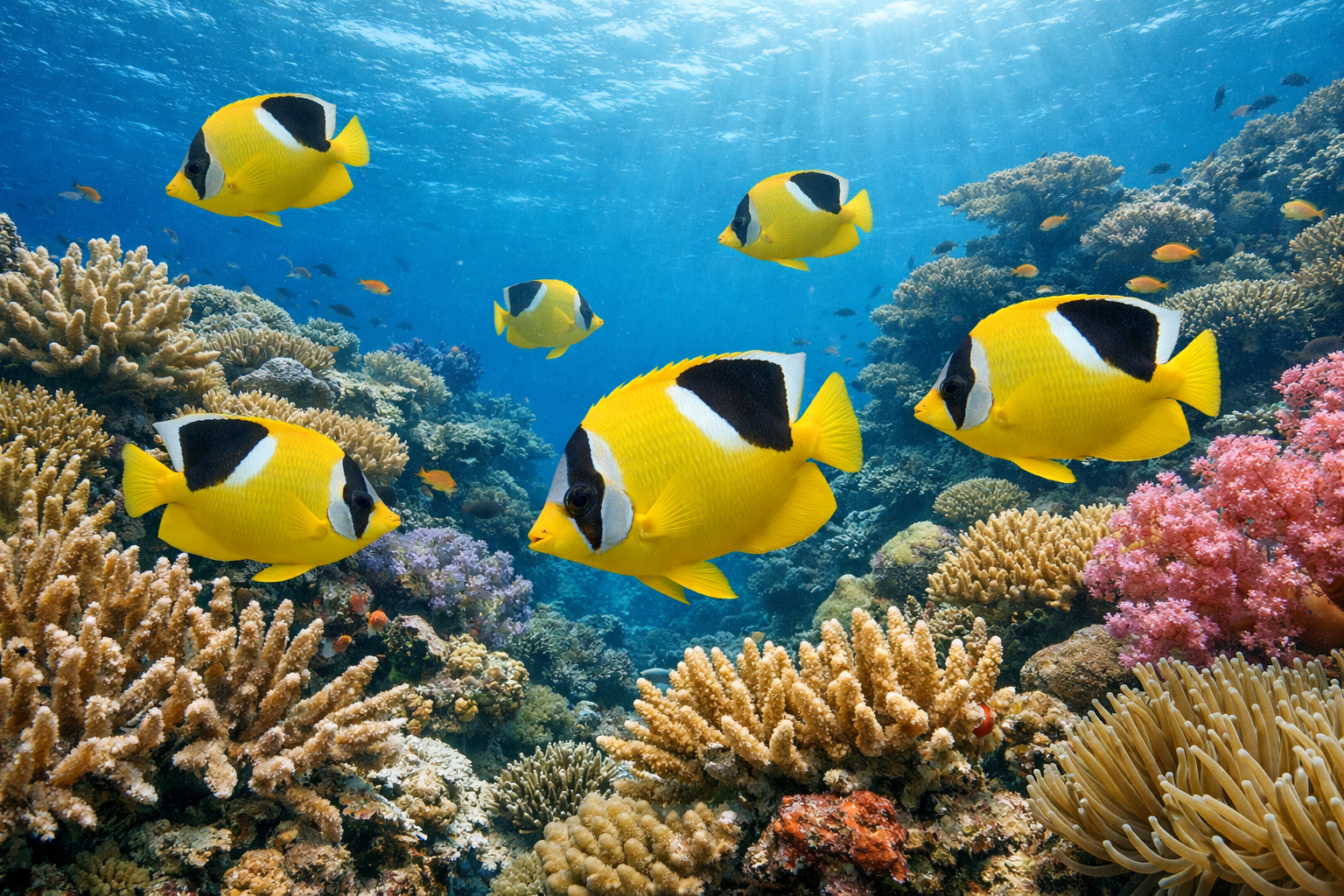
The flagfin angelfish stands out immediately due to its most prominent feature: a bright yellow dorsal fin that extends like a banner above its body. This distinctive "flag" gives the species its common name and serves as the primary identifying characteristic that separates it from other angelfish species.
Key Physical Features:
- Body length: 8-10 inches (20-25 cm) in adult specimens
- Coloration: Pale yellow to cream base with darker vertical bands
- Dorsal fin: Bright yellow, elongated, and flag-like
- Body shape: Compressed laterally with a disc-like profile typical of angelfish
- Markings: Three distinct dark spots (hence the scientific name "trimaculatus")
The body coloration of flagfin angelfish varies slightly depending on their geographic origin and age. Juvenile specimens often display more pronounced banding patterns, while adults may show more subdued coloring with the yellow dorsal fin becoming increasingly prominent.
Scientific Classification and Taxonomy
Understanding the scientific background of the flagfin angelfish helps appreciate its place in marine biodiversity:
| Taxonomic Level | Classification |
|---|---|
| Kingdom | Animalia |
| Phylum | Chordata |
| Class | Actinopterygii |
| Order | Perciformes |
| Family | Pomacanthidae |
| Genus | Apolemichthys |
| Species | A. trimaculatus |
The genus Apolemichthys includes several angelfish species, but the flagfin angelfish remains one of the most recognizable due to its unique fin structure and coloration patterns.
Natural Habitat and Distribution of Flagfin Angelfish
Geographic Range and Ocean Territories
Flagfin angelfish inhabit the warm waters of the Indo-Pacific region, with populations distributed across a vast area spanning from the eastern coast of Africa to the central Pacific islands. Their range includes:
🌊 Primary Distribution Areas:
- Red Sea and eastern African coast
- Maldives and Indian Ocean islands
- Southeast Asian coral reefs
- Great Barrier Reef system
- Pacific islands including Fiji, Samoa, and Tonga
This wide distribution reflects the species' adaptability to various reef environments, though they show preferences for specific habitat types within their range.
Preferred Environmental Conditions
The natural environment of flagfin angelfish provides crucial insights for both conservation efforts and aquarium care. These fish thrive in specific conditions that mirror the pristine coral reefs of the Indo-Pacific.
Optimal Natural Conditions:
- Water temperature: 75-82°F (24-28°C)
- Depth range: 10-100 feet (3-30 meters)
- Salinity: Full marine salinity (35 ppt)
- pH levels: 8.1-8.4
- Water movement: Moderate to strong currents
"Flagfin angelfish demonstrate remarkable site fidelity, often remaining in the same reef area for years, which makes them excellent indicator species for reef health." – Marine Biology Research Institute, 2026
Ecological Role in Reef Systems
Flagfin angelfish serve important ecological functions within their coral reef ecosystems. As omnivorous feeders, they help maintain the balance between algae growth and coral health while also contributing to nutrient cycling throughout the reef system.
Their feeding behavior includes:
- Algae control: Grazing on algae that might otherwise overwhelm coral polyps
- Invertebrate predation: Consuming small crustaceans and worms
- Coral maintenance: Cleaning parasites from larger fish species
- Seed dispersal: Transporting algae spores between reef areas
Flagfin Angelfish Care Requirements for Aquarium Enthusiasts
Essential Tank Setup and Equipment
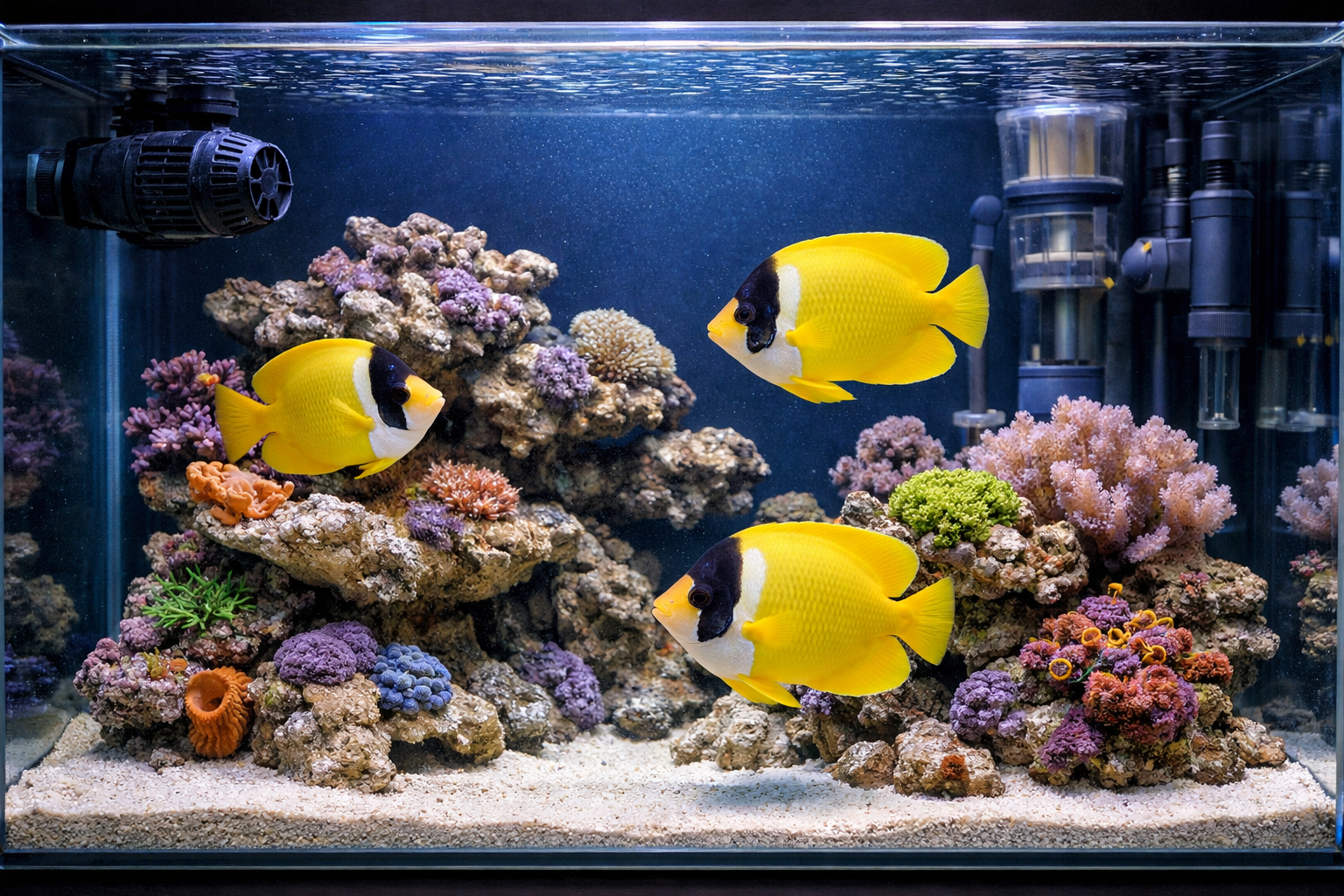
Creating an appropriate environment for flagfin angelfish requires careful attention to tank specifications and equipment selection. These fish need substantial space and specific conditions to thrive in captivity.
Minimum Tank Requirements:
- Tank size: 125 gallons minimum for a single adult
- Tank dimensions: At least 6 feet in length for swimming space
- Filtration: High-quality protein skimmer and biological filtration
- Lighting: LED systems suitable for live rock and coral growth
- Water movement: Multiple powerheads for varied current patterns
Water Chemistry and Maintenance
Maintaining stable water conditions is crucial for flagfin angelfish health. These fish are sensitive to water quality fluctuations and require consistent parameters.
Critical Water Parameters:
- Specific gravity: 1.020-1.025
- Temperature: 76-80°F (24-27°C)
- pH: 8.1-8.4
- Ammonia/Nitrite: 0 ppm
- Nitrate: Below 20 ppm
- Alkalinity: 8-12 dKH
Regular water testing and maintenance schedules ensure optimal conditions. Weekly water changes of 10-15% help maintain stability while removing accumulated waste products.
Compatible Tank Mates and Community Considerations
Flagfin angelfish can coexist with various marine species when proper consideration is given to compatibility factors. However, their territorial nature requires careful selection of tank mates.
Suitable Companions:
- Large wrasse species (avoid small, aggressive types)
- Tangs and surgeonfish of similar or larger size
- Groupers and basslets (non-aggressive species)
- Butterflyfish (peaceful varieties)
- Cardinalfish and similar peaceful species
Species to Avoid:
- Other angelfish species (territorial conflicts)
- Small, delicate fish that might be bullied
- Aggressive triggerfish or large predatory species
- Very small invertebrates that might be eaten
Feeding Requirements and Nutrition
Proper nutrition plays a vital role in maintaining healthy flagfin angelfish in aquarium settings. These omnivorous fish require varied diets that replicate their natural feeding patterns.
Daily Feeding Schedule:
- Morning feeding: Marine angelfish pellets or flakes
- Afternoon feeding: Frozen or live foods (mysis shrimp, brine shrimp)
- Evening feeding: Vegetable matter (marine algae, spirulina)
Nutritional Components:
- Protein sources: 40-50% of diet
- Plant matter: 30-40% of diet
- Vitamins and minerals: Supplement with quality marine vitamins
- Feeding frequency: 2-3 times daily in small portions
Quality commercial foods designed for marine angelfish provide excellent base nutrition, while supplementing with fresh or frozen foods adds variety and essential nutrients.
Health, Breeding, and Conservation of Flagfin Angelfish
Common Health Issues and Disease Prevention
Flagfin angelfish are generally hardy fish when provided with proper care, but they can be susceptible to several common marine fish diseases. Prevention through excellent water quality and proper nutrition remains the best approach to maintaining healthy specimens.
Frequent Health Concerns:
- Marine ich (Cryptocaryon irritans): White spots and respiratory distress
- Marine velvet (Amyloodinium): Golden dust-like coating on skin
- Bacterial infections: Often secondary to stress or poor water quality
- Nutritional deficiencies: Poor coloration and reduced immunity
Prevention Strategies:
- Maintain stable water parameters consistently
- Quarantine new additions for 4-6 weeks minimum
- Provide varied, high-quality nutrition
- Monitor fish behavior for early signs of stress
- Avoid overcrowding and territorial conflicts
Breeding Behavior and Reproduction
Breeding flagfin angelfish in captivity remains challenging and rarely achieved by home aquarists. Understanding their natural reproductive behavior provides insights into their complex life cycle.
Natural Breeding Patterns:
- Spawning season: Typically during warmer months
- Courtship behavior: Males establish territories and court females
- Egg laying: Pelagic eggs released into water column
- Larval development: Extended planktonic larval stage
- Settlement: Juveniles settle on reefs after 4-6 weeks
Commercial breeding operations have achieved limited success with flagfin angelfish, though most aquarium specimens continue to be wild-caught. This highlights the importance of sustainable collection practices and conservation efforts.
Conservation Status and Environmental Threats
While flagfin angelfish are not currently listed as endangered, they face increasing pressure from various environmental threats that affect coral reef ecosystems globally.
Primary Threats:
- Climate change: Rising ocean temperatures and acidification
- Habitat destruction: Coral reef degradation and coastal development
- Overfishing: Both direct collection and ecosystem disruption
- Pollution: Chemical runoff and plastic contamination
- Invasive species: Competition from non-native organisms
Conservation Efforts:
- Marine protected areas in critical habitats
- Sustainable aquarium trade practices
- Coral reef restoration projects
- Research into captive breeding programs
- Education and awareness initiatives
"The health of flagfin angelfish populations serves as a barometer for overall coral reef ecosystem stability. Protecting these habitats benefits countless marine species." – International Marine Conservation Society, 2026
Supporting Conservation Through Responsible Aquarium Keeping
Aquarium enthusiasts can contribute to flagfin angelfish conservation through responsible practices and informed choices.
Responsible Practices:
- Source verification: Purchase from reputable dealers using sustainable collection methods
- Long-term commitment: Ensure ability to provide proper care for 10+ years
- Education: Share knowledge about proper care and conservation needs
- Support research: Contribute to organizations studying marine angelfish
- Habitat protection: Support coral reef conservation initiatives
Advanced Care Considerations for Flagfin Angelfish
Behavioral Patterns and Environmental Enrichment
Understanding the natural behavior of flagfin angelfish enables aquarists to create more engaging and appropriate captive environments. These fish exhibit complex behaviors that require thoughtful accommodation in aquarium settings.
Natural Behavioral Traits:
- Territorial establishment: Males defend specific reef areas
- Cleaning stations: Regular visits to areas where cleaner fish operate
- Schooling tendencies: Juveniles may form loose aggregations
- Foraging patterns: Active during daylight hours with peak feeding times
- Shelter seeking: Use of caves and overhangs for protection
Enrichment Strategies:
- Provide multiple hiding spots using live rock formations
- Create varied terrain with different levels and swimming paths
- Include appropriate coral species for natural grazing opportunities
- Maintain proper lighting cycles to support natural rhythms
- Offer feeding challenges through varied food presentation
Long-term Maintenance and Lifecycle Management
Flagfin angelfish can live 15-20 years in well-maintained aquarium systems, requiring long-term planning and consistent care throughout their lifecycle.
Lifecycle Considerations:
- Juvenile stage (0-2 years): Rapid growth requiring frequent feeding and monitoring
- Adult stage (2-10 years): Stable requirements with established territorial behavior
- Senior stage (10+ years): Potential health monitoring and adjusted care needs
Equipment Longevity Planning:
- Budget for equipment replacement and upgrades
- Plan for tank expansions if housing multiple specimens
- Consider backup systems for critical equipment
- Maintain detailed records of water parameters and fish behavior
- Establish relationships with qualified marine veterinarians
Troubleshooting Common Challenges
Even experienced aquarists may encounter challenges when keeping flagfin angelfish. Understanding common issues and their solutions helps ensure successful long-term care.
Common Challenges and Solutions:
| Challenge | Symptoms | Solutions |
|---|---|---|
| Aggression toward tank mates | Chasing, nipping, territorial disputes | Rearrange aquascaping, add more hiding spots |
| Poor appetite | Refusing food, weight loss | Vary diet, check water quality, reduce stress |
| Color fading | Dull appearance, loss of vibrancy | Improve nutrition, adjust lighting, check health |
| Stress behaviors | Hiding, rapid breathing, erratic swimming | Review tank conditions, reduce disturbances |
Conclusion
The flagfin angelfish represents one of the marine aquarium hobby's most rewarding yet challenging species. These remarkable fish combine stunning visual appeal with complex care requirements that demand dedication, knowledge, and long-term commitment from aquarists. From their distinctive flag-like dorsal fin to their important ecological role in Indo-Pacific coral reefs, flagfin angelfish continue to captivate marine enthusiasts worldwide.
Success with flagfin angelfish requires understanding their natural habitat needs, providing appropriate tank conditions, and maintaining excellent water quality consistently. Their territorial nature and specific dietary requirements make them suitable for intermediate to advanced aquarists who can provide the space, equipment, and attention these fish deserve.
Next Steps for Prospective Flagfin Angelfish Keepers:
- Research thoroughly – Study marine aquarium fundamentals before acquiring any equipment
- Plan your system – Design a tank setup that meets minimum size and equipment requirements
- Establish your aquarium – Cycle your tank completely and ensure stable conditions for several months
- Source responsibly – Purchase from reputable dealers committed to sustainable collection practices
- Prepare for the long term – Budget for ongoing maintenance, food, and potential veterinary care over 15+ years
The journey of keeping flagfin angelfish successfully extends beyond personal satisfaction to supporting broader conservation efforts. By maintaining healthy captive populations and sharing knowledge with fellow aquarists, hobbyists contribute to the preservation of these magnificent creatures and their coral reef habitats.
Whether you're drawn to their unique appearance, fascinated by their behavior, or committed to marine conservation, the flagfin angelfish offers an opportunity to connect with one of the ocean's most elegant inhabitants. With proper preparation, dedication, and respect for their complex needs, these remarkable fish can thrive in captivity while serving as ambassadors for the incredible diversity of marine life that depends on healthy coral reef ecosystems worldwide.
SEO Meta Information: