
Picture diving into the crystal-clear waters of the Caribbean, where vibrant coral reefs teem with life, and suddenly encountering one of the ocean's most elegant residents gliding gracefully through the water. The French Angelfish (Pomacanthus paru) commands attention with its striking black body adorned with brilliant yellow trim, creating a visual masterpiece that has captivated marine enthusiasts for generations. These magnificent creatures represent one of the most sought-after species in both the wild reef diving community and the marine aquarium hobby.
Key Takeaways
• French Angelfish are large marine fish native to the western Atlantic Ocean, particularly thriving in Caribbean and Gulf of Mexico waters
• These fish can grow up to 16 inches in length and live over 15 years with proper care
• They require specialized aquarium setups with at least 200 gallons and expert-level maintenance
• French Angelfish play crucial ecological roles as reef cleaners and algae controllers in their natural habitats
• Conservation efforts are essential as reef degradation threatens their wild populations
Understanding French Angelfish: Species Overview and Characteristics
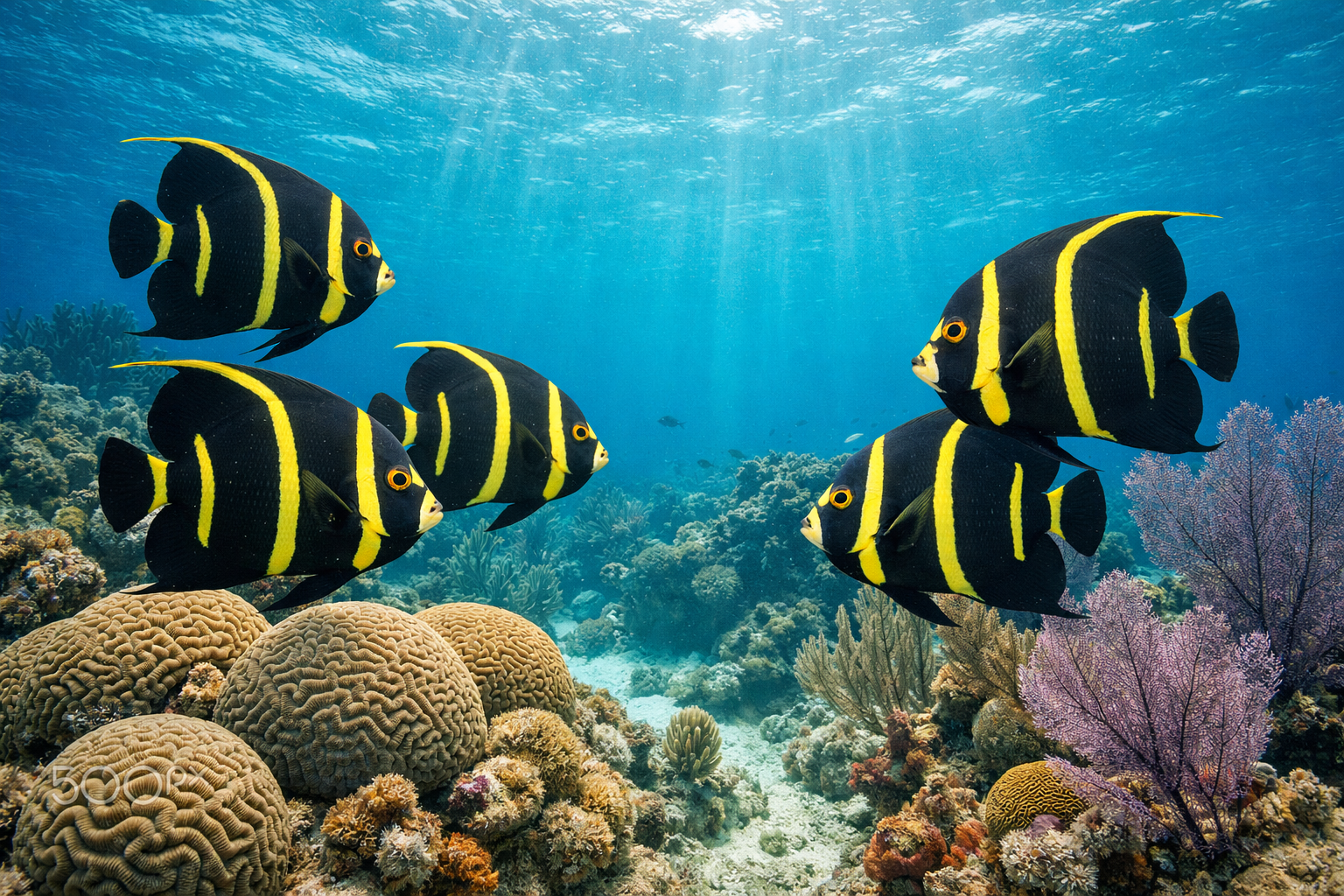
The French Angelfish stands as one of the most recognizable members of the Pomacanthidae family. These remarkable fish showcase nature's artistry through their distinctive coloration and graceful swimming patterns. Adult French Angelfish display a predominantly black body with vibrant yellow edges on their scales, creating a stunning contrast that makes them instantly identifiable on coral reefs.
Physical Characteristics and Size
French Angelfish possess several distinctive features that set them apart from other angelfish species:
Body Structure:
- Compressed, disc-shaped body typical of angelfish
- Can reach lengths of 12-16 inches (30-41 cm)
- Weight ranges from 1.5 to 3.5 pounds when fully mature
- Lifespan extends 15-20 years in optimal conditions
Coloration Patterns:
- Juveniles: Display completely different coloration with black bodies and bright yellow vertical stripes
- Adults: Transform to black with yellow scale edges and yellow-trimmed fins
- Transition phase: Occurs gradually over 2-3 years as fish mature
Behavioral Traits
French Angelfish exhibit fascinating behavioral patterns that make them compelling subjects for marine biologists and aquarium enthusiasts alike. These intelligent fish demonstrate:
🐠 Territorial behavior during breeding seasons
🐠 Cleaning station participation where they remove parasites from other fish
🐠 Monogamous pair bonding that can last for years
🐠 Complex social hierarchies within reef communities
"French Angelfish represent one of the most behaviorally complex species in Caribbean reef ecosystems, displaying intelligence and social awareness that rivals many terrestrial animals." – Marine Biology Research Institute
Natural Habitat and Distribution of French Angelfish
The French Angelfish thrives in the warm, tropical waters of the western Atlantic Ocean. Understanding their natural environment provides crucial insights for both conservation efforts and successful aquarium keeping.
Geographic Range
French Angelfish inhabit a vast range throughout the tropical western Atlantic:
| Region | Specific Locations | Population Density |
|---|---|---|
| Caribbean Sea | Bahamas, Jamaica, Barbados, Trinidad | High |
| Gulf of Mexico | Florida Keys, Texas Coast | Moderate |
| South America | Venezuela, Guyana, Brazil | Moderate |
| Central America | Belize, Honduras, Costa Rica | High |
Preferred Environmental Conditions
These magnificent fish show strong preferences for specific habitat types:
Depth Requirements:
- Juveniles: Shallow waters 3-15 feet deep
- Adults: Deeper reefs 15-100 feet
- Maximum recorded depth: 330 feet
Habitat Preferences:
- Coral reefs with abundant hiding spots
- Rocky outcroppings providing territorial boundaries
- Seagrass beds for juvenile development
- Clear waters with excellent visibility
Ecological Role and Importance
French Angelfish serve multiple crucial functions within their reef ecosystems:
As Cleaners: They establish cleaning stations where smaller fish remove parasites and dead tissue from larger marine animals, including sea turtles and rays.
Algae Control: Adults consume significant quantities of algae, helping maintain healthy coral growth by preventing algae overgrowth that could smother coral polyps.
Prey Species: Juveniles serve as food sources for larger predators, contributing to the reef food web's complexity.
Seed Dispersal: Their feeding habits help distribute coral and sponge larvae throughout reef systems.
French Angelfish Care in Aquarium Settings
Keeping French Angelfish in captivity represents one of the most challenging yet rewarding experiences in marine aquarium keeping. These magnificent fish require expert-level care and substantial resources to thrive in home aquarium environments.
Tank Requirements and Setup
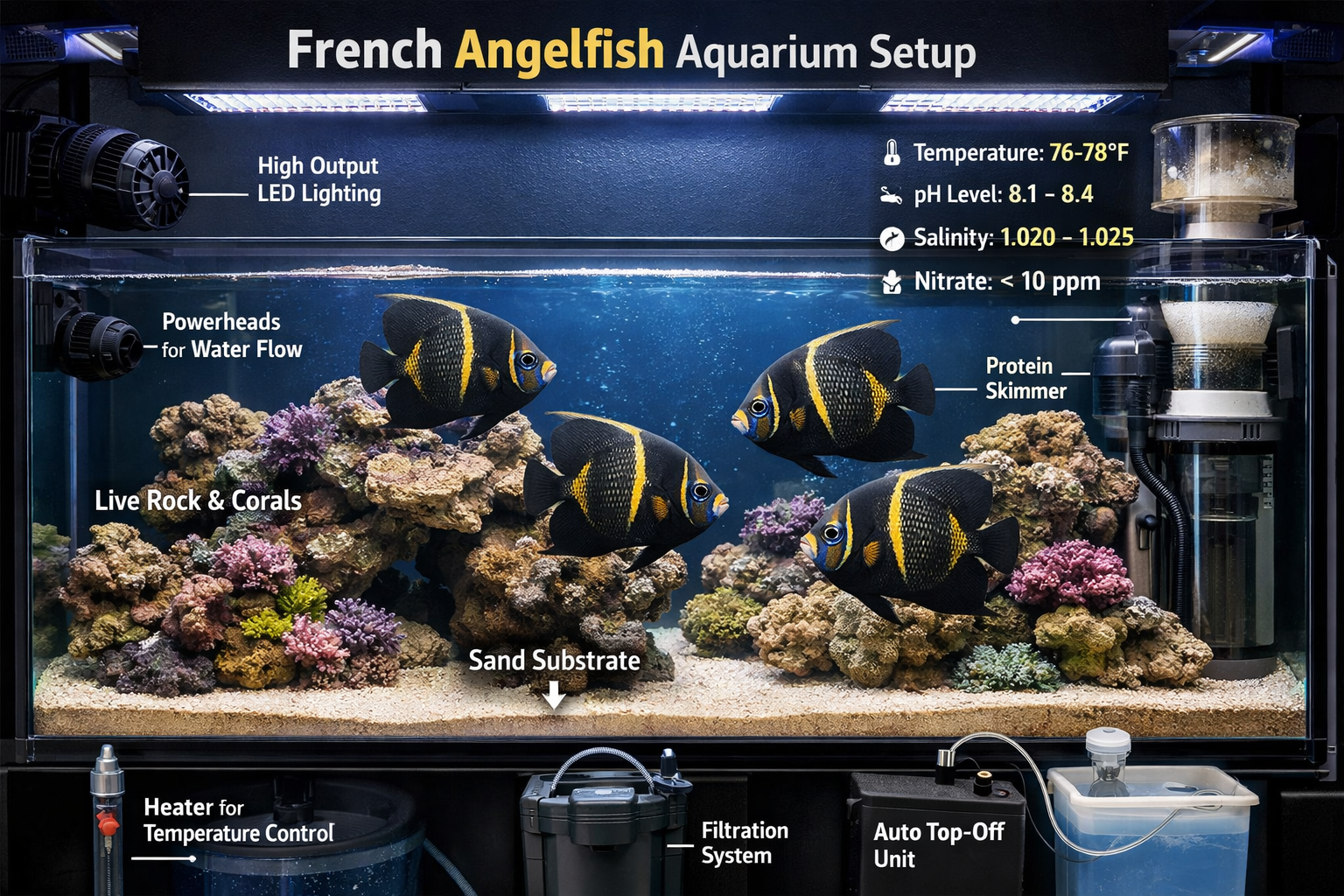
Successfully housing French Angelfish demands careful attention to tank specifications:
Minimum Tank Size: 200 gallons for a single adult fish
Recommended Size: 300+ gallons for optimal comfort
Tank Dimensions: Minimum 8 feet length to provide adequate swimming space
Water Parameters
Maintaining pristine water conditions is absolutely critical for French Angelfish health:
| Parameter | Optimal Range | Critical Notes |
|---|---|---|
| Temperature | 74-78°F (23-26°C) | Stability more important than exact temperature |
| Salinity | 1.020-1.025 specific gravity | Gradual changes only |
| pH | 8.1-8.4 | Monitor daily |
| Ammonia | 0 ppm | Any detection requires immediate action |
| Nitrite | 0 ppm | Toxic to angelfish |
| Nitrate | <20 ppm | Weekly water changes essential |
Equipment and Filtration
French Angelfish produce significant bioload, requiring robust filtration systems:
Essential Equipment:
- Protein skimmer rated for 2x tank volume
- Canister filter with mechanical and biological media
- UV sterilizer to control pathogens
- Powerheads for water circulation
- High-quality lighting for live rock health
Compatible Tank Mates
Selecting appropriate tank mates requires careful consideration of size, temperament, and feeding requirements:
Excellent Companions:
- Large tangs (Yellow, Purple, Sailfin)
- Groupers and bass species
- Large wrasses
- Triggerfish (with caution)
- Moray eels
Avoid These Species:
- Small fish that could become prey
- Aggressive territorial fish
- Other angelfish species (territorial conflicts)
- Invertebrates (will be eaten)
Feeding Requirements
French Angelfish are omnivores with complex nutritional needs:
Daily Diet Should Include:
- High-quality marine flakes or pellets
- Fresh or frozen mysis shrimp
- Chopped seafood (shrimp, scallops, fish)
- Marine algae and seaweed
- Vitamin-enriched foods
Feeding Schedule:
- Juveniles: 3-4 small meals daily
- Adults: 2 larger meals daily
- Variety: Rotate food types to ensure nutritional balance
Health Considerations and Common Issues
French Angelfish can be susceptible to several health problems in aquarium settings:
Common Diseases:
- Marine Ich (Cryptocaryon irritans)
- Marine Velvet (Amyloodinium ocellatum)
- Bacterial infections from poor water quality
- Nutritional deficiencies from inadequate diet
Prevention Strategies:
- Quarantine all new additions for 4-6 weeks
- Maintain excellent water quality
- Provide varied, nutritious diet
- Monitor behavior daily for early problem detection
Breeding French Angelfish in Captivity
Breeding French Angelfish in home aquariums remains extremely challenging and rarely successful. These fish require:
- Massive tank systems (1000+ gallons)
- Perfect water conditions
- Specialized larval foods
- Expert-level aquaculture knowledge
Most captive French Angelfish are wild-caught, though some aquaculture facilities have achieved limited breeding success using commercial-scale systems.
Conservation Status and Environmental Threats
The French Angelfish faces increasing pressure from human activities and environmental changes throughout its natural range. While not currently listed as endangered, several factors threaten wild populations and their reef habitats.
Current Conservation Status
IUCN Red List Status: Not Evaluated (2026)
CITES Status: Not Listed
Population Trend: Declining in heavily fished areas
Primary Threats to French Angelfish Populations
Habitat Destruction:
Climate change and rising ocean temperatures cause coral bleaching events that destroy the reef systems French Angelfish depend on for food and shelter. The Caribbean has lost over 50% of its coral coverage since the 1980s.
Overfishing:
While not directly targeted for food, French Angelfish face pressure from:
- Aquarium trade collection
- Bycatch in commercial fishing operations
- Reduction in prey species from overfishing
Pollution:
- Chemical runoff from agriculture affects water quality
- Plastic pollution impacts feeding behavior
- Sedimentation from coastal development smothers coral reefs
Tourism Impact:
Unregulated diving and snorkeling can stress fish and damage coral habitats through:
- Direct contact with reefs
- Sunscreen chemicals in water
- Boat anchor damage
Conservation Efforts and Success Stories
Several organizations work to protect French Angelfish and their habitats:
Marine Protected Areas:
- Bonaire National Marine Park
- Florida Keys National Marine Sanctuary
- Mesoamerican Reef Protected Areas
Research Initiatives:
- Population monitoring programs
- Coral restoration projects
- Sustainable aquaculture development
Community Involvement:
- Local fishing community education
- Sustainable tourism practices
- Citizen science monitoring programs
How Individuals Can Help
For Aquarium Enthusiasts:
- Choose captive-bred specimens when available
- Support sustainable collection practices
- Never release aquarium fish into wild waters
- Participate in aquarium breeding programs
For Divers and Travelers:
- Follow reef-safe diving practices
- Use reef-safe sunscreen
- Support eco-certified tour operators
- Report unusual fish behavior or deaths
For Everyone:
- Reduce carbon footprint to combat climate change
- Support marine conservation organizations
- Choose sustainable seafood options
- Educate others about reef conservation
Fascinating Facts About French Angelfish
French Angelfish continue to surprise researchers and enthusiasts with their complex behaviors and remarkable adaptations:
Intelligence and Learning
Recent studies reveal that French Angelfish possess remarkable cognitive abilities:
- Tool use has been observed in some populations
- Problem-solving skills rival those of many vertebrates
- Memory retention allows recognition of individual humans
- Social learning passes behaviors between generations
Unique Adaptations
Color-Changing Ability:
French Angelfish can subtly adjust their coloration based on:
- Emotional state
- Social interactions
- Environmental conditions
- Time of day
Cleaning Behavior:
These fish operate sophisticated cleaning stations where they:
- Remove parasites from over 40 different fish species
- Clean sea turtles and rays
- Maintain regular "appointment" schedules with clients
- Pass cleaning techniques to offspring
Cultural Significance
French Angelfish hold special meaning in Caribbean cultures:
- Featured in local folklore and legends
- Symbol of reef health in environmental campaigns
- Popular subject for marine artists
- Important species for eco-tourism
Future Research and Developments
Scientists continue studying French Angelfish to better understand their role in marine ecosystems and improve conservation strategies.
Ongoing Research Areas
Genetic Studies:
- Population connectivity between regions
- Adaptation to changing ocean conditions
- Breeding program optimization
Behavioral Research:
- Communication methods
- Social structure complexity
- Learning and memory capabilities
Aquaculture Development:
- Captive breeding improvements
- Larval rearing techniques
- Sustainable collection alternatives
Technology Applications
Monitoring Systems:
- Acoustic tagging for movement studies
- Underwater cameras for behavior observation
- DNA analysis for population assessment
Conservation Tools:
- Coral restoration technologies
- Water quality monitoring systems
- Climate change mitigation strategies
Conclusion
The French Angelfish represents one of nature's most remarkable marine species, combining stunning beauty with complex behaviors and crucial ecological functions. These magnificent fish serve as living indicators of reef health while providing endless fascination for marine enthusiasts worldwide.
As we move forward in 2026, protecting French Angelfish and their coral reef habitats becomes increasingly critical. Climate change, pollution, and human activities continue threatening these ecosystems, making conservation efforts more urgent than ever.
Take Action Today
For Potential Aquarium Keepers:
Research thoroughly before committing to French Angelfish care. These fish require significant resources, expertise, and long-term dedication. Consider visiting public aquariums to observe these magnificent creatures before deciding on home aquarium keeping.
For Conservation Supporters:
Support marine protected areas, choose sustainable seafood, and reduce your carbon footprint. Every action contributes to preserving the coral reefs that French Angelfish call home.
For Future Marine Biologists:
The French Angelfish offers countless research opportunities. From behavior studies to conservation genetics, these fish continue revealing secrets that could benefit entire marine ecosystems.
The future of French Angelfish depends on our collective commitment to ocean conservation. By understanding, appreciating, and protecting these remarkable creatures, we ensure that future generations can experience the wonder of encountering a French Angelfish gliding gracefully through Caribbean waters.
Whether observed in their natural reef habitat or carefully maintained aquarium environments, French Angelfish remind us of the ocean's incredible diversity and the urgent need to protect marine ecosystems for generations to come.
SEO Meta Information: