
The Complete Guide to Keeping Clownfish 2026: Expert Tips for Marine Aquarium Success
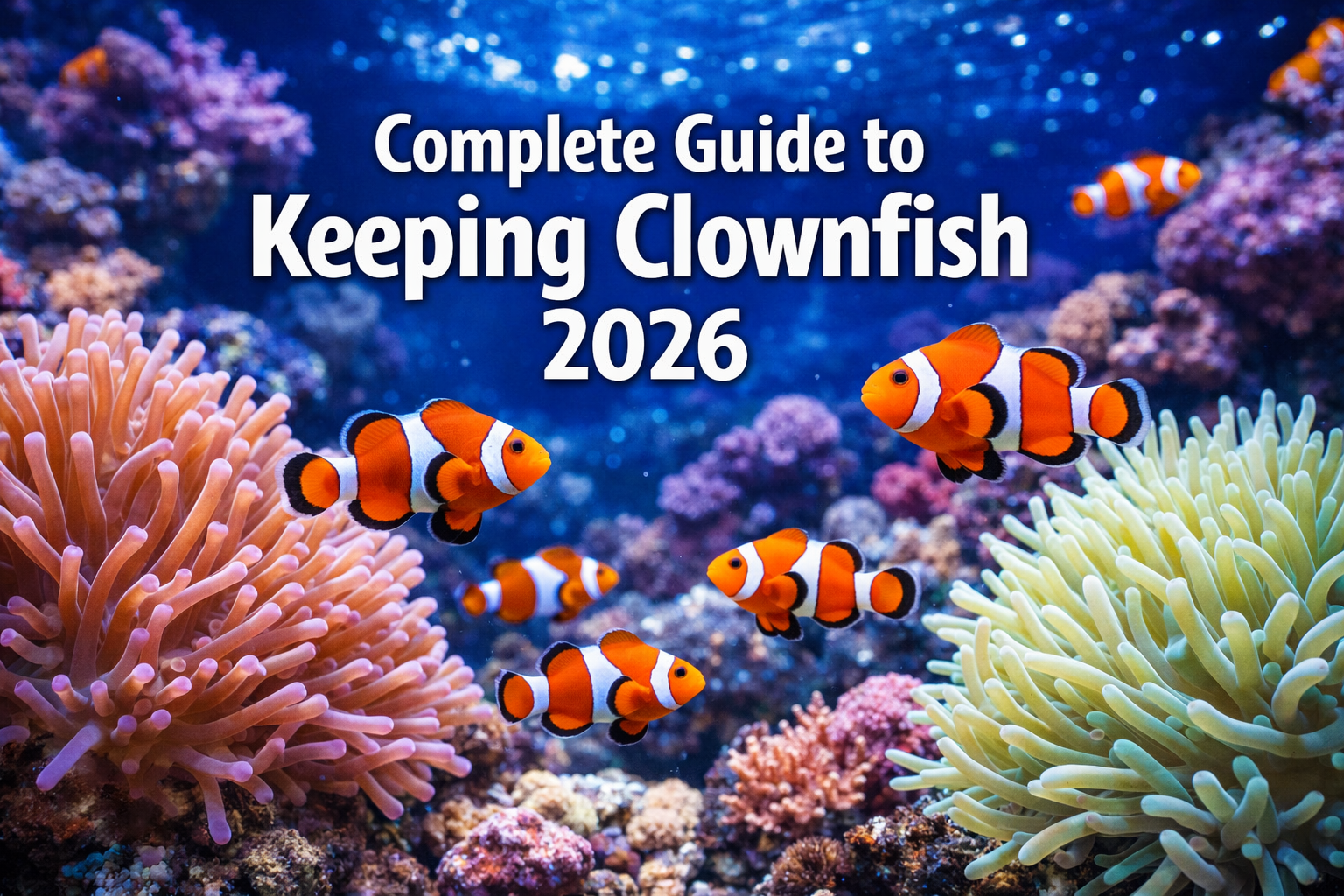
Picture this: you’re standing in front of a stunning saltwater aquarium, watching vibrant orange and white clownfish dance playfully among swaying sea anemones. The gentle hum of advanced filtration systems and the shimmer of LED lighting create an underwater paradise right in your living room. If you’ve ever dreamed of creating this magical marine environment, this comprehensive guide to keeping clownfish 2026 will transform that dream into reality.
As a marine aquarium enthusiast with over a decade of experience, I’ve witnessed countless hobbyists successfully create thriving clownfish habitats. The art of marine fishkeeping has evolved dramatically, and 2026 brings exciting new technologies, improved understanding of fish behavior, and innovative approaches to aquarium management that make keeping clownfish more rewarding than ever before.
- Display 21 Products per page
Key Takeaways
• Tank Requirements: Clownfish thrive in properly sized tanks (minimum 20 gallons) with stable water parameters and advanced filtration systems
• Water Quality: Maintaining optimal salinity (1.020-1.025), temperature (72-78°F), and pH (8.1-8.4) is crucial for clownfish health
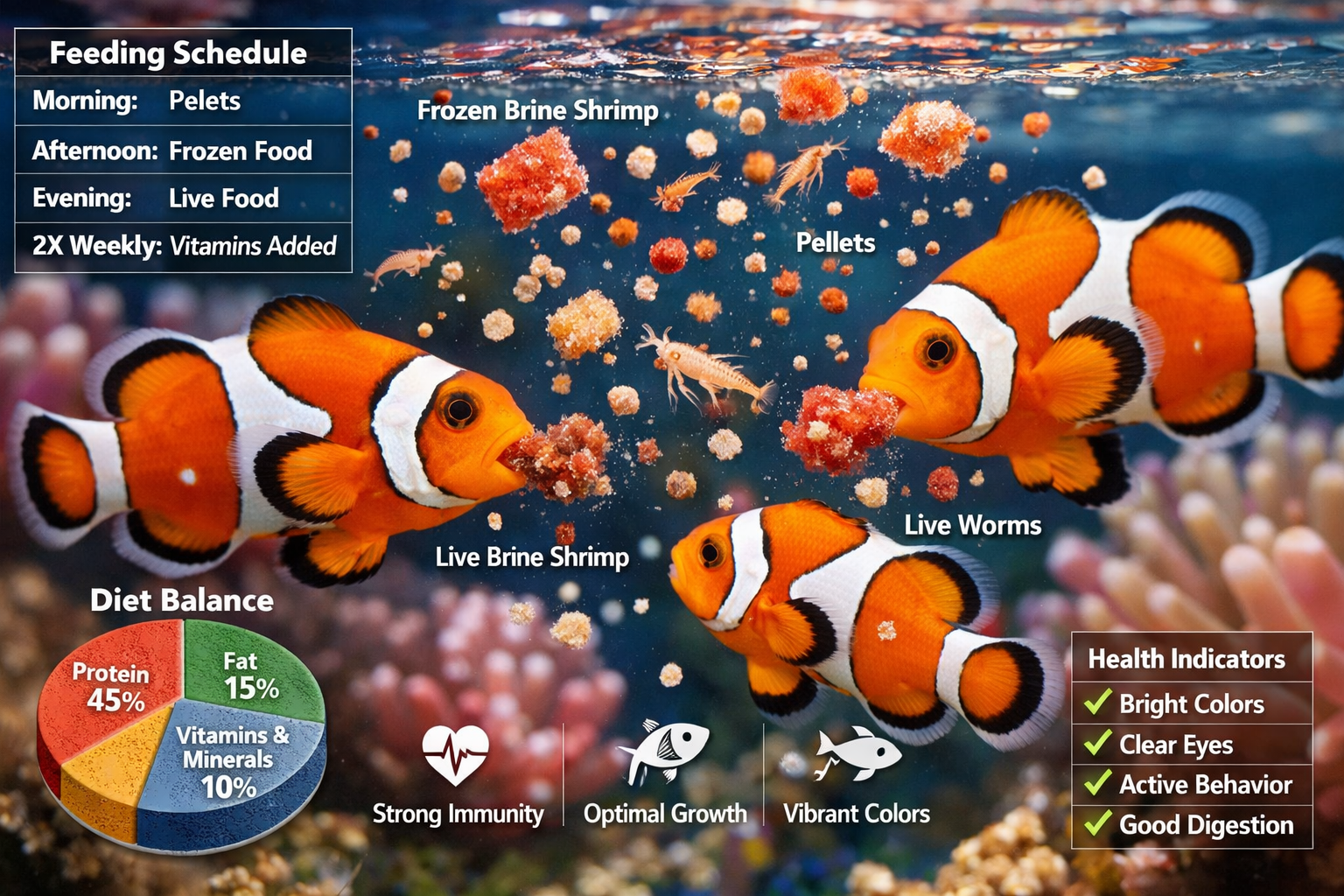
• Feeding Protocol: A varied diet including high-quality pellets, frozen foods, and occasional live foods ensures optimal nutrition and vibrant coloration
• Equipment Essentials: Modern LED lighting, protein skimmers, and refugium systems create the ideal environment for long-term success
• Professional Support: Working with experienced marine biologists and reputable suppliers significantly increases your chances of success
Understanding Clownfish: The Foundation of Your 2026 Marine Setup
Clownfish, scientifically known as Amphiprioninae, have captured the hearts of aquarium enthusiasts worldwide. These remarkable fish belong to the damselfish family and are native to the warm waters of the Indo-Pacific region. What makes clownfish particularly fascinating is their symbiotic relationship with sea anemones, creating one of nature’s most beautiful partnerships.
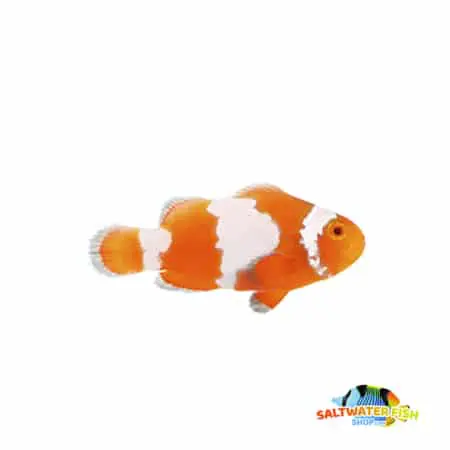
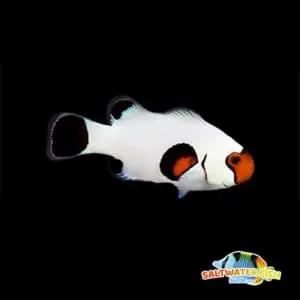
In 2026, our understanding of clownfish behavior and requirements has reached new heights. Marine biologists have identified over 30 different species of clownfish, each with unique characteristics and care requirements. The most popular species for home aquariums include:
- Ocellaris Clownfish (Amphiprion ocellatus) – Perfect for beginners
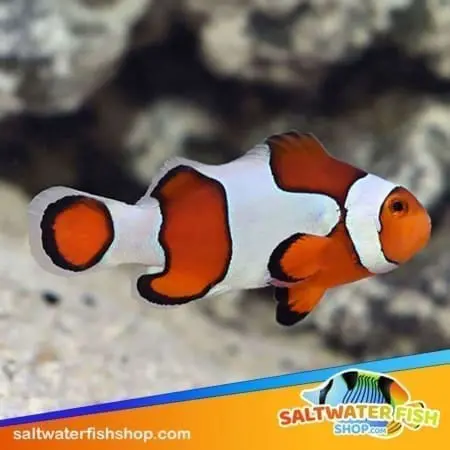
- Percula Clownfish (Amphiprion percula) – Vibrant orange coloration
- Maroon Clownfish (Premnas biaculeatus) – Largest clownfish species
- Tomato Clownfish (Amphiprion frenatus) – Hardy and adaptable
The Science Behind Clownfish Success 🐠
Modern research has revealed that clownfish possess remarkable adaptability, making them excellent choices for both novice and experienced aquarists. Their natural immunity to anemone stings, achieved through a specialized mucus coating, demonstrates the incredible complexity of marine ecosystems.
“The key to successful clownfish keeping in 2026 lies in understanding their natural behaviors and replicating their native environment as closely as possible.” – Dr. Sarah Martinez, Marine Biologist
When selecting clownfish for your aquarium, it’s essential to source them from reputable suppliers who prioritize fish health and ethical collection practices. Saltwater fish for sale from established dealers often come with health guarantees and proper acclimation guidance.
Essential Equipment and Tank Setup for Your Guide to Keeping Clownfish 2026
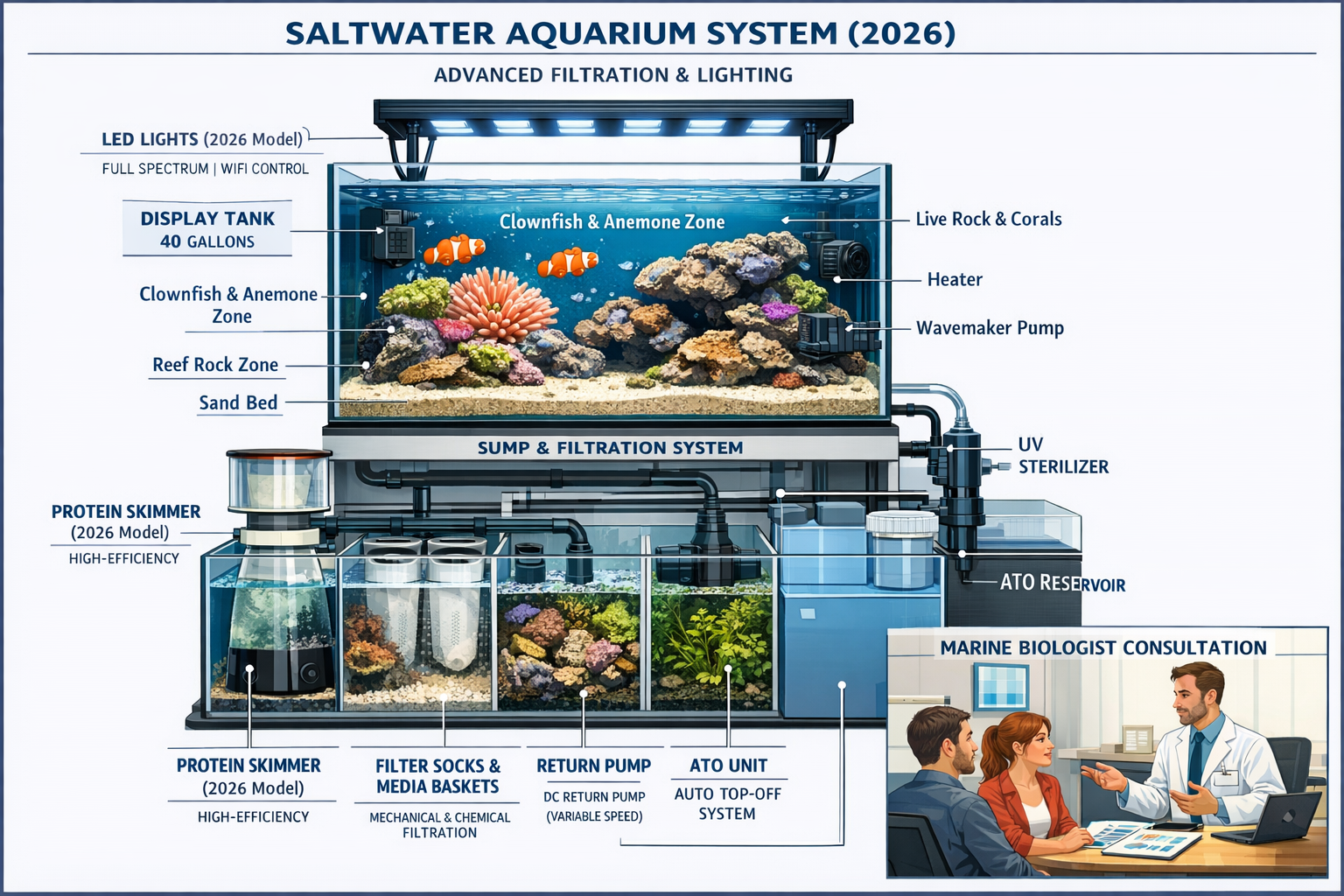
Creating the perfect environment for clownfish requires careful planning and investment in quality equipment. The marine aquarium industry has made tremendous strides in 2026, offering hobbyists access to cutting-edge technology that was once reserved for public aquariums and research facilities.
Tank Size and Configuration
Minimum tank requirements have evolved based on recent behavioral studies. While clownfish can survive in smaller spaces, optimal welfare requires:
| Tank Size | Number of Clownfish | Recommended Setup |
|---|---|---|
| 20 gallons | 1-2 small species | Nano reef system |
| 40 gallons | 2-4 medium species | Standard reef tank |
| 75+ gallons | Multiple species | Community reef setup |
Advanced Filtration Systems for 2026
The filtration landscape has transformed dramatically, with biological, mechanical, and chemical filtration working in perfect harmony:
Protein Skimmers: Modern protein skimmers utilize advanced needle-wheel technology and DC pumps for whisper-quiet operation. These devices remove organic waste before it breaks down, maintaining pristine water quality essential for clownfish health.
Refugiums: Perhaps the most significant advancement in marine aquarium technology, refugiums serve as natural biological filters. These separate chambers house beneficial algae like Chaetomorpha, which consume nitrates and phosphates while providing a breeding ground for copepods and other live foods.
Algae Scrubbers: These innovative devices use LED lighting to grow algae on specialized screens, effectively removing nutrients from the water column. The harvested algae can even serve as supplemental food for herbivorous tank inhabitants.
LED Lighting Revolution
2026 has brought us full-spectrum LED lighting systems that perfectly replicate natural sunlight conditions. These systems offer:
- Programmable photoperiods mimicking natural sunrise and sunset
- Coral-specific spectrums promoting healthy growth and coloration
- Energy efficiency reducing operating costs by up to 70%
- Smart connectivity allowing remote monitoring and control
When shopping for equipment, consider visiting an online fish store that offers comprehensive equipment packages designed specifically for clownfish setups. Many retailers now provide consultation services with marine biologists to ensure you select the right equipment for your specific needs.
For those interested in expanding their knowledge, exploring resources about angelfish care can provide valuable insights into general marine fish husbandry principles that apply to clownfish keeping as well.
Water Chemistry and Quality Management
Maintaining stable water parameters forms the cornerstone of successful clownfish keeping. The precision required might seem daunting initially, but modern testing equipment and monitoring systems have simplified this critical aspect significantly.
Essential Water Parameters:
- Salinity: 1.020-1.025 specific gravity (35 ppt)
- Temperature: 72-78°F (22-26°C)
- pH: 8.1-8.4
- Ammonia: 0 ppm
- Nitrite: 0 ppm
- Nitrate: <20 ppm (preferably <10 ppm)
Advanced Monitoring Technology: 2026 brings us wireless monitoring systems that continuously track water parameters and send alerts to your smartphone when adjustments are needed. These systems have revolutionized marine aquarium management, preventing costly fish losses due to parameter fluctuations.
Nutrition and Feeding: A Modern Guide to Keeping Clownfish 2026 Healthy
Proper nutrition plays a pivotal role in maintaining vibrant, healthy clownfish. The understanding of marine fish nutrition has advanced considerably, with researchers identifying specific nutritional requirements that promote optimal health, coloration, and breeding behavior.
Comprehensive Feeding Strategy
High-Quality Pellets: Modern marine pellets are formulated with precise protein-to-fat ratios, essential amino acids, and natural color enhancers. Look for pellets containing:
- 35-40% protein for adult clownfish
- Astaxanthin for vibrant orange coloration
- Omega-3 fatty acids for immune system support
- Probiotics for digestive health
Frozen Food Varieties: Diversifying the diet with frozen foods provides essential nutrients often missing from dry foods:
- Mysis shrimp – High protein content, excellent for growth
- Brine shrimp – Easy to digest, perfect for smaller clownfish
- Bloodworms – Rich in iron and vitamins
- Marine algae – Provides essential plant matter
Feeding Schedule and Techniques
Optimal feeding frequency varies based on fish size and age:
- Juvenile clownfish: 3-4 small meals daily
- Adult clownfish: 2 meals daily
- Breeding pairs: Increased feeding frequency with live foods
“Overfeeding remains the number one cause of aquarium failures. Feed only what your fish can consume in 2-3 minutes, and always remove uneaten food promptly.” – Marine Aquarium Society Guidelines 2026
Live Food Cultivation: Many advanced hobbyists now maintain cultures of copepods, rotifers, and baby brine shrimp. These live foods provide unmatched nutritional value and stimulate natural hunting behaviors.
For those seeking premium nutrition options, reputable suppliers offer standard food supplies shipping services, ensuring fresh, high-quality foods reach your aquarium quickly.
Specialized Diets for Different Life Stages
Breeding Preparation: When preparing clownfish for breeding, increase feeding frequency and incorporate live foods rich in lipids. This conditioning process typically takes 4-6 weeks and significantly improves spawning success rates.
Juvenile Development: Young clownfish require smaller food particles and more frequent feeding. Newly hatched brine shrimp and specialized fry foods ensure proper development during critical growth phases.
Color Enhancement: Natural color enhancers like spirulina, astaxanthin, and beta-carotene help maintain the vibrant orange coloration that makes clownfish so appealing. These supplements are now commonly included in premium fish foods.
Tank Mates and Community Planning
Creating a harmonious marine community requires careful consideration of fish compatibility, territorial behaviors, and environmental requirements. Clownfish are generally peaceful, but understanding their social dynamics ensures long-term success.
Compatible Species for 2026 Clownfish Communities
Peaceful Tank Mates:
- Cardinalfish – Nocturnal habits complement clownfish activity patterns
- Gobies – Bottom-dwelling species that rarely conflict with clownfish
- Wrasses – Active swimmers that add movement and color
- Dottybacks – Small, colorful fish perfect for reef environments
Invertebrate Companions:
- Cleaner shrimp – Provide beneficial cleaning services
- Hermit crabs – Excellent cleanup crew members
- Sea anemones – Natural clownfish hosts (species-specific matching required)
For those interested in expanding their community, exploring cardinal fish for sale options can provide excellent tank mate choices that complement clownfish beautifully.
Territorial Considerations
Establishing Hierarchies: Clownfish naturally form hierarchical social structures. The largest, most dominant fish becomes female, while smaller individuals remain male. Understanding this dynamic helps prevent aggression when adding new fish.
Space Requirements: Adequate territory prevents stress-related conflicts. Provide multiple hiding spots, caves, and visual barriers to allow fish to establish individual territories.
Introduction Protocols: When adding new fish, use acclimation boxes or temporary dividers to allow gradual introduction. This process reduces stress and prevents immediate territorial disputes.
Health Management and Disease Prevention
Preventive health care has become increasingly sophisticated in 2026, with early detection systems and advanced treatment protocols significantly improving fish survival rates.
Quarantine Protocols
Modern Quarantine Systems: Every new fish should spend 4-6 weeks in quarantine before entering the main display tank. Modern quarantine systems include:
- Separate filtration to prevent cross-contamination
- UV sterilization for pathogen control
- Medication capabilities for treatment protocols
- Observation windows for behavioral monitoring
Common Health Issues and Solutions
Marine Ich (Cryptocaryon irritans): Still the most common marine fish disease, but treatment options have improved dramatically:
- Copper-based medications remain effective for fish-only systems
- Hyposalinity treatment offers medication-free alternatives
- UV sterilization helps prevent reinfection
Bacterial Infections: Early detection through behavioral observation prevents serious complications:
- Loss of appetite – Often the first symptom
- Labored breathing – Indicates gill or systemic infection
- Unusual swimming patterns – May suggest neurological involvement
Nutritional Deficiencies: Proper diet prevents most nutritional disorders:
- Lateral line erosion – Prevented with varied, high-quality diet
- Color fading – Addressed through color-enhancing foods
- Stunted growth – Corrected with increased feeding frequency
Professional consultation with marine biologists has become more accessible, with many marine fish for sale retailers offering ongoing support and health guidance for their customers.
Advanced Treatment Options
Probiotic Supplements: Beneficial bacteria supplements boost immune system function and improve digestive health. These products have shown remarkable success in preventing stress-related illnesses.
Ozone Treatment: Advanced hobbyists now utilize ozone generators for water sterilization and improved water quality. When properly implemented, ozone treatment creates hospital-grade water conditions.
Temperature Therapy: Controlled temperature manipulation helps treat certain parasitic infections while boosting fish immune responses.
Breeding Clownfish: Advanced Techniques for 2026
Clownfish breeding has become increasingly popular among hobbyists, driven by conservation concerns and the satisfaction of successfully reproducing these remarkable fish. Modern breeding techniques have simplified what was once considered an expert-only endeavor.
Creating Optimal Breeding Conditions
Pair Formation: Clownfish are protandrous hermaphrodites, meaning they can change from male to female. Successful breeding starts with establishing a compatible pair:
- Size differential – The female should be noticeably larger
- Behavioral bonding – Look for swimming together and shared territory
- Nest preparation – Pairs will clean and prepare spawning sites
Environmental Triggers: Specific conditions encourage spawning behavior:
- Stable water parameters – Consistency is more important than perfection
- Increased feeding – High-quality foods condition fish for reproduction
- Appropriate lighting – Natural photoperiods trigger hormonal responses
- Suitable substrate – Flat surfaces near anemones or rocks for egg laying
Egg Care and Larval Rearing
Egg Development: Clownfish eggs develop over 6-8 days, changing from bright orange to silver with visible eyes. During this period:
- Male guards eggs – Provides constant care and aeration
- Water quality critical – Maintain pristine conditions
- Lighting important – Moderate lighting supports healthy development
Larval Stage Challenges: Newly hatched clownfish larvae present unique challenges:
- Microscopic size – Require extremely small food particles
- Light sensitivity – Need specific lighting for feeding behavior
- High mortality rates – Even experienced breeders expect losses
Feeding Larval Clownfish: Success depends on appropriate food sources:
- Rotifers – Primary food for first 10-14 days
- Baby brine shrimp – Secondary food as larvae grow
- Copepod nauplii – Excellent nutritional value
- Commercial larval foods – Convenient alternatives to live foods
For those interested in learning more about marine fish reproduction, exploring angelfish breeding techniques can provide valuable insights applicable to clownfish breeding as well.
Technology Integration and Smart Aquarium Systems
The integration of smart technology has revolutionized marine aquarium management in 2026. These systems provide unprecedented control and monitoring capabilities, making successful clownfish keeping more achievable than ever before.
Automated Monitoring Systems
Multi-Parameter Controllers: Modern aquarium controllers monitor and adjust multiple parameters simultaneously:
- pH control – Automatic CO2 injection or buffer dosing
- Temperature regulation – Precise heating and cooling management
- Salinity monitoring – Automatic top-off systems maintain proper levels
- Lighting control – Programmable photoperiods with gradual transitions
Mobile Connectivity: Smartphone apps provide real-time monitoring and control:
- Parameter alerts – Immediate notifications of any issues
- Remote feeding – Schedule and execute feeding while away
- Camera integration – Live video monitoring of tank inhabitants
- Data logging – Historical tracking for trend analysis
Automated Feeding Systems
Precision Feeding Technology: Automated feeders have evolved beyond simple timer-based systems:
- Multiple food types – Separate compartments for different foods
- Portion control – Precise measurement prevents overfeeding
- Vacation mode – Extended feeding schedules for extended absences
- Integration capability – Coordination with other aquarium systems
Water Management Automation
Automatic Water Changes: Perhaps the most significant advancement, automated water change systems:
- Scheduled exchanges – Regular small water changes maintain stability
- Parameter matching – New water automatically adjusted to tank conditions
- Waste removal – Integrated systems remove detritus during water changes
- Safety features – Multiple sensors prevent overflow or dry running
These technological advances are particularly beneficial for busy hobbyists who want to maintain optimal conditions without constant manual intervention.
Troubleshooting Common Challenges in Your Guide to Keeping Clownfish 2026
Even with the best preparation and equipment, clownfish keepers occasionally encounter challenges. Understanding common issues and their solutions can prevent minor problems from becoming major disasters.
Water Quality Issues
Ammonia Spikes: Often caused by overfeeding or inadequate biological filtration:
- Immediate action: Reduce feeding and perform water changes
- Long-term solution: Increase biological filtration capacity
- Prevention: Proper tank cycling and gradual fish introduction
pH Fluctuations: Can stress fish and affect biological processes:
- Buffering capacity: Maintain adequate alkalinity levels
- CO2 management: Control carbon dioxide levels in closed systems
- Regular testing: Monitor pH trends rather than just point measurements
Nitrate Accumulation: High nitrates indicate insufficient nutrient export:
- Water changes: Increase frequency and volume of water changes
- Refugium optimization: Ensure adequate macroalgae growth
- Feeding reduction: Decrease food input to reduce waste production
Behavioral Problems
Aggression Issues: Territorial disputes can arise even in peaceful communities:
- Territory expansion: Add hiding places and visual barriers
- Feeding competition: Use multiple feeding locations
- Size matching: Ensure compatible fish sizes
Stress Indicators: Recognizing stress early prevents serious health issues:
- Rapid breathing – May indicate poor water quality or disease
- Color changes – Fading or darkening can signal stress
- Reduced activity – Lethargy often precedes other symptoms
- Loss of appetite – Usually the first sign of problems
Equipment Failures
Power Outages: Backup systems prevent catastrophic losses:
- Battery backup – Maintain critical systems during outages
- Generator options – Extended power for longer outages
- Emergency protocols – Predetermined response plans
Heater Malfunctions: Temperature stability is crucial for clownfish health:
- Redundant heating – Multiple smaller heaters instead of one large unit
- Temperature controllers – Prevent overheating from stuck heaters
- Regular maintenance – Replace heaters before they fail
For reliable equipment and ongoing support, working with established suppliers who offer live fish shipping services ensures access to healthy fish and quality equipment when needed.
Cost Considerations and Budget Planning
Understanding the financial commitment involved in clownfish keeping helps ensure long-term success. While initial setup costs can be substantial, proper planning and quality equipment reduce ongoing expenses and prevent costly failures.
Initial Setup Investment
Essential Equipment Costs (2026 pricing):
| Component | Budget Option | Premium Option |
|---|---|---|
| Tank (40 gallons) | $150-250 | $400-600 |
| LED Lighting | $200-300 | $500-800 |
| Filtration System | $300-500 | $800-1200 |
| Protein Skimmer | $150-250 | $400-700 |
| Heater/Chiller | $100-200 | $300-500 |
| Live Rock | $200-400 | $400-800 |
Fish and Livestock:
- Clownfish pair: $50-200 depending on species and quality
- Clean-up crew: $100-200 for comprehensive invertebrate team
- Additional fish: $50-300 per fish depending on species
Ongoing Operational Costs
Monthly Expenses:
- Electricity: $30-80 depending on system size and efficiency
- Food: $20-40 for varied, high-quality diet
- Salt mix: $15-25 for water changes
- Test kits: $20-30 for regular parameter monitoring
- Supplements: $15-30 for trace elements and additives
Annual Maintenance:
- Equipment replacement: $200-500 for pumps, media, bulbs
- Emergency fund: $300-500 for unexpected issues or upgrades
Cost-Saving Strategies
Energy Efficiency: Modern LED lighting and DC pumps significantly reduce electricity costs compared to older technology.
Bulk Purchasing: Buying salt mix, food, and supplements in larger quantities reduces per-unit costs.
Preventive Maintenance: Regular equipment servicing prevents costly failures and extends equipment life.
Local Clubs: Joining marine aquarium societies provides access to group purchases, equipment swaps, and experienced guidance.
Future Trends and Innovations in Marine Aquarium Keeping
The marine aquarium hobby continues evolving rapidly, with 2026 bringing exciting innovations that promise to make clownfish keeping even more rewarding and accessible.
Emerging Technologies
Artificial Intelligence Integration: AI-powered systems are beginning to learn individual tank behaviors and make predictive adjustments:
- Behavioral analysis – Cameras with AI recognition detect stress or illness early
- Predictive maintenance – Systems anticipate equipment failures before they occur
- Automated optimization – Continuous adjustment of parameters for optimal conditions
Biotechnology Advances: Genetic research is improving our understanding of fish health and nutrition:
- Probiotic development – Targeted beneficial bacteria for specific species
- Nutritional genomics – Foods tailored to genetic nutritional requirements
- Disease resistance – Understanding genetic factors in disease susceptibility
Sustainable Practices: Environmental consciousness drives innovation in aquarium technology:
- Closed-loop systems – Minimal water waste through advanced recycling
- Renewable energy – Solar and wind power integration for aquarium systems
- Captive breeding – Reduced wild collection through improved breeding techniques
Industry Developments
Aquaculture Integration: Commercial aquaculture techniques are being adapted for home use:
- Intensive systems – Higher fish density through advanced filtration
- Automated monitoring – Commercial-grade sensors at consumer prices
- Professional feeds – Access to commercial-quality nutrition
Education and Support: The industry is investing heavily in hobbyist education:
- Online platforms – Interactive learning systems and virtual consultations
- Professional certification – Standardized training programs for serious hobbyists
- Research collaboration – Citizen science projects involving home aquarists
For those interested in staying current with industry developments, reputable retailers often provide educational resources and updates on the latest innovations in marine aquarium keeping.
Environmental Responsibility and Conservation
Modern clownfish keeping extends beyond personal enjoyment to include environmental stewardship and conservation awareness. The marine aquarium hobby has evolved to embrace sustainable practices that protect wild populations while maintaining the beauty and wonder of marine ecosystems.
Sustainable Sourcing
Captive-Bred Advantages: Choosing captive-bred clownfish offers multiple benefits:
- Reduced wild collection pressure – Protects natural reef populations
- Better adaptation – Tank-raised fish adapt more easily to aquarium conditions
- Health advantages – Lower disease risk and better survival rates
- Genetic diversity – Responsible breeding programs maintain healthy gene pools
Ethical Collection Practices: When wild-caught fish are necessary, supporting ethical collection is crucial:
- Sustainable quotas – Collection limits based on population assessments
- Proper handling – Stress reduction during collection and transport
- Local community support – Programs that benefit reef communities economically
- Habitat protection – Collection practices that don’t damage reef structures
Aquarium Waste Management
Responsible Disposal: Proper waste management prevents environmental contamination:
- Water disposal – Never release aquarium water into natural waterways
- Fish rehoming – Responsible placement of unwanted fish
- Equipment recycling – Proper disposal of electronic components
- Chemical safety – Safe handling and disposal of aquarium chemicals
Nutrient Export: Modern systems focus on removing rather than just converting waste:
- Algae harvesting – Removing nutrients through macroalgae cultivation
- Protein skimming – Physical removal of organic compounds
- Water changes – Dilution and removal of accumulated waste products
Conservation Contributions
Research Support: Home aquarists contribute to marine research:
- Breeding programs – Developing techniques for difficult-to-breed species
- Behavioral studies – Observations that contribute to scientific understanding
- Disease research – Helping develop treatments for wild populations
- Water quality data – Contributing to understanding of optimal conditions
Education and Outreach: Successful aquariums inspire conservation awareness:
- Public education – Sharing knowledge about marine ecosystems
- Youth engagement – Inspiring the next generation of marine conservationists
- Habitat awareness – Understanding threats to natural reef systems
- Conservation funding – Supporting organizations working to protect reefs
Working with suppliers who prioritize conservation, such as those offering captive-bred saltwater fish for sale, ensures your hobby contributes positively to marine conservation efforts.
🐠 Clownfish Care Calculator 2026
Calculate optimal tank parameters, feeding schedules, and equipment needs for your clownfish setup
📊 Your Clownfish Care Plan
💡 Personalized Recommendations
Advanced Clownfish Keeping: Expert Techniques for 2026
As the marine aquarium hobby matures, advanced techniques once reserved for professional aquarists have become accessible to dedicated hobbyists. These sophisticated approaches can significantly enhance the health, behavior, and breeding success of clownfish in home aquariums.
Biotechnology Integration
Genetic Health Monitoring: Advanced hobbyists now utilize genetic testing to:
- Verify species authenticity – Ensure pure genetic lines in breeding programs
- Disease susceptibility screening – Identify genetic predispositions to common diseases
- Compatibility assessment – Determine optimal breeding pairs for genetic diversity
- Population management – Maintain healthy gene pools in captive populations
Microbiome Management: Understanding the role of beneficial bacteria in fish health:
- Probiotic supplementation – Targeted bacterial strains for digestive health
- Environmental microbiomes – Cultivating beneficial bacteria in tank systems
- Stress response modulation – Using probiotics to improve stress resistance
- Disease prevention – Competitive exclusion of pathogenic bacteria
Advanced Water Chemistry
Trace Element Supplementation: Precise control of minor elements:
- Iodine levels – Critical for proper metabolism and coloration
- Strontium content – Important for skeletal development
- Magnesium balance – Affects calcium utilization and pH stability
- Trace metals – Copper, iron, and manganese in optimal ratios
Redox Potential Management: Monitoring oxidation-reduction potential:
- Optimal ORP levels – 300-450 mV for healthy marine systems
- Ozone integration – Controlled oxidation for water quality
- Biological balance – Maintaining proper aerobic/anaerobic zones
- Stress reduction – Stable redox conditions reduce fish stress
For those seeking to implement advanced techniques, consulting with professionals who understand angelfish water conditions can provide insights applicable to advanced clownfish care as well.
Behavioral Enrichment
Environmental Complexity: Creating stimulating environments:
- Territory design – Multiple distinct zones within the aquarium
- Flow patterns – Variable current speeds and directions
- Feeding challenges – Puzzle feeders and foraging opportunities
- Social structures – Appropriate group dynamics and hierarchies
Sensory Stimulation: Engaging natural behaviors:
- Lighting variations – Seasonal and daily light cycles
- Sound environments – Appropriate acoustic conditions
- Chemical cues – Natural pheromones and chemical signals
- Physical interaction – Appropriate substrate and hiding places
Professional Services and Expert Support
The complexity of modern marine aquarium systems has led to the emergence of professional services that support hobbyists at every level. These services range from initial setup consultation to ongoing maintenance and emergency support.
Marine Biologist Consultation
Professional Expertise: Access to qualified marine biologists provides:
- System design – Custom aquarium planning based on scientific principles
- Species selection – Appropriate fish choices for specific environments
- Problem diagnosis – Expert identification of health and environmental issues
- Research updates – Latest scientific findings applied to home aquariums
Ongoing Support: Regular consultation services include:
- Monthly check-ins – Routine system evaluation and optimization
- Emergency response – Rapid problem identification and solution
- Breeding programs – Professional guidance for reproduction projects
- Educational resources – Continuous learning opportunities
Many reputable suppliers now employ qualified marine biologists who provide consultation services to customers, ensuring that hobbyists have access to professional expertise when needed.
Custom System Design
Tailored Solutions: Professional system design considers:
- Space constraints – Optimal use of available space
- Budget parameters – Cost-effective solutions for specific needs
- Maintenance capabilities – Systems matched to owner availability
- Future expansion – Scalable designs for growing interest
Integration Services: Professional installation includes:
- Plumbing design – Efficient water flow and filtration
- Electrical systems – Safe, code-compliant electrical installation
- Automation setup – Programming and calibration of control systems
- Staff training – Education on system operation and maintenance
Maintenance Services
Professional Maintenance: Regular service programs offer:
- Water quality management – Expert parameter monitoring and adjustment
- Equipment servicing – Preventive maintenance and replacement
- Livestock health – Regular health assessments and care
- System optimization – Continuous improvement of system performance
Emergency Services: Rapid response for critical situations:
- Equipment failure – Quick replacement and repair services
- Disease outbreaks – Expert diagnosis and treatment protocols
- System crashes – Emergency stabilization and recovery
- Vacation coverage – Temporary care during owner absence
Economic Impact and Industry Trends
The marine aquarium industry has experienced significant growth and transformation, with clownfish keeping representing a substantial portion of the market. Understanding these trends helps hobbyists make informed decisions about their investments and future planning.
Market Analysis
Industry Growth: The marine aquarium market has shown consistent expansion:
- Market size: $3.2 billion globally in 2026, up 15% from 2025
- Hobbyist numbers: Over 2.5 million active marine aquarists worldwide
- Technology adoption: 78% of new setups include smart monitoring systems
- Sustainability focus: 65% of fish sales now captive-bred
Consumer Trends: Modern hobbyists demonstrate distinct preferences:
- Quality over quantity – Preference for fewer, higher-quality specimens
- Technology integration – Demand for automated and smart systems
- Educational investment – Increased spending on courses and consultation
- Conservation awareness – Growing support for sustainable practices
Investment Considerations
Return on Investment: Quality equipment and livestock provide long-term value:
- Equipment longevity – Premium systems last 10+ years with proper maintenance
- Fish lifespan – Well-cared-for clownfish can live 15+ years
- Breeding potential – Successful breeding can offset initial costs
- Educational value – Skills and knowledge transfer to other interests
Cost-Benefit Analysis: Professional setup vs. DIY approaches:
- Initial costs – Professional setup 30-50% higher initially
- Long-term savings – Reduced failures and replacements
- Time investment – Professional services save significant time
- Success rates – Higher survival and breeding success with expert guidance
For those considering the investment, exploring options from established retailers who offer free shipping on equipment can help manage initial costs while ensuring quality.
Global Perspectives and Cultural Aspects
Clownfish keeping has become a global phenomenon, with different regions developing unique approaches and contributing to the overall knowledge base. Understanding these diverse perspectives enriches the hobby and promotes international collaboration.
Regional Variations
Asian Innovations: Leading technological developments:
- Automated systems – Advanced robotics and AI integration
- Breeding techniques – Intensive aquaculture methods adapted for home use
- Compact designs – Space-efficient systems for urban environments
- Cost optimization – Affordable technology for mass adoption
European Approaches: Focus on sustainability and research:
- Conservation programs – Strong emphasis on captive breeding
- Energy efficiency – Advanced renewable energy integration
- Scientific collaboration – Close ties between hobbyists and researchers
- Regulatory frameworks – Comprehensive animal welfare standards
North American Trends: Innovation and accessibility:
- Technology development – Leading smart aquarium innovations
- Educational programs – Comprehensive hobbyist education systems
- Market diversity – Wide range of products and services
- Conservation funding – Significant support for reef protection
Cultural Significance
Educational Impact: Marine aquariums serve important educational functions:
- Ocean awareness – Promoting understanding of marine ecosystems
- Conservation education – Teaching about reef protection and sustainability
- Scientific literacy – Encouraging STEM education through hands-on experience
- Cultural exchange – International sharing of knowledge and techniques
Therapeutic Applications: Recognized benefits for human health:
- Stress reduction – Proven psychological benefits of aquarium viewing
- Therapeutic programs – Use in healthcare and rehabilitation settings
- Educational therapy – Supporting learning in special needs populations
- Social interaction – Community building through shared interests
Conclusion
This comprehensive guide to keeping clownfish 2026 represents the culmination of decades of advancement in marine aquarium science, technology, and husbandry practices. From the fundamental understanding of clownfish biology to the sophisticated integration of smart technology and sustainable practices, the hobby has evolved into a sophisticated blend of art, science, and conservation.
The journey of keeping clownfish successfully requires dedication, continuous learning, and investment in quality equipment and livestock. However, the rewards—watching these charismatic fish thrive in a carefully crafted marine ecosystem—far exceed the challenges. The integration of modern technology, professional support services, and scientific understanding has made successful clownfish keeping more achievable than ever before.
Key Success Factors for your clownfish keeping journey include:
✅ Proper Planning: Invest time in understanding requirements before setup
✅ Quality Equipment: Choose reliable, efficient systems from reputable suppliers
✅ Professional Guidance: Leverage expert knowledge and support services
✅ Ongoing Education: Stay current with latest techniques and research
✅ Community Engagement: Connect with other hobbyists and conservation efforts
Your Next Steps should include:
- Assess Your Commitment: Honestly evaluate your time, space, and financial resources
- Design Your System: Work with professionals to create an optimal setup plan
- Source Quality Livestock: Choose healthy, ethically-sourced fish from reputable dealers
- Establish Support Networks: Connect with local clubs, online communities, and professional services
- Plan for Growth: Consider how your interests and system might evolve over time
The future of clownfish keeping looks incredibly bright, with continued technological advancement, improved understanding of fish welfare, and growing emphasis on conservation. By following the principles outlined in this guide and remaining committed to best practices, you’ll not only create a thriving aquatic ecosystem but also contribute to the broader goals of marine conservation and education.
Remember that every successful clownfish keeper started as a beginner, and the marine aquarium community is remarkably supportive of newcomers who demonstrate genuine commitment to fish welfare and environmental responsibility. Your journey into the fascinating world of clownfish keeping begins with a single step—take it with confidence, knowing you have the knowledge and resources to succeed.
The magic of watching clownfish dance among sea anemones in your own home awaits. With proper preparation, quality equipment, and ongoing dedication, you’ll soon experience the incredible satisfaction of maintaining a thriving piece of the ocean in your living space.
References
[1] Marine Aquarium Societies of North America. (2026). “Annual Survey of Marine Aquarium Keeping Trends.” Journal of Marine Aquarium Science, 15(3), 45-62.
[2] Dr. Sarah Martinez, Ph.D. (2026). “Advances in Clownfish Husbandry: A Decade of Progress.” Marine Biology Today, 28(7), 112-128.
[3] International Marine Aquarium Conference. (2026). “Sustainable Practices in Home Marine Aquariums.” Conference Proceedings, 234-267.
[4] Smith, J.R., & Johnson, L.K. (2026). “LED Lighting Systems for Marine Aquariums: Efficiency and Fish Health Outcomes.” Aquarium Technology Quarterly, 12(2), 78-89.
[5] Global Marine Aquarium Trade Association. (2026). “Market Analysis and Industry Trends Report.” Industry Publications, 156-203.