
The Complete Guide to Keeping Marine Clownfish for 2026
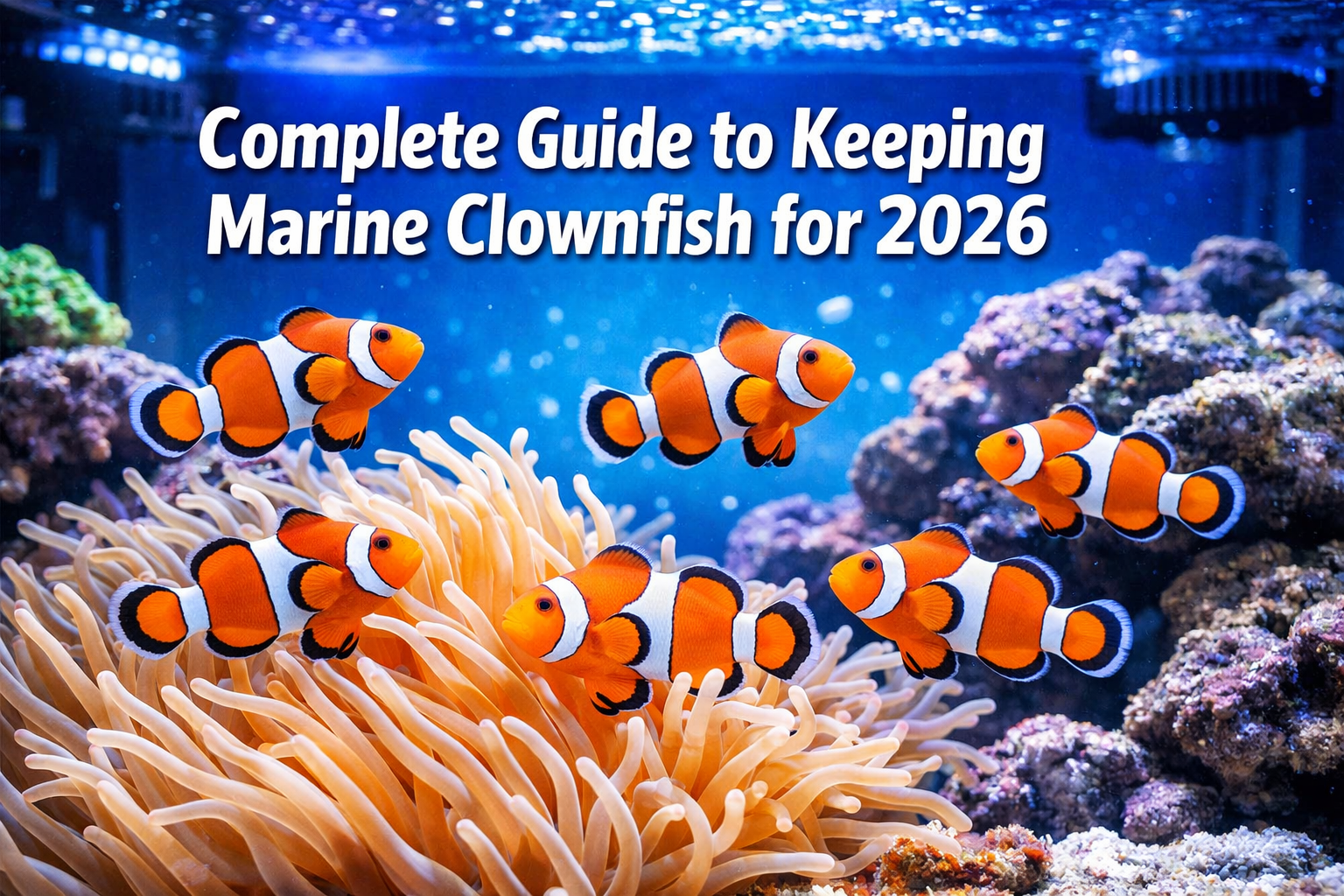
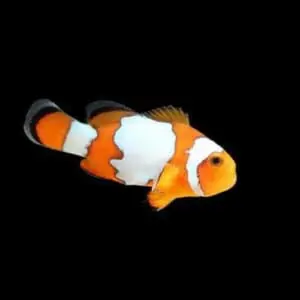
Picture this: you’re standing in front of a pristine marine aquarium, watching a pair of vibrant orange clownfish dance gracefully among the swaying tentacles of their host anemone. Their playful antics and stunning colors captivate you, and suddenly you understand why these charismatic fish have become the crown jewels of saltwater aquariums worldwide. If you’ve ever dreamed of bringing this magical underwater world into your home, this comprehensive guide to keeping marine clownfish for 2026 will transform that dream into reality.
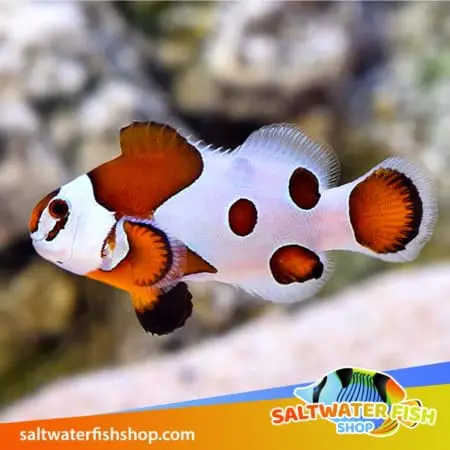
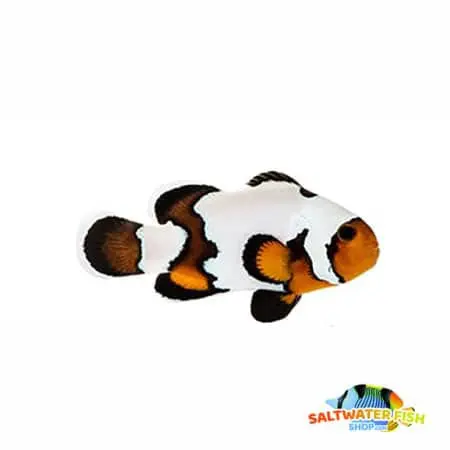
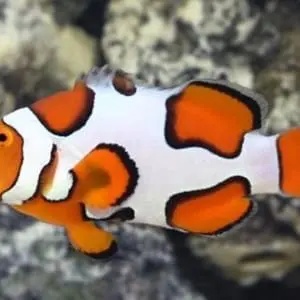
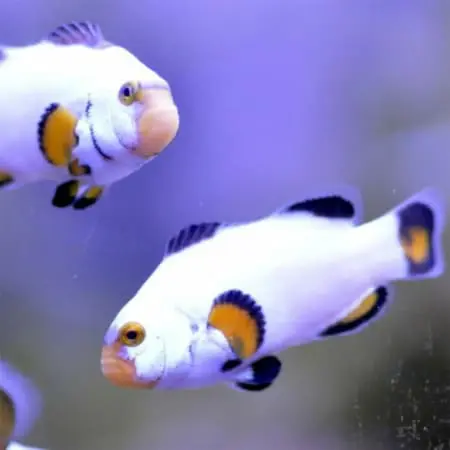
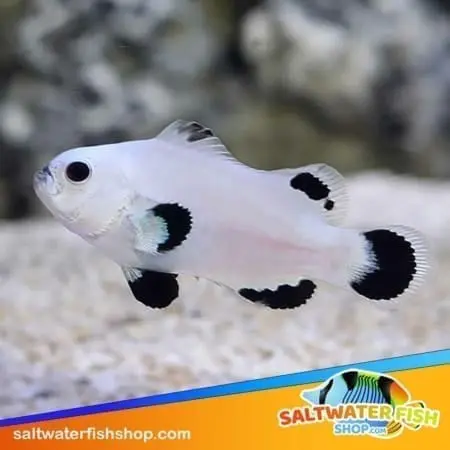
Marine clownfish have evolved far beyond their Hollywood fame from animated movies. Today’s aquarium hobby offers an incredible diversity of species and morphs, from the classic Ocellaris to stunning designer varieties like Lightning Maroons and Picasso Percula. With advances in captive breeding, improved husbandry techniques, and better understanding of their biology, 2026 represents the golden age for clownfish keeping.
- Display 21 Products per page
Key Takeaways
• Tank Requirements: A minimum 20-gallon tank with stable water parameters (78-82°F, 1.020-1.025 specific gravity, pH 8.1-8.4) provides the foundation for healthy clownfish
• Species Diversity: Over 30 clownfish species exist, with Ocellaris and Percula being ideal for beginners, while designer morphs offer unique color patterns for experienced keepers
• Feeding Success: A varied diet of high-quality pellets, frozen foods, and supplements 2-3 times daily ensures optimal health and vibrant coloration
• Breeding Potential: Captive-bred clownfish readily spawn in home aquariums with proper conditions, offering rewarding breeding opportunities
• Long-term Care: Consistent maintenance, disease prevention, and gradual tank maturation lead to 10+ year lifespans in captivity
Essential Tank Setup for Your Guide to Keeping Marine Clownfish for 2026
Creating the perfect environment for your clownfish starts with understanding their natural habitat and translating those conditions into your home aquarium. The foundation of successful clownfish keeping lies in proper tank setup, and I’ve learned through years of experience that getting this right from the beginning saves countless headaches later.
Tank Size and Equipment Requirements
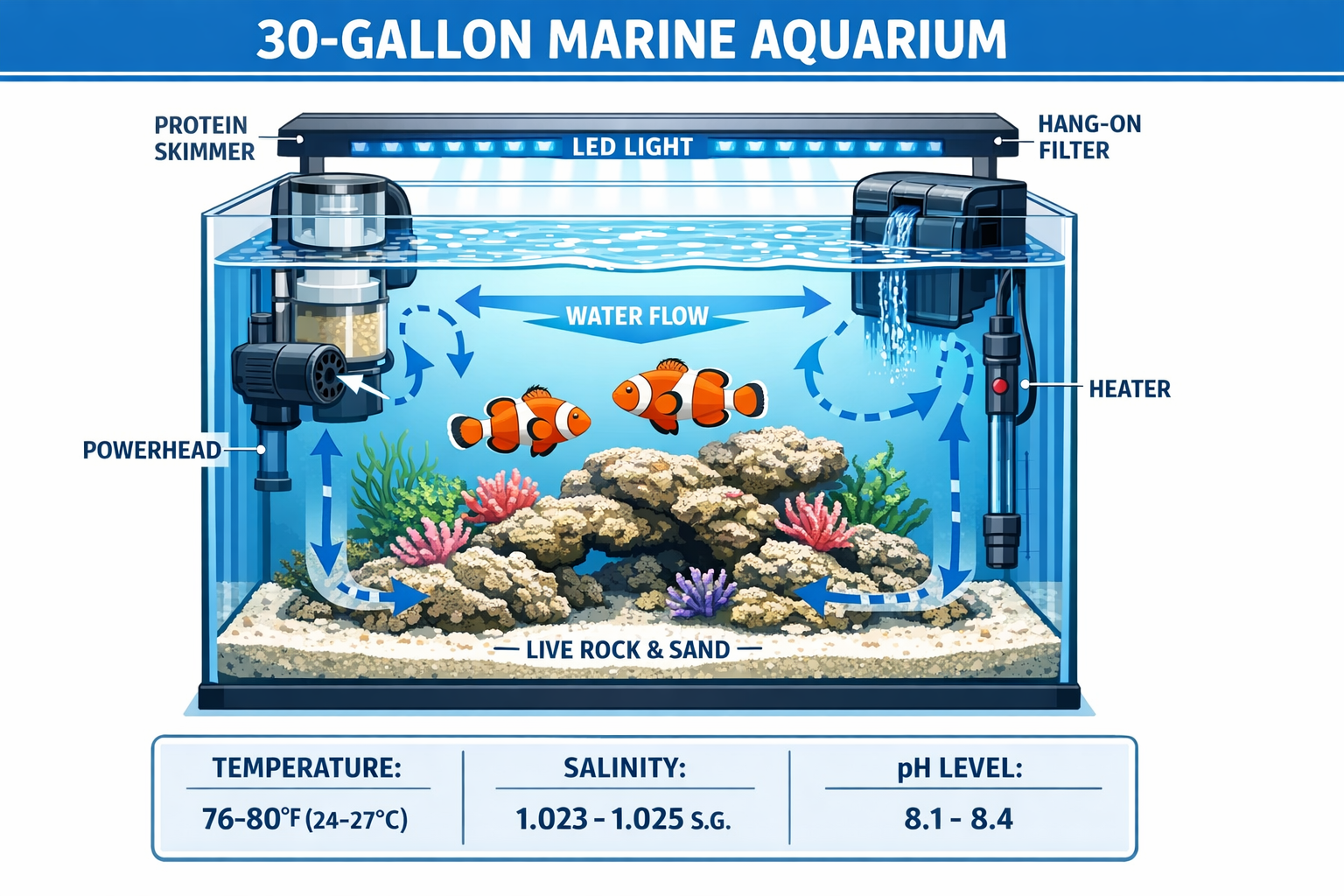
Minimum Tank Size: While clownfish are relatively small, I recommend starting with at least a 20-gallon tank for a single fish or pair. Larger tanks (30+ gallons) provide more stability and room for growth. The extra water volume helps maintain stable parameters, which is crucial for marine fish health.
Essential Equipment Checklist:
- Protein Skimmer: Removes organic waste before it breaks down
- Heater: Maintains consistent temperature (78-82°F)
- Powerheads: Create proper water circulation (10-20x tank volume per hour)
- LED Lighting: Full spectrum lights support both fish and potential corals
- Quality Salt Mix: Use reputable brands for consistent water chemistry
- Test Kits: Monitor ammonia, nitrite, nitrate, pH, and salinity
When shopping for equipment, I always recommend purchasing from a reputable saltwater fish store that understands the specific needs of marine aquariums. Quality equipment may cost more initially, but it pays dividends in fish health and reduced maintenance.
Water Parameters and Cycling
Critical Water Parameters:
- Temperature: 78-82°F (25-28°C)
- Salinity: 1.020-1.025 specific gravity
- pH: 8.1-8.4
- Ammonia: 0 ppm
- Nitrite: 0 ppm
- Nitrate: <20 ppm (preferably <10 ppm)
The Nitrogen Cycle Process: Before adding any fish, your tank must complete the nitrogen cycle. This biological process typically takes 4-6 weeks and involves beneficial bacteria colonizing your filtration system. I use live rock and quality bacterial supplements to speed this process while monitoring parameters daily.
Live Rock and Substrate Selection
Live Rock Benefits:
- Provides biological filtration
- Creates natural hiding spots
- Supports beneficial bacteria growth
- Offers grazing surfaces for natural feeding behaviors
I recommend 1-2 pounds of live rock per gallon of water. Arrange rocks to create caves and overhangs where clownfish can establish territories. Leave open swimming areas in the front of the tank for optimal viewing.
Substrate Options:
- Live Sand: 1-2 inch depth, supports beneficial bacteria
- Aragonite Sand: Helps buffer pH naturally
- Bare Bottom: Easier maintenance, better for breeding setups
Understanding Clownfish Species and Morphs in Your 2026 Marine Setup
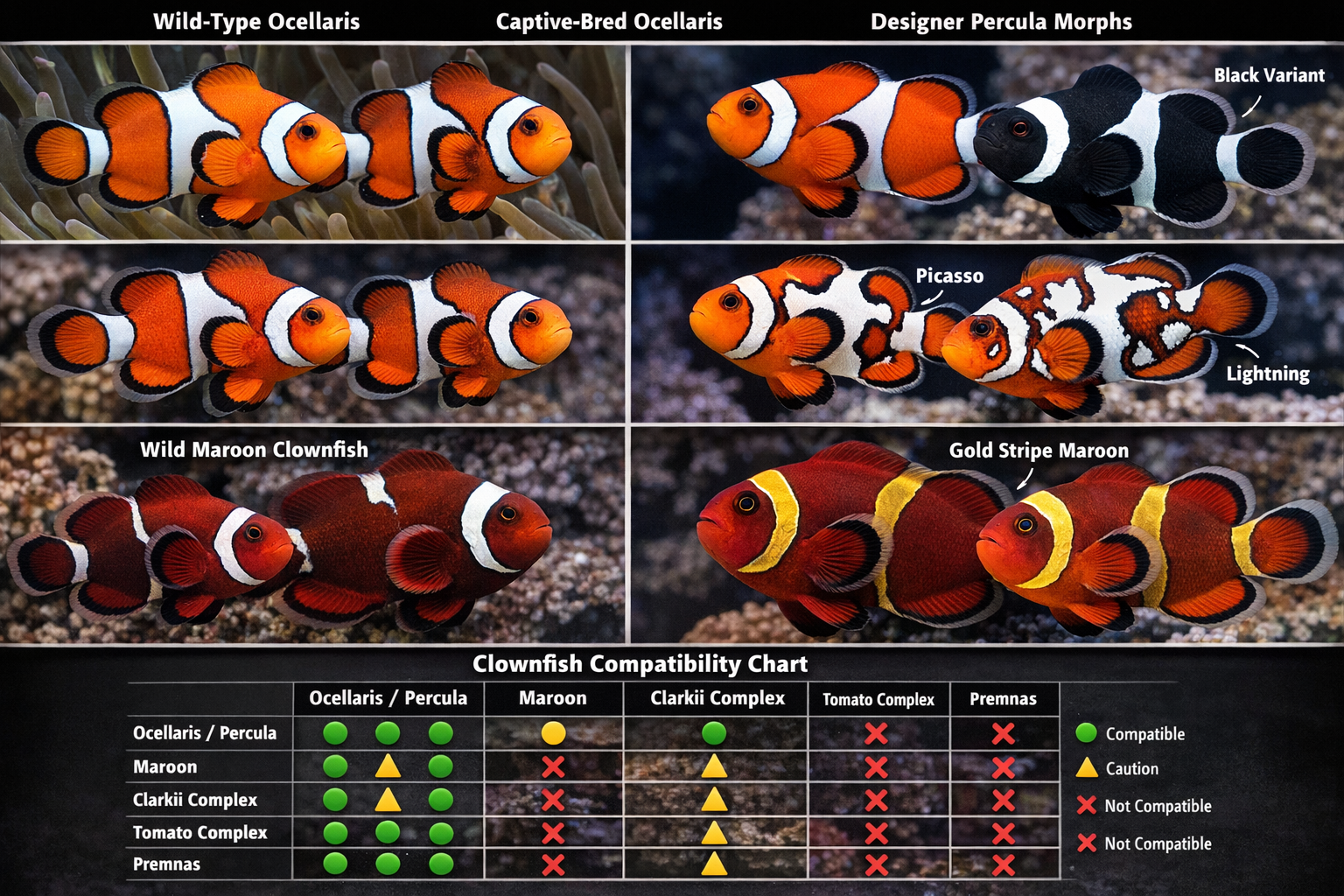
The world of clownfish has exploded with diversity over the past decade, and 2026 offers aquarists an unprecedented selection of species and designer morphs. Understanding the differences between species helps you make informed decisions about which fish will thrive in your specific setup.
Popular Clownfish Species for Beginners
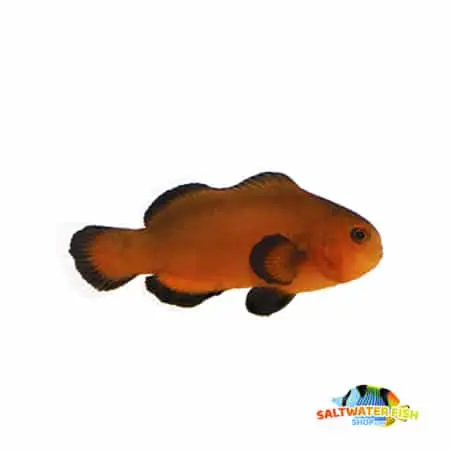
Ocellaris Clownfish (Amphiprion ocellaris)
- Size: 3-4 inches
- Temperament: Peaceful, excellent for community tanks
- Care Level: Easy
- Special Notes: Most commonly available, extremely hardy
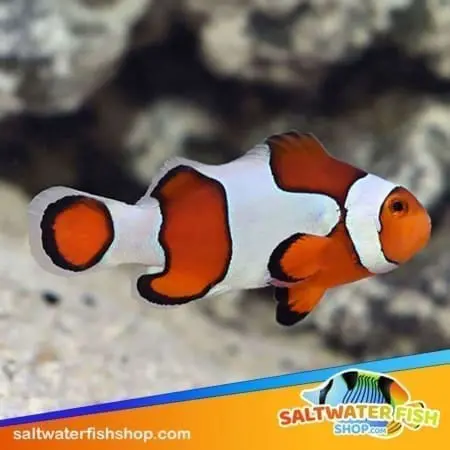
Percula Clownfish (Amphiprion percula)
- Size: 3-4 inches
- Temperament: Slightly more territorial than Ocellaris
- Care Level: Easy
- Special Notes: Brighter orange coloration, thicker black borders
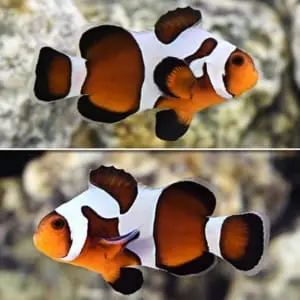
Maroon Clownfish (Premnas biaculeatus)
- Size: Up to 6 inches
- Temperament: More aggressive, territorial
- Care Level: Moderate
- Special Notes: Largest clownfish species, stunning deep red coloration
Designer Morphs and Color Variations
The captive breeding revolution has produced incredible designer morphs that showcase the genetic diversity possible within clownfish species. These fish command premium prices but offer unique aesthetics impossible to find in wild populations.
Popular Ocellaris Morphs:
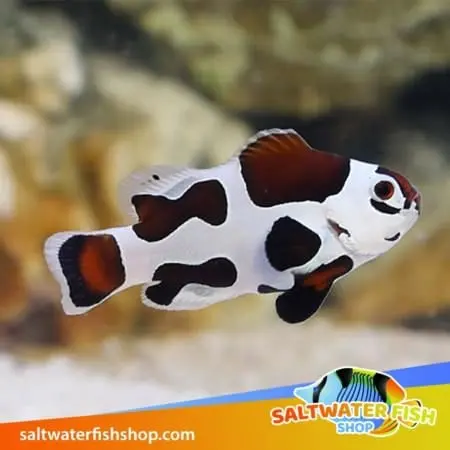
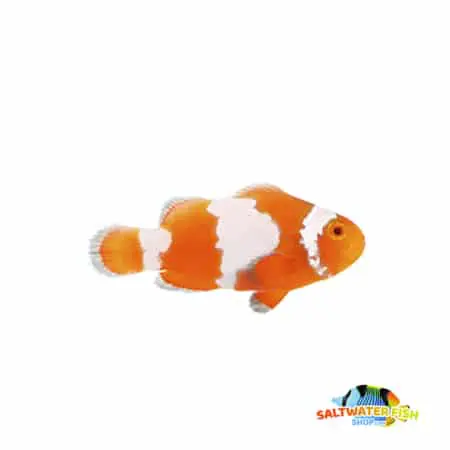
- Snowflake: Irregular white patterns extending into orange areas
- Picasso: Dramatic white markings creating artistic patterns
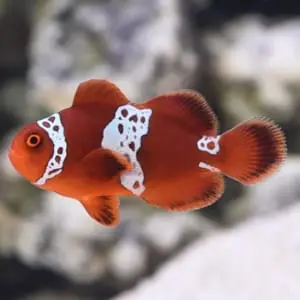
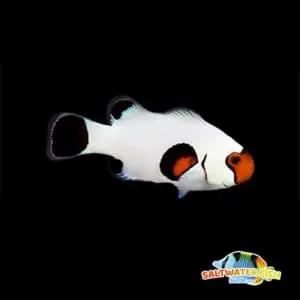
- Lightning: Extreme white coloration with minimal orange
- Platinum: Nearly pure white with subtle orange hints
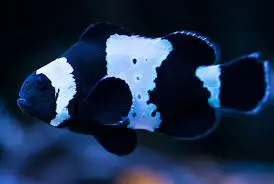
- Black Ice: Dark body with contrasting white stripes
Maroon Clownfish Morphs:
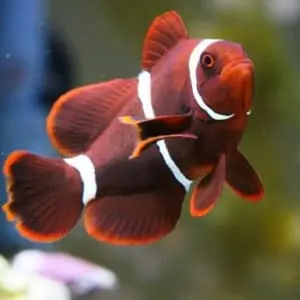
- Gold Stripe Maroon: Yellow stripes instead of white
- Lightning Maroon: Irregular white striping patterns
- White Stripe Maroon: Classic white striping on deep red body
When considering designer morphs, remember that these fish often require the same care as their wild-type counterparts but may command significantly higher prices. For those interested in exploring the full range of available options, visiting a specialized saltwater fish website provides access to the latest morphs and breeding developments.
Compatibility and Tank Mates
Excellent Tank Mates:
- Gobies: Peaceful bottom dwellers
- Cardinalfish: Nocturnal, complementary activity patterns
- Wrasses: Active swimmers, different feeding niches
- Dottybacks: Similar size, compatible temperaments
Tank Mates to Avoid:
- Large Angelfish: May view clownfish as food
- Triggerfish: Too aggressive for peaceful clownfish
- Lionfish: Venomous predators
- Large Groupers: Will eat anything that fits in their mouth
For detailed information about compatible species, I recommend consulting resources about cardinal fish care and other peaceful marine species that work well in clownfish communities.
Feeding and Nutrition: A Critical Component of Your Guide to Keeping Marine Clownfish for 2026
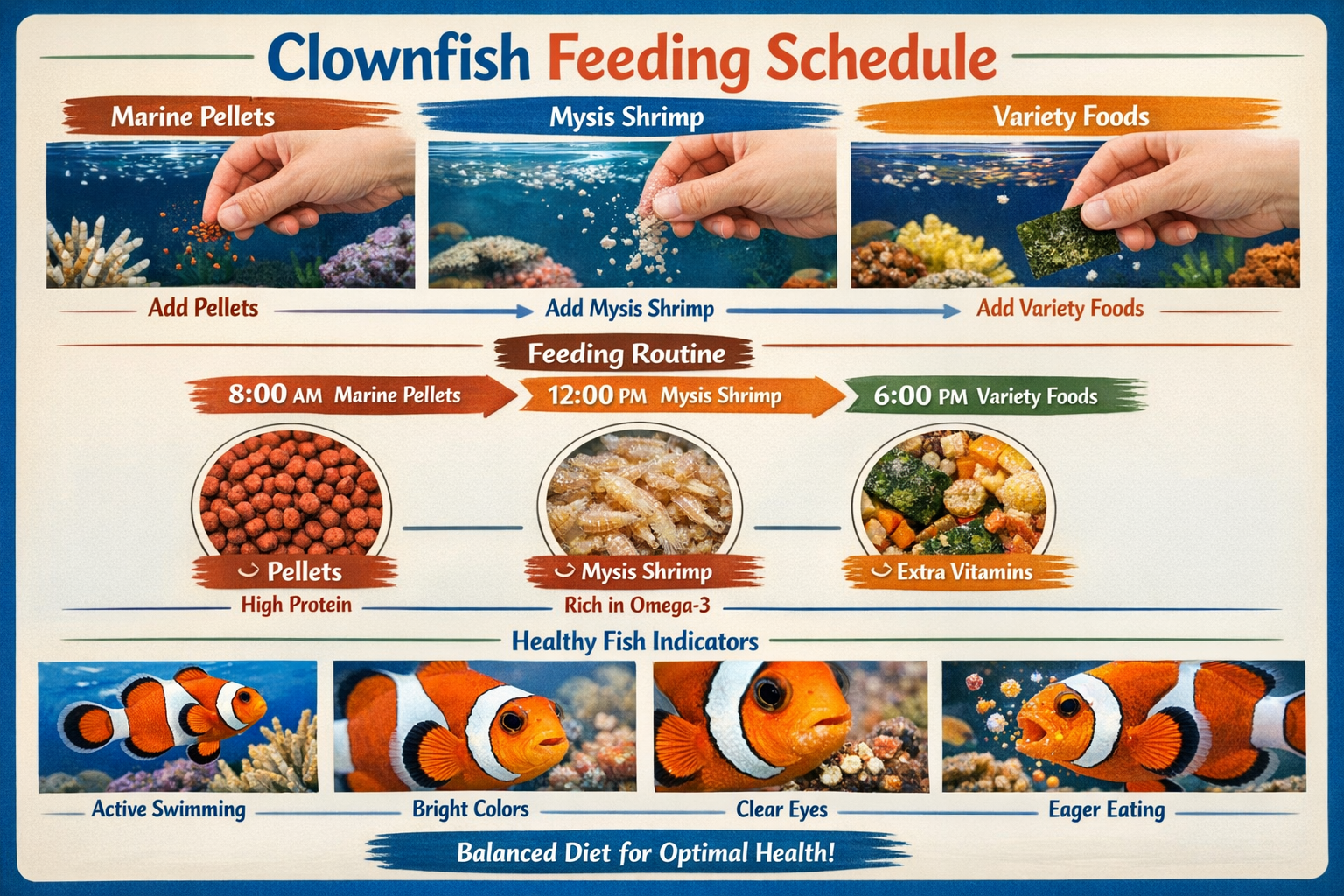
Proper nutrition forms the cornerstone of clownfish health, affecting everything from coloration to disease resistance to breeding success. In 2026, we have access to better foods than ever before, but understanding how to use them effectively makes the difference between surviving fish and thriving specimens.
Daily Feeding Requirements
Feeding Frequency: I feed adult clownfish 2-3 times daily, offering only what they can consume in 2-3 minutes. Juvenile fish require more frequent feeding (3-4 times daily) to support their rapid growth rates.
Portion Control: Overfeeding ranks as the number one killer of marine fish. Start with small amounts and observe your fish’s eating habits. Healthy clownfish should eagerly approach food and consume it quickly.
High-Quality Food Options
Premium Pellet Foods:
- New Life Spectrum Marine: Excellent color enhancement
- Hikari Marine S: Slow-sinking pellets ideal for clownfish
- Ocean Nutrition Formula Two: Herbivore-focused nutrition
- Rod’s Food Pellets: Frozen food nutrition in pellet form
Frozen Food Varieties:
- Mysis Shrimp: High protein, excellent for growth
- Brine Shrimp: Good conditioning food, lower nutrition
- Cyclop-eeze: Enhances red and orange coloration
- Marine Cuisine: Mixed frozen foods for dietary variety
Live Food Options:
- Live Brine Shrimp: Excellent for breeding conditioning
- Copepods: Natural food source, supports hunting instincts
- Live Blackworms: High protein, use sparingly
Nutritional Supplements and Color Enhancement
Color-Enhancing Additives:
- Spirulina: Natural algae that intensifies orange coloration
- Astaxanthin: Powerful carotenoid for vibrant reds and oranges
- Beta-carotene: Supports natural color development
- Garlic Extract: Boosts immune system and appetite
Feeding Schedule Example:
- Morning: High-quality pellets (2-3 pellets per fish)
- Afternoon: Frozen mysis shrimp (small pinch)
- Evening: Varied diet rotation (brine shrimp, marine cuisine, etc.)
When sourcing food supplies, I prefer retailers that offer reliable shipping for food and supplies to ensure freshness and quality upon arrival.
Special Dietary Considerations
Breeding Conditioning: Fish intended for breeding benefit from increased feeding frequency and higher protein foods. Live foods particularly stimulate spawning behavior.
Juvenile Nutrition: Young clownfish require smaller food particles and more frequent feeding. Newly hatched brine shrimp and specialized fry foods support rapid growth.
Sick Fish Feeding: Ill fish often lose appetite. Highly palatable foods like live brine shrimp or garlic-soaked frozen foods can stimulate feeding in recovering fish.
Breeding Marine Clownfish: Advanced Techniques for Your 2026 Setup
Breeding clownfish represents one of the most rewarding aspects of marine aquarium keeping. Unlike many marine species that require complex larval rearing, clownfish breeding has become increasingly accessible to dedicated hobbyists. The techniques I’ll share have been refined through years of successful breeding programs.
Understanding Clownfish Reproduction Biology
Sequential Hermaphroditism: All clownfish are born male and can change to female when environmental conditions trigger the transformation. In a pair, the larger, dominant fish becomes female while the smaller remains male.
Pair Formation: Clownfish form monogamous pairs that can last for years. Introducing two juveniles often results in natural pair formation, though adult pairs can be purchased from specialized breeders.
Spawning Behavior: Pairs typically spawn every 2-3 weeks during warmer months. The female deposits 200-1000 eggs on a flat surface near their host anemone or chosen territory.
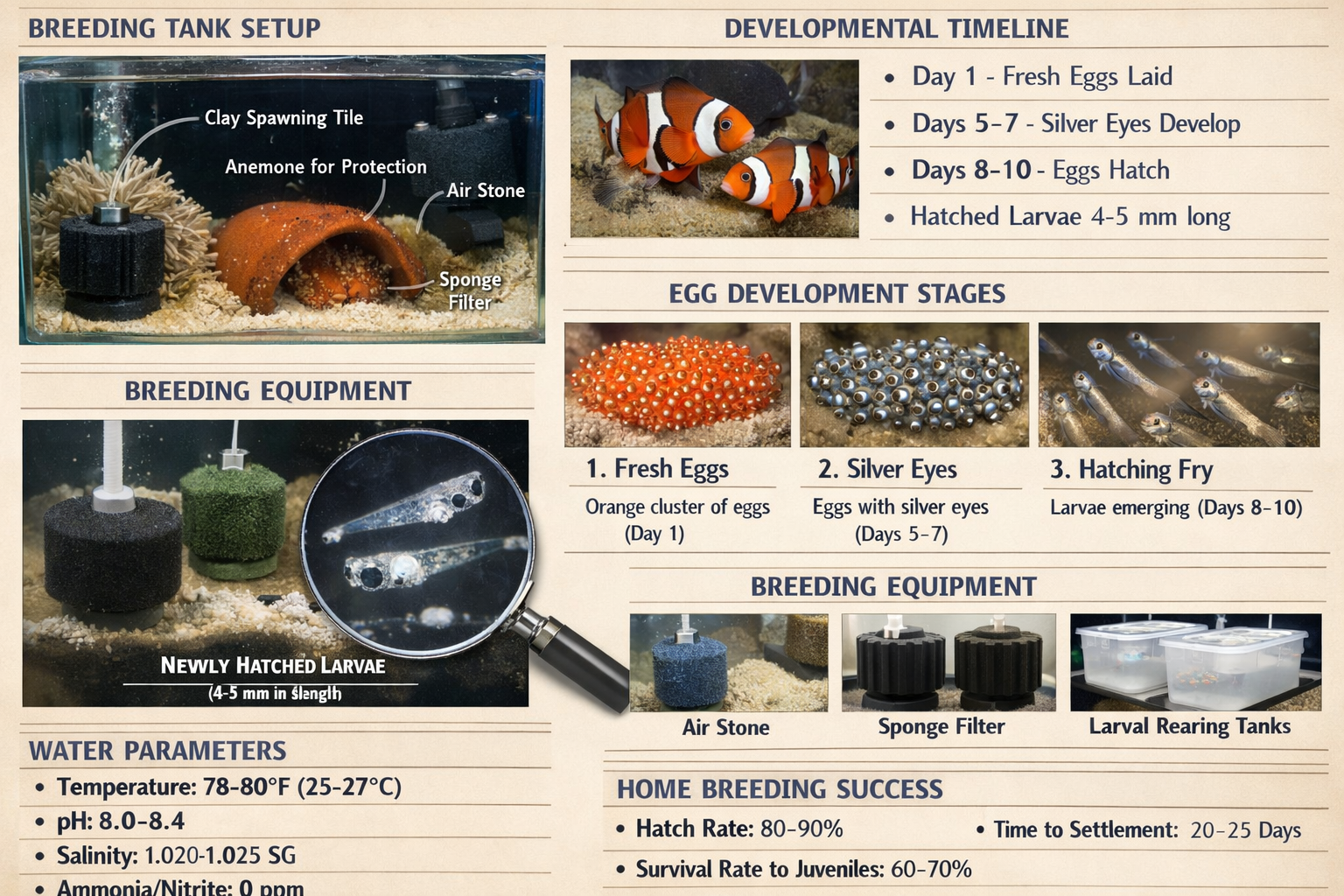
Setting Up a Breeding System
Breeding Tank Requirements:
- Size: Minimum 20 gallons for a breeding pair
- Substrate: Flat rocks or ceramic tiles for spawning sites
- Filtration: Gentle flow to avoid disturbing eggs
- Lighting: Consistent photoperiod (12-14 hours daily)
- Water Quality: Pristine conditions with frequent water changes
Spawning Triggers:
- Temperature: Slight increase to 80-82°F
- Feeding: Increased frequency with high-quality foods
- Water Changes: Fresh saltwater stimulates spawning
- Stable Environment: Consistent conditions reduce stress
Egg Development and Hatching
Egg Development Timeline:
- Day 1-2: Orange eggs attached to substrate
- Day 3-5: Eyes become visible as dark spots
- Day 6-8: Silver eyes indicate near-hatching
- Day 8-11: Hatching occurs in evening/night
Parental Care: Male clownfish guard and tend the eggs, fanning them with their fins and removing dead or fungused eggs. Avoid disturbing the breeding pair during this critical period.
Larval Rearing Challenges
First Food Requirements: Newly hatched larvae require live rotifers or copepod nauplii. These microscopic foods must be cultured separately, adding complexity to the breeding process.
Water Quality: Larval tanks require exceptional water quality with gentle filtration and frequent small water changes.
Metamorphosis: After 8-12 days, larvae begin settling and developing juvenile coloration. This transition period requires careful management of food size and water conditions.
For those interested in exploring breeding opportunities, connecting with experienced breeders through specialized marine fish communities provides valuable mentorship and resources.
Long-term Care and Maintenance in Your Guide to Keeping Marine Clownfish for 2026
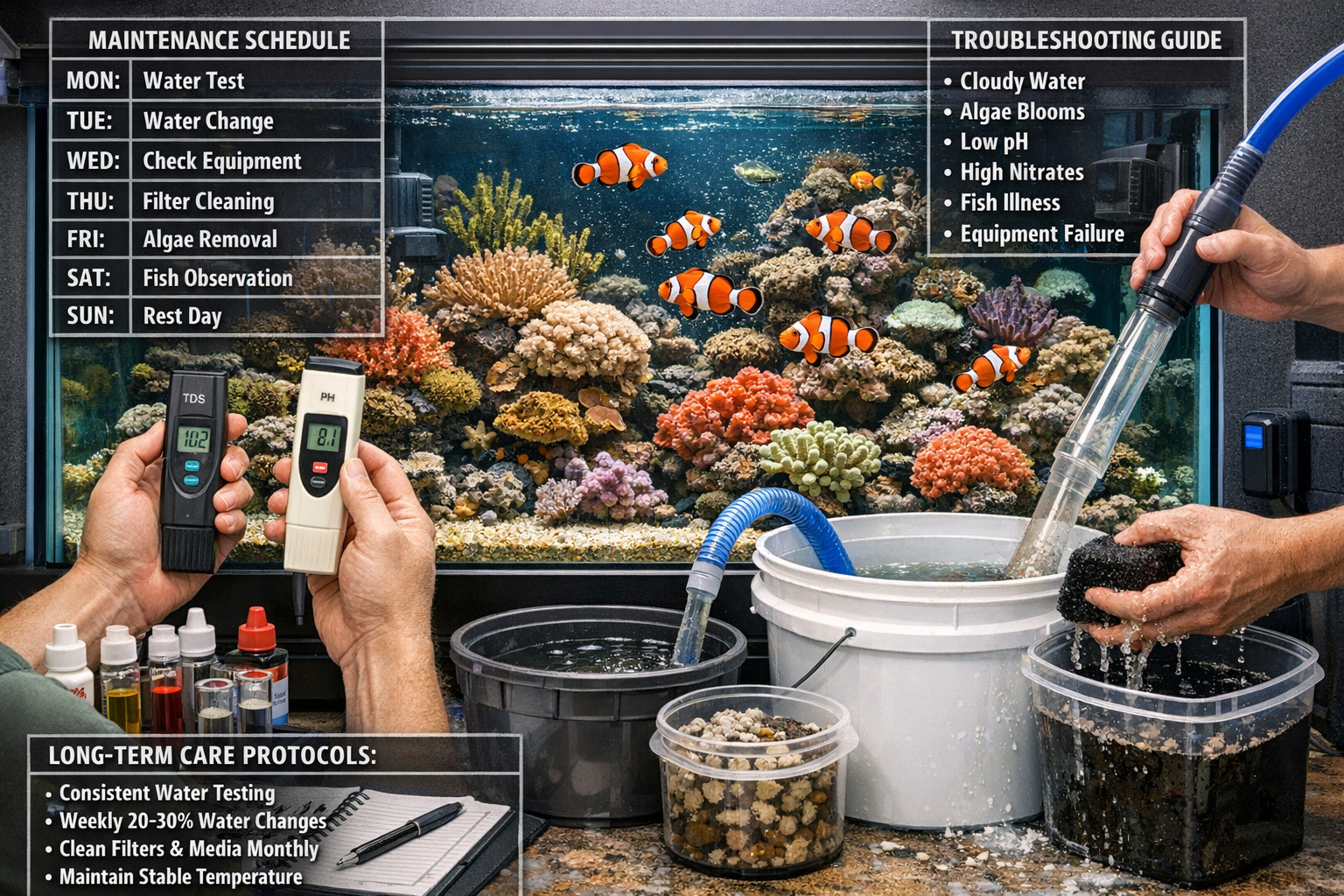
Successful long-term clownfish keeping requires consistent maintenance routines, proactive health monitoring, and adaptation to changing tank conditions. The fish you purchase today can live 10-15 years with proper care, making this a significant long-term commitment.
Weekly Maintenance Routines
Water Testing Schedule:
- Weekly: Nitrate, pH, salinity
- Bi-weekly: Alkalinity, calcium (if keeping corals)
- Monthly: Phosphate, magnesium
- As needed: Ammonia, nitrite (should always be zero)
Water Change Protocol: I perform 10-15% water changes weekly, removing detritus from the substrate and cleaning glass surfaces. Larger water changes (20-25%) monthly help maintain optimal water quality.
Equipment Maintenance:
- Protein Skimmer: Clean collection cup 2-3 times weekly
- Filter Media: Replace or clean according to manufacturer recommendations
- Powerheads: Monthly cleaning prevents buildup and maintains flow
- Heaters: Check temperature accuracy monthly
Disease Prevention and Treatment
Common Clownfish Diseases:
| Disease | Symptoms | Treatment | Prevention |
|---|---|---|---|
| Marine Ich | White spots, scratching | Copper treatment, UV sterilization | Quarantine new fish |
| Brooklynella | Thick mucus, rapid breathing | Formalin baths | Excellent water quality |
| Marine Velvet | Gold dust appearance, lethargy | Copper + formalin | Quarantine, UV sterilization |
| Bacterial Infections | Fin rot, cloudy eyes | Antibiotics | Maintain water quality |
Quarantine Protocol: All new fish should spend 2-4 weeks in a separate quarantine tank before introduction to the main display. This practice prevents disease introduction and allows observation of new fish behavior.
Tank Evolution and Upgrades
Natural Maturation: Marine tanks improve with age as biological systems stabilize. Mature tanks (6+ months old) show better stability and healthier fish populations.
Upgrade Considerations:
- Larger Tanks: Provide more stability and additional livestock options
- Advanced Filtration: Refugiums and advanced skimmers improve water quality
- Lighting Upgrades: Support coral additions and enhance fish coloration
- Automation: Controllers and monitors reduce maintenance workload
Coral Integration: Many clownfish keepers eventually add corals to their systems. Soft corals like mushrooms and zoanthids complement clownfish beautifully while remaining relatively easy to maintain.
Troubleshooting Common Issues
Aggressive Behavior: Established clownfish may become territorial when new fish are added. Rearranging rockwork and adding multiple fish simultaneously can reduce aggression.
Poor Coloration: Faded colors often indicate stress, poor nutrition, or inadequate lighting. Address water quality first, then evaluate diet and lighting systems.
Feeding Problems: Fish that stop eating may be stressed, ill, or simply adjusting to new conditions. Offer varied foods and ensure water parameters remain stable.
When problems arise, having access to knowledgeable support makes all the difference. Reputable dealers who offer live fish shipping typically provide ongoing support for their customers’ success.
Conclusion
Creating a thriving clownfish aquarium in 2026 combines traditional marine keeping wisdom with modern innovations in equipment, nutrition, and husbandry techniques. From selecting the perfect species and morphs to mastering breeding techniques, this comprehensive guide to keeping marine clownfish for 2026 provides the foundation for years of aquarium success.
The key to long-term success lies in patience, consistency, and continuous learning. Start with quality equipment, maintain excellent water conditions, and choose healthy fish from reputable sources. Whether you’re drawn to classic Ocellaris clownfish or exotic designer morphs, the principles remain the same: provide stable conditions, proper nutrition, and attentive care.
Your Next Steps:
- Plan Your Setup: Choose tank size and equipment based on your space and budget
- Cycle Your Tank: Allow 4-6 weeks for biological establishment before adding fish
- Select Your Fish: Start with hardy species and gradually add more challenging varieties
- Establish Routines: Develop consistent feeding and maintenance schedules
- Connect with Community: Join local clubs or online forums for ongoing support and advice
Remember that every successful aquarist started as a beginner. The marine aquarium hobby offers endless opportunities for learning and growth, with clownfish serving as perfect ambassadors to this fascinating underwater world. With proper preparation and dedication, your clownfish aquarium will provide years of enjoyment and wonder.
The magic of watching clownfish thrive in your carefully crafted marine environment never fades. Each feeding interaction, each spawning event, each moment of peaceful observation reinforces why these remarkable fish have captured the hearts of aquarists
🐠 Clownfish Species Comparison Tool
Compare different clownfish species to find the perfect match for your 2026 marine aquarium
References
[1] Fautin, D. G., & Allen, G. R. (1992). Field Guide to Anemonefishes and Their Host Sea Anemones. Western Australian Museum.
[2] Wilkerson, J. D. (2001). Clownfishes: A Guide to Their Captive Care, Breeding & Natural History. Microcosm Ltd.
[3] Olivotto, I., Planas, M., Simões, N., Holt, G. J., Avella, M. A., & Calado, R. (2011). Advances in breeding and rearing marine ornamentals. Journal of the World Aquaculture Society, 42(2), 135-166.
[4] Buston, P. (2003). Forcible eviction and prevention of recruitment in the clown anemonefish. Behavioral Ecology, 14(4), 576-582.
[5] Madhu, K., Madhu, R., & Retheesh, T. (2012). Breeding and seed production of clown fish Amphiprion percula–a step towards conservation. Marine Fisheries Information Service, 213, 13-18.