
The Complete Guide to Hermit Crabs for Sale: Your Gateway to Marine Invertebrate Success
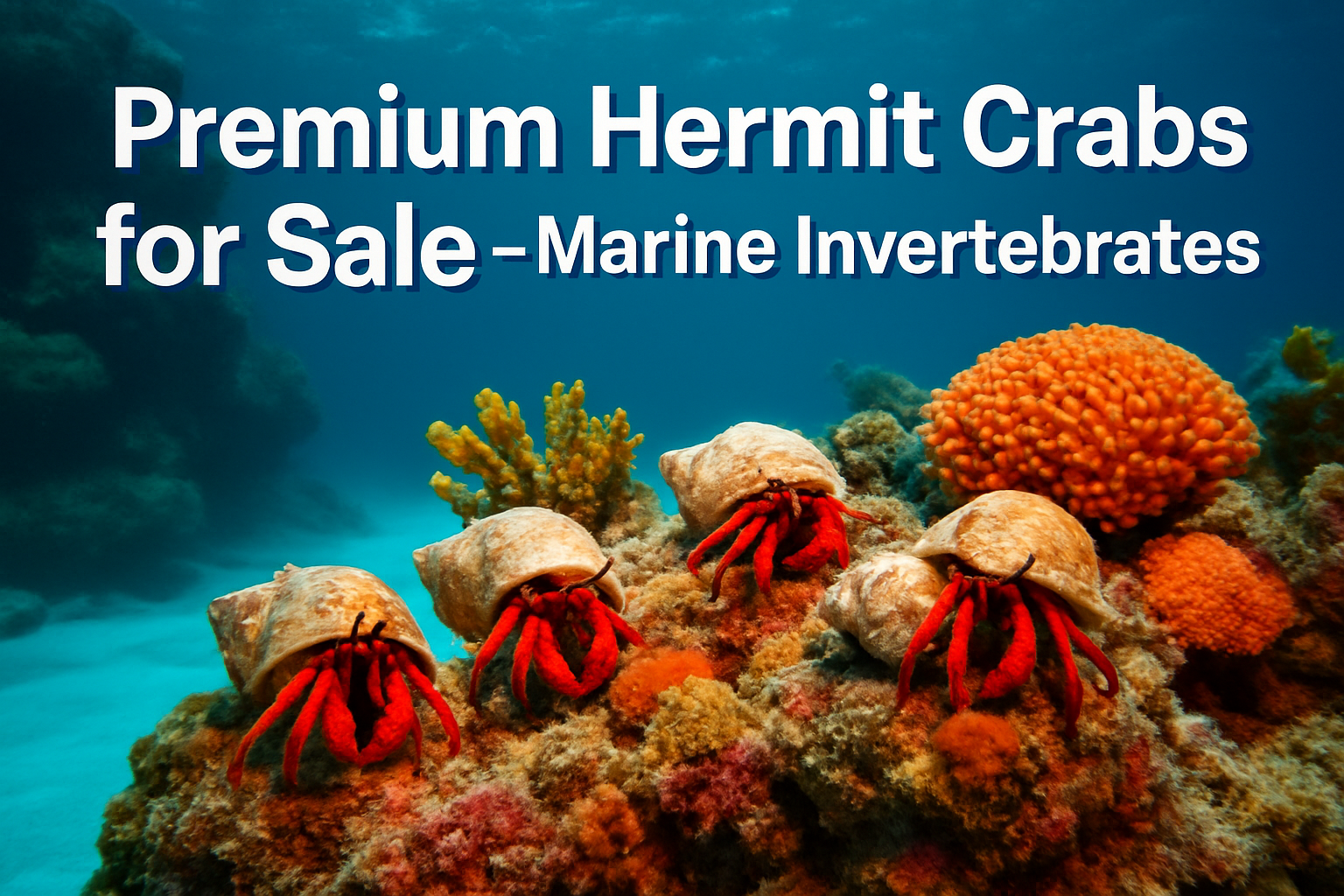
Picture this: you're gazing into your pristine saltwater aquarium when suddenly, a tiny armored creature emerges from behind a coral formation, dragging its borrowed shell home across the sandy bottom. This charming scene is exactly what awaits you when you discover the fascinating world of hermit crabs for sale online. These industrious little invertebrates have captured the hearts of marine aquarium enthusiasts worldwide, and for good reason – they're not just cleanup crew members, they're personality-packed additions that bring life and movement to any reef tank.
Key Takeaways
• Hermit crabs are essential cleanup crew members that consume algae, detritus, and leftover food, helping maintain optimal water quality in marine aquariums
• Multiple species are available for purchase, each with unique characteristics, from peaceful blue-legged hermits to larger, more aggressive varieties
• Proper shell selection and tank setup are crucial for hermit crab health, requiring various shell sizes and appropriate substrate depth
• Reputable online retailers offer healthy, acclimated specimens with proper shipping protocols to ensure safe arrival
• Compatibility considerations are vital when selecting hermit crabs, as some species may prey on corals or smaller tank inhabitants
Understanding Hermit Crabs: Nature's Recyclers 🦀
When I first started keeping marine aquariums over two decades ago, I quickly learned that hermit crabs are among the most beneficial invertebrates you can add to your system. These fascinating crustaceans belong to the superfamily Paguroidea and have evolved one of nature's most ingenious survival strategies – borrowing empty shells from other creatures to protect their soft abdomens.
What Makes Hermit Crabs Special
Hermit crabs serve multiple purposes in marine aquariums beyond their obvious entertainment value. They're primarily detritivores, meaning they consume organic waste, algae, and uneaten food that would otherwise decompose and pollute your water. This natural cleaning behavior makes them invaluable members of your tank's cleanup crew.
Unlike their shell-bearing cousins, hermit crabs must constantly search for new homes as they grow. This behavior creates one of the most endearing aspects of keeping these creatures – watching them "shop" for the perfect shell upgrade. I've spent countless hours observing hermit crabs trying on different shells, sometimes forming actual queues when a particularly desirable shell becomes available.
The Science Behind Shell Selection
The relationship between hermit crabs and their shells is more complex than it might appear. Research has shown that hermit crabs can assess shell quality through tactile examination, considering factors like:
- Weight and mobility – lighter shells allow for easier movement
- Internal volume – adequate space for growth and protection
- Opening size – proper fit for the crab's body
- Shell condition – structural integrity and lack of damage
This scientific understanding helps explain why providing a variety of shell options is crucial when you're looking at hermit crabs for sale and planning their long-term care.
Popular Species of Hermit Crabs for Sale Online 🌊
The diversity of hermit crab species available to marine aquarists is truly remarkable. Each species brings unique characteristics, care requirements, and compatibility considerations to your aquarium ecosystem. Let me walk you through the most popular varieties you'll encounter when browsing hermit crabs for sale from reputable dealers.
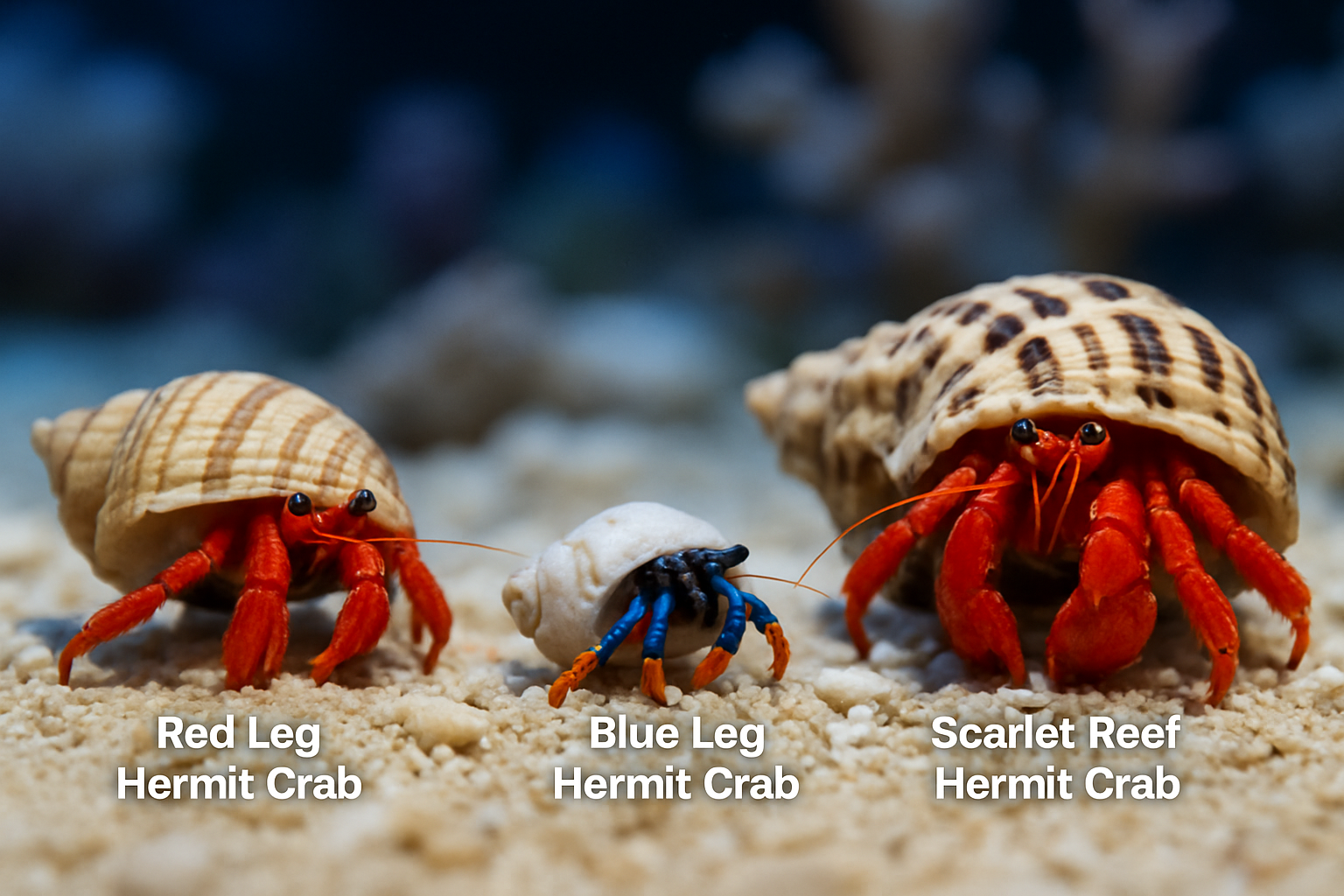
Blue-Legged Hermit Crabs (Clibanarius tricolor)
Blue-legged hermit crabs are arguably the most popular choice for beginning marine aquarists, and for excellent reasons. These small, peaceful creatures rarely exceed one inch in size and are incredibly effective at consuming hair algae and film algae that can plague new aquarium setups.
Key characteristics include:
- Bright blue legs with orange antennae
- Maximum size of approximately 1 inch
- Peaceful temperament toward most tank inhabitants
- Excellent algae consumption capabilities
- Hardy and adaptable to various water conditions
I've personally maintained colonies of blue-legged hermit crabs in multiple systems, and they consistently prove themselves as reliable cleanup crew members. Their small size means they can access tight spaces between rocks and corals where larger cleanup crew members cannot reach.
Scarlet Reef Hermit Crabs (Paguristes cadenati)
Scarlet reef hermit crabs represent the premium option among commonly available species. These stunning creatures sport bright red bodies with yellow eyestalks and are known for their peaceful nature toward corals and other invertebrates.
Notable features:
- Vibrant red coloration with yellow accents
- Larger size (up to 1.5 inches)
- Reef-safe reputation
- Higher price point reflecting their desirability
- Excellent for consuming various types of algae
The investment in scarlet reef hermit crabs often pays dividends in both aesthetic appeal and cleaning efficiency. Their larger size allows them to tackle more substantial algae growth while their peaceful nature makes them ideal for reef aquariums containing sensitive corals.
Red-Legged Hermit Crabs (Clibanarius digueti)
Red-legged hermit crabs offer a middle ground between the smaller blue-legged varieties and the premium scarlet reef hermits. These Mexican natives are slightly larger than blue-legged hermits but maintain similar care requirements and compatibility profiles.
Distinguishing characteristics:
- Red legs with banded patterns
- Moderate size (1-1.25 inches)
- Active algae consumers
- Generally peaceful disposition
- Adaptable to various aquarium conditions
Large Hermit Crab Species
For aquarists seeking more substantial invertebrates, several larger hermit crab species are occasionally available through specialized dealers. These include various Petrochirus and Dardanus species that can reach impressive sizes but require careful consideration regarding tank mates and feeding requirements.
Important considerations for large hermit crabs:
- May prey on smaller invertebrates
- Require larger shell options
- Higher bioload impact
- Potentially destructive to aquascaping
- Specialized feeding requirements
Setting Up the Perfect Environment for Your Hermit Crabs 🏠
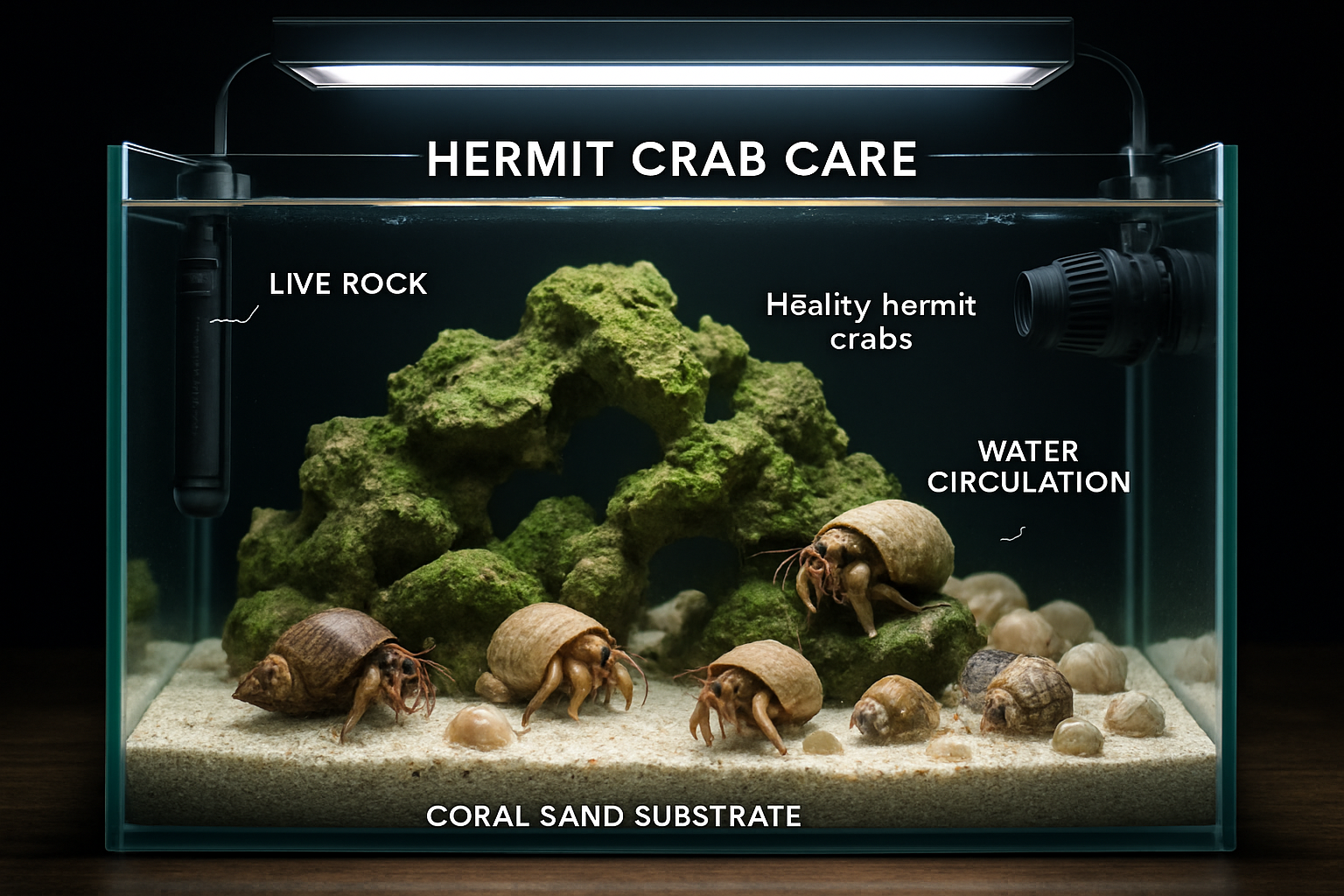
Creating an optimal environment for hermit crabs involves much more than simply adding them to an existing aquarium. These creatures have specific requirements that, when met, will ensure their health, longevity, and natural behaviors. Through years of experience maintaining various marine systems, I've learned that attention to detail in setup pays enormous dividends in hermit crab success.
Essential Tank Requirements
Water parameters form the foundation of successful hermit crab keeping. Like most marine invertebrates, hermit crabs are sensitive to water quality fluctuations and require stable conditions to thrive.
Optimal water parameters:
- Temperature: 72-78°F (22-26°C)
- Salinity: 1.023-1.025 specific gravity
- pH: 8.1-8.4
- Ammonia: 0 ppm
- Nitrite: 0 ppm
- Nitrate: <20 ppm
- Calcium: 400-450 ppm (important for shell health)
Substrate considerations are particularly important for hermit crabs. A sandy substrate with a depth of 2-3 inches allows for natural foraging behaviors and provides a comfortable environment for shell changes. I prefer a mixture of fine and medium-grain sand that mimics natural reef environments.
The Critical Importance of Shell Selection
Providing appropriate shells is absolutely crucial for hermit crab welfare. This aspect of care is often overlooked by new aquarists but represents one of the most important factors in long-term success.
Shell selection guidelines:
- Variety of sizes – always provide shells larger than currently occupied
- Multiple shell types – different shapes accommodate different preferences
- Natural materials – avoid painted or treated shells
- Proper opening size – shells should allow easy entry and exit
- Regular replacement – shells degrade over time and need refreshing
I maintain a "shell bank" in each of my systems containing hermit crabs, with approximately 3-5 empty shells per crab in various sizes. This abundance ensures that crabs can upgrade their homes as they grow and reduces competition-related stress.
Lighting and Flow Considerations
Moderate lighting and water flow create the most comfortable environment for hermit crabs. While these creatures aren't photosynthetic, they often share space with corals and other photosynthetic organisms, so lighting should be planned accordingly.
Flow recommendations:
- Moderate, indirect current
- Avoid high-flow areas that could tumble small crabs
- Ensure adequate circulation for waste removal
- Create calm zones for feeding and shell changes
Where to Find Quality Hermit Crabs for Sale 🛒
The source of your hermit crabs can significantly impact their health, longevity, and success in your aquarium. Having worked with numerous suppliers over the years, I've learned to identify the characteristics of reputable dealers and the red flags that indicate potential problems.
Choosing Reputable Online Retailers
SaltWaterFishShop.com stands out as a premier destination for marine aquarists seeking quality saltwater fish for sale and invertebrates. Since 2000, this saltwater fish store has built a reputation for healthy livestock and excellent customer service. When browsing their selection of hermit crabs for sale, you'll find detailed species information and care requirements that demonstrate their commitment to customer success.
What to look for in quality retailers:
- Detailed species descriptions and care information
- Clear photography showing actual livestock conditions
- Health guarantees and reasonable return policies
- Proper shipping protocols for live invertebrates
- Responsive customer service for pre and post-sale support
- Established reputation within the aquarium community
Understanding Shipping and Acclimation
Proper shipping protocols are essential for hermit crab survival during transport. Reputable dealers use insulated packaging, appropriate water volumes, and temperature control measures to ensure safe arrival.
Key shipping considerations:
- Seasonal restrictions during extreme weather
- Overnight delivery for live invertebrates
- Temperature-controlled packaging with heat or cool packs
- Adequate water volume for transport duration
- Secure packaging to prevent shell damage
When your hermit crabs arrive, proper acclimation becomes critical. I recommend a slow drip acclimation process over 45-60 minutes to gradually adjust the crabs to your aquarium's water parameters. This patience during the initial introduction often determines long-term success.
Building Relationships with Local Dealers
While online retailers offer convenience and selection, developing relationships with local fish stores can provide additional benefits. Local dealers often offer the opportunity to personally inspect livestock before purchase and may provide ongoing support for your aquarium needs.
Many successful marine aquarists maintain relationships with both online and local suppliers, leveraging the strengths of each approach. Local stores excel at emergency supplies and immediate needs, while online retailers often offer better selection and pricing for planned purchases.
Hermit Crab Care and Feeding Guidelines 🍽️
Proper nutrition and ongoing care are fundamental to hermit crab success in captive environments. While these creatures are often marketed as "easy" to keep, they do have specific requirements that must be met for optimal health and longevity.
Natural Diet and Feeding Behavior
In the wild, hermit crabs are opportunistic omnivores that consume a varied diet including algae, detritus, small invertebrates, and organic matter. This diverse natural diet should guide our approach to feeding in captivity.
Primary food sources include:
- Algae growth – various types growing naturally in the aquarium
- Detritus – organic particles and waste materials
- Uneaten fish food – proteins and other nutrients
- Dead organic matter – plant and animal materials
- Biofilm – bacterial films growing on surfaces
Supplemental Feeding Requirements
While hermit crabs excel at finding natural food sources, supplemental feeding ensures optimal nutrition and supports larger populations. The key is providing variety without overfeeding, which can lead to water quality issues.
Recommended supplemental foods:
- Algae wafers – specifically formulated for herbivorous invertebrates
- Frozen mysis shrimp – excellent protein source
- Spirulina flakes – provides essential nutrients and color enhancement
- Blanched vegetables – zucchini, spinach, and nori sheets
- Commercial invertebrate foods – specialized formulations
I typically feed my hermit crabs 2-3 times per week, providing only what they can consume within 2-3 hours. Overfeeding is one of the most common mistakes new aquarists make, leading to water quality deterioration and potential health issues.
Molting and Growth Considerations
Understanding the molting process is crucial for hermit crab care. Unlike crabs that grow their own shells, hermit crabs must shed their exoskeleton while retaining their protective shell home.
Signs of impending molt:
- Decreased activity and appetite
- Seeking shelter or hiding
- Cloudy or opaque appearance
- Digging behavior in substrate
During molting periods:
- Avoid disturbing the crab
- Maintain stable water conditions
- Ensure adequate calcium levels
- Provide hiding places and shells
The molting process typically takes 24-48 hours, during which the crab is extremely vulnerable. Post-molt crabs often appear larger and more colorful, and they may seek larger shells to accommodate their increased size.
Compatibility and Tank Mates 🐠
Selecting appropriate tank mates for hermit crabs requires careful consideration of both the crabs' behavior and the needs of other aquarium inhabitants. While generally peaceful, hermit crabs can impact certain species and may themselves become prey for others.
Ideal Tank Mates
Most reef-safe fish species coexist peacefully with hermit crabs. The key is avoiding species known to prey on invertebrates or those that might compete for the same food sources.
Excellent companions include:
- Clownfish – peaceful and reef-safe
- Cardinalfish – nocturnal habits complement crab activity
- Gobies – bottom-dwelling fish that rarely conflict with crabs
- Wrasses – most species ignore hermit crabs
- Tangs – herbivorous fish that may actually benefit from crab activity
When considering clownfish for sale or other fish additions, remember that hermit crabs often become more active during feeding times, which can create interesting interactive dynamics in your aquarium.
Species to Avoid
Certain fish species pose significant threats to hermit crabs and should be avoided in systems where you want to maintain healthy crab populations.
Problematic tank mates:
- Triggerfish – known invertebrate predators
- Large angelfish – may prey on smaller crabs
- Pufferfish – crack shells to access crab meat
- Some wrasse species – particularly larger, aggressive varieties
- Eels – nocturnal predators that hunt invertebrates
If you're interested in eels for sale, carefully research species compatibility before adding them to a system containing hermit crabs.
Coral and Invertebrate Compatibility
Most hermit crab species are considered reef-safe, but individual behavior can vary. Some larger species may occasionally damage corals while foraging, and stressed or hungry crabs might consume coral polyps.
Generally safe coral types:
- Hard corals with strong skeletons
- Soft corals with retractable polyps
- Mushroom corals – typically tolerate crab activity
- Zoanthids – usually ignored by hermit crabs
Monitor carefully:
- Small polyp stony corals – may be damaged by large crabs
- Delicate soft corals – vulnerable to physical damage
- Anemones – some species may prey on small crabs
Health Monitoring and Common Issues 🔍
Maintaining hermit crab health requires regular observation and understanding of common problems that can affect these invertebrates. Early detection and intervention often mean the difference between minor issues and major losses.
Signs of Healthy Hermit Crabs
Healthy hermit crabs display specific behaviors that indicate good overall condition and proper environmental conditions.
Positive health indicators:
- Active foraging behavior throughout the day
- Responsive to stimuli when approached
- Bright, clear coloration without dull or faded appearance
- Proper shell fit with secure grip and mobility
- Regular feeding activity and interest in food
- Normal molting cycles appropriate for species and size
Common Health Problems
Several issues commonly affect captive hermit crabs, many of which are preventable through proper care and environmental management.
Frequent problems include:
Shell Fighting and Aggression
When shells are inadequate or scarce, hermit crabs may engage in aggressive behavior to obtain better homes. This stress can lead to injury and death.
Poor Water Quality Effects
Hermit crabs are sensitive to ammonia, nitrite, and rapid parameter changes. Poor water quality often manifests as lethargy, reduced feeding, and increased mortality.
Inadequate Nutrition
Insufficient or inappropriate food sources can lead to weakened immune systems, poor growth, and increased susceptibility to disease.
Physical Trauma
Damage from aggressive tank mates, improper handling, or equipment can result in lost limbs or shell damage.
Preventive Care Strategies
Proactive management significantly reduces the likelihood of health problems and creates an environment where hermit crabs can thrive long-term.
Essential preventive measures:
- Regular water testing and maintenance schedules
- Adequate shell provisioning with variety and appropriate sizes
- Proper nutrition through varied diet and appropriate feeding frequency
- Compatible tank mates selected based on proven compatibility
- Stable environmental conditions avoiding rapid changes
- Regular observation to detect problems early
The Economics of Hermit Crab Keeping 💰
Understanding the costs associated with hermit crab keeping helps aquarists budget appropriately and make informed decisions about their livestock investments.
Initial Purchase Costs
Hermit crab prices vary significantly based on species, size, and source. Common varieties like blue-legged hermit crabs typically cost $2-5 each, while premium species like scarlet reef hermits may range from $8-15 per individual.
Typical price ranges:
- Blue-legged hermit crabs: $2-4 each
- Red-legged hermit crabs: $3-6 each
- Scarlet reef hermit crabs: $8-15 each
- Large species: $15-50+ each
- Rare or specialty species: $25-100+ each
Bulk purchasing often provides savings, with many retailers offering package deals for cleanup crew assortments that include multiple hermit crab species along with other beneficial invertebrates.
Ongoing Maintenance Costs
Long-term hermit crab keeping involves minimal direct costs beyond the initial purchase, making them one of the most economical marine aquarium additions.
Ongoing expenses include:
- Replacement shells – $10-20 annually for small collections
- Supplemental food – $5-15 monthly depending on population size
- Water quality maintenance – standard aquarium costs
- Occasional replacements – natural mortality and accidents
Value Proposition
The economic benefits of hermit crabs extend beyond their modest purchase price. Their cleanup activities can reduce the need for expensive filtration equipment and frequent water changes, while their algae consumption may eliminate the need for chemical algae control products.
Economic advantages:
- Reduced maintenance time through natural cleanup activities
- Lower filtration costs due to waste consumption
- Decreased algae control expenses through natural grazing
- Improved water quality leading to healthier, longer-lived fish
- Enhanced tank aesthetics without additional equipment costs
Advanced Hermit Crab Keeping Techniques 🎯
For experienced aquarists looking to optimize their hermit crab keeping success, several advanced techniques can enhance both crab welfare and aquarium functionality.
Breeding and Reproduction
Hermit crab breeding in captivity remains challenging due to their complex life cycle, which includes planktonic larval stages requiring specialized care. However, understanding their reproductive behavior can enhance your appreciation of these fascinating creatures.
Reproductive considerations:
- Sexual dimorphism – males often have larger claws
- Mating behavior – occurs outside of shells
- Larval development – requires specialized feeding and conditions
- Settlement behavior – juveniles must find appropriate first shells
While successful breeding remains primarily within the realm of research facilities and specialized breeders, observing natural behaviors in your aquarium provides insight into these creatures' complex biology.
Population Management
Maintaining optimal hermit crab populations requires balancing cleaning efficiency with bioload and resource availability.
Population guidelines:
- Small tanks (30-50 gallons): 10-20 small hermit crabs
- Medium tanks (75-100 gallons): 20-40 small hermit crabs
- Large tanks (150+ gallons): 40+ hermit crabs of various sizes
- Species mixing: Combine different species for varied cleaning behaviors
Population monitoring involves:
- Regular census counts during feeding times
- Shell availability assessment ensuring adequate options
- Behavior observation watching for signs of overcrowding
- Water quality tracking monitoring bioload impacts
Specialized Applications
Advanced aquarists often employ hermit crabs in specialized roles beyond general cleanup duties.
Specialized uses include:
- Refugium management – controlling algae growth in breeding systems
- Quarantine tank cleanup – maintaining water quality during fish treatment
- Coral propagation assistance – removing detritus from frag tanks
- Research applications – studying invertebrate behavior and ecology
Seasonal Considerations and Long-term Planning 📅
Successful hermit crab keeping requires understanding how seasonal changes and long-term aquarium evolution affect these invertebrates.
Seasonal Shipping Considerations
Weather patterns significantly impact the ability to safely ship live invertebrates, making timing crucial for hermit crab purchases.
Optimal shipping seasons:
- Spring (March-May): Moderate temperatures, reliable shipping
- Fall (September-November): Stable conditions, good availability
- Winter considerations: Cold weather shipping restrictions
- Summer challenges: Heat-related shipping limitations
Many reputable dealers, including those offering live fish shipping, implement seasonal shipping policies to protect livestock during transport.
Long-term Population Dynamics
Hermit crab populations evolve over time as individual crabs grow, molt, and potentially reproduce. Understanding these dynamics helps maintain stable, healthy populations.
Population changes include:
- Natural mortality – typical lifespan considerations
- Size increases – growth requiring larger shells and more food
- Behavioral changes – maturation affecting aggression and activity
- Ecosystem integration – increased efficiency as populations establish
Future Planning Considerations
Successful long-term hermit crab keeping involves anticipating future needs and changes in your aquarium system.
Planning elements:
- Tank expansion – considering how crab populations scale
- Species diversification – adding new varieties over time
- Equipment upgrades – ensuring systems support growing populations
- Breeding possibilities – preparing for potential reproduction
- Educational opportunities – sharing knowledge with other aquarists
Conclusion: Your Journey into Hermit Crab Success 🌟
The world of hermit crabs for sale offers marine aquarists an incredible opportunity to add both functionality and fascination to their underwater ecosystems. These remarkable invertebrates represent one of nature's most ingenious adaptations while providing essential services that maintain aquarium health and beauty.
Throughout this comprehensive guide, we've explored every aspect of hermit crab selection, care, and management. From understanding the unique characteristics of different species to creating optimal environments that support their natural behaviors, successful hermit crab keeping requires attention to detail and commitment to proper husbandry practices.
The key takeaways for your hermit crab journey:
Start with quality livestock from reputable sources that prioritize animal health and customer education. Whether you're exploring options at a trusted saltwater fish shop or researching local dealers, investing in healthy, well-acclimated specimens sets the foundation for long-term success.
Create appropriate environments that meet hermit crabs' specific needs, including proper water parameters, adequate shell selection, and compatible tank mates. Remember that these creatures are living beings with complex requirements, not simply biological filters.
Maintain consistent care routines that include regular water quality monitoring, appropriate feeding schedules, and ongoing observation for health and behavioral changes. Prevention remains far more effective than treatment when dealing with invertebrate health issues.
Plan for the long term by considering how your hermit crab population will evolve over time and how they'll integrate with your overall aquarium goals. These creatures can live for many years when properly cared for, making them long-term companions in your marine keeping journey.
As you embark on or continue your hermit crab keeping adventure, remember that success comes from understanding these creatures' natural history and translating that knowledge into practical care techniques. The investment in proper setup and ongoing care pays dividends in the form of a healthier, more beautiful, and more naturally balanced aquarium ecosystem.
Whether you're adding your first hermit crabs to a new system or expanding an existing population, the principles outlined in this guide will serve you well. Take time to research, plan carefully, and enjoy the fascinating behaviors and beneficial services these remarkable invertebrates bring to your marine aquarium.
Your journey into hermit crab keeping represents more than just adding cleanup crew members – it's an opportunity to participate in the complex, interconnected world of marine ecosystems while developing a deeper appreciation for the incredible diversity of life in our oceans. 🌊
SEO Meta Information:
Meta Title: Hermit Crabs for Sale: Complete 2025 Buyer's Guide | Marine Care Tips
Meta Description: Discover the best hermit crabs for sale online. Complete guide to species selection, care requirements, and where to buy healthy marine hermit crabs for your saltwater aquarium.