
How to Breed Clownfish 2026 Guide: Complete Expert Manual for Saltwater Fish Enthusiasts
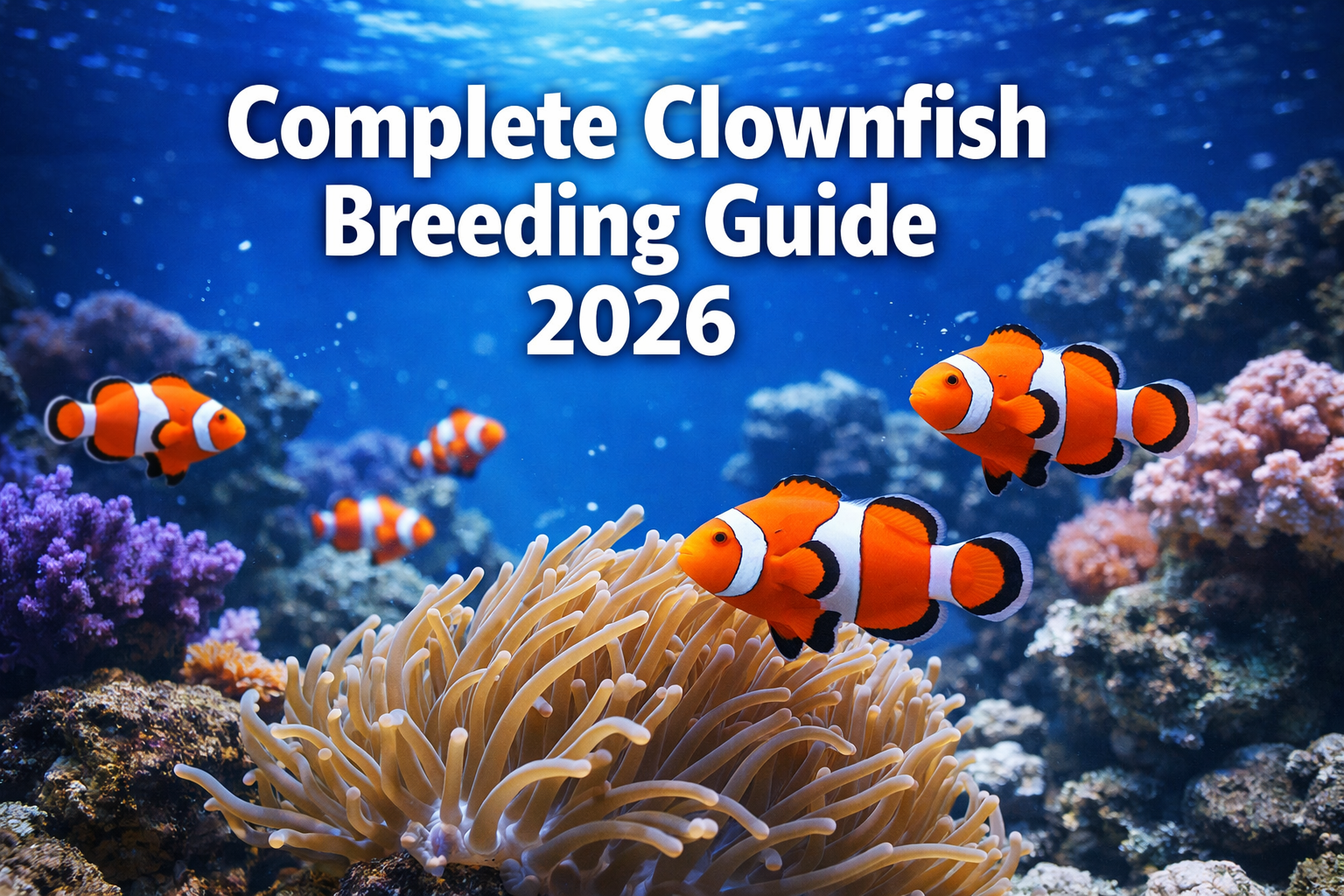
Picture this: you’re gazing into your pristine saltwater aquarium, watching your vibrant clownfish dance among the coral, when suddenly you notice something extraordinary—tiny, translucent eggs clustered on a piece of live rock. This magical moment marks the beginning of one of the most rewarding journeys in marine aquaculture. Welcome to my comprehensive how to breed clownfish 2026 guide, where I’ll share everything I’ve learned from years of successfully breeding these captivating marine gems.
Clownfish breeding has evolved dramatically over the past decade, and 2026 brings exciting new techniques, equipment innovations, and a deeper understanding of marine fish reproduction. Whether you’re a seasoned aquarist or someone considering purchasing your first breeding pair from a reputable saltwater fish store, this guide will transform you from a curious observer into a confident clownfish breeder.
- Display 15 Products per page
Key Takeaways
• Breeding Setup: Successful clownfish breeding requires a dedicated 20-40 gallon tank with stable water parameters, proper filtration, and breeding substrates
• Spawning Cycle: Clownfish typically spawn every 14-21 days during breeding season, with eggs hatching 6-11 days after fertilization
• Fry Care: Baby clownfish require specialized live foods like rotifers and baby brine shrimp for the first 2-3 weeks of life
• Species Selection: Ocellaris and Percula clownfish are the easiest species for beginners, while designer morphs command premium prices
• Timeline to Success: From egg to sellable juvenile takes approximately 60-90 days with proper care and feeding protocols
Understanding Clownfish Biology and Breeding Fundamentals
The Science Behind Clownfish Reproduction 🐠
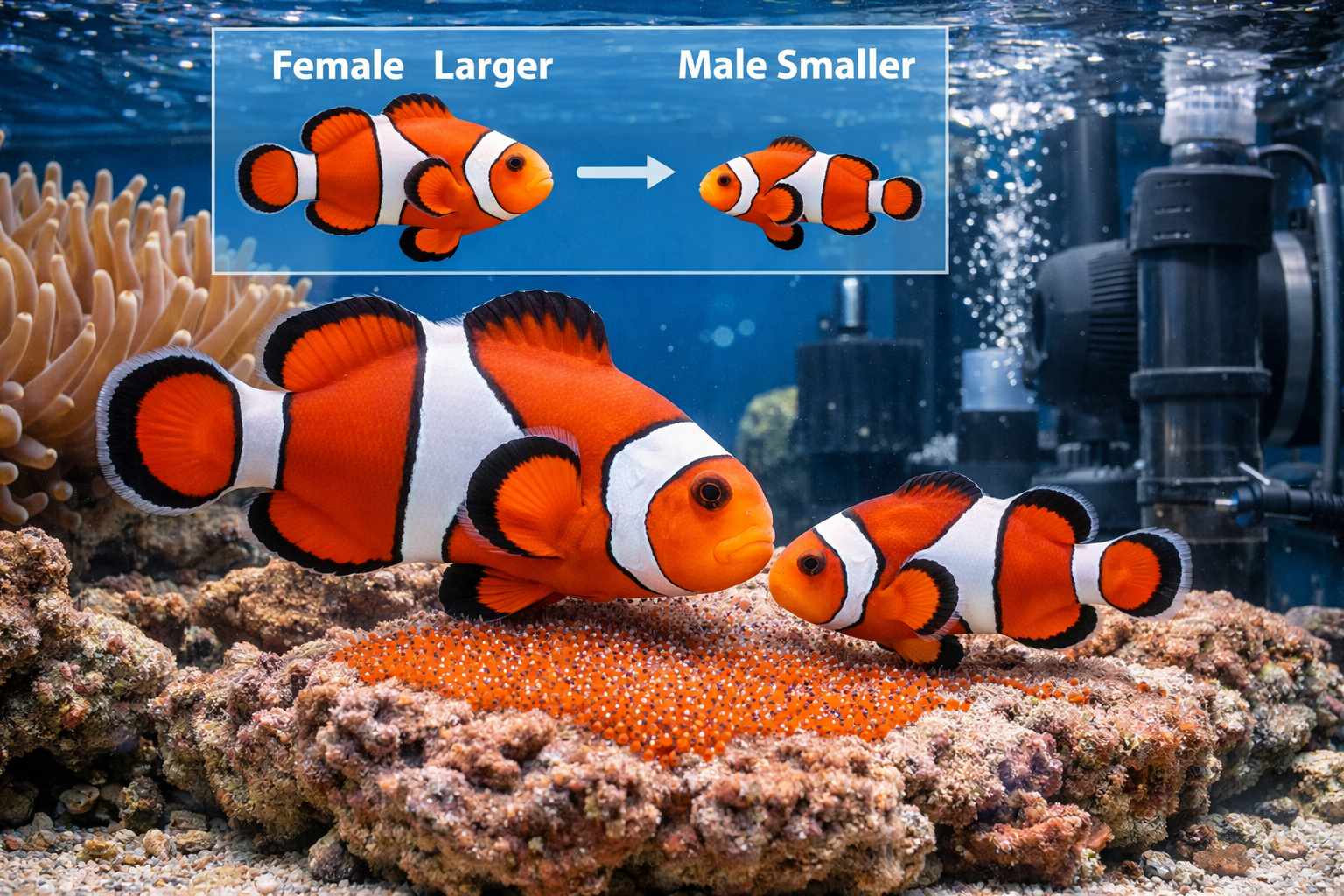
Clownfish possess one of nature’s most fascinating reproductive strategies. These remarkable creatures are sequential hermaphrodites, meaning they can change sex based on social hierarchy. In every clownfish group, the largest, most dominant fish becomes the female, while the second-largest becomes the breeding male. This unique biological trait makes clownfish breeding both predictable and manageable for home aquarists.
The breeding process begins when environmental conditions align perfectly. Water temperature, lighting cycles, and food availability all trigger the spawning instinct. During my years of breeding experience, I’ve observed that clownfish pairs become most active during the warmer months, typically spawning every two to three weeks when conditions remain stable.
Understanding the hormonal cycles that drive breeding behavior is crucial for success. Female clownfish develop eggs internally over a 10-14 day period, during which their bellies become noticeably rounder. Meanwhile, males prepare nesting sites by cleaning flat surfaces where eggs will be deposited. This preparation phase often includes aggressive territorial behavior and increased interaction between the breeding pair.
Selecting Your Breeding Pair
Choosing the right breeding pair forms the foundation of successful clownfish reproduction. When selecting fish for breeding, I always recommend starting with healthy, mature specimens that show clear size differentiation. The female should be noticeably larger than the male—typically 20-30% bigger in overall body size.
Age and maturity play critical roles in breeding success. Clownfish reach sexual maturity between 12-18 months, with larger species like Maroon clownfish taking longer to mature. I’ve found that pairs aged 18-24 months produce the most consistent spawning results and healthier offspring.
For beginners following this how to breed clownfish 2026 guide, I strongly recommend starting with Ocellaris clownfish (Amphiprion ocellaris) or Percula clownfish (Amphiprion percula). These species offer several advantages: they’re hardy, spawn regularly, and their fry have higher survival rates compared to more challenging species. You can find excellent breeding pairs through reputable sources offering captive-bred saltwater fish for sale.
| Species | Difficulty Level | Spawning Frequency | Fry Survival Rate | Market Value |
|---|---|---|---|---|
| Ocellaris | Beginner | Every 14-21 days | 70-85% | Moderate |
| Percula | Beginner | Every 14-21 days | 65-80% | Moderate |
| Maroon | Intermediate | Every 21-28 days | 50-65% | High |
| Tomato | Intermediate | Every 18-25 days | 55-70% | Low-Moderate |
| Clarkii | Advanced | Every 21-35 days | 40-60% | Low |
Setting Up the Perfect Breeding Environment
Essential Equipment and Tank Requirements
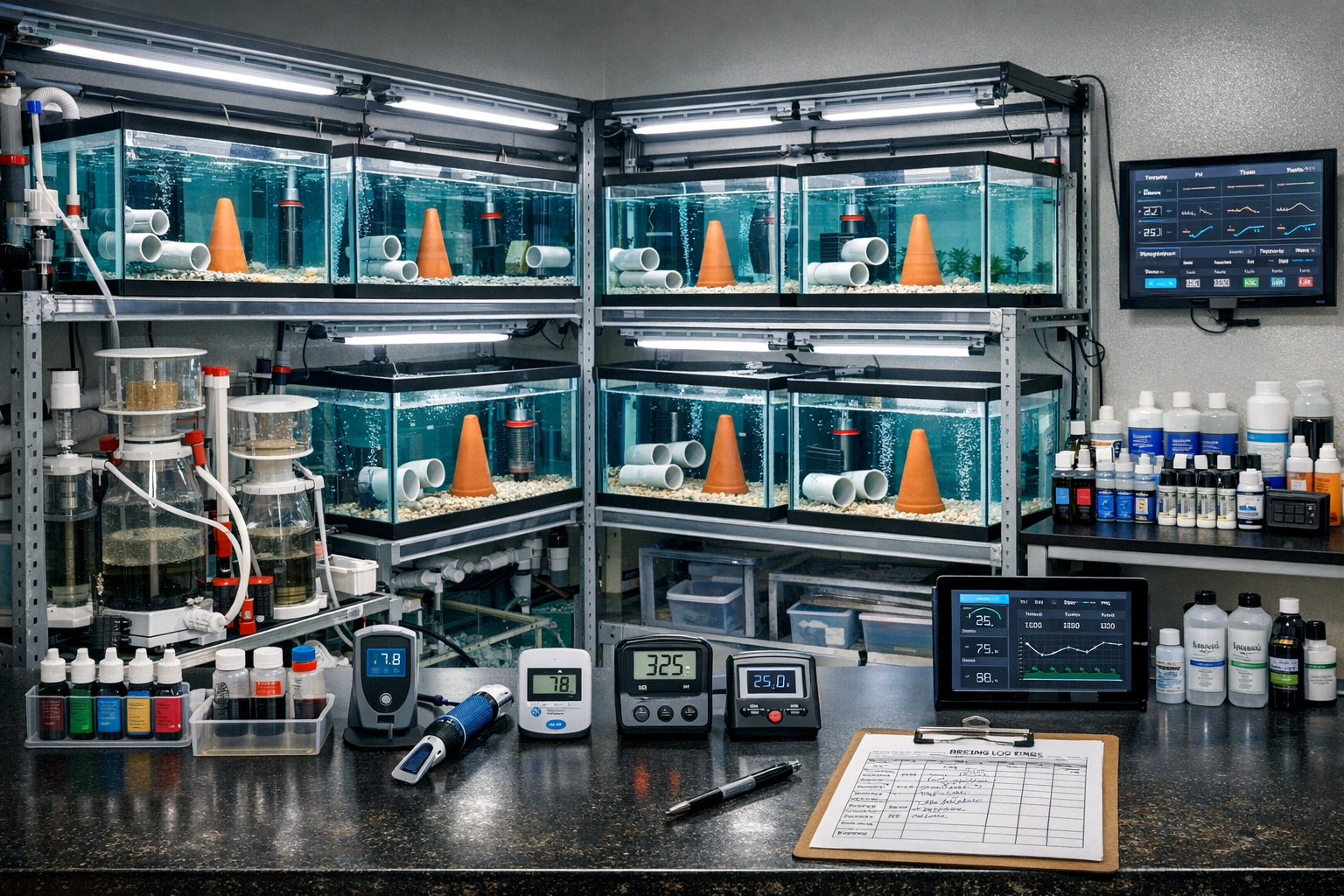
Creating an optimal breeding environment requires careful attention to both equipment selection and tank design. My breeding setup has evolved significantly over the years, and I’ve learned that consistency trumps complexity every time. For this how to breed clownfish 2026 guide, I’ll share the exact specifications that have produced the most successful breeding outcomes.
Tank Size and Configuration: A dedicated 20-40 gallon breeding tank provides the ideal space for a clownfish pair. Larger tanks can work, but smaller volumes offer better control over water parameters and make fry collection easier. I prefer rectangular tanks over bow-front designs because they provide better water circulation and easier access for maintenance.
The filtration system forms the heart of any successful breeding setup. I use a combination of biological and mechanical filtration, avoiding protein skimmers during the breeding season as they can remove beneficial microorganisms that fry need for survival. A simple sponge filter or hang-on-back filter rated for twice the tank volume provides adequate filtration without creating dangerous currents for newly hatched fry.
Lighting plays a crucial role in triggering spawning behavior. LED lighting systems with programmable timers allow precise control over photoperiods. I maintain a 12-hour light cycle during breeding season, gradually increasing intensity over 30 minutes to simulate natural sunrise and sunset. This lighting schedule, combined with stable water parameters, encourages regular spawning cycles.
Water Chemistry and Environmental Parameters
Maintaining pristine water quality is absolutely critical for breeding success. After years of testing different approaches, I’ve developed a precise protocol that consistently produces healthy spawns and high fry survival rates.
Temperature Control: Clownfish spawn most reliably when water temperature remains between 78-82°F (25.5-27.8°C). I use two heaters rated for the tank volume to ensure redundancy and prevent temperature swings. Digital controllers with 0.1°F accuracy help maintain the stability that breeding pairs require.
Salinity and pH Management: Specific gravity should remain between 1.024-1.026, measured with a calibrated refractometer. pH levels between 8.1-8.4 support optimal spawning behavior and egg development. I test these parameters daily during breeding season and make gradual adjustments when necessary.
Nutrient Levels: Unlike reef tanks, breeding systems benefit from slightly elevated nutrient levels. Nitrates between 5-15 ppm actually support the microorganism populations that fry depend on for survival. However, ammonia and nitrites must remain at zero throughout the breeding process.
For aquarists serious about breeding, investing in quality equipment from established retailers ensures reliable results. Many successful breeders source their initial setup and ongoing supplies from trusted online fish shipping specialists who understand the unique needs of breeding operations.
Creating Spawning Substrates and Hiding Places
Clownfish require specific substrates for egg deposition, and providing the right options can make the difference between successful spawning and reproductive failure. Through extensive experimentation, I’ve identified several substrate types that consistently attract spawning pairs.
Breeding Cones and Tiles: Purpose-made breeding cones offer the ideal spawning surface. Their curved design mimics natural anemone bases, and their removable nature allows easy egg management. I place 2-3 cones at different angles throughout the tank, allowing the pair to choose their preferred location.
Natural Alternatives: Flat pieces of live rock, ceramic tiles, or PVC pipe sections also work effectively. The key is providing clean, flat surfaces in areas with gentle water flow. I’ve noticed that pairs often prefer spawning sites near the front glass, possibly because they feel more secure with a solid backing.
Anemone Considerations: While clownfish naturally spawn near anemones in the wild, I don’t recommend including them in breeding tanks. Anemones can consume eggs or fry, and their care requirements complicate water management during the delicate breeding process.
Comprehensive Clownfish Breeding Process
Recognizing Pre-Spawning Behaviors and Triggers
Understanding the subtle behavioral changes that precede spawning is essential for timing your breeding efforts correctly. Over the years, I’ve learned to read these signs with remarkable accuracy, allowing me to prepare for spawning events and maximize fry survival rates.
Courtship Rituals: The breeding process begins 3-5 days before actual spawning with intensified courtship behaviors. The male becomes increasingly attentive to the female, following her movements and performing characteristic head-bobbing displays. These behaviors intensify as spawning approaches, with the male spending more time cleaning potential nesting sites.
Physical Changes: Female clownfish develop a noticeably rounded belly as eggs mature internally. This swelling becomes most pronounced 24-48 hours before spawning. Additionally, both fish often display more vibrant coloration during the pre-spawning period, with males showing particularly intense orange hues.
Territorial Behavior: Breeding pairs become increasingly territorial as spawning approaches. They’ll aggressively defend their chosen nesting area from any perceived threats, including their owner’s hands during maintenance. This heightened aggression serves as a reliable indicator that spawning will occur within 1-2 days.
Environmental Triggers: Certain environmental factors can trigger spawning behavior. Slight temperature increases (1-2°F), increased feeding frequency, and stable water conditions all encourage reproductive activity. Many breeders following this how to breed clownfish 2026 guide have found success by performing small water changes with slightly warmer water to simulate natural environmental cues.
The Spawning Process: What to Expect
The actual spawning event is a remarkable process that typically occurs in the early morning hours, just before or during the first few hours of the light cycle. Understanding this timeline allows breeders to witness this incredible natural phenomenon and ensure optimal conditions during this critical period.
Spawning Timeline: Spawning usually begins 1-3 hours after lights turn on, with the process taking 1-3 hours to complete. The female deposits eggs in neat rows while the male follows closely behind, fertilizing each batch. A typical spawn contains 100-1000 eggs, depending on the species and female’s size.
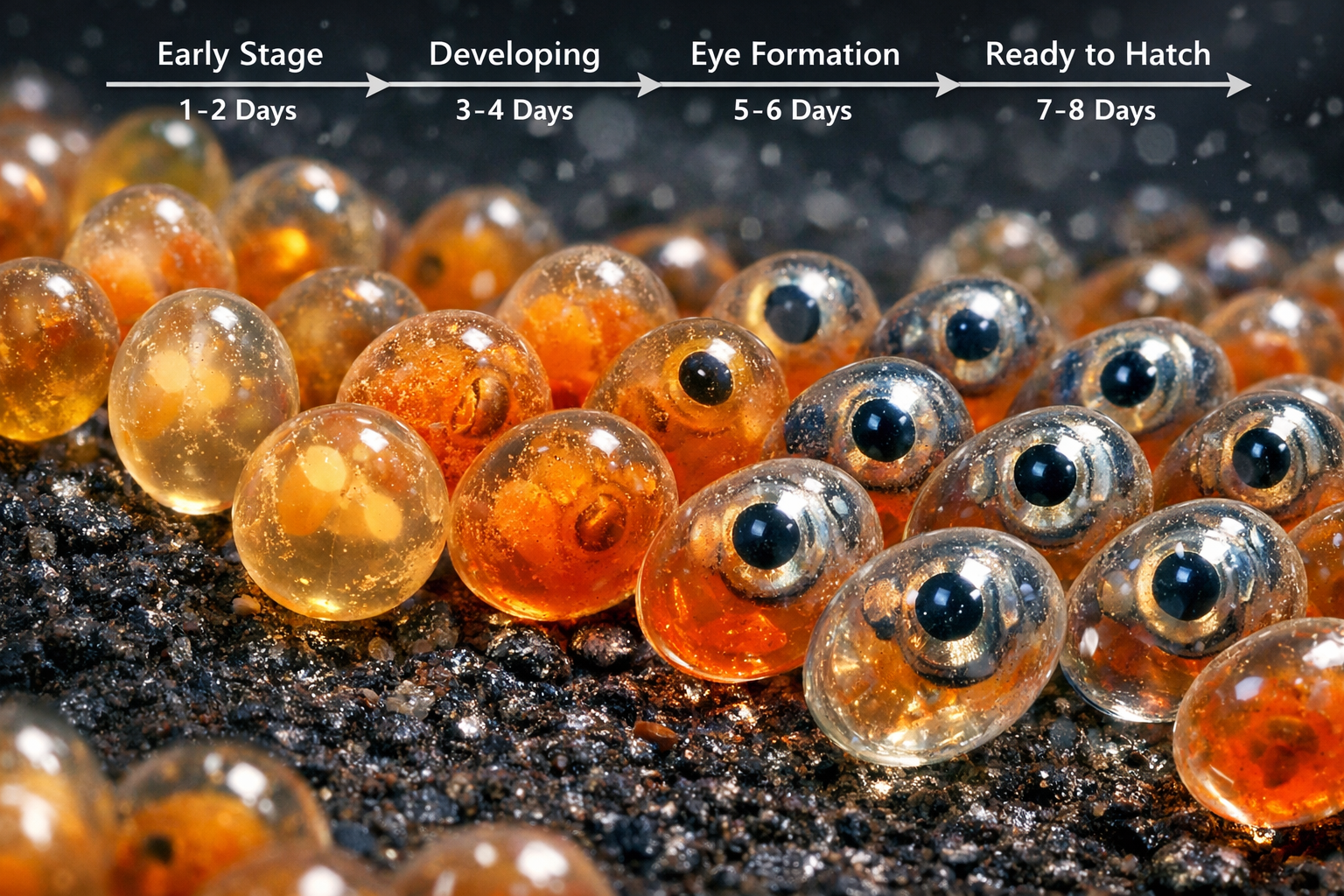
Egg Characteristics: Freshly laid eggs appear bright orange or reddish in color, roughly oval-shaped, and about 1-2mm in length. They attach to the substrate via sticky filaments and are surprisingly durable once properly attached. Over the next few days, fertile eggs develop visible eye spots, while infertile eggs turn white and fuzzy.
Parental Care: Both parents exhibit dedicated care behaviors throughout the incubation period. The male takes primary responsibility for egg care, fanning them with his pectoral fins to ensure adequate oxygenation and removing any dead or infertile eggs. This behavior continues around the clock until hatching occurs.
Incubation Period: Depending on water temperature, eggs hatch 6-11 days after fertilization. Warmer water (80-82°F) results in faster development, while cooler temperatures extend the incubation period. I maintain detailed records of spawning dates and water temperatures to predict hatching times accurately.
Managing Eggs and Preparing for Hatching
Proper egg management during the incubation period significantly impacts hatching success and fry survival rates. This phase requires careful observation and minimal intervention to avoid disturbing the developing embryos.
Water Quality During Incubation: Maintaining pristine water quality becomes even more critical once eggs are present. I perform small, daily water changes (5-10%) using aged saltwater to remove metabolic waste without disrupting the developing eggs. Gentle water movement around the spawning site ensures adequate oxygenation without dislodging eggs.
Monitoring Development: Daily observation allows early detection of problems and helps predict hatching timing. Healthy eggs gradually darken as embryos develop, with silver eyes becoming visible around day 4-5. Any eggs that turn white or develop fuzzy growth should be removed to prevent contamination of healthy eggs.
Hatching Preparation: As hatching approaches (typically day 6-8), I prepare the fry-rearing system and ensure live food cultures are ready. The tank lighting should be dimmed during hatching to reduce stress on newly emerged fry. Many experienced breeders recommend covering the tank with dark material except for one small area where a dim light attracts the fry for easier collection.
For those serious about breeding success, sourcing healthy breeding pairs from reputable suppliers is crucial. The best saltwater fish website providers offer detailed health histories and breeding records that can significantly impact your success rates.
Raising Clownfish Fry: From Hatching to Juvenile
Critical First 48 Hours After Hatching
The first 48 hours after hatching represent the most critical period in clownfish fry development. During this time, newly hatched larvae rely entirely on their yolk sacs for nutrition while developing the ability to swim and feed independently. Success during this phase sets the foundation for healthy juvenile development.
Immediate Post-Hatch Care: Newly hatched clownfish fry are approximately 3-4mm long and completely transparent except for their prominent eyes. They exhibit positive phototaxis (attraction to light) and negative geotaxis (swimming away from surfaces), which helps them reach the water’s surface in nature. I maintain very gentle water circulation and dim lighting to minimize stress during this vulnerable period.
Environmental Stability: Water parameters must remain absolutely stable during the first week. Temperature fluctuations of even 1°F can cause massive fry mortality. I use backup heaters and monitor temperature continuously with digital thermometers that alert me to any changes.
Feeding Preparation: Although fry don’t begin feeding until 3-5 days post-hatch, having live food cultures ready is essential. The transition from yolk sac absorption to external feeding represents a critical milestone that determines long-term survival rates. This preparation phase often separates successful breeders from those who struggle with fry mortality.
Specialized Feeding Protocols for Different Growth Stages
Feeding clownfish fry requires a carefully orchestrated progression through different food types as the fish develop. Each growth stage has specific nutritional requirements that must be met for optimal survival and development rates.
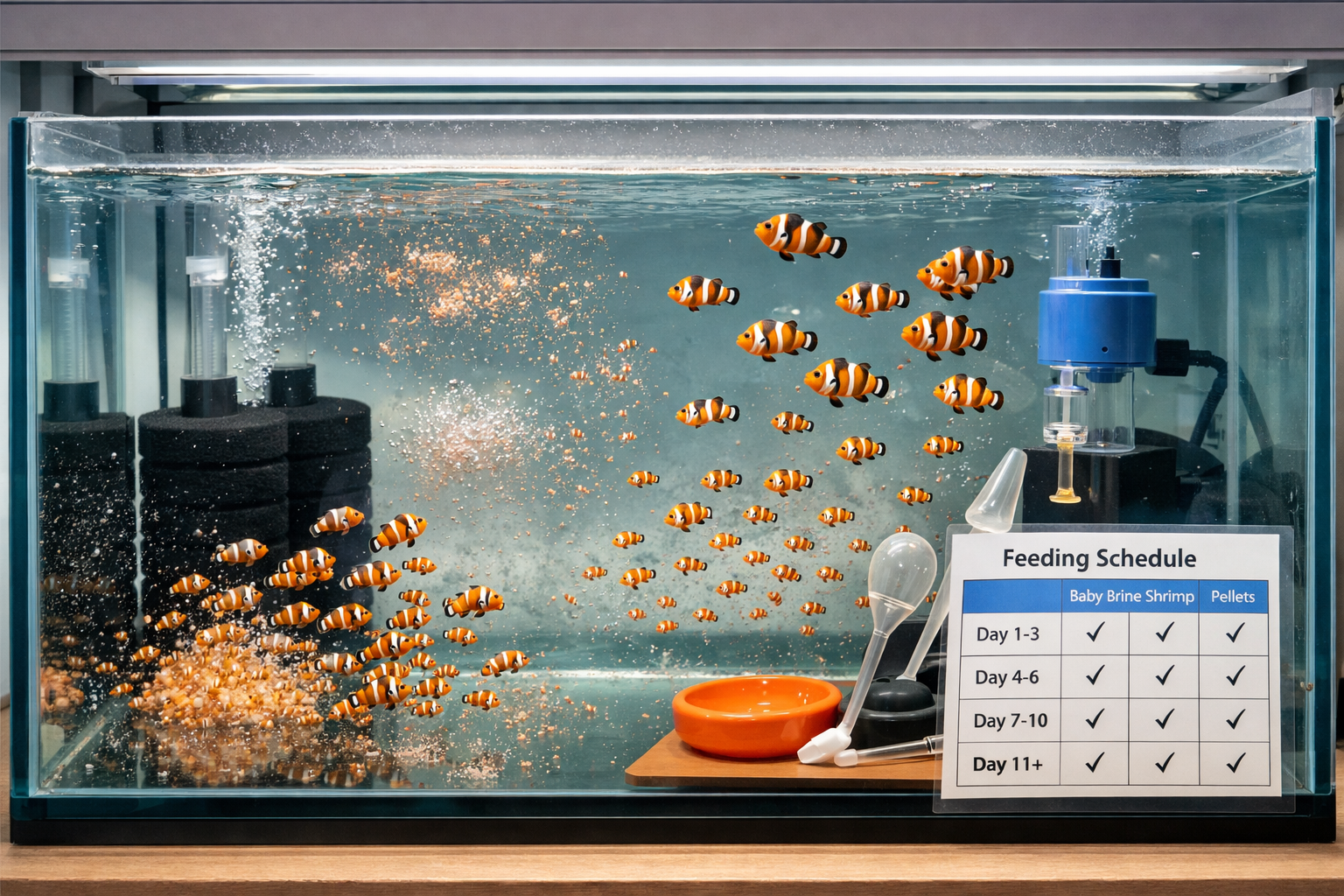
Days 3-14: Rotifer Stage: Rotifers (Brachionus plicatilis) serve as the primary food source during the early larval stage. These microscopic organisms are the perfect size for newly feeding fry and provide essential nutrients for development. I maintain dense rotifer cultures and feed fry 3-4 times daily, ensuring rotifers remain visible in the water column throughout the day.
Rotifer Enrichment: Simply feeding rotifers isn’t enough—they must be properly enriched with essential fatty acids, particularly DHA and EPA. I use commercial enrichment products 4-6 hours before feeding to maximize the nutritional value. Well-enriched rotifers appear darker and more robust than unenriched specimens.
Days 10-21: Baby Brine Shrimp Introduction: Around day 10-12, fry become large enough to consume newly hatched baby brine shrimp (Artemia nauplii). This transition period requires careful observation to ensure fry are successfully capturing and consuming the larger prey items. I gradually increase brine shrimp portions while reducing rotifer feeding over 3-5 days.
Days 21+: Transitioning to Prepared Foods: By day 21, most fry can begin consuming finely powdered prepared foods. I start with specialized marine fry foods and gradually introduce larger particle sizes as the fish grow. This transition marks a significant milestone, as prepared foods are much easier to manage than live cultures.
Growth Monitoring and Health Management
Tracking fry development and maintaining optimal health requires systematic monitoring and proactive management. Successful breeders develop detailed protocols for assessing growth rates, identifying health issues early, and implementing corrective measures when necessary.
Size and Development Milestones: Healthy clownfish fry follow predictable growth patterns that serve as benchmarks for success. By day 14, fry should measure 6-8mm and display the beginning of color development. At 30 days, juveniles typically reach 10-12mm and show distinct orange and black banding. Documenting these milestones helps identify any developmental delays or nutritional deficiencies.
Common Health Challenges: Fry face several health challenges during development, with bacterial infections and nutritional deficiencies being most common. Poor water quality, inadequate nutrition, or overcrowding can trigger disease outbreaks that devastate entire spawns. I maintain detailed health records and implement quarantine protocols when necessary.
Water Quality Management: Fry systems require different water management approaches than adult tanks. Higher feeding frequencies and live food cultures can quickly degrade water quality. I perform small, frequent water changes (10-15% daily) and monitor ammonia, nitrite, and nitrate levels closely. Gentle filtration removes waste without creating harmful currents.
Metamorphosis and Settlement: Around day 8-12, clownfish fry undergo metamorphosis from pelagic larvae to benthic juveniles. This transformation includes the development of adult coloration and behavior patterns. Providing appropriate settlement cues, such as live rock or artificial anemones, helps facilitate this critical transition.
For aquarists interested in expanding their breeding operations, partnering with established suppliers can provide valuable insights and market opportunities. Many successful breeders develop relationships with saltwater fish for sale retailers who appreciate locally bred, healthy specimens
Your Clownfish Breeding Timeline
Clownfish Species and Designer Morphs Guide
Popular Clownfish Species for Breeding
The world of clownfish breeding has exploded with diversity over the past decade, offering enthusiasts an incredible array of species and designer morphs to work with. Each species presents unique challenges and rewards, making species selection a critical decision for both novice and experienced breeders following this how to breed clownfish 2026 guide.
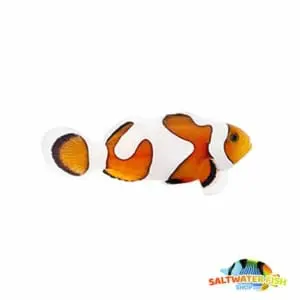
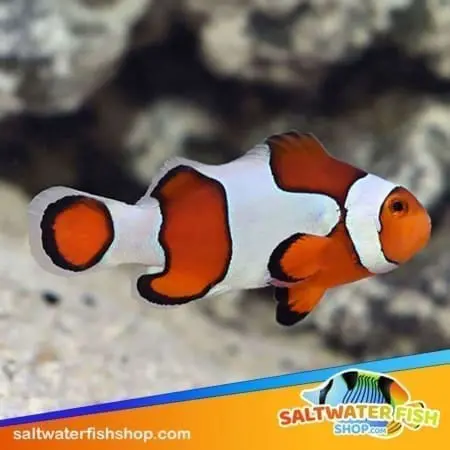
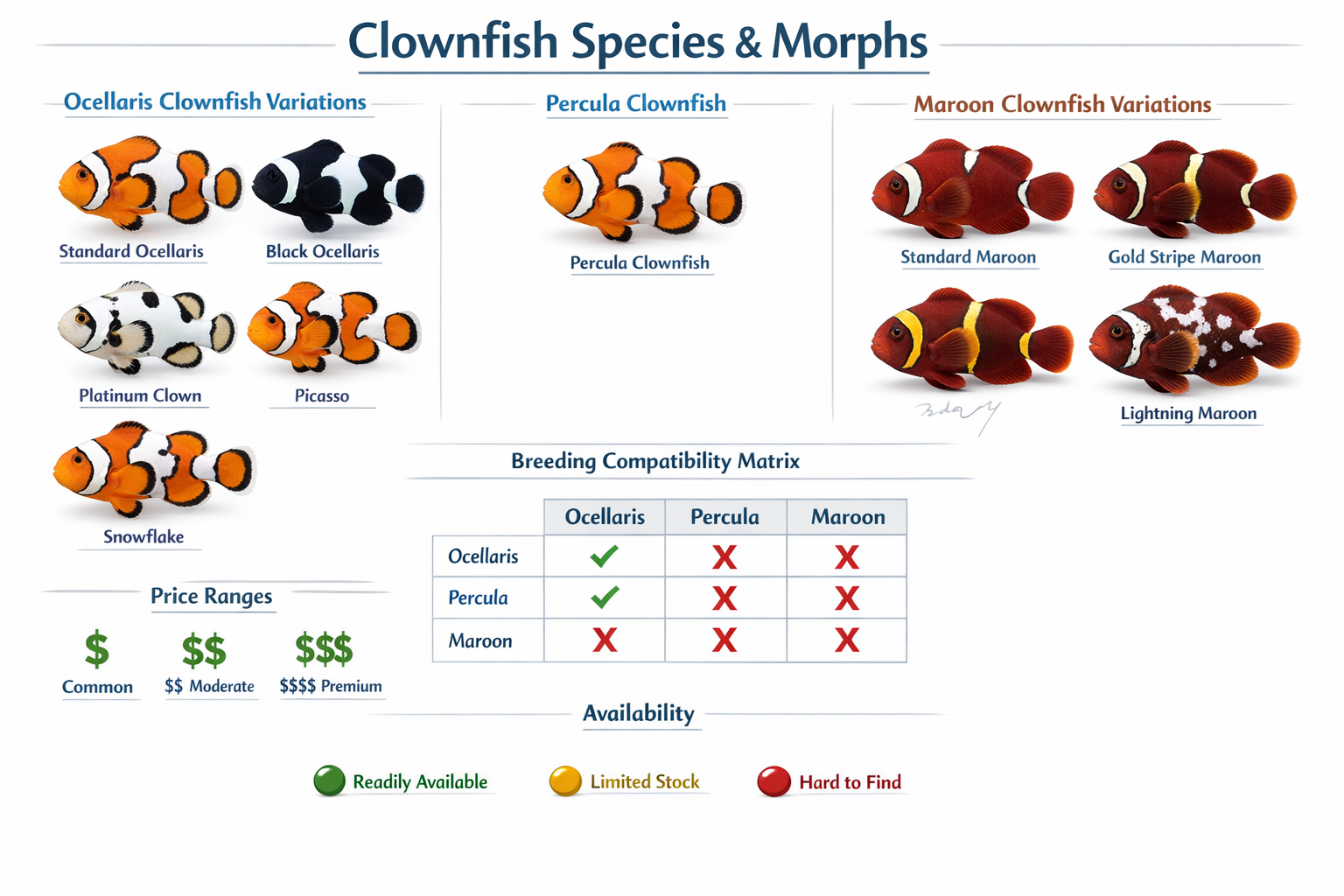
Ocellaris Clownfish (Amphiprion ocellaris) remain the gold standard for beginning breeders. Their hardy nature, consistent spawning behavior, and high fry survival rates make them ideal for learning breeding techniques. Wild-type Ocellaris display the classic orange body with three white bands outlined in black, but captive breeding has produced dozens of stunning variations.
Percula Clownfish (Amphiprion percula) closely resemble Ocellaris but offer subtle differences that experienced breeders appreciate. True Perculas typically display thicker black banding around their white stripes and slightly more vibrant orange coloration. They command higher prices in the aquarium trade, making them attractive for commercial breeding operations.
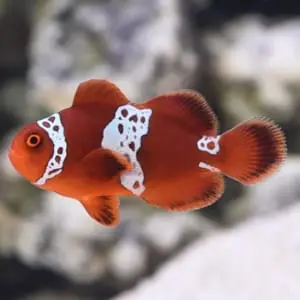
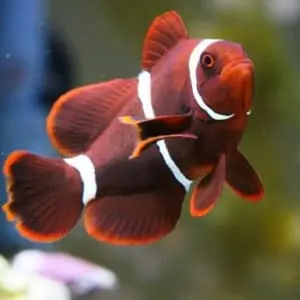
Maroon Clownfish (Premnas biaculeatus) represent the largest clownfish species and offer exciting breeding opportunities for intermediate aquarists. Females can reach 6 inches in length, and their impressive size difference from males (often 3:1 ratio) makes pair formation dramatic to observe. However, their aggressive nature and longer maturation time require more experience to manage successfully.
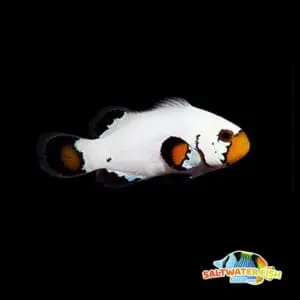
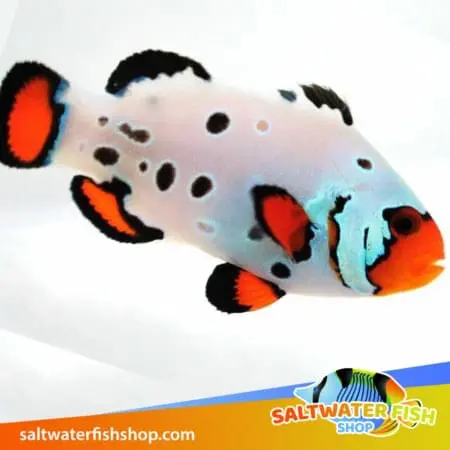
Designer Clownfish Market Trends: The designer clownfish market has evolved dramatically, with certain morphs commanding premium prices that make breeding financially attractive. Limited edition morphs like Platinum Percula or Lightning Maroon can sell for hundreds or even thousands of dollars per fish, though breeding rights and availability vary significantly.
For those interested in acquiring breeding stock, working with reputable suppliers ensures healthy, genetically diverse specimens. Many successful breeding operations source their foundation pairs from established captive-bred saltwater fish for sale providers who maintain detailed genetic records.
Ocellaris Clownfish Morphs and Variations
The Ocellaris clownfish serves as the foundation for the most extensive collection of designer morphs in the marine aquarium trade. Understanding these variations and their genetic inheritance patterns is crucial for breeders looking to produce specific traits or develop new morphs.
Classic Color Morphs:
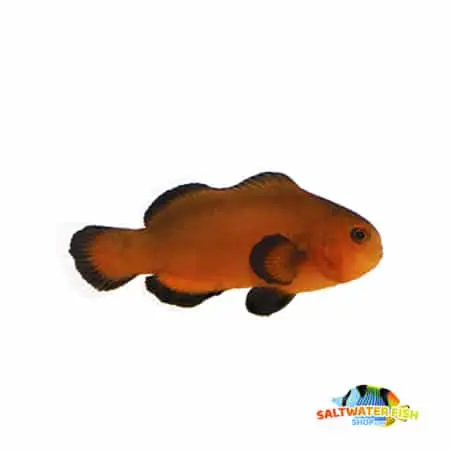
- Standard Ocellaris: The wild-type orange with three white bands serves as the baseline for all other morphs
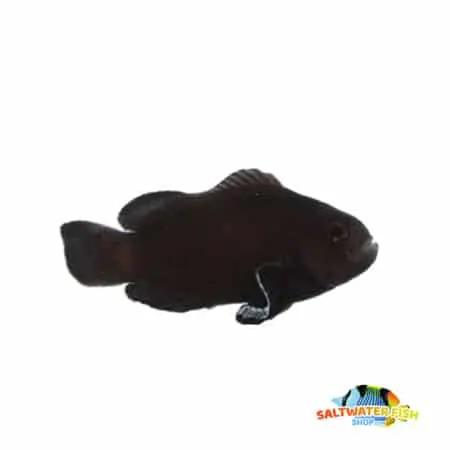
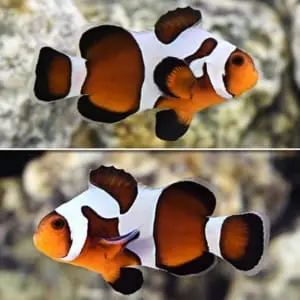
- Black Ocellaris: Melanistic individuals displaying dark brown to black coloration instead of orange
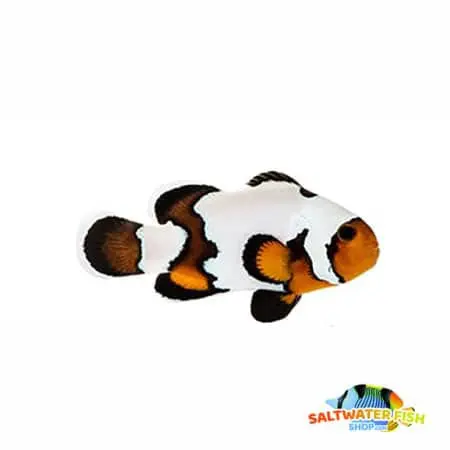
- Platinum Ocellaris: Leucistic fish showing white to pale yellow coloration with normal eye pigmentation
- Snowflake Ocellaris: Irregular white markings extending beyond normal band patterns
Pattern Variations:
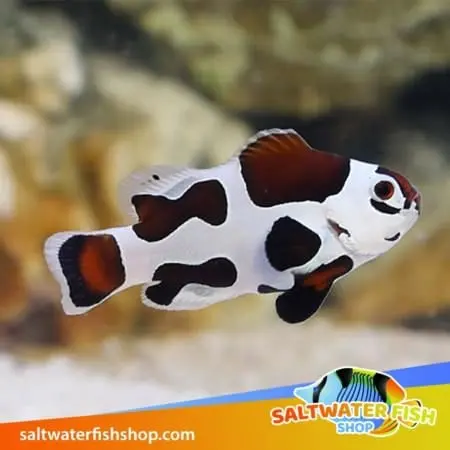
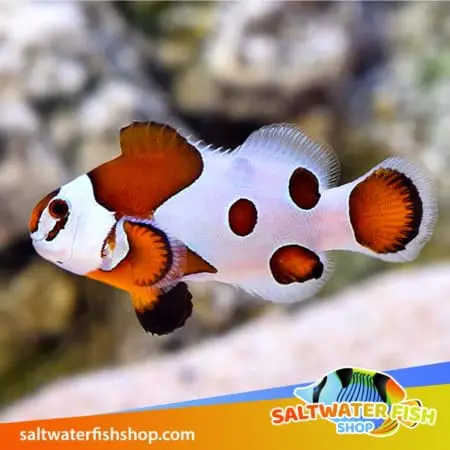
- Picasso Ocellaris: Asymmetrical white markings creating unique, artistic patterns on each individual
- Extreme Picasso: Enhanced pattern variations with extensive white coverage and irregular banding
- Mocha Ocellaris: Brown-toned fish displaying coffee-colored bodies with standard white banding
- Davinci Ocellaris: Rare morph combining Picasso patterns with orange and white swirled coloration
Breeding Genetics: Most Ocellaris morphs follow predictable inheritance patterns, though some traits show incomplete dominance or polygenic inheritance. Understanding these patterns allows breeders to predict offspring characteristics and plan breeding programs accordingly. For example, breeding two Picasso Ocellaris typically produces 25% normal, 50% Picasso, and 25% Extreme Picasso offspring.
Market Values and Breeding Considerations: Designer morphs command significantly higher prices than standard Ocellaris, with rare morphs like Extreme Picasso or Platinum selling for $100-500+ per fish. However, breeding these morphs requires careful genetic planning and often involves working with limited breeding stock.
Advanced Morph Development and Genetics
The cutting edge of clownfish breeding involves developing new morphs through selective breeding and understanding complex genetic interactions. This advanced aspect of the hobby requires extensive knowledge of fish genetics, careful record-keeping, and often years of patient breeding work.
Polygenic Traits: Many desirable characteristics in clownfish result from multiple genes working together. Traits like enhanced coloration intensity, pattern complexity, or size variations often require several generations of selective breeding to stabilize. Successful morph developers maintain detailed breeding records tracking multiple traits across generations.
Line Breeding Strategies: Developing consistent morphs often requires line breeding—mating related fish to concentrate desirable genes. While this technique can fix desired traits, it also risks concentrating harmful recessive genes. Experienced breeders balance line breeding with occasional outcrossing to maintain genetic health.
Hybrid Development: Some of the most spectacular designer clownfish result from hybridization between closely related species. Picasso Percula x Ocellaris crosses can produce unique offspring combining traits from both species, though fertility and long-term health of hybrids remain ongoing research areas.
Quality Control and Selection: Professional morph development requires rigorous selection criteria and culling of substandard specimens. Only fish displaying the best examples of desired traits should be retained for breeding, while inferior specimens are sold as pets or removed from breeding programs.
The investment in quality breeding stock and proper facilities can be substantial, but successful morph developers often recoup their investments through sales of premium offspring. Many commercial breeders partner with saltwater fish for sale retailers to market their unique morphs to collectors willing to pay premium prices for rare specimens.
Commercial Breeding Considerations
Transitioning from hobby breeding to commercial production requires understanding market demands, production costs, and business fundamentals. The clownfish breeding industry has matured significantly, offering opportunities for dedicated breeders to build sustainable businesses.
Market Analysis: Successful commercial breeding requires understanding current market trends and pricing. Standard Ocellaris typically wholesale for $8-15 each, while premium morphs can command $50-200+ wholesale prices. However, market saturation in common morphs means commercial success often depends on producing unique or rare varieties.
Production Scaling: Commercial operations require systematic approaches to breeding, fry rearing, and grow-out facilities. Most successful commercial breeders maintain multiple breeding pairs and staggered spawning schedules to ensure consistent production throughout the year. This approach requires significant space, equipment, and ongoing operational costs.
Quality Standards: Commercial buyers expect consistent quality, proper sizing, and healthy specimens. Developing standard operating procedures for fry rearing, health management, and quality control ensures products meet market expectations. Many commercial breeders implement quarantine protocols and health certification programs to differentiate their products.
Distribution Networks: Building relationships with retailers, wholesalers, and direct customers takes time and effort. Many successful breeders start by supplying local fish stores before expanding to regional or national markets. Online sales through specialized platforms have also created new opportunities for small-scale commercial breeders.
Regulatory Considerations: Commercial fish breeding may require permits, licenses, or compliance with local regulations. Understanding these requirements before scaling operations prevents legal issues and ensures proper business registration and tax compliance.
For aquarists considering commercial breeding, starting small and gradually scaling operations allows learning business fundamentals while maintaining manageable overhead costs. Many successful commercial breeders began as hobbyists who gradually expanded their operations as they gained experience and market knowledge.
Troubleshooting Common Breeding Challenges
Addressing Spawning Problems and Solutions
Even experienced breeders encounter spawning difficulties, and understanding how to diagnose and resolve these issues separates successful operations from frustrated attempts. Throughout my years of breeding experience, I’ve encountered virtually every spawning problem imaginable and developed systematic approaches to resolve them.
Failure to Spawn: When established pairs suddenly stop spawning, environmental factors are usually responsible. Water quality deterioration tops the list of causes—even minor parameter swings can disrupt reproductive cycles. I always start troubleshooting by testing all water parameters and performing a comprehensive water change with properly aged saltwater.
Nutritional deficiencies also commonly cause spawning cessation. Breeding pairs require high-quality, varied diets rich in essential fatty acids and vitamins. I supplement regular feeding with vitamin-enriched foods and ensure breeding pairs receive live or frozen foods at least 3-4 times weekly. Mysis shrimp, enriched brine shrimp, and quality marine pellets form the foundation of my breeding diet protocol.
Lighting and photoperiod disruptions can completely halt spawning behavior. Clownfish rely on consistent light cycles to regulate reproductive hormones. Any changes to lighting duration, intensity, or spectrum can disrupt spawning patterns. I maintain strict 12-hour photoperiods during breeding season and avoid any lighting modifications once pairs establish regular spawning cycles.
Stress factors including tank disturbances, aggressive tankmates, or excessive human activity can inhibit spawning. Breeding pairs need quiet, stable environments to feel secure enough for reproduction. I locate breeding tanks away from high-traffic areas and maintain consistent maintenance schedules to minimize disruptions.
Age-related spawning decline affects older breeding pairs, typically after 3-4 years of regular spawning. While these pairs may continue spawning, frequency often decreases and egg quality may decline. Planning for replacement breeding stock ensures continuous production as older pairs age out of peak breeding condition.
Egg Development Issues and Mortality
Egg mortality represents one of the most frustrating challenges in clownfish breeding, especially when spawning occurs regularly but eggs fail to develop properly. Understanding the causes of egg mortality and implementing preventive measures dramatically improves hatching success rates.
Fungal Infections: The most common cause of egg mortality, fungal infections typically appear as white, fuzzy growth on affected eggs. Poor water quality, inadequate water circulation, or contaminated spawning substrates often trigger fungal outbreaks. I prevent fungal issues by maintaining pristine water quality and ensuring gentle water flow across spawning sites.
Bacterial Contamination: Bacterial infections can quickly destroy entire spawns, often spreading from a few affected eggs to contaminate the entire clutch. These infections frequently result from poor substrate preparation or contaminated breeding equipment. I sterilize all spawning substrates and equipment between uses and maintain elevated water quality standards during the spawning season.
Infertility Issues: Male fertility problems can cause high percentages of clear, undeveloped eggs that eventually turn white and die. This issue often relates to nutritional deficiencies, age, or environmental stress. Ensuring proper nutrition and optimal breeding conditions usually resolves fertility problems, though replacing aging males may be necessary in some cases.
Temperature Fluctuations: Even minor temperature swings during egg development can cause mortality or developmental abnormalities. I use redundant heating systems and continuous temperature monitoring to prevent thermal stress during the critical incubation period.
Parental Behavior Problems: Occasionally, breeding pairs exhibit poor parental care, failing to remove dead eggs or provide adequate fanning. First-time breeding pairs sometimes eat their own eggs, though this behavior usually improves with subsequent spawns. Minimizing disturbances and providing optimal conditions encourage proper parental behavior.
Fry Mortality and Development Problems
Fry mortality remains the greatest challenge in clownfish breeding, with survival rates varying dramatically based on husbandry practices and environmental management. Understanding the critical factors affecting fry survival allows breeders to implement targeted solutions that dramatically improve success rates.
Starvation: The leading cause of fry mortality, starvation occurs when fry cannot locate or capture appropriate food items. Newly hatched clownfish require extremely small prey items (50-200 microns) that must remain suspended in the water column. I maintain dense rotifer cultures and feed multiple times daily to ensure food availability throughout the fry-rearing period.
Poor Food Quality: Even when fry consume adequate quantities, poor nutritional quality can cause mortality or developmental problems. Rotifers must be properly enriched with essential fatty acids, particularly DHA and EPA, to support healthy fry development. I use commercial enrichment products and maintain strict feeding schedules for rotifer cultures to ensure optimal nutritional content.
Water Quality Degradation: Fry systems face unique water quality challenges due to high feeding frequencies and live food cultures. Uneaten food and decomposing organisms can quickly degrade water quality, leading to ammonia spikes and bacterial blooms. I perform frequent small water changes and use gentle biological filtration to maintain stable conditions.
Bacterial Infections: Fry are extremely susceptible to bacterial pathogens, particularly during the first few weeks of life. Vibrio and other marine bacteria can cause rapid mortality in fry populations. Maintaining excellent water quality and avoiding overcrowding helps prevent bacterial outbreaks.
Developmental Abnormalities: Various factors can cause developmental problems including spinal deformities, swim bladder issues, or pigmentation disorders. These problems often relate to nutritional deficiencies, temperature stress, or genetic factors. While some abnormalities are unavoidable, proper husbandry minimizes their occurrence.
For breeders serious about maximizing success rates, investing in quality equipment and supplies from reputable sources pays dividends in improved survival rates. Many professional operations source their specialized breeding supplies from established standard food supplies shipping providers who understand the unique needs of marine fish breeding.
Advanced Breeding Techniques and Future Trends
Cutting-Edge Technology in Marine Fish Breeding
The marine aquaculture industry continues evolving rapidly, with new technologies and techniques revolutionizing how we approach clownfish breeding. As we progress through 2026, several emerging technologies are transforming both commercial and hobbyist breeding operations, making this how to breed clownfish 2026 guide more relevant than ever.
Automated Feeding Systems: Modern breeding operations increasingly rely on automated feeding systems that deliver precise amounts of live and prepared foods on programmable schedules. These systems ensure consistent nutrition delivery even when breeders are away, reducing labor costs and improving feeding consistency. Advanced systems can dispense multiple food types and adjust feeding rates based on fry density and growth stages.
Water Quality Monitoring: Real-time water quality monitoring systems now provide continuous tracking of critical parameters including temperature, pH, salinity, ammonia, and dissolved oxygen. These systems send alerts to smartphones when parameters drift outside acceptable ranges, allowing immediate corrective action. Some advanced systems automatically trigger water changes or equipment adjustments to maintain optimal conditions.
LED Lighting Innovations: Programmable LED lighting systems offer unprecedented control over spectrum and intensity, allowing breeders to simulate natural lighting conditions that trigger spawning behavior. Research continues revealing how specific light wavelengths influence reproductive hormones and fry development, leading to more sophisticated lighting protocols.
Genetic Analysis Tools: DNA testing and genetic analysis tools are becoming more accessible to hobbyist breeders, allowing verification of genetic traits and breeding program optimization. These tools help breeders confirm parentage, identify carriers of recessive traits, and plan breeding strategies to achieve specific genetic goals.
Selective Breeding and Genetic Management
Modern clownfish breeding increasingly focuses on genetic management and selective breeding programs designed to improve specific traits while maintaining genetic diversity. Understanding these principles allows breeders to develop superior breeding lines and contribute to the advancement of captive-bred marine fish quality.
Trait Selection Strategies: Successful selective breeding requires clear goals and systematic selection criteria. Whether focusing on coloration, pattern, size, or disease resistance, breeders must establish measurable standards and consistently apply selection pressure across generations. I maintain detailed records tracking multiple traits and their inheritance patterns to guide breeding decisions.
Genetic Diversity Management: Maintaining genetic diversity while selecting for specific traits requires careful balance. Excessive inbreeding can lead to reduced fertility, increased disease susceptibility, and developmental abnormalities. I incorporate new bloodlines periodically and track relatedness coefficients to maintain healthy genetic diversity in my breeding programs.
Quantitative Genetics Applications: Understanding quantitative genetics principles allows breeders to predict offspring characteristics and plan breeding strategies effectively. Traits controlled by multiple genes, such as growth rate or coloration intensity, require different approaches than simple dominant/recessive traits.
Record Keeping Systems: Modern breeding programs rely on sophisticated record-keeping systems that track parentage, genetic traits, health records, and performance data across multiple generations. Digital databases and specialized software help manage complex breeding programs and identify optimal breeding combinations.
Emerging Market Opportunities and Trends
The clownfish breeding industry continues evolving, creating new opportunities for innovative breeders willing to adapt to changing market conditions. Understanding these trends helps breeders position themselves for future success in an increasingly competitive marketplace.
Sustainable Aquaculture Focus: Growing environmental awareness is driving demand for sustainably produced marine fish that reduce pressure on wild populations. Consumers increasingly prefer captive-bred specimens, creating opportunities for local breeders to compete with imported fish. This trend particularly benefits breeders who can demonstrate sustainable practices and local production.
Premium Morph Development: The market for ultra-premium designer morphs continues expanding, with collectors willing to pay substantial premiums for unique or rare specimens. Successful morph developers often build waiting lists for their most desirable varieties and establish breeding programs focused on specific high-value traits.
Educational and Conservation Programs: Many successful breeders participate in educational programs, offering workshops, facility tours, and breeding courses. These programs generate additional revenue while building relationships with future customers and contributing to hobby education. Some breeders partner with schools, aquariums, or conservation organizations to develop educational initiatives.
Technology Integration: Breeders who embrace new technologies often gain competitive advantages through improved efficiency, better quality control, and enhanced marketing capabilities. Social media, online sales platforms, and digital marketing tools help small-scale breeders reach national or international markets previously accessible only to large commercial operations.
Specialized Niche Markets: Developing expertise in specific species, morphs, or breeding techniques can create profitable niche markets. Some breeders focus exclusively on rare species, others specialize in specific color morphs, and some develop reputations for exceptional quality or customer service.
For breeders interested in staying current with industry trends and connecting with potential customers, partnering with progressive retailers who understand the evolving market can provide valuable insights and sales opportunities. The best saltwater fish website providers often serve as valuable resources for market intelligence and customer feedback.
Conclusion
Breeding clownfish successfully requires dedication, patience, and systematic attention to detail, but the rewards extend far beyond financial gains. Throughout this comprehensive how to breed clownfish 2026 guide, I’ve shared the essential knowledge and techniques that have enabled countless aquarists to transform their passion for marine life into successful breeding operations.
The journey from watching your first clownfish pair establish territory to witnessing tiny fry develop into vibrant juveniles represents one of the most rewarding experiences in marine aquaculture. Each successful spawn teaches valuable lessons about fish behavior, water chemistry, and the delicate balance required for marine reproduction. These experiences build expertise that extends far beyond clownfish breeding into broader marine aquaculture applications.
Your Next Steps: Start with a proven species like Ocellaris clownfish and focus on mastering the fundamentals before attempting more challenging species or designer morphs. Establish relationships with reputable suppliers, invest in quality equipment, and maintain detailed records of your breeding activities. Remember that success in clownfish breeding comes from consistency and attention to detail rather than expensive equipment or complex techniques.
Building Your Breeding Program: Whether your goals involve hobby breeding for personal satisfaction or developing a commercial operation, the principles outlined in this guide provide the foundation for success. Start small, learn from each spawn, and gradually expand your operations as experience and confidence grow. The clownfish breeding community is remarkably supportive, and connecting with other breeders provides valuable learning opportunities and potential business partnerships.
Contributing to Conservation: Every successful captive breeding operation reduces pressure on wild clownfish populations while providing healthy, disease-free specimens for the aquarium trade. Your breeding efforts contribute to a more sustainable marine aquarium industry and help preserve these remarkable creatures for future generations to enjoy.
The future of clownfish breeding looks brighter than ever, with advancing technology, growing market opportunities, and increasing environmental awareness driving demand for captive-bred marine fish. By following the techniques and principles outlined in this guide, you’re well-equipped to join the ranks of successful clownfish breeders who are shaping the future of marine aquaculture.
Remember that every expert breeder started exactly where you are today—with curiosity, dedication, and a willingness to learn. The knowledge and techniques shared in this how to breed clownfish 2026 guide represent years of collective experience from successful breeders worldwide. Apply these principles consistently, learn from both successes and failures, and enjoy the incredible journey of bringing new life into the world of marine aquaculture.
References
[1] Olivotto, I., et al. (2003). “Spawning and larval development of the false percula clownfish Amphiprion ocellaris.” Aquaculture, 218(1-4), 435-450.
[2] Dhaneesh, K.V., et al. (2012). “Breeding, embryonic development and salinity tolerance of false clownfish Amphiprion ocellaris.” Journal of King Saud University – Science, 24(3), 257-263.
[3] Moorhead, J.A., & Zeng, C. (2010). “Development of captive breeding techniques for marine ornamental fish: a review.” Reviews in Fisheries Science, 18(4), 315-343.
[4] Wilkerson, J.D. (2001). “Clownfishes: A Guide to Their Captive Care, Breeding & Natural History.” Microcosm Ltd.
[5] Hoff, F.H. (1996). “Conditioning, Spawning and Rearing of Fish with Emphasis on Marine Clownfish.” Aquaculture Consultants Inc.