
The Complete Guide to Kole Tang for Sale: Your Premier Source for Premium Marine Fish in 2026
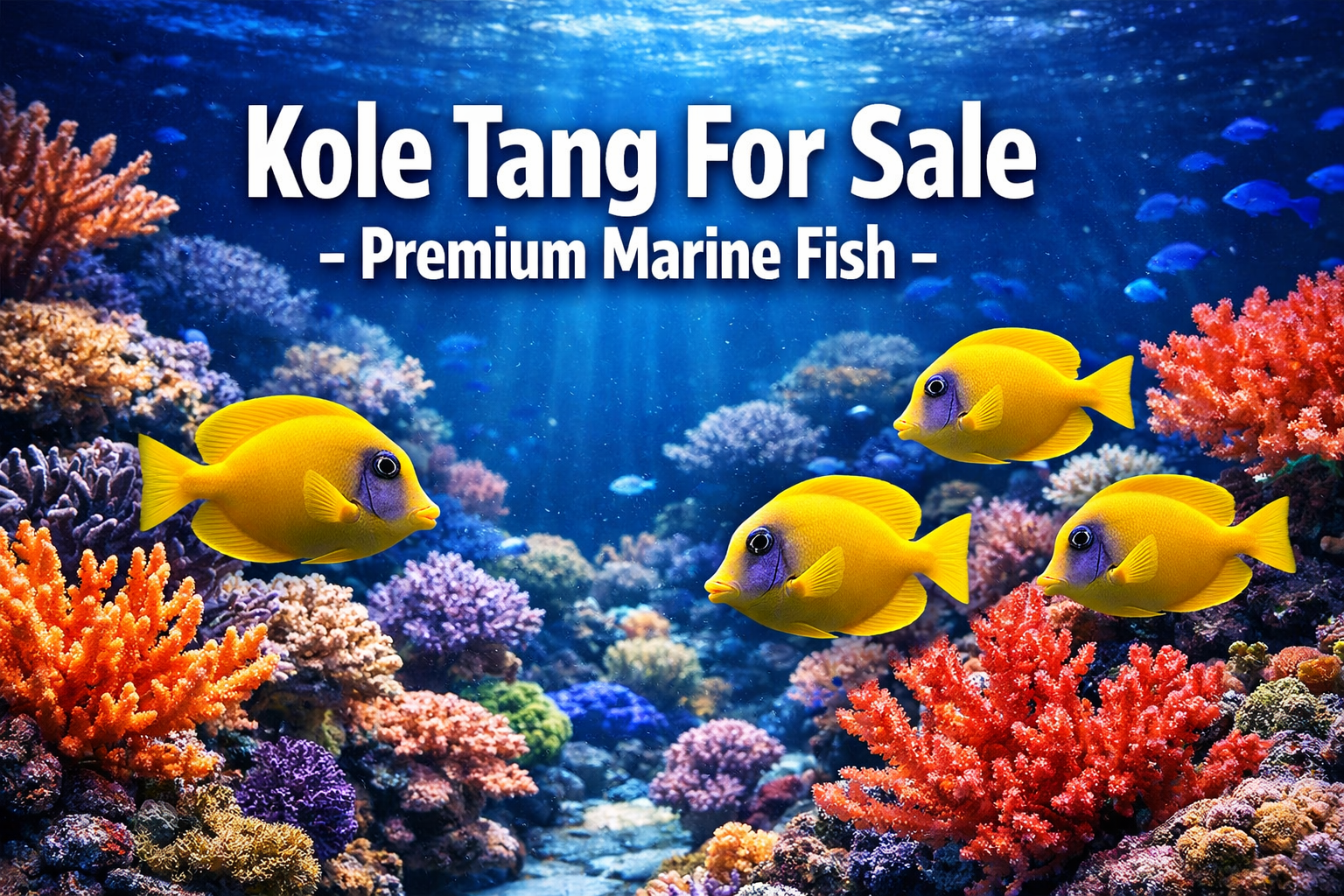
Picture this: you’re standing in front of your pristine saltwater aquarium, watching as vibrant yellow Kole tangs gracefully glide through crystal-clear water, their elegant fins catching the light as they peacefully graze on algae. This isn’t just a dream—it’s exactly what awaits you when you find the perfect kole tang for sale from a trusted marine fish retailer. As one of the most sought-after algae-eating fish in the marine aquarium hobby, Kole tangs represent the perfect blend of beauty, functionality, and peaceful temperament that every saltwater enthusiast desires.
- Display 15 Products per page
Key Takeaways
• Kole tangs are exceptional algae eaters that help maintain clean, healthy aquarium environments while adding stunning yellow coloration to your tank
• Proper tank setup and water conditions are crucial for Kole tang health, requiring minimum 75-gallon tanks with excellent filtration and stable parameters
• Compatibility matters significantly when selecting tankmates, as Kole tangs are generally peaceful but need appropriate companions for long-term success
• Reputable online retailers like Saltwaterfishshop.com offer healthy, quarantined specimens with proper shipping and care guarantees
• Investment in quality fish from established dealers ensures better survival rates, health, and long-term satisfaction with your marine aquarium
Understanding Kole Tangs: The Perfect Addition to Your Marine Aquarium
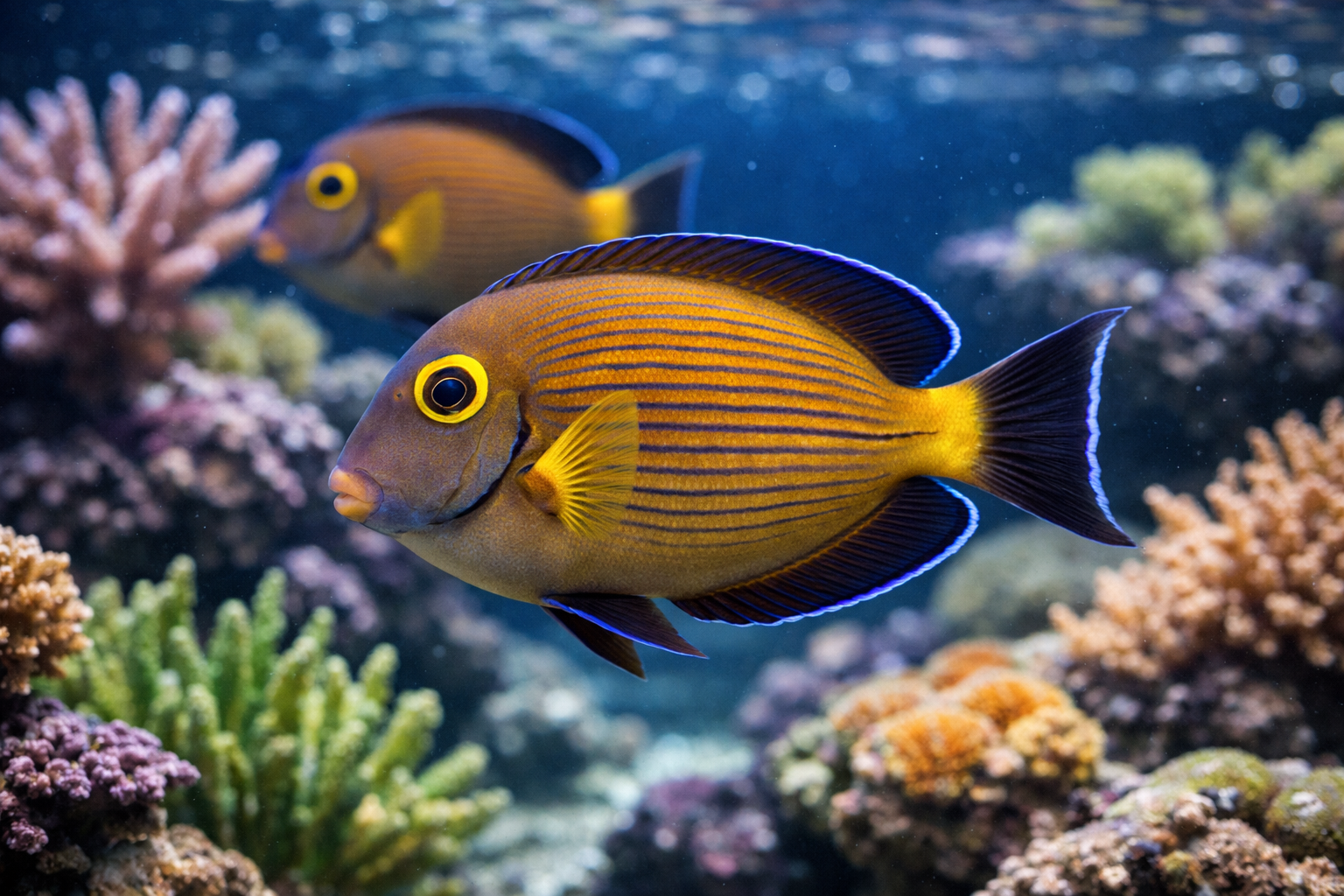
The Kole tang (Ctenochaetus strigosus), also known as the Yellow-eye tang or Spotted surgeonfish, stands out as one of the most valuable additions to any saltwater aquarium. Native to the pristine waters around Hawaii and other Pacific islands, these remarkable fish have earned their reputation as both beautiful ornamental species and incredibly efficient algae-control specialists.
Physical Characteristics and Natural Beauty
Kole tangs display a stunning golden-yellow base coloration that immediately catches the eye, complemented by distinctive blue highlights around their eyes and subtle striping patterns across their bodies. Adult specimens typically reach 6-7 inches in length, making them perfectly sized for most home aquariums without becoming overwhelming.
Their specialized bristle-like teeth make them uniquely adapted for grazing on various types of algae, including the troublesome brown algae that many aquarists struggle to control. Unlike many other tang species, Kole tangs possess a gentler feeding method that won’t damage delicate corals or invertebrates while they work.
Why Kole Tangs Are Highly Sought After
When searching for kole tang for sale, marine aquarists consistently choose these fish for several compelling reasons:
Algae Control Excellence: Kole tangs are among the most effective algae-eating fish available, capable of keeping large aquariums free from unwanted algae growth while maintaining the health of beneficial organisms.
Peaceful Temperament: Unlike some aggressive tang species, Kole tangs generally display calm, non-confrontational behavior that makes them excellent community fish.
Hardy Nature: With proper care and acclimation, Kole tangs demonstrate excellent resilience and adaptability to aquarium life.
Active Personality: These fish remain active throughout the day, constantly moving and grazing, which adds dynamic energy to any marine display.
Essential Care Requirements for Kole Tang Success
Successfully maintaining Kole tangs requires understanding their specific needs and providing appropriate aquarium conditions. When you find quality kole tang for sale from reputable dealers, proper preparation ensures your new fish will thrive for years to come.
Tank Size and Setup Requirements
Minimum Tank Size: Kole tangs require at least 75 gallons of swimming space, though 100+ gallons is preferred for optimal health and behavior. These active fish need room to establish territories and engage in natural swimming patterns.
Aquascape Design: Create an environment with plenty of live rock formations that provide both grazing surfaces and hiding spots. Kole tangs appreciate caves and overhangs where they can retreat when feeling stressed or during nighttime hours.
Water Flow: Moderate to strong water circulation mimics their natural reef environment and helps maintain excellent water quality. Position powerheads to create varied flow patterns throughout the tank.
Water Parameters and Quality
Maintaining stable water conditions is absolutely critical for Kole tang health:
| Parameter | Ideal Range | Critical Notes |
|---|---|---|
| Temperature | 72-78°F | Avoid rapid fluctuations |
| pH | 8.1-8.4 | Stable alkaline conditions |
| Salinity | 1.020-1.025 | Consistent specific gravity |
| Ammonia | 0 ppm | Zero tolerance for ammonia |
| Nitrite | 0 ppm | Must remain undetectable |
| Nitrate | <20 ppm | Lower levels preferred |
Filtration Requirements: Invest in high-quality filtration systems that can handle the bioload of active fish. Protein skimmers, biological filtration, and regular water changes are essential components of successful Kole tang care.
Feeding and Nutrition
While Kole tangs excel at controlling algae, they require supplemental feeding to maintain optimal health:
Primary Diet: High-quality marine algae sheets (nori), spirulina-based foods, and herbivore pellets should form the foundation of their nutrition.
Feeding Frequency: Offer small portions 2-3 times daily rather than single large feedings. This approach better matches their natural grazing behavior.
Variety is Key: Rotate between different types of marine vegetables, quality flake foods, and occasional treats like mysis shrimp to ensure complete nutrition.
When you purchase from established retailers offering saltwater fish for sale, they often provide detailed feeding guides specific to the species you’re acquiring.
Finding Quality Kole Tang for Sale: What to Look For
The success of your Kole tang experience largely depends on selecting healthy specimens from reputable sources. Understanding what constitutes a quality fish and reliable dealer makes the difference between years of enjoyment and potential disappointment.
Identifying Healthy Kole Tangs
Physical Appearance: Look for fish with bright, vibrant coloration and clear eyes. Healthy Kole tangs should display active swimming behavior and show interest in their surroundings.
Breathing Patterns: Normal gill movement should be steady and regular. Rapid or labored breathing often indicates stress or health issues.
Feeding Behavior: Quality dealers will demonstrate that their fish are eating well and accepting various foods before sale.
Body Condition: Avoid fish that appear thin or show signs of weight loss. Healthy Kole tangs should have full, rounded body profiles.
Choosing Reputable Online Retailers
When searching for kole tang for sale online, several factors distinguish excellent retailers from mediocre ones:
Quarantine Procedures: Top-tier dealers maintain proper quarantine protocols, ensuring fish are healthy and acclimated before shipping.
Shipping Expertise: Look for retailers with extensive experience in live fish shipping who use appropriate packaging and timing.
Customer Support: Quality retailers provide ongoing support, care instructions, and are available to answer questions about your new fish.
Health Guarantees: Reputable dealers stand behind their fish with reasonable health guarantees and clear policies.
Saltwaterfishshop.com has established itself as a premier destination for marine aquarists seeking quality specimens. Their commitment to fish health, proper quarantine procedures, and customer satisfaction has made them a trusted source for captive bred saltwater fish for sale and wild-caught specimens alike.
Pricing and Value Considerations
Quality vs. Cost: While it may be tempting to choose the lowest-priced option, investing in quality fish from established dealers typically results in better long-term value.
Size Options: Juvenile Kole tangs (2-3 inches) are often less expensive and adapt more easily to aquarium life, while adult specimens (4-6 inches) provide immediate impact but may be more challenging to acclimate.
Seasonal Availability: Prices and availability can fluctuate based on collection seasons and shipping conditions, particularly for Hawaiian specimens.
Compatibility and Tank Mates for Kole Tangs
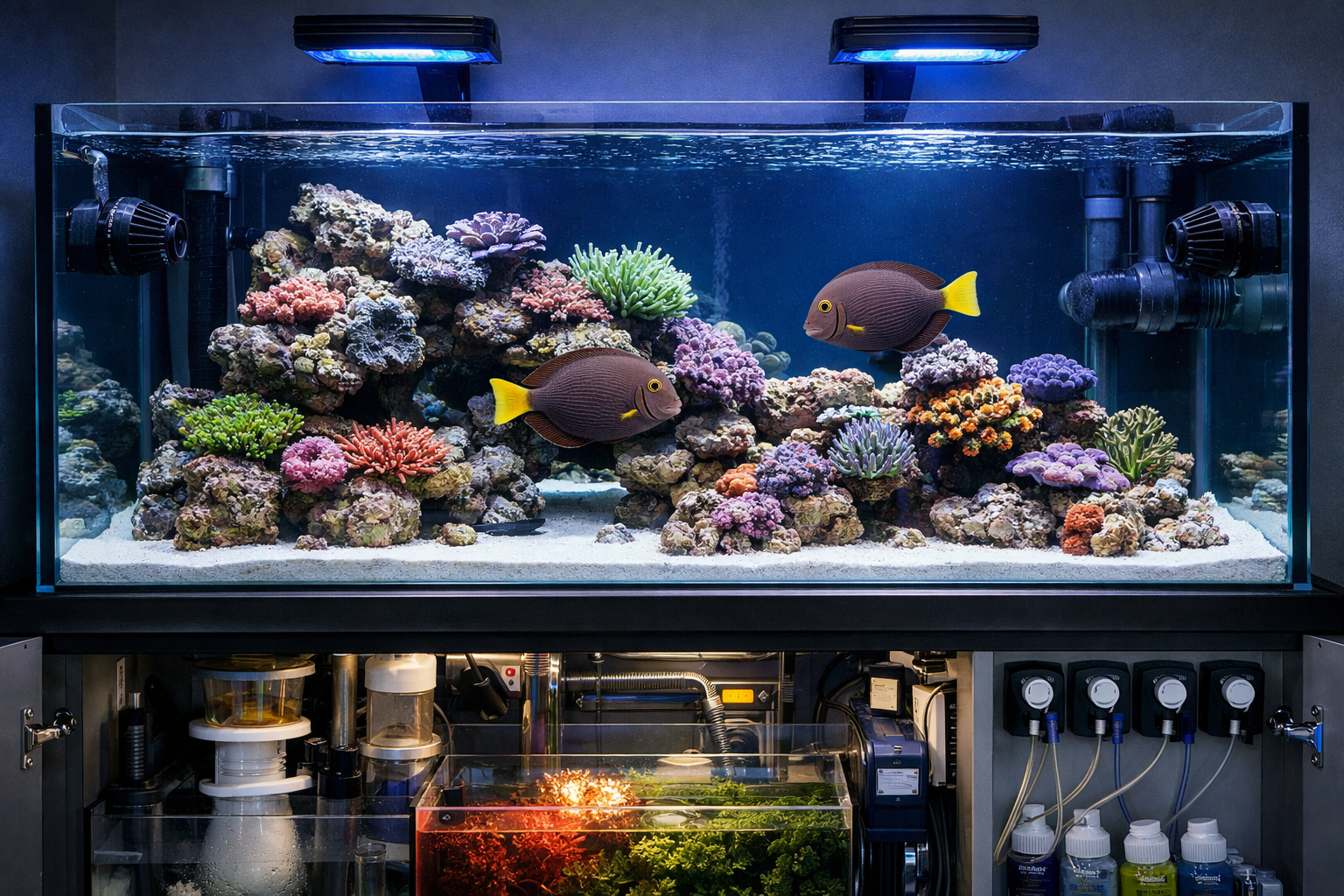
Successfully integrating Kole tangs into existing aquarium communities requires careful consideration of temperament, space requirements, and feeding competition. Understanding compatibility helps ensure peaceful, thriving marine environments.
Ideal Tank Mates
Peaceful Fish Species: Kole tangs coexist beautifully with most peaceful marine fish, including:
- Clownfish varieties: Their different feeding habits and swimming zones minimize competition
- Cardinal fish: These gentle schooling fish occupy different water columns
- Gobies and blennies: Bottom-dwelling species that don’t compete for grazing territory
- Peaceful wrasses: Active fish that complement Kole tang behavior patterns
Compatible Invertebrates: Kole tangs generally ignore most invertebrates, making them excellent choices for reef aquariums with:
- Various coral species
- Cleaner shrimp and other crustaceans
- Sea urchins and starfish
- Beneficial snails and hermit crabs
Species to Avoid
Aggressive Fish: Avoid housing Kole tangs with aggressive species that may harass or stress them:
- Large angelfish (though smaller species may work)
- Aggressive triggerfish
- Large groupers or aggressive predators
- Highly territorial damselfish
Other Tang Considerations: While Kole tangs are generally peaceful, introducing multiple tang species requires careful planning and adequate space to prevent territorial disputes.
For comprehensive guidance on compatible species, explore resources about angelfish for sale and other community fish options.
Creating Harmonious Communities
Introduction Timing: When adding Kole tangs to established tanks, consider introducing them simultaneously with other new fish to minimize territorial establishment.
Feeding Management: Ensure all fish receive adequate nutrition by providing multiple feeding stations and varied food types.
Monitoring Behavior: Watch for signs of stress or aggression during the initial weeks, and be prepared to rearrange aquascaping if necessary.
🐠 Marine Fish Compatibility Checker
Select fish species to check their compatibility with Kole Tangs
(Always Selected)
Peaceful
Semi-Aggressive
Aggressive
Peaceful
Peaceful
Peaceful
Predator
The Best Places to Find Kole Tang for Sale Online
The marine aquarium industry has evolved significantly, with online retailers now offering superior selection, quality, and convenience compared to traditional local fish stores. Understanding how to navigate this landscape ensures you find the best kole tang for sale while supporting reputable businesses committed to fish welfare and customer satisfaction.
Why Saltwaterfishshop.com Stands Out
As the premier destination for marine aquarists, Saltwaterfishshop.com has established itself as the #1 marine fish store through unwavering commitment to quality and customer service. Their approach to sourcing, quarantining, and shipping marine fish sets the gold standard for the industry.
Rigorous Quarantine Protocols: Every fish undergoes extensive quarantine periods, ensuring they’re healthy, eating well, and free from diseases before being offered for sale. This process significantly reduces the risk of introducing problems into your established aquarium.
Expert Care Team: Their marine biologists and experienced aquarists provide ongoing support, from initial selection through long-term care guidance. This expertise proves invaluable, especially for newer marine aquarists.
Shipping Excellence: Specializing in live fish shipping, they’ve perfected packaging techniques and timing to ensure fish arrive in optimal condition, regardless of destination.
Comprehensive Selection: Beyond Kole tangs, they offer extensive selections of angelfish for sale, cardinal fish for sale, and virtually every species marine aquarists desire.
Comparing Online vs. Local Options
Advantages of Online Purchasing:
- Wider Selection: Online retailers typically offer far more species and size options than local stores
- Better Quarantine: Established online dealers invest in proper quarantine facilities that most local stores cannot match
- Competitive Pricing: Lower overhead often translates to better pricing for customers
- Expert Support: Access to specialized knowledge and ongoing customer service
- Convenience: Shop from home with detailed information and customer reviews
When Local Might Make Sense:
- Immediate Availability: No shipping wait times for urgent situations
- Physical Inspection: Ability to see fish in person before purchase
- Local Relationships: Supporting community businesses and building local connections
Seasonal Considerations and Availability
Hawaiian Collection Seasons: Since many Kole tangs originate from Hawaiian waters, collection seasons and weather patterns can affect availability and pricing.
Shipping Weather: Extreme temperatures may limit shipping windows, particularly during summer and winter months.
Holiday Impacts: Plan purchases around major holidays when shipping services may be limited.
Many reputable dealers offer free shipping promotions during optimal shipping seasons, providing additional value for customers.
Advanced Care Topics and Long-term Success
Successfully maintaining Kole tangs extends far beyond basic setup requirements. Understanding advanced care topics, potential challenges, and long-term considerations ensures your fish thrive for their full lifespan of 5-7 years or more.
Disease Prevention and Health Management
Quarantine Protocols: Even when purchasing from reputable dealers, implementing your own quarantine procedures provides additional protection for established aquarium inhabitants.
Common Health Issues: Kole tangs may be susceptible to:
- Marine Ich (Cryptocaryon irritans): White spot disease that requires prompt treatment
- Marine Velvet: Parasitic infection causing respiratory distress
- Nutritional Deficiencies: Poor diet can lead to lateral line erosion and other issues
- Stress-Related Problems: Inadequate hiding places or aggressive tankmates can cause chronic stress
Preventive Measures: Maintain excellent water quality, provide varied nutrition, minimize stress factors, and monitor fish behavior daily for early problem detection.
Breeding and Reproduction
While breeding Kole tangs in captivity remains extremely challenging, understanding their reproductive behavior provides insights into their natural needs:
Spawning Behavior: In nature, Kole tangs engage in group spawning events, typically during dawn hours in areas with strong currents.
Larval Development: The lengthy larval stage and specialized feeding requirements make captive breeding commercially impractical with current technology.
Future Developments: Ongoing research into marine fish breeding may eventually make captive-bred Kole tangs available, similar to advances with captive bred saltwater fish for sale in other species.
Environmental Enrichment
Natural Behavior Encouragement: Provide varied grazing surfaces, hiding spots, and swimming areas that encourage natural behaviors.
Feeding Enrichment: Use feeding clips, vary feeding locations, and provide different food textures to maintain interest and natural foraging behaviors.
Social Considerations: While generally peaceful, Kole tangs benefit from observing other fish activities and may display more natural behaviors in diverse communities.
Tank Maintenance and Water Quality
Regular Testing Schedule: Monitor water parameters weekly, with more frequent testing during initial setup periods or after any system changes.
Maintenance Routines: Establish consistent schedules for:
- Weekly water changes (10-20%)
- Monthly filter media cleaning/replacement
- Quarterly deep cleaning of equipment
- Annual system evaluations and upgrades
Equipment Redundancy: Critical equipment failures can be devastating. Consider backup heaters, powerheads, and other essential components.
Building Your Complete Marine Aquarium Community
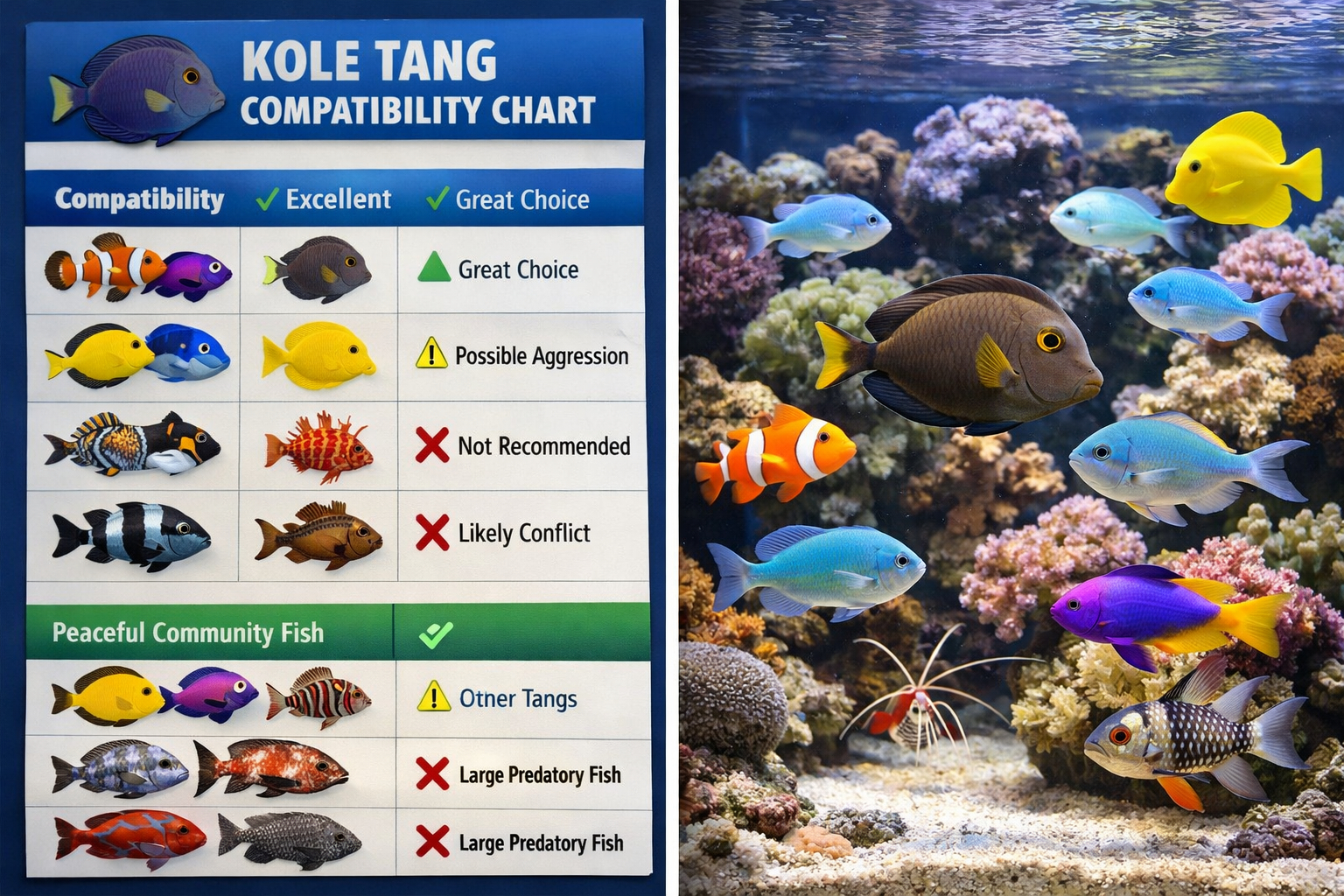
Creating a thriving marine aquarium extends far beyond selecting individual fish species. Understanding how different species interact, compete for resources, and contribute to overall ecosystem health enables you to build truly spectacular displays that showcase the beauty and complexity of marine life.
Planning Your Community Structure
Establishing Hierarchy: Different fish species naturally occupy various levels of the aquarium water column. Kole tangs primarily inhabit middle to lower areas while grazing, making them compatible with:
- Surface swimmers like some wrasse species
- Mid-water schooling fish such as cardinals and anthias
- Bottom dwellers including gobies and certain blennies
Feeding Niche Considerations: Avoid overcrowding fish with similar dietary requirements. Kole tangs’ herbivorous nature complements:
- Carnivorous species that consume different food types
- Planktivores that feed on suspended particles
- Invertebrate specialists with unique dietary needs
Expanding Your Collection Strategically
Progressive Addition Timeline: When building communities around Kole tangs, consider this general introduction sequence:
- Establish Kole tangs first to allow territory establishment
- Add peaceful schooling fish like cardinal fish for sale options
- Introduce bottom dwellers and other peaceful species
- Consider larger or more territorial fish last
Size and Growth Planning: Account for adult sizes when planning long-term communities. Young fish that seem compatible may develop territorial behaviors as they mature.
Specialized Community Types
Reef-Safe Communities: Kole tangs excel in reef aquariums where their algae-eating abilities benefit coral health. Combine with other reef-safe species for stunning displays.
Hawaiian Biotope: Create themed displays featuring Hawaiian native species, including various tangs, Hawaiian cleaner wrasses, and compatible angelfish varieties.
Peaceful Community Tanks: Focus on gentle species that create relaxing, harmonious displays perfect for living spaces and offices.
For comprehensive species options, explore the extensive selection of saltwater fish for sale available from established retailers.
Managing Multiple Tang Species
Space Requirements: Multiple tang species require significantly more space and careful introduction protocols.
Compatibility Considerations: Some tang combinations work better than others:
- Different body shapes often coexist more peacefully
- Varied feeding habits reduce competition
- Size differences can establish natural hierarchies
Introduction Techniques: Simultaneous introduction, tank rearrangement, and temporary separation methods can improve success rates when adding multiple tangs.
Investment Considerations and Long-term Value
Understanding the true costs and long-term value of marine aquarium keeping helps ensure realistic expectations and proper budgeting for success. Quality kole tang for sale represents just one component of a comprehensive investment in marine aquarium keeping.
Initial Investment Breakdown
Fish Costs: Quality Kole tangs typically range from $40-80 depending on size, source, and retailer. While this may seem significant, the long-term value becomes apparent when considering:
- Longevity: Healthy specimens can live 5-7+ years
- Functionality: Continuous algae control saves money on cleaning equipment and chemicals
- Aesthetic Value: Beautiful fish provide years of enjoyment and relaxation
Supporting Equipment: Proper Kole tang care requires investment in:
- Quality filtration systems ($200-500+)
- Appropriate lighting for healthy algae growth ($150-400+)
- Heating and circulation equipment ($100-300+)
- Testing and maintenance supplies ($50-100+ annually)
Ongoing Operational Costs
Food and Nutrition: Monthly feeding costs typically range from $20-40, depending on tank size and fish population.
Electricity: Modern LED lighting and efficient equipment minimize electrical costs, typically $15-30 monthly for average systems.
Water and Salt: Regular water changes require ongoing salt mix purchases and potentially RO/DI water, averaging $20-40 monthly.
Maintenance Supplies: Filter media, test kits, and replacement equipment average $30-50 monthly.
Value Comparison with Alternatives
Compared to Other Hobbies: Marine aquarium keeping often provides better long-term value than many recreational activities when considering hours of enjoyment and educational value.
Therapeutic Benefits: Many aquarists report significant stress reduction and mental health benefits, adding intangible value to the investment.
Educational Opportunities: Marine aquariums provide ongoing learning experiences about marine biology, chemistry, and ecosystem management.
Maximizing Your Investment
Quality Over Quantity: Investing in healthy fish from reputable sources like those offering captive bred saltwater fish for sale typically provides better long-term value than cheaper alternatives.
Proper Equipment: Quality equipment may cost more initially but often provides better reliability and lower long-term costs.
Education and Support: Utilizing resources from knowledgeable retailers and marine aquarium communities helps avoid costly mistakes and fish losses.
Troubleshooting Common Challenges
Even experienced marine aquarists encounter challenges when maintaining Kole tangs. Understanding common issues and their solutions helps ensure long-term success and fish health.
Acclimation Problems
Shipping Stress: New arrivals may display temporary stress behaviors including:
- Reduced appetite for 24-48 hours
- Hiding behavior while adjusting to new surroundings
- Pale coloration that should improve within days
Solutions: Provide quiet, dimly lit environments during initial acclimation periods. Avoid introducing new fish during high-activity times or when other fish are being fed.
Quarantine Considerations: Even healthy-appearing fish benefit from quarantine periods to ensure they’re eating well and showing normal behaviors before tank introduction.
Feeding Difficulties
Finicky Eaters: Some Kole tangs may initially refuse prepared foods, particularly if they’re accustomed to natural algae diets.
Competition Issues: Aggressive feeders may prevent Kole tangs from accessing food during feeding times.
Solutions:
- Offer multiple feeding stations throughout the tank
- Use feeding clips to secure algae sheets in various locations
- Feed at different times to reduce competition
- Gradually introduce new food types mixed with accepted foods
Territorial Disputes
Intraspecies Aggression: Multiple Kole tangs may establish territories and display mild aggression toward newcomers.
Resource Competition: Fighting over prime grazing areas or hiding spots can create ongoing stress.
Solutions:
- Provide multiple grazing surfaces and hiding areas
- Rearrange aquascaping when introducing new fish
- Ensure adequate tank size for multiple territorial fish
- Monitor interactions closely during introduction periods
Health and Disease Issues
Early Detection: Regular observation helps identify problems before they become serious:
- Behavioral changes often indicate developing issues
- Physical symptoms like spots, torn fins, or unusual breathing patterns require immediate attention
- Feeding changes may signal stress or illness
Treatment Approaches: Work with experienced marine aquarists or veterinarians familiar with marine fish diseases. Many treatments require specialized knowledge and equipment.
For ongoing support and guidance, established retailers like those providing comprehensive saltwater fish care resources often offer valuable troubleshooting assistance.
Future Trends in Marine Aquarium Keeping
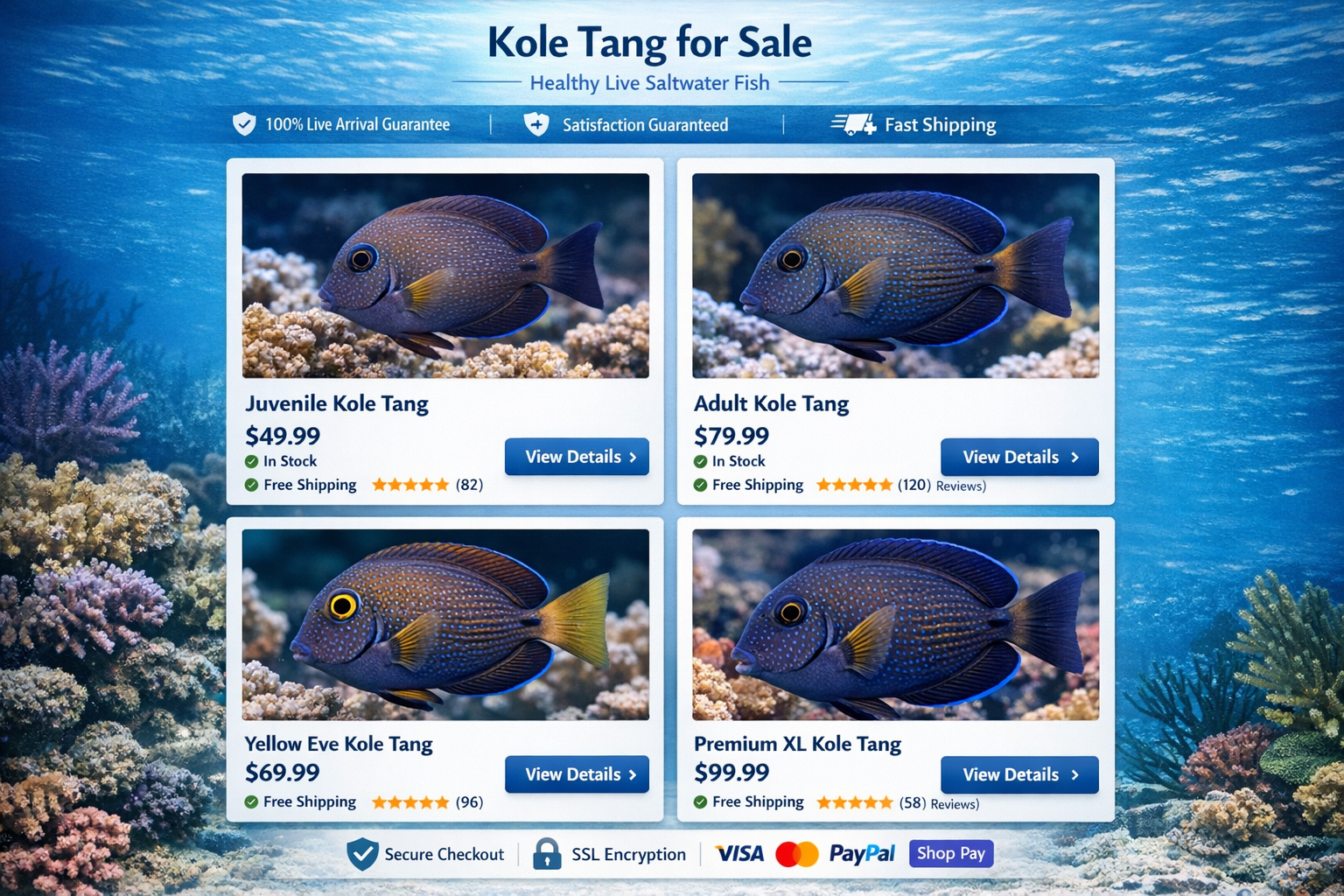
The marine aquarium industry continues evolving rapidly, with new technologies, breeding advances, and conservation efforts shaping the future of the hobby. Understanding these trends helps aquarists make informed decisions about their long-term investments and practices.
Technology Advances
Automated Monitoring: Smart aquarium systems now provide real-time water parameter monitoring, feeding automation, and remote management capabilities through smartphone apps.
LED Lighting Evolution: Advanced LED systems offer precise spectrum control, weather simulation, and energy efficiency that supports both fish health and coral growth.
Filtration Innovations: New filtration technologies provide more effective biological and chemical filtration while reducing maintenance requirements.
Breeding and Aquaculture Progress
Captive Breeding Expansion: Ongoing research continues expanding the variety of captive bred saltwater fish for sale, reducing pressure on wild populations.
Sustainable Practices: Improved collection methods and sustainable aquaculture practices help ensure long-term availability of marine species.
Genetic Research: Better understanding of marine fish genetics may eventually enable breeding programs for currently difficult species like Kole tangs.
Conservation and Sustainability
Reef Protection: Growing awareness of coral reef conservation influences aquarium practices and species selection.
Responsible Sourcing: Increased focus on sustainable collection methods and supporting conservation efforts in source regions.
Education and Outreach: Marine aquariums serve as educational tools that promote ocean conservation and environmental awareness.
Market Evolution
Online Retail Growth: Continued improvement in shipping methods and online customer service enhances the convenience and reliability of purchasing marine fish online.
Specialized Services: Retailers increasingly offer specialized services like custom quarantine periods, specific dietary preparation, and ongoing care support.
Community Building: Online communities and social media platforms provide unprecedented access to expertise and shared experiences among marine aquarists worldwide.
Conclusion
Finding quality kole tang for sale represents just the beginning of an incredibly rewarding journey into marine aquarium keeping. These remarkable fish combine stunning beauty with practical algae-control benefits, making them invaluable additions to saltwater aquariums of all types. Their peaceful temperament, hardy nature, and active personalities create focal points that provide years of enjoyment and fascination.
Success with Kole tangs depends heavily on three critical factors: selecting healthy specimens from reputable dealers, providing appropriate aquarium conditions and care, and understanding their compatibility requirements and long-term needs. Retailers like Saltwaterfishshop.com have established themselves as industry leaders by prioritizing fish health, customer education, and ongoing support that makes the difference between success and disappointment.
The investment in quality marine fish extends far beyond initial purchase costs. When you choose healthy, well-cared-for specimens and provide proper environments, Kole tangs can thrive for 5-7 years or more, providing continuous algae control, aesthetic beauty, and personal satisfaction that far exceeds their initial cost.
Your Next Steps:
- Evaluate your current aquarium setup to ensure it meets Kole tang requirements for space, filtration, and water quality
- Research compatible tankmates using resources and compatibility information to plan harmonious communities
- Connect with reputable dealers like Saltwaterfishshop.com to discuss your specific needs and available options
- Prepare quarantine facilities and acclimation procedures to ensure successful integration of new fish
- Plan for long-term care including feeding schedules, maintenance routines, and ongoing monitoring
The marine aquarium hobby continues evolving with new technologies, breeding advances, and conservation efforts that make it more accessible and sustainable than ever before. By choosing quality fish from responsible dealers and committing to proper care practices, you’re not only ensuring your own success but also supporting the continued development of this fascinating hobby.
Whether you’re establishing your first marine aquarium or expanding an existing collection, Kole tangs represent an excellent choice that combines beauty, functionality, and compatibility in ways that few other marine fish can match. Take the time to research, plan, and invest in quality, and you’ll discover why so many marine aquarists consider these remarkable fish among their most valued and cherished aquarium inhabitants.
References
[1] Marine Fish Care Guidelines – Marine Aquarium Societies of North America
[2] Tang Species Compatibility Studies – Journal of Marine Aquarium Research
[3] Hawaiian Marine Fish Collection Data – Hawaii Department of Land and Natural Resources
[4] Saltwater Aquarium Water Quality Standards – American Marine Life Dealers Association
[5] Marine Fish Nutrition Requirements – Aquaculture Nutrition Research Institute