
The Complete Guide to Marina Fish for Sale Online: Your Gateway to Premium Saltwater Species in 2025
Picture this: you’re sitting in your living room, watching a vibrant underwater paradise come to life before your eyes. Brilliant orange clownfish dart playfully through swaying anemones while majestic angelfish glide gracefully past colorful coral formations. This dream can become reality when you discover the world of marina fish for sale online – a thriving marketplace that brings the ocean’s most spectacular creatures directly to your doorstep.
The online saltwater fish industry has revolutionized how aquarium enthusiasts build their dream tanks. No longer limited to local pet stores with sparse selections, today’s marine aquarists can access thousands of species from reputable dealers worldwide. Whether you’re seeking rare specimens or popular favorites, buying marina fish online opens up possibilities that traditional retail simply cannot match.
Key Takeaways
• Online marine fish retailers offer significantly larger selections than local stores, with access to rare and exotic species from around the world
• Proper shipping and acclimation protocols are essential for ensuring fish arrive healthy and adapt successfully to their new environment
• Reputable dealers provide detailed care information and ongoing support to help both beginners and experienced aquarists succeed
• Captive-bred specimens are generally hardier and more sustainable than wild-caught fish, making them ideal for online purchasing
• Building relationships with trusted suppliers ensures consistent quality and access to premium specimens for your saltwater aquarium
Understanding the Marina Fish for Sale Online Market
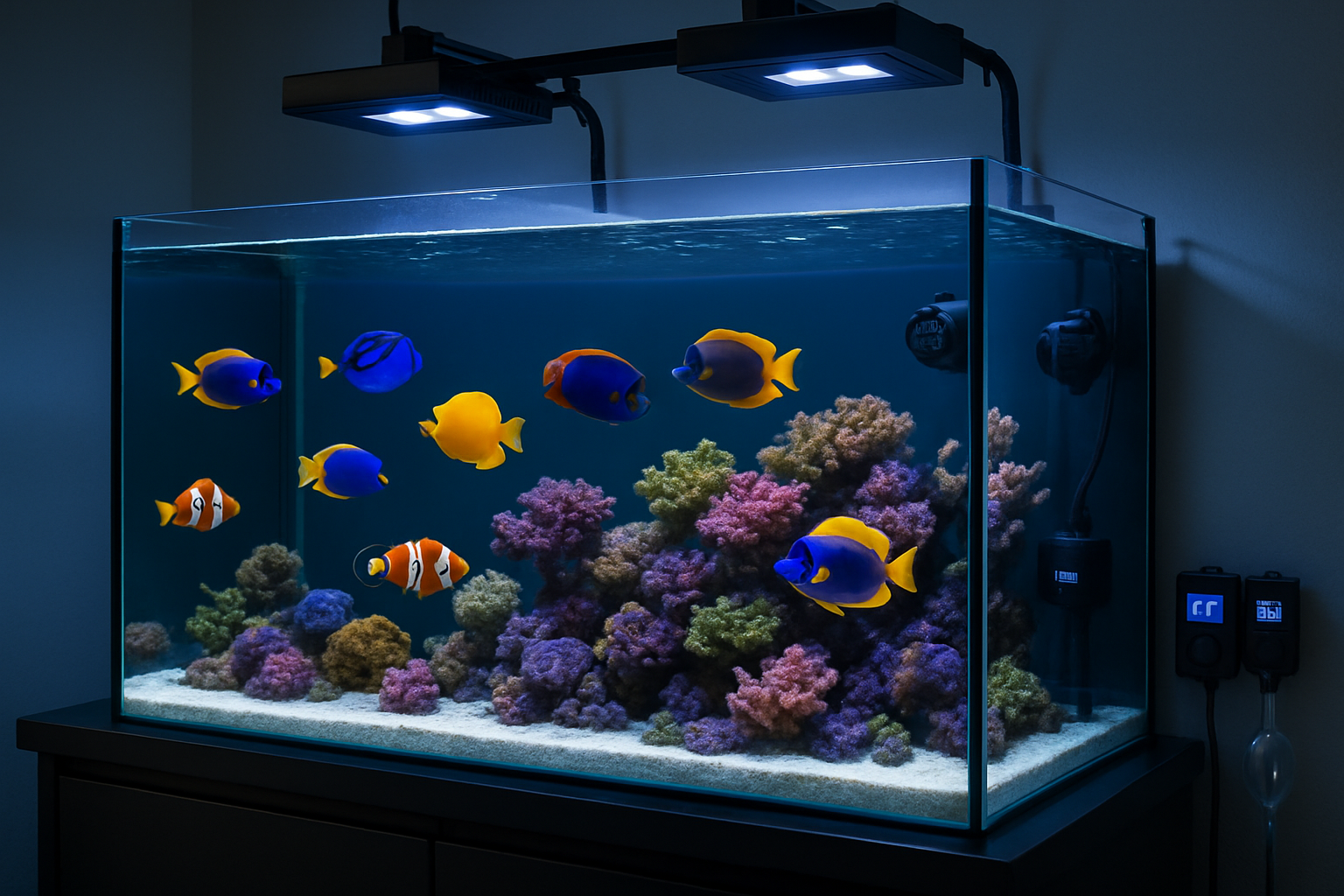
The digital transformation of the aquarium trade has created unprecedented opportunities for marine fish enthusiasts. When I first started keeping saltwater aquariums in the early 2000s, finding quality specimens meant driving hours to specialized stores or attending fish shows. Today’s online marketplace has changed everything.
The Evolution of Online Fish Retail
E-commerce has fundamentally reshaped how we acquire marine livestock. Established retailers like Saltwater Fish Shop have been pioneering online sales since 2000, building sophisticated systems for shipping live fish safely across the country. These platforms combine extensive inventories with expert knowledge, creating resources that far exceed what most local stores can offer.
The benefits of purchasing marina fish for sale online include:
- Massive species selection 🐠 Access to hundreds of species year-round
- Competitive pricing 💰 Direct-from-source pricing without retail markups
- Expert guidance 📚 Detailed care sheets and professional support
- Convenience 🚚 Delivery directly to your door with live arrival guarantees
- Quality assurance ✅ Professional quarantine and health screening
Types of Marine Fish Available Online
The diversity of saltwater species available through online retailers is staggering. From beginner-friendly species to exotic rarities, the digital marketplace caters to every experience level and interest.
Popular Categories Include:
| Fish Type | Difficulty Level | Price Range | Best For |
|---|---|---|---|
| Clownfish | Beginner | $15-$100 | First saltwater tank |
| Tangs | Intermediate | $40-$300 | Larger established tanks |
| Angelfish | Advanced | $50-$500+ | Experienced aquarists |
| Gobies | Beginner | $20-$80 | Nano reef tanks |
| Wrasses | Intermediate | $30-$200 | Active display tanks |
Clownfish remain the most popular choice for new marine aquarists. These hardy, colorful fish adapt well to captivity and ship successfully. Clownfish for sale online typically include popular varieties like Ocellaris, Percula, and designer morphs bred specifically for the aquarium trade.
Saltwater angelfish represent the pinnacle of marine fishkeeping for many enthusiasts. These magnificent creatures require larger tanks and stable water conditions, but their beauty and personality make them centerpiece fish. Angelfish for sale online range from smaller dwarf species perfect for nano reefs to large emperor angels that command attention in any display.
Captive-Bred vs. Wild-Caught Specimens
One of the most significant advantages of buying marina fish for sale online is access to captive-bred specimens. These fish offer numerous benefits over their wild-caught counterparts:
Captive-Bred Advantages:
- Already adapted to aquarium conditions
- Less stressed during shipping
- Free from parasites and diseases common in wild fish
- Support sustainable aquaculture practices
- Often display better coloration and hardiness
Captive bred saltwater fish for sale have become increasingly available as breeding programs expand. Species like clownfish, dottybacks, and cardinals are now routinely bred in captivity, providing aquarists with healthier, more sustainable options.
Choosing the Right Marina Fish for Sale Online Retailer
Selecting a reputable online fish dealer is crucial for success. The quality of your supplier directly impacts the health of your fish and your overall experience. After years of working with various retailers, I’ve identified key factors that separate exceptional dealers from mediocre ones.
Essential Qualities of Top Online Fish Retailers
Established track record forms the foundation of any reliable fish retailer. Companies that have operated successfully for decades understand the complexities of shipping live animals and have refined their processes accordingly. Look for retailers with:
- Minimum 5+ years in business with verifiable customer reviews
- Professional website with detailed product information and care guides
- Clear shipping policies including live arrival guarantees
- Responsive customer service with knowledgeable marine specialists
- Proper licensing and compliance with state and federal regulations
Shipping expertise cannot be overstated in importance. Marine fish are delicate creatures that require specific conditions during transport. Quality retailers invest heavily in:
- Temperature-controlled packaging systems
- Pure oxygen for extended transport times
- Stress-reducing additives and medications
- Insulated containers rated for extreme weather
- Expedited shipping partnerships with major carriers
Evaluating Fish Quality and Health Standards
Quarantine protocols separate professional operations from amateur sellers. Reputable dealers maintain dedicated quarantine facilities where new arrivals are:
- Monitored for signs of disease or stress
- Treated preventatively for common parasites
- Fed appropriate diets to restore body condition
- Observed for behavioral abnormalities
- Cleared by marine veterinarians before sale
Photography and descriptions provide valuable insights into fish quality. Professional retailers invest in high-quality photography that accurately represents their livestock. Detailed descriptions should include:
- Current size and expected adult size
- Feeding behavior and dietary requirements
- Temperament and compatibility information
- Origin (wild-caught vs. captive-bred)
- Any special care considerations
Understanding Shipping and Handling
Live fish shipping requires specialized knowledge and equipment that differs significantly from standard package delivery. Live fish shipping involves complex logistics including:
Pre-Shipping Preparation:
- Fasting fish 24-48 hours before shipment
- Selecting optimal shipping days (Tuesday-Thursday)
- Monitoring weather conditions along transport routes
- Preparing custom packaging for each species’ needs
- Adding beneficial bacteria and stress-reducing compounds
During Transit:
- Maintaining stable temperatures between 72-78°F
- Ensuring adequate oxygen levels for journey duration
- Minimizing movement and vibration stress
- Tracking packages in real-time
- Coordinating with recipients for immediate delivery
Arrival and Acclimation:
- Immediate inspection upon delivery
- Gradual temperature and pH adjustment
- Careful monitoring during first 24-48 hours
- Documentation of any shipping-related issues
- Follow-up support from retailer if needed
Cost Considerations and Value
Pricing for marina fish for sale online varies significantly based on species rarity, size, and source. While online retailers often offer competitive base prices, shipping costs can add $30-75 per order. Consider these factors when evaluating total cost:
- Minimum order requirements for free or reduced shipping
- Seasonal price fluctuations based on availability
- Size premiums for larger, more mature specimens
- Breeding program costs reflected in captive-bred pricing
- Geographic shipping zones affecting delivery charges
Value extends beyond initial cost to include long-term success factors. A slightly more expensive fish from a reputable dealer often proves more economical than cheaper alternatives that arrive stressed or diseased. Quality retailers provide:
- Comprehensive care information reducing mortality risk
- Ongoing customer support for husbandry questions
- Healthy, well-conditioned fish with better survival rates
- Accurate species identification preventing compatibility issues
- Professional packaging reducing shipping stress
Popular Marine Species Available Through Marina Fish for Sale Online
The diversity of saltwater fish available online continues to expand as breeding programs mature and collection techniques improve. Understanding the characteristics and requirements of popular species helps ensure successful selections for your specific setup.
Clownfish: The Gateway to Marine Aquariums
Clownfish represent the perfect introduction to saltwater fishkeeping. Their hardy nature, vibrant colors, and fascinating behavior make them ideal for beginners while remaining popular with experienced aquarists. The explosion in captive breeding has created an incredible variety of color morphs and patterns.
Popular Clownfish Varieties:
- Ocellaris Clownfish – The classic “Nemo” fish, peaceful and adaptable
- Percula Clownfish – Similar to Ocellaris but with bolder black borders
- Maroon Clownfish – Largest clownfish species with striking red coloration
- Tomato Clownfish – Hardy species excellent for beginners
- Designer Morphs – Snowflake, Lightning, Picasso, and other captive-bred varieties
Clownfish care requirements remain relatively simple compared to other marine species. They thrive in tanks as small as 20 gallons and accept a wide variety of foods. Most captive-bred clownfish readily eat prepared flakes and pellets, though they benefit from occasional frozen foods like mysis shrimp and brine shrimp.
The symbiotic relationship between clownfish and anemones captivates many aquarists, though anemones are not required for clownfish health. In fact, many experienced aquarists recommend establishing clownfish first and adding anemones later once the tank has matured.
Angelfish: Majestic Centerpiece Fish
Saltwater angelfish command attention in any aquarium with their graceful swimming patterns and stunning coloration. These fish range from small dwarf species suitable for nano reefs to large specimens requiring tanks of 100+ gallons.
Dwarf Angelfish Species:
- Coral Beauty – Vibrant purple and orange coloration
- Flame Angel – Brilliant red with black vertical bars
- Bicolor Angel – Striking blue and yellow pattern
- Cherub Angel – Deep purple with subtle blue highlights
Large Angelfish Species:
- Emperor Angel – Dramatic color transformation from juvenile to adult
- Queen Angel – Regal blue and yellow with intricate patterns
- French Angel – Elegant black with yellow striping
- Gray Angel – Subtle beauty with peaceful temperament
Feeding angelfish requires attention to their natural grazing behavior. In the wild, these fish spend most of their day picking at algae, sponges, and small invertebrates. Successful angelfish keeping involves providing:
- High-quality marine pellets as a staple diet
- Frozen foods like mysis shrimp and marine cuisine
- Dried seaweed sheets for natural grazing behavior
- Occasional live foods to stimulate natural hunting instincts
Tangs and Surgeonfish: The Ocean’s Lawn Mowers
Tangs serve dual purposes in marine aquariums as both beautiful display fish and efficient algae controllers. These active swimmers require spacious tanks with excellent water quality and strong circulation.
Popular Tang Species:
- Yellow Tang – Bright yellow coloration, excellent algae eater
- Blue Tang – “Dory” from Finding Nemo, stunning blue coloration
- Purple Tang – Deep purple with yellow accents on fins
- Sailfin Tang – Impressive size with elaborate fin extensions
- Powder Brown Tang – Subtle earth tones with distinctive markings
Tang compatibility requires careful consideration as these fish can be territorial, especially with other tangs. Successful tang keeping strategies include:
- Adding tangs simultaneously to reduce territorial disputes
- Providing multiple feeding stations to reduce competition
- Ensuring adequate swimming space (minimum 75 gallons for most species)
- Maintaining excellent water quality with efficient protein skimming
- Offering varied diet including marine algae and vegetables
Gobies and Blennies: Personality-Packed Small Fish
Small fish bring huge personality to marine aquariums. Gobies and blennies offer fascinating behaviors and adapt well to smaller tank systems. Blennies for sale online include numerous species perfect for nano reef tanks.
Popular Goby Species:
- Mandarin Goby – Spectacular coloration but requires established tanks
- Firefish Goby – Peaceful with striking red and white coloration
- Watchman Goby – Forms symbiotic relationships with pistol shrimp
- Neon Goby – Tiny cleaner fish with electric blue stripes
Blenny Characteristics:
- Bicolor Blenny – Hardy species with distinctive color pattern
- Lawnmower Blenny – Excellent algae control for established tanks
- Midas Blenny – Golden coloration with peaceful temperament
- Tailspot Blenny – Small size perfect for nano systems
These smaller fish often display more personality than their larger tankmates. Many species establish territories and interact with their owners, learning to recognize feeding times and even hand-feeding.
Wrasses: Active and Colorful Additions
Wrasses bring constant motion and vibrant colors to marine aquariums. These active fish require secure tank covers as they’re accomplished jumpers, but their pest control abilities and stunning appearance make them valuable additions.
Beginner-Friendly Wrasses:
- Six Line Wrasse – Hardy with distinctive blue and orange stripes
- Yellow Wrasse – Peaceful yellow coloration, excellent for beginners
- Fairy Wrasses – Multiple species with incredible color variations
- Flasher Wrasses – Males display spectacular courtship behaviors
Advanced Wrasse Species:
- Harlequin Tuskfish – Large species with prominent tusks
- Bird Wrasse – Impressive size with unique beak-like mouth
- Napoleon Wrasse – Massive species requiring very large systems
Many wrasses provide natural pest control by consuming bristle worms, flatworms, and other unwanted invertebrates. This makes them particularly valuable in reef aquariums where chemical treatments might harm sensitive corals.
Specialty and Rare Species
Exotic marine fish represent the pinnacle of online fish shopping. These rare specimens often command premium prices but offer unique characteristics unavailable through traditional retail channels.
Rare and Exotic Options:
- Anthias – Schooling fish with incredible color variations
- Eels for sale – Ribbon eels and moray eels for specialized setups
- Pipefish and Seahorses – Delicate species requiring expert care
- Rare Angelfish – Clarion, Masked, and other premium species
- Unusual Gobies – Mandarin dragonets and other specialized feeders
These specialty fish often require specific tank conditions and feeding regimens. Reputable online retailers provide detailed care instructions and ongoing support to ensure success with challenging species.
Setting Up for Success: Preparing for Your Online Fish Purchase
Preparation determines success when purchasing marina fish for sale online. Unlike buying fish from local stores where you can take them home immediately, online purchases require advance planning and proper setup. The investment in preparation pays dividends in fish health and long-term success.
Tank Preparation and Cycling
Establishing proper biological filtration forms the foundation of successful marine fishkeeping. The nitrogen cycle must be fully established before introducing fish, a process that typically takes 4-8 weeks in new systems.
Essential Cycling Steps:
- Set up equipment including filtration, heating, and lighting systems
- Add live rock and substrate to provide biological filtration surface area
- Introduce ammonia source through fish food or pure ammonia solution
- Monitor water parameters daily using quality test kits
- Wait for nitrite spike followed by decline to zero
- Verify stable parameters for at least one week before adding fish
Water quality parameters for marine fish require precision. Saltwater fish are less tolerant of parameter swings than freshwater species, making stability crucial:
- Salinity: 1.020-1.025 specific gravity (35 ppt)
- Temperature: 72-78°F depending on species origin
- pH: 8.0-8.4 for optimal health
- Ammonia: 0 ppm (toxic to fish)
- Nitrite: 0 ppm (toxic to fish)
- Nitrate: <20 ppm for fish-only systems, <5 ppm for reefs
Equipment Essentials
Quality equipment prevents problems and ensures stable conditions for marine fish. While initial investment may seem substantial, reliable equipment pays for itself through reduced fish mortality and lower maintenance requirements.
Critical Equipment List:
Filtration Systems:
- Protein skimmer – Removes organic waste before decomposition
- Biological filtration – Live rock or bio-media for beneficial bacteria
- Mechanical filtration – Removes particulate matter from water column
- Chemical filtration – Activated carbon for removing dissolved organics
Water Movement:
- Return pump – Circulates water through filtration system
- Powerheads – Creates current patterns fish require for health
- Wavemakers – Simulates natural ocean surge for reef systems
Monitoring Equipment:
- Quality test kits – Ammonia, nitrite, nitrate, pH, alkalinity
- Refractometer – Accurate salinity measurement essential for marine fish
- Thermometer – Digital models provide most accurate readings
- pH meter – Electronic meters offer precision for advanced systems
Quarantine Setup
Quarantine protocols protect existing fish and provide new arrivals time to adjust without competition or territorial pressure. Every marine aquarist should maintain a separate quarantine system.
Quarantine Tank Requirements:
- Size: 20-40 gallons depending on fish size
- Filtration: Simple sponge filter or hang-on-back filter
- Heating: Adjustable heater maintaining stable temperature
- Lighting: Basic fluorescent sufficient for observation
- Decoration: Minimal – PVC pipes for hiding spots
Quarantine Duration:
- Minimum 2 weeks for apparently healthy fish
- 4-6 weeks for wild-caught or stressed specimens
- Extended periods if disease symptoms appear
- Overlap periods when adding multiple fish
Quarantine Benefits:
- Prevents introduction of diseases to main tank
- Allows close observation of new fish behavior
- Provides stress-free environment for adjustment
- Enables targeted treatment if health issues arise
- Reduces territorial conflicts during introduction
Acclimation Procedures
Proper acclimation prevents shock and ensures smooth transition from shipping conditions to your aquarium. Marine fish are particularly sensitive to parameter changes, making gradual adjustment essential.
Drip Acclimation Method:
- Float sealed bags in tank for 15-20 minutes to equalize temperature
- Open bags and secure to tank rim with clips
- Start airline tubing siphon from tank to bag at 2-4 drips per second
- Continue dripping until bag volume doubles (30-60 minutes)
- Remove half the water from bag and continue dripping
- Net fish and place in tank, discarding shipping water
Temperature Acclimation:
- Never rush temperature adjustment
- Maintain shipping temperature until ready to transfer
- Use aquarium heater to gradually adjust if necessary
- Monitor fish for signs of temperature shock
pH and Salinity Adjustment:
- Drip acclimation naturally adjusts these parameters
- Extended acclimation for significant parameter differences
- Consider intermediate holding tank for extreme adjustments
- Test shipping water to understand parameter differences
Shipping and Receiving Your Marina Fish for Sale Online Order
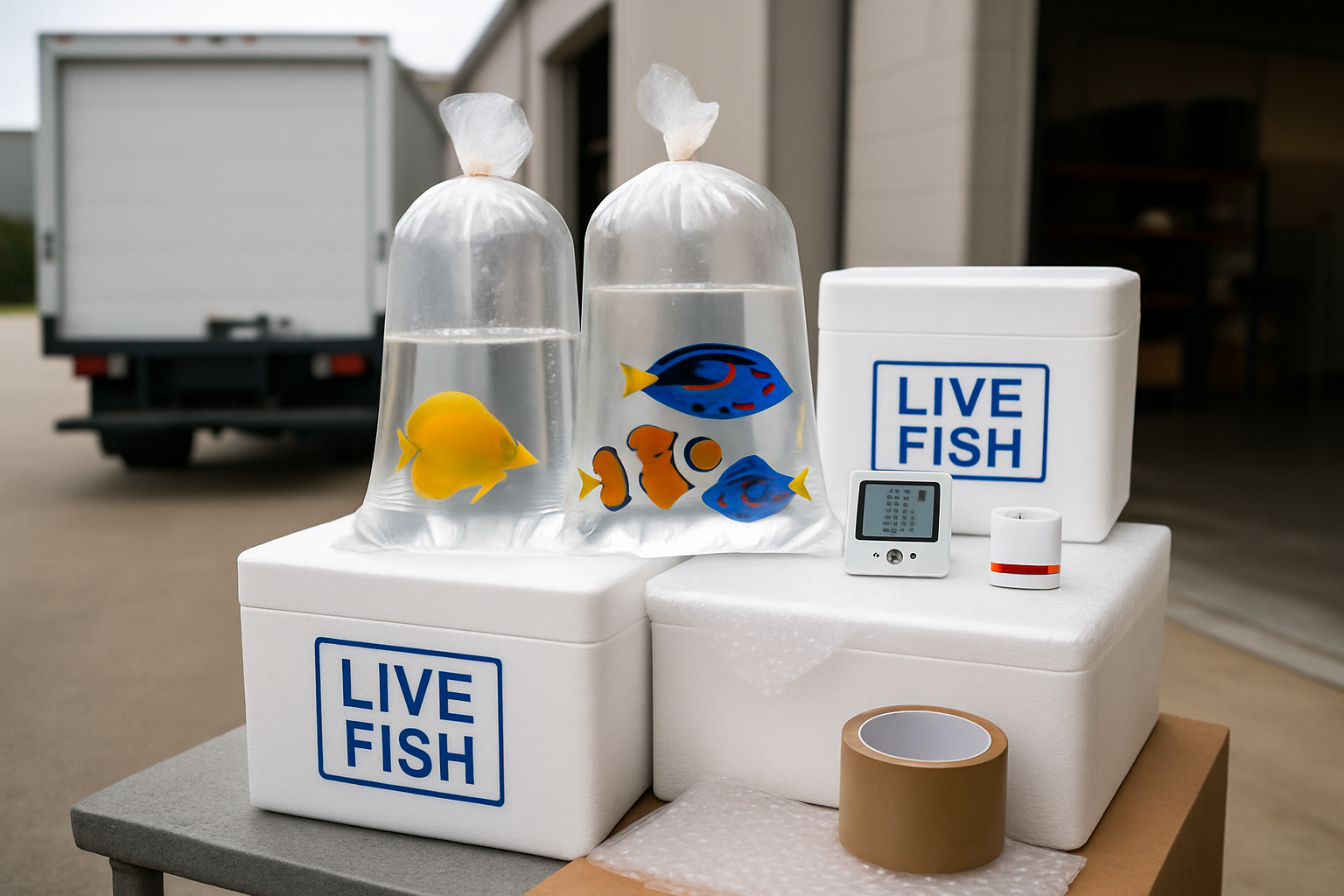
Live fish shipping represents one of the most complex logistics challenges in e-commerce. Understanding the process helps set appropriate expectations and ensures you’re prepared for successful receipt of your new fish.
Understanding Live Fish Shipping Logistics
Professional fish shipping involves sophisticated systems developed over decades of experience. Reputable retailers have refined their processes to maximize survival rates while minimizing stress on shipped animals.
Pre-Shipping Preparation:
- Fasting period of 24-48 hours reduces waste production during transit
- Water quality optimization ensures fish are in peak condition
- Health screening confirms fish are suitable for shipping stress
- Weather monitoring prevents shipping during extreme conditions
- Route planning selects optimal shipping paths and timing
Packaging Specifications:
- Insulated containers maintain stable temperatures
- Oxygen injection provides life support for extended periods
- Stress-reducing additives help fish cope with shipping trauma
- Cushioning materials prevent injury from movement
- Temperature monitoring tracks conditions throughout journey
Shipping Timing:
- Tuesday-Thursday departures avoid weekend delays
- Morning flights provide fastest transit times
- Weather considerations prevent extreme temperature exposure
- Holiday awareness avoids shipping during service disruptions
- Destination climate influences packaging requirements
Delivery Day Preparation
Successful delivery requires coordination between shipper, carrier, and recipient. Being prepared ensures immediate proper handling of live animals.
Pre-Delivery Checklist:
- Confirm delivery address and ensure someone will be present
- Prepare quarantine tank with stable, appropriate conditions
- Gather acclimation supplies including airline tubing and test kits
- Clear schedule to provide immediate attention to arriving fish
- Have retailer contact information readily available for questions
Upon Delivery:
- Inspect packaging for damage or temperature concerns
- Open boxes immediately to assess fish condition
- Document any issues with photos for retailer communication
- Begin acclimation process without delay
- Contact retailer to confirm successful delivery
Live Arrival Guarantees
Reputable retailers stand behind their livestock with comprehensive live arrival guarantees. Understanding these policies protects your investment and ensures recourse if problems occur.
Standard Guarantee Terms:
- Live arrival within specified timeframe (usually 24-48 hours)
- Proper packaging with adequate oxygen and temperature control
- Weather restrictions limiting shipping during extreme conditions
- Delivery confirmation requiring signature upon receipt
- Documentation requirements for any mortality claims
Claim Procedures:
- Immediate notification of any dead or dying fish
- Photo documentation showing fish condition upon arrival
- Packaging inspection to verify proper shipping methods
- Water testing of shipping water if requested
- Replacement or refund according to retailer policy
Factors Affecting Guarantees:
- Shipping delays beyond retailer control may void guarantees
- Incorrect delivery addresses can invalidate coverage
- Extreme weather conditions may pause shipping entirely
- Customer availability for immediate receipt often required
- Proper acclimation may be required to maintain guarantee coverage
Seasonal Shipping Considerations
Weather patterns significantly impact live fish shipping success. Professional retailers adjust their practices seasonally to maintain high survival rates year-round.
Summer Shipping Challenges:
- Extreme heat requires enhanced cooling systems
- Airport delays can expose packages to dangerous temperatures
- Increased shipping costs due to specialized cooling requirements
- Limited shipping windows during heat waves
- Regional restrictions in areas with extreme temperatures
Winter Shipping Adaptations:
- Heat packs maintain minimum temperatures during cold snaps
- Insulation upgrades protect against freezing conditions
- Route modifications avoid areas with severe weather
- Extended transit allowances account for weather delays
- Communication increases to coordinate around storm systems
Optimal Shipping Seasons:
- Spring and fall provide most stable shipping conditions
- Moderate temperatures reduce stress on shipped fish
- Reliable weather patterns minimize shipping disruptions
- Lower shipping costs due to reduced special handling needs
- Higher success rates benefit both retailers and customers
Understanding these seasonal patterns helps plan purchases for optimal success. Many experienced aquarists time major fish purchases for spring and fall when shipping conditions are most favorable.
Care and Maintenance After Purchase
Post-purchase care determines long-term success with your new marine fish. The transition from shipping to permanent home requires careful attention and gradual adjustment to ensure optimal health and behavior.
Initial Quarantine and Observation
Quarantine remains essential even when purchasing from reputable online retailers. This period allows close observation while protecting existing tank inhabitants from potential diseases or parasites.
Quarantine Setup Optimization:
- Bare bottom tanks facilitate easy cleaning and observation
- Simple filtration prevents stress while maintaining water quality
- Adequate hiding places using PVC pipes or ceramic decorations
- Stable lighting on consistent photoperiod
- Easy access for feeding and maintenance
Daily Observation Protocol:
- Feeding response indicates stress levels and health status
- Swimming patterns reveal territorial or health issues
- Physical examination for signs of disease or injury
- Waste production monitors digestive health
- Behavioral changes may indicate developing problems
Common Quarantine Issues:
- Shipping stress may reduce appetite for several days
- Territorial behavior in multi-species quarantine setups
- Water quality fluctuations in smaller quarantine systems
- Disease manifestation after shipping stress weakens immunity
- Feeding competition between different species
Feeding and Nutrition
Proper nutrition accelerates recovery from shipping stress and establishes healthy growth patterns. Marine fish have diverse dietary requirements that must be understood for long-term success.
Feeding Schedule Development:
- Small frequent meals reduce waste and improve digestion
- 2-3 feedings daily for most marine species
- Varied diet rotation prevents nutritional deficiencies
- Feeding time consistency establishes routine and reduces stress
- Quantity monitoring prevents overfeeding and water quality issues
Food Type Selection:
- High-quality pellets provide balanced nutrition as staple diet
- Frozen foods offer natural nutrition and feeding stimulation
- Live foods encourage natural hunting behaviors
- Vegetable matter essential for herbivorous species
- Supplemental vitamins support immune system function
Species-Specific Requirements:
- Herbivorous fish require constant access to algae and vegetables
- Carnivorous species need protein-rich diets with variety
- Planktivorous fish benefit from small, frequent feedings
- Specialized feeders may require live or specific food types
- Juvenile fish need more frequent feeding than adults
Integration into Main Display Tank
Successful integration requires careful planning and gradual introduction to minimize territorial disputes and stress. The process varies depending on existing tank inhabitants and new fish characteristics.
Pre-Integration Assessment:
- Compatibility verification with existing fish species
- Size relationships to prevent predation or bullying
- Territorial considerations based on fish behavior patterns
- Tank capacity evaluation for bioload and swimming space
- Feeding competition analysis for multiple species
Introduction Strategies:
- Simultaneous introduction of multiple new fish reduces targeting
- Rearranging decorations disrupts established territories
- Feeding distractions during introduction reduces aggression
- Monitoring periods with intervention capability if needed
- Backup plans including return to quarantine if necessary
Post-Integration Monitoring:
- Feeding behavior ensures all fish receive adequate nutrition
- Territorial establishment without excessive aggression
- Stress indicators like rapid breathing or hiding
- Physical condition monitoring for signs of bullying or disease
- Long-term adaptation over several weeks
Long-Term Health Management
Preventive care proves more effective and economical than treating diseases after they develop. Establishing good husbandry practices from the beginning ensures long-term success.
Water Quality Maintenance:
- Regular testing of critical parameters
- Consistent water changes to remove accumulated waste
- Equipment maintenance ensuring optimal filtration performance
- Parameter stability more important than absolute values
- Record keeping to track trends and identify problems early
Nutrition Management:
- Diet variety prevents nutritional deficiencies
- Feeding amount adjusted based on fish condition and growth
- Food quality using fresh, properly stored foods
- Supplementation with vitamins and immune boosters
- Feeding observation to ensure all fish receive adequate nutrition
Disease Prevention:
- Quarantine protocols for all new additions
- Stress reduction through proper environment and care
- Water quality maintenance as primary disease prevention
- Early intervention at first signs of problems
- Professional consultation with marine veterinarians when needed
Environmental Enrichment:
- Appropriate decorations providing natural behaviors
- Swimming space adequate for species requirements
- Lighting cycles mimicking natural photoperiods
- Water movement creating current patterns fish expect
- Social groupings appropriate for schooling species
Troubleshooting Common Issues
Even well-planned purchases can encounter challenges. Understanding common problems and their solutions helps ensure successful outcomes when issues arise.
Shipping-Related Problems
Shipping stress affects most fish to some degree, but severe problems require immediate intervention. Recognizing and addressing these issues quickly can save fish that might otherwise be lost.
Temperature Shock Symptoms:
- Rapid breathing or gasping at surface
- Loss of balance or unusual swimming patterns
- Color changes often darkening or fading
- Lethargy or complete lack of movement
- Refusal to eat for extended periods
Temperature Shock Treatment:
- Gradual adjustment never rush temperature changes
- Stable conditions avoid further parameter swings
- Reduced lighting to minimize additional stress
- Excellent water quality support fish’s recovery efforts
- Patience recovery may take several days
Oxygen Deprivation Signs:
- Surface gasping indicates insufficient dissolved oxygen
- Rapid gill movement showing respiratory distress
- Sluggish behavior from reduced energy levels
- Poor coordination affecting swimming ability
Oxygen Recovery Protocol:
- Immediate aeration using airstone or powerhead
- Cool water holds more dissolved oxygen
- Reduced bioload temporarily if multiple fish affected
- Water changes with well-aerated replacement water
- Monitor closely for improvement over 24-48 hours
Acclimation Difficulties
Acclimation problems often stem from significant parameter differences between shipping water and destination tank. Careful adjustment prevents additional stress.
pH Shock Prevention:
- Test shipping water to understand parameter differences
- Extended acclimation for significant pH differences
- Buffer additions to gradually adjust shipping water pH
- Intermediate containers for extreme adjustments
- Professional consultation for unusual parameter situations
Salinity Adjustment Issues:
- Gradual changes over extended periods
- Refractometer verification of both shipping and tank water
- Intermediate salinity levels during adjustment
- Stress reduction through minimal handling
- Recovery monitoring after final transfer
Feeding and Behavioral Issues
New fish often refuse food initially due to shipping stress and unfamiliar environment. Distinguishing normal adjustment from serious problems requires experience and observation.
Normal Adjustment Behaviors:
- Hiding for first 24-48 hours after introduction
- Cautious feeding or food refusal for several days
- Exploration of new environment gradually increasing
- Color changes often temporary during stress periods
- Territorial establishment through positioning and displays
Concerning Behaviors:
- Continuous hiding beyond first week
- Complete food refusal for more than 3-4 days
- Aggressive behavior toward tank mates or self-injury
- Physical symptoms like spots, torn fins, or breathing difficulties
- Lethargy with no interest in surroundings
Feeding Stimulation Techniques:
- Live foods often trigger feeding response in reluctant fish
- Familiar foods similar to what retailer was feeding
- Feeding time adjustments to fish’s natural activity periods
- Competition from other fish may stimulate feeding
- Environmental changes like water flow or lighting adjustments
Disease and Health Problems
Disease symptoms may appear days or weeks after arrival as shipping stress weakens immune systems. Early recognition and treatment improve success rates significantly.
Common Post-Shipping Diseases:
- Marine ich (white spot disease) from stress and temperature changes
- Bacterial infections in damaged fins or gills
- Fungal problems in fish with compromised immune systems
- Parasitic infections that become apparent after stress
- Secondary infections following initial health problems
Treatment Approaches:
- Quarantine isolation prevents spread to other fish
- Water quality optimization supports natural healing
- Specific medications targeted to identified problems
- Professional diagnosis for unusual or persistent issues
- Supportive care including optimal nutrition and environment
Prevention Strategies:
- Proper quarantine for all new fish
- Stress reduction through appropriate environment
- Excellent water quality as foundation of fish health
- Gradual changes to prevent additional stress
- Regular monitoring for early problem detection
Conclusion
The world of marina fish for sale online has revolutionized how we build and maintain saltwater aquariums. From the convenience of browsing hundreds of species from home to accessing rare specimens unavailable locally, online retailers have opened unprecedented possibilities for marine aquarists at every level.
Success with online fish purchases depends on careful preparation, choosing reputable retailers, and following proper protocols for shipping, acclimation, and ongoing care. The investment in quality equipment, proper quarantine facilities, and understanding of marine fish requirements pays dividends in fish health and long-term enjoyment.
Whether you’re just beginning your saltwater journey with hardy clownfish or seeking exotic specimens to complete an advanced reef system, the online marketplace provides access to marine life that was unimaginable just decades ago. By following the guidelines outlined in this comprehensive guide, you’ll be well-equipped to make informed decisions and provide excellent care for your new aquatic companions.
Take action today by researching reputable online retailers, preparing your quarantine system, and planning your first online fish purchase. The vibrant underwater world awaits, and with proper preparation and care, you can successfully bring the ocean’s most beautiful creatures into your home aquarium.
Remember that building relationships with trusted suppliers, maintaining excellent water quality, and continuing your education about marine fish care will ensure years of success and enjoyment with your saltwater aquarium. The journey of marine fishkeeping is one of continuous learning and discovery, made more accessible than ever through the convenience and selection of marina fish for sale online.