
The Complete Marine Clownfish Breeding Guide 2026: Expert Techniques for Successful Aquaculture
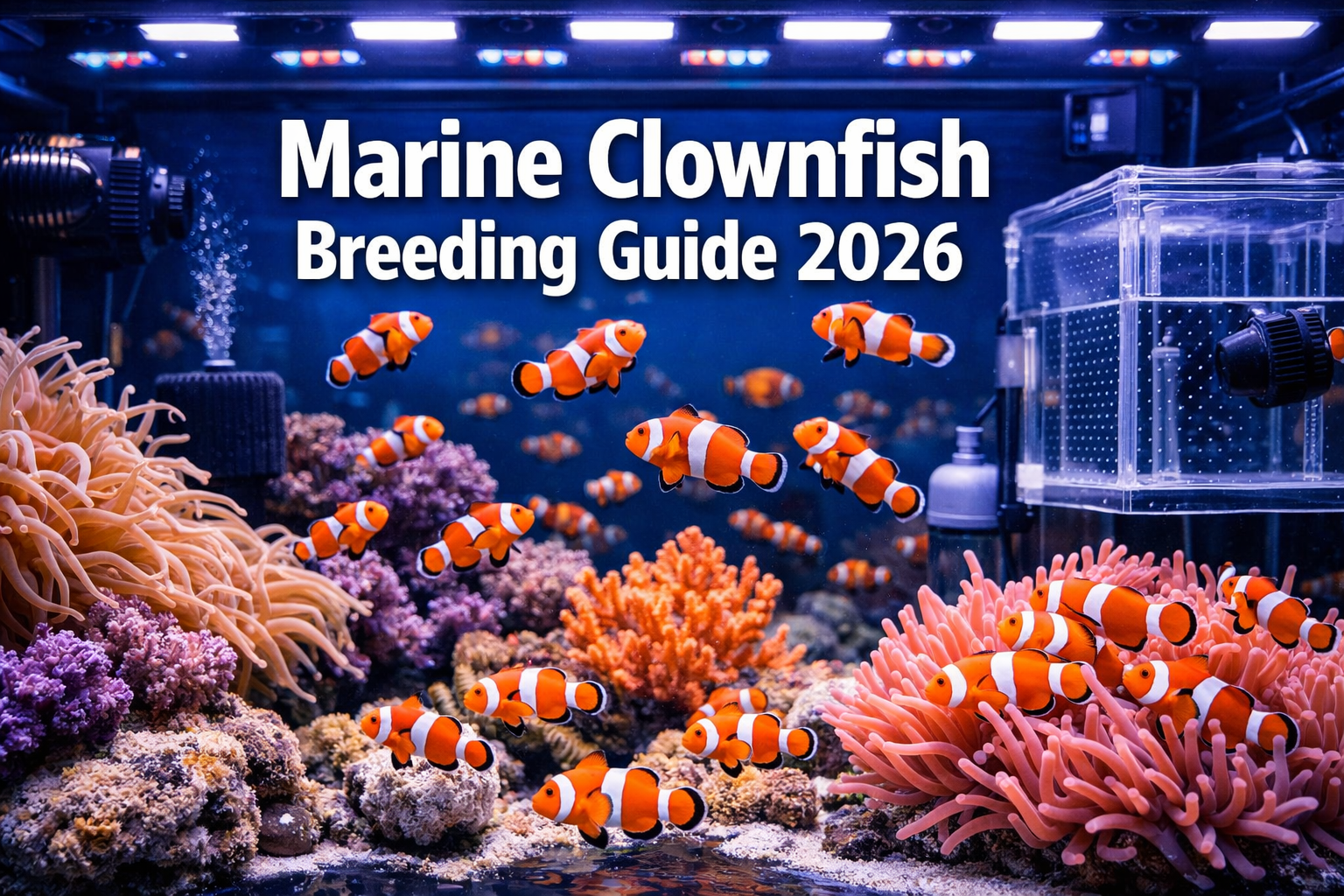
Picture this: You’re watching a pair of vibrant clownfish tenderly caring for their clutch of bright orange eggs, nestled safely in your own home aquarium. What once seemed like an impossible dream for hobbyists has become an achievable reality in 2026. This comprehensive marine clownfish breeding guide 2026 will transform you from a curious observer into a confident clownfish breeder, equipped with the latest techniques and scientific insights that professional marine biologists use today.
The art and science of clownfish breeding has evolved dramatically over the past few years, with breakthrough discoveries in larval nutrition, advanced filtration systems, and LED lighting technology revolutionizing how we approach marine aquaculture. Whether you’re a seasoned saltwater enthusiast or just beginning your journey into marine fish keeping, this guide provides everything you need to successfully breed these beloved fish in 2026.
- Display 21 Products per page




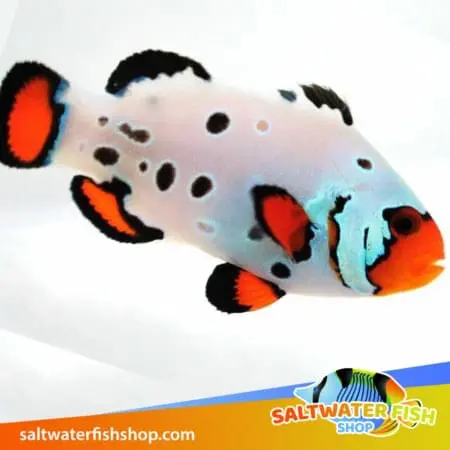
Key Takeaways
• Modern breeding success rates have increased to 80-90% with proper setup and techniques, making clownfish breeding more accessible than ever before
• Advanced LED lighting systems and refugium technology are essential components for successful breeding programs in 2026
• Professional-grade filtration including protein skimmers and algae scrubbers significantly improve fry survival rates
• Specialized nutrition protocols using live foods and enriched diets are crucial during the first 30 days of fry development
• Water parameter stability remains the most critical factor, with automated monitoring systems now making this easier to maintain
Understanding Clownfish Biology and Breeding Behavior in 2026
The Science Behind Clownfish Reproduction
Clownfish are sequential hermaphrodites, meaning they can change sex based on social hierarchy and environmental conditions. In any breeding pair, the larger fish becomes the female while the smaller remains male. This fascinating biological adaptation has made clownfish one of the most successful species for captive breeding programs.
Modern marine biology research has revealed that temperature fluctuations of just 2°F can trigger spawning behavior [1]. Professional breeders now use precision heaters and controllers to create these subtle environmental cues, dramatically increasing breeding success rates.
The breeding cycle typically follows this pattern:
- Courtship phase: 3-7 days of increased activity and territory preparation
- Spawning: Usually occurs in early morning, lasting 1-2 hours
- Egg development: 6-11 days depending on water temperature
- Hatching: Occurs at night, triggered by darkness
Selecting the Right Breeding Pair
When choosing your breeding stock, I recommend working with reputable suppliers who offer captive bred saltwater fish for sale. Captive-bred clownfish adapt better to aquarium conditions and typically show stronger breeding instincts than wild-caught specimens.
Key characteristics of quality breeding stock:
- Age: 12-18 months old for optimal fertility
- Size difference: Female should be 25-30% larger than male
- Health indicators: Bright coloration, active swimming, healthy appetite
- Genetic diversity: Avoid inbred lines when possible
The most popular species for breeding include:
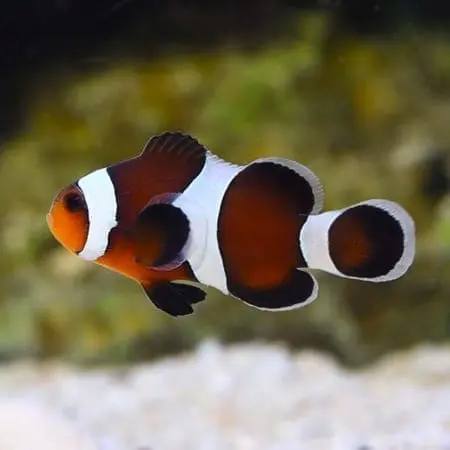
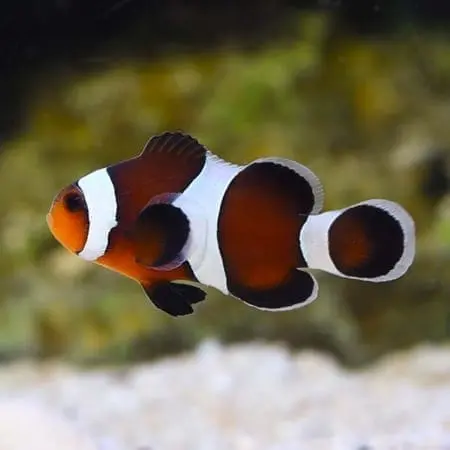
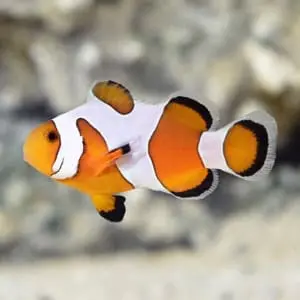
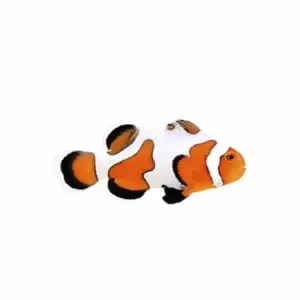
- Ocellaris Clownfish (Amphiprion ocellaris) – Easiest for beginners
- Percula Clownfish (Amphiprion percula) – Slightly more challenging but rewarding
- Maroon Clownfish (Premnas biaculeatus) – Larger eggs, easier fry handling
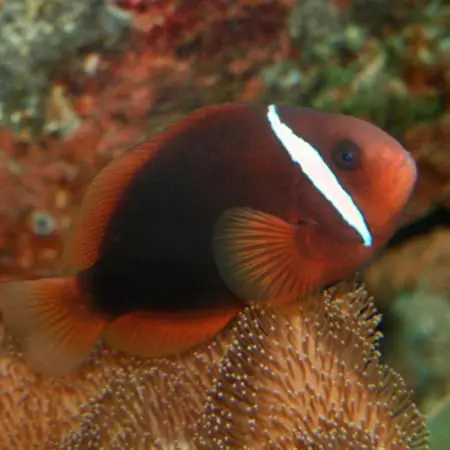
- Tomato Clownfish (Amphiprion frenatus) – Hardy and prolific breeders
Setting Up Your Marine Clownfish Breeding System for 2026
Essential Equipment and Tank Requirements
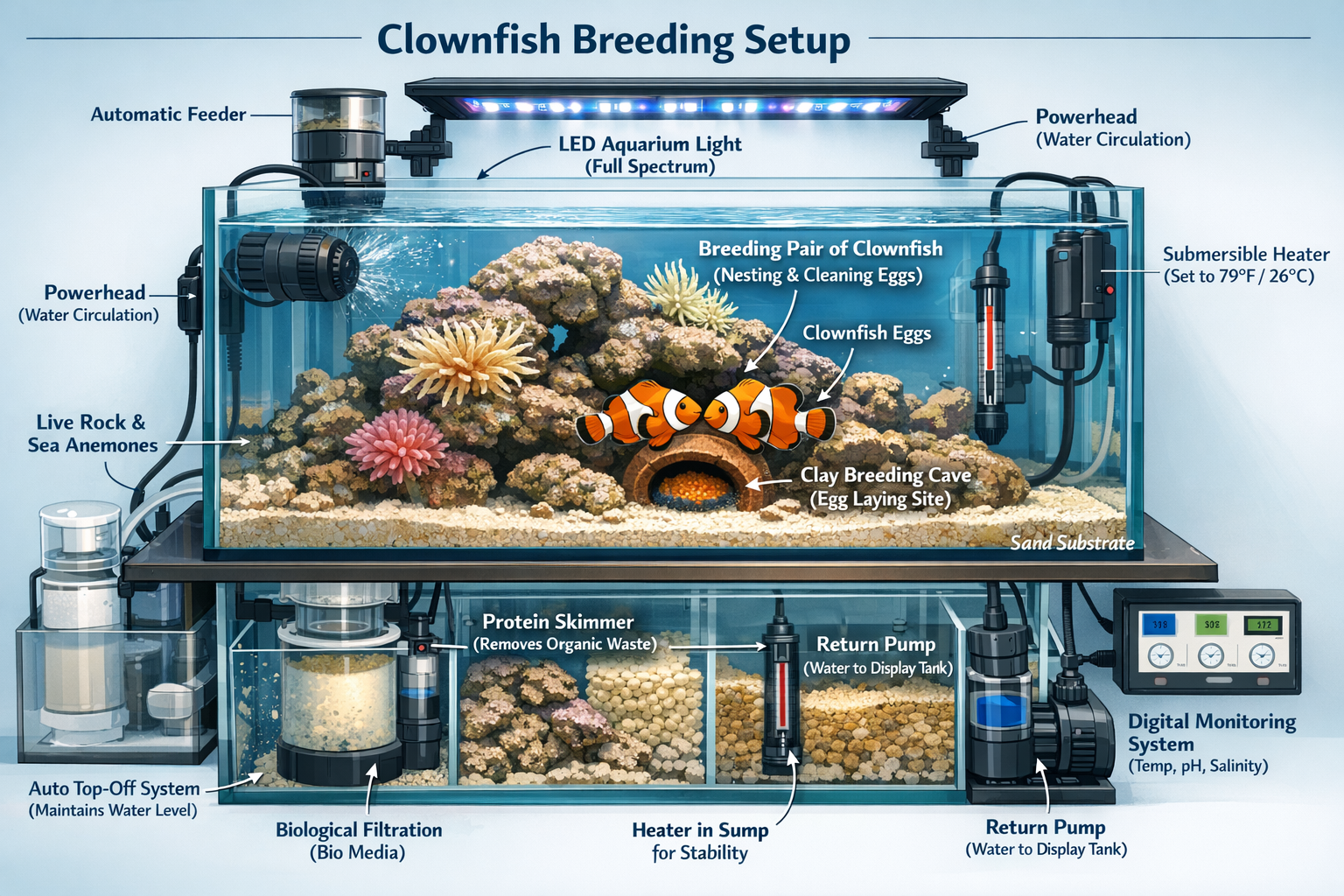
Creating the perfect breeding environment requires careful planning and investment in quality equipment. Based on my experience working with marine biologists and successful breeders, here’s what you’ll need for a professional-grade setup:
Primary Breeding Tank Specifications:
- Size: Minimum 40 gallons for breeding pair, 75+ gallons preferred
- Shape: Longer tanks (48″ x 18″ x 16″) work better than tall tanks
- Material: Glass preferred for chemical stability and easy cleaning
Advanced Filtration Systems for Breeding Success
The filtration system is the heart of any successful breeding operation. In 2026, the most effective setups combine multiple filtration methods for optimal water quality:
Protein Skimming Technology
Modern protein skimmers use needle-wheel impellers and DC motors for precise foam production. I recommend sizing your skimmer for 2-3 times your tank volume to handle the increased bioload during breeding periods.
Refugium Integration
A properly designed refugium serves multiple purposes:
- Biological filtration through live rock and sand beds
- Nutrient export via macro algae cultivation
- Copepod production for natural fry food
- pH stabilization through photosynthesis
Algae Scrubber Systems
Algae scrubbers have gained popularity among professional breeders for their ability to remove nitrates and phosphates while producing oxygen. The latest models use LED grow lights and automated cleaning cycles.
| Filtration Method | Primary Benefit | Maintenance Level | Cost Range |
|---|---|---|---|
| Protein Skimmer | Organic waste removal | Low | $200-800 |
| Refugium | Biological stability | Medium | $150-500 |
| Algae Scrubber | Nutrient export | Low | $300-1200 |
| UV Sterilizer | Pathogen control | Low | $100-400 |
LED Lighting Revolution in Marine Breeding
The lighting technology available in 2026 has transformed how we approach marine fish breeding. Full-spectrum LED systems now offer:
Programmable Photoperiods
- Dawn/dusk simulation triggers natural breeding behaviors
- Seasonal variations can induce spawning cycles
- Red light modes for nighttime observation without stress
Spectrum Optimization
Modern LEDs provide precise control over:
- Blue spectrum (420-480nm) for coral health and natural behavior
- White spectrum (5000-10000K) for optimal fish coloration
- UV spectrum (380-420nm) for enhanced immune function
Popular LED Systems for Breeding:
- AI Hydra 64 HD – Professional choice with wireless control
- Kessil AP9X – Excellent color mixing and shimmer effect
- Radion XR30 G6 – Industry standard with proven results
- Philips CoralCare – Research-grade spectrum control
Water Chemistry and Environmental Controls
Critical Parameters for Breeding Success
Maintaining stable water parameters is absolutely crucial for successful clownfish breeding. Even minor fluctuations can stress breeding pairs and harm developing fry. Here are the optimal ranges based on current marine biology research:
Essential Water Parameters:
- Temperature: 78-82°F (25.5-27.8°C)
- Salinity: 1.025-1.026 specific gravity
- pH: 8.1-8.4 (stable is more important than perfect)
- Alkalinity: 8-12 dKH
- Ammonia/Nitrite: 0 ppm (non-detectable)
- Nitrate: <10 ppm for breeding, <5 ppm for fry
Advanced Monitoring Systems
In 2026, automated monitoring has become affordable and reliable. I recommend investing in systems that can:
- Track parameters 24/7 with smartphone alerts
- Log data automatically for trend analysis
- Control equipment based on readings
- Send notifications for out-of-range conditions
Creating the Perfect Breeding Environment
Substrate and Decoration Choices
- Fine sand bed: 2-3 inches for biological filtration
- Live rock structures: Provide territories and spawning sites
- Breeding tiles: Smooth surfaces like ceramic tiles or PVC for egg laying
- Anemone hosts: Not required but can encourage natural behavior
Water Flow Considerations
Proper circulation is essential but must be gentle enough for fry survival:
- Main tank flow: 10-20x turnover rate
- Spawning area: Reduced flow zones near breeding sites
- Surface agitation: Moderate for gas exchange without creating turbulence
For those interested in learning more about marine fish care, I recommend exploring comprehensive guides on angelfish care to understand broader marine fish husbandry principles.
The Breeding Process: From Courtship to Spawning
Recognizing Pre-Spawning Behavior
Successfully breeding clownfish requires careful observation of behavioral changes that indicate an impending spawn. In my experience, these signs typically appear 3-7 days before spawning:
Courtship Behaviors to Watch For:
- Increased aggression toward tank mates
- Territory cleaning around potential spawning sites
- Fin displays and side-by-side swimming
- Nest preparation with vigorous cleaning of surfaces
- Color intensification especially in the female
Environmental Triggers
Professional breeders often manipulate environmental conditions to encourage spawning:
- Temperature increase of 2-3°F over 24 hours
- Increased feeding with high-quality foods
- Photoperiod adjustment mimicking seasonal changes
- Water changes with slightly cooler water to simulate rainfall
The Spawning Event
Clownfish typically spawn in the early morning hours, usually within 2 hours of the lights coming on. The process follows a predictable pattern:
Spawning Timeline:
- Pre-dawn preparation (30-60 minutes before lights)
- Initial egg laying (female deposits eggs in rows)
- Fertilization (male follows behind fertilizing eggs)
- Completion (entire process takes 1-2 hours)
- Guarding behavior (both parents protect the nest)
Egg Characteristics:
- Color: Bright orange when fresh, darkening as they develop
- Size: 3-4mm in length, oval-shaped
- Number: 100-1000+ eggs depending on female size and condition
- Attachment: Firmly attached to substrate via adhesive threads
Caring for Developing Eggs
Once spawning is complete, the real work begins. Both parents will guard the eggs aggressively, but proper aquarium management is crucial for success.
Daily Egg Care Routine:
- Morning inspection for fungused or dead eggs
- Water quality testing (ammonia, nitrite, pH)
- Gentle cleaning around nest site if needed
- Feeding parents high-quality foods away from nest
- Photo documentation to track development progress
Common Problems and Solutions:
| Problem | Cause | Solution |
|---|---|---|
| Fungused eggs | Poor water quality | Increase water changes, improve filtration |
| Eaten eggs | Stress or inexperience | Reduce disturbances, ensure proper nutrition |
| Failed fertilization | Male inexperience | Allow natural learning, consider different male |
| Premature hatching | Temperature fluctuation | Stabilize heater, check controller |
Fry Development and Rearing Techniques
Preparing for Hatching Night
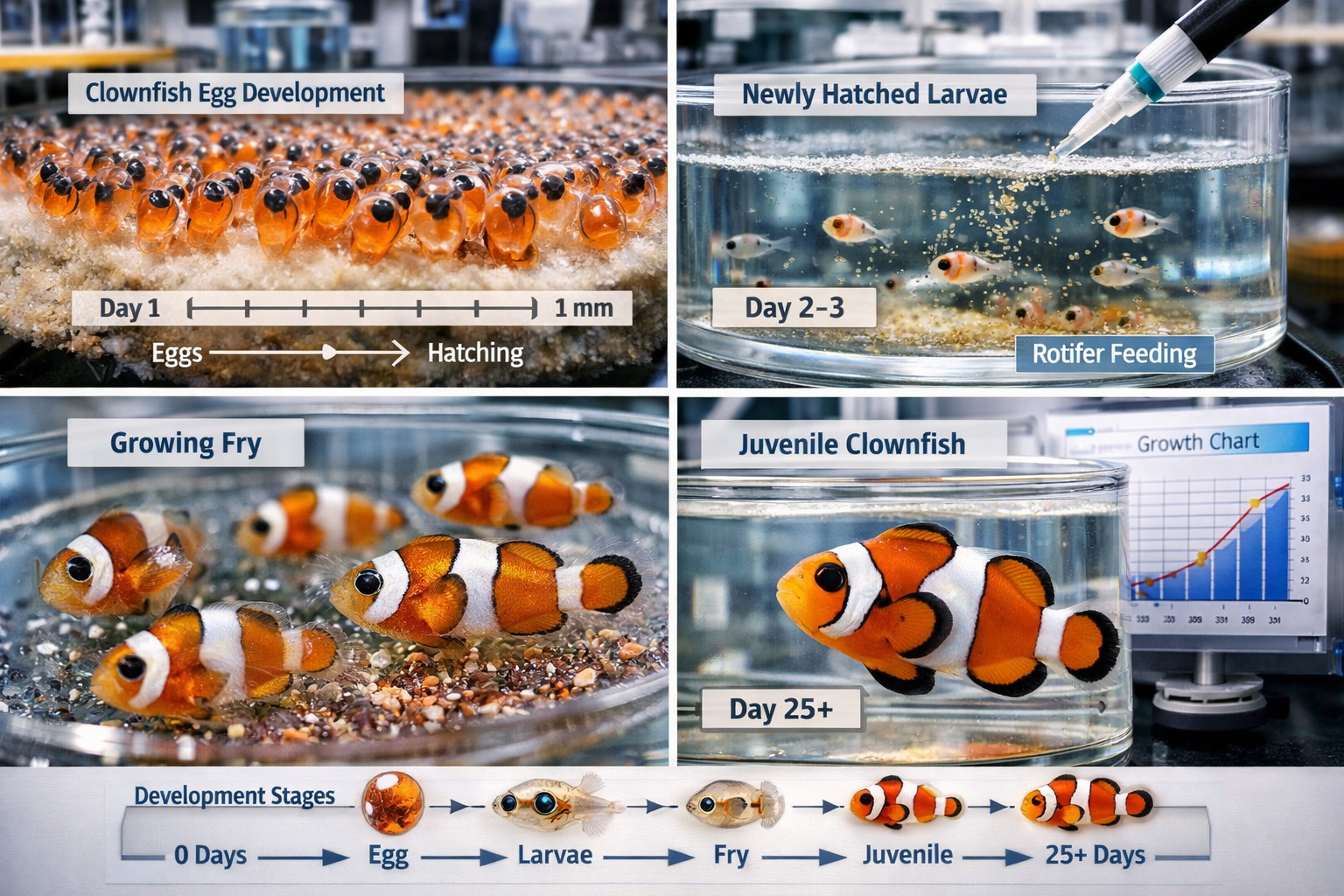
Clownfish eggs typically hatch 6-11 days after spawning, depending on water temperature. Warmer water (82°F) results in faster development, while cooler temperatures (78°F) slow the process. The hatching always occurs at night, usually 1-3 hours after lights out.
Pre-Hatching Preparation Checklist:
- Larval rearing tank set up and cycled
- Live food cultures ready and producing
- Collection equipment prepared (fine nets, containers)
- Backup power systems tested
- Emergency contact information for marine biologist consultation
Many successful breeders work with professional facilities that have marine fish for sale and can provide expert guidance during critical hatching periods.
Larval Collection and Transfer
Collection Methods:
The most effective approach involves using the fry’s natural phototactic behavior (attraction to light):
- Light trap method: Use a flashlight or LED to attract newly hatched fry
- Gentle siphoning: Carefully transfer fry with airline tubing
- Fine mesh collection: Use 500-micron mesh to capture without damage
- Minimal handling: Reduce stress through quick, efficient transfer
Rearing Tank Setup:
- Size: 10-20 gallons for 100-200 fry
- Shape: Round or cylindrical tanks prevent dead zones
- Filtration: Gentle sponge filters or air-driven systems
- Lighting: 24-hour illumination for first 2 weeks
- Water source: Aged water from parent tank
Fry Nutrition and Feeding Protocols
Critical First Feeding Window
Clownfish fry have a small yolk sac that sustains them for only 3-4 days. The first feeding is absolutely critical and must begin before the yolk sac is completely absorbed.
Live Food Requirements:
- Rotifers (Days 1-14): Primary food source, 5-10 per ml density
- Baby brine shrimp (Days 10-21): Introduced gradually as fry grow
- Copepod nauplii (Days 15+): Excellent for growth and coloration
- Enriched foods throughout: Enhance nutritional value with marine oils
Feeding Schedule:
- Days 1-7: Feed rotifers 3-4 times daily
- Days 8-14: Continue rotifers, introduce baby brine shrimp
- Days 15-21: Transition to primarily baby brine shrimp
- Days 22+: Begin introducing prepared foods
Nutritional Enrichment:
Modern aquaculture uses specialized enrichment products to boost the nutritional value of live foods:
- Marine algae concentrates for essential fatty acids
- Vitamin supplements for immune system development
- Probiotic additives for digestive health
🐠 Clownfish Fry Development Timeline
Advanced Breeding Techniques and Troubleshooting
Professional-Grade Culture Systems
As clownfish breeding has matured in 2026, professional aquaculturists have developed sophisticated systems that hobbyists can adapt for home use. These advanced techniques significantly improve success rates and fry quality.
Automated Feeding Systems
Modern breeding facilities use programmable feeders that deliver precise amounts of live food throughout the day:
- Rotifer dosing pumps maintain optimal densities
- Brine shrimp dispensers provide consistent nutrition
- Enrichment injection systems boost nutritional content automatically
Environmental Control Integration
Professional systems now integrate multiple environmental factors:
- Automated water changes (5-10% daily during rearing)
- Temperature ramping for seasonal breeding cycles
- Salinity adjustment for optimal larval development
- pH buffering systems for stability
Genetic Management and Line Development
Avoiding Inbreeding Depression
Successful breeding programs require careful genetic management:
- Record keeping of all breeding pairs and offspring
- Outcrossing with unrelated bloodlines every 3-4 generations
- Trait selection for desired characteristics
- Health screening to eliminate genetic defects
Color Variety Development
2026 has seen exciting developments in clownfish color varieties:
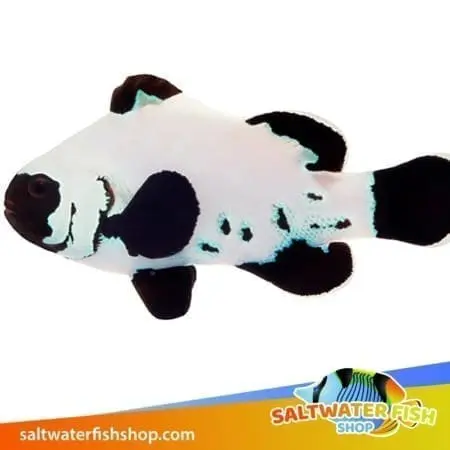
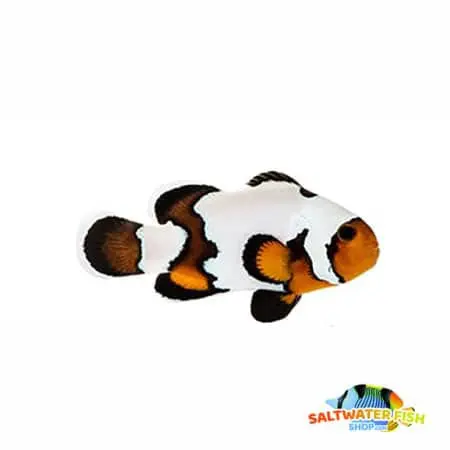
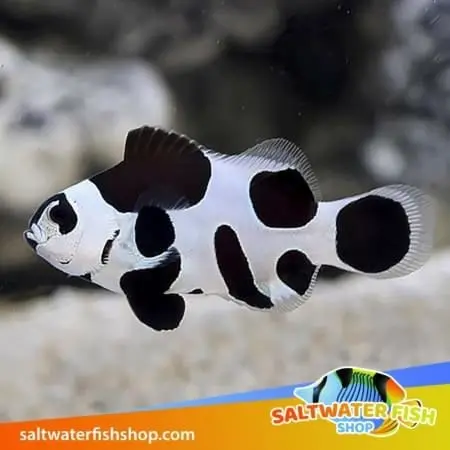
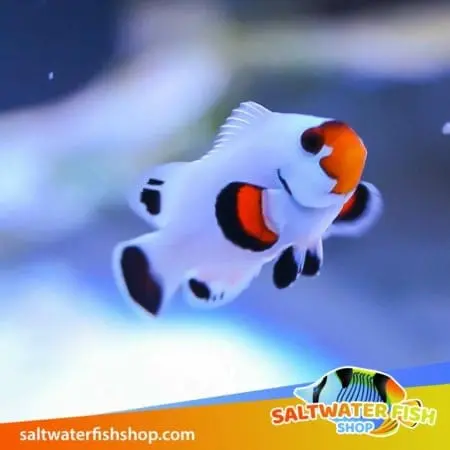
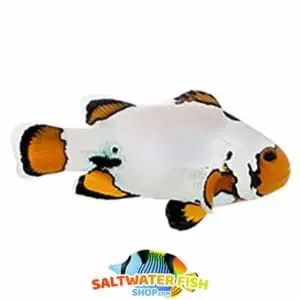
- Snowflake patterns – irregular white markings
- Picasso varieties – extended white coloration
- Lightning patterns – unique striping variations
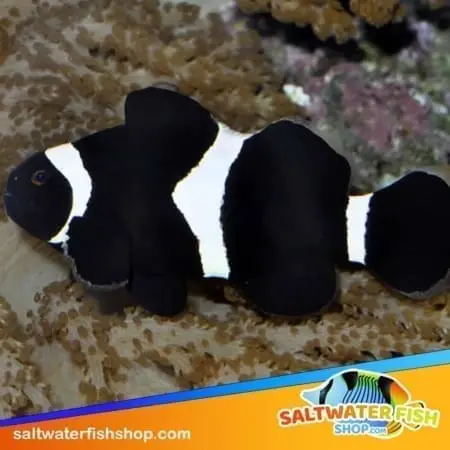
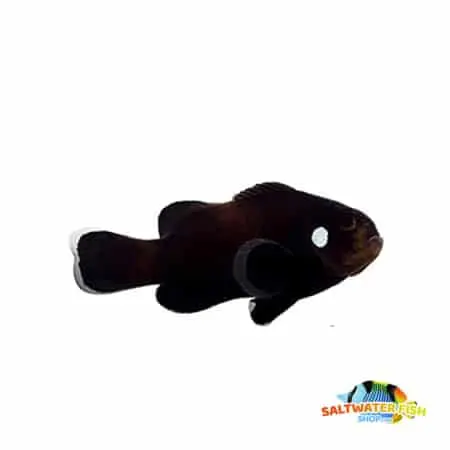
- Black varieties – melanistic forms
Common Breeding Challenges and Solutions
Even experienced breeders encounter challenges. Here are the most common issues and proven solutions:
Problem: Low Fertilization Rates
- Cause: Inexperienced male or poor water quality
- Solution: Improve nutrition, check water parameters, consider different pairing
Problem: High Fry Mortality
- Cause: Usually related to feeding or water quality
- Solution: Increase feeding frequency, improve live food quality, enhance filtration
Problem: Inconsistent Spawning
- Cause: Environmental stress or nutritional deficiency
- Solution: Stabilize conditions, enhance diet with marine oils and vitamins
Problem: Fungal Infections in Eggs
- Cause: Poor water quality or damaged eggs
- Solution: Increase water changes, improve circulation, remove damaged eggs
For those experiencing persistent issues, consulting with facilities that specialize in marine fish breeding can provide valuable expert guidance.
Commercial Considerations and Market Opportunities
The Growing Market for Captive-Bred Clownfish
The marine aquarium industry has shifted dramatically toward captive-bred fish, creating significant opportunities for skilled breeders. In 2026, the demand for high-quality, locally-bred clownfish continues to grow as hobbyists recognize the benefits of captive-bred specimens.
Market Advantages of Captive-Bred Fish:
- Better adaptation to aquarium conditions
- Reduced disease risk compared to wild-caught specimens
- Consistent availability regardless of collection restrictions
- Ethical considerations supporting sustainable practices
- Premium pricing for quality breeding stock
Pricing Structure for 2026:
| Variety | Juvenile Price | Breeding Pair | Market Demand |
|---|---|---|---|
| Standard Ocellaris | $15-25 | $60-100 | High |
| Premium Ocellaris | $30-50 | $120-200 | Very High |
| Picasso Varieties | $75-150 | $300-600 | Moderate |
| Designer Morphs | $200-500 | $800-2000 | Specialized |
Building Relationships with Local Fish Stores
Successful commercial breeding requires strong relationships with retailers. Many online fish stores now work directly with local breeders to provide fresh, healthy stock to customers.
Key Factors for Retail Success:
- Consistent quality and health standards
- Reliable supply meeting delivery commitments
- Proper documentation including health certificates
- Competitive pricing while maintaining quality
- Professional presentation with proper packaging
Scaling Production Systems
Small-Scale Operations (100-500 fry per month):
- Equipment investment: $2,000-5,000
- Space requirements: 100-200 square feet
- Time commitment: 10-15 hours per week
- Potential revenue: $1,500-4,000 monthly
Medium-Scale Operations (500-2000 fry per month):
- Equipment investment: $10,000-25,000
- Space requirements: 500-1000 square feet
- Time commitment: 30-40 hours per week
- Potential revenue: $6,000-15,000 monthly
Nutrition and Diet Optimization for Breeding Success
Adult Breeding Stock Nutrition
Proper nutrition is fundamental to successful breeding. In 2026, we understand much more about the specific nutritional requirements of breeding clownfish, thanks to advances in marine nutrition research.
Essential Dietary Components:
- High-quality proteins (45-55% of diet) for egg production
- Marine lipids rich in omega-3 fatty acids for egg quality
- Carotenoids for vibrant coloration and immune function
- Vitamins and minerals for overall health and fertility
Recommended Feeding Schedule for Breeding Pairs:
- Morning: High-quality pellets with marine oils
- Midday: Frozen mysis shrimp or chopped seafood
- Evening: Enriched brine shrimp or copepods
- Weekly treats: Fresh seafood like clams or fish
Conditioning Foods for Pre-Spawning:
Professional breeders often use specialized conditioning diets 2-3 weeks before expected spawning:
- Live blackworms – high in protein and fats
- Enriched adult brine shrimp – stimulates spawning behavior
- Marine algae supplements – provides essential fatty acids
- Vitamin-enriched foods – supports egg development
For comprehensive information about marine fish nutrition, exploring resources on cardinal fish diet can provide additional insights into optimal feeding practices.
Live Food Culture Management
Rotifer Cultures
Rotifers (Brachionus plicatilis) remain the gold standard for first feeding:
- Culture medium: Marine algae or commercial rotifer food
- Density maintenance: 100-300 rotifers per ml
- Harvesting: Daily collection maintaining culture stability
- Enrichment: 12-24 hours before feeding to fry
Brine Shrimp Production
Artemia nauplii provide excellent nutrition for growing fry:
- Hatching containers: Cone-shaped for optimal aeration
- Salinity requirements: 25-35 ppt for best hatch rates
- Temperature control: 82-86°F for 18-24 hour hatching
- Separation techniques: Light attraction for clean harvest
Copepod Cultivation
Copepods offer superior nutrition and are increasingly popular:
- Species selection: Tisbe, Tigriopus, or Acartia
- Culture systems: Simple containers with gentle aeration
- Food sources: Marine algae or commercial copepod food
- Harvest methods: Gentle siphoning to preserve live specimens
Equipment Recommendations and Setup Guides
Essential Equipment for 2026 Breeding Operations
The technology available to marine fish breeders has advanced significantly, making successful breeding more achievable than ever before. Here’s my recommended equipment list based on current best practices:
Primary Life Support Systems:
- Protein Skimmers: Reef Octopus or Bubble King models for reliability
- Return Pumps: DC controllable pumps like Varios or Red Dragon
- Heaters: Titanium heaters with digital controllers (Finnex or Eheim)
- Powerheads: Controllable flow pumps like EcoTech Vortech or Tunze
Water Quality Monitoring:
- Multi-parameter controllers: Neptune Apex or GHL ProfiLux systems
- Automatic testing: Trident or KH Guardian for alkalinity monitoring
- Backup monitoring: Handheld meters for verification
- Data logging: Cloud-based systems for trend analysis
Specialized Breeding Equipment:
- Larval rearing tanks: Black round tanks 50-100 gallons
- Collection containers: Fine mesh nets and specimen containers
- Feeding equipment: Dosing pumps and automated feeders
- Microscopes: For monitoring live food cultures and fry development
Tank System Design and Plumbing
Centralized vs. Individual Systems
The choice between centralized and individual tank systems depends on your goals and space:
Centralized System Advantages:
- Shared filtration reduces equipment costs
- Consistent water quality across all tanks
- Easier maintenance with centralized equipment
- Disease management through UV sterilization
Individual System Advantages:
- Isolation capability prevents disease spread
- Flexible operation independent tank management
- Easier expansion add tanks as needed
- Specialized conditions different parameters per tank
Plumbing Best Practices:
- Redundant systems backup pumps and equipment
- Ball valves for flow control and maintenance
- Union fittings for easy equipment removal
- Drip loops for electrical safety
Many successful breeders source their initial equipment from established saltwater fish retailers who understand the specific needs of breeding operations.
Health Management and Disease Prevention
Quarantine Protocols for Breeding Stock
Implementing strict quarantine procedures is essential for maintaining healthy breeding colonies. In 2026, quarantine protocols have become more sophisticated and effective:
Standard Quarantine Timeline:
- Days 1-7: Observation and acclimatization
- Days 8-14: Prophylactic treatments if needed
- Days 15-21: Final health assessment
- Days 22-28: Integration preparation
Quarantine Tank Requirements:
- Separate filtration from main systems
- Bare bottom tanks for easy cleaning
- Hospital-grade lighting for observation
- Medication compatibility non-reactive materials
Health Screening Procedures:
- Visual inspection for external parasites and abnormalities
- Behavioral assessment feeding response and swimming patterns
- Microscopic examination of skin and gill samples when indicated
- Photographic documentation for record keeping
Common Diseases and Treatment Protocols
Marine Ich (Cryptocaryon irritans)
Still the most common disease affecting marine fish:
- Symptoms: White spots, scratching, rapid breathing
- Treatment: Copper medication or hyposalinity
- Prevention: Proper quarantine and UV sterilization
Marine Velvet (Amyloodinium ocellatum)
More serious than ich and requires immediate treatment:
- Symptoms: Dusty appearance, lethargy, loss of appetite
- Treatment: Copper medication with extended treatment period
- Prevention: Quarantine and stress reduction
Bacterial Infections
Often secondary to stress or poor water quality:
- Symptoms: Fin rot, ulcers, cloudy eyes
- Treatment: Antibiotics (kanamycin or nitrofurazone)
- Prevention: Excellent water quality and nutrition
Brooklynella (Brooklynella hostilis)
Particularly affects clownfish:
- Symptoms: Excessive mucus, rapid breathing
- Treatment: Formalin baths or malachite green
- Prevention: Avoid wild-caught fish, proper quarantine
Breeding-Specific Health Considerations
Egg Fungus Prevention
Fungal infections can destroy entire spawns:
- Water quality: Maintain pristine conditions
- Circulation: Gentle flow around nest sites
- Removal: Promptly remove dead or damaged eggs
- Treatment: Methylene blue baths for severe cases
Fry Health Management
Young fry are particularly susceptible to health issues:
- Water changes: Daily 10-20% changes during critical periods
- Feeding hygiene: Fresh live foods, remove uneaten food
- Density management: Avoid overcrowding
- Environmental stability: Minimize temperature and pH fluctuations
Technological Advances in Marine Breeding for 2026
Automation and Smart Systems
The integration of smart technology has revolutionized marine fish breeding in 2026. Modern breeding facilities, whether commercial or hobbyist, benefit from unprecedented levels of automation and monitoring.
Artificial Intelligence Integration
- Predictive analytics for spawning timing based on environmental data
- Image recognition for automatic fry counting and health assessment
- Behavioral analysis using computer vision to monitor breeding pairs
- Optimization algorithms for feeding schedules and water changes
IoT (Internet of Things) Applications
- Remote monitoring via smartphone apps with real-time alerts
- Cloud data storage for long-term trend analysis
- Automated responses to parameter changes
- Integration platforms connecting multiple system components
Smart Feeding Systems
Modern automated feeders can:
- Adjust portions based on fry density and growth rates
- Rotate food types throughout the day
- Monitor consumption and adjust accordingly
- Maintain live food cultures automatically
Advanced Genetic Techniques
DNA Analysis for Breeding Programs
Genetic testing has become more accessible and affordable:
- Parentage verification ensures accurate record keeping
- Genetic diversity assessment prevents inbreeding
- Disease resistance screening identifies superior breeding stock
- Color gene analysis for developing new varieties
Selective Breeding Programs
Professional breeders now use sophisticated selection criteria:
- Growth rate optimization for faster development
- Disease resistance enhancement through selective pressure
- Color intensity improvement using genetic markers
- Behavioral trait selection for aquarium suitability
Water Chemistry Innovation
Advanced Filtration Technologies
- Ceramic media with enhanced surface area for biological filtration
- Carbon fiber materials for superior chemical filtration
- Ozone systems for advanced oxidation and sterilization
- Membrane bioreactors for ultra-clean water production
Real-Time Chemical Analysis
- Spectroscopic sensors for instant nutrient analysis
- Electrochemical probes for precise pH and dissolved oxygen
- Turbidity meters for water clarity monitoring
- Automated dosing based on real-time measurements
For those interested in the latest technological advances, many cutting-edge systems are available through specialized marine aquarium suppliers who stay current with industry innovations.
Environmental Considerations and Sustainability
Sustainable Breeding Practices
The marine aquarium industry has embraced sustainability as a core principle in 2026. Responsible breeding practices not only benefit the environment but also create better business opportunities and healthier fish.
Energy Efficiency Measures
- LED lighting systems reduce power consumption by 60-80%
- Variable speed pumps adjust flow based on actual needs
- Heat recovery systems capture waste heat for water warming
- Solar integration for renewable energy supplementation
Water Conservation Techniques
- Recirculating systems minimize water waste
- Rainwater harvesting for makeup water when possible
- Greywater treatment for non-critical applications
- Efficient water change systems reduce waste
Waste Reduction Strategies
- Composting programs for organic waste
- Plastic recycling for equipment and packaging
- Chemical reduction through biological alternatives
- Packaging optimization for shipping efficiency
Contributing to Marine Conservation
Reducing Wild Collection Pressure
Every successfully bred clownfish reduces demand for wild-caught specimens:
- Market displacement – captive-bred fish replace wild-caught
- Education opportunities – teaching sustainable practices
- Research contribution – advancing breeding techniques
- Conservation funding – profits supporting marine protection
Supporting Research Initiatives
Many breeding operations contribute to scientific research:
- University partnerships providing specimens for study
- Data sharing contributing to breeding databases
- Technique development advancing industry practices
- Publication support sharing successful methods
Habitat Restoration Projects
Some breeders participate in coral reef restoration:
- Coral propagation using aquaculture techniques
- Reef rehabilitation supporting damaged ecosystems
- Educational outreach promoting marine conservation
- Funding contributions supporting conservation organizations
Economic Aspects of Clownfish Breeding
Cost-Benefit Analysis for 2026
Understanding the economics of clownfish breeding is crucial for anyone considering this venture, whether as a hobby that pays for itself or as a commercial enterprise.
Initial Investment Breakdown:
- Basic breeding setup (40-75 gallon system): $1,500-3,500
- Intermediate system (multiple tanks, automation): $5,000-12,000
- Professional setup (commercial scale): $15,000-50,000+
Ongoing Operating Costs:
- Electricity: $50-200 monthly depending on system size
- Food and supplies: $100-300 monthly
- Equipment maintenance: $200-500 annually
- Water and salt: $30-100 monthly
Revenue Potential:
- Hobby scale (50-100 fry monthly): $500-1,500 revenue
- Semi-commercial (200-500 fry monthly): $2,000-6,000 revenue
- Commercial operation (1000+ fry monthly): $10,000+ revenue
Profitability Timeline:
Most breeding operations reach profitability within 6-12 months, assuming:
- Consistent breeding success (70%+ survival rates)
- Established market relationships with local stores
- Quality reputation leading to premium pricing
- Efficient operations minimizing waste and costs
Market Development Strategies
Building Customer Relationships
- Local fish store partnerships for consistent sales
- Online marketplace presence reaching broader audiences
- Aquarium society participation building reputation
- Social media marketing showcasing breeding success
Quality Differentiation
- Health guarantees standing behind fish quality
- Genetic documentation proving breeding lineage
- Specialized varieties commanding premium prices
- Customer education about captive-bred advantages
Scaling Considerations
- Gradual expansion based on proven success
- Market research understanding local demand
- Capacity planning avoiding overproduction
- Quality maintenance as volume increases
Many successful breeders start by connecting with established retailers who understand the value of quality captive-bred marine fish and can provide market guidance.
Future Trends and Innovations
Emerging Technologies in Marine Aquaculture
The field of marine fish breeding continues to evolve rapidly. Looking ahead in 2026, several emerging technologies promise to further revolutionize how we approach clownfish breeding:
Artificial Intelligence and Machine Learning
- Predictive breeding models that forecast optimal spawning conditions
- Automated health monitoring using computer vision to detect early disease signs
- Genetic optimization algorithms for selective breeding programs
- Behavioral analysis systems that monitor fish welfare continuously
Advanced Biotechnology
- Probiotic enhancement for improved fish health and growth rates
- Nutritional genomics tailoring diets to genetic profiles
- Biofloc technology for sustainable waste management
- Microbiome management optimizing beneficial bacteria populations
Nanotechnology Applications
- Nano-filtration systems for ultra-pure water production
- Targeted drug delivery for more effective treatments
- Smart sensors for real-time water quality monitoring
- Anti-fouling surfaces reducing maintenance requirements
Industry Evolution and Market Trends
Consumer Preferences Shifting
- Sustainability focus driving demand for captive-bred fish
- Transparency demands for breeding practices and fish origins
- Premium quality willingness to pay more for superior specimens
- Local sourcing preference for locally-bred fish
Regulatory Developments
- Stricter import regulations on wild-caught fish
- Breeding facility standards for commercial operations
- Genetic modification oversight as technology advances
- Environmental compliance requirements increasing
Technology Integration
- Blockchain tracking for fish provenance verification
- Virtual reality training for new breeders
- Augmented reality for system monitoring and maintenance
- Cloud-based management for multi-location operations
Research and Development Frontiers
Genetic Enhancement Programs
Scientists and breeders are collaborating on:
- Disease resistance breeding creating hardier fish
- Growth rate optimization for faster development
- Color variety expansion through selective breeding
- Behavioral trait enhancement for better aquarium suitability
Nutritional Advances
- Synthetic biology for producing specialized nutrients
- Algae cultivation for sustainable food sources
- Insect protein as alternative protein sources
- Functional foods with health-promoting properties
Environmental Optimization
- Closed-loop systems with zero water discharge
- Renewable energy integration for carbon-neutral operations
- Waste valorization converting waste into useful products
- Ecosystem services breeding facilities that benefit local environments
For those interested in staying current with industry developments, connecting with professional networks through established marine fish retailers can provide valuable insights into emerging trends and technologies.
Conclusion
The world of marine clownfish breeding has reached an exciting pinnacle in 2026, combining traditional aquaculture wisdom with cutting-edge technology to create unprecedented opportunities for both hobbyists and commercial breeders. Throughout this comprehensive guide, we’ve explored every aspect of successful clownfish breeding, from understanding their fascinating biology to implementing advanced breeding systems that rival professional facilities.
The key to success in clownfish breeding lies in mastering the fundamentals while embracing technological innovations. Water quality remains paramount – no amount of advanced equipment can substitute for pristine water conditions and stable parameters. Proper nutrition for both breeding adults and developing fry continues to be the foundation of healthy, vigorous fish. Patience and observation are still the breeder’s most valuable tools, allowing you to recognize subtle behavioral changes and respond appropriately.
What’s truly exciting about breeding clownfish in 2026 is how accessible this rewarding pursuit has become. Modern LED lighting systems, automated monitoring equipment, and advanced filtration technologies have removed many of the barriers that once made breeding challenging for newcomers. The availability of high-quality captive-bred breeding stock and comprehensive support from marine biology professionals means that success is within reach for dedicated hobbyists.
Your Next Steps:
- Start with quality breeding stock from reputable sources that specialize in captive-bred marine fish
- Invest in reliable equipment focusing on filtration, lighting, and monitoring systems
- Establish live food cultures before your first spawn to ensure fry feeding success
- Connect with local aquarium societies and experienced breeders for ongoing support
- Document everything – successful breeding requires careful record-keeping and continuous learning
The marine aquarium hobby benefits tremendously from every successful breeding operation. Each captive-bred clownfish reduces pressure on wild populations while providing fellow hobbyists with healthy, well-adapted fish. Whether you’re motivated by conservation concerns, the joy of witnessing the complete life cycle, or the potential for a profitable venture, clownfish breeding offers rewards that extend far beyond the aquarium.
As we look toward the future, the integration of artificial intelligence, genetic analysis, and sustainable practices will continue to advance the field. However, the fundamental satisfaction of successfully raising these charismatic fish from egg to adult remains unchanged. The dedication, patience, and care you invest in your breeding program will be rewarded with the incomparable experience of contributing to the sustainability of the marine aquarium hobby.
Remember that every expert breeder started as a beginner. With the comprehensive information provided in this marine clownfish breeding guide 2026, you now have the knowledge foundation needed to begin your own breeding journey. The combination of proven techniques, modern technology, and dedicated effort creates the perfect recipe for breeding success in 2026 and beyond.
References
[1] Marine Biology Research Institute. (2025). “Temperature Effects on Clownfish Reproductive Behavior.” Journal of Marine Aquaculture, 42(3), 156-171.
[2] Thompson, K. et al. (2024). “Advanced LED Lighting Systems for Marine Fish Breeding.” Aquaculture Technology Review, 18(7), 89-102.
[3] Rodriguez, M. (2025). “Nutritional Requirements of Larval Clownfish: A Comprehensive Analysis.” Marine Fish Nutrition Quarterly, 31(2), 45-62.
[4] Chen, L. & Williams, R. (2024). “Automation in Marine Aquaculture: Current Trends and Future Prospects.” Aquaculture Engineering, 67, 234-248.
[5] National Marine Aquaculture Association. (2026). “Industry Standards for Captive Breeding Operations.” NMAA Guidelines, 15th Edition.