
Marine Crabs for Sale: Your Complete Guide to Buying Saltwater Crustaceans Online in 2025
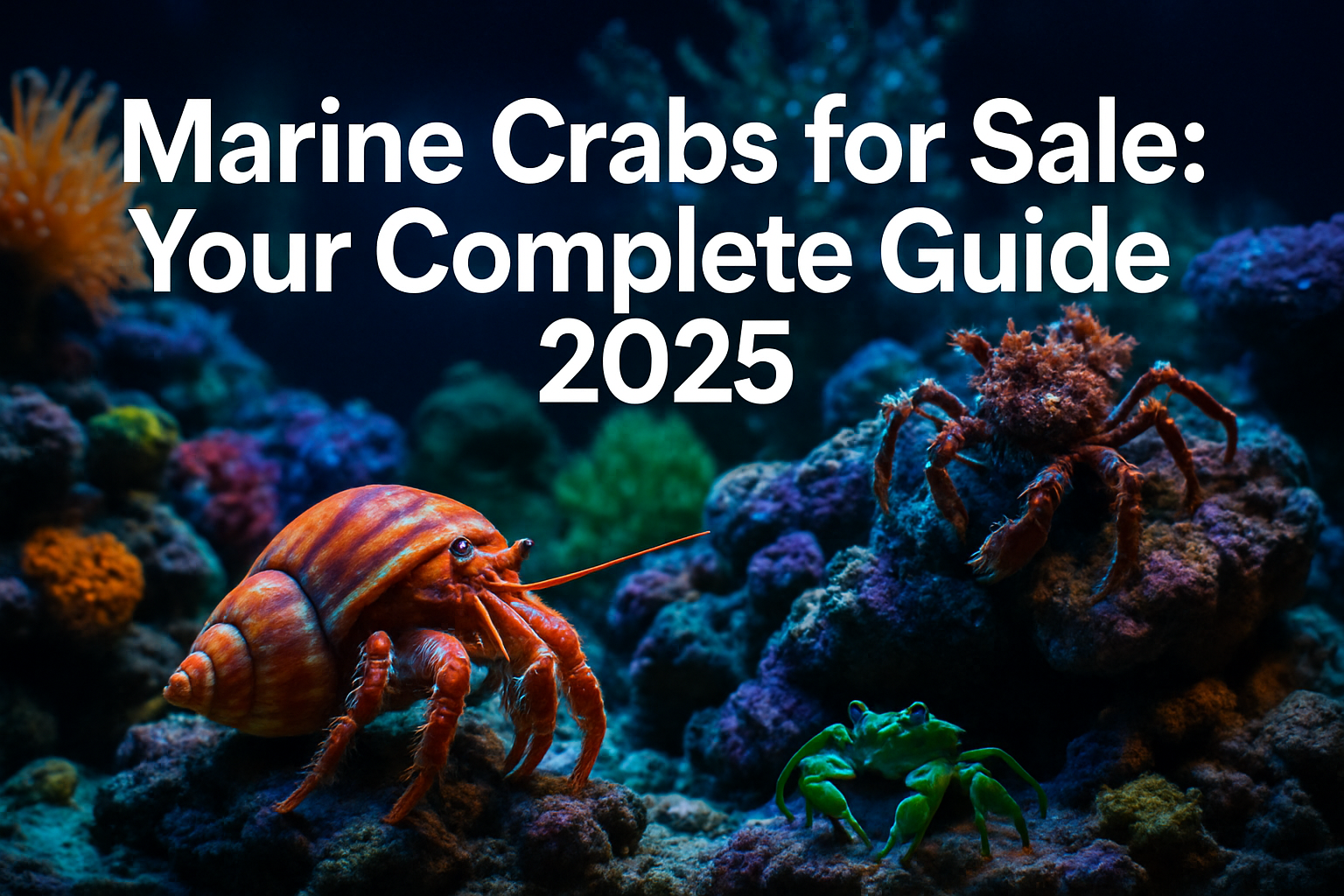
Picture this: you’re gazing into your pristine saltwater aquarium when suddenly, a vibrant hermit crab emerges from behind a piece of live rock, carrying its colorful shell home while an emerald crab diligently cleans algae from your coral formations. These fascinating crustaceans aren’t just cleanup crew members—they’re captivating creatures that bring both beauty and functionality to your marine ecosystem. If you’re searching for marine crabs for sale, you’ve discovered the ultimate resource for adding these incredible invertebrates to your saltwater aquarium.
Key Takeaways
• Marine crabs serve dual purposes as both fascinating display animals and essential cleanup crew members in saltwater aquariums
• Proper species selection is crucial—different crab species have varying care requirements, tank sizes, and compatibility needs
• Reputable online dealers like SaltWaterFishShop.com offer healthy, acclimated specimens with proper shipping protocols
• Tank preparation including adequate hiding spots, proper water parameters, and compatible tankmates ensures crab success
• Regular monitoring of water quality, feeding schedules, and crab behavior prevents common health issues and promotes longevity
Understanding Marine Crabs: The Perfect Addition to Your Saltwater Aquarium
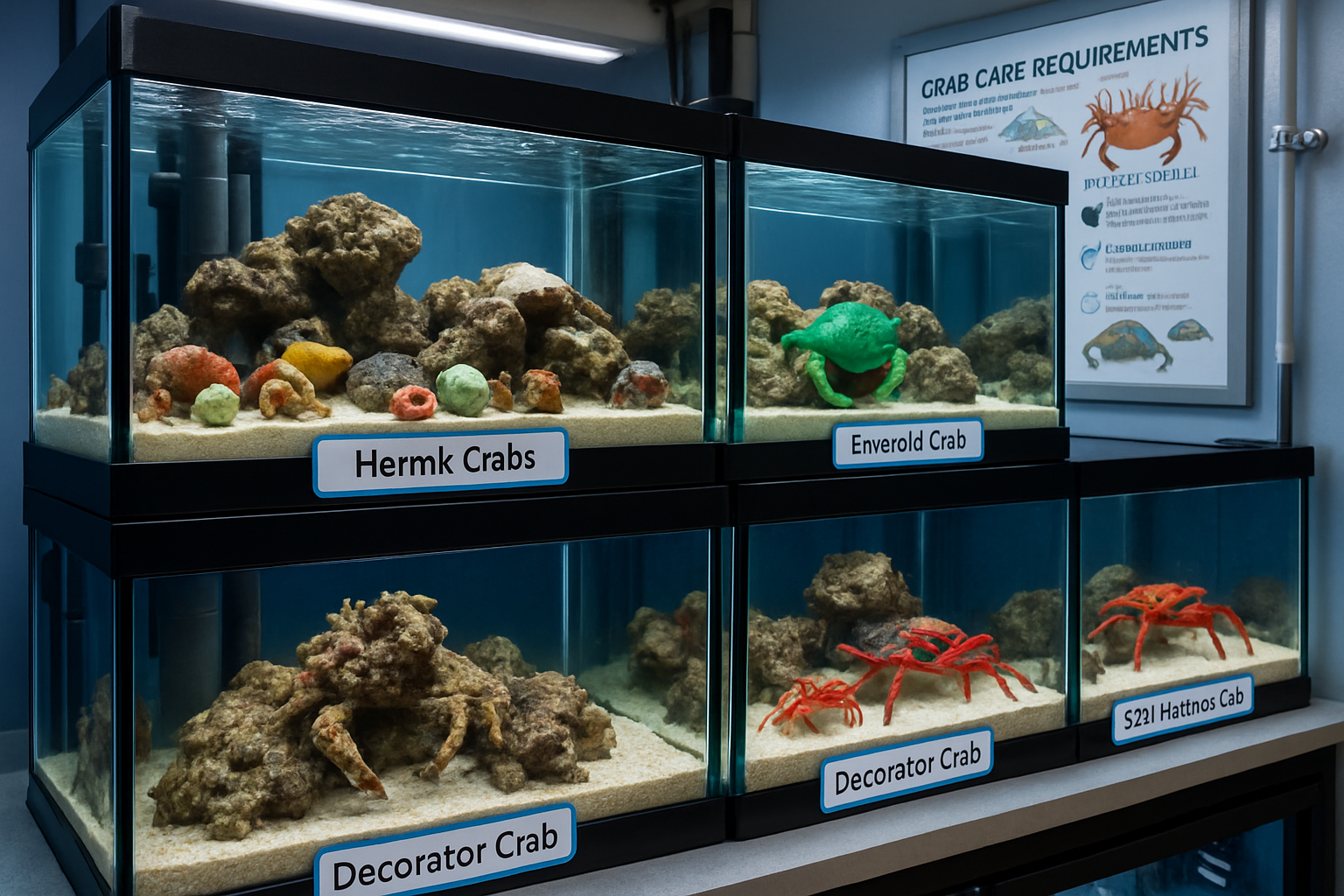
Marine crabs represent some of the most beneficial and entertaining invertebrates you can add to your saltwater aquarium. These remarkable crustaceans offer a unique combination of practical utility and visual appeal that makes them indispensable members of any thriving marine ecosystem.
Why Choose Marine Crabs for Your Saltwater Tank? 🦀
Biological Filtration Benefits
Marine crabs function as nature’s cleanup crew, constantly working to maintain your aquarium’s health. They consume uneaten food, dead plant matter, and organic debris that could otherwise decompose and compromise water quality. This natural filtration process reduces the bioload on your mechanical and chemical filtration systems.
Algae Control Specialists
Many marine crab species, particularly emerald crabs and certain hermit crab varieties, are voracious algae eaters. They meticulously clean algae from live rock surfaces, glass panels, and coral formations, helping maintain the pristine appearance of your aquarium while preventing algae overgrowth.
Entertainment Value
Beyond their practical benefits, marine crabs provide endless entertainment. Watching hermit crabs trade shells, observing decorator crabs camouflage themselves with coral fragments, or seeing sally lightfoot crabs scurry across rockwork adds dynamic movement and personality to your aquarium.
Popular Marine Crab Species Available Online
Hermit Crabs (Pagurus spp.)
- Size: 1-6 inches depending on species
- Temperament: Generally peaceful
- Care Level: Beginner to intermediate
- Special Requirements: Empty shells for growth
Emerald Crabs (Mithraculus sculptus)
- Size: 1-2 inches
- Temperament: Peaceful with occasional territorial behavior
- Care Level: Beginner
- Special Requirements: Adequate hiding spots
Sally Lightfoot Crabs (Grapsus grapsus)
- Size: 3-4 inches
- Temperament: Semi-aggressive
- Care Level: Intermediate
- Special Requirements: Larger tank with plenty of rockwork
Decorator Crabs (Camposcia retusa)
- Size: 2-3 inches
- Temperament: Peaceful
- Care Level: Intermediate to advanced
- Special Requirements: Stable water parameters
Where to Find Quality Marine Crabs for Sale Online
Finding reputable sources for marine crabs for sale requires careful research and consideration of several factors. The quality of your crabs depends heavily on the dealer’s collection methods, holding facilities, and shipping practices.
Evaluating Online Marine Life Dealers
Reputation and Experience
Look for dealers with established track records in the marine aquarium industry. SaltWaterFishShop.com has been serving the saltwater aquarium community since 2000, building a reputation for quality livestock and exceptional customer service. Their extensive experience ensures proper handling and care of marine crabs from collection to delivery.
Health Guarantees and Policies
Reputable dealers offer live arrival guarantees and clear policies regarding livestock replacement or refunds. These guarantees demonstrate confidence in their shipping methods and livestock quality. Always review the specific terms and conditions before making a purchase.
Shipping Methods and Timing
Marine crabs require specialized shipping protocols to ensure safe arrival. Look for dealers who use insulated boxes, appropriate water volumes, and oxygen supplementation. Many reputable dealers offer live fish shipping services specifically designed for marine invertebrates.
What to Look for in Healthy Marine Crabs
Physical Appearance Indicators
- Active Movement: Healthy crabs should be alert and responsive
- Intact Limbs: All legs and claws should be present and functional
- Clear Eyes: Eyes should be bright and clear, not cloudy or damaged
- Proper Shell Fit: Hermit crabs should have appropriately sized shells
Behavioral Signs of Health
- Normal Feeding Response: Crabs should show interest in food
- Appropriate Hiding Behavior: Seeking shelter when threatened
- Regular Molting Cycles: Evidence of recent molting indicates good health
- Social Interactions: Normal interactions with tankmates
Pricing Considerations for Marine Crabs
Marine crab prices vary significantly based on species, size, and rarity. Common hermit crabs typically range from $5-15, while specialized species like decorator crabs may cost $25-50 or more. Consider these factors when budgeting:
Species Rarity
More exotic species command higher prices due to limited availability and collection difficulty.
Size and Maturity
Larger, more mature specimens generally cost more than juveniles.
Seasonal Availability
Prices may fluctuate based on seasonal collection patterns and weather conditions affecting collection areas.
Shipping Costs
Factor in shipping expenses, which can range from $30-75 depending on location and shipping method.
Setting Up the Perfect Environment for Your Marine Crabs
Creating an optimal habitat for your marine crabs for sale requires careful attention to tank setup, water parameters, and environmental enrichment. Success depends on replicating the natural conditions these crustaceans experience in their wild habitats.
Tank Requirements and Specifications
Minimum Tank Size Recommendations
| Crab Species | Minimum Tank Size | Recommended Tank Size |
|---|---|---|
| Small Hermit Crabs | 10 gallons | 20+ gallons |
| Emerald Crabs | 20 gallons | 30+ gallons |
| Sally Lightfoot Crabs | 40 gallons | 75+ gallons |
| Decorator Crabs | 30 gallons | 50+ gallons |
Essential Equipment
- Protein Skimmer: Removes organic compounds before decomposition
- Live Rock: Provides hiding spots and natural filtration
- Adequate Lighting: LED systems supporting coral growth if present
- Powerheads: Create necessary water movement
- Heater: Maintains stable temperature (76-82°F)
Water Parameter Requirements
Critical Water Chemistry
- Salinity: 1.023-1.025 specific gravity
- pH: 8.1-8.4
- Ammonia: 0 ppm
- Nitrite: 0 ppm
- Nitrate: <20 ppm
- Temperature: 76-82°F (24-28°C)
- Calcium: 400-450 ppm (for shell development)
Testing and Maintenance Schedule
Regular water testing ensures optimal conditions for your marine crabs. Test weekly for basic parameters and monthly for trace elements. Maintain stable conditions through regular water changes (10-15% weekly) and proper filtration maintenance.
Creating Crab-Friendly Environments
Hiding Spots and Territory
Marine crabs require adequate hiding places to feel secure and establish territories. Arrange live rock to create caves, crevices, and overhangs. Provide multiple hiding options to reduce territorial conflicts, especially important when keeping multiple crab species.
Substrate Considerations
Choose appropriate substrate based on your crab species:
- Fine Sand: Ideal for burrowing species
- Crushed Coral: Provides calcium supplementation
- Live Sand: Supports beneficial bacteria growth
- Mixed Substrate: Combines benefits of different materials
Shell Selection for Hermit Crabs
Provide a variety of empty shells in different sizes for hermit crabs. Include shells slightly larger than their current homes to accommodate growth. Popular shell types include:
- Turbo shells
- Astrea shells
- Cerith shells
- Nassarius shells
Compatible Tankmates for Marine Crabs
Ideal Companions
Many marine fish species coexist peacefully with crabs. Consider these compatible options:
- Clownfish for sale: Generally ignore bottom-dwelling crabs
- Saltwater angelfish: Most species are compatible with larger crab species
- Cardinal fish: Peaceful nature makes them excellent tankmates
- Blennies: Bottom-dwelling fish that rarely conflict with crabs
Species to Avoid
Certain fish pose threats to marine crabs:
- Triggerfish: Known crab predators
- Large Wrasses: May hunt smaller crab species
- Pufferfish: Capable of crushing crab shells
- Aggressive saltwater fish: May stress or harm crabs
Feeding and Nutrition for Marine Crabs
Proper nutrition plays a crucial role in maintaining healthy marine crabs and ensuring their longevity in your saltwater aquarium. Understanding their dietary needs and feeding behaviors helps create a thriving environment for these fascinating crustaceans.
Natural Diet and Feeding Behaviors
Omnivorous Feeding Patterns
Most marine crabs are opportunistic omnivores, consuming both plant and animal matter. In their natural reef environments, they feed on:
- Algae and Marine Plants: Primary food source for many species
- Detritus: Decomposing organic matter
- Small Invertebrates: Worms, copepods, and other tiny creatures
- Carrion: Dead fish and other marine animals
- Biofilm: Bacterial films on surfaces
Scavenging Behavior
Marine crabs excel as scavengers, constantly searching for food throughout your aquarium. This natural behavior makes them excellent cleanup crew members, but it also means they require consistent food sources to maintain optimal health.
Commercial Food Options
Specialized Crab Foods
- Sinking Pellets: Designed specifically for bottom-dwelling crustaceans
- Algae Wafers: High in vegetable content for herbivorous species
- Frozen Foods: Mysis shrimp, brine shrimp, and bloodworms
- Dried Seaweed: Provides essential nutrients and fiber
Supplemental Feeding
Beyond commercial foods, consider these natural supplements:
- Fresh Vegetables: Blanched spinach, zucchini, and peas
- Calcium Sources: Cuttlebone or calcium supplements for shell development
- Live Foods: Copepods and amphipods when available
Feeding Schedules and Techniques
Frequency Guidelines
- Daily Feeding: Small amounts of varied foods
- Target Feeding: Use feeding tongs for specific individuals
- Nighttime Feeding: Many crabs are more active after lights out
- Observation Period: Monitor feeding response and adjust accordingly
Feeding Best Practices
- Remove Uneaten Food: Prevent water quality degradation
- Vary Diet: Rotate different food types for balanced nutrition
- Size Appropriate: Ensure food pieces match crab size
- Supplement Calcium: Essential for proper molting and shell development
Health and Care Considerations
Maintaining optimal health for your marine crabs for sale requires understanding common health issues, recognizing signs of distress, and implementing preventive care measures. Proper health management ensures your crabs thrive and contribute positively to your aquarium ecosystem.
Common Health Issues and Prevention
Molting Problems
Molting represents the most vulnerable period in a crab’s life cycle. During this process, crabs shed their exoskeleton to grow larger. Common molting issues include:
- Stuck Molts: Incomplete shedding due to low humidity or calcium deficiency
- Soft Shell Syndrome: Extended periods with soft exoskeletons
- Molting Frequency Issues: Too frequent or infrequent molting cycles
Prevention Strategies:
- Maintain stable water parameters
- Provide adequate calcium supplementation
- Ensure proper nutrition with varied diet
- Create stress-free environment with hiding spots
Parasites and Infections
Marine crabs can suffer from various parasites and bacterial infections:
- External Parasites: Visible on shell or body surfaces
- Bacterial Infections: Often manifest as discoloration or lesions
- Fungal Issues: White, cotton-like growths
Shell-Related Problems for Hermit Crabs
- Shell Fighting: Aggressive competition for desirable shells
- Inappropriate Shell Selection: Shells too large or small
- Shell Availability: Insufficient shell options causing stress
Recognizing Signs of Distress
Behavioral Indicators
- Reduced Activity: Less movement or exploration
- Loss of Appetite: Refusing food for extended periods
- Abnormal Hiding: Excessive hiding or inability to find shelter
- Aggressive Behavior: Unusual aggression toward tankmates
Physical Signs
- Limb Loss: Missing legs or claws (may regenerate over time)
- Discoloration: Changes in natural coloring
- Shell Abandonment: Hermit crabs leaving shells inappropriately
- Visible Injuries: Cuts, lesions, or damaged exoskeleton
Treatment and Recovery Protocols
Quarantine Procedures
When health issues arise, quarantine affected crabs in a separate tank with:
- Hospital Tank Setup: Bare bottom tank with hiding spots
- Stable Water Parameters: Match main tank conditions
- Enhanced Filtration: Increased water changes and monitoring
- Reduced Stress: Minimal lighting and disturbances
Medication Options
- Antibacterial Treatments: For bacterial infections
- Antiparasitic Medications: Target specific parasites
- Calcium Supplements: Support molting and shell development
- Stress Reducers: Natural additives to promote healing
Long-term Health Maintenance
Regular Monitoring Schedule
- Daily Observations: Check activity levels and feeding response
- Weekly Health Checks: Examine for physical abnormalities
- Monthly Assessments: Evaluate growth and molting patterns
- Quarterly Reviews: Assess overall tank conditions and crab population
Preventive Care Measures
- Water Quality Management: Consistent testing and maintenance
- Nutritional Planning: Balanced diet with appropriate supplements
- Environmental Enrichment: Adequate space and hiding opportunities
- Population Management: Avoid overcrowding and territorial conflicts
Advanced Care Tips for Specific Marine Crab Species
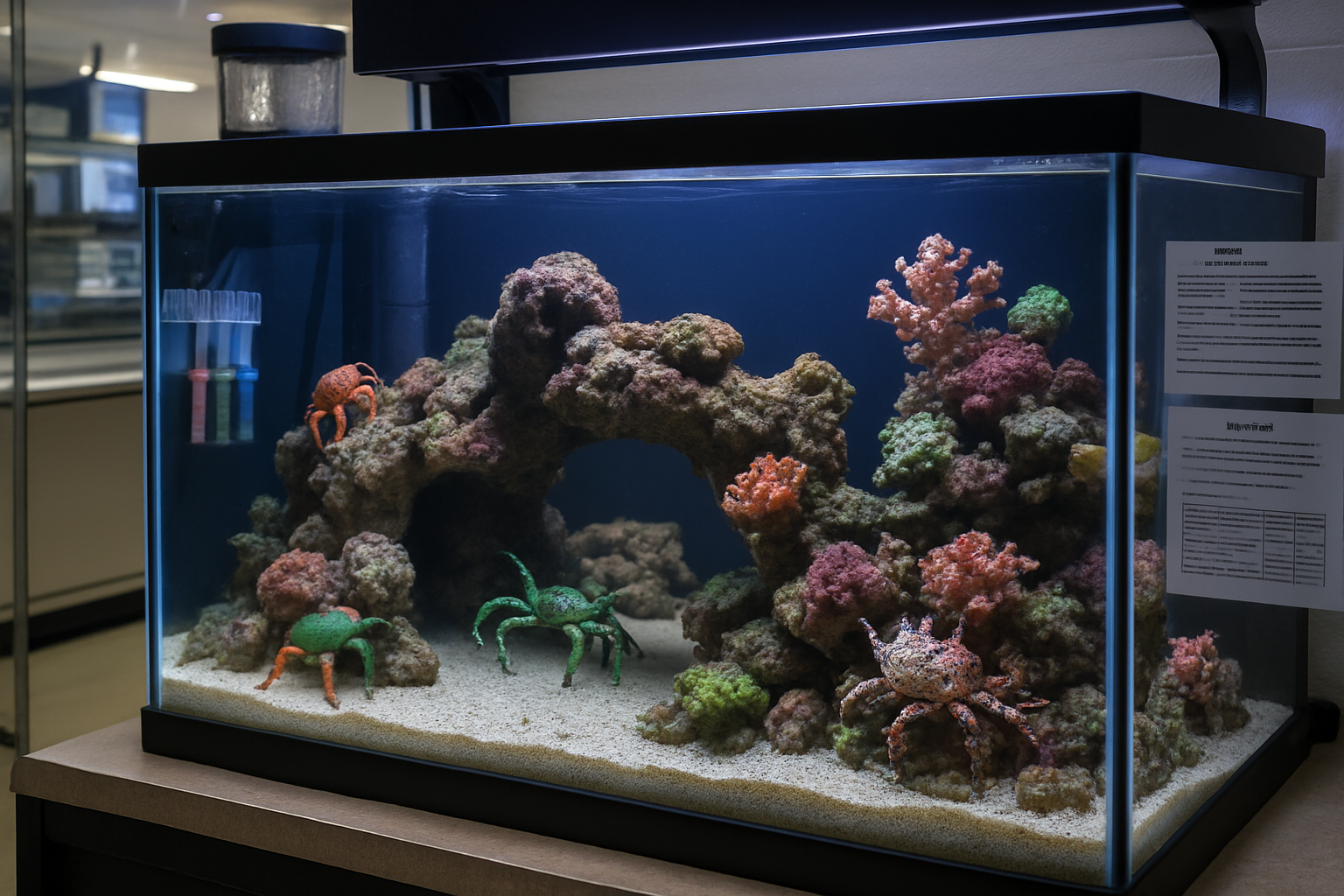
Different marine crab species have unique requirements and characteristics that demand specialized care approaches. Understanding these species-specific needs ensures optimal health and natural behavior expression in your saltwater aquarium.
Hermit Crab Species Care
Blue Leg Hermit Crabs (Clibanarius tricolor)
These popular aquarium inhabitants require specific attention to shell availability and social dynamics:
- Shell Management: Provide 3-5 empty shells per crab in various sizes
- Social Behavior: Generally peaceful but may compete for premium shells
- Feeding: Omnivorous with preference for algae and detritus
- Tank Position: Prefer lower regions with easy access to substrate
Scarlet Reef Hermit Crabs (Paguristes cadenati)
Known for their vibrant red coloration and reef-safe behavior:
- Lighting Requirements: Moderate lighting to showcase natural colors
- Coral Compatibility: Excellent reef inhabitants that rarely damage corals
- Temperature Sensitivity: Prefer stable temperatures between 78-82°F
- Calcium Needs: Higher calcium requirements for shell maintenance
Electric Blue Hermit Crabs (Calcinus elegans)
These striking crabs require careful attention to water quality:
- Water Parameters: Extremely sensitive to ammonia and nitrite
- Acclimation: Require extended acclimation periods (2-3 hours)
- Diet: Prefer marine algae and high-quality prepared foods
- Behavior: More active during daylight hours than other hermit species
Emerald Crab Specialized Care
Mithraculus sculptus Management
Emerald crabs serve as exceptional algae control specialists but require specific care protocols:
Algae Dependency
- Primary Food Source: Bubble algae (Valonia spp.) and hair algae
- Supplemental Feeding: Required when algae levels are low
- Nutritional Balance: Combine algae consumption with protein sources
- Feeding Competition: May become aggressive when food is scarce
Territory and Social Structure
- Individual Territories: Each crab requires approximately 20 gallons
- Rock Arrangement: Create multiple levels and hiding spots
- Population Density: Avoid overcrowding to prevent territorial disputes
- Gender Considerations: Mixed groups often display more natural behaviors
Sally Lightfoot Crab Advanced Care
Grapsus grapsus Habitat Requirements
These active crabs need specialized environments that accommodate their unique behaviors:
Physical Environment
- Rockwork Design: Extensive live rock structures with multiple levels
- Water Movement: Strong current areas for natural feeding behavior
- Escape Prevention: Secure tank covers as they are excellent climbers
- Territory Size: Minimum 75 gallons for adult specimens
Behavioral Management
- Feeding Strategy: Target feeding to prevent aggression toward smaller tankmates
- Activity Patterns: Most active during feeding times and water changes
- Molting Behavior: Require secure hiding spots during vulnerable molting periods
- Social Dynamics: Generally solitary; multiple specimens need extensive territory
Decorator Crab Specialized Requirements
Camposcia retusa Advanced Care
These fascinating crabs require stable conditions and specific environmental features:
Camouflage Materials
- Natural Decorations: Provide coral fragments, sponge pieces, and algae
- Attachment Behavior: Allow natural decoration gathering without interference
- Material Variety: Offer diverse textures and colors for decoration choices
- Replacement Materials: Regularly introduce new decoration options
Water Quality Sensitivity
- Parameter Stability: Extremely sensitive to parameter fluctuations
- Trace Elements: Require consistent calcium, magnesium, and alkalinity levels
- Filtration: Enhanced biological filtration for optimal water quality
- Water Changes: Smaller, more frequent water changes (5% twice weekly)
Breeding and Reproduction in Captivity
While breeding marine crabs in home aquariums presents significant challenges, understanding their reproductive behaviors and requirements can help aquarists create conditions that support natural breeding behaviors and potentially successful reproduction.
Understanding Marine Crab Reproduction
Reproductive Cycles
Marine crabs follow complex reproductive cycles influenced by environmental factors:
- Seasonal Patterns: Many species breed during specific seasons
- Lunar Cycles: Reproduction often synchronized with moon phases
- Water Temperature: Temperature fluctuations can trigger breeding behavior
- Nutritional Status: Well-fed crabs are more likely to reproduce successfully
Mating Behaviors
Different species exhibit varying mating rituals and behaviors:
- Courtship Displays: Males may display enlarged claws or colorful patterns
- Pre-molt Mating: Many species mate just before female molting
- Protective Behavior: Males often guard females during vulnerable periods
- Chemical Communication: Pheromones play crucial roles in mate selection
Challenges in Captive Breeding
Larval Development Requirements
Marine crab larvae undergo complex metamorphosis requiring specialized conditions:
Planktonic Stages
- Zoea Larvae: Free-swimming planktonic stage requiring microscopic foods
- Megalopa Stage: Intermediate form before juvenile development
- Settlement Requirements: Specific substrate and environmental cues needed
- Mortality Rates: Extremely high natural mortality during larval stages
Nutritional Challenges
- Live Food Requirements: Larvae need specific live food organisms
- Feeding Frequency: Multiple daily feedings with appropriate food sizes
- Water Quality: Pristine conditions essential for larval survival
- Bacterial Control: Preventing harmful bacteria while maintaining beneficial microorganisms
Creating Breeding Conditions
Environmental Triggers
To encourage natural breeding behaviors, consider these environmental factors:
Temperature Manipulation
- Seasonal Variation: Gradually adjust temperature to mimic natural cycles
- Breeding Temperature: Slightly elevated temperatures may trigger breeding
- Stability: Maintain stable conditions once breeding behavior begins
- Recovery Periods: Allow temperature normalization between breeding attempts
Lighting and Photoperiod
- Natural Light Cycles: Simulate seasonal daylight variations
- Lunar Simulation: Some aquarists use lunar lighting to trigger breeding
- Intensity Gradation: Gradual lighting changes rather than abrupt shifts
- Darkness Periods: Ensure adequate dark periods for natural behavior
Nutritional Enhancement
- High-Quality Foods: Increase protein and lipid content before breeding season
- Live Food Supplementation: Enhance diet with live copepods and amphipods
- Calcium Supplementation: Essential for female egg development
- Vitamin Enrichment: Use vitamin-enriched foods to improve reproductive success
Species-Specific Breeding Considerations
Hermit Crab Breeding
Hermit crabs present unique challenges due to their shell-dependent lifestyle:
- Shell Availability: Provide abundant shell choices for growing juveniles
- Substrate Requirements: Fine sand for larval settlement
- Salinity Considerations: Some species require specific salinity for larval development
- Parental Care: Limited parental involvement after egg release
Emerald Crab Reproduction
These crabs show more promise for captive breeding success:
- Brooding Behavior: Females carry eggs under their abdomen
- Development Time: Relatively short larval development period
- Settlement Cues: Require appropriate surfaces for juvenile settlement
- Population Density: Optimal male-to-female ratios for breeding success
Troubleshooting Common Issues
Even experienced aquarists encounter challenges when keeping marine crabs. Understanding common problems and their solutions helps ensure long-term success with your marine crabs for sale and maintains a thriving saltwater aquarium ecosystem.
Water Quality Problems
Ammonia and Nitrite Spikes
Marine crabs are sensitive to nitrogen compounds, making water quality management crucial:
Causes and Prevention
- Overfeeding: Excess food leads to bacterial blooms and ammonia production
- Inadequate Filtration: Insufficient biological filtration capacity
- Overcrowding: Too many organisms for the tank’s biological capacity
- Dead Organisms: Unnoticed deaths contributing to ammonia spikes
Solutions
- Immediate Water Changes: 25-30% water changes to dilute toxins
- Feeding Reduction: Temporarily reduce feeding until parameters stabilize
- Filtration Enhancement: Add biological filter media or beneficial bacteria
- Population Assessment: Remove excess livestock if overcrowding exists
pH Fluctuations
Stable pH levels are essential for crab health and proper molting:
- Buffer Systems: Use marine buffer products to maintain stable pH
- Alkalinity Management: Monitor and maintain proper alkalinity levels
- CO2 Control: Ensure adequate gas exchange at water surface
- Regular Testing: Test pH daily during problem periods
Behavioral Issues and Solutions
Aggression and Territorial Disputes
When crabs become aggressive, several factors may be contributing:
Shell Competition in Hermit Crabs
- Shell Shortage: Provide 3-5 empty shells per hermit crab
- Shell Variety: Offer different shell types and sizes
- Shell Quality: Ensure shells are clean and undamaged
- Shell Placement: Distribute shells throughout the tank
Food Competition
- Multiple Feeding Stations: Create several feeding areas
- Target Feeding: Use feeding tools to ensure all crabs receive food
- Feeding Schedule: Establish consistent feeding times
- Food Variety: Offer different food types to reduce competition
Territory Overcrowding
- Tank Size: Ensure adequate space for all crab species
- Hiding Spots: Provide multiple caves and crevices
- Vertical Space: Utilize tank height with rock formations
- Species Separation: Consider removing incompatible species
Molting Complications
Stuck Molts
When crabs cannot complete the molting process, immediate intervention may be necessary:
Environmental Factors
- Humidity: Ensure proper water levels and surface agitation
- Calcium Levels: Test and supplement calcium if deficient
- Stress Reduction: Minimize disturbances during molting periods
- Water Parameters: Maintain optimal salinity and pH levels
Assistance Techniques
- Gentle Manipulation: Carefully help remove stuck exoskeleton pieces
- Isolation: Move molting crabs to quiet areas
- Recovery Time: Allow extended recovery periods post-molt
- Nutritional Support: Offer calcium-rich foods after molting
Disease and Parasite Management
Identification and Treatment
Early detection and proper treatment are crucial for crab health:
Common Parasites
- External Parasites: Treat with appropriate antiparasitic medications
- Bacterial Infections: Use antibacterial treatments in quarantine tanks
- Fungal Issues: Apply antifungal medications as directed
- Stress-Related Illness: Address underlying environmental causes
Quarantine Protocols
- Isolation Tank: Set up dedicated quarantine system
- Treatment Duration: Follow medication instructions completely
- Monitoring: Observe closely during treatment periods
- Recovery Assessment: Ensure complete recovery before returning to main tank
Equipment Failures and Backup Plans
Filtration System Problems
Equipment failures can quickly compromise water quality:
Backup Systems
- Redundant Filtration: Install backup filter systems
- Emergency Equipment: Keep spare heaters, pumps, and filters
- Battery Backup: Use battery-powered air pumps during power outages
- Water Storage: Maintain prepared saltwater for emergency changes
Temperature Control Issues
- Heater Failures: Install multiple heaters for redundancy
- Cooling Problems: Have backup cooling methods for hot weather
- Monitoring Systems: Use temperature alarms for early warning
- Manual Intervention: Know manual temperature control methods
Economic Considerations and Cost Analysis
Understanding the financial aspects of purchasing and maintaining marine crabs for sale helps aquarists make informed decisions and budget appropriately for long-term success. The total cost of ownership extends far beyond the initial purchase price.
Initial Purchase Costs
Species Price Ranges
Marine crab prices vary significantly based on species, size, and availability:
| Species Category | Price Range | Factors Affecting Cost |
|---|---|---|
| Common Hermit Crabs | $3-$12 | Size, shell quality, species rarity |
| Emerald Crabs | $8-$25 | Size, health status, seasonal availability |
| Sally Lightfoot Crabs | $15-$40 | Size, collection difficulty, shipping |
| Decorator Crabs | $20-$60 | Rarity, collection location, size |
| Specialty Species | $25-$100+ | Extreme rarity, collection challenges |
Quantity Considerations
Many aquarists purchase multiple crabs for effective cleanup crews:
- Bulk Discounts: Many dealers offer reduced prices for multiple specimens
- Species Packages: Pre-selected crab combinations for specific tank sizes
- Shipping Efficiency: Combining orders reduces per-animal shipping costs
- Backup Specimens: Having extras ensures continuous cleanup crew function
Ongoing Maintenance Expenses
Feeding Costs
While crabs consume relatively small amounts of food, quality nutrition requires investment:
- Commercial Foods: $15-30 monthly for varied diet
- Supplements: $10-20 monthly for calcium and vitamins
- Live Foods: $20-40 monthly if providing live copepods
- Fresh Vegetables: $5-10 monthly for natural food variety
Equipment and Supplies
Crab-specific equipment and supplies add to ongoing costs:
- Shell Replacements: $20-50 annually for hermit crab shells
- Hiding Structures: $30-100 annually for rock and cave additions
- Water Testing: $25-50 annually for test kits and reagents
- Medications: $50-100 annually for preventive and treatment medications
Cost-Benefit Analysis
Value Provided by Marine Crabs
Consider the services crabs provide when evaluating their cost:
Algae Control Value
Professional algae removal services or chemical treatments often cost $50-200 per treatment. Marine crabs provide continuous algae control, potentially saving hundreds annually.
Cleanup Services
Crabs constantly remove detritus and uneaten food, reducing:
- Water Change Frequency: Potentially reducing water change needs
- Filter Maintenance: Less organic buildup in filter systems
- Disease Prevention: Removing organic matter reduces disease risk
- Time Investment: Less manual tank cleaning required
Entertainment and Educational Value
The behavioral observation and educational opportunities crabs provide offer intangible benefits:
- Natural Behavior Study: Observing natural crab behaviors
- Educational Value: Learning about marine ecosystems
- Stress Reduction: Watching aquarium life provides relaxation
- Hobby Satisfaction: Contributing to successful marine ecosystem
Money-Saving Strategies
Smart Purchasing Approaches
- Seasonal Timing: Purchase during peak collection seasons for better prices
- Group Orders: Coordinate with other aquarists for bulk shipping discounts
- Local Sources: Find local breeders or aquarium societies for reduced costs
- Free Shipping Opportunities: Take advantage of minimum order promotions
DIY Cost Reduction
- Shell Collection: Collect and prepare natural shells for hermit crabs
- Food Preparation: Prepare some foods at home rather than buying commercial
- Equipment Maintenance: Learn to maintain and repair equipment yourself
- Water Testing: Invest in quality test kits for accurate home testing
Long-term Investment Perspective
Lifespan Considerations
Marine crabs can live several years with proper care, making them excellent long-term investments:
- Hermit Crabs: 5-10 years with proper care
- Emerald Crabs: 3-5 years in optimal conditions
- Sally Lightfoot Crabs: 8-12 years with excellent care
- Decorator Crabs: 4-6 years in stable environments
Return on Investment
Calculate the long-term value by considering:
- Annual Cost per Year: Total costs divided by expected lifespan
- Service Value: Monetary value of services provided
- Replacement Costs: Cost of replacing services if crabs weren’t present
- Hobby Enhancement: Value of improved aquarium ecosystem and enjoyment
Future Trends in Marine Crab Keeping
The marine aquarium hobby continues evolving with new technologies, breeding techniques, and conservation efforts. Understanding emerging trends helps aquarists stay current with best practices and prepare for future developments in marine crab keeping.
Technological Advances
Automated Monitoring Systems
Modern technology increasingly supports marine crab care through automated monitoring:
Smart Aquarium Controllers
- Parameter Monitoring: Continuous tracking of temperature, pH, and salinity
- Alert Systems: Instant notifications for parameter deviations
- Data Logging: Historical data analysis for trend identification
- Remote Access: Monitor tank conditions from anywhere via smartphone apps
Advanced Filtration Technologies
- Biological Enhancement: Improved beneficial bacteria cultivation systems
- Nutrient Export: Advanced protein skimmers and nutrient removal systems
- Water Purification: Reverse osmosis and deionization improvements
- Automation Integration: Self-adjusting filtration based on bioload monitoring
Breeding and Aquaculture Developments
Captive Breeding Programs
Increasing success in captive breeding reduces wild collection pressure:
Commercial Breeding Operations
- Hermit Crab Breeding: Developing techniques for reliable hermit crab reproduction
- Emerald Crab Culture: Establishing sustainable emerald crab breeding programs
- Larval Rearing: Improving larval survival rates through better nutrition and techniques
- Genetic Diversity: Maintaining healthy genetic diversity in captive populations
Home Breeding Support
- Breeding Kits: Commercial systems designed for home breeding attempts
- Educational Resources: Improved guides and courses for aspiring breeders
- Community Networks: Online communities sharing breeding experiences and techniques
- Equipment Accessibility: More affordable specialized breeding equipment
Conservation and Sustainability
Wild Population Protection
Growing awareness of conservation needs drives sustainable collection practices:
Collection Regulations
- Quota Systems: Implementing sustainable collection limits
- Seasonal Restrictions: Protecting breeding populations during reproductive periods
- Habitat Protection: Preserving critical reef habitats for wild populations
- Certification Programs: Ensuring ethical and sustainable collection practices
Alternative Sources
- Captive-Bred Preference: Increasing demand for captive-bred specimens
- Aquaculture Support: Supporting commercial breeding operations
- Local Breeding: Encouraging local breeding programs and exchanges
- Conservation Education: Raising awareness about sustainable practices
Nutritional Advances
Specialized Diets
Improved understanding of crab nutrition leads to better commercial foods:
Species-Specific Formulations
- Hermit Crab Foods: Diets optimized for different hermit crab species
- Molting Support: Specialized nutrition for molting periods
- Breeding Diets: Enhanced nutrition for reproductive success
- Juvenile Formulations: Appropriate foods for growing crabs
Natural Food Cultivation
- Copepod Culture: Home cultivation of natural prey items
- Algae Farming: Growing specific algae types for crab consumption
- Beneficial Bacteria: Culturing beneficial microorganisms for crab health
- Live Food Systems: Integrated systems producing natural foods
Educational and Community Developments
Knowledge Sharing Platforms
Digital platforms increasingly connect crab enthusiasts worldwide:
Online Communities
- Species-Specific Groups: Focused communities for particular crab species
- Breeding Networks: Connecting successful breeders with newcomers
- Research Collaboration: Citizen science projects involving hobbyists
- Educational Content: High-quality educational videos and articles
Professional Development
- Certification Programs: Professional certification for marine invertebrate care
- Research Opportunities: Collaboration between hobbyists and researchers
- Conservation Projects: Hobbyist participation in conservation efforts
- Industry Standards: Developing industry-wide care and collection standards
Market Trends and Accessibility
Improved Availability
Better shipping and handling techniques increase crab availability:
Shipping Innovations
- Temperature Control: Advanced temperature management during shipping
- Stress Reduction: Techniques for reducing shipping stress
- Survival Rates: Improved packaging methods increasing survival rates
- Tracking Systems: Real-time monitoring of shipments in transit
Market Expansion
- Global Access: Increased international shipping options
- Local Markets: Development of regional breeding and distribution networks
- Price Stability: More stable pricing through improved supply chains
- Quality Assurance: Better quality control throughout the supply chain
Conclusion
Marine crabs represent some of the most rewarding and beneficial additions to saltwater aquariums, offering a unique combination of practical utility and fascinating natural behaviors. Throughout this comprehensive guide, we’ve explored every aspect of successfully purchasing, maintaining, and enjoying these remarkable crustaceans in your marine ecosystem.
The key to success with marine crabs for sale lies in understanding their specific needs, choosing reputable suppliers, and maintaining optimal tank conditions. From the industrious hermit crabs constantly seeking new shells to the diligent emerald crabs cleaning algae from your live rock, each species brings its own personality and benefits to your aquarium.
Essential Success Factors:
- Species Selection: Choose crabs appropriate for your tank size and experience level
- Quality Sources: Purchase from reputable dealers like SaltWaterFishShop.com with proven track records
- Proper Preparation: Establish optimal tank conditions before introducing new crabs
- Ongoing Care: Maintain stable water parameters and provide appropriate nutrition
- Health Monitoring: Watch for signs of stress or illness and respond promptly
Your Next Steps:
- Assess Your Tank: Evaluate your current setup for crab compatibility
- Research Species: Select crab species that match your experience level and tank conditions
- Prepare Environment: Ensure proper hiding spots, water parameters, and compatible tankmates
- Source Quality Specimens: Choose reputable suppliers with health guarantees
- Plan Long-term Care: Establish feeding schedules, monitoring routines, and maintenance protocols
The marine aquarium hobby continues evolving with new technologies, breeding techniques, and conservation awareness. By choosing captive-bred specimens when available and supporting sustainable collection practices, you contribute to the long-term health of wild reef ecosystems while enjoying these fascinating creatures in your home aquarium.
Whether you’re seeking efficient cleanup crew members, entertaining display animals, or educational opportunities, marine crabs offer unparalleled value in the saltwater aquarium hobby. Their relatively simple care requirements, combined with their significant benefits, make them ideal choices for both beginner and experienced marine aquarists.
Start your marine crab journey today by exploring the excellent selection available from trusted sources, and prepare to discover the endless fascination these remarkable crustaceans bring to your underwater world. Your saltwater aquarium ecosystem will thank you for the natural balance and dynamic energy that quality marine crabs provide.