
The Complete Guide to Marine Fish for Sale: Your 2025 Buying Journey
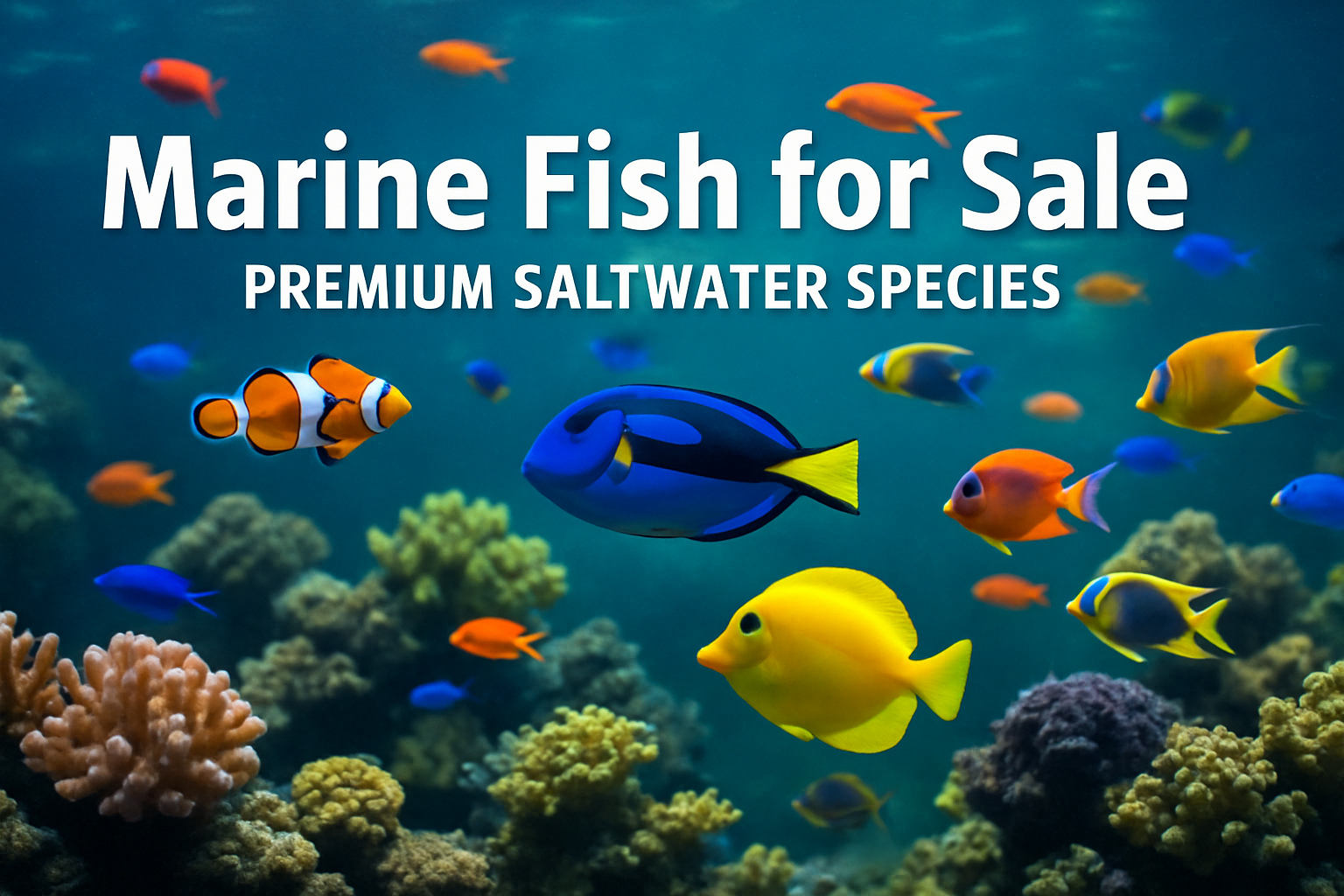
Picture this: you’re standing in front of a stunning saltwater aquarium, mesmerized by the graceful dance of vibrant clownfish weaving through swaying anemones while majestic angelfish glide past in the background. This dream can become your reality when you discover the world of marine fish for sale online. As someone who has spent over two decades in the marine aquarium industry, I’ve witnessed the incredible transformation of how aquarists acquire their beloved saltwater companions.
The year 2025 has brought unprecedented opportunities for marine aquarium enthusiasts to access high-quality saltwater fish from the comfort of their homes. Whether you’re a seasoned reef keeper or just beginning your saltwater journey, understanding the ins and outs of purchasing marine fish online can make the difference between aquarium success and costly mistakes.
Key Takeaways
• Quality matters most – Choosing reputable online retailers with established track records ensures healthier fish and better customer support
• Proper acclimation is crucial – Understanding shipping processes and acclimation procedures dramatically improves fish survival rates
• Species compatibility research – Knowing which marine fish work well together prevents aggression issues and tank disasters
• Budget for ongoing care – Initial fish costs are just the beginning; factor in proper equipment, food, and maintenance supplies
• Start with hardy species – Beginner-friendly marine fish like clownfish and cardinals offer the best success rates for new saltwater aquarists
Understanding the Marine Fish Market in 2025
The marine aquarium industry has evolved dramatically since the early days of saltwater fishkeeping. Today’s market offers an incredible diversity of species, from common favorites to rare collector specimens that were once impossible to obtain. Online marine fish retailers have revolutionized accessibility, allowing aquarists worldwide to purchase healthy, quarantined fish with confidence.
The Rise of Captive-Bred Marine Fish
One of the most significant developments in recent years has been the explosion of captive-bred saltwater fish for sale. These fish offer numerous advantages over their wild-caught counterparts:
Benefits of Captive-Bred Fish:
- 🐠 Better adaptation to aquarium conditions
- 🌊 Reduced environmental impact on wild reef ecosystems
- 💪 Stronger immune systems from controlled breeding environments
- 🍽️ Easier feeding – already accustomed to prepared foods
- 📈 Higher survival rates in home aquariums
Popular Marine Fish Categories
The world of saltwater fish encompasses dozens of families, each with unique characteristics and care requirements. Understanding these categories helps you make informed decisions about which species will thrive in your specific setup.
| Fish Category | Difficulty Level | Tank Size | Price Range |
|---|---|---|---|
| Clownfish | Beginner | 20+ gallons | $15-$150 |
| Cardinals | Beginner | 30+ gallons | $20-$80 |
| Gobies | Beginner-Intermediate | 20+ gallons | $25-$200 |
| Tangs | Intermediate | 75+ gallons | $40-$300 |
| Angelfish | Intermediate-Advanced | 55+ gallons | $30-$500+ |
| Butterflyfish | Advanced | 50+ gallons | $35-$250 |
Top Marine Fish Species for Sale Online
Clownfish: The Gateway to Marine Fishkeeping
No discussion of marine fish would be complete without highlighting the beloved clownfish. These charismatic fish have captured hearts worldwide, thanks partly to their starring role in popular culture. When searching for clownfish for sale, you’ll discover an amazing variety of species and color morphs.
Popular Clownfish Varieties:
- Ocellaris Clownfish – The classic orange and white “Nemo” fish
- Percula Clownfish – Similar to Ocellaris but with bolder black borders
- Maroon Clownfish – Larger, more aggressive species with striking red coloration
- Designer Clownfish – Captive-bred morphs like Snowflake, Picasso, and Lightning
The beauty of clownfish lies not just in their appearance but in their relatively simple care requirements. Most species adapt well to aquarium life, accept a variety of foods, and display fascinating behaviors that keep aquarists engaged for hours.
Angelfish: Majestic Reef Royalty
Saltwater angelfish represent some of the most stunning fish available in the marine trade. From the vibrant yellows of juvenile Queen Angels to the intricate patterns of French Angelfish, these species add elegance and personality to any saltwater system. When considering angelfish for sale, it’s essential to understand their specific requirements and potential size at maturity.
Beginner-Friendly Angelfish:
- Coral Beauty – Compact size, stunning purple and orange coloration
- Flame Angel – Brilliant red-orange with black markings
- Bicolor Angel – Yellow front, blue rear with distinctive color split
Advanced Angelfish Species:
- Queen Angel – Large, requires spacious tanks, incredible color transformation
- French Angel – Grows very large, needs expert care
- Emperor Angel – Dramatic juvenile to adult color change
Tangs and Surgeonfish: The Reef Cleaners
Tangs serve dual purposes in marine aquariums – they’re both beautiful and functional. These fish are natural algae grazers, helping maintain clean tank conditions while adding movement and color to your reef. Their active swimming patterns and vibrant colors make them centerpiece fish in larger systems.
Popular Tang Species:
- Yellow Tang – Bright yellow, peaceful temperament
- Blue Tang – “Dory” from Finding Nemo, requires excellent water quality
- Purple Tang – Stunning coloration, more aggressive than Yellow Tangs
- Sailfin Tang – Large fins, impressive size when mature
Gobies and Blennies: Small Fish, Big Personalities
Don’t overlook the smaller marine fish species when planning your aquarium. Blennies for sale and gobies offer incredible diversity in behavior, appearance, and ecological niches. These fish often display complex behaviors and form interesting relationships with other tank inhabitants.
Fascinating Goby Species:
- Mandarin Goby – Psychedelic colors, requires established tanks
- Firefish Goby – Peaceful, jumps when startled
- Watchman Goby – Forms symbiotic relationships with pistol shrimp
- Clown Goby – Tiny, colorful, perfect for nano reefs
Choosing the Right Online Marine Fish Retailer
What Makes a Quality Marine Fish Seller
Not all online fish retailers are created equal. After years of experience in this industry, I’ve identified key factors that separate exceptional sellers from mediocre ones. When searching for the best online saltwater fish store, consider these critical elements:
Essential Retailer Qualities:
- ✅ Established reputation – Years in business with positive customer reviews
- 🏥 Quarantine protocols – Proper fish health management before shipping
- 📦 Shipping expertise – Experience with live fish shipping
- 💬 Customer support – Knowledgeable staff available for questions
- 🔄 Health guarantees – Standing behind their fish with reasonable policies
- 🌐 Transparent practices – Clear information about fish origins and care
The SaltWaterFishShop.com Advantage
Since 2000, SaltWaterFishShop.com has established itself as a premier destination for marine aquarium enthusiasts. This saltwater fish store has built its reputation on consistently delivering healthy, well-cared-for marine fish to customers nationwide.
What sets this saltwater fish shop apart from competitors:
🏆 Two Decades of Excellence
- Operating since 2000 with thousands of satisfied customers
- Extensive experience in marine fish care and shipping
- Deep relationships with quality suppliers worldwide
🔬 Professional Quarantine Systems
- All fish undergo proper quarantine periods before sale
- Treatment protocols for common marine fish diseases
- Health monitoring by experienced marine biologists
📦 Expert Shipping Procedures
- Specialized packaging for live marine fish transport
- Temperature-controlled shipping options
- Coordination with reliable overnight delivery services
Red Flags to Avoid
Unfortunately, not every online retailer maintains high standards. Watch for these warning signs when evaluating potential suppliers:
⚠️ Warning Signs:
- Prices significantly below market rates
- No quarantine period mentioned
- Poor or missing customer reviews
- Unclear return/guarantee policies
- Limited contact information
- No specialization in marine fish
The Science of Safe Marine Fish Shipping
Understanding Live Fish Transport
Shipping live marine fish requires specialized knowledge and equipment. The process involves much more than simply putting fish in bags and boxes. Professional retailers understand the complex physiology of marine fish and how transport stress affects their health.
Key Shipping Considerations:
- Oxygen requirements – Marine fish have higher oxygen demands than freshwater species
- Temperature stability – Tropical fish need consistent warm temperatures
- Water chemistry – Maintaining proper pH and salinity during transport
- Stress reduction – Minimizing handling and environmental changes
- Timing coordination – Ensuring fish arrive when customers can receive them
Packaging Technology and Methods
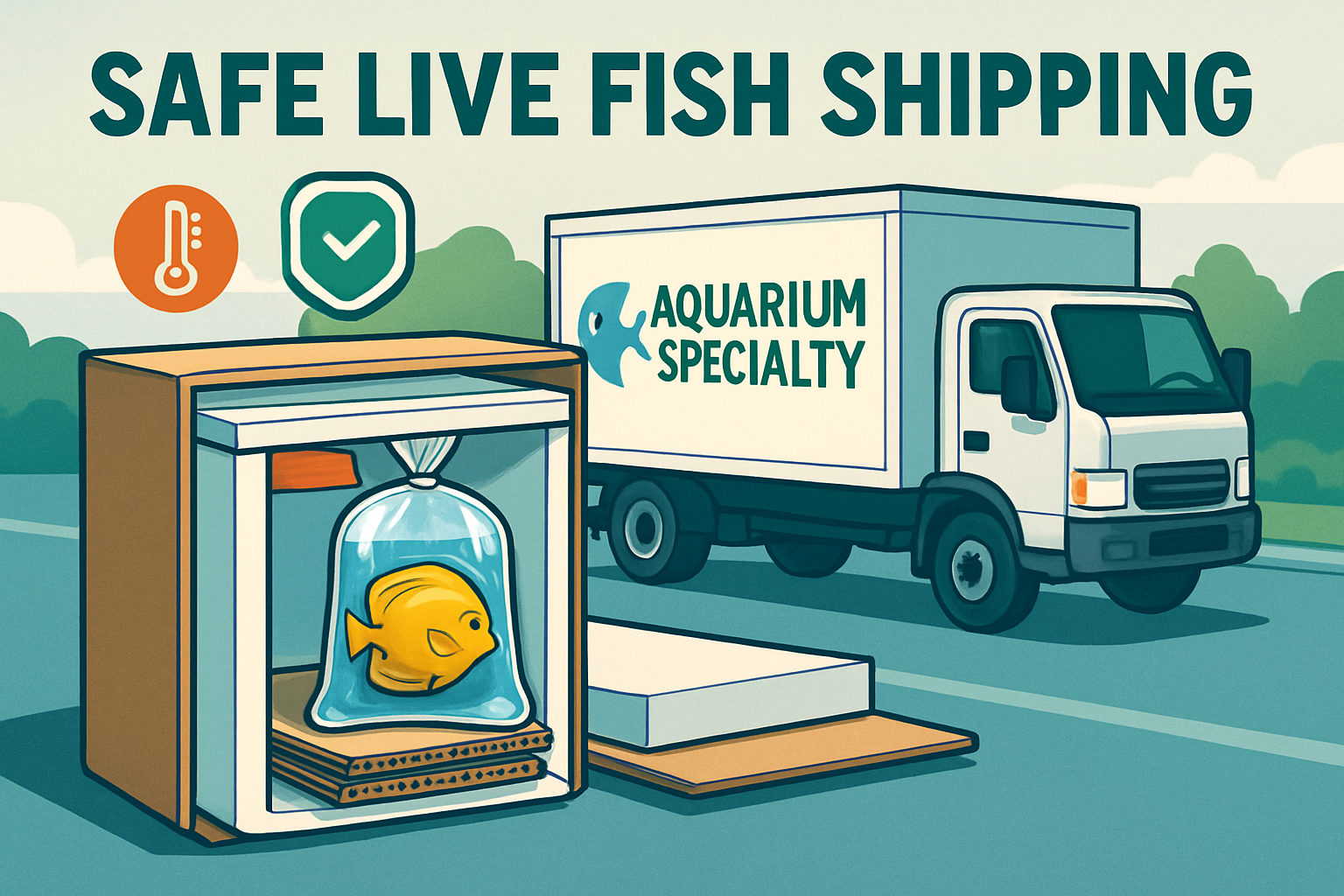
Modern marine fish shipping utilizes sophisticated packaging systems designed to maintain optimal conditions during transport. Understanding these methods helps you appreciate the complexity and cost of proper live fish shipping.
Professional Packaging Components:
- Double-bagged fish – Primary and secondary containment
- Oxygen injection – Pure oxygen replaces air in shipping bags
- Insulated containers – Styrofoam boxes maintain temperature
- Heat or cool packs – Seasonal temperature regulation
- Cushioning materials – Prevent bag damage during handling
- Breathing bags – Advanced materials allow gas exchange
Seasonal Shipping Considerations
Weather plays a crucial role in live fish shipping success. Reputable retailers adjust their shipping practices based on seasonal conditions and geographic destinations.
Summer Shipping Challenges:
- Extreme heat can be fatal to marine fish
- Ice packs and insulation become critical
- Some retailers suspend shipping during heat waves
- Morning deliveries preferred to avoid afternoon heat
Winter Shipping Considerations:
- Freezing temperatures require heat packs
- Insulation prevents rapid temperature drops
- Weather delays can be dangerous for fish
- Hold-for-pickup options at shipping facilities
Setting Up for Success: Preparing for Your Marine Fish Arrival
Pre-Arrival Tank Preparation
Success with newly purchased marine fish begins long before they arrive at your door. Proper preparation ensures your new fish have the best possible chance of thriving in their new environment.
Essential Pre-Arrival Checklist:
- 🌡️ Stable tank parameters – Temperature, salinity, pH within proper ranges
- 🔄 Established nitrogen cycle – Zero ammonia and nitrite levels
- 🏠 Appropriate tank setup – Hiding places and swimming space
- 🍽️ Food preparation – Appropriate foods for your specific fish species
- 💊 Emergency supplies – Basic medications and water conditioners
- 📋 Acclimation plan – Clear procedure for introducing new fish
The Critical Acclimation Process
Proper acclimation can mean the difference between fish that thrive and fish that struggle or die. This process gradually adjusts your new marine fish to your tank’s specific conditions.
Step-by-Step Acclimation:
- Float the sealed bag in your tank for 15-20 minutes to equalize temperature
- Open the bag and add small amounts of tank water every 10 minutes
- Continue for 45-60 minutes until the bag contains mostly your tank water
- Net the fish into your tank (don’t add the shipping water)
- Monitor closely for the first 24-48 hours for signs of stress
Common Acclimation Mistakes
Even experienced aquarists sometimes make acclimation errors that stress or harm their new fish. Learning from these common mistakes can save you heartache and money.
Mistakes to Avoid:
- ❌ Rushing the acclimation process
- ❌ Adding shipping water to your tank
- ❌ Acclimating multiple species together
- ❌ Feeding immediately after acclimation
- ❌ Adding fish to unstable tank conditions
- ❌ Overcrowding during quarantine
Specialized Marine Fish Categories and Care Requirements
Aggressive Species: Beauty with Attitude
Some of the most stunning marine fish come with aggressive temperaments that require careful consideration. Aggressive saltwater fish for sale include triggers, groupers, and certain angelfish that can terrorize peaceful tank mates if not properly managed.
Managing Aggressive Marine Fish:
- Tank size matters – Larger territories reduce aggression
- Introduction order – Add aggressive fish last
- Feeding strategies – Well-fed fish are less territorial
- Hiding places – Provide caves and overhangs for subordinate fish
- Species selection – Choose compatible aggressive species
Popular Aggressive Species:
- Triggerfish – Intelligent, colorful, but can be bullies
- Groupers – Stunning predators that grow very large
- Lionfish – Venomous spines, eat small tank mates
- Moray Eels – Eels for sale require specialized care
Peaceful Community Fish
For aquarists seeking harmony in their marine systems, peaceful species offer the perfect solution. These fish coexist beautifully and create stunning, stress-free environments.
Ideal Peaceful Species:
- Anthias – Schooling fish that add movement and color
- Cardinals – Cardinal fish for sale offer peaceful schooling behavior
- Wrasses – Most species are reef-safe and peaceful
- Dartfish – Hover in the water column, very peaceful
Nano Reef Specialists
The growing popularity of nano reefs has created demand for fish suitable for smaller aquarium systems. These species thrive in tanks under 30 gallons and offer big personalities in small packages.
Perfect Nano Reef Fish:
- Clown Gobies – Tiny, colorful, coral-friendly
- Neon Gobies – Cleaner fish that serve a function
- Firefish – Peaceful, beautiful, perfect for small tanks
- Small Wrasses – Six-line and similar species work well
The Economics of Marine Fish Ownership
Understanding Marine Fish Pricing
Marine fish pricing reflects numerous factors beyond simple supply and demand. Understanding these factors helps you make informed purchasing decisions and budget appropriately for your aquarium goals.
Price-Influencing Factors:
- Collection difficulty – Deep water and rare location fish cost more
- Breeding complexity – Captive-bred fish often command premium prices
- Size and maturity – Larger, more mature specimens cost significantly more
- Seasonal availability – Weather and collection seasons affect prices
- Shipping costs – Live fish shipping adds substantial expense
- Retailer overhead – Quarantine facilities and expertise cost money
Budget Planning for Marine Fish Purchases
Successful marine fishkeeping requires realistic budget planning that extends beyond initial fish purchases. Consider these ongoing costs when planning your marine aquarium investment.
Initial Setup Costs:
- Fish purchases: $200-$2000+ depending on species selection
- Shipping fees: $35-$75 per order
- Quarantine tank setup: $100-$300
- Emergency medications: $50-$150
Ongoing Expenses:
- Quality marine fish food: $20-$50 monthly
- Water testing supplies: $30-$100 quarterly
- Equipment maintenance: $100-$500 annually
- Veterinary care: $100-$500 as needed
Value Considerations: Cheap vs. Quality
The marine aquarium hobby often presents the choice between lower-cost options and premium quality. Understanding the true cost of cheap fish helps justify investing in quality specimens from reputable sources.
Hidden Costs of Cheap Fish:
- Higher mortality rates leading to replacement costs
- Disease introduction requiring tank treatment
- Stress to existing fish from sick newcomers
- Time and emotional investment in failed fish
- Potential loss of entire tank populations
Advanced Marine Fish Selection Strategies
Creating Balanced Marine Communities
Successful marine aquariums result from careful planning and species selection. The most stunning tanks combine fish with complementary behaviors, feeding requirements, and space utilization patterns.
Community Planning Principles:
- Vertical space utilization – Fish that occupy different water levels
- Feeding niche diversity – Carnivores, herbivores, and omnivores
- Activity patterns – Day-active and night-active species
- Size compatibility – Fish that won’t eat each other
- Territorial requirements – Non-competing territory needs
Seasonal Availability and Planning
Marine fish availability fluctuates throughout the year based on collection seasons, breeding cycles, and weather patterns. Smart aquarists plan their purchases around these natural cycles.
Seasonal Patterns:
- Spring – Peak collection season for many tropical species
- Summer – Breeding season for captive-bred fish
- Fall – Last chance for weather-sensitive species
- Winter – Limited collection, focus on captive-bred fish
Building Relationships with Retailers
Developing relationships with quality marine fish retailers provides numerous advantages beyond simple transactions. These relationships can enhance your success and enjoyment in the hobby.
Relationship Benefits:
- First access to rare and desirable species
- Custom orders for specific fish you’re seeking
- Expert advice tailored to your specific system
- Flexible shipping arrangements for your schedule
- Problem resolution when issues arise
Health and Quarantine: Protecting Your Investment
The Importance of Quarantine
Quarantine represents one of the most critical aspects of successful marine fishkeeping, yet many aquarists skip this essential step. Proper quarantine protects your existing fish while allowing new arrivals to recover from shipping stress.
Quarantine Benefits:
- Disease prevention – Identify and treat issues before tank introduction
- Stress recovery – Allow fish to adjust without competition
- Feeding establishment – Ensure fish eat before joining the community
- Observation period – Monitor for behavioral or health issues
- Treatment space – Medicate fish without affecting tank inhabitants
Common Marine Fish Diseases
Understanding common marine fish diseases helps you identify problems early and take appropriate action. Quick recognition and treatment often mean the difference between recovery and loss.
Frequent Marine Fish Ailments:
- Marine Ich – White spots, rapid breathing, scratching
- Velvet Disease – Gold dust appearance, lethargy
- Bacterial Infections – Torn fins, red streaks, cloudy eyes
- Parasitic Worms – Stringy waste, weight loss despite eating
- Stress-Related Issues – Color loss, hiding, reduced appetite
Quarantine Tank Setup
A proper quarantine system doesn’t require expensive equipment, but it must provide stable, healthy conditions for stressed fish. Simple, effective quarantine setups can be assembled for under $200.
Essential Quarantine Equipment:
- 20-30 gallon tank – Adequate space without excessive volume
- Simple filtration – Sponge filter or hang-on-back filter
- Heater – Maintain stable tropical temperatures
- Hiding places – PVC pipes or ceramic decorations
- Water testing kit – Monitor ammonia, nitrite, and nitrate
- Basic medications – Copper treatment, antibiotics, anti-parasitic drugs
Feeding Your Marine Fish: Nutrition for Success
Understanding Marine Fish Nutrition
Proper nutrition forms the foundation of marine fish health and longevity. Wild marine fish consume incredibly diverse diets, and successful aquarists strive to replicate this variety in captivity.
Essential Nutritional Components:
- High-quality proteins – Fish, shrimp, and other marine proteins
- Marine lipids – Omega-3 fatty acids for health and color
- Vitamins and minerals – Especially vitamin C and marine trace elements
- Fiber and roughage – Marine algae and plant matter
- Natural color enhancers – Carotenoids and other pigments
Feeding Strategies for Different Species
Different marine fish families have evolved specialized feeding strategies that must be accommodated in aquarium settings. Understanding these requirements ensures your fish receive appropriate nutrition.
Feeding Categories:
- Carnivores – Require meaty foods, multiple daily feedings
- Herbivores – Need constant access to marine algae and plant matter
- Omnivores – Benefit from varied diet including both plant and animal matter
- Planktivores – Require small, frequent feedings of tiny foods
- Specialized feeders – Coral polyps, sponges, or other specific requirements
Premium Food Options
The marine fish food market offers incredible variety, from basic flakes to premium frozen and live options. Investing in quality foods pays dividends in fish health, color, and behavior.
Recommended Food Types:
- High-quality pellets – Convenient, nutritionally complete base diet
- Frozen foods – Mysis shrimp, brine shrimp, marine fish preparations
- Live foods – Copepods, brine shrimp, marine worms
- Dried seaweed – Essential for herbivorous species
- Specialty diets – Species-specific formulations for optimal health
The Future of Marine Fish Sales: Trends and Innovations
Technological Advances in Marine Fish Care
The marine aquarium industry continues to evolve with technological innovations that improve fish health, shipping success, and aquarist convenience. These advances benefit both retailers and hobbyists.
Emerging Technologies:
- Advanced shipping containers – Better temperature and oxygen control
- Real-time monitoring – Track fish condition during shipping
- Genetic testing – Verify species identity and health status
- Automated quarantine systems – Reduce human error in fish care
- Virtual reality viewing – Examine fish before purchase
Sustainability and Conservation
Modern marine fish retailers increasingly focus on sustainability and conservation, recognizing their responsibility to protect wild reef ecosystems while serving aquarist needs.
Conservation Initiatives:
- Captive breeding programs – Reducing wild collection pressure
- Sustainable collection practices – Supporting responsible fishermen
- Education programs – Teaching aquarists about conservation
- Reef restoration support – Contributing to wild reef recovery
- Species protection – Avoiding endangered or threatened species
Market Trends and Customer Preferences
The marine fish market continues to evolve based on changing customer preferences, technological capabilities, and conservation awareness.
Current Trends:
- Increased demand for captive-bred fish – Better adaptation, sustainability
- Nano reef popularity – Smaller tanks, specialized fish
- Premium quality focus – Customers willing to pay for healthy fish
- Educational content demand – Customers want care information and support
- Convenience services – Scheduled deliveries, care packages
Conclusion: Your Journey into Marine Fishkeeping Excellence
As we’ve explored throughout this comprehensive guide, purchasing marine fish for sale online in 2025 offers unprecedented opportunities for aquarists at every level. The combination of improved breeding techniques, professional quarantine protocols, and advanced shipping methods has made high-quality saltwater fish more accessible than ever before.
The key to success lies in choosing reputable retailers who prioritize fish health and customer education. Whether you’re drawn to the playful antics of clownfish, the majestic beauty of angelfish, or the fascinating behaviors of specialized species, the right online retailer can help you achieve your marine aquarium dreams.
Remember that successful marine fishkeeping extends far beyond the initial purchase. Proper acclimation, quarantine procedures, appropriate nutrition, and ongoing care all contribute to the long-term health and happiness of your marine companions. The investment in quality fish from established retailers pays dividends in reduced mortality, fewer disease issues, and greater enjoyment of your aquarium.
As you embark on or continue your marine fishkeeping journey, take advantage of the wealth of resources available from experienced retailers. Their expertise, gained through decades of working with marine fish, can help you avoid common pitfalls and achieve the stunning, thriving marine aquarium you’ve always envisioned.
Your Next Steps:
- Research your target species thoroughly before making purchases
- Prepare your quarantine system before fish arrive
- Choose quality over price when selecting retailers
- Plan your community carefully for compatibility and success
- Invest in proper equipment for long-term fish health
- Build relationships with knowledgeable retailers and fellow aquarists
The world of marine fishkeeping offers endless fascination and rewards for those willing to invest the time and effort required for success. With proper planning, quality fish from reputable sources, and dedication to best practices, your marine aquarium can become a source of joy and wonder for years to come.