
Picture a fish so stunning that it looks like it was painted by an artist's brush—with bold yellow and blue stripes, pristine white bands, and fins that flow like silk through crystal-clear waters. The regal angelfish stands as one of the ocean's most breathtaking creatures, captivating marine enthusiasts and aquarists worldwide with its extraordinary beauty and graceful presence.
Key Takeaways
• Regal angelfish are among the most beautiful marine fish, featuring distinctive yellow and blue striped patterns with white accents
• These fish require expert-level care in captivity, needing large tanks (minimum 125 gallons) with excellent water quality
• In the wild, regal angelfish inhabit coral reefs across the Indo-Pacific region, from the Red Sea to the central Pacific
• They are challenging to keep due to specific dietary needs, sensitivity to water parameters, and stress-prone nature
• Successful regal angelfish care requires dedication, experience, and significant investment in proper equipment and setup
Understanding the Regal Angelfish: Nature's Living Artwork 🎨
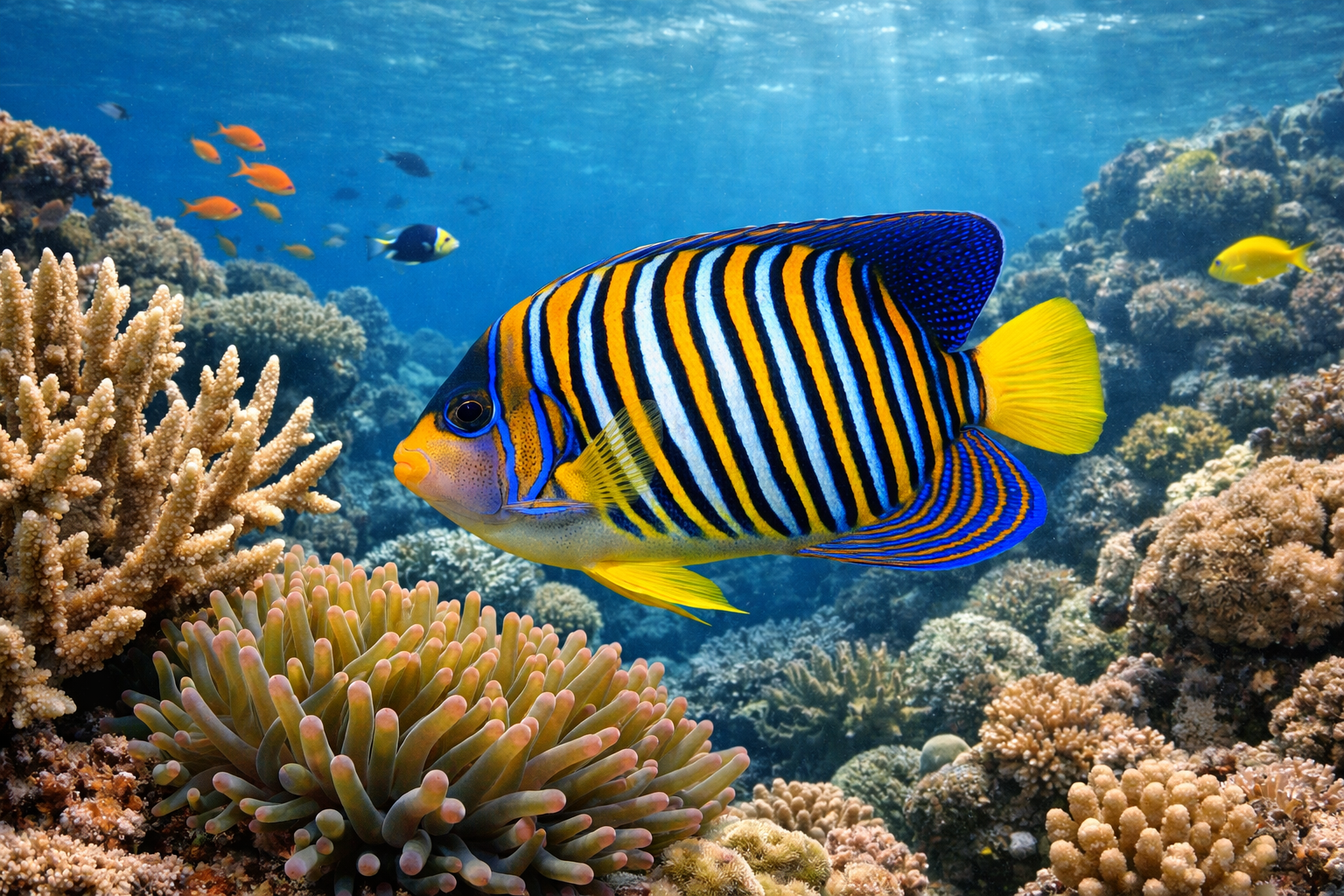
The regal angelfish (Pygoplites diacanthus) represents the pinnacle of marine fish beauty. Also known as the royal angelfish or empress angelfish, this species has earned its majestic name through its stunning appearance and regal bearing in the water.
Physical Characteristics That Define Elegance
Regal angelfish display one of nature's most striking color patterns. Their bodies feature:
- Alternating vertical stripes of bright yellow and deep blue
- Pure white bands that separate the colored stripes
- Vibrant orange-red fins with blue edging
- Distinctive facial markings with blue lines radiating from the eye
- Compressed, disc-shaped body typical of angelfish species
Adult regal angelfish typically reach 6-10 inches in length, with their bodies growing tall rather than long. Their fins are proportionally large, giving them an almost ethereal appearance as they glide through the water.
"The regal angelfish is often considered the holy grail of marine angelfish keeping—beautiful beyond words, but challenging beyond measure." – Marine Aquarium Expert
Geographic Distribution and Natural Habitat
Regal angelfish inhabit coral reefs throughout the Indo-Pacific region. Their range extends from:
| Region | Specific Locations |
|---|---|
| Western Indian Ocean | Red Sea, East Africa, Mauritius |
| Central Indo-Pacific | Maldives, Sri Lanka, Indonesia |
| Pacific Ocean | Great Barrier Reef, Fiji, Samoa |
| Northern Limits | Southern Japan, Taiwan |
These fish prefer outer reef slopes and lagoon areas with abundant coral growth. They're typically found at depths between 3-48 meters (10-157 feet), where they have access to diverse feeding opportunities and shelter.
Regal Angelfish Behavior and Diet in the Wild 🐠
Understanding the natural behavior of regal angelfish is crucial for anyone considering keeping these magnificent creatures. In their native coral reef environments, these fish exhibit complex behaviors that have evolved over millions of years.
Social Structure and Territorial Behavior
Regal angelfish are generally semi-aggressive and territorial. Key behavioral traits include:
- Solitary adults: Mature regal angelfish typically live alone, defending territories around coral formations
- Juvenile schooling: Young fish may form small groups for protection
- Pair bonding: During breeding season, established pairs may be observed together
- Territorial displays: They use fin spreading and color intensification to ward off intruders
Natural Diet and Feeding Patterns
The diet of wild regal angelfish consists primarily of:
Primary Food Sources:
- Sponges (60-70% of diet)
- Tunicates (sea squirts)
- Soft coral polyps
- Algae and marine vegetation
- Small invertebrates
Feeding Behavior:
- Graze continuously throughout the day
- Use their small mouths to pick at coral crevices
- Show strong preference for specific sponge species
- Require diverse diet for optimal health
This specialized diet makes regal angelfish particularly challenging to maintain in captivity, as replicating their natural food sources requires significant expertise and resources.
Keeping Regal Angelfish in Captivity: Expert-Level Care Requirements 🏠
Maintaining regal angelfish in home aquariums represents one of the greatest challenges in marine fishkeeping. These sensitive fish require pristine conditions and expert care to thrive in captivity.
Tank Size and Setup Requirements
Minimum Tank Specifications:
- Tank Size: 125 gallons (minimum) – 180+ gallons preferred
- Dimensions: Long and tall tanks work best (6+ feet length)
- Rock Work: Abundant live rock with caves and crevices
- Swimming Space: Open areas for natural swimming behavior
Water Parameters for Regal Angelfish Success
Maintaining stable water conditions is absolutely critical for regal angelfish health:
| Parameter | Ideal Range | Critical Notes |
|---|---|---|
| Temperature | 76-80°F (24-27°C) | Stable temperature crucial |
| pH | 8.1-8.4 | Natural seawater levels |
| Salinity | 1.020-1.025 specific gravity | Consistent levels required |
| Ammonia | 0 ppm | Any ammonia is toxic |
| Nitrite | 0 ppm | Must remain undetectable |
| Nitrate | <10 ppm | Lower is better |
Essential Equipment for Regal Angelfish Care
Filtration System:
- Protein skimmer: High-quality, oversized for tank volume
- Biological filtration: Established live rock or media
- Mechanical filtration: Regular cleaning schedule
- Chemical filtration: Activated carbon, phosphate removers
Lighting and Flow:
- LED lighting: Full spectrum for coral health
- Water movement: Multiple powerheads for natural current
- Timer systems: Consistent day/night cycles
Feeding Regal Angelfish in Captivity 🍽️
Nutrition represents the biggest challenge in regal angelfish care. Their specialized sponge-based diet must be replicated through:
Commercial Foods:
- High-quality angelfish preparations
- Sponge-based frozen foods
- Marine algae supplements
- Vitamin-enriched offerings
Feeding Schedule:
- Frequency: 3-4 small meals daily
- Variety: Rotate different food types
- Observation: Monitor eating behavior closely
- Supplements: Regular vitamin additions
Warning Signs of Poor Nutrition:
- Fading colors
- Reduced activity
- Loss of appetite
- Visible weight loss
Compatible Tank Mates and Aquarium Community Planning 🐟
Selecting appropriate tank mates for regal angelfish requires careful consideration of temperament, size, and environmental needs.
Ideal Tank Mates for Regal Angelfish
Excellent Companions:
- Tangs and Surgeonfish: Similar size and temperament
- Wrasses: Peaceful species like fairy wrasses
- Butterflyfish: Non-aggressive species
- Gobies and Blennies: Bottom-dwelling peaceful fish
- Cardinals: Schooling fish that stay out of territory
Compatible Invertebrates:
- Large hermit crabs
- Sea stars (non-predatory species)
- Cleaner shrimp
- Snails and cleanup crew
Fish to Avoid with Regal Angelfish
Incompatible Species:
- ❌ Aggressive triggers: Will stress regal angelfish
- ❌ Large predators: Groupers, eels, sharks
- ❌ Other angelfish: Territorial conflicts likely
- ❌ Nippy species: Damsels, some clownfish
- ❌ Coral predators: Will compete for food sources
Creating a Peaceful Community Environment
Territory Management:
- Provide multiple hiding spots
- Arrange rocks to create visual barriers
- Ensure adequate swimming space
- Introduce regal angelfish last to established tank
Breeding Regal Angelfish: The Ultimate Challenge 🥚
Breeding regal angelfish in captivity remains extremely rare and represents the pinnacle of marine aquaculture achievement.
Natural Breeding Behavior
In the wild, regal angelfish exhibit complex breeding behaviors:
- Pair formation: Monogamous pairs establish territories
- Spawning sites: Choose elevated coral formations
- Egg laying: Broadcast spawning in water column
- Larval stage: Extremely long and complex development
Captive Breeding Challenges
Major Obstacles:
- Pair bonding: Difficult to establish compatible pairs
- Tank size: Requires massive systems for breeding success
- Larval care: Microscopic food requirements
- Survival rates: Extremely low juvenile survival
- Time investment: Years of dedicated effort required
Current Success Rates:
- Less than 1% of attempts result in viable offspring
- Only a handful of successful captive breedings documented
- Requires specialized facilities and expert knowledge
Health Issues and Disease Prevention in Regal Angelfish 🏥
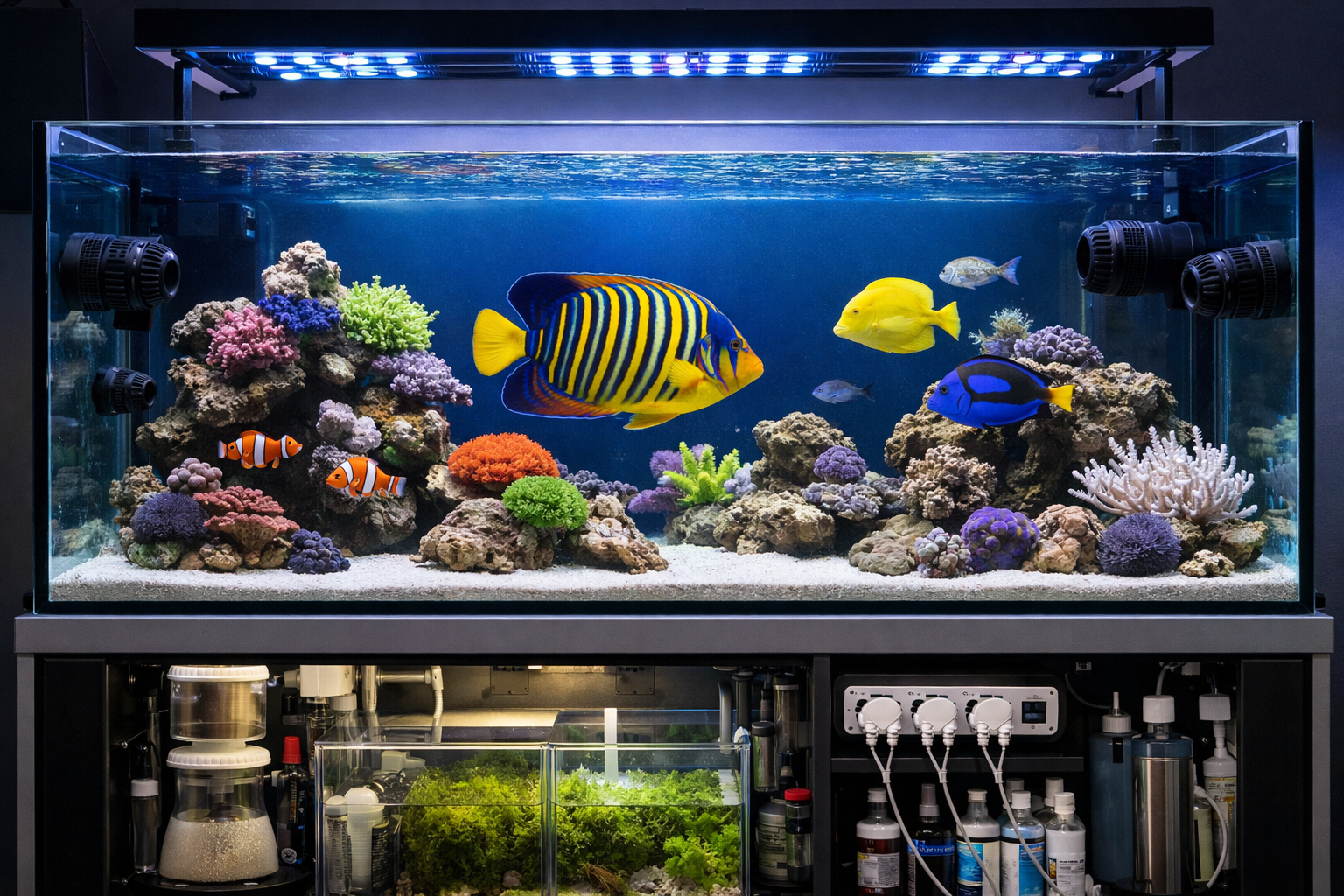
Regal angelfish are particularly susceptible to various health issues due to their sensitive nature and specialized dietary requirements.
Common Health Problems
Nutritional Deficiencies:
- HLLE (Head and Lateral Line Erosion): Often diet-related
- Color fading: Usually indicates poor nutrition
- Immune suppression: Makes fish vulnerable to diseases
Parasitic Infections:
- Marine Ich: White spot disease
- Velvet: Goldish dust appearance
- Flukes: Gill and skin parasites
Bacterial Issues:
- Fin rot: Often stress-related
- Internal infections: Difficult to treat
- Secondary infections: Following other illnesses
Prevention Strategies
Quarantine Protocol:
- Minimum 4-6 weeks quarantine for new fish
- Observation period: Monitor eating and behavior
- Preventive treatments: Consider copper-based medications
- Stress reduction: Minimize handling and disturbance
Ongoing Health Maintenance:
- Water quality: Maintain pristine conditions
- Nutrition: Provide varied, high-quality diet
- Stress reduction: Stable environment and compatible tank mates
- Regular monitoring: Daily observation for changes
Conservation Status and Wild Population Concerns 🌊
The conservation status of regal angelfish reflects broader concerns about coral reef ecosystem health and the marine aquarium trade.
Current Population Status
Conservation Assessment:
- IUCN Status: Not currently listed as threatened
- Population trends: Declining in heavily collected areas
- Habitat threats: Coral reef degradation
- Climate impact: Bleaching events affect food sources
Threats to Wild Regal Angelfish
Primary Concerns:
- Coral reef destruction: Habitat loss from climate change
- Ocean acidification: Affects coral and sponge growth
- Overharvesting: Collection for aquarium trade
- Pollution: Runoff and plastic contamination
- Coastal development: Reef system disruption
Sustainable Aquarium Trade Practices
Responsible Sourcing:
- Support captive-bred specimens when available
- Choose retailers with sustainable collection practices
- Avoid purchasing wild-caught juveniles
- Consider tank-bred alternatives
Conservation Support:
- Donate to coral reef conservation organizations
- Participate in citizen science projects
- Advocate for marine protected areas
- Reduce carbon footprint to address climate change
The Cost of Regal Angelfish Ownership: Financial Considerations 💰
Keeping regal angelfish successfully requires significant financial investment beyond the initial purchase price.
Initial Setup Costs
| Item | Price Range | Notes |
|---|---|---|
| Regal Angelfish | $150-$400 | Size and source dependent |
| Tank System | $2,000-$5,000+ | 125+ gallon setup |
| Filtration Equipment | $800-$1,500 | High-end protein skimmer, etc. |
| Lighting | $400-$800 | LED reef lighting |
| Live Rock | $300-$600 | Quality aquacultured rock |
| Miscellaneous | $500-$1,000 | Powerheads, testing, etc. |
Total Initial Investment: $4,150-$8,300+
Ongoing Monthly Costs
Regular Expenses:
- Specialized foods: $50-$80/month
- Supplements: $20-$30/month
- Electricity: $40-$80/month
- Water testing: $15-$25/month
- Maintenance supplies: $30-$50/month
Annual Costs: $1,860-$3,180
Hidden Costs and Considerations
Potential Additional Expenses:
- Veterinary care: $200-$500+ per incident
- Equipment replacement: $300-$800 annually
- Emergency backup systems: $500-$1,200
- Vacation care: $50-$100 per week
Success Stories and Expert Tips for Regal Angelfish Care 🏆
Learning from successful regal angelfish keepers provides valuable insights for aspiring aquarists.
Long-Term Success Factors
Key Elements for Success:
- Patience: Allow months for proper acclimation
- Consistency: Maintain stable conditions religiously
- Quality: Never compromise on equipment or food quality
- Observation: Learn individual fish behavior patterns
- Preparation: Research extensively before purchase
Expert Recommendations
Professional Advice:
"The most successful regal angelfish keepers are those who set up the entire system around this one fish's needs, rather than trying to add it to an existing community." – Marine Biologist Dr. Sarah Chen
Beginner Alternatives:
For aquarists interested in angelfish beauty without the extreme difficulty:
- Emperor Angelfish (juvenile)
- Queen Angelfish
- French Angelfish
- Coral Beauty Angelfish
Red Flags: When NOT to Purchase
Avoid Purchasing If:
- ❌ Tank is smaller than 125 gallons
- ❌ System is less than 6 months established
- ❌ Budget doesn't allow for premium food and care
- ❌ Limited experience with marine fish
- ❌ Cannot commit to daily observation and care
Conclusion: The Regal Angelfish Journey
The regal angelfish represents both the pinnacle of marine aquarium beauty and one of the greatest challenges in fishkeeping. These magnificent creatures demand respect, expertise, and unwavering commitment from their caretakers. While their stunning appearance and graceful presence make them incredibly desirable, the reality of regal angelfish care requires honest assessment of one's skills, resources, and dedication.
Success with regal angelfish comes to those who approach their care with humility, patience, and deep respect for their complex needs. The reward—witnessing these living jewels thrive in captivity—represents one of the most fulfilling achievements in marine aquariums.
Next Steps for Aspiring Regal Angelfish Keepers
Before Making the Commitment:
- Gain Experience: Successfully maintain other challenging marine fish for at least 2-3 years
- Research Extensively: Study regal angelfish behavior, diet, and care requirements thoroughly
- Plan Your System: Design the entire aquarium around regal angelfish needs
- Build Your Budget: Ensure adequate funds for initial setup and ongoing care
- Find Support: Connect with experienced regal angelfish keepers and marine aquarium communities
If You Decide to Proceed:
- Establish Your System: Set up and cycle your aquarium for 6+ months before adding fish
- Source Responsibly: Choose healthy, well-acclimated specimens from reputable dealers
- Quarantine Properly: Never skip the quarantine process, regardless of source
- Monitor Constantly: Daily observation becomes your most important tool
- Stay Committed: Be prepared for a long-term relationship requiring consistent care
The regal angelfish journey is not for everyone, but for those who successfully undertake it, the experience provides unparalleled satisfaction and a deeper connection to the incredible diversity of marine life. Whether you choose to pursue keeping these magnificent fish or simply appreciate them in their natural coral reef habitats, the regal angelfish serves as a powerful reminder of the ocean's extraordinary beauty and the responsibility we all share in protecting these precious ecosystems.