
The Complete Guide to Setting Up a Clownfish Tank 2026: Your Journey to Marine Aquarium Success
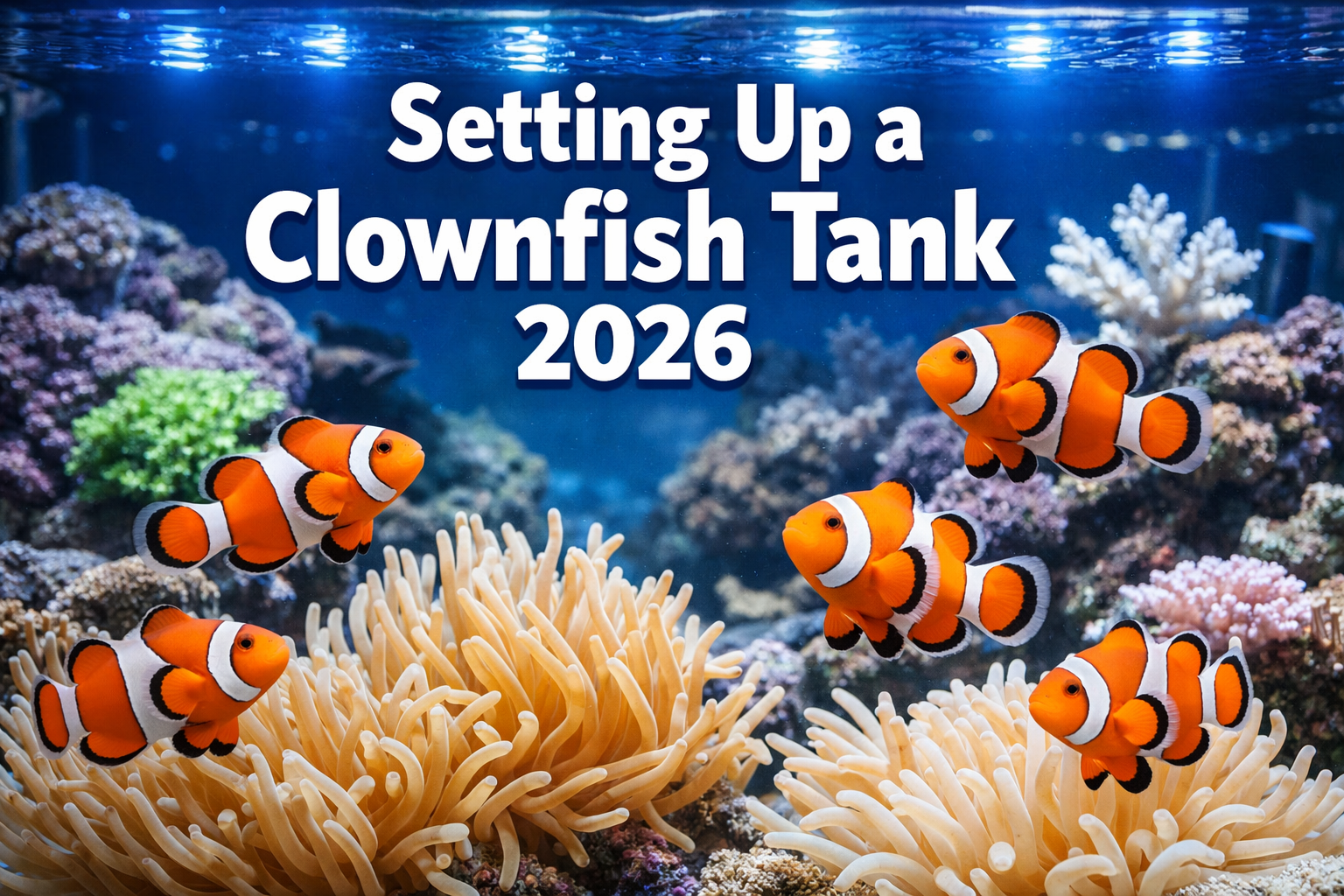
Picture this: you’re sitting in your living room, mesmerized by the gentle dance of vibrant orange and white clownfish weaving through swaying sea anemones in your very own slice of the ocean. The soft hum of your filtration system creates a peaceful backdrop as these charismatic fish go about their daily routines, bringing the magic of the coral reef into your home. If you’ve ever dreamed of creating this underwater paradise, then setting up a clownfish tank 2026 is your gateway to one of the most rewarding hobbies in the aquarium world.
Clownfish have captured hearts worldwide, not just because of their starring role in popular animated films, but because they represent the perfect entry point into marine aquarium keeping. These hardy, colorful fish are forgiving to beginners while still offering endless fascination for experienced aquarists. Whether you’re planning your first saltwater tank or expanding your collection, setting up a clownfish tank 2026 requires careful planning, the right equipment, and a solid understanding of marine aquarium principles.
- Display 15 Products per page
Key Takeaways
• Tank size matters: A minimum 20-gallon tank is recommended for a pair of clownfish, with larger tanks providing better stability and room for growth
• Water quality is critical: Maintaining proper salinity (1.020-1.025), temperature (76-82°F), and ammonia/nitrite levels at zero is essential for clownfish health
• Cycling is non-negotiable: Allow 4-6 weeks for your tank to establish beneficial bacteria before introducing any fish
• Species selection impacts success: Choose compatible clownfish species and morphs, with Ocellaris and Percula being the most beginner-friendly options
• Long-term commitment: Clownfish can live 6-10 years with proper care, requiring consistent maintenance and monitoring
Essential Equipment for Setting Up a Clownfish Tank 2026
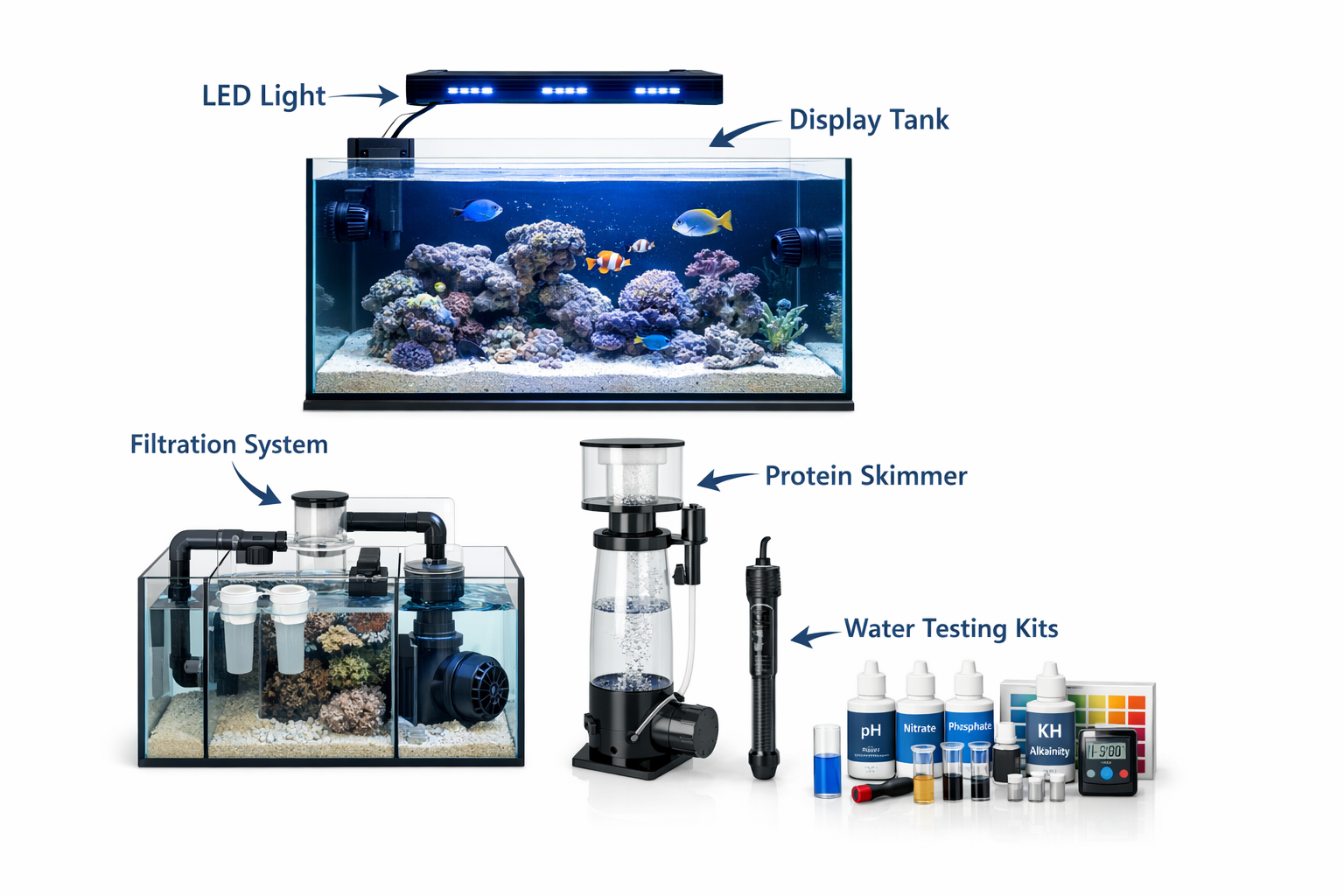
When I first started my journey into marine aquarium keeping, I quickly learned that success begins with having the right equipment. Setting up a clownfish tank 2026 requires specific gear that differs significantly from freshwater aquariums, and cutting corners on essential equipment often leads to frustration and fish loss.
Tank Selection and Size Requirements
The foundation of any successful clownfish setup is choosing the appropriate tank size. While clownfish are relatively small fish, typically reaching 3-4 inches in length, they need adequate swimming space and water volume for stability. I recommend starting with at least a 20-gallon tank for a single clownfish or a bonded pair. However, if your budget and space allow, a 40-gallon tank provides much better water stability and room for additional tank mates.
Tank Size Recommendations:
- 20 gallons: Single clownfish or bonded pair
- 40 gallons: Pair of clownfish plus small tank mates
- 75+ gallons: Multiple clownfish species or larger community setup
The shape of your tank matters too. Longer tanks provide more swimming space than tall, narrow ones, which is particularly important for active fish like clownfish. Look for tanks with dimensions that offer good surface area for gas exchange and equipment placement.
Filtration Systems: The Heart of Your Marine Tank
Marine aquariums require robust filtration to maintain the pristine water quality that clownfish need to thrive. Your filtration system should provide three types of filtration: mechanical, biological, and chemical.
Mechanical Filtration removes visible debris and particles from the water. This can be accomplished through filter socks, sponges, or filter pads that trap waste before it decomposes.
Biological Filtration is arguably the most critical component. Beneficial bacteria convert toxic ammonia from fish waste into less harmful nitrates. Live rock serves as an excellent biological filter, providing surface area for beneficial bacteria while creating a natural reef environment.
Chemical Filtration removes dissolved organics and maintains water clarity. Activated carbon is the most common chemical media, though protein skimmers are increasingly popular for their ability to remove organic compounds before they break down.
For tanks under 40 gallons, a high-quality hang-on-back filter combined with live rock often provides adequate filtration. Larger tanks benefit from sump systems that house equipment out of sight while providing additional water volume and filtration capacity.
Lighting Requirements for Clownfish Tanks
Clownfish themselves don’t have specific lighting requirements beyond a natural day/night cycle, but proper lighting becomes crucial if you plan to keep live corals or anemones. LED lighting systems have become the gold standard for marine aquariums, offering energy efficiency, longevity, and precise spectrum control.
For a fish-only clownfish tank, basic LED fixtures that provide 6500K white light with some blue spectrum will suffice. If you’re planning to add corals later, invest in a full-spectrum LED system capable of supporting photosynthetic organisms.
Recommended lighting schedule:
- Daytime: 8-10 hours of white and blue light
- Evening: 1-2 hours of blue-only “moonlight”
- Night: Complete darkness for 10-12 hours
Heating and Temperature Control
Clownfish are tropical fish that require stable temperatures between 76-82°F (24-28°C). Temperature fluctuations can stress fish and make them susceptible to disease, so investing in a quality heater and temperature controller is essential.
For most home aquariums, submersible heaters work well, but ensure you choose one rated for your tank size. A good rule of thumb is 5 watts per gallon for heated homes. Consider backup heating options for larger tanks or if you live in areas prone to power outages.
Water Testing and Monitoring Equipment
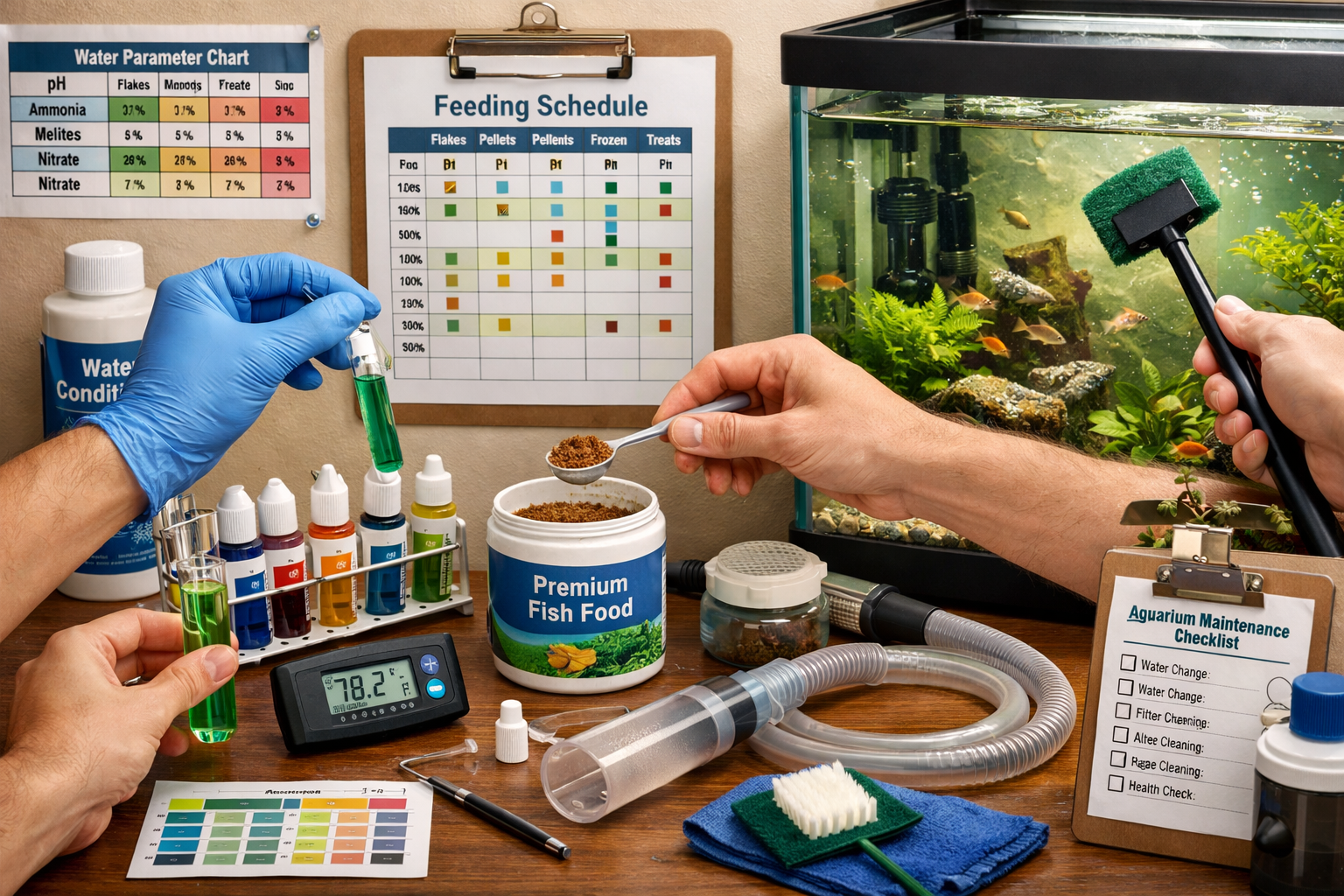
Maintaining proper water chemistry is crucial for clownfish health, and regular testing allows you to catch problems before they become serious. Essential test kits include:
- Ammonia and Nitrite: Should always read zero in established tanks
- Nitrate: Keep below 20 ppm for fish-only tanks
- pH: Maintain between 8.0-8.4 for marine tanks
- Salinity: Target 1.020-1.025 specific gravity
- Alkalinity: 8-12 dKH for stability
Digital meters for pH and salinity provide more accurate readings than test strips, though they require regular calibration. Many experienced aquarists find that quality aquarium filters combined with consistent testing create the foundation for long-term success.
Water Chemistry and Tank Cycling for Setting Up a Clownfish Tank 2026
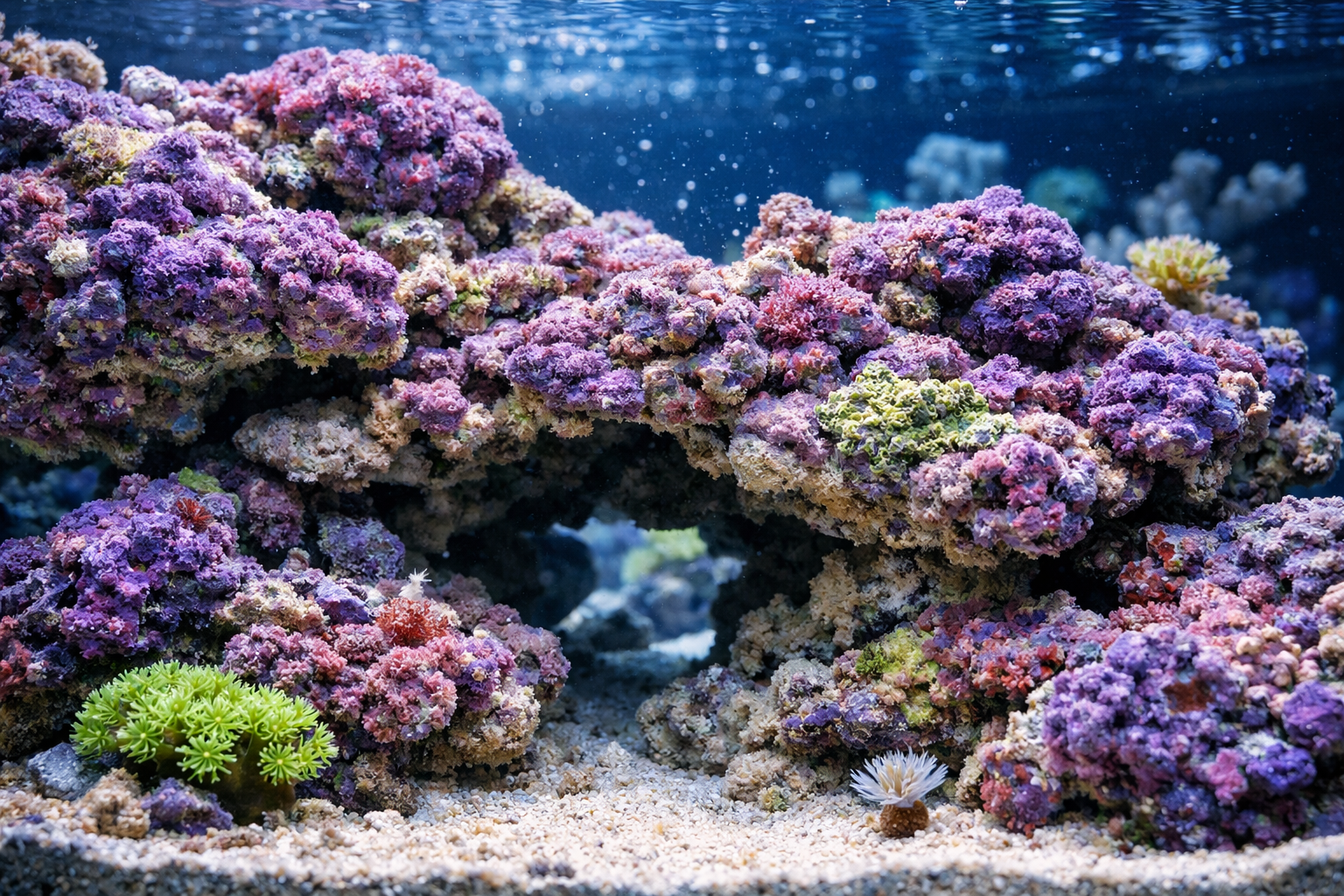
Understanding and maintaining proper water chemistry separates successful marine aquarists from those who struggle with constant fish loss and algae problems. When setting up a clownfish tank 2026, the cycling process and ongoing water management become your most important skills to master.
The Nitrogen Cycle: Foundation of Marine Aquarium Success
The nitrogen cycle is the biological process that converts toxic fish waste into less harmful compounds. In nature, this process happens continuously in the ocean, but in our closed aquarium systems, we must establish and maintain these beneficial bacterial colonies.
Stage 1: Ammonia Production
Fish waste, uneaten food, and decaying organic matter produce ammonia (NH₃), which is highly toxic to marine life. Even small amounts can cause stress, disease, and death in clownfish.
Stage 2: Nitrite Formation
Beneficial bacteria called Nitrosomonas convert ammonia into nitrites (NO₂). While less toxic than ammonia, nitrites are still harmful to fish and can interfere with their ability to carry oxygen in their blood.
Stage 3: Nitrate Production
A second group of bacteria, Nitrobacter, converts nitrites into nitrates (NO₃). Nitrates are much less toxic and can be tolerated in moderate levels, though regular water changes help keep them low.
Cycling Methods: Choosing Your Approach
Fishless Cycling is the most humane and reliable method for establishing your biological filter. Add an ammonia source (pure ammonia or fish food) to feed the developing bacteria colonies without risking fish health. This process typically takes 4-6 weeks but results in a fully cycled tank ready for fish.
Live Rock Cycling involves using cured live rock as both your biological filter and ammonia source. Quality live rock contains beneficial bacteria and may cycle faster than purely artificial methods. However, die-off during shipping can cause ammonia spikes, so monitor water parameters closely.
Bacterial Supplements can accelerate the cycling process by introducing concentrated beneficial bacteria. While these products don’t eliminate the cycling period, they can reduce it to 2-3 weeks when combined with proper ammonia sources and monitoring.
Salinity and Specific Gravity Management
Marine fish require specific salinity levels to maintain proper cellular function. Clownfish thrive in salinity levels between 1.020-1.025 specific gravity, with 1.023 being optimal for most species.
Mixing Saltwater:
- Use reverse osmosis (RO) or distilled water as your base
- Add marine salt mix gradually while mixing
- Allow 24 hours for complete dissolution
- Test and adjust before adding to tank
- Match temperature to your display tank
Maintaining Salinity:
- Check salinity weekly with a refractometer or hydrometer
- Top off evaporation with fresh water only (salt doesn’t evaporate)
- Perform regular water changes with properly mixed saltwater
- Keep backup saltwater mixed and ready for emergencies
pH and Alkalinity: The Stability Duo
Marine aquariums require higher pH levels than freshwater tanks, typically 8.0-8.4. Alkalinity (buffering capacity) helps maintain stable pH by resisting changes from acid production in the tank.
Factors Affecting pH:
- Biological processes that produce acids
- Carbon dioxide levels from respiration
- Organic waste accumulation
- Inadequate water circulation
Maintaining Stable pH:
- Perform regular water changes (10-20% weekly)
- Ensure adequate water circulation and gas exchange
- Monitor alkalinity and supplement if needed
- Use quality marine salt mixes with proper buffering
Temperature Stability and Thermal Management
Clownfish are sensitive to temperature fluctuations, which can stress their immune systems and make them susceptible to disease. Maintain temperatures between 76-82°F with minimal daily variation.
Temperature Management Tips:
- Use appropriately sized heaters with thermostats
- Position heaters near water circulation for even heating
- Monitor with accurate thermometers
- Consider backup heating for valuable collections
- Avoid placing tanks near windows or heat sources
Understanding these water chemistry principles provides the foundation for success when working with any saltwater fish store to select healthy specimens for your new aquarium.
Clownfish Species and Morphs: Choosing Your Perfect Fish
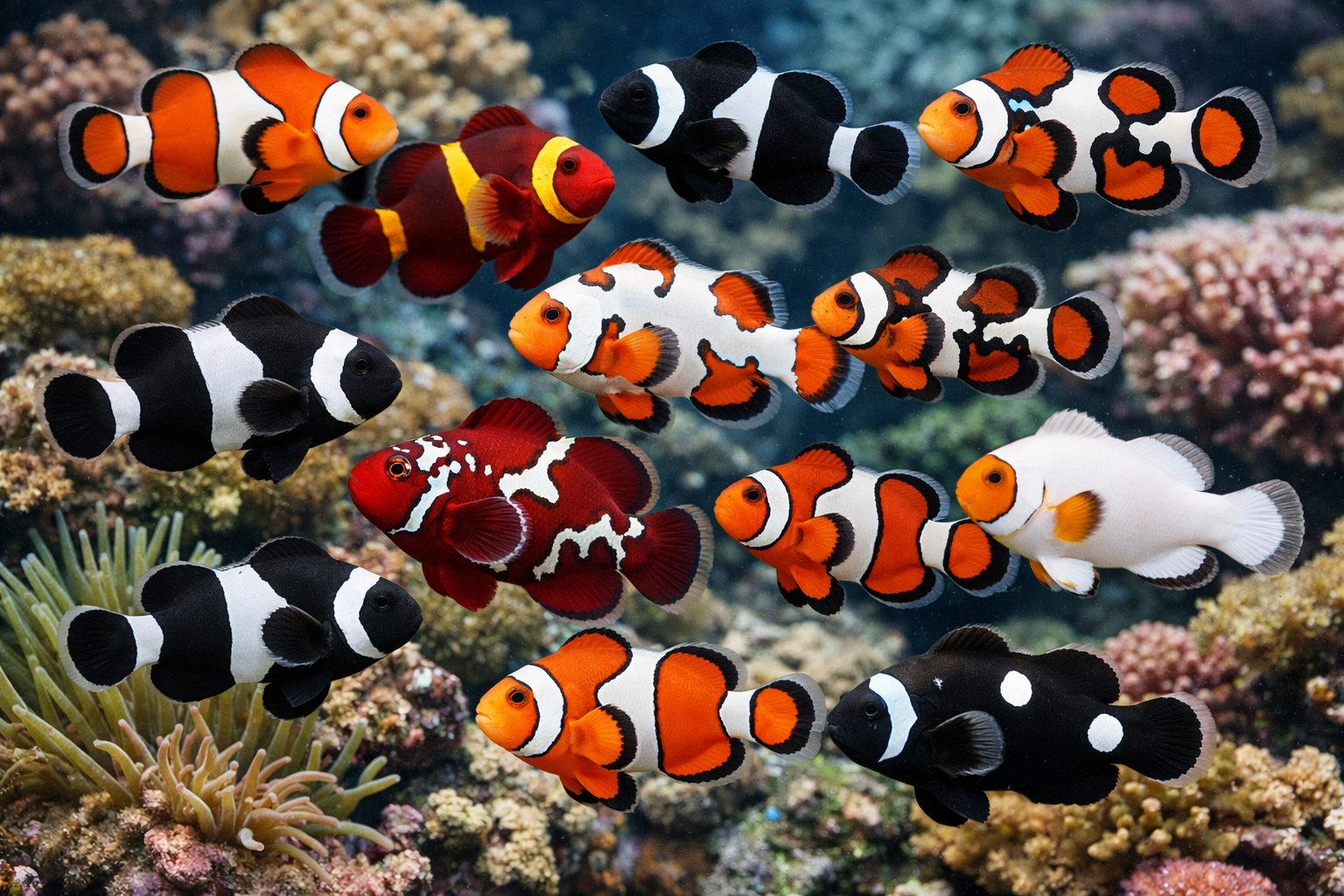
The world of clownfish offers an incredible diversity of species and captive-bred morphs that can transform your aquarium into a living kaleidoscope. When setting up a clownfish tank 2026, understanding the different species available and their unique characteristics helps you make informed decisions that align with your experience level and aesthetic preferences.
Popular Clownfish Species for Home Aquariums
Ocellaris Clownfish (Amphiprion ocellaris)
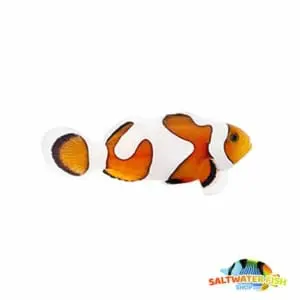
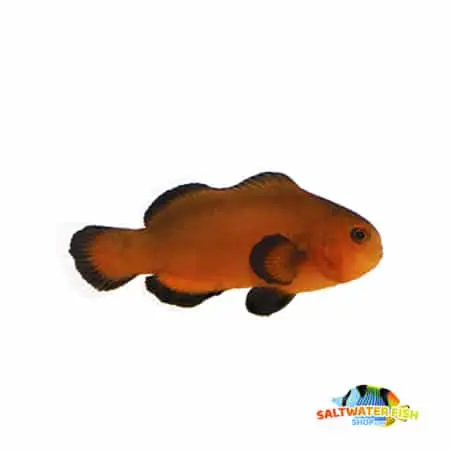
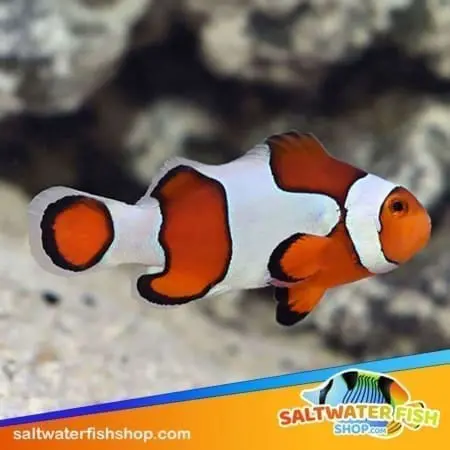
The Ocellaris clownfish, often called the “false percula,” represents the perfect starting point for new marine aquarists. These hardy fish adapt well to aquarium life, accept a variety of foods readily, and display the classic orange and white coloration that most people associate with clownfish. Adult Ocellaris typically reach 3 inches in length and live 6-8 years with proper care.
What makes Ocellaris particularly appealing is their peaceful temperament and compatibility with other tank mates. Unlike some clownfish species that can become territorial or aggressive, Ocellaris maintain their gentle nature even as they mature. They’re also the foundation for most designer morphs available today.
Percula Clownfish (Amphiprion percula)
True Percula clownfish are slightly smaller than their Ocellaris cousins, typically reaching 2.5 inches, but they display more vibrant orange coloration and thicker black borders around their white stripes. These fish command higher prices due to their stunning appearance and slightly more challenging breeding requirements.
Percula clownfish originate from the Great Barrier Reef and surrounding areas, where they live in close association with magnificent sea anemones. In aquariums, they display similar behaviors to Ocellaris but may be slightly more sensitive to water quality fluctuations.
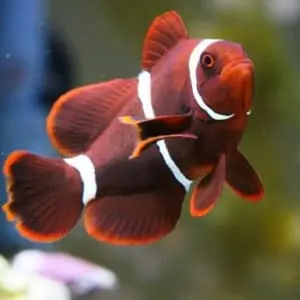
Maroon Clownfish (Premnas biaculeatus)
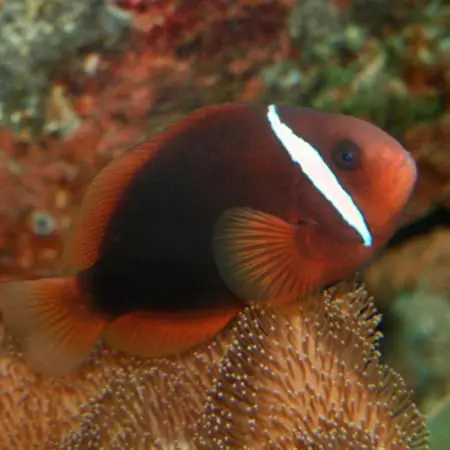
The largest of the commonly available clownfish species, Maroon clownfish can reach 6 inches in length and display deep red coloration with distinctive white stripes. These fish are stunning but require larger tanks (minimum 40 gallons) and careful consideration of tank mates due to their territorial nature.
Female Maroon clownfish, in particular, can become quite aggressive as they mature, especially if they establish a territory around an anemone. However, their bold personality and striking appearance make them favorites among experienced aquarists who can provide appropriate housing.
Designer Morphs: The Art of Selective Breeding
The captive breeding of clownfish has produced an amazing array of color and pattern variations that would never occur in nature. These designer morphs showcase the skill of dedicated breeders and offer aquarists unique fish that serve as living artwork.
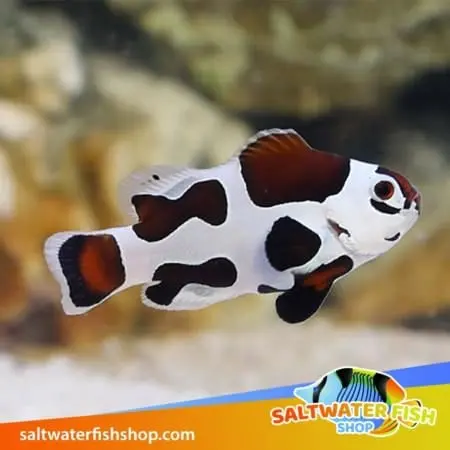
Picasso Clownfish
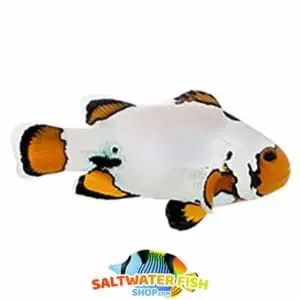
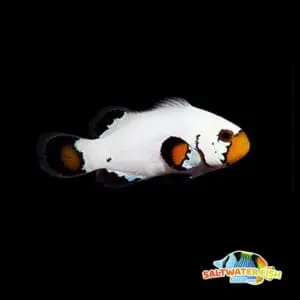
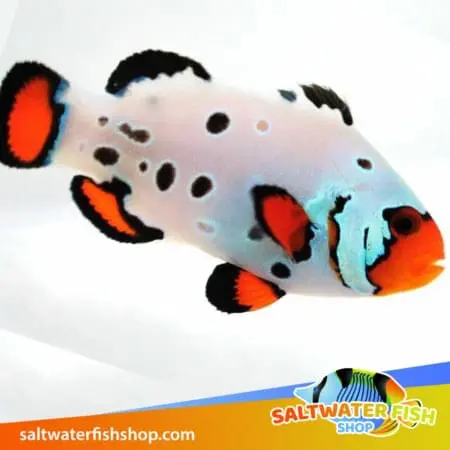
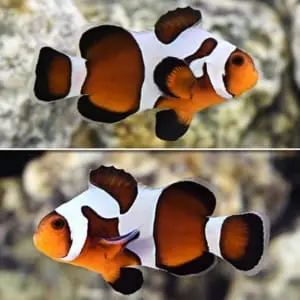
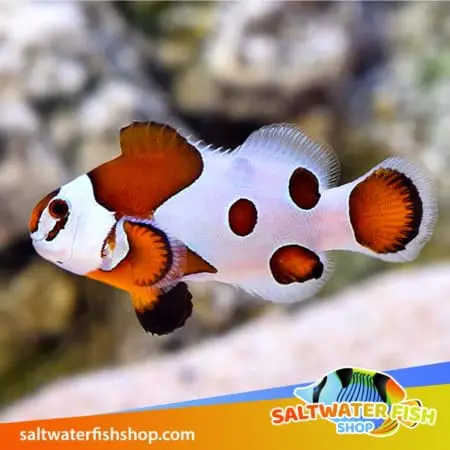
Picasso morphs display irregular white markings that extend beyond the normal stripe patterns, creating unique, asymmetrical designs. No two Picasso clownfish look exactly alike, making each fish a one-of-a-kind addition to your aquarium. The most extreme examples, called “Platinums,” may be almost entirely white with just hints of orange.
Snowflake Clownfish
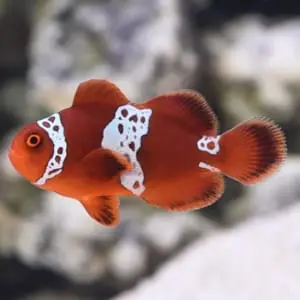
Snowflake morphs feature additional white markings that create a speckled or “snowy” appearance over the orange base color. These markings typically appear as dots, dashes, or irregular patches that give each fish a distinctive pattern.
Lightning Clownfish
Lightning morphs display dramatic white striping that often connects the normal bands, creating zigzag or lightning-bolt patterns across the fish’s body. The most striking examples feature white markings that extend into the fins, creating an almost electric appearance.
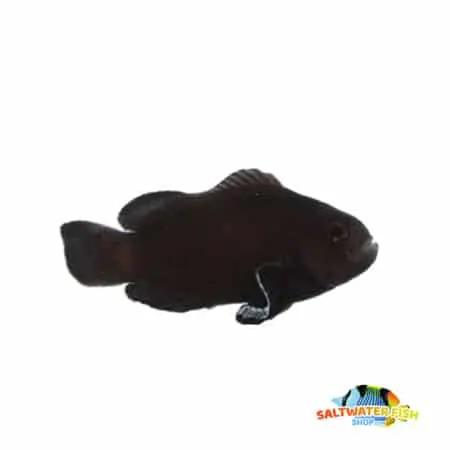
Black Ice and Midnight Clownfish
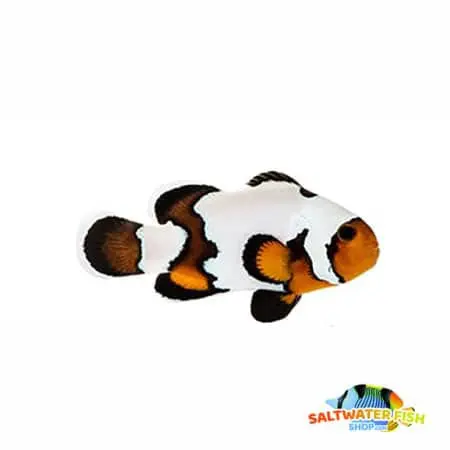
These morphs feature reduced orange pigmentation, resulting in fish that appear almost black with white markings. Black Ice morphs retain some orange coloration, while Midnight clownfish may be almost entirely black and white.
Clownfish Compatibility and Social Dynamics
Understanding clownfish social behavior is crucial for creating harmonious tank communities. In nature, clownfish live in small groups dominated by a large female, with a breeding male and several smaller juveniles. This hierarchy translates to aquarium keeping in important ways.
Pair Bonding
Most aquarists keep clownfish in pairs, which represents the most stable social arrangement for home aquariums. Established pairs from reputable sources like captive-bred saltwater fish typically adapt quickly to new environments and display natural behaviors.
Size Differences
When selecting a pair, choose fish with significant size differences if possible. The larger fish will likely become the female, while the smaller remains male. This size differential helps prevent conflicts during the establishment of their hierarchy.
Species Mixing
While different clownfish species can sometimes coexist, it’s generally safer to stick with a single species per tank. Ocellaris and Percula clownfish may hybridize if kept together, and size differences between species can lead to aggression.
Selecting Healthy Clownfish
When purchasing clownfish, whether online or from local stores, certain indicators help identify healthy specimens that will thrive in your aquarium.
Physical Appearance
Healthy clownfish display vibrant coloration, clear eyes, and intact fins. Avoid fish with torn fins, cloudy eyes, white spots, or unusual growths. The fish should appear alert and responsive to movement outside the tank.
Behavior Patterns
Observe potential purchases for several minutes. Healthy clownfish swim actively, show interest in food, and interact normally with tank mates. Avoid fish that hide constantly, gasp at the surface, or display erratic swimming patterns.
Quarantine Considerations
Regardless of the source, all new fish should undergo quarantine before introduction to your main tank. This process allows you to observe for signs of disease and treat any issues without risking your established aquarium inhabitants.
The diversity of clownfish species and morphs available through specialized retailers ensures that every aquarist can find fish that match their preferences and experience level. Whether you choose classic Ocellaris or exotic designer morphs, proper selection sets the foundation for years of enjoyment.
Compatible Tank Mates for Setting Up a Clownfish Tank 2026
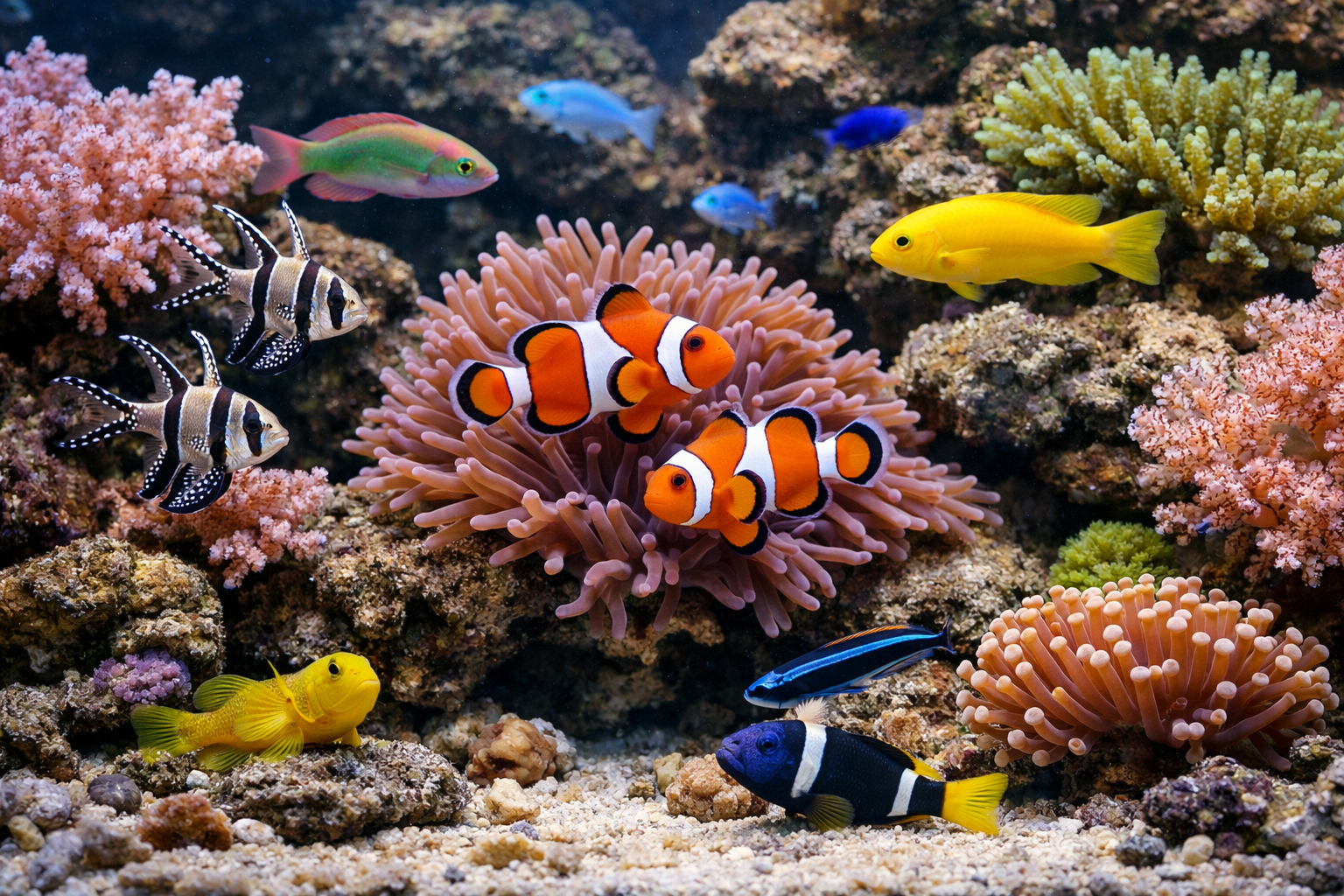
Creating a thriving community aquarium around clownfish requires careful consideration of species compatibility, temperament, and environmental needs. When setting up a clownfish tank 2026, selecting appropriate tank mates can transform your aquarium from a simple clownfish display into a complex ecosystem that showcases the diversity and beauty of coral reef life.
Peaceful Fish Species That Thrive with Clownfish
Cardinal Fish: Perfect Schooling Companions
Cardinal fish represent some of the best tank mates for clownfish due to their peaceful nature and complementary behaviors. These small, colorful fish occupy different areas of the tank than clownfish, creating visual interest without competition for territory.
Pajama Cardinals, with their distinctive spotted pattern and large eyes, add nighttime activity to your aquarium as they become more active during evening hours. Banggai Cardinals offer striking black and white striping with elongated fins that create elegant movement throughout the water column. Both species prefer to school in groups of 3-5 individuals, though they’ll adapt to smaller numbers in home aquariums.
The feeding requirements of cardinal fish align well with clownfish diets, accepting similar foods and feeding schedules. Their peaceful temperament means they won’t harass clownfish or compete aggressively for food, making them ideal community tank inhabitants.
Wrasse Species: Active and Colorful Additions
Smaller wrasse species bring vibrant colors and active swimming behaviors that complement the gentle nature of clownfish. Six Line Wrasses display brilliant purple and orange striping with an active personality that adds movement to your aquarium. However, ensure adequate hiding places as these fish like to dart in and out of rockwork.
Fairy Wrasses, including species like the Lubbock’s and Solar Wrasses, offer stunning coloration and peaceful temperaments. Males display particularly vibrant colors during spawning displays, creating spectacular shows of color and movement. These fish require good water quality and benefit from varied diets that include small crustaceans and marine proteins.
Goby and Blenny Combinations
Bottom-dwelling gobies and perching blennies occupy different niches than clownfish, creating natural community dynamics. Watchman gobies pair with pistol shrimp to create fascinating symbiotic relationships that add biological interest to your aquarium.
Blennies like the Bicolor Blenny or Midas Blenny perch on rockwork and help control algae growth while displaying entertaining personalities. These fish often develop individual quirks and behaviors that make them favorites among aquarists who appreciate character in their fish.
Fish to Avoid with Clownfish
Aggressive Species
Large angelfish, triggerfish, and groupers can view clownfish as food rather than tank mates. Even smaller aggressive species like dottybacks or pseudochromis can harass peaceful clownfish, causing stress and potential injury.
Competitive Feeders
Fast-moving fish that aggressively compete for food can prevent clownfish from receiving adequate nutrition. Anthias, while beautiful, require frequent feeding that can disrupt the calm feeding environment clownfish prefer.
Size Incompatibility
Any fish large enough to swallow a clownfish should be avoided. This includes larger angelfish, groupers, and predatory species that might view clownfish as prey items.
Invertebrate Tank Mates
Cleaner Shrimp and Crabs
Cleaner shrimp like the Scarlet Skunk Cleaner Shrimp provide beneficial services by removing parasites and dead tissue from fish while adding interesting behavior to your aquarium. These shrimp are generally safe with clownfish and help maintain fish health through their cleaning activities.
Small hermit crabs serve as cleanup crews, consuming leftover food and detritus that might otherwise decompose and affect water quality. Blue Leg and Scarlet Reef Hermit Crabs are popular choices that remain small and peaceful in community tanks.
Snails and Other Cleanup Crew
Various snail species help control algae growth and consume organic waste. Turbo snails, Astrea snails, and Nassarius snails each target different types of algae and detritus, creating a comprehensive cleanup system for your aquarium.
Creating Territorial Balance
Understanding territorial requirements helps prevent conflicts in community tanks. Clownfish typically claim small territories around anemones or coral heads, while other species may require different types of territories or swimming areas.
Vertical Territory Division
Arrange your aquascape to create distinct territories at different levels. Clownfish often prefer mid-level territories, while gobies claim bottom areas and wrasses utilize upper water columns. This vertical division allows multiple species to coexist without direct competition.
Hiding Places and Caves
Provide multiple hiding spots and caves throughout your rockwork. Each fish species should have access to appropriate shelter that matches their natural behaviors. Clownfish prefer anemones or coral heads, while gobies need sandy areas with rock overhangs.
Feeding Considerations in Community Tanks
Mixed species tanks require careful attention to feeding to ensure all inhabitants receive proper nutrition. Clownfish are generally good community feeders, but some tank mates may have specific dietary requirements or feeding behaviors.
Multiple Feeding Strategies
Use a combination of feeding methods to accommodate different species. Broadcast feeding works well for clownfish and cardinals, while target feeding may be necessary for slower-moving species like mandarins or specialized feeders.
Food Size and Type Variety
Offer foods in various sizes to accommodate different mouth sizes and feeding preferences. Clownfish accept medium-sized pellets and flakes, while smaller species may require finely chopped foods or specialized small-particle diets.
The key to successful community tanks lies in research and planning before adding any new inhabitants. Consider the adult size, territorial requirements, and feeding needs of each species to create harmonious communities that showcase the diversity of marine life while maintaining the peaceful environment that clownfish prefer.
Long-term Care and Maintenance for Setting Up a Clownfish Tank 2026
Success in marine aquarium keeping extends far beyond the initial setup phase. When setting up a clownfish tank 2026, establishing sustainable maintenance routines and understanding long-term care requirements ensures your aquarium thrives for years to come. The difference between struggling aquarists and those who enjoy consistent success often lies in their approach to ongoing care and maintenance.
Daily Maintenance Routines
Visual Health Checks
Every day, I spend a few minutes observing my clownfish for changes in behavior, appetite, or appearance. Healthy clownfish display bright coloration, swim actively, and show interest in their surroundings. Look for signs of stress such as rapid breathing, clamped fins, or unusual hiding behavior.
During feeding time, count your fish to ensure everyone is present and accounted for. Missing fish could indicate jumping, hiding due to illness, or mortality that needs immediate attention. Clownfish are generally hardy, but early detection of problems significantly improves treatment outcomes.
Equipment Function Monitoring
Check that all equipment is functioning properly each day. Ensure heaters are maintaining target temperatures, filters are running smoothly, and lighting systems are operating on schedule. Equipment failures can quickly lead to water quality issues or temperature fluctuations that stress fish.
Pay attention to unusual sounds from pumps or filters, which may indicate impending failure. Keep spare equipment on hand for critical systems like heaters and pumps, as equipment failures often occur at the worst possible times.
Weekly Maintenance Tasks
Water Testing and Quality Monitoring
Weekly water testing provides the foundation for maintaining optimal conditions for your clownfish. Test ammonia, nitrite, nitrate, pH, and salinity at minimum. Keep a log of test results to identify trends that might indicate developing problems.
Ammonia and nitrite should always read zero in established tanks. Nitrate levels below 20 ppm are acceptable for fish-only tanks, though lower levels (under 10 ppm) are preferable. If nitrates climb consistently, increase water change frequency or volume.
Water Changes: The Key to Success
Regular water changes represent the most important maintenance task for marine aquariums. I recommend changing 10-20% of tank volume weekly, depending on bioload and water test results. Larger, less frequent water changes can shock fish and disrupt beneficial bacterial populations.
Water Change Process:
- Mix new saltwater 24 hours in advance
- Match temperature and salinity to display tank
- Turn off equipment and remove decorations if needed
- Vacuum substrate and remove visible detritus
- Replace removed water slowly to avoid shocking fish
- Test parameters after water change completion
Algae Management
Most marine aquariums develop some algae growth, which is normal and even beneficial in small amounts. However, excessive algae can indicate nutrient imbalances or lighting issues that need addressing.
Remove visible algae manually during water changes, and consider adding cleanup crew invertebrates to help control growth. Adjust feeding amounts or lighting duration if algae becomes problematic.
Monthly Deep Maintenance
Equipment Cleaning and Inspection
Monthly equipment maintenance prevents gradual performance degradation that can affect water quality. Clean pump impellers, replace filter media, and inspect all equipment for signs of wear or damage.
Filter Media Replacement Schedule:
- Mechanical media: Replace or clean weekly
- Chemical media: Replace monthly or as directed
- Biological media: Clean gently in tank water, never replace entirely
Protein Skimmer Maintenance
If your system includes a protein skimmer, empty collection cups weekly and clean the entire unit monthly. Proper skimmer function significantly improves water quality by removing organic compounds before they decompose.
Feeding Programs and Nutrition
Establishing Feeding Routines
Clownfish thrive on consistent feeding schedules that provide adequate nutrition without overfeeding. Feed small amounts 2-3 times daily, offering only what fish can consume within 2-3 minutes. Overfeeding leads to water quality problems and algae growth.
Dietary Variety for Optimal Health
Provide varied diets that include high-quality marine pellets, frozen foods, and occasional live foods. Clownfish are omnivores that benefit from both plant and animal proteins. Rotate between different food types to ensure complete nutrition.
Quality Food Sources:
- Marine pellets with marine proteins as primary ingredients
- Frozen mysis shrimp, brine shrimp, and marine preparations
- Nori or marine algae for vegetable matter
- Specialized marine vitamins for enhanced nutrition
When sourcing foods, work with reputable suppliers that understand marine fish nutrition. Many aquarists find that standard food supplies shipping from specialized retailers provides access to higher quality foods than local pet stores.
Seasonal Considerations and Environmental Changes
Temperature Management Through Seasons
Room temperature fluctuations affect aquarium temperatures, especially in smaller tanks. Monitor temperatures more closely during seasonal transitions and adjust heating or cooling as needed. Clownfish tolerate gradual temperature changes better than sudden fluctuations.
Lighting Adjustments
Some aquarists adjust lighting schedules seasonally to mimic natural photoperiod changes. While not necessary for fish-only tanks, these adjustments can promote natural behaviors and may benefit overall fish health.
Emergency Preparedness
Power Outage Protocols
Develop plans for extended power outages that could affect life support systems. Battery-powered air pumps can maintain oxygen levels, while insulation helps maintain temperatures during heating system failures.
Backup Equipment Inventory
Maintain spare equipment for critical systems:
- Backup heater appropriately sized for your tank
- Battery-powered air pump and airstone
- Extra salt mix for emergency water changes
- Medications for common marine fish diseases
- Emergency contact information for marine aquarium professionals
Record Keeping and Trend Analysis
Maintenance Logs
Keep detailed records of water parameters, maintenance activities, and fish behavior observations. These records help identify patterns and potential problems before they become serious issues.
Digital Monitoring Options
Modern aquarium controllers can automate monitoring and provide alerts for parameter changes. While not necessary for basic clownfish tanks, these systems provide peace of mind for valuable collections or when traveling.
Planning for Growth and Expansion
System Upgrades
As your experience grows, you may want to expand your system or upgrade equipment. Plan upgrades carefully to avoid disrupting established biological systems. Gradual changes work better than complete system overhauls.
Adding New Inhabitants
When adding new fish or invertebrates, follow proper quarantine procedures and research compatibility thoroughly. Established clownfish may be territorial toward new additions, so introduce new inhabitants carefully.
The key to long-term success lies in consistency and attention to detail. Regular maintenance prevents small problems from becoming major issues, while careful observation of your fish helps you understand their normal behaviors and quickly identify when something isn’t right. With proper care, clownfish can provide years of enjoyment and serve as the foundation for increasingly complex and beautiful marine aquarium systems.
🐠 Clownfish Species & Morph Selector
Compare different clownfish species and morphs to find the perfect fish for your tank setup
Breeding Clownfish: Advanced Techniques for 2026
Breeding clownfish represents one of the most rewarding aspects of marine aquarium keeping, combining scientific understanding with careful observation and patience. As we advance into 2026, captive breeding techniques have evolved significantly, making it possible for dedicated hobbyists to successfully breed and raise clownfish at home. Whether you’re interested in preserving wild populations, creating new morphs, or simply experiencing the complete lifecycle of these fascinating fish, breeding clownfish offers challenges and rewards unlike any other aspect of the hobby.
Understanding Clownfish Reproduction Biology
Clownfish possess a unique reproductive strategy that makes them particularly interesting for breeding programs. All clownfish are born male and have the ability to change sex when environmental conditions require it. In a natural group, the largest fish becomes the dominant female, while the second-largest remains a functional male. This sequential hermaphroditism means that any two clownfish can potentially form a breeding pair, though size differences improve success rates.
Sexual Development Timeline
Juvenile clownfish typically reach sexual maturity between 12-24 months, depending on species, nutrition, and environmental conditions. During this period, maintaining optimal water quality and providing high-quality nutrition accelerates development and improves breeding success.
The transformation from male to female is triggered by social cues and can take several weeks to complete. During this transition, the fish may display reduced appetite and altered behavior patterns. Understanding this process helps breeders recognize when pairs are establishing their hierarchy.
Breeding Season and Triggers
In captivity, clownfish can breed year-round when conditions are optimal, though many pairs show increased activity during warmer months. Environmental triggers that encourage breeding include:
- Stable water parameters with minimal fluctuations
- Abundant, high-quality food sources
- Appropriate lighting cycles mimicking natural conditions
- Presence of suitable spawning sites
- Reduced stress from tank mates or environmental factors
Setting Up Breeding Systems
Successful clownfish breeding requires dedicated systems designed specifically for reproduction and larval rearing. While breeding can occur in community tanks, dedicated breeding systems provide better control over environmental conditions and improve fry survival rates.
Breeding Tank Specifications
A dedicated breeding tank should be at least 40 gallons for most clownfish species, with larger species like Maroons requiring 75+ gallon systems. The tank should include:
- Stable filtration that won’t harm larvae
- Gentle water circulation to prevent fry from being damaged
- Appropriate lighting for both adults and developing larvae
- Easy access for feeding and maintenance
- Spawning substrates like ceramic tiles or PVC pipes
Water Quality Requirements for Breeding
Breeding clownfish require pristine water conditions with parameters maintained within narrow ranges:
- Temperature: 78-80°F (25.5-26.7°C) for optimal breeding
- Salinity: 1.023-1.025 specific gravity
- pH: 8.1-8.3 for stable conditions
- Ammonia/Nitrite: Undetectable levels essential
- Nitrate: Below 10 ppm preferred
Spawning Site Preparation
Clownfish prefer to spawn on flat, vertical surfaces near their territory. Provide multiple spawning sites to allow the pair to choose their preferred location. Clean ceramic tiles, PVC pipe sections, or flat rocks work well. Position spawning sites near anemones or coral heads if present, as clownfish prefer to spawn close to their host organisms.
Spawning Behavior and Egg Care
Recognizing pre-spawning behavior helps breeders prepare for egg laying and optimize conditions for success. Clownfish pairs typically display increased territorial behavior, nest cleaning activities, and courtship displays in the days leading up to spawning.
Pre-Spawning Indicators
- Intensive cleaning of chosen spawning site
- Increased aggression toward tank mates
- Male following female closely
- Enhanced coloration in both fish
- Reduced feeding activity
The Spawning Process
Clownfish spawning typically occurs in late afternoon or early evening, with the process taking 1-2 hours to complete. The female deposits adhesive eggs in neat rows while the male follows behind, fertilizing each batch. A typical spawn contains 100-1000 eggs, depending on the species and female size.
Egg Development and Care
Clownfish eggs develop over 6-11 days, depending on species and water temperature. During this period, the male assumes primary responsibility for egg care, fanning them with his fins to provide oxygenation and removing any unfertilized or fungused eggs.
Daily egg development stages:
- Days 1-2: Orange or red eggs with visible oil droplets
- Days 3-4: Eyes become visible as dark spots
- Days 5-6: Larvae develop inside eggs, movement visible
- Days 7-8: Eyes become silver, larvae nearly ready to hatch
- Hatching: Usually occurs 2-3 hours after lights go out
Larval Rearing: The Critical Phase
Raising clownfish larvae represents the most challenging aspect of breeding, requiring specialized equipment, foods, and techniques. Newly hatched clownfish larvae are tiny (3-4mm) and require specific foods and environmental conditions to survive their first few weeks of life.
Larval Tank Setup
Transfer breeding pairs to separate larval rearing tanks immediately after hatching, or set up dedicated larval systems. Larval tanks should feature:
- Green water culture or appropriate lighting for food organisms
- Gentle aeration that won’t damage delicate larvae
- Easy access for frequent feeding and maintenance
- Stable temperature control
- Minimal water circulation to prevent larvae from being swept into filtration
First Foods and Feeding Schedules
Clownfish larvae have tiny mouths and require appropriately sized food organisms. The feeding sequence typically follows this progression:
Days 1-3: Newly hatched larvae survive on yolk sacs and don’t require external feeding. Use this time to prepare food cultures and monitor larval behavior.
Days 4-10: Begin feeding rotifers (Brachionus species) enriched with marine oils and vitamins. Feed small amounts 3-4 times daily, maintaining rotifer densities of 5-10 per milliliter.
Days 11-20: Transition to newly hatched brine shrimp nauplii while continuing rotifer feeding. Gradually increase brine shrimp proportion as larvae grow.
Days 21+: Introduce finely chopped marine foods, high-quality larval diets, and continue brine shrimp feeding until juveniles accept standard aquarium foods.
Advanced Breeding Techniques for Designer Morphs
The development of designer clownfish morphs has created new opportunities for breeders interested in producing unique color and pattern variations. Breeding for specific traits requires understanding genetics, selective breeding principles, and long-term planning.
Genetic Principles in Clownfish Breeding
Most clownfish morphs result from recessive genetic traits that require specific breeding combinations to express. Understanding basic genetics helps breeders plan crosses and predict offspring characteristics:
- Dominant traits: Expressed when present in one parent
- Recessive traits: Require both parents to carry the gene for expression
- Incomplete dominance: Results in intermediate characteristics in offspring
- Polygenic traits: Controlled by multiple genes, creating variable expression
Selective Breeding Programs
Developing new morphs or improving existing ones requires multi-generation breeding programs with careful record keeping and selection pressure. Successful programs typically involve:
- Foundation stock selection: Choose breeding animals with desired traits
- F1 generation evaluation: Assess offspring for trait expression and quality
- Selective breeding: Breed best F1 individuals to enhance desired characteristics
- Line breeding: Maintain genetic diversity while fixing desired traits
- Outcrossing: Introduce new genetic material to prevent inbreeding depression
Record Keeping and Documentation
Maintain detailed records of breeding pairs, spawn dates, hatch rates, and offspring characteristics. This information becomes invaluable for planning future crosses and understanding genetic inheritance patterns in your breeding lines.
Modern breeding programs often utilize specialized software or databases to track genetic lineages and plan breeding decisions. Some breeders work with captive-bred saltwater fish suppliers to access diverse genetic lines for their breeding programs.
Commercial Considerations and Market Opportunities
As the demand for captive-bred marine fish continues to grow, small-scale clownfish breeding can evolve from a hobby into a profitable venture. Understanding market demands, production costs, and distribution channels helps breeders make informed decisions about scaling their operations.
Market Analysis for Clownfish Morphs
Different clownfish varieties command varying prices based on rarity, difficulty of production, and market demand. Standard Ocellaris and Percula clownfish represent entry-level markets, while rare morphs like Lightning Maroons or Platinum Perculas command premium prices.
Production Planning and Scaling
Successful commercial breeding requires consistent production schedules, quality control measures, and reliable distribution networks. Consider factors like:
- Tank space requirements for breeding pairs and growing juveniles
- Food culture maintenance and scaling
- Labor requirements for daily care and feeding
- Quality control and health screening protocols
- Shipping and distribution logistics
Building Relationships with Retailers
Developing relationships with local fish stores and online retailers provides outlets for surplus fish and feedback on market demands. Many successful breeders start by supplying local stores before expanding to regional or national distribution.
The breeding of clownfish represents a perfect intersection of science, art, and commerce that continues to evolve as new techniques and technologies become available. Whether pursuing breeding as a hobby or commercial venture, success requires dedication, patience, and continuous learning. The rewards, however, extend far beyond financial considerations, offering the satisfaction of contributing to marine conservation while experiencing the complete lifecycle of these remarkable fish.
Conclusion
Setting up a clownfish tank 2026 represents an exciting journey into the world of marine aquarium keeping that offers rewards far beyond the initial investment of time and resources. Throughout this comprehensive guide, we’ve explored every aspect of creating a thriving clownfish aquarium, from selecting the right equipment and understanding water chemistry to choosing compatible species and planning for long-term success.
The key to success lies in understanding that marine aquarium keeping is both an art and a science. While the technical aspects of filtration, water chemistry, and equipment selection provide the foundation for success, the artistic elements of aquascaping, species selection, and community planning create aquariums that truly capture the beauty and wonder of coral reef ecosystems.
Your Next Steps:
- Plan Your System: Start with a realistic assessment of your space, budget, and experience level. Choose tank size and equipment that match your goals while allowing room for growth and learning.
- Source Quality Fish: Work with reputable suppliers who understand marine fish health and shipping requirements. Consider starting with hardy species like Ocellaris clownfish before progressing to more challenging varieties.
- Establish Routines: Develop consistent maintenance schedules and monitoring practices that ensure long-term stability. Regular water changes, testing, and observation prevent small problems from becoming major issues.
- Continue Learning: Join online communities, read current research, and connect with experienced aquarists who can provide guidance and support as your skills develop.
- Plan for Growth: Consider how your interests might evolve over time. Many successful aquarists start with simple fish-only systems before progressing to complex reef environments or breeding programs.
The marine aquarium hobby continues to evolve with new technologies, breeding techniques, and conservation initiatives that make 2026 an exciting time to begin your journey. Whether you’re drawn to the peaceful beauty of a simple clownfish pair or the complexity of a full reef ecosystem, the principles and techniques outlined in this guide provide the foundation for years of enjoyment and discovery.
Remember that every expert aquarist started as a beginner, and the most successful hobbyists are those who remain curious, patient, and committed to continuous improvement. Your clownfish tank can serve as a window into the ocean’s wonders while contributing to conservation efforts through support of captive breeding programs and sustainable aquarium practices.
Take the first step today, and begin creating your own piece of the coral reef that will bring joy, wonder, and a deeper appreciation for marine life into your home for years to come.
References
[1] Fautin, D. G., & Allen, G. R. (1992). Field Guide to Anemone fishes and Their Host Sea Anemones. Western Australian Museum.
[2] Wilkerson, J. D. (2001). Clownfishes: A Guide to Their Captive Care, Breeding & Natural History. Microcosm Ltd.
[3] Olivotto, I., Planas, M., Simões, N., Holt, G. J., Avella, M. A., & Calado, R. (2011). Advances in breeding and rearing marine ornamentals. Journal of the World Aquaculture Society, 42(2), 135-166.
[4] Buston, P. (2003). Forcible eviction and prevention of recruitment in the clown anemonefish. Behavioral Ecology, 14(4), 576-582.
[5] Delbeek, J. C., & Sprung, J. (2005). The Reef Aquarium: Science, Art, and Technology, Volume 3. Ricordea Publishing.