
The Complete Guide to Species of Clownfish: Your Ultimate Resource for 2026
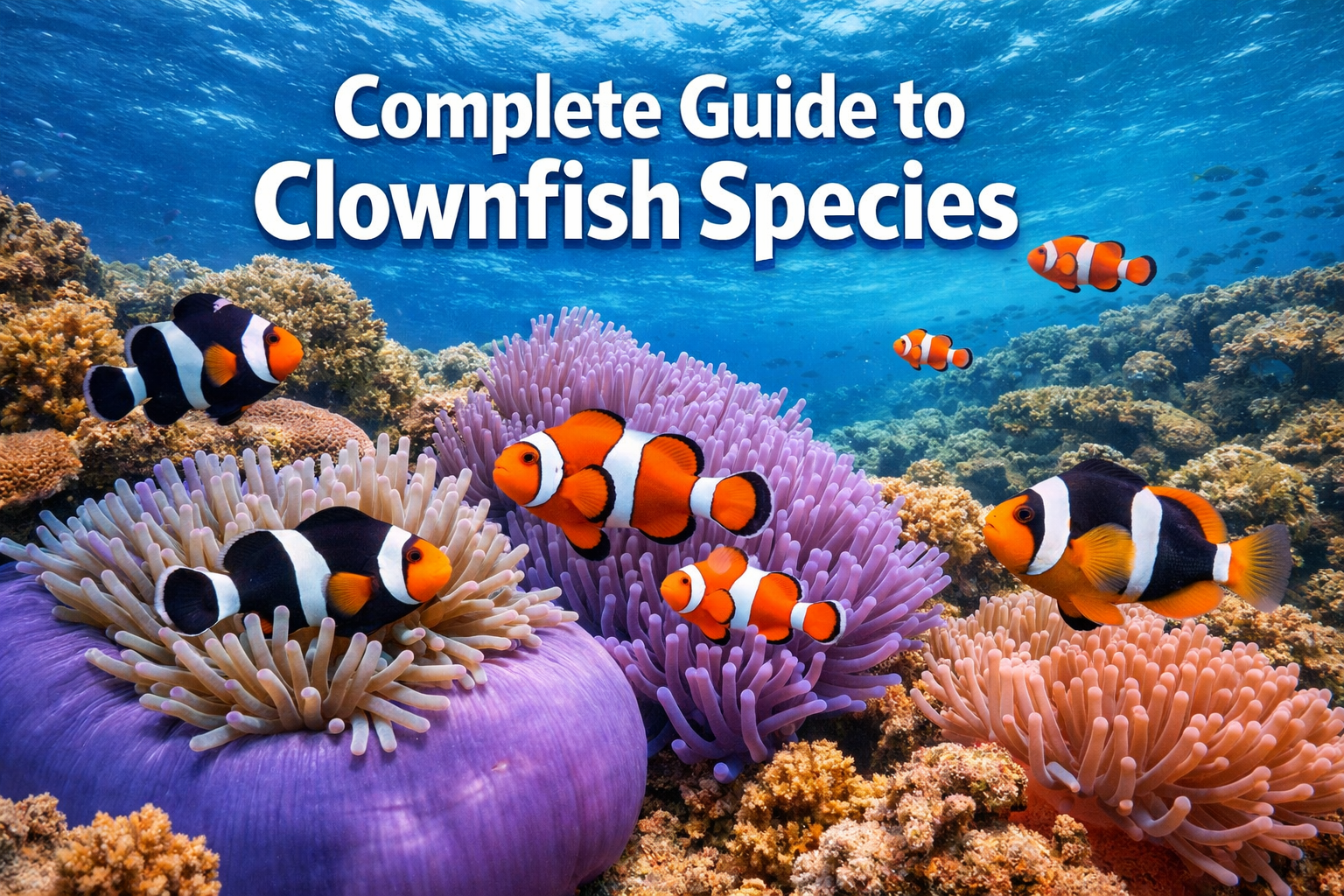
Picture this: you’re standing in front of a stunning saltwater aquarium, mesmerized by the vibrant orange and white fish dancing gracefully among the swaying tentacles of a sea anemone. That iconic image isn’t just from a movie – it’s the reality you can create in your own home with the right knowledge about species of clownfish. As one of the most beloved and recognizable marine fish families, clownfish have captured the hearts of aquarium enthusiasts worldwide, and for good reason.
Whether you’re a beginner dreaming of your first saltwater tank or an experienced aquarist looking to expand your collection, understanding the diverse species of clownfish available is crucial for making informed decisions. From the classic Ocellaris to the striking Maroon clownfish, each species brings its own unique characteristics, care requirements, and personality to your aquarium ecosystem.
- Display 21 Products per page
Key Takeaways
• 30+ distinct clownfish species exist worldwide, with varying sizes, colors, and temperaments suitable for different aquarium setups
• Captive-bred specimens are healthier, more adaptable, and environmentally responsible compared to wild-caught fish
• Proper tank setup with appropriate anemone hosts and water parameters is essential for long-term clownfish health and breeding success
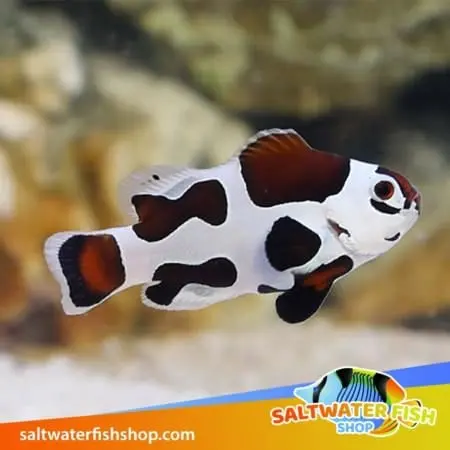
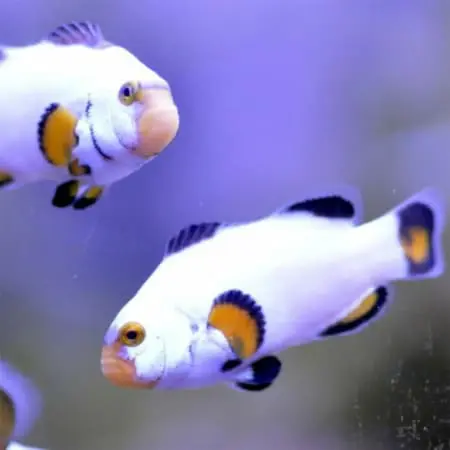
• Designer morphs like Picasso and Snowflake varieties offer unique patterns while maintaining the hardiness of their parent species
• Breeding clownfish can be rewarding but requires specialized knowledge of their complex reproductive cycle and larval care
Understanding the Diversity of Clownfish Species
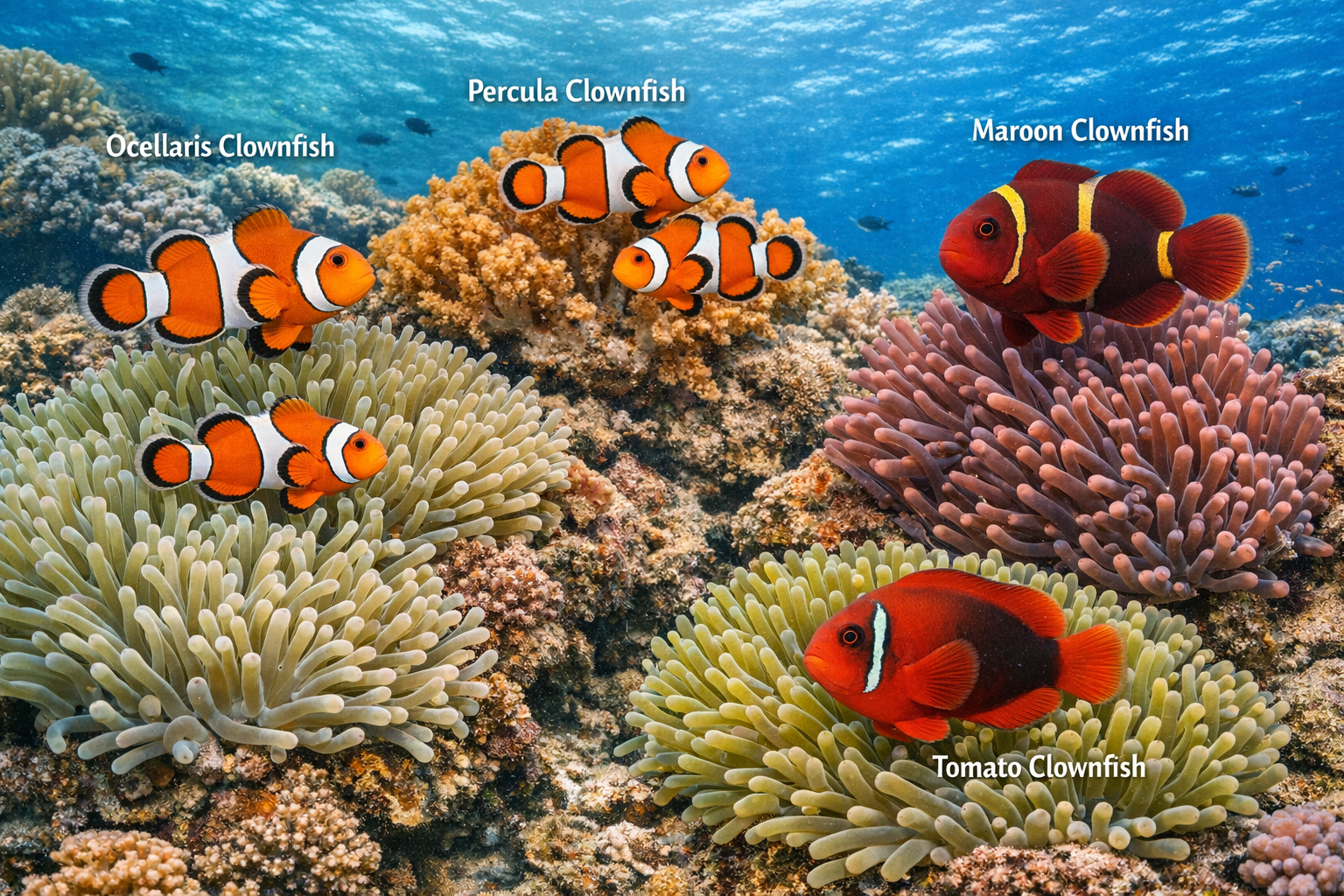
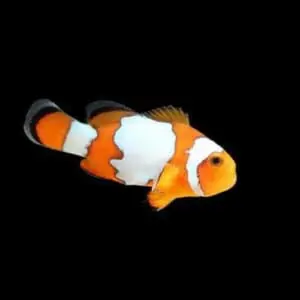
The world of species of clownfish is far more diverse than most people realize. While the orange and white Ocellaris clownfish might be the most famous, the Amphiprioninae subfamily actually includes over 30 distinct species, each with unique characteristics that make them suitable for different aquarium environments and keeper experience levels.
The Science Behind Clownfish Classification
Clownfish belong to the family Pomacentridae, which also includes damselfishes. The species of clownfish are primarily divided into two genera: Amphiprion and Premnas. The Amphiprion genus contains the majority of species, while Premnas includes only the Maroon clownfish (Premnas biaculeatus).
What makes each species unique?
- Size variations ranging from 2 inches to over 6 inches
- Color patterns from classic orange to deep maroon, yellow, and even black
- Temperament differences from peaceful community fish to territorial defenders
- Anemone preferences with some species being host-specific while others are generalists
- Geographic distribution across the Indo-Pacific region
Popular Clownfish Species for Aquarium Keeping
When shopping at a reputable saltwater fish store, you’ll encounter several species of clownfish that have become staples in the aquarium trade. Here are the most commonly available and beginner-friendly options:
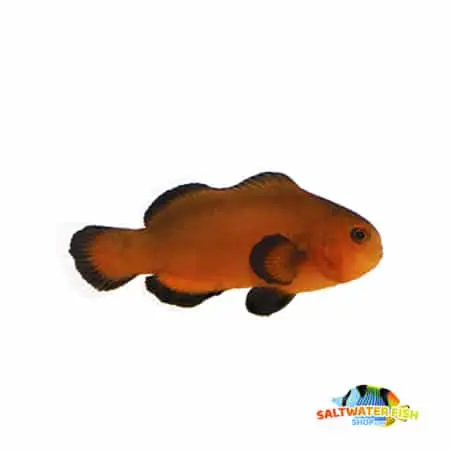
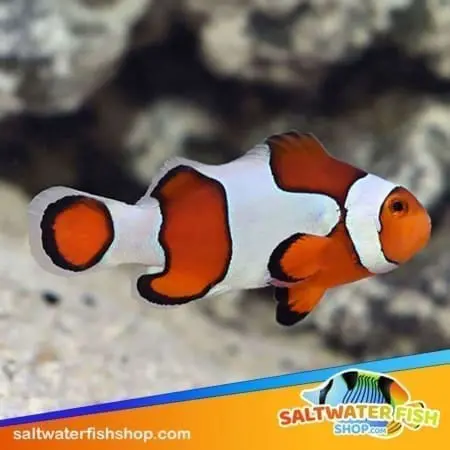
Ocellaris Clownfish (Amphiprion ocellaris)
- Size: 3-4 inches
- Temperament: Peaceful
- Difficulty: Beginner
- Host anemones: Bubble tip, Magnificent, Carpet anemones
Percula Clownfish (Amphiprion percula)
- Size: 3 inches
- Temperament: Peaceful
- Difficulty: Beginner
- Host anemones: Bubble tip, Magnificent, Carpet anemones
Tomato Clownfish (Amphiprion frenatus)
- Size: 5-6 inches
- Temperament: Semi-aggressive
- Difficulty: Intermediate
- Host anemones: Bubble tip, Sebae anemones
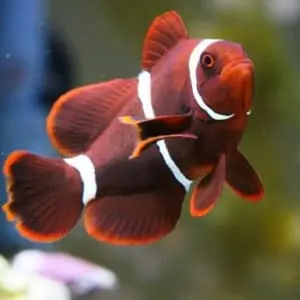
Maroon Clownfish (Premnas biaculeatus)
- Size: 6+ inches
- Temperament: Aggressive
- Difficulty: Intermediate to Advanced
- Host anemones: Bubble tip anemones (preferred)
Lesser-Known Species Worth Considering
Beyond the popular species of clownfish, several lesser-known varieties offer unique appeal for experienced aquarists:
Pink Skunk Clownfish (Amphiprion perideraion)
These delicate beauties feature a peachy-pink coloration with a distinctive white stripe running from nose to tail. They’re smaller than most clownfish species at just 3 inches and have a peaceful temperament that makes them excellent for community tanks.
Clarkii Clownfish (Amphiprion clarkii)
Known for their variable coloration and hardy nature, Clarkii clownfish can range from yellow to dark brown with white stripes. They’re one of the most adaptable species of clownfish and can host with more anemone species than any other clownfish.
Sebae Clownfish (Amphiprion sebae)
These striking fish feature bold black and white coloration as juveniles, gradually developing yellow or orange hues as they mature. They’re larger than most species at 5-6 inches and require experienced care.
Captive Breeding and the Species of Clownfish Available Today
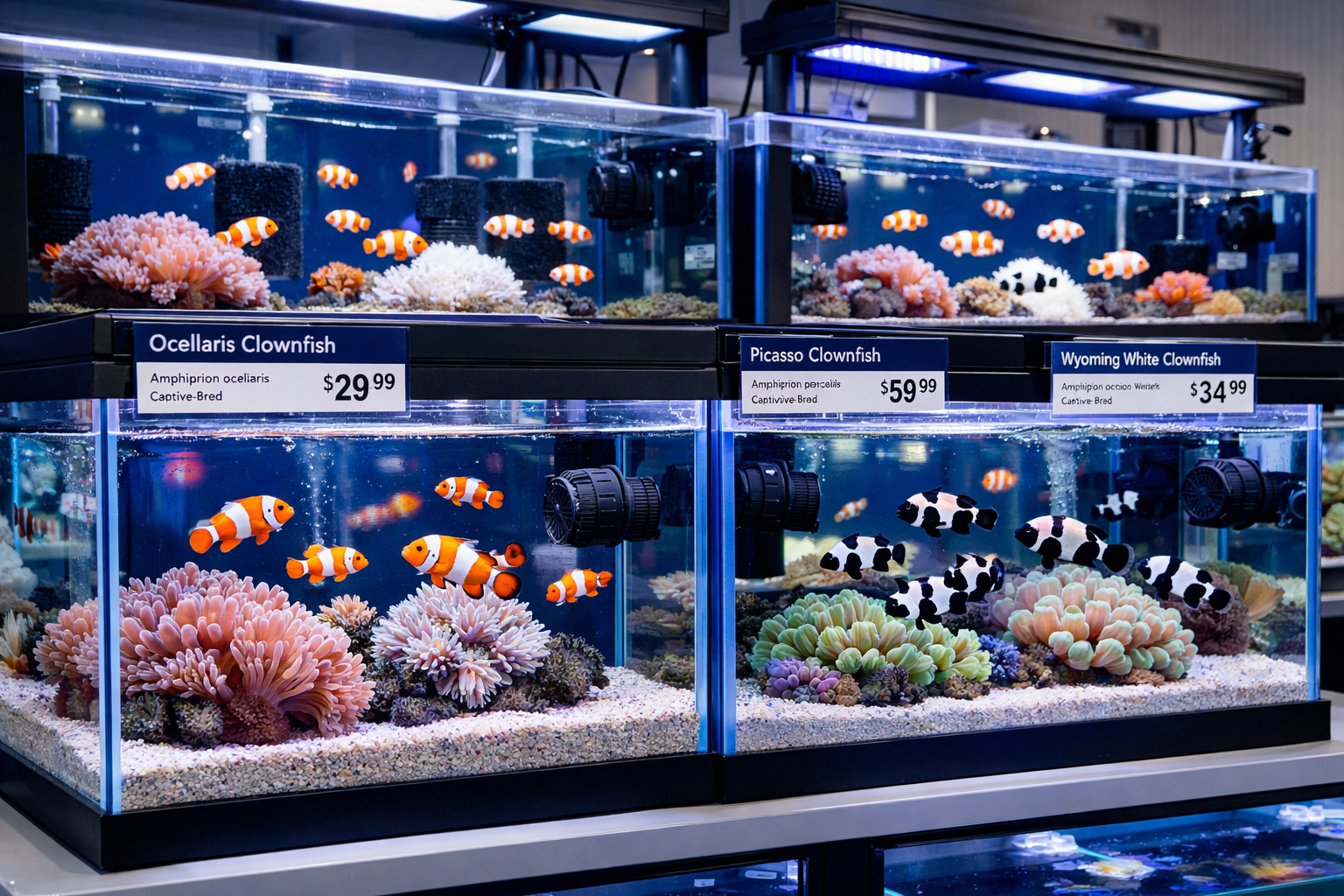
The aquarium industry has undergone a remarkable transformation over the past two decades, particularly regarding the species of clownfish available to hobbyists. Today’s market is dominated by captive-bred specimens, which offer numerous advantages over their wild-caught counterparts and have opened up exciting possibilities for genetic diversity and color morphs.
The Captive Breeding Revolution
Why captive-bred clownfish are superior:
- Disease resistance: Raised in controlled environments with fewer pathogens
- Adaptability: Already acclimated to aquarium conditions and artificial foods
- Hardiness: Selective breeding has enhanced survival rates and stress tolerance
- Environmental responsibility: Reduces pressure on wild reef populations
- Availability: Consistent supply regardless of seasonal collection limitations
When you purchase from a quality online fish shipping service, you’re likely receiving fish that have been bred in specialized facilities where water quality, nutrition, and genetic health are carefully monitored.
Breeding Techniques and Facility Operations
Modern clownfish breeding facilities employ sophisticated techniques to maximize success rates and maintain genetic diversity among species of clownfish:
Broodstock Management
Professional breeders maintain carefully selected breeding pairs representing the best genetic traits of each species. These pairs are housed in dedicated breeding systems with optimal water parameters and nutrition.
Spawning Protocols
- Lunar cycles: Many facilities time breeding to coincide with natural spawning triggers
- Temperature manipulation: Slight temperature increases can stimulate spawning behavior
- Nutrition enhancement: High-quality foods rich in carotenoids improve egg quality
- Environmental stability: Consistent water parameters reduce stress and improve reproductive success
Larval Rearing Challenges
Raising clownfish larvae requires specialized knowledge and equipment:
- Microscopic foods: Rotifers and copepod nauplii for first feeding
- Water quality: Pristine conditions with frequent water changes
- Lighting: Proper photoperiods for larval development
- Settlement: Providing appropriate substrates for metamorphosis
Genetic Diversity and Line Breeding
Responsible breeding programs focus on maintaining genetic diversity within species of clownfish while developing desirable traits. This involves:
Outcrossing Programs
Introducing new bloodlines periodically prevents inbreeding depression and maintains vigor in captive populations.
Record Keeping
Detailed genealogical records ensure genetic diversity and help breeders make informed pairing decisions.
Health Monitoring
Regular health assessments identify potential genetic issues before they become widespread in breeding populations.
Designer Morphs and Color Variations in Clownfish Species
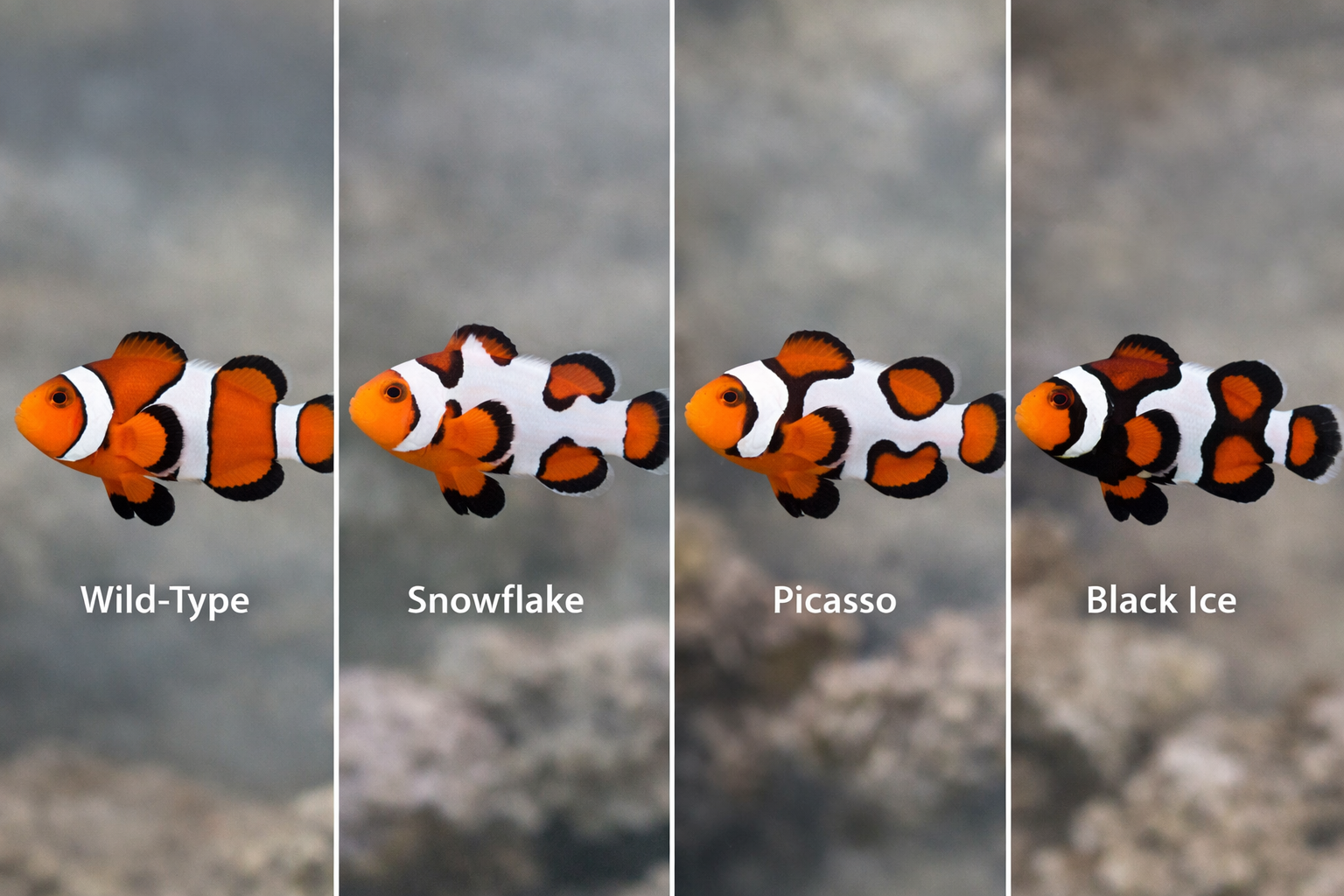
One of the most exciting developments in the species of clownfish available to aquarists has been the emergence of designer morphs – selectively bred varieties that showcase unique color patterns and characteristics while maintaining the hardiness of their parent species. These morphs have revolutionized the hobby and created entirely new market segments for collectors and enthusiasts.
Understanding Clownfish Genetics and Morph Development
The development of designer morphs in species of clownfish relies on understanding the genetic mechanisms that control coloration and pattern formation. Breeders work with several key genetic factors:
Pattern Genes
- Stripe width: Controls the thickness of white bands
- Stripe number: Determines how many stripes appear
- Stripe connectivity: Affects whether stripes connect or remain separate
- Background color: Influences the base coloration intensity
Color Genes
- Melanin production: Controls black pigmentation
- Carotenoid expression: Affects orange and red coloration
- Iridophore development: Influences metallic and white pigments
Popular Ocellaris Clownfish Morphs
The Ocellaris clownfish has been the primary species used for morph development due to its hardy nature and relatively short generation time. Here are the most sought-after varieties:
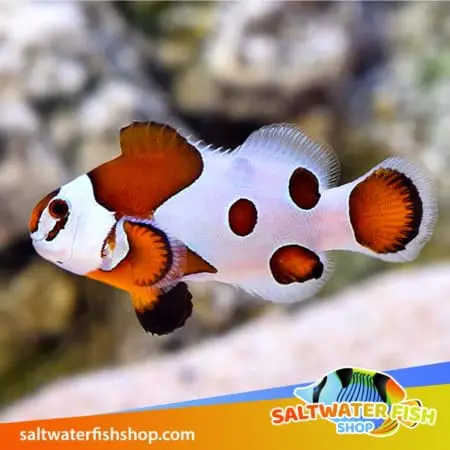
Picasso Clownfish
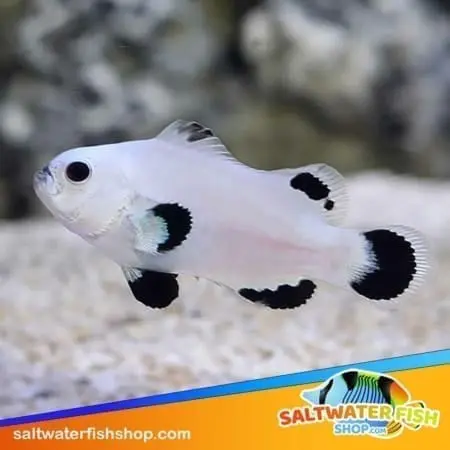
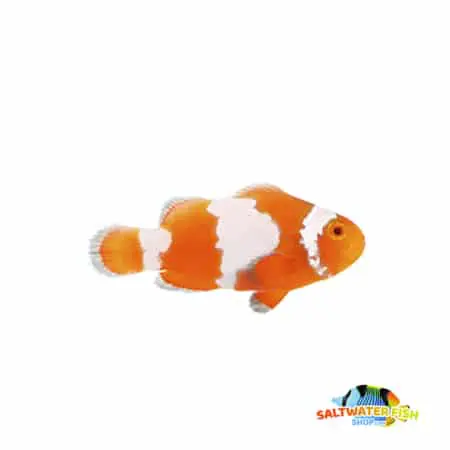
Named for their abstract white markings that resemble the famous artist’s work, Picasso clownfish feature irregular white patches that extend beyond normal stripe boundaries. The pattern is highly variable, making each individual unique.
Snowflake Clownfish
These stunning fish display extensive white markings that create a “snowflake” effect across their bodies. The white coloration often extends into the fins, creating a dramatic contrast with the orange base color.
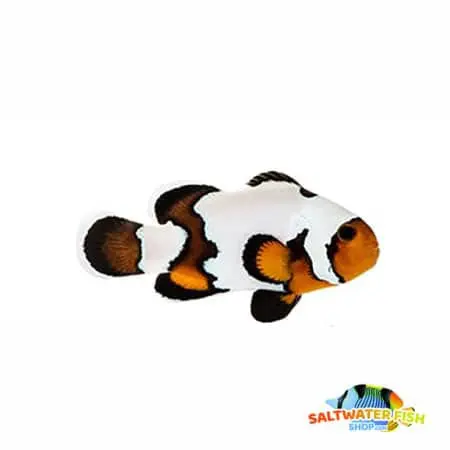
Black Ice Clownfish
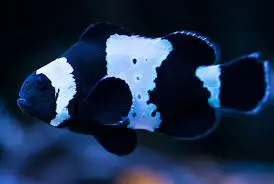
A more recent development, Black Ice clownfish combine the Snowflake pattern with reduced orange pigmentation, resulting in fish with black, white, and minimal orange coloration.
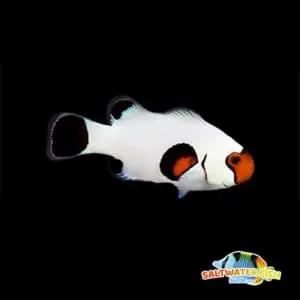
Wyoming White Clownfish
These morphs feature predominantly white coloration with minimal orange markings, creating a striking appearance that’s highly prized by collectors.
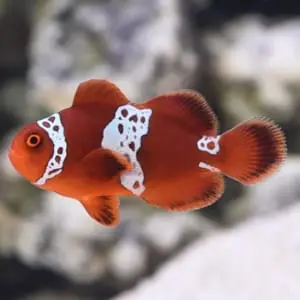
Lightning Maroon Clownfish
While not an Ocellaris morph, the Lightning Maroon represents one of the most dramatic pattern mutations in species of clownfish. These fish display intricate white patterns that branch like lightning across their maroon bodies.
Breeding Designer Morphs: Challenges and Rewards
Creating and maintaining designer morphs requires sophisticated breeding programs and deep understanding of genetics:
Selective Breeding Programs
- Phenotype selection: Choosing breeding stock with desired visual traits
- Genetic testing: Understanding the inheritance patterns of specific morphs
- Line maintenance: Preserving morph characteristics across generations
- Quality control: Ensuring health and vigor aren’t compromised for appearance
Market Considerations
The designer morph market has created new opportunities for both commercial breeders and hobbyists:
- Premium pricing: Rare morphs can command significantly higher prices
- Breeding rights: Some morphs are protected by breeding agreements
- Authentication: Ensuring genuine morphs versus natural variations
- Sustainability: Maintaining breeding populations for long-term availability
Future Developments in Clownfish Morphs
The species of clownfish morph market continues to evolve with new developments emerging regularly:
Emerging Patterns
Breeders are working on new pattern combinations and color variations, including:
- Extreme Picasso: More extensive pattern development
- Platinum: Metallic white coloration
- Mocha: Brown and white color combinations
- Fancy: Multiple pattern elements combined
Cross-Species Breeding
While challenging, some breeders are exploring hybridization between closely related species of clownfish to create entirely new color and pattern combinations.
Breeding and Raising Clownfish: From Eggs to Adults
Successfully breeding species of clownfish represents one of the most rewarding challenges in marine aquaculture. The process requires dedication, specialized equipment, and deep understanding of clownfish reproductive biology. Whether you’re a commercial breeder or an ambitious hobbyist, mastering clownfish reproduction opens up a fascinating world of marine biology and genetics.
Understanding Clownfish Reproductive Biology
Sequential Hermaphroditism
All clownfish are born male and have the ability to change sex to female when environmental conditions trigger this transformation. This unique characteristic is crucial for successful breeding programs.
Social Hierarchy
- Dominant female: The largest fish in a group becomes the breeding female
- Breeding male: The second-largest fish remains male and becomes the primary mate
- Subordinate males: Smaller fish remain non-breeding males until opportunity arises
Spawning Behavior
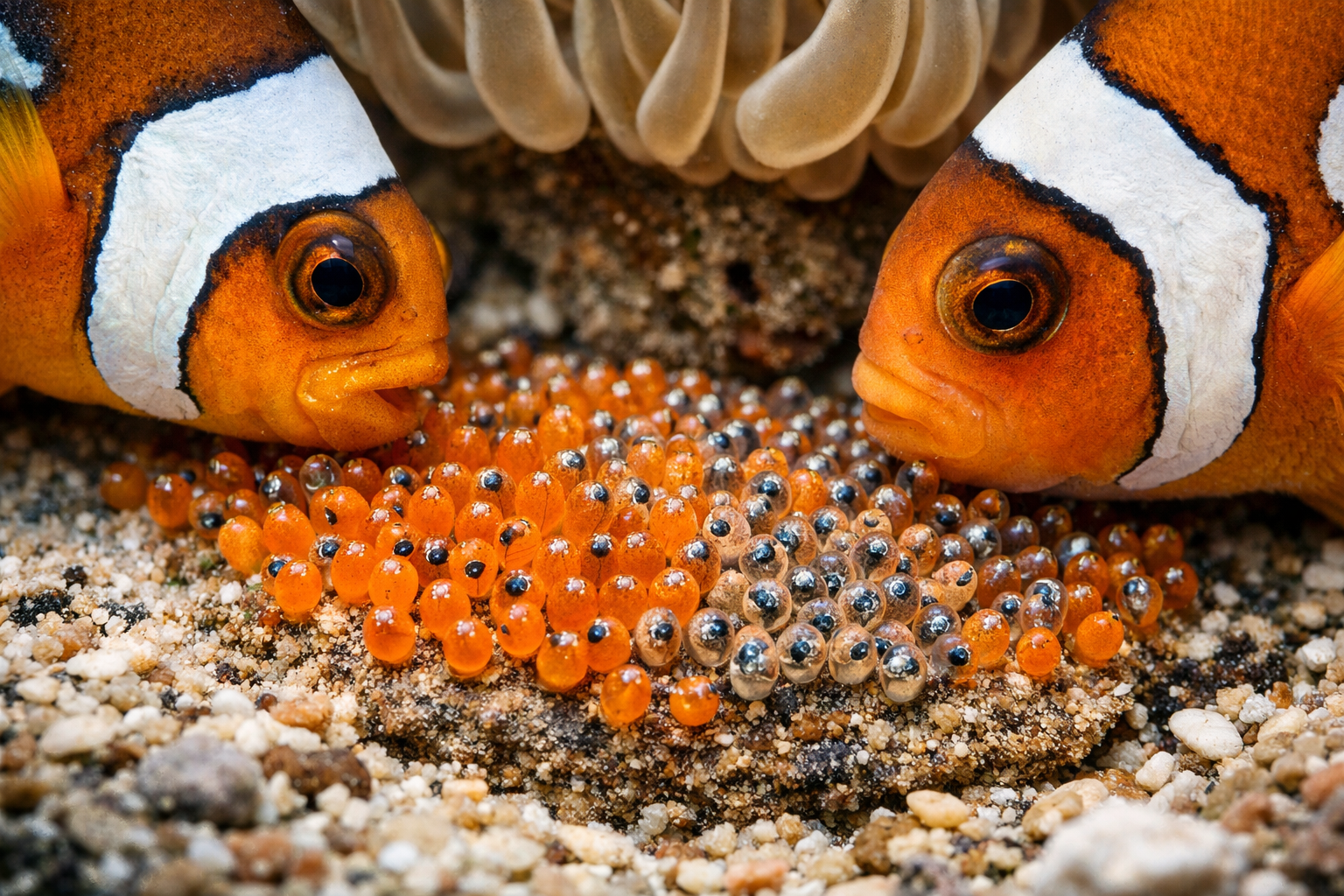
Clownfish are substrate spawners, laying their eggs on flat surfaces near their host anemone. The male prepares the nesting site and guards the eggs throughout the incubation period.
Setting Up a Breeding System
Creating an optimal environment for species of clownfish reproduction requires careful attention to multiple factors:
Tank Requirements
- Size: Minimum 40 gallons for a breeding pair
- Water quality: Pristine conditions with stable parameters
- Filtration: Gentle flow to avoid disturbing eggs
- Lighting: Consistent photoperiod to trigger spawning cycles
Essential Equipment
- Spawning substrates: Ceramic tiles or PVC pipes for egg laying
- Anemone hosts: Bubble tip anemones are most commonly used
- Larval rearing tanks: Separate systems for raising fry
- Microscopic food cultures: Rotifers and copepods for larval feeding
Water Parameters for Breeding Success
- Temperature: 78-82°F (optimal spawning range)
- Salinity: 1.025-1.026 specific gravity
- pH: 8.1-8.4
- Ammonia/Nitrite: Undetectable
- Nitrate: <10 ppm
The Spawning Process
Understanding the spawning cycle is essential for successful breeding of species of clownfish:
Pre-Spawning Behavior
- Nest preparation: Male cleans and prepares spawning site
- Courtship displays: Increased activity and fin displays
- Territorial behavior: Heightened aggression toward tank inhabitants
Spawning Events
- Timing: Usually occurs in late afternoon or early evening
- Duration: Spawning can take 1-3 hours
- Egg laying: Female deposits 200-1000 eggs depending on species and size
- Fertilization: Male immediately fertilizes eggs as they’re laid
Post-Spawning Care
The male assumes primary responsibility for egg care:
- Fanning: Provides oxygen circulation over eggs
- Cleaning: Removes dead or fungused eggs
- Protection: Guards nest from potential threats
- Preparation: Continues care until hatching (6-10 days)
Larval Rearing: The Critical Phase
Raising clownfish larvae represents the most challenging aspect of breeding species of clownfish. Success requires meticulous attention to detail and specialized techniques.
Hatching and Collection
- Timing: Larvae typically hatch 2-3 hours after lights out
- Collection: Use gentle siphoning or light attraction methods
- Transfer: Move larvae to dedicated rearing tanks immediately
First Feeding Critical Period
The first 3-7 days are crucial for larval survival:
- Rotifer cultures: Primary food source for newly hatched larvae
- Feeding density: 5-10 rotifers per milliliter of tank water
- Feeding frequency: Multiple times daily to maintain food availability
- Water quality: Frequent partial water changes to maintain pristine conditions
Metamorphosis and Settlement
Around day 8-12, larvae begin metamorphosis into juvenile fish:
- Settlement cues: Provide appropriate substrates and lighting
- Diet transition: Gradually introduce larger foods like baby brine shrimp
- Behavioral changes: Larvae develop swimming patterns and color
Juvenile Growth and Development
- Tank upgrades: Move settled juveniles to larger growing systems
- Nutrition: Provide varied diet for optimal growth and color development
- Grading: Separate fish by size to prevent competition and ensure even growth
- Health monitoring: Watch for signs of disease or developmental issues
Commercial vs. Hobbyist Breeding Approaches
Commercial Breeding Operations
Professional facilities breeding species of clownfish employ sophisticated systems:
- Automated feeding: Precise delivery of live foods
- Environmental controls: Computer-controlled lighting and temperature
- Genetic management: Careful breeding records and line maintenance
- Quality assurance: Rigorous health testing and quarantine protocols
Hobbyist Breeding Projects
Home breeders can achieve success with simpler setups:
- Dedicated breeding tanks: Separate systems for breeding pairs
- Live food cultures: Home-grown rotifers and copepods
- Manual monitoring: Daily observation and care
- Local distribution: Selling to local fish stores or fellow hobbyists
For those interested in starting their own breeding program, connecting with experienced breeders through aquarium communities can provide valuable mentorship and resources.
Care Requirements and Tank Setup for Different Clownfish Species
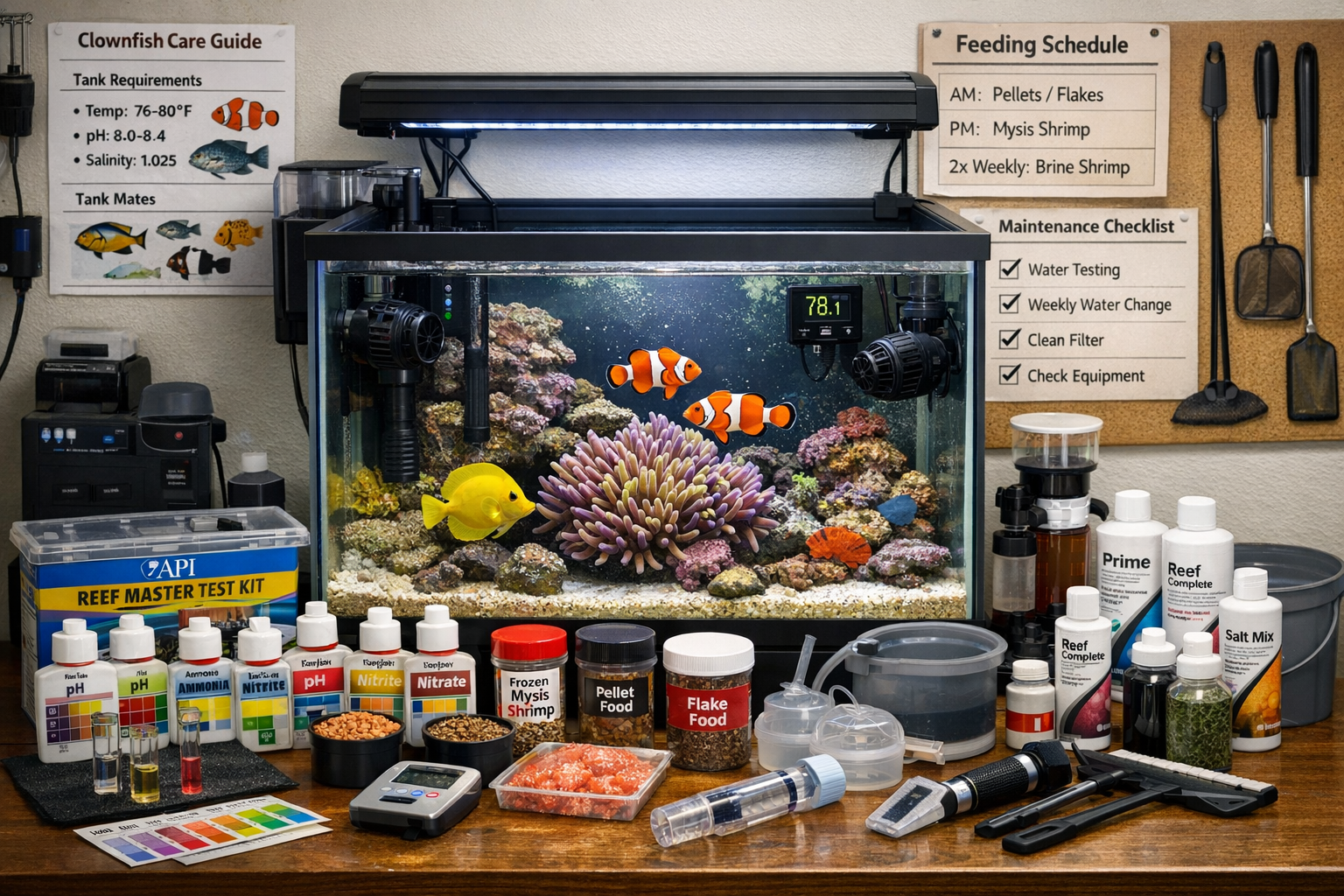
Creating the perfect environment for species of clownfish requires understanding that while these fish share many basic care requirements, each species has specific needs that must be addressed for optimal health, behavior, and longevity. A well-planned setup not only ensures your clownfish thrive but also provides the foundation for potential breeding success.
Universal Tank Requirements for Clownfish Species
Regardless of which species of clownfish you choose, certain fundamental requirements apply to all varieties:
Tank Size Considerations
- Minimum tank size: 20 gallons for smaller species (Ocellaris, Percula)
- Recommended size: 30+ gallons for optimal swimming space and territory establishment
- Large species: 50+ gallons for Maroon and Tomato clownfish
- Breeding setups: 40+ gallons for established pairs
Essential Filtration Systems
Clownfish require excellent water quality, making filtration a critical component:
- Protein skimming: Removes organic waste before decomposition
- Biological filtration: Establishes beneficial bacteria colonies
- Mechanical filtration: Removes particulate matter
- Chemical filtration: Activated carbon for removing dissolved organics
When setting up your system, quality aquarium filters are essential for maintaining the pristine water conditions that clownfish require.
Species-Specific Setup Requirements
Different species of clownfish have varying space, territorial, and social requirements that influence tank setup decisions:
Peaceful Species Setup (Ocellaris, Percula, Pink Skunk)
- Tank arrangement: Open swimming areas with moderate rockwork
- Anemone placement: Central location for easy access
- Tankmate considerations: Compatible with most peaceful marine fish
- Lighting requirements: Moderate to high intensity for anemone health
Semi-Aggressive Species Setup (Tomato, Clarkii)
- Territory definition: Clear boundaries using rockwork and coral placement
- Anemone positioning: Strategic placement to minimize territorial disputes
- Tankmate selection: Avoid small, peaceful fish that may be bullied
- Hiding places: Multiple caves and overhangs for subordinate fish
Aggressive Species Setup (Maroon)
- Spacious design: Maximum swimming room to reduce territorial pressure
- Robust tankmates: Only fish that can hold their own against aggressive behavior
- Single species consideration: Often best kept without other clownfish species
- Secure anemone placement: Maroons can be rough with their hosts
Anemone Hosts and Symbiotic Relationships
Understanding the relationship between species of clownfish and their anemone hosts is crucial for creating natural, thriving environments:
Natural Host Relationships
| Clownfish Species | Primary Anemone Hosts | Aquarium Suitability |
|---|---|---|
| Ocellaris | Bubble Tip, Magnificent, Carpet | Excellent |
| Percula | Bubble Tip, Magnificent, Carpet | Excellent |
| Maroon | Bubble Tip | Good |
| Tomato | Bubble Tip, Sebae | Moderate |
| Clarkii | Most anemone species | Excellent |
Anemone Care Requirements
- Lighting: High-intensity LED or T5 systems for photosynthetic anemones
- Water flow: Moderate, varied flow patterns
- Feeding: Supplemental feeding with marine proteins
- Placement: Secure positioning to prevent wandering
Alternative Hosts
While anemones provide the most natural setup, species of clownfish can also host in:
- Large-polyp stony corals: Torch, Hammer, and Frogspawn corals
- Soft corals: Some species will adopt Leather corals
- Artificial hosts: Specially designed synthetic anemones
Water Parameters and Environmental Conditions
Maintaining optimal water conditions is essential for all species of clownfish:
Critical Water Parameters
- Temperature: 76-82°F (species-specific preferences within this range)
- Salinity: 1.024-1.026 specific gravity
- pH: 8.1-8.4
- Alkalinity: 8-12 dKH
- Calcium: 400-450 ppm (if keeping anemones or corals)
- Magnesium: 1250-1350 ppm
Water Quality Maintenance
- Regular testing: Weekly parameter checks
- Water changes: 10-15% weekly with quality salt mix
- Equipment maintenance: Regular cleaning and calibration
- Monitoring: Daily observation for behavioral changes
Feeding Requirements for Different Species
Nutritional needs vary among species of clownfish, though all are omnivores requiring varied diets:
Basic Dietary Requirements
- High-quality pellets: Marine-specific formulations with proper protein levels
- Frozen foods: Mysis shrimp, brine shrimp, and marine cuisine mixes
- Fresh foods: Nori sheets, spirulina, and marine algae
- Supplementation: Vitamins and color-enhancing foods
Species-Specific Feeding Considerations
- Smaller species (Ocellaris, Percula): Smaller food particles, more frequent feeding
- Larger species (Maroon, Tomato): Larger food items, less frequent feeding
- Breeding pairs: Enhanced nutrition with live or frozen foods
- Juvenile fish: Multiple daily feedings for optimal growth
Feeding Schedule and Techniques
- Frequency: 2-3 times daily for adults, 4-5 times for juveniles
- Portion size: What fish can consume in 2-3 minutes
- Variety: Rotate different food types throughout the week
- Observation: Monitor eating behavior and adjust accordingly
For optimal nutrition, quality fish foods and supplies are essential for maintaining the health and vibrant coloration of your clownfish.
Disease Prevention and Health Management
Maintaining healthy species of clownfish requires proactive health management:
Quarantine Protocols
- New arrivals: 4-6 week quarantine period for all new fish
- Observation: Daily monitoring for signs of disease or stress
- Treatment capability: Quarantine tanks equipped for medication if needed
- Gradual acclimation: Slow introduction to display tank conditions
Common Health Issues
- Marine ich (Cryptocaryon irritans): White spots and scratching behavior
- Brooklynella: Rapid breathing and mucus production
- Bacterial infections: Fin rot, body lesions, or unusual behavior
- Nutritional deficiencies: Poor coloration or stunted growth
Preventive Measures
- Stable environment: Consistent water parameters and minimal stress
- Quality nutrition: Varied, high-quality diet with proper supplementation
- Regular maintenance: Consistent cleaning and water change schedules
- Observation: Daily monitoring for early detection of problem
🐠 Clownfish Species Comparison
Compare different clownfish species to find the perfect match for your aquarium
Conclusion: Choosing the Right Species of Clownfish for Your Aquarium
The world of species of clownfish offers incredible diversity for marine aquarium enthusiasts, from the beginner-friendly Ocellaris to the stunning designer morphs that showcase the artistry of selective breeding. Throughout this comprehensive guide, we’ve explored the fascinating biology, care requirements, and breeding potential of these remarkable fish that have captured hearts worldwide.
Key Considerations for Your Clownfish Selection
When choosing from the many species of clownfish available, several factors should guide your decision:
Experience Level: Beginners should start with hardy species like Ocellaris or Percula clownfish, which forgive minor care mistakes and adapt well to aquarium life. More experienced aquarists can explore challenging species like Sebae or Lightning Maroon clownfish that require specialized care.
Tank Size and Setup: Your aquarium size directly impacts which species you can successfully maintain. Smaller peaceful species thrive in 20-30 gallon systems, while larger aggressive species like Maroon clownfish require 50+ gallon tanks with robust filtration and appropriate tankmates.
Long-term Goals: Consider whether you’re interested in breeding, collecting rare morphs, or simply enjoying these fish as part of a community reef tank. Each goal influences which species of clownfish will best meet your objectives.
The Future of Clownfish in the Aquarium Trade
The aquarium industry continues to evolve, with captive breeding programs producing healthier, more sustainable fish while developing exciting new morphs and color variations. By choosing captive-bred specimens from reputable sources like Saltwater Fish Shop, you’re supporting sustainable practices while getting the highest quality fish for your aquarium.
Your Next Steps
Ready to add clownfish to your marine aquarium? Here’s your action plan:
- Assess your setup: Ensure your tank size, filtration, and water parameters can support your chosen species
- Research thoroughly: Use this guide and additional resources to understand your selected species’ specific needs
- Source quality fish: Purchase from reputable dealers offering captive-bred specimens with health guarantees
- Prepare properly: Set up quarantine facilities and ensure you have appropriate foods and care supplies
- Plan for growth: Consider long-term space requirements and potential breeding if you’re keeping pairs
Whether you’re drawn to the classic beauty of wild-type clownfish or the artistic patterns of designer morphs, the species of clownfish available today offer something for every aquarist. With proper care, these remarkable fish will provide years of enjoyment while potentially opening doors to the rewarding world of marine fish breeding.
The journey into clownfish keeping represents more than just adding colorful fish to your tank – it’s an opportunity to participate in marine conservation, support sustainable aquaculture, and experience the wonder of one of nature’s most fascinating symbiotic relationships. Start your clownfish adventure today, and discover why these charismatic fish continue to be among the most beloved species in the marine aquarium hobby.
References
[1] Fautin, D.G. & Allen, G.R. (1992). Field Guide to Anemonefishes and Their Host Sea Anemones. Western Australian Museum.
[2] Wilkerson, J.D. (2001). Clownfishes: A Guide to Their Captive Care, Breeding & Natural History. Microcosm Ltd.
[3] Olivotto, I., Planas, M., Simões, N., Holt, G.J., Avella, M.A., & Calado, R. (2011). Advances in breeding and rearing marine ornamentals. Journal of the World Aquaculture Society, 42(2), 135-166.
[4] Buston, P. (2003). Forcible eviction and prevention of recruitment in the clown anemonefish. Behavioral Ecology, 14(4), 576-582.
[5] Madhu, K., Madhu, R., & Retheesh, T. (2012). Breeding and larval rearing of clown fish Amphiprion ocellaris under captive condition using estuarine water. Indian Journal of Geo-Marine Sciences, 41(2), 144-148.