
Where to Buy Clownfish: Your Complete 2026 Guide to Finding Quality Marine Fish
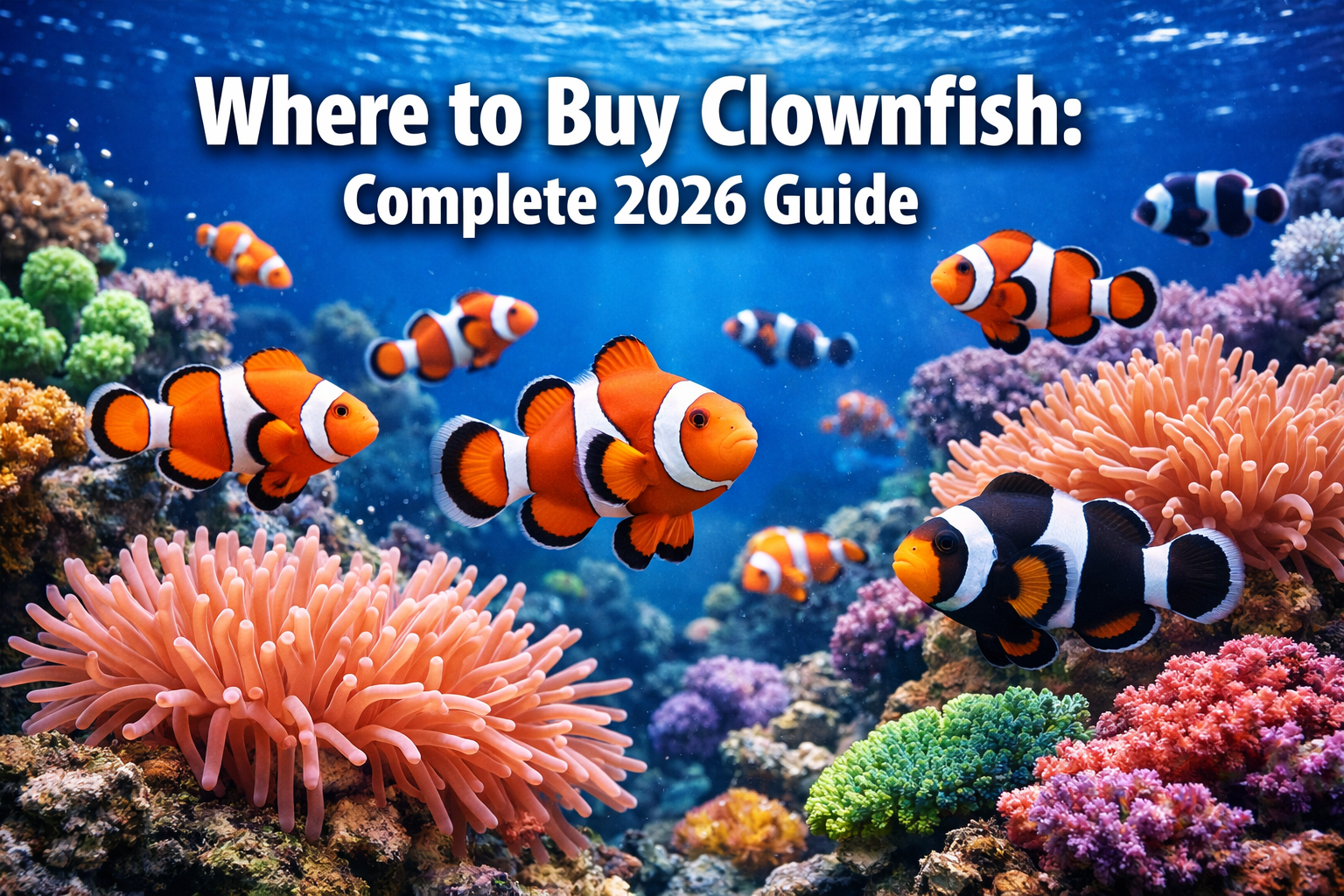
Picture this: you’re standing in front of your brand new saltwater aquarium, watching the gentle sway of live rock and coral, but something’s missing. That splash of vibrant orange and white that brings the entire reef to life. If you’re wondering where to buy clownfish that are healthy, well-cared for, and perfect for your marine setup, you’ve come to the right place. As someone who’s been in the saltwater aquarium hobby for over a decade, I’ve learned that finding the right source for these beloved fish can make or break your aquarium experience.
The clownfish market has evolved dramatically in recent years, with captive-bred specimens becoming the gold standard and an explosion of designer morphs that would make any aquarist’s heart skip a beat. Whether you’re a beginner looking for your first Ocellaris clownfish or an experienced breeder seeking rare Lightning Maroon morphs, knowing where and how to purchase these incredible fish is crucial for your success.
- Display 21 Products per page

Key Takeaways
• Online retailers offer the widest selection and competitive prices, with specialized saltwater fish stores providing expert care and shipping
• Captive-bred clownfish are healthier, hardier, and more environmentally responsible than wild-caught specimens
• Designer morphs like Snowflake, Picasso, and Lightning varieties command premium prices but offer unique beauty
• Proper acclimation and quarantine procedures are essential regardless of where you purchase your fish
• Breeding your own clownfish can be rewarding and profitable for dedicated aquarists
Understanding Clownfish: Species, Morphs, and What Makes Them Special
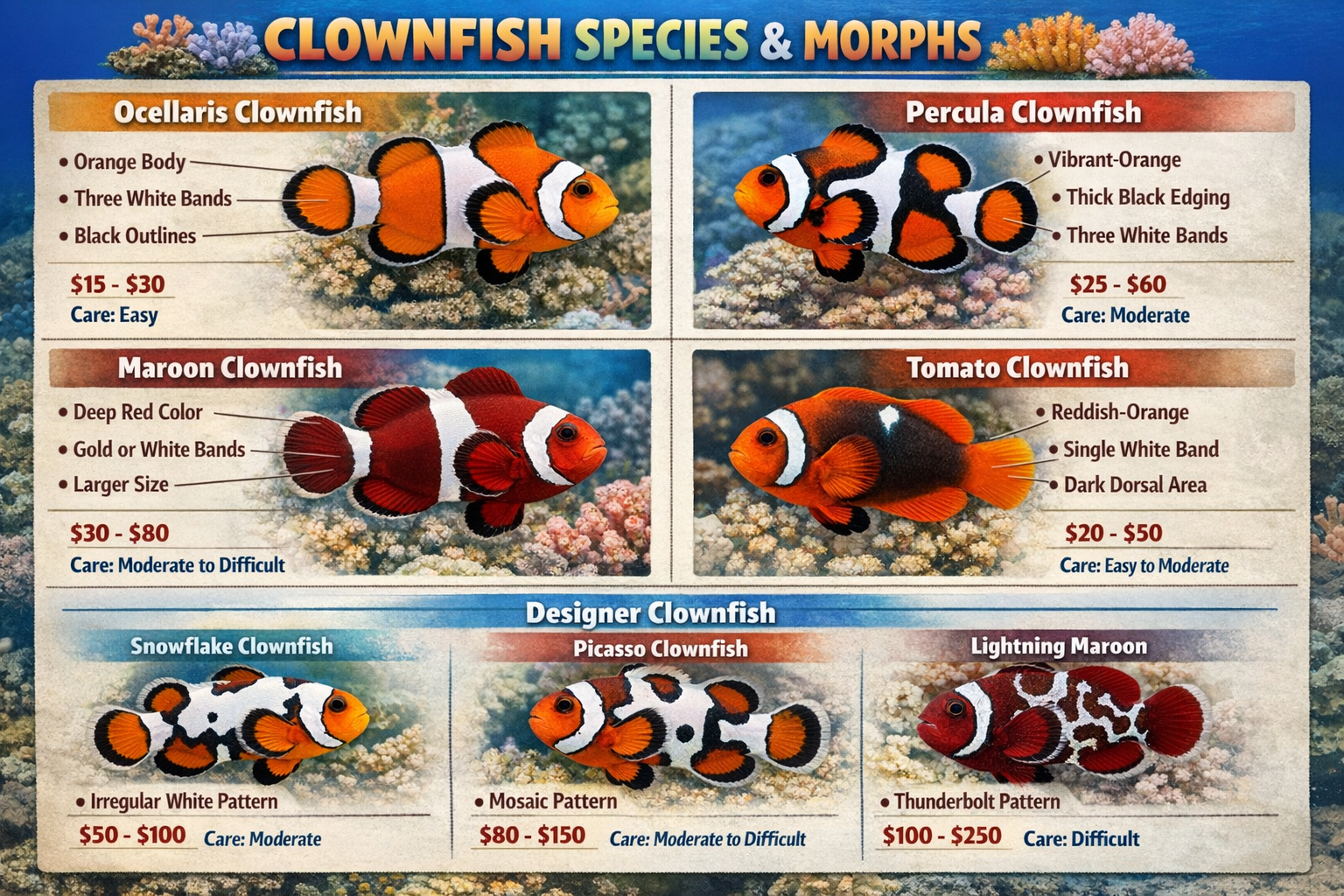
Before diving into where to buy clownfish, it’s essential to understand what you’re looking for. Clownfish belong to the subfamily Amphiprioninae, with over 30 recognized species ranging from the common Ocellaris to the magnificent Maroon clownfish. Each species has unique characteristics, care requirements, and compatibility considerations that will influence your purchasing decision.
Popular Clownfish Species for Aquarists
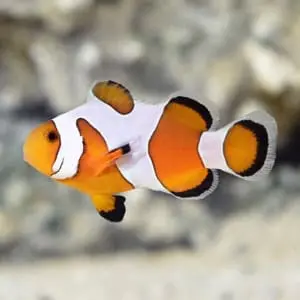
Ocellaris Clownfish (Amphiprion ocellaris) remain the most popular choice for good reason. These hardy fish adapt well to aquarium life, reach about 3 inches in length, and display the classic orange and white coloration that most people associate with clownfish. They’re peaceful, easy to care for, and serve as excellent beginner fish.
Percula Clownfish (Amphiprion percula) are often confused with Ocellaris but have thicker black borders around their white stripes and slightly more vibrant coloration. They’re equally hardy and make excellent aquarium inhabitants, though they can be slightly more territorial than their Ocellaris cousins.
Maroon Clownfish (Premnas biaculeatus) are the largest clownfish species, reaching up to 6 inches in length. They’re known for their deep red coloration and distinctive cheek spines. While beautiful, they require larger tanks and can be more aggressive than other species.
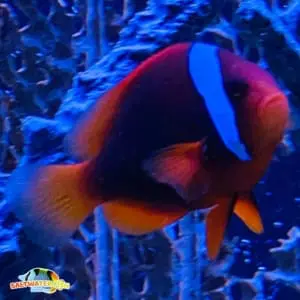
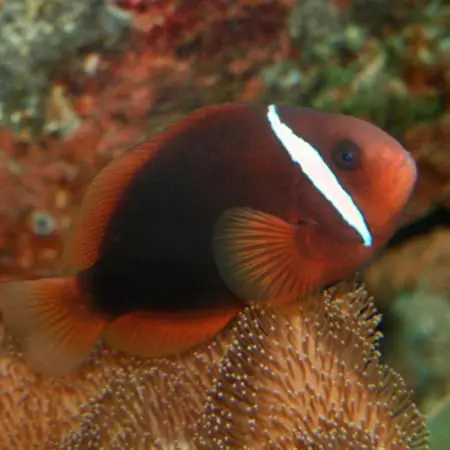
Tomato Clownfish (Amphiprion frenatus) offer a different aesthetic with their solid orange-red coloration and single white stripe behind the head. They’re hardy fish but can become territorial as they mature, especially in smaller tanks.
The Designer Morph Revolution 🎨
The captive breeding of clownfish has led to an explosion of designer morphs that showcase incredible genetic variations. These fish often command premium prices but offer unique beauty that can’t be found in nature.
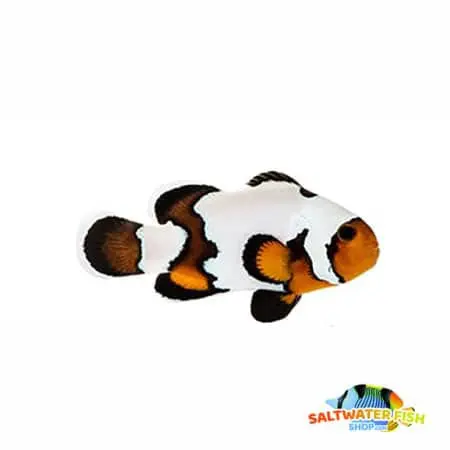
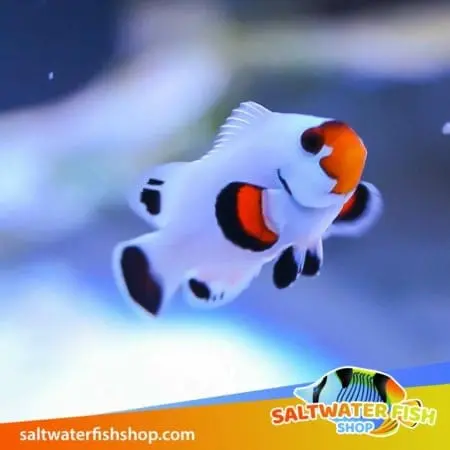
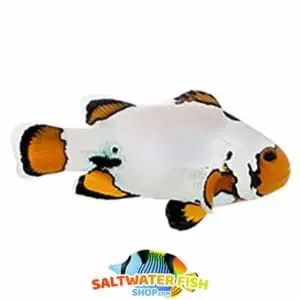
Snowflake Clownfish display irregular white patterns that extend beyond the normal stripe boundaries, creating a “snowflake” effect. Each fish is unique, with no two having identical patterns.
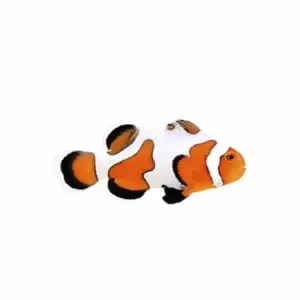
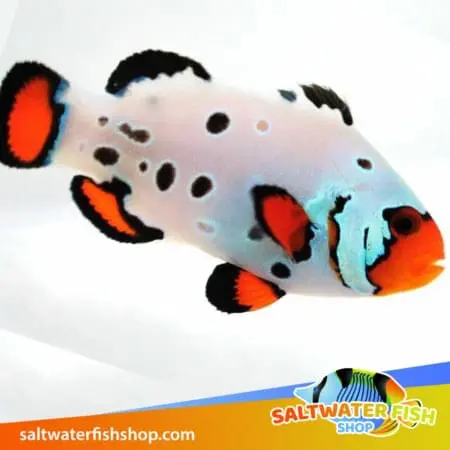
Picasso Clownfish feature exaggerated white markings that often connect the stripes or create artistic patterns reminiscent of abstract art. The most extreme examples can sell for hundreds of dollars.
Lightning Clownfish represent some of the most sought-after morphs, with white markings that extend dramatically across the body in lightning-bolt patterns. Premium specimens with exceptional patterns can cost $500 or more.
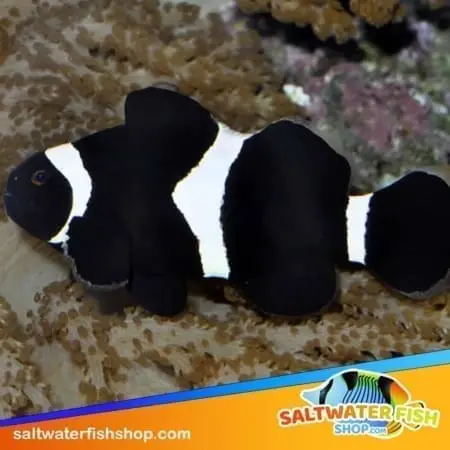
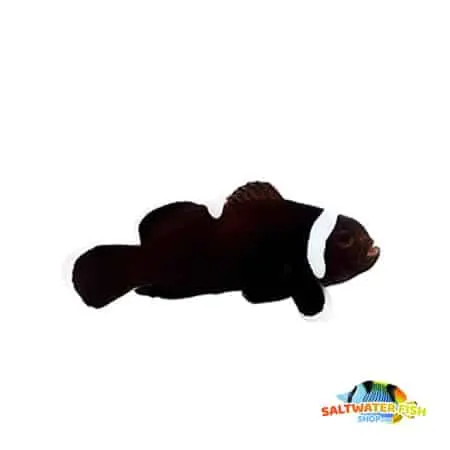
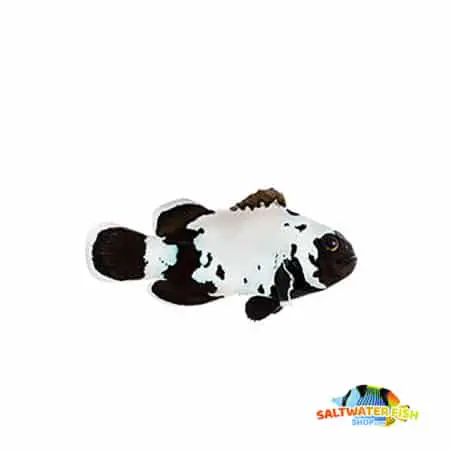
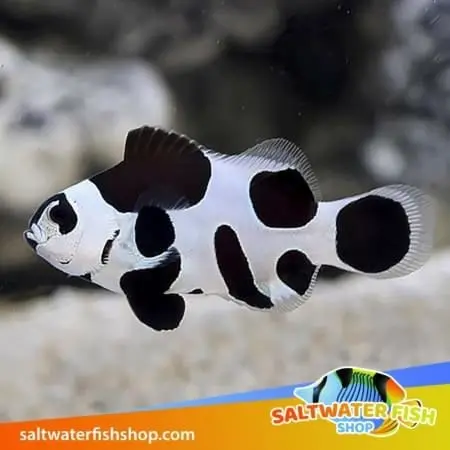
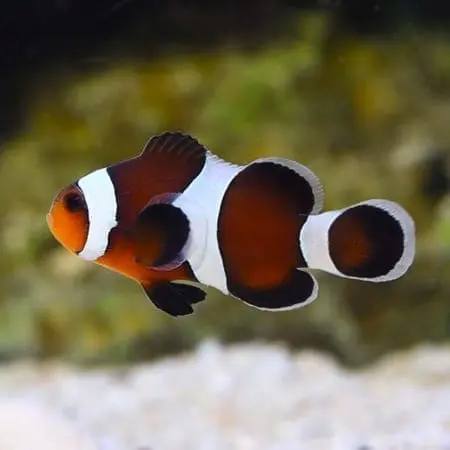
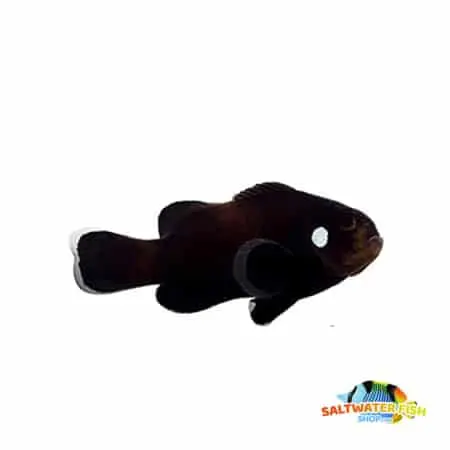
Black Clownfish morphs showcase melanistic traits that create stunning black and white or black and orange combinations. These fish are particularly striking in reef aquariums with colorful coral backgrounds.
The breeding programs that produce these morphs require expertise, time, and significant investment, which explains their higher prices compared to standard varieties. When considering designer morphs, research the breeder’s reputation and ask about the genetic stability of the line.
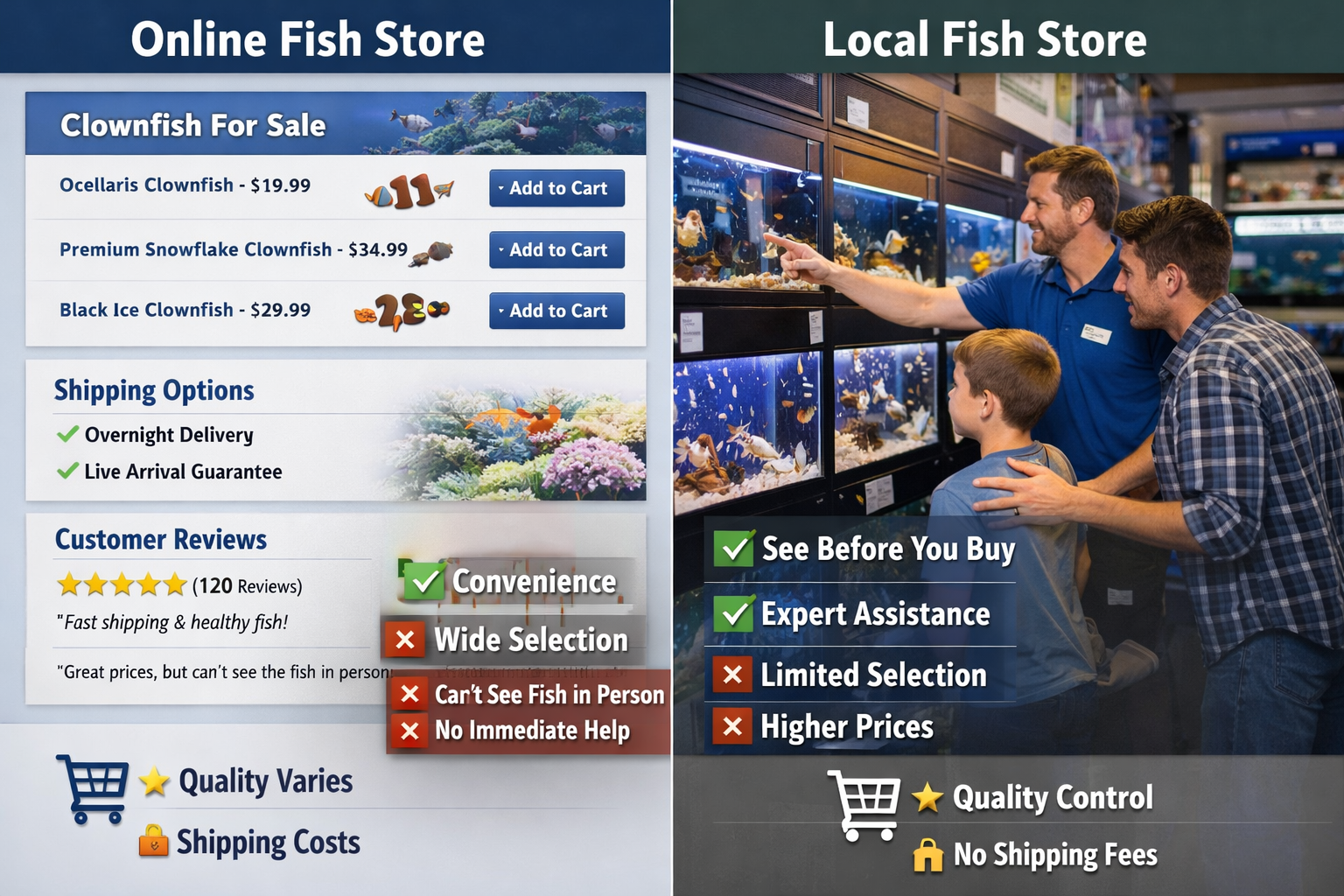
Online vs. Local: Where to Buy Clownfish for Best Results
The decision of where to buy clownfish often comes down to choosing between online retailers and local fish stores. Each option has distinct advantages and considerations that can significantly impact your experience and success.
Online Saltwater Fish Retailers: The Modern Standard
Online purchasing has revolutionized the aquarium hobby, offering unprecedented access to healthy, captive-bred fish and specialized varieties. Reputable saltwater fish stores have perfected shipping techniques that ensure fish arrive healthy and stress-free.
Advantages of Online Purchasing:
- Wider Selection: Online retailers typically offer dozens of clownfish species and morphs that local stores simply can’t stock
- Competitive Pricing: Lower overhead costs often translate to better prices for consumers
- Detailed Information: Quality online retailers provide comprehensive care sheets, compatibility guides, and detailed photos
- Convenience: Shop from home and have fish delivered directly to your door
- Specialized Expertise: Many online retailers focus exclusively on marine fish and have deep knowledge of their products
Quality Shipping Considerations:
Modern live fish shipping has become incredibly reliable when done properly. Professional retailers use insulated boxes, oxygen-filled bags, and temperature control systems to ensure safe transport. Many offer live arrival guarantees and will replace fish that don’t survive shipping.
The key is choosing retailers with proven track records. Look for companies that:
- Specialize in marine fish rather than general pet supplies
- Provide detailed acclimation instructions
- Offer comprehensive health guarantees
- Have positive customer reviews and testimonials
- Maintain active social media presence showing their facilities
Local Fish Stores: The Personal Touch
Local aquarium stores offer unique advantages that online retailers can’t match, particularly for beginners who benefit from hands-on guidance and immediate support.
Benefits of Local Purchasing:
- Immediate Inspection: You can observe fish behavior and health before purchasing
- No Shipping Stress: Fish don’t endure transportation stress
- Personal Relationships: Build relationships with knowledgeable staff who understand your specific setup
- Emergency Support: Local stores can provide immediate help if problems arise
- Community Connection: Many stores host clubs and events that enhance your hobby experience
Potential Drawbacks:
- Limited Selection: Most local stores carry only common species and morphs
- Higher Prices: Overhead costs often result in higher retail prices
- Variable Quality: Not all local stores maintain the same standards of care
- Inconsistent Availability: Popular species may be out of stock for extended periods
Making the Right Choice for Your Situation
Your decision should consider your experience level, specific fish requirements, and local options. Beginners might benefit from starting with local stores to build relationships and gain confidence, while experienced aquarists often prefer online retailers for access to rare morphs and competitive pricing.
Many successful aquarists use a hybrid approach, purchasing common fish locally while sourcing rare specimens online. This strategy supports local businesses while ensuring access to the widest possible selection.
Evaluating Fish Quality: What to Look for When Purchasing
Regardless of where to buy clownfish, understanding how to evaluate fish quality is crucial for long-term success. Healthy clownfish display specific characteristics that indicate good care and genetic quality.
Physical Health Indicators
Vibrant Coloration is the first sign of a healthy clownfish. Colors should be rich and well-defined, with clear distinctions between orange, white, and black areas. Faded or washed-out colors often indicate stress, poor nutrition, or illness.
Clear Eyes should be bright and free from cloudiness or unusual growths. Cloudy eyes can indicate bacterial infections or poor water quality during rearing.
Intact Fins should show no signs of rot, tears, or unusual clamping. Fins should be spread naturally during swimming, not held tight against the body.
Smooth Body Surfaces should be free from spots, lesions, or unusual growths. Watch for signs of marine ich (white spots), velvet disease (gold dust appearance), or bacterial infections (red patches or ulcers).
Behavioral Assessment
Active Swimming patterns indicate healthy, unstressed fish. Clownfish should swim actively throughout their environment, not hiding constantly or hanging motionless in corners.
Normal Breathing should be steady and regular. Rapid gill movement or gasping at the surface indicates stress or poor water quality.
Feeding Response is crucial for aquarium success. Healthy clownfish should show interest in food and compete actively during feeding times.
Social Behavior varies by species, but most clownfish should interact normally with tankmates without excessive aggression or submission.
Questions to Ask Sellers
When purchasing from any source, ask specific questions about the fish’s history and care:
- How long have the fish been in their care? Newly arrived fish may still be stressed from shipping
- What are they currently eating? Knowing their current diet helps with transition planning
- Are they captive-bred or wild-caught? Captive-bred fish are generally hardier and more environmentally responsible
- What are the current water parameters? This information helps with acclimation planning
- Have they been quarantined? Professional operations quarantine new arrivals to prevent disease transmission
Red Flags to Avoid
Certain warning signs should make you reconsider a purchase:
- Multiple dead fish in the same system
- Cloudy or dirty water in display tanks
- Overcrowded conditions that stress fish
- Unwillingness to answer questions about fish care or history
- No health guarantees or return policies
- Extremely low prices that seem too good to be true
Quality fish cost more initially but save money in the long run through better survival rates and fewer health problems. Captive-bred saltwater fish represent the best value for most aquarists, combining hardiness with environmental responsibility.
Setting Up Your Clownfish Habitat: Tank Requirements and Equipment
Successfully keeping clownfish requires proper habitat setup that meets their specific needs. While clownfish are generally hardy, providing optimal conditions ensures their health, longevity, and natural behaviors.
Tank Size and Setup Considerations
Minimum Tank Requirements vary by species, but most clownfish thrive in tanks of 20 gallons or larger. Smaller species like Ocellaris can live in 20-gallon tanks, while larger species like Maroons require 40+ gallons for long-term health.
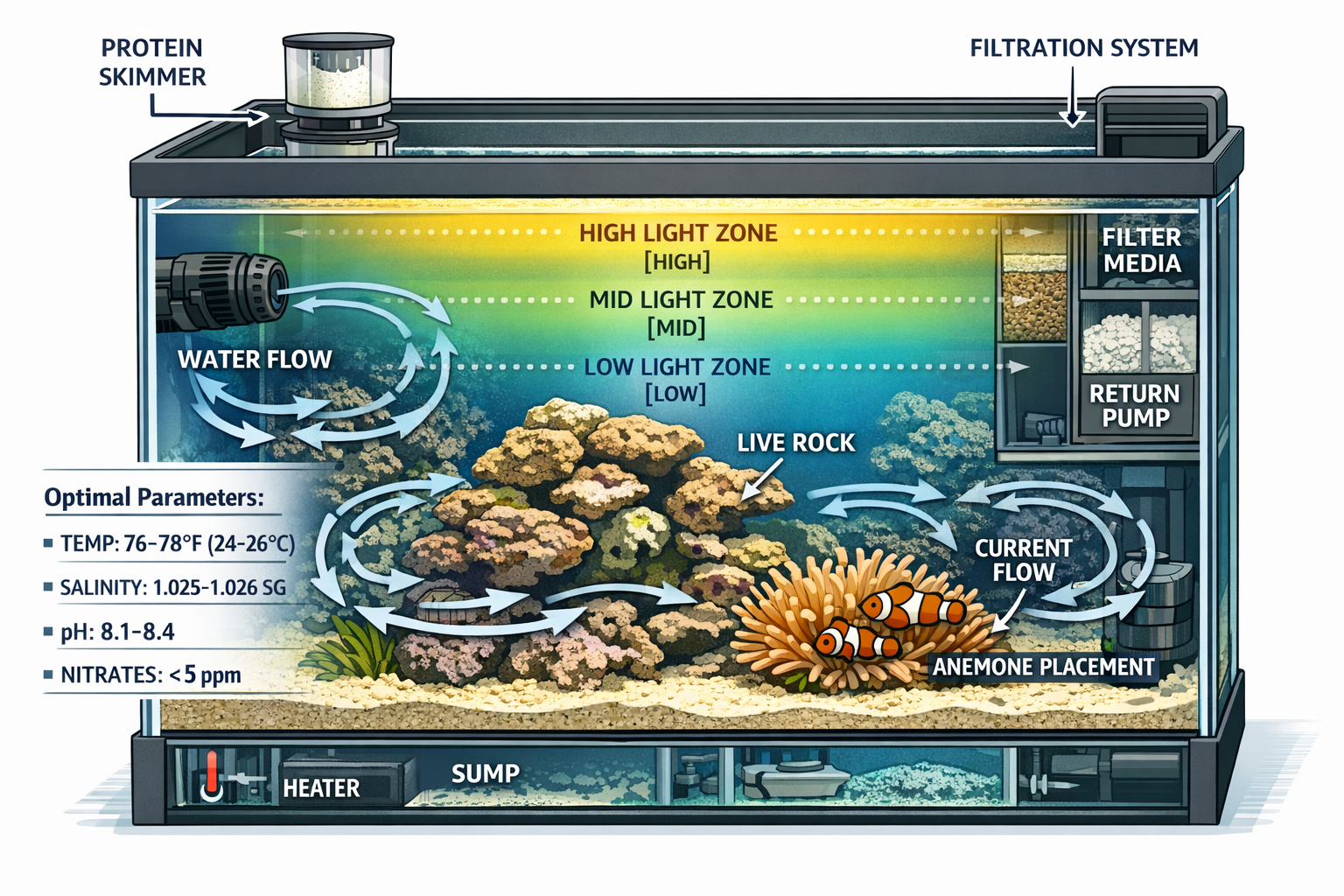
Water Parameters must remain stable within specific ranges:
- Temperature: 76-82°F (24-28°C)
- Salinity: 1.020-1.025 specific gravity
- pH: 8.1-8.4
- Ammonia/Nitrite: 0 ppm
- Nitrate: <20 ppm
Filtration Systems should provide mechanical, biological, and chemical filtration. Protein skimmers are essential for maintaining water quality in marine systems. Quality aquarium filters designed for saltwater use will handle the bioload effectively.
Essential Equipment for Clownfish Care
Lighting Requirements depend on your tank goals. Fish-only systems need basic LED lighting, while reef tanks with anemones require high-intensity lighting to support photosynthetic organisms.
Water Movement should provide gentle to moderate flow throughout the tank. Clownfish prefer areas with varied flow patterns that allow them to find comfortable spots while maintaining good water circulation.
Heating and Cooling equipment maintains stable temperatures. Quality heaters with thermostats prevent dangerous temperature swings, while fans or chillers may be necessary in warm climates.
Testing Equipment allows regular monitoring of water parameters. Digital meters for salinity and pH, along with test kits for nitrogen compounds, are essential tools for successful marine aquariums.
Live Rock and Substrate Selection
Live Rock provides biological filtration, natural beauty, and territorial boundaries that clownfish appreciate. Plan for 1-2 pounds of live rock per gallon of water, arranged to create caves and swimming spaces.
Substrate Choices range from bare bottom (easiest maintenance) to sand beds that support beneficial bacteria and natural behaviors. Aragonite sand helps buffer pH and provides calcium for shell-building organisms.
Anemone Considerations
While clownfish don’t require anemones to thrive, many aquarists enjoy the natural symbiotic relationship. Popular Anemone Species include:
- Bubble Tip Anemones (Entacmaea quadricolor) – Hardy and accepting of various clownfish species
- Sebae Anemones (Heteractis crispa) – Beautiful but more challenging to maintain
- Carpet Anemones (Stichodactyla species) – Stunning but potentially dangerous to other tank inhabitants
Anemones require excellent water quality, proper lighting, and stable conditions. They can also move around tanks and potentially sting other corals or fish, so careful consideration is necessary.
Tank Mates and Community Planning
Clownfish are generally peaceful and compatible with many marine fish species. Excellent Tank Mates include:
- Cardinalfish – Peaceful schooling fish that occupy different tank areas
- Gobies and Blennies – Bottom-dwelling fish that add activity and personality
- Wrasses – Active swimmers that help control pests
- Angelfish – Larger species that add color and movement
Species to Avoid include aggressive fish like large triggers, groupers, and eels that might prey on clownfish. Very small fish might be bullied by territorial clownfish pairs.
The key to successful community tanks is matching fish with similar care requirements and compatible temperaments. Research each species thoroughly and plan your stocking list carefully to avoid conflicts.
Clownfish Care, Breeding, and Raising Fry
Understanding clownfish biology and breeding behavior opens up exciting possibilities for aquarists interested in propagation. Clownfish are among the easier marine fish to breed in captivity, making them excellent choices for aquarists wanting to try their hand at breeding.
Daily Care and Feeding Requirements
Feeding Schedules should provide small meals 2-3 times daily rather than single large feedings. This approach mimics natural feeding patterns and maintains better water quality.
Diet Variety is crucial for optimal health and coloration. Quality commercial foods should form the base diet, supplemented with frozen foods like mysis shrimp, brine shrimp, and chopped seafood. Proper feeding techniques ensure fish receive balanced nutrition.
Nutritional Requirements include high-quality proteins for growth and color development. Foods containing spirulina, astaxanthin, and other color-enhancing ingredients help maintain vibrant coloration.
Understanding Clownfish Breeding Behavior
Sex Determination in clownfish is fascinating – all fish are born male and can change to female when social conditions require it. The largest, most dominant fish in a group becomes female, while the second-largest becomes the breeding male.
Pair Formation typically occurs when two fish establish a territory together. The female becomes noticeably larger than the male, and both fish begin preparing nesting sites on flat surfaces near their anemone or preferred shelter.
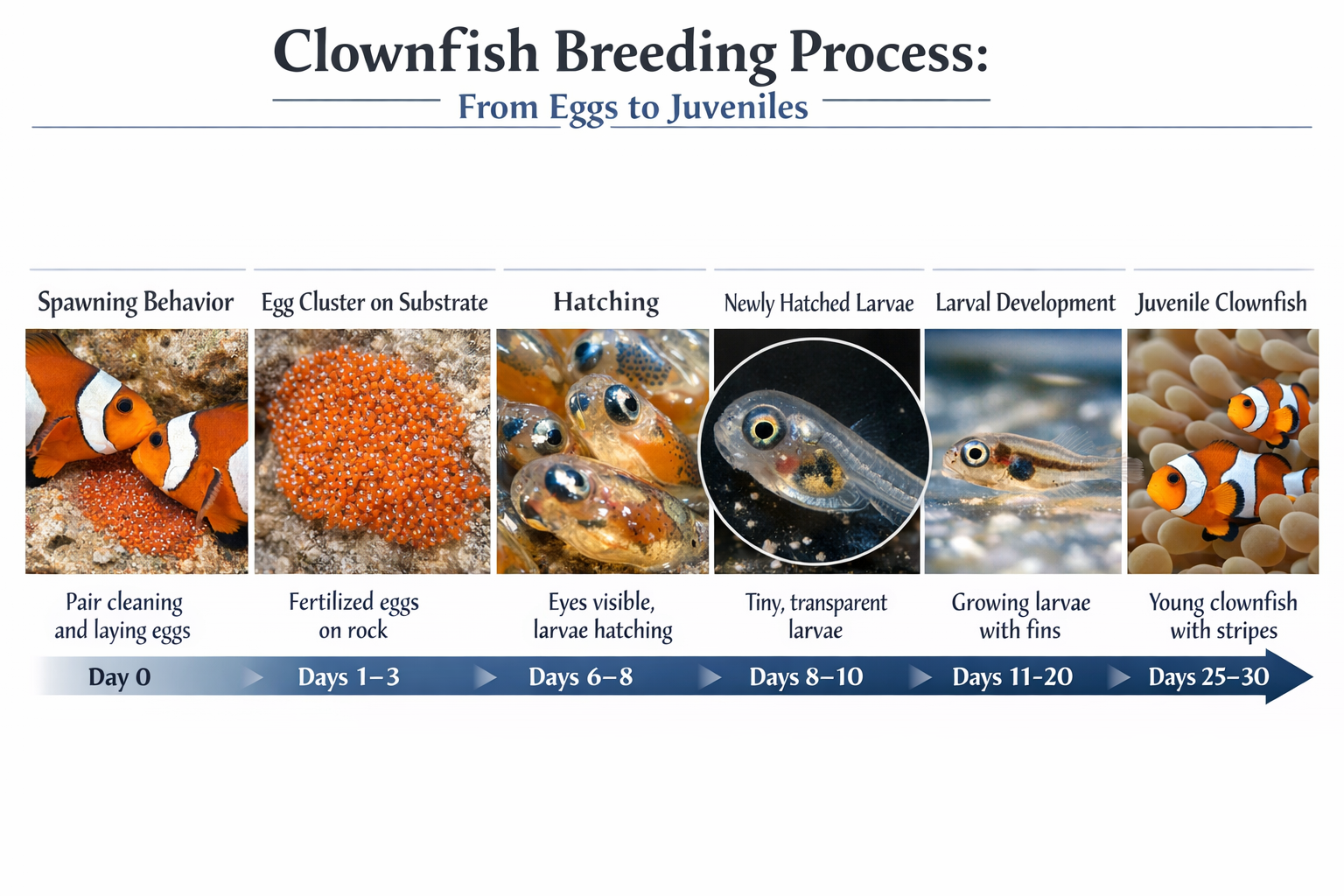
Spawning Behavior follows predictable patterns. The female deposits 200-1,500 eggs on a cleaned flat surface while the male fertilizes them. Both parents guard and tend the eggs, with the male taking primary responsibility for fanning and cleaning them.
Egg Development and Hatching
Incubation Period lasts 6-11 days depending on water temperature. Warmer water (80-82°F) speeds development, while cooler temperatures extend the incubation period.
Egg Color Changes indicate development progress:
- Day 1-2: Bright orange eggs
- Day 3-5: Eyes become visible as dark spots
- Day 6-8: Silver coloration develops
- Hatching Night: Eggs appear clear with visible larvae
Hatching Timing typically occurs 2-3 hours after lights go out, triggered by darkness. Larvae are attracted to light and swim toward the surface, making collection possible with proper lighting setup.
Raising Clownfish Fry Successfully
Larval Tank Setup requires specialized equipment different from adult fish care. Bare-bottom tanks with gentle filtration, stable temperature, and appropriate lighting create optimal conditions for fry development.
First Foods are critical for survival. Newly hatched larvae require live foods small enough to fit in their tiny mouths:
- Rotifers (Brachionus species) – Essential first food for days 1-10
- Baby Brine Shrimp – Introduced around day 8-12
- Copepod Nauplii – Excellent nutrition for growing larvae
Water Quality Management becomes even more critical with fry. Daily water changes of 10-20% help maintain pristine conditions while removing uneaten food and waste.
Metamorphosis Process occurs around day 8-15 when larvae develop their distinctive clownfish coloration and settle to the bottom. This transition period requires careful monitoring and gradual diet changes.
Growing Out Juvenile Clownfish
Juvenile Care involves gradually transitioning young fish to adult diets and conditions. Growth rates vary by species and feeding intensity, with most clownfish reaching sellable size (1+ inches) within 3-6 months.
Grading and Selection becomes important as fish develop. Breeders typically sort fish by size, color quality, and any unique characteristics that might make them valuable as breeding stock or designer morphs.
Health Monitoring remains crucial throughout the growing process. Juvenile clownfish are more susceptible to disease and environmental fluctuations than adults, requiring consistent care and observation.
Successful clownfish breeding requires dedication, proper equipment, and patience, but the rewards of raising your own fish from eggs to adults are immeasurable. Many hobbyist breeders find local markets for their fish or trade with other aquarists to support their hobby expenses.
Designer Morphs and Rare Varieties: Investment Opportunities
The world of designer clownfish morphs has exploded in recent years, creating opportunities for both collectors and investors. Understanding the genetics, market trends, and breeding potential of these unique fish can guide purchasing decisions and potentially provide returns on investment.
Understanding Clownfish Genetics and Morph Development
Genetic Basis of designer morphs typically involves recessive traits that alter pigmentation patterns. Breeders selectively pair fish with desirable characteristics over multiple generations to establish stable genetic lines.
Inheritance Patterns determine how traits pass to offspring. Simple recessive traits require both parents to carry the gene for expression in offspring, while more complex traits may involve multiple genes working together.
Line Breeding techniques concentrate desired traits while maintaining genetic diversity. Successful breeders carefully track lineages and avoid excessive inbreeding that can lead to health problems.
Popular Designer Morphs and Market Values
Snowflake Varieties represent some of the most established designer morphs, with prices ranging from $50-200 depending on pattern intensity and quality. The best specimens show extensive white markings that create unique, artistic patterns.
Picasso Clownfish command premium prices for exceptional specimens, with top-quality fish selling for $200-500. The most valuable Picassos show connected stripes or unusual pattern configurations that create striking visual effects.
Lightning Morphs represent the current pinnacle of clownfish breeding, with exceptional specimens selling for $500-1,500 or more. These fish show dramatic white markings that extend across large portions of their bodies.
Black Variants including Black Snowflakes and Black Picassos combine melanistic traits with pattern mutations, creating stunning fish that often sell for $300-800 depending on quality.
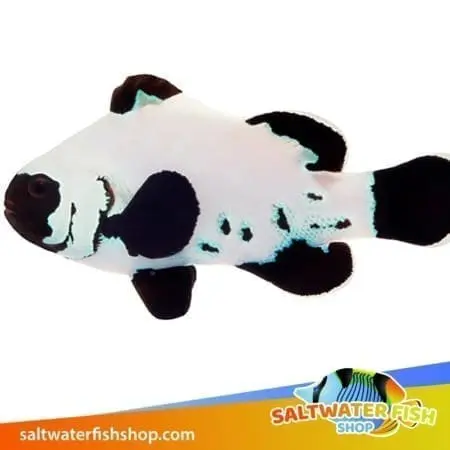
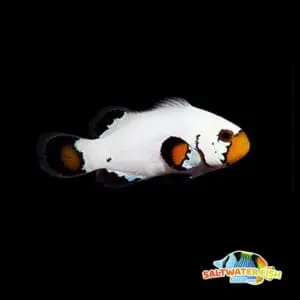
Platinum and Wyoming White morphs showcase extreme white coloration that virtually eliminates orange pigmentation. These rare fish can sell for $400-1,000 for quality specimens.
Evaluating Investment Potential
Market Trends show continued strong demand for high-quality designer morphs, particularly those with stable genetics and proven breeding potential. Limited supply of the best specimens maintains premium pricing.
Breeding Rights add significant value to designer morphs. Fish sold with breeding rights allow purchasers to produce and sell offspring, while “pet only” sales restrict breeding to protect genetic lines.
Genetic Stability affects long-term value. Morphs with stable genetics that reliably produce similar offspring maintain higher values than those with unpredictable expression.
Rarity Factors influence pricing, with newly developed morphs commanding highest prices before becoming more widely available. Early adoption of promising new lines can provide significant returns.
Building a Designer Clownfish Collection
Research and Planning are essential before investing in expensive designer morphs. Study genetic lines, breeder reputations, and market trends to make informed decisions.
Quality Over Quantity typically provides better returns than collecting numerous lower-grade specimens. A few exceptional fish often appreciate more than many average ones.
Breeding Potential should factor into purchasing decisions. Proven breeding pairs or young fish from exceptional parents offer opportunities for future propagation and sales.
Documentation and Provenance become crucial for valuable fish. Maintain detailed records of lineage, purchase documentation, and any breeding rights or restrictions.
Working with Reputable Breeders
Established Breeders with proven track records offer the best sources for investment-grade designer morphs. Research their reputation, genetic lines, and customer satisfaction before making significant purchases.
Health Guarantees are essential when purchasing expensive fish. Reputable breeders stand behind their fish with comprehensive health guarantees and replacement policies.
Ongoing Support from breeders can provide valuable guidance for care, breeding, and market opportunities. Many successful collectors maintain relationships with multiple breeders to access the best new developments.
The designer clownfish market continues evolving rapidly, with new morphs appearing regularly and values fluctuating based on supply and demand. Success requires staying informed about market trends, maintaining high-quality fish, and building relationships within the breeding community.
🐠 Clownfish Species & Morph Comparison Tool
Compare different clownfish species and designer morphs to find the perfect fish for your aquarium
Shipping, Acclimation, and Quarantine Procedures
Successful clownfish ownership begins before the fish enter your display tank. Proper shipping, acclimation, and quarantine procedures are essential for fish health and long-term success, regardless of where you purchase your fish.
Understanding Live Fish Shipping
Modern live fish shipping has become remarkably reliable when done properly. Professional retailers use specialized packaging systems designed to maintain fish health during transport.
Packaging Components include insulated styrofoam boxes, oxygen-filled bags, heat or cool packs for temperature control, and cushioning materials to prevent injury during handling. Quality retailers also include water conditioners and stress-reducing additives in shipping bags.
Timing Considerations are crucial for successful shipping. Most retailers ship early in the week to avoid weekend delays and coordinate with weather conditions to minimize temperature extremes. Express shipping (overnight or 2-day) is standard for live fish to minimize stress.
Seasonal Shipping Restrictions protect fish during extreme weather. Many retailers suspend shipping during very hot or cold periods, or charge additional fees for special packaging during marginal weather conditions.
Proper Acclimation Techniques
Temperature Acclimation should occur gradually over 30-60 minutes. Float sealed shipping bags in your aquarium to slowly equalize temperatures, checking every 15 minutes to ensure steady progress.
Water Chemistry Acclimation requires more careful attention than temperature. Use the drip acclimation method to slowly introduce your tank water to the shipping bag over 1-2 hours, allowing fish to adjust to differences in pH, salinity, and other parameters.
Stress Reduction during acclimation includes dimming lights, minimizing disturbances, and avoiding feeding for the first 24 hours. Stressed fish need time to adjust before resuming normal activities.
Common Acclimation Mistakes include rushing the process, exposing fish to sudden parameter changes, or adding shipping water to your display tank. Shipping water often contains elevated ammonia and stress compounds that shouldn’t enter your system.
Quarantine Tank Setup and Management
Quarantine Tank Requirements include a separate system with its own filtration, heating, and monitoring equipment. A 20-gallon tank works well for most clownfish, providing adequate space while remaining manageable for maintenance.
Equipment Essentials for quarantine include:
- Separate heater and thermometer
- Simple filtration (sponge filter or hang-on-back)
- Basic lighting
- PVC pipe or similar hiding places
- Water testing supplies
- Separate nets and equipment to prevent cross-contamination
Quarantine Duration should be minimum 2-4 weeks for healthy-appearing fish, longer if any health issues develop. This period allows observation for diseases that may not be immediately apparent and provides time for treatment if necessary.
Monitoring and Observation during quarantine includes daily feeding, behavior assessment, and regular water testing. Watch for signs of disease, stress, or compatibility issues that might affect introduction to your display tank.
Health Assessment and Treatment Protocols
Daily Health Checks should include observing feeding response, swimming behavior, breathing rate, and physical appearance. Healthy fish show active swimming, normal feeding, and clear eyes and fins.
Common Health Issues during quarantine may include marine ich, bacterial infections, or shipping stress. Early detection and treatment are crucial for successful outcomes.
Treatment Considerations in quarantine allow aggressive treatment without affecting display tank inhabitants or beneficial bacteria. Copper-based medications, antibiotics, and other treatments can be used safely in quarantine systems.
Record Keeping during quarantine helps track fish health, treatment protocols, and outcomes. This information proves valuable for future reference and helps identify patterns or problems with specific suppliers.
Integration into Display Tank
Final Health Assessment before moving fish to your display tank should confirm complete recovery from shipping stress and absence of disease symptoms. Fish should be eating normally, swimming actively, and showing appropriate social behaviors.
Introduction Timing should consider existing tank inhabitants and their stress levels. Avoid introducing new fish during feeding times or when existing fish are spawning or showing territorial behaviors.
Monitoring After Introduction continues for several weeks as new fish establish territories and social hierarchies. Some initial chasing or posturing is normal, but watch for excessive aggression or stress indicators.
The investment in proper quarantine procedures pays dividends in healthier fish, reduced disease transmission, and greater long-term success. Many experienced aquarists consider quarantine essential regardless of fish source or apparent health status.
Cost Analysis: Budgeting for Clownfish Ownership
Understanding the true cost of clownfish ownership extends far beyond the initial purchase price. Successful budgeting includes setup costs, ongoing maintenance, and potential emergency expenses that can significantly impact your aquarium budget.
Initial Purchase Costs by Species and Morph
Standard Species Pricing varies significantly based on availability and demand:
- Ocellaris Clownfish: $20-40 for tank-bred specimens
- Percula Clownfish: $25-45 for quality individuals
- Maroon Clownfish: $35-60 depending on size and coloration
- Tomato Clownfish: $30-50 for healthy specimens
Designer Morph Premium Pricing reflects breeding difficulty and market demand:
- Snowflake Varieties: $60-200 depending on pattern quality
- Picasso Morphs: $100-500 for exceptional specimens
- Lightning Types: $300-1,500 for premium quality
- Black Variants: $150-800 based on expression and rarity
- Platinum/White Morphs: $400-1,000+ for stable genetics
Breeding Pair Considerations often provide better value than individual fish. Established pairs command premium prices but eliminate uncertainty about compatibility and provide potential breeding opportunities.
Tank Setup and Equipment Costs
Basic Tank System for clownfish requires significant initial investment:
- 20-gallon tank and stand: $150-300
- Lighting system: $100-400 depending on goals
- Filtration equipment: $100-300 for quality systems
- Heating and cooling: $50-150
- Live rock and substrate: $100-250
- Water testing equipment: $50-150
Advanced System Features can significantly increase costs:
- Protein skimmers: $150-500 for quality units
- Automated systems: $200-1,000+ for controllers and dosing
- High-end lighting: $300-1,500 for reef-capable systems
- Backup equipment: $100-300 for power outage protection
Ongoing Maintenance Expenses
Monthly Operating Costs include several essential categories:
- Electricity: $15-50 depending on system size and efficiency
- Salt mix: $10-25 for regular water changes
- Food: $10-30 for quality varied diet
- Replacement supplies: $10-30 for filter media, test reagents
- Water additives: $5-20 for supplements and treatments
Annual Equipment Replacement should be budgeted proactively:
- Lighting replacement: $50-200 annually
- Filter media: $100-200 per year
- Pump maintenance: $50-150 for cleaning and replacement parts
- Testing supplies: $50-100 for reagents and calibration solutions
Emergency and Veterinary Costs
Disease Treatment can require significant unexpected expenses:
- Medications: $50-200 for treatment courses
- Quarantine setup: $200-500 if not already established
- Veterinary consultation: $100-300 for exotic animal specialists
- Replacement fish: Variable based on original investment
Equipment Failure represents another major cost category:
- Pump replacement: $100-400 depending on system complexity
- Heater failure: $50-150 plus potential livestock loss
- Power outage protection: $200-800 for battery backup systems
Value Optimization Strategies
Bulk Purchasing can reduce ongoing costs significantly. Buying salt mix, food, and supplies in larger quantities often provides substantial savings while ensuring consistent availability.
Equipment Quality represents a classic “buy once, cry once” scenario. Higher-quality equipment typically lasts longer, operates more efficiently, and provides better reliability than budget alternatives.
Preventive Maintenance costs less than emergency repairs. Regular cleaning, timely replacement of wear items, and proactive monitoring prevent many expensive problems.
Community Resources can provide cost savings through group purchases, equipment sharing, and knowledge exchange. Local aquarium clubs often organize group buys and equipment swaps.
Return on Investment Considerations
Breeding Opportunities can offset ownership costs for dedicated aquarists. Successful clownfish breeding can generate income through local sales or trades with other hobbyists.
Equipment Resale Value varies significantly by brand and condition. Quality equipment from reputable manufacturers typically retains value better than budget alternatives.
Educational Value provides intangible returns through learning experiences, stress relief, and family enjoyment that justify costs for many aquarists.
Long-term Appreciation of rare morphs can provide investment returns, though this should never be the primary motivation for aquarium ownership.
Successful budgeting requires honest assessment of your financial capacity and commitment level. Starting with modest goals and expanding gradually often provides better outcomes than attempting comprehensive setups beyond your current means.
Building Long-term Relationships with Suppliers
Developing strong relationships with fish suppliers creates opportunities for better service, exclusive access to rare specimens, and ongoing support that enhances your aquarium success. Whether working with online retailers or local stores, relationship building requires mutual respect and understanding.
Choosing the Right Suppliers for Your Needs
Specialization Matters when selecting suppliers. Dedicated saltwater fish stores typically provide better expertise, healthier fish, and more comprehensive support than general pet retailers who carry marine fish as a sideline.
Reputation Research should include multiple sources of information. Check online reviews, social media presence, and industry forums for honest feedback about supplier reliability, fish quality, and customer service.
Communication Style compatibility affects long-term relationships significantly. Some aquarists prefer detailed technical discussions, while others want simple recommendations. Finding suppliers whose communication style matches your preferences improves satisfaction.
Geographic Considerations influence shipping costs, delivery times, and emergency support availability. Local suppliers offer immediate assistance advantages, while distant specialists might provide access to unique specimens unavailable locally.
Building Trust Through Consistent Interaction
Regular Communication helps suppliers understand your interests, experience level, and goals. Sharing photos of your tank, discussing successes and challenges, and asking informed questions demonstrates serious commitment to the hobby.
Honest Feedback about purchases, both positive and negative, helps suppliers improve their service while building trust. Constructive criticism delivered respectfully often leads to better future experiences.
Prompt Payment and professional interactions establish you as a valued customer worthy of special consideration. Suppliers remember customers who are easy to work with and often provide preferential treatment.
Referral Opportunities benefit both you and your suppliers. Recommending good suppliers to fellow aquarists builds goodwill while helping expand their customer base.
Accessing Exclusive Opportunities
Pre-order Privileges often become available to established customers. Many suppliers offer first access to new morphs, rare specimens, or seasonal imports to their best customers before general availability.
Custom Breeding Projects may be possible with suppliers who maintain breeding programs. Discussing your specific interests might lead to custom breeding efforts or holds on particular genetic lines.
Educational Opportunities frequently arise through supplier relationships. Many offer facility tours, breeding seminars, or informal mentoring that significantly enhances your knowledge and success.
Group Purchase Coordination can provide cost savings while building community. Suppliers often offer quantity discounts for coordinated purchases among multiple customers.
Maintaining Professional Relationships
Realistic Expectations form the foundation of good supplier relationships. Understanding their constraints, seasonal variations, and business pressures helps maintain reasonable expectations and patience during difficult periods.
Loyalty Balance requires careful consideration. While building strong relationships with primary suppliers is valuable, maintaining some diversity protects against supply disruptions and provides access to different specialties.
Problem Resolution should follow professional protocols. Address concerns directly with suppliers before posting negative reviews or complaints publicly. Most reputable businesses want to resolve problems and maintain customer satisfaction.
Knowledge Sharing creates mutual value in supplier relationships. Sharing your experiences, successful techniques, and market observations helps suppliers serve all customers better while positioning you as a valuable community member.
Leveraging Relationships for Better Outcomes
Advance Planning allows suppliers to better serve your needs. Discussing future purchases, breeding goals, or tank expansion plans helps them identify opportunities and allocate rare specimens appropriately.
Flexible Scheduling accommodates supplier constraints while ensuring optimal fish condition. Working with their shipping schedules, seasonal availability, and facility maintenance needs often results in healthier fish and better service.
Payment Terms may become more flexible with established suppliers. Some offer extended payment terms, layaway programs, or trade opportunities that provide financial flexibility for larger purchases.
Emergency Support becomes available through strong supplier relationships. When problems arise, established customers often receive priority assistance, expedited shipping, or emergency consultations that can save valuable fish.
The most successful aquarists typically maintain relationships with 2-3 primary suppliers who complement each other’s strengths while providing backup options and diverse perspectives. This approach balances loyalty with practical considerations while maximizing access to the best fish and support available.
Conclusion
Finding the right source for where to buy clownfish sets the foundation for years of aquarium enjoyment and success. Throughout this comprehensive guide, we’ve explored the various options available to modern aquarists, from specialized online retailers to local fish stores, each offering unique advantages for different situations and experience levels.
The key to successful clownfish ownership lies in understanding that the purchase price represents just the beginning of your investment. Quality fish from reputable sources, proper acclimation procedures, appropriate tank setups, and ongoing care all contribute to long-term success. Whether you’re drawn to the classic beauty of standard Ocellaris clownfish or the stunning patterns of designer morphs like Lightning Maroons, choosing healthy, well-cared-for specimens from trustworthy suppliers makes all the difference.
Your next steps should include:
- Assess your experience level and goals – Choose fish appropriate for your current knowledge while leaving room for growth
- Research potential suppliers thoroughly – Read reviews, check credentials, and verify health guarantees before making purchases
- Prepare your system completely – Ensure your tank is properly cycled and equipped before ordering fish
- Plan your quarantine procedures – Set up quarantine systems and protocols before fish arrive
- Start building supplier relationships – Begin with smaller purchases to evaluate service quality before making major investments
The clownfish hobby continues evolving rapidly, with new morphs, improved breeding techniques, and better shipping methods appearing regularly. Staying connected with reputable suppliers, fellow aquarists, and industry developments ensures you’ll have access to the latest innovations and best practices.
Remember that successful clownfish keeping is a journey, not a destination. Each fish teaches valuable lessons, every challenge provides learning opportunities, and the relationships you build within the aquarium community enhance the entire experience. Whether you’re planning your first clownfish purchase or expanding an existing collection, the principles outlined in this guide will help you make informed decisions that lead to healthy, thriving fish and years of aquarium enjoyment.
The magic of watching clownfish swim among coral in your own living room never gets old. By choosing quality fish from reputable sources and providing excellent care, you’re investing in a hobby that provides endless fascination, educational opportunities, and the deep satisfaction that comes from successfully maintaining these remarkable marine creatures.
References
[1] Fautin, D. G., & Allen, G. R. (1992). Field Guide to Anemonefishes and Their Host Sea Anemones. Western Australian Museum.
[2] Wilkerson, J. D. (2001). Clownfishes: A Guide to Their Captive Care, Breeding & Natural History. Microcosm Ltd.
[3] Olivotto, I., Planas, M., Simões, N., Holt, G. J., Avella, M. A., & Calado, R. (2011). Advances in breeding and rearing marine ornamentals. Journal of the World Aquaculture Society, 42(2), 135-166.
[4] Rhyne, A. L., Tlusty, M. F., Schofield, P. J., Kaufman, L., Morris Jr, J. A., & Bruckner, A. W. (2012). Revealing the appetite of the marine aquarium fish trade: the volume and biodiversity of fish imported into the United States. PLoS One, 7(5), e35808.
[5] Calado, R., Olivotto, I., Oliver, M. P., & Holt, G. J. (Eds.). (2017). Marine ornamental species aquaculture. John Wiley & Sons.